Blog

  • DevOps Trainer Roadmap for Enterprise DevOps Maturity

    Introduction

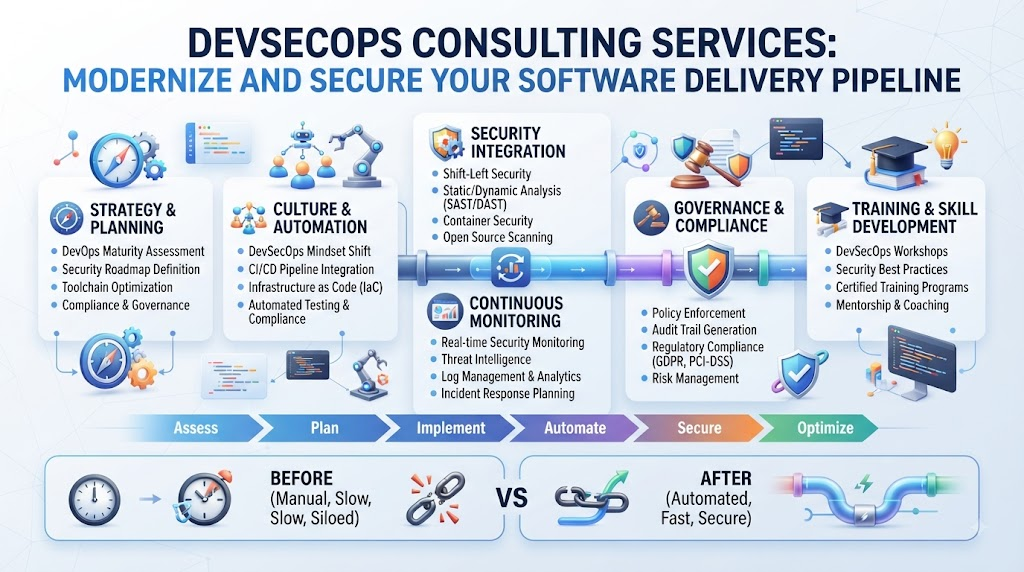
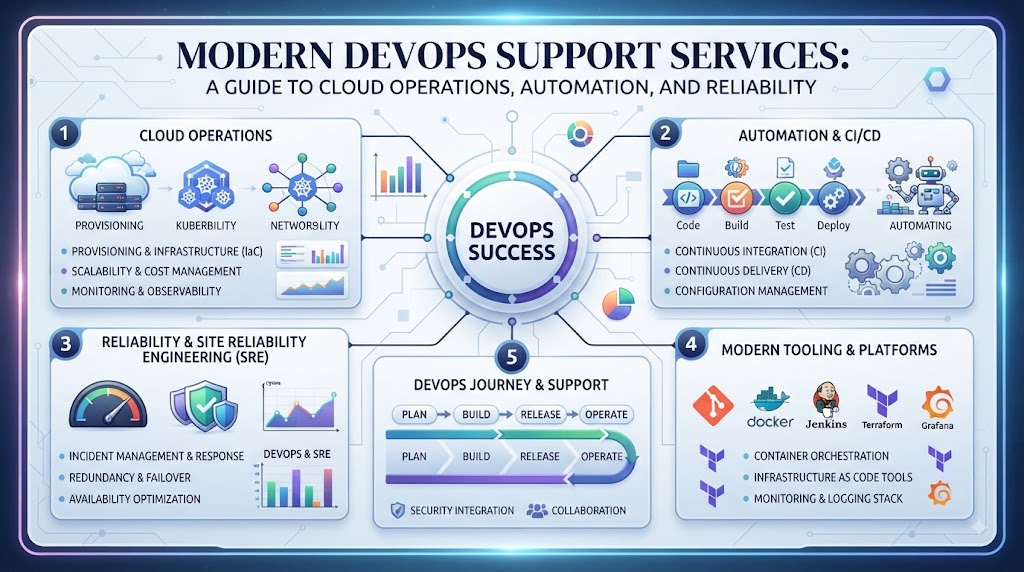
    DevOps has moved far beyond basic automation. Today, it is a complete engineering approach that helps organizations deliver software faster, safer, and with better reliability. Businesses need teams that understand cloud platforms, CI/CD pipelines, Kubernetes, Docker, Terraform, Jenkins, DevSecOps, SRE, GitOps, and platform engineering. This is where an experienced DevOps Trainer and DevOps Consultant becomes valuable. Rajesh Kumar’s expertise helps learners and organizations move from tool-based learning to practical implementation, where DevOps becomes part of daily engineering work, not just a classroom topic.

    What Makes DevOps Important for Modern Teams

    Modern software delivery requires speed, stability, security, and automation. Traditional IT methods often depend on manual approvals, separate teams, delayed testing, and slow production releases. DevOps solves this by creating collaboration between development, operations, security, cloud, and business teams.

    A DevOps Trainer helps professionals understand the full delivery journey, from code commit to production monitoring. A DevOps Consultant helps companies redesign their workflows, improve automation, and remove delivery bottlenecks.

    For organizations, DevOps Corporate Training builds common understanding across teams. It helps developers, system administrators, cloud engineers, QA teams, managers, and leadership speak the same technical language.

    DevOps vs Traditional IT

    FeatureTraditional ITDevOps ApproachBest Choice
    Delivery SpeedSlow and manualFaster and automatedDevOps
    Team ModelSeparate teamsShared ownershipDevOps
    TestingLate-stage testingContinuous testingDevOps
    DeploymentRisky releasesRepeatable releasesDevOps
    Best Use CaseLegacy operationsCloud and agile teamsDevOps

    Role of a DevOps Trainer and DevOps Consultant

    A DevOps Trainer focuses on building skills. A DevOps Consultant focuses on solving business and technical challenges. Both roles are important, but their purpose is different.

    A trainer teaches tools such as Jenkins, Docker, Kubernetes, Terraform, GitHub Actions, Ansible, AWS, Azure, Google Cloud, ArgoCD, FluxCD, Prometheus, and Grafana. A consultant helps organizations decide which tools to use, how to connect them, and how to improve delivery outcomes.

    A strong DevOps Trainer in India should combine both teaching and real-world implementation experience.

    DevOps Trainer vs DevOps Consultant

    AreaDevOps TrainerDevOps ConsultantBest Choice
    Main FocusSkill developmentBusiness improvementBoth
    AudienceLearners and teamsOrganizationsDepends on goal
    OutputKnowledge and practiceStrategy and executionCombined approach
    LimitationNeeds workplace practiceNeeds team supportBalanced model
    Best Use CaseTraining programsTransformation projectsEnterprise adoption

    Key Skills Covered in DevOps Training

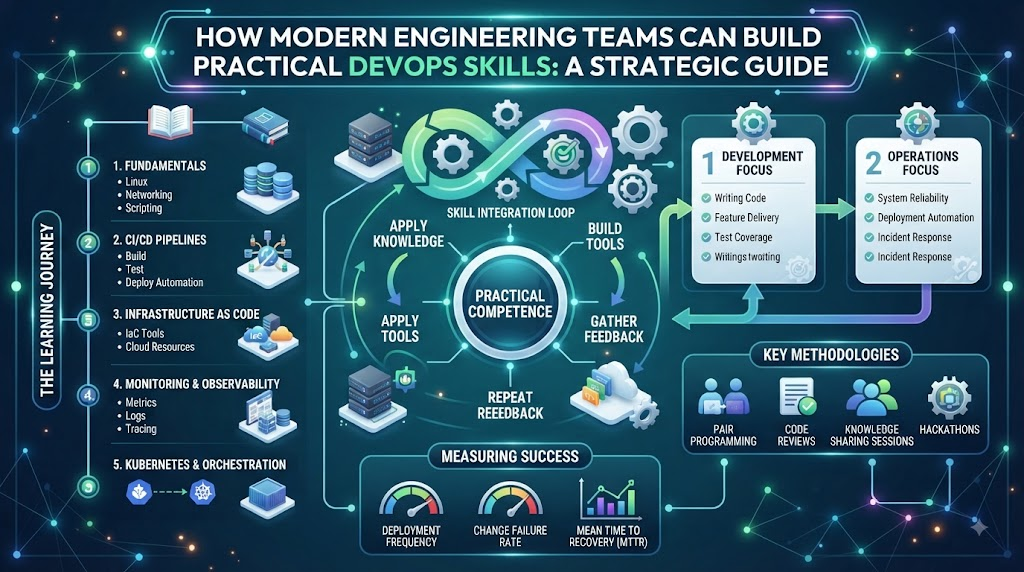
    A complete DevOps learning path must begin with fundamentals. Learners should understand Linux, networking, Git, scripting, cloud basics, and software development workflows before moving into advanced tools.

    Important training areas include:

    • Jenkins Training
    • Terraform Training
    • Docker Kubernetes Training
    • CI/CD Pipeline Training
    • GitOps Training
    • Kubernetes Corporate Training
    • DevSecOps Corporate Training
    • Site Reliability Engineering Training
    • Platform Engineering Training
    • AWS DevOps Consultant skills
    • Cloud DevOps Consultant practices

    A good training program should include labs, projects, troubleshooting examples, and real-world deployment scenarios.

    Kubernetes, SRE, DevSecOps, and Platform Engineering

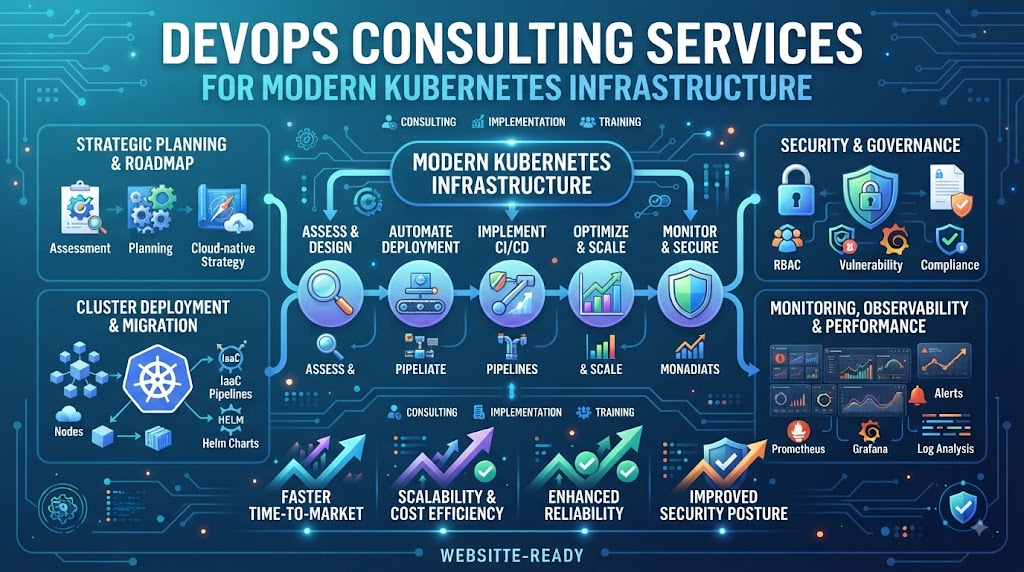
    Kubernetes has become a major skill for DevOps and cloud teams. A Kubernetes Trainer helps learners understand container orchestration, deployment strategies, services, ingress, scaling, storage, security, and troubleshooting.

    SRE focuses on reliability. An SRE Trainer teaches SLIs, SLOs, error budgets, observability, incident management, and production readiness. A DevSecOps Trainer teaches secure pipelines, vulnerability scanning, container security, secrets management, and compliance automation.

    A Platform Engineering Consultant helps organizations build internal developer platforms that make software delivery easier, faster, and more standardized.

    DevOps vs DevSecOps vs SRE vs Platform Engineering

    PracticeFocusBenefitLimitationBest Use Case
    DevOpsDelivery automationFaster releasesMay miss securityCI/CD adoption
    DevSecOpsSecurity automationSafer releasesNeeds culture changeRegulated teams
    SREReliabilityBetter uptimeNeeds metrics maturityProduction systems
    Platform EngineeringDeveloper productivityStandard workflowsNeeds platform visionLarge teams

    DevOps Roadmap for Professionals

    Professionals should follow a step-by-step roadmap instead of learning random tools. Start with Linux, Git, networking, and basic scripting. Then learn CI/CD concepts, Jenkins, Docker, Kubernetes, Terraform, and cloud platforms.

    After that, move into monitoring, logging, security automation, GitOps, SRE, and platform engineering. The goal is not only to know commands but to understand how systems are built, deployed, monitored, and improved.

    A practical learner should build sample pipelines, deploy containers, provision cloud infrastructure, configure alerts, and troubleshoot failed deployments.

    DevOps Corporate Training for Organizations

    DevOps Corporate Training should be customized for the company’s team structure and maturity level. Developers may need CI/CD and container training. Operations teams may need Kubernetes, Terraform, monitoring, and incident response. Security teams may need DevSecOps Corporate Training. Managers may need DevOps governance, KPIs, and adoption planning.

    The best training programs include practical labs, role-based modules, real project examples, and post-training guidance. This helps teams apply learning directly to workplace challenges.

    Common Mistakes in DevOps Adoption

    Many companies start DevOps by installing tools without changing workflows. This creates confusion because tools alone cannot improve delivery. Another common mistake is adopting Kubernetes without proper knowledge of operations, networking, security, and monitoring.

    Some teams build CI/CD pipelines without testing quality, rollback planning, or approval controls. Others ignore DevSecOps until the end of the release cycle. These mistakes can be avoided through structured training, consulting, and clear implementation planning.

    Best Practices

    Begin with fundamentals and then move toward automation. Use Git for code, infrastructure, and deployment configuration. Build pipelines that include testing, scanning, approval, deployment, and rollback stages. Use Terraform for repeatable infrastructure. Add monitoring and alerting early. Train teams by role, not with one generic syllabus. Organizations should combine DevOps Consulting with DevOps Corporate Training to build both strategy and execution capability.

    Expert Tips

    Do not treat DevOps as a tool collection. Treat it as an engineering system. Every tool should support a clear goal such as faster delivery, better reliability, stronger security, lower manual work, or improved visibility. Practice real failures like broken builds, failed Kubernetes deployments, Terraform drift, security scan errors, and noisy alerts. These exercises build the confidence needed for production work.

    Why Choose Rajesh Kumar

    Rajesh Kumar brings practical experience across DevOps Training, DevOps Consulting, Kubernetes Training, SRE Training, DevSecOps Training, Platform Engineering Consulting, Cloud DevOps Consulting, AWS DevOps Consulting, Terraform Training, Jenkins Training, Docker & Kubernetes Training, CI/CD Pipeline Training, and GitOps Training.

    His approach is suitable for professionals who want career growth and organizations that want stronger engineering capability. The focus is not only on learning tools but also on applying them correctly in real environments.

    Frequently Asked Questions

    1. What is the role of a DevOps Trainer?

    A DevOps Trainer helps learners understand DevOps concepts, tools, workflows, and real implementation practices. The trainer teaches CI/CD, Docker, Kubernetes, Jenkins, Terraform, cloud platforms, monitoring, automation, and collaboration. A good trainer focuses on practical labs and project-based learning instead of only theoretical explanations.

    2. How is a DevOps Consultant different from a trainer?

    A DevOps Consultant helps organizations solve delivery, automation, cloud, and reliability problems. A trainer mainly builds skills through structured learning. A consultant studies existing workflows, finds gaps, recommends improvements, and supports implementation. Many organizations need both training and consulting for successful DevOps adoption.

    3. Why is DevOps Corporate Training useful?

    DevOps Corporate Training helps teams build shared knowledge and practical skills. It improves collaboration between developers, operations, QA, security, cloud teams, and managers. A customized program can help organizations improve CI/CD, cloud automation, Kubernetes adoption, DevSecOps, monitoring, and release management.

    4. Who should attend DevOps Training?

    DevOps Training is useful for developers, cloud engineers, system administrators, QA engineers, IT managers, engineering managers, students, and working professionals. It is also useful for organizations that want to improve software delivery, automation, reliability, cloud adoption, and team productivity.

    5. Why is Kubernetes Training important?

    Kubernetes Training is important because many modern applications run on containers and cloud native platforms. It teaches deployment, scaling, networking, storage, security, monitoring, and troubleshooting. Without proper Kubernetes knowledge, teams may face production issues, unstable deployments, and operational complexity.

    6. What is Docker Kubernetes Training?

    Docker Kubernetes Training teaches how to package applications using Docker and manage them at scale using Kubernetes. Docker helps create containers, while Kubernetes manages deployment, scaling, service discovery, and recovery. Together, they are important skills for cloud native application delivery.

    7. What is Site Reliability Engineering Training?

    Site Reliability Engineering Training teaches reliability-focused engineering practices. It covers SLIs, SLOs, error budgets, incident response, monitoring, observability, automation, and production readiness. It is useful for DevOps engineers, SREs, cloud teams, platform teams, and operations professionals.

    8. What does an SRE Consultant do?

    An SRE Consultant helps organizations improve system reliability, reduce downtime, define service level objectives, improve monitoring, and design incident response processes. The consultant helps teams move from reactive operations to measurable reliability engineering practices.

    9. Why is DevSecOps Training needed?

    DevSecOps Training helps teams add security into the software delivery lifecycle. It covers secure coding, scanning, container security, secrets management, compliance checks, and security gates in CI/CD pipelines. This helps organizations reduce risk while maintaining delivery speed.

    10. What is Platform Engineering Training?

    Platform Engineering Training teaches how to build internal developer platforms, reusable automation, self-service workflows, deployment templates, and standardized infrastructure services. It helps organizations reduce developer friction and improve software delivery consistency across teams.

    11. Is Terraform Training useful for cloud teams?

    Yes, Terraform Training is very useful for cloud teams because it teaches Infrastructure as Code. Teams can create and manage cloud infrastructure using version-controlled configuration files. This improves consistency, automation, repeatability, and control across AWS, Azure, Google Cloud, and multi-cloud environments.

    12. Why should I learn Jenkins Training?

    Jenkins Training is useful because Jenkins is still widely used for CI/CD automation. It helps learners understand pipelines, build jobs, plugins, credentials, integrations, testing, deployment, and release workflows. It is especially useful in companies that already use Jenkins for software delivery.

    13. What is CI/CD Pipeline Training?

    CI/CD Pipeline Training teaches how to automate build, test, scan, package, deploy, and release processes. It helps teams reduce manual work, improve deployment consistency, detect errors early, and deliver software faster with better confidence.

    14. What is GitOps Training?

    GitOps Training teaches how to use Git as the source of truth for deployment and infrastructure changes. It often includes tools like ArgoCD and FluxCD. GitOps improves visibility, auditability, rollback control, and consistency in Kubernetes-based delivery workflows.

    15. How can DevOps skills support career growth?

    DevOps skills can open opportunities in roles such as DevOps Engineer, Cloud Engineer, SRE, Platform Engineer, DevSecOps Engineer, Build Engineer, Release Engineer, and Automation Engineer. Professionals with hands-on knowledge of cloud, CI/CD, Kubernetes, Terraform, and monitoring are highly valuable in modern IT teams.

    Conclusion

    DevOps maturity is built through practical skills, strong processes, automation, reliability, security, and continuous improvement. Professionals need structured learning to understand how tools work together in real environments. Organizations need training and consulting to improve delivery systems, cloud operations, and team collaboration. With guidance from an experienced expert like Rajesh Kumar, teams can build real DevOps capability and move confidently toward modern engineering excellence.

  • Essential Guide to Common Heart Conditions and Treatment Options

    Introduction

    The heart is the engine of the human body, responsible for sustaining every other system through the continuous circulation of life-giving blood. Given its critical role, cardiovascular health is a cornerstone of overall wellness. However, heart-related issues are increasingly prevalent, affecting millions of people across the globe. Understanding these conditions is the first step toward living a longer, healthier life.For those looking for reliable medical information and professional guidance, MyDoctorsNow stands as a trusted resource for navigating complex heart health topics and wellness management. This guide explores the spectrum of heart conditions, the importance of diagnostic testing, and the modern approaches to treatment and prevention.

    Understanding Heart Disease

    Heart disease, often used as an umbrella term, refers to a range of conditions that affect the structure or function of the heart. The cardiovascular system consists of the heart, blood vessels, and the blood itself, working in a perfectly synchronized rhythm.

    When any part of this system is compromised—whether due to blocked arteries, weakened muscles, or abnormal electrical signals—it impacts the body’s ability to circulate oxygen. Heart conditions can be acute, occurring suddenly, or chronic, developing slowly over many years. Early diagnosis is essential because many cardiovascular issues can be effectively managed—or even prevented—when identified during their nascent stages.

    Why Heart Health Awareness Is Important

    Awareness is the most powerful tool in preventive cardiology. By understanding your body’s signals, you can secure several key benefits:

    • Early Intervention: Detecting issues before they become life-threatening.
    • Better Outcomes: Treatments are generally more effective when started promptly.
    • Reduced Complications: Managing risks prevents secondary damage to the body.
    • Improved Quality of Life: A healthy heart translates to more energy, better sleep, and greater physical freedom.

    HEART CONDITIONS OVERVIEW TABLE

    ConditionDescriptionCommon SymptomsTypical Treatment
    Coronary Artery DiseasePlaque buildup in arteriesChest pain, breathlessnessMedication, lifestyle changes, surgery
    Heart FailureHeart cannot pump effectivelyFluid retention, exhaustionMedication, lifestyle management, devices
    ArrhythmiaIrregular heartbeat rhythmPalpitations, dizzinessMedication, ablation, pacemaker
    Heart Valve DiseaseValve malfunctionHeart murmur, fatigueMedication, valve repair/replacement
    Congenital Heart DiseaseStructural issues present at birthCyanosis, fatigueMonitoring, surgery

    Common Heart Conditions Explained

    Coronary Artery Disease

    This is the most common form of heart disease. It occurs when the arteries that supply blood to the heart become narrowed due to the buildup of cholesterol-containing deposits, known as plaque. Over time, this restricts blood flow and can lead to chest pain (angina) or a heart attack. Treatment often involves blood-thinning medications, lifestyle adjustments, or procedures to open the arteries.

    Heart Failure

    Heart failure does not mean the heart has stopped working; rather, it means the heart is not pumping blood as efficiently as it should. This can be caused by long-term high blood pressure, diabetes, or previous heart attacks. Management strategies focus on reducing the heart’s workload through diet, fluid restriction, and targeted medication to improve cardiac function.

    Arrhythmias

    Arrhythmias occur when the electrical signals that coordinate heartbeats are faulty. This can cause the heart to beat too fast, too slow, or irregularly. While some arrhythmias are harmless, others can be dangerous. Approaches range from lifestyle modification and medication to more advanced procedures like electrical cardioversion or implantable devices.

    Heart Valve Disease

    The heart has four valves that act as gates, ensuring blood flows in the correct direction. When these valves become too narrow (stenosis) or fail to close properly (regurgitation), the heart must work harder. Treatments involve regular monitoring, medications to support heart rhythm, or surgical repair/replacement of the valve.

    Congenital Heart Disease

    These are structural abnormalities of the heart present at birth. While some defects are minor and need only monitoring, others are more complex and require surgical intervention during infancy or childhood. Modern diagnostics now allow for early detection, ensuring that these conditions can be managed effectively as the child grows.

    Common Symptoms of Heart Conditions

    Symptoms can vary significantly from person to person. While some may experience intense pain, others may only feel mild fatigue or lightheadedness.

    HEART SYMPTOMS TABLE

    SymptomPossible Significance
    Chest PainPotential sign of blocked arteries or ischemia
    Shortness of BreathOften linked to heart failure or valve issues
    FatigueMay indicate the heart is struggling to pump
    PalpitationsSuggests an underlying arrhythmia
    DizzinessCan result from poor blood flow to the brain
    Leg SwellingOften a symptom of fluid buildup in heart failure

    Major Risk Factors for Heart Disease

    HEART RISK FACTORS TABLE

    Risk FactorImpact on Heart HealthPrevention Strategy
    High Blood PressureDamages artery wallsLow-sodium diet, regular exercise, medication
    High CholesterolCauses plaque buildupHealthy fats, fiber intake, medical monitoring
    SmokingStiffens arteriesQuitting smoking, behavioral support
    ObesityIncreases heart workloadPortion control, regular activity
    DiabetesDamages blood vesselsBlood sugar monitoring, insulin control
    Physical InactivityWeakens heart muscleConsistent aerobic exercise routine

    Diagnostic Tests Used for Heart Conditions

    DIAGNOSTIC TESTS TABLE

    TestPurposeBenefit
    ECGMonitors electrical activityDetects rhythm irregularities
    EchocardiogramUltrasound imaging of the heartVisualizes structure and valve movement
    Stress TestMonitors heart during physical activityUncovers issues that only appear under load
    Blood TestsAnalyzes biomarkers (like troponin)Identifies cell damage or cholesterol levels
    CT ScanProvides detailed 3D imageryChecks for calcium deposits in arteries
    Cardiac CatheterizationDirect access to the heartBoth diagnostic and therapeutic capability

    Treatment Options for Common Heart Conditions

    TREATMENT OPTIONS TABLE

    Treatment TypePurposeCommon Use
    Lifestyle ChangesEliminating risk factorsFirst-line defense for almost all conditions
    MedicationsManaging symptoms/risksControlling BP, cholesterol, and rhythm
    AngioplastyOpening blocked arteriesRestoring blood flow in coronary disease
    PacemakerRegulating electrical rhythmCorrecting slow or irregular heartbeats
    Valve SurgeryRepairing/replacing valvesTreating severe valve disease
    Bypass SurgeryCreating new paths for blood flowTreating severe blockages

    How to Maintain Good Heart Health

    Maintaining heart health is a lifelong commitment. A heart-healthy diet rich in vegetables, fruits, and lean proteins is foundational. Consistent exercise, even if it’s just a brisk 30-minute walk daily, strengthens the heart muscle. Stress reduction via meditation or hobbies prevents chronic physiological strain, and quality sleep allows the cardiovascular system to recover. Finally, regular checkups are essential for catching silent issues like hypertension before they result in long-term damage.

    Benefits of Early Detection and Treatment

    Early detection leads to higher survival rates and lower long-term costs. When caught early, heart disease can often be managed through diet and minor medication, avoiding invasive procedures entirely. Improved quality of life is the greatest benefit, allowing individuals to remain active and healthy for years longer.

    Real-Life Patient Scenarios

    • Early Diagnosis: A 50-year-old patient felt mild fatigue. A routine ECG detected an arrhythmia, which was successfully managed with medication before any complications arose.
    • Successful Management: A patient with high cholesterol adopted a plant-based diet and consistent walking regimen, successfully lowering their numbers and reducing their dependence on cholesterol medication.

    Common Mistakes People Make

    • Ignoring symptoms: Thinking chest pain is just heartburn or stress.
    • Skipping medications: Not realizing that heart medication needs to be taken consistently to work.
    • Fearing the doctor: Delaying appointments until an emergency occurs.
    • Unhealthy Habits: Assuming a “cheat day” can be a “cheat life” regarding diet and smoking.

    Future of Heart Care

    FUTURE OF CARDIOLOGY TABLE

    InnovationPotential Benefit
    AI DiagnosticsRapid, accurate analysis of medical data
    WearablesReal-time monitoring of heart rhythm and BP
    Remote MonitoringLower hospital readmission rates
    Personalized MedicineTailored drugs based on genetic profiles
    Minimally Invasive ProceduresFaster recovery and reduced scarring

    FAQs

    1. What is the most common heart disease?
      Coronary artery disease.
    2. Are heart symptoms the same for everyone?
      No, symptoms vary significantly, especially between men and women.
    3. Can I prevent heart disease?
      Many forms are preventable through healthy lifestyle habits.
    4. When should I see a doctor?
      If you have unexplained chest pain, fatigue, or breathlessness.
    5. How does stress affect the heart?
      Chronic stress raises blood pressure and inflammation levels.
    6. Are heart conditions hereditary?
      Yes, family history is a significant risk factor.
    7. Is coffee bad for the heart?
      In moderation, coffee is generally considered safe.
    8. What is an ECG?
      An EKG/ECG records the electrical activity of the heart.
    9. How do I know if I have high blood pressure?
      It is often silent; it must be measured by a professional.
    10. Can I exercise with heart disease?
      Generally, yes, but only under the guidance of a physician.
    11. Are heart surgeries painful?
      Modern medicine ensures comprehensive pain management.
    12. What does a cardiologist do?
      They specialize in diagnosing and treating heart conditions.
    13. How often should I get my heart checked?
      At least annually after the age of 40.
    14. What is an angioplasty?
      A procedure to widen a narrowed or blocked artery.
    15. Is recovery after heart surgery long?
      It varies, but modern rehab programs focus on getting patients back to normal life efficiently.

    Final Thoughts

    Heart disease awareness is not just about avoiding illness; it is about embracing a lifestyle that supports your longevity and vitality. By identifying risks, listening to your body, and partnering with medical professionals, you can significantly reduce your chances of developing severe cardiac conditions. Prioritize your heart health today, because it is the foundation for every tomorrow.For further information on heart health, symptoms, and preventive measures, we invite you to explore the vast healthcare resources available at MyDoctorsNow.

  • Lifestyle Management for Chronic Diseases and Better Health Outcomes

    Introduction

    Modern healthcare is facing a significant shift as long-term health concerns become increasingly prevalent across all demographics. While acute medical conditions involve short-term treatments, non-communicable health issues now represent the majority of longitudinal medical needs globally. To explore structured physician directories, access verified wellness materials, and connect with reliable health networks, visit MYDOCTORSNOW to support your ongoing journey toward stable, proactive health.

    Understanding Chronic Conditions

    A chronic condition is broadly defined as a health issue that lasts for one year or longer, requires ongoing medical attention, limits activities of daily living, or combines both factors. Unlike acute illnesses, which develop suddenly and resolve fully once the underlying cause is treated (such as a seasonal respiratory infection or a minor bone fracture), chronic diseases progress gradually and persist over time.

    Because these conditions develop slowly, identifying them early through regular screening is incredibly important. Many long-term conditions alter metabolic or cardiovascular functions silently for years before causing noticeable physical symptoms. Left unmanaged, these subtle imbalances can cause ongoing strain to internal organs, gradually reducing energy levels and placing limitations on daily life.

    Implementing a structured approach to care changes the path of the condition. While these health concerns may not have an absolute cure, proactive management can effectively stabilize cellular functions, lower the risk of future complications, and help individuals maintain their independence and quality of life.

    Common Chronic Conditions People Live With

    Millions of people successfully navigate daily routines while managing various long-term conditions. Understanding how these common disorders interact with the body is the first step toward effective self-care.

    Diabetes

    Diabetes is a metabolic disorder that affects how the body converts food into energy. In Type 1 diabetes, the pancreas produces little to no insulin, while in Type 2 diabetes, the body’s cells become resistant to insulin’s effects, causing glucose to accumulate in the bloodstream. Long-term management focuses on keeping blood sugar levels within a target range through careful nutritional choices, regular physical movement, and insulin or oral medications to protect small blood vessels and nerve pathways.

    Hypertension

    Commonly known as high blood pressure, hypertension occurs when the force of blood pushing against the artery walls remains consistently too high. This extra pressure forces the heart muscle to work harder and can cause microscopic damage to blood vessels over time. Because it rarely causes obvious daily symptoms, it is often called a silent condition, making regular blood pressure checks and healthy lifestyle habits essential for protecting cardiovascular health.

    Heart Disease

    Heart disease encompasses several cardiovascular concerns, most notably coronary artery disease, where fatty plaque deposits narrow the blood vessels supplying the heart muscle. This restriction can cause chest discomfort or fatigue during physical exertion. Managing heart health involves a combination of lipid-lowering medications, heart-healthy nutrition, and tailored physical activity to maintain strong circulation and support overall physical vitality.

    Arthritis

    Arthritis refers to ongoing inflammation and structural wear within the joints, with osteoarthritis and rheumatoid arthritis being the most common forms. It causes joint pain, swelling, stiffness, and reduced mobility, which can make simple daily movements uncomfortable. Effective care combines low-impact exercise to strengthen surrounding muscles, gentle joint protection techniques, and targeted anti-inflammatory strategies to maintain physical independence.

    Asthma

    Asthma is a long-term respiratory condition characterized by chronic inflammation and hyper-reactivity of the airways. When exposed to specific triggers like dust, cold air, or physical exertion, the muscles surrounding the airways tighten, and excess mucus is produced, leading to wheezing and shortness of breath. Management relies on identifying and avoiding personal triggers, along with using long-term controller inhalers to reduce airway sensitivity.

    Chronic Kidney Disease (CKD)

    CKD involves a gradual loss of kidney function over months or years, often developing as a complication of long-standing diabetes or hypertension. When the kidneys can no longer filter waste products and excess fluids from the blood effectively, fluid retention and fatigue can occur. Care plans focus on managing underlying blood sugar and pressure levels, balancing protein and sodium intake, and regular laboratory monitoring to preserve remaining kidney function.

    Chronic Conditions Comparison Table

    ConditionCommon SymptomsLong-Term Management Focus
    DiabetesIncreased thirst, frequent urination, fatigue, blurred visionRegular blood sugar monitoring, balanced diet, active routine
    HypertensionOften symptomless, occasional headaches or dizzinessConsistent blood pressure tracking, low-sodium nutrition, medication
    Heart DiseaseChest discomfort, shortness of breath, physical exhaustionCardiovascular monitoring, regular exercise, lipid management
    ArthritisOngoing joint pain, localized swelling, morning stiffnessLow-impact movement, weight management, joint protection
    AsthmaWheezing, coughing, chest tightness, shortness of breathAvoiding environmental triggers, proper inhaler use, action plans
    Kidney DiseaseMild swelling in ankles, fatigue, changes in urination habitsBalanced protein and fluid intake, regular lab tracking, blood pressure care

    Why Effective Disease Management Matters

    Taking an active, organized approach to managing a long-term condition brings wide-ranging benefits that improve all areas of daily life.

    • Better Quality of Life: Keeping symptoms well-managed reduces daily discomfort, helps maintain your energy levels, and allows you to participate fully in work, hobbies, and family activities.
    • Reduced Complications: Continuous care prevents minor biochemical changes from developing into severe issues, such as nerve damage, joint wear, or cardiovascular strain.
    • Improved Physical Health: Supporting your body’s internal systems through consistent care helps keep your heart, lungs, and metabolic pathways working efficiently.
    • Emotional Well-Being: Having a clear, structured management plan provides a sense of control, which helps lower the stress and uncertainty that often accompany long-term health concerns.
    • Lower Healthcare Burden: Proactive self-care and routine monitoring significantly reduce the need for sudden emergency clinic visits or intensive medical interventions.

    Lifestyle Changes That Support Long-Term Health

    Lifestyle medicine forms the baseline of any effective long-term care plan, providing the daily support your body needs to maintain balance alongside prescribed medical treatments.

    Healthy Diet

    What you eat provides the building blocks for cellular energy and structural health. Shifting your nutrition toward a balanced diet rich in fiber, whole grains, lean proteins, vegetables, and healthy fats supports steady blood sugar levels and healthy circulation. Minimizing processed foods, refined sugars, and excessive sodium helps reduce fluid retention and keeps metabolic functions running smoothly.

    Regular Exercise

    Engaging in consistent physical movement strengthens the cardiovascular system, improves joint flexibility, and enhances the body’s sensitivity to insulin. Aim for moderate, low-impact activities like brisk walking, swimming, or cycling, which support physical health without putting undue strain on your joints. Always discuss new exercise routines with your provider to ensure they align safely with your physical capacity.

    Quality Sleep

    Deep, restorative sleep is essential for hormone regulation, tissue repair, and immune health. Maintaining a consistent sleep schedule and keeping your evening environment quiet, dark, and free of electronics helps ensure your body gets the deep rest it needs to recover and maintain energy levels.

    Stress Management

    Chronic stress triggers the continuous release of hormones like cortisol and adrenaline, which can raise blood pressure, increase blood sugar levels, and trigger systemic inflammation. Using simple relaxation techniques, such as deep diaphragmatic breathing, mindfulness, or spending time in nature, helps calm the nervous system and supports emotional resilience.

    Avoiding Tobacco and Excessive Alcohol

    Tobacco use damages blood vessel linings and reduces oxygen levels in the blood, which can accelerate cardiovascular issues and irritate airway tissues. Limiting alcohol consumption also protects liver and kidney function, keeps blood pressure stable, and prevents potential interactions with your daily medications.

    Healthy Habits Table

    Healthy HabitPurposePrimary Benefit to the Body
    Balanced DietSupplies essential micronutrients and steady energySupports cardiovascular health and stabilizes blood sugar
    Regular ExerciseEnhenses muscular strength and circulationImproves mobility, joint flexibility, and overall stamina
    Adequate SleepFacilitates cellular repair and metabolic recoveryBalances hormone levels and reduces daily fatigue
    Stress ManagementLowers the production of inflammatory stress hormonesKeeps blood pressure stable and supports emotional clarity
    Regular Medical VisitsMonitors internal tracking metrics over timeDetects physiological shifts early to allow for timely updates

    Importance of Medication Adherence

    Following your prescribed medication schedule exactly as directed by your physician is a cornerstone of effective long-term care. Medications for chronic conditions are often designed to maintain steady, balanced levels of a drug in your system over time to manage symptoms and protect your organs.

    +-----------------------------------------------------------------+
    |                  MEDICATION ADHERENCE EFFECT                    |
    +-----------------------------------------------------------------+
    | [Consistent Dosing] --> Stable Medication Levels -> Protection   |
    | [Skipped Doses]     --> Fluctuating Levels       -> Tissue Strain|
    +-----------------------------------------------------------------+
    

    Skipping doses or stopping a medication without consulting your doctor can disrupt this balance, causing symptoms to reappear or increasing the risk of invisible strain on your blood vessels and organs. If you experience unexpected side effects or have questions about your treatment plan, the safest approach is to discuss them openly with your healthcare provider. They can safely adjust your doses, explore alternative options, or address your concerns without compromising your health.

    Using simple tools like daily pill organizers, phone reminders, or logging your doses in a wellness application can help make managing your medication simple and reliable, ensuring it fits smoothly into your daily routine.

    Monitoring and Follow-Up Care

    Consistent, ongoing monitoring is essential for tracking how a long-term condition responds to your care plan over time.

    The Value of Routine Checkups

    Scheduled visits with your healthcare provider give you a dedicated time to review your overall progress, share any subtle changes in how you feel, and make collaborative updates to your care routine. These appointments help ensure your management strategy stays perfectly matched to your body’s changing needs.

    Tracking Symptoms at Home

    Keeping a simple log of key measurements—such as blood pressure readings, blood sugar levels, or daily joint comfort—provides valuable real-world information. Sharing these notes with your doctor during visits gives them a clear picture of your health between appointments, helping guide your care accurately.

    Laboratory Tests and Screenings

    Routine blood tests, kidney function assessments, and metabolic screenings provide objective insights into your internal health. These regular checks allow medical teams to monitor organ function and verify that your therapies are working safely and effectively.

    Maintaining Clear Communication

    Building an open, trusting relationship with your healthcare team is incredibly valuable. Writing down your questions before appointments and sharing your observations openly ensures you receive the clear guidance and support needed to manage your health with confidence.

    Common Mistakes Patients Make

    • Ignoring Subtle Changes: Dismissing signs like gradual fatigue or mild fluid retention as simple stress rather than discussing them with a healthcare provider.
    • Missing Scheduled Checkups: Skipping routine follow-up visits when you feel healthy, which misses important opportunities to monitor your long-term internal stability.
    • Adjusting Medication Without Advice: Changing your medication doses or stopping a prescription early without consulting your doctor first.
    • Relying Only on Quick Fixes: Focusing entirely on temporary treatments while neglecting the daily nutrition and movement habits that support long-term wellness.
    • Attempting to Self-Medicate: Adding unverified supplements or over-the-counter products to your routine without checking for potential interactions with your daily medications.

    Real-Life Patient Scenarios

    Scenario 1: Balancing Daily Habits to Manage Elevated Blood Pressure

    A busy professional discovered during a routine checkup that their blood pressure was consistently elevated. Initially, they found the idea of long-term tracking overwhelming and struggled to stick to their lifestyle adjustments.

    Working together with their care team, they decided to start with small, manageable changes. They used a simple phone app to track their daily low-sodium meals and committed to a twenty-minute walk during their lunch break. Within a few months, these steady daily habits, combined with their prescribed treatment plan, successfully stabilized their blood pressure, helping them regain their daily energy and focus.

    Scenario 2: Coordinating Care to Restore Joint Comfort and Mobility

    An individual living with chronic joint stiffness found themselves avoiding their favorite weekend activities because moving around had become too uncomfortable. They assumed that reducing their physical movement was the only way to protect their joints from further discomfort.

    After speaking with an experienced physical therapist and their primary doctor, they learned that tailored, low-impact exercise could actually help support their recovery. They began a gentle swimming routine twice a week to strengthen the muscles surrounding their joints, while carefully tracking their comfort levels. This proactive approach significantly reduced their morning stiffness, allowing them to enjoy weekend outings with family comfortably and confidently.

    Mental and Emotional Health in Chronic Disease

    Managing a long-term physical health condition requires ongoing mental and emotional resilience. It is completely natural to experience periods of frustration, worry, or fatigue when adapting to new daily health routines and tracking symptoms consistently.

    “Taking care of your emotional well-being is an essential part of managing long-term health, as a calm mind directly supports your body’s natural resilience and physical vitality.”

    Chronic physical strain can heighten stress levels, which in turn can influence blood pressure and metabolic functions. Building a stable daily routine that includes time for relaxation, creative hobbies, and adequate rest is a practical way to support your peace of mind.

    +-----------------------------------------------------------------+
    |                    EMOTIONAL SUPPORT NETWORKS                   |
    +-----------------------------------------------------------------+
    | [Family & Friends] --> [Peer Groups] --> [Clinical Counselors]  |
    |   Daily Practicality     Shared Insight     Targeted Coping     |
    +-----------------------------------------------------------------+
    

    Connecting with supportive family members, friends, or peer support groups offers a welcoming space to share your experiences and reduce feelings of isolation. If you find yourself feeling continuously overwhelmed or notice that worry is affecting your sleep, reaching out to a professional counselor can provide helpful coping strategies, keeping your mental and physical health aligned.

    Future of Chronic Disease Management

    The field of long-term care is advancing quickly, combining advanced digital systems with medical research to make health monitoring more precise, convenient, and highly personalized.

    +-----------------------------------------------------------------+
    |                     FUTURE OF CHRONIC CARE                      |
    +-----------------------------------------------------------------+
    | [Telemedicine] ------> Virtual checkups from the comfort of home|
    | [Wearable Sensors] ---> Real-time tracking of vitals & metrics  |
    | [AI Insights] --------> Spotting subtle patterns in health logs |
    | [Tailored Therapy] ---> Care plans built around your unique body|
    +-----------------------------------------------------------------+
    

    Telemedicine has greatly improved access to care, allowing individuals to consult with their physicians, review laboratory results, and adjust care plans via secure video appointments from home. This convenience minimizes the need for frequent travel, making consistent follow-up care simple and accessible.

    At the same time, portable health monitors and wearable sensors are transforming how vital metrics are tracked. Today’s smart devices can monitor heart rate trends, blood oxygen levels, and continuous glucose paths throughout the day, sending this real-time information directly to a secure health profile. These insights help patients make informed daily choices and allow healthcare teams to spot patterns early, supporting a proactive and comfortable approach to long-term wellness.

    FAQs (Frequently Asked Questions)

    1.What is considered a chronic condition?

    A chronic condition is an ongoing health concern that persists for one year or longer, requires continuous medical attention, influences activities of daily living, or combines these factors.

    2.Can chronic illnesses be completely cured?

    While most chronic conditions may not have an absolute cure, they can be highly managed and stabilized through a combination of tailored medical therapies and healthy lifestyle choices.

    3.Why are routine follow-up visits important if I feel completely healthy?

    Regular checkups allow your healthcare provider to check your internal stability, monitor organ function through lab work, and update your care plan before minor issues cause physical symptoms.

    4.How can shifting my lifestyle choices help manage a long-term condition?

    Healthy daily choices—such as balanced nutrition, regular exercise, and proper rest—help support your body’s metabolic functions, reduce inflammation, and enhance the benefits of your medical treatments.

    5.What should I do if I accidentally skip a dose of my medication?

    You should refer to the specific instructions provided by your pharmacist or doctor. Generally, it is best to take the missed dose as soon as you remember, unless it is close to your next scheduled time, and avoid taking a double dose.

    6.Which chronic conditions are most commonly managed globally?

    Some of the most common long-term health concerns include hypertension, type 2 diabetes, coronary artery disease, osteoarthritis, asthma, and chronic kidney disease.

    7.In what ways can ongoing stress influence a physical health condition?

    Chronic stress causes the body to release hormones that can raise blood pressure, elevate blood sugar levels, and trigger systemic inflammation, which can worsen physical symptoms.

    8.How can I make tracking my daily health metrics simple?

    Using clear tools like daily pill organizers, wall charts, or simple mobile wellness applications can help you log your readings and manage your routine reliably.

    9.Is it safe to start a new exercise routine when living with a heart condition?

    Yes, physical movement is highly beneficial, but it must be tailored safely to your capacity. Always discuss new exercise plans with your cardiologist to find the right activities for you.

    10.What is the connection between nutrition and long-term joint health?

    Eating a balanced diet rich in omega-3 fatty acids, antioxidants, and anti-inflammatory whole foods helps support joint tissue health and reduces daily stiffness.

    11.How do changes in kidney function influence blood pressure?

    The kidneys help regulate fluid balance and blood pressure within the body. When kidney function shifts, fluid retention can occur, which can cause blood pressure levels to rise.

    12.Can an action plan help manage a respiratory condition like asthma?

    Yes, a structured asthma action plan provides clear guidelines on using your inhalers, identifying personal triggers, and recognizing when to seek extra medical support.

    13.Why is keeping consistent sleep habits important for metabolic health?

    Deep, restorative sleep helps balance the hormones that control appetite and glucose processing, supporting steady blood sugar management throughout the day.

    14.How can I discuss unexpected side effects safely with my doctor?

    Write down when the side effects occur and how they feel, then share these notes with your doctor during a visit so they can adjust your plan safely and comfortably.

    15.Where can I find verified online health tools to manage my care routine?

    You can look through reputable medical directories, consult your primary care provider for resources, or browse verified patient-education materials on trusted digital health platforms.

    Final Thoughts

    Prioritizing consistent, daily care is one of the most effective ways to manage a long-term health condition and protect your ongoing vitality. By choosing proactive habits—such as balanced nutrition, regular movement, and proper rest—you build a strong foundation for your health alongside your medical treatments. Recognizing early changes in how you feel and keeping up with routine monitoring allows you to address potential concerns comfortably before they affect your daily activities.

    With the guidance of an experienced healthcare team and access to modern digital health tools, keeping your life balanced and stable is a clear, step-by-step process. Taking small, thoughtful steps to care for your health today ensures you can continue to enjoy an active, fulfilling life for years to come. To explore detailed provider listings, access helpful educational materials, and connect with trusted wellness experts, utilize the clinical tools available at MYDOCTORSNOW.

  • Essential Steps in Selecting a Trusted Pediatrician for Your Little One

    Introduction

    Choosing a pediatrician is one of the most significant decisions you will make as a new parent. This is the professional who will be by your child’s side from their very first breath through their transition into young adulthood. This doctor will be your partner in navigating milestones, managing illnesses, and ensuring your child develops into a healthy, thriving individual.

    Finding a pediatrician is more than just looking for a name on a list; it is about building a long-term relationship based on trust, communication, and shared values regarding your child’s wellness. By taking the time to research and select the right fit, you are investing in your child’s future safety and health. For those beginning their search for a reliable healthcare partner, MYDOCTORSNOW offers resources designed to help you navigate your journey toward quality pediatric care.

    What Is a Pediatrician?

    A pediatrician is a medical doctor who manages the physical, behavioral, and mental health of children from birth until age 18 (and sometimes beyond). They are uniquely trained to understand the specific needs of growing bodies and developing minds.

    Beyond treating acute illnesses, a pediatrician plays a vital role in preventive care. They track growth, administer vaccinations, provide guidance on nutrition, and monitor developmental milestones to ensure your child is meeting age-appropriate expectations. They are the frontline experts in your child’s healthcare journey.

    Why Choosing the Right Pediatrician Matters

    The quality of the healthcare provider you select directly influences your child’s health outcomes and your own peace of mind. A good pediatrician provides more than just medical prescriptions; they offer a sense of security.

    • Child Safety: A proactive doctor identifies health issues early, preventing minor concerns from becoming serious problems.
    • Emergency Handling: Knowing you have a doctor who is accessible and responsive during a medical crisis is invaluable for any parent.
    • Trust and Communication: Parenting comes with many questions. A doctor who listens, validates your concerns, and explains things clearly builds a foundation of confidence.
    • Long-term Monitoring: Consistency in care allows your doctor to recognize subtle changes in your child’s health over the years.

    QUICK COMPARISON TABLE

    FactorWhy It MattersIdeal Choice
    LocationEmergency accessibilityNear home or daycare
    ExperienceBetter diagnosisBoard-certified pediatrician
    AvailabilityEmergency care24/7 or flexible hours
    CommunicationParent comfortClear and friendly doctor
    Hospital AccessEmergency supportConnected to reputed hospital
    Insurance SupportCost managementIn-network provider

    Key Factors to Consider When Choosing a Pediatrician

    When narrowing down your list, consider these foundational elements:

    • Location: Convenience is key, especially during those early years when frequent check-ups and unexpected visits occur.
    • Qualifications: Look for board-certified professionals who have completed rigorous training.
    • Hospital Association: Ensure the doctor is affiliated with a reputable hospital that can handle complex emergency needs.
    • Office Environment: Is the waiting area clean? Is the staff welcoming to children?
    • Insurance Coverage: Confirm they are in-network to ensure smooth billing and coverage for visits.

    Questions to Ask Before Choosing a Pediatrician

    Before finalizing your choice, schedule a “meet-and-greet” or use an initial consultation to ask:

    1. What is your experience with [specific health concerns]?
    2. What is your philosophy on vaccination?
    3. How are urgent or after-hours issues handled?
    4. How do you prefer to handle communication (phone, portal, or email)?
    5. What is the typical wait time for a routine appointment?
    6. How does your office support breastfeeding or nutritional advice?

    PEDIATRICIAN EVALUATION TABLE

    Evaluation AreaWhat to CheckRed Flags
    Office SetupClean & child-friendlyPoor hygiene
    Staff BehaviorSupportive & politeRude behavior
    Waiting TimeReasonableExcessive delay
    CommunicationClear explanationsRushed consultations
    Emergency HandlingQuick responseNo support system

    How to Shortlist the Best Pediatrician

    Follow this step-by-step approach to make your selection:

    1. Ask for Recommendations: Speak to friends, neighbors, or your obstetrician for trusted referrals.
    2. Check Online Reviews: Look for patterns in feedback regarding wait times and communication style.
    3. Visit the Clinic: Take a tour. Does the staff seem organized? Is the space comfortable for kids?
    4. Observe Interactions: Pay attention to how the doctor speaks to you and, if present, your child.
    5. Evaluate Communication: A good pediatrician explains complex medical terms in simple language you can understand.

    Role of Pediatrician in Child Development

    A pediatrician is an essential partner in monitoring development:

    • Growth Tracking: They ensure your child’s height and weight are progressing appropriately.
    • Vaccination Schedule: They provide a structured timeline to protect your child from preventable diseases.
    • Nutrition: They offer guidance on introducing solid foods and managing picky eating habits.
    • Mental/Behavioral Health: They offer advice on developmental stages, including sleep patterns and social behavior.

    Common Mistakes Parents Make

    • Choosing Solely on Location: Being close is good, but don’t sacrifice quality for proximity.
    • Ignoring Experience: Don’t be afraid to ask about their years of practice or specific sub-specialties.
    • Not Checking Emergency Support: The time to find out about after-hours availability is before your child has a fever at midnight.
    • Delaying Selection: Try to choose a pediatrician in the third trimester of pregnancy to ensure you have care ready the moment your baby arrives.

    Real-Life Scenarios

    A good pediatrician shines during the everyday challenges. If your child develops a sudden, high fever on a weekend, a supportive doctor will have a clear system in place—whether that’s an on-call nurse line or a specific protocol for weekend urgent care. In scenarios involving developmental milestones or behavioral concerns, a trusted doctor acts as a guide, providing clear evidence-based advice rather than simply dismissing a parent’s worry.

    Future of Pediatric Care

    The landscape of pediatric healthcare is evolving. More clinics are adopting telemedicine, allowing parents to consult a doctor for minor concerns from home. Digital vaccination records are making it easier for parents to keep track of health documents, and remote monitoring tools are beginning to offer real-time insights into a child’s health metrics, making the doctor-parent partnership more efficient than ever.

    FAQs

    1. What is a pediatrician?
      A doctor specialized in the health of infants, children, and teens.
    2. When should I choose one?
      Preferably before birth or before moving to a new area.
    3. How often are visits?
      Frequent in the first year, then annually for check-ups.
    4. Are board certifications required?
      They signify a higher standard of training.
    5. Can family doctors do this?
      While some do, pediatricians have specialized training specifically for kids.
    6. Are reviews reliable?
      Yes, as a gauge for bedside manner and office efficiency.
    7. What if I dislike my choice later?
      It is okay to switch; the child’s comfort is the priority.
    8. Should I trust my gut?
      Always. Your comfort as a parent is vital.
    9. Do they treat behavioral issues?
      Yes, pediatricians are often the first stop for development concerns.
    10. How do I handle insurance?
      Contact your provider to get a list of in-network doctors.
    11. Do they handle emergencies?
      They handle urgent office visits; ERs handle acute life-threatening trauma.
    12. Is staff personality important?
      Yes, you will interact with them as much as the doctor.
    13. Are there different philosophies?
      Yes, discuss your preferences openly.
    14. What if the doctor is not available?
      Ask about their partner doctors who cover their rounds.
    15. Is it expensive?
      Costs vary based on insurance; focus on the value of quality care.

    Final Thoughts

    The right pediatrician will be your greatest ally in your child’s development, offering a blend of expert medical advice and emotional support for you as a parent. Take the time to evaluate their communication, their office efficiency, and their commitment to long-term health. When you feel heard, respected, and supported, you know you have found the right match.For resources and tips on ensuring your child gets the best start in life, explore the expert guidance available at MYDOCTORSNOW.

  • Transform Your Incident Management Skills with AIOpsSchool’s Expert Curriculum

    In today’s hyper-connected digital landscape, IT environments have evolved into incredibly complex, distributed systems. As businesses scale their cloud-native infrastructure and embrace microservices, the sheer volume of data generated by monitoring tools has surpassed the human capacity to manage it. Traditional monitoring approaches, which rely on static thresholds and manual intervention, are increasingly insufficient, leading to “alert fatigue,” delayed incident resolution, and operational bottlenecks.

    The emergence of AI-driven IT Operations—commonly referred to as AIOps—represents a paradigm shift. By leveraging machine learning, big data, and automation, organizations can move from reactive firefighting to predictive maintenance and intelligent automation. For technology professionals, mastering these skills is no longer just an advantage; it is a necessity for staying relevant in a data-driven world. This is where AIOpsSchool empowers professionals, providing the structured learning path, hands-on experience, and industry-recognized certification needed to master the future of IT operations.

    What Is AIOps?

    AIOps, or Artificial Intelligence for IT Operations, is the practice of utilizing big data, machine learning (ML), and analytics to automate and improve IT operational processes. It acts as the intelligent layer that sits above your existing monitoring, observability, and service management stacks.

    Rather than just displaying data, AIOps platforms ingest massive datasets from logs, metrics, and traces to identify patterns. Core principles include:

    • Intelligent Noise Reduction: Automatically filtering out irrelevant alerts to highlight what truly matters.
    • Predictive Operations: Identifying potential system failures before they impact users.
    • Automated Remediation: Executing scripts or workflows to resolve known issues without manual intervention.
    • Continuous Learning: Improving the accuracy of operations over time as the AI models ingest more historical performance data.

    What Is AIOpsSchool?

    AIOpsSchool is the world’s premier learning platform dedicated specifically to AIOps, MLOps, and intelligent IT infrastructure. Designed by industry experts for IT professionals, the platform bridges the gap between theoretical knowledge and real-world enterprise implementation.

    Whether you are a system administrator looking to transition into AI-driven roles or an architect designing scalable observability platforms, AIOpsSchool offers:

    • Structured Training Programs: Carefully curated courses spanning from foundational AIOps concepts to advanced architecture design.
    • Industry-Recognized Certifications: Validated credentials that demonstrate your expertise to employers globally.
    • Practical Lab Environments: A “learn-by-doing” approach where students build anomaly detection models and configure production monitoring stacks in sandboxed, real-world scenarios.
    • Career Acceleration: Beyond education, the platform acts as a career catalyst, providing the tools and knowledge that lead to significant salary increases and professional advancement.

    Why AIOps Is Important in Modern IT Operations

    As businesses migrate to hybrid and multi-cloud architectures, complexity is the new normal. Traditional monitoring can no longer keep up with the dynamic nature of microservices and ephemeral containers.

    AIOps provides the critical capabilities needed to survive this complexity:

    1. Incident Management Efficiency: Drastically reducing the Mean Time to Resolution (MTTR) by pinpointing the root cause instantly.
    2. Operational Agility: Automating repetitive manual tasks, freeing up engineering talent for higher-value work.
    3. Observability at Scale: Correlating telemetry data across disparate siloes to provide a unified view of system health.

    Who Should Learn AIOps?

    AIOps is a cross-functional discipline. Its benefits extend across the entire technical stack:

    RoleBenefit of AIOps
    DevOps EngineersSeamless integration of monitoring into the CI/CD pipeline and automated deployment health checks.
    SRE EngineersImproved Service Level Objective (SLO) management through predictive alerting and automated remediation.
    Cloud EngineersEnhanced visibility into elastic cloud infrastructure performance and cost optimization.
    IT Operations TeamsReduced manual alert management and increased stability in production environments.
    Monitoring SpecialistsTransitioning from managing static thresholds to building intelligent, adaptive monitoring systems.
    Technology LeadersDriving digital transformation and improving bottom-line efficiency through AI-driven insights.

    Key Features of AIOps Training Programs

    AIOpsSchool training is built on a foundation of practical skill acquisition. Key components include:

    • Project-Based Learning: Every module is tied to real-world scenarios, such as detecting a memory leak in a microservice or predicting a database failure.
    • Tool-Agnostic Concepts: While you will learn to use specific tools, the focus remains on the “why” and “how”—principles that apply regardless of the specific vendor you use in your workplace.
    • End-to-End Automation: Moving from manual diagnosis to building automated workflows that resolve incidents in production.

    AIOps Tools and Technologies

    Modern AIOps platforms leverage various categories of technology to deliver value.

    Tool CategoryPurposeBenefitsTypical Use Cases
    Observability PlatformsData CollectionUnified metrics, logs, and tracesReal-time performance monitoring
    Log AnalyticsPattern RecognitionIdentifying anomalies in unstructured dataSecurity audits, error trend analysis
    Event ManagementCorrelationReducing alert noiseIncident grouping, root cause discovery
    Automation ToolsRemediationExecute code to fix issuesSelf-healing, automated scaling

    AIOps vs DevOps vs MLOps

    While these disciplines often overlap, they serve distinct purposes in the enterprise.

    AreaDevOpsAIOpsMLOps
    FocusSoftware delivery lifecycleOperational stability & efficiencyML model lifecycle management
    Core GoalSpeed and collaborationIntelligent automation & reliabilityModel deployment at scale
    Primary UserDevelopers & OpsIT Ops & SREsData Scientists & ML Engineers

    How Anomaly Detection Works in AIOps

    Anomaly detection is the heartbeat of AIOps. Unlike traditional threshold-based alerts (e.g., “Alert if CPU > 90%”), AIOps uses machine learning to establish a “behavioral baseline.”

    The model learns what “normal” looks like for your specific application—factoring in time of day, day of the week, and deployment cycles. When a deviation occurs that deviates from this pattern, the system triggers an alert. This minimizes false positives and ensures that operators are only notified when a genuine issue threatens system health.

    Root Cause Analysis in AIOps

    In a distributed system, a single user-facing error could be caused by anything from a network latency spike to a failing database query or a recent deployment configuration change.

    AIOps automates Root Cause Analysis (RCA) by:

    1. Topology Mapping: Understanding the relationships between your services.
    2. Event Correlation: Linking alerts across the stack to identify the “trigger” event.
    3. Dynamic Context: Presenting the operator with the relevant logs and metrics immediately, removing the need for manual cross-referencing.

    Frequently Asked Questions (FAQs)

    1. What is AIOps?

    AIOps uses AI and machine learning to automate and improve IT operations.

    2. Why should I get an AIOps Certification?

    It validates your skills, significantly increases your professional value, and opens doors to specialized roles in top tech companies.

    3. Is AIOps for beginners?

    Yes, AIOpsSchool offers foundational courses that guide you from the basics to advanced implementation.

    4. How does AIOps differ from traditional monitoring?

    Traditional monitoring relies on manual, static rules; AIOps uses ML to learn patterns and adapt dynamically to your environment.

    5. What tools are used in AIOps?

    AIOps utilizes observability platforms, log analytics, event management, and automation frameworks.

    Featured Snippet Opportunities

    • What is AIOps? AIOps (Artificial Intelligence for IT Operations) is a discipline that combines big data and machine learning to automate IT operations, improve incident resolution, and predict system failures.
    • Why is AIOps important? It enables organizations to manage the complexity of modern cloud-native environments, reduce alert fatigue, and ensure high system reliability through automation.

    Final Recommendation

    The transition to AI-driven IT operations is not a question of “if,” but “when.” As systems grow more complex, those who master the tools and strategies of AIOps will become the most sought-after professionals in the industry.

    Don’t let your skills become obsolete. Start your journey with AIOpsSchool today. Whether you are aiming to earn your Foundation Certification or want to master complex architect-level implementations, our structured, project-based learning will empower you to transform your organization’s IT operations.

  • Discover, Compare, and Hire: The Professional Services Marketplace You Need

    Finding the right professional for your specific needs—whether for your home, business, or personal development—can often feel like a game of chance. You might rely on outdated word-of-mouth referrals, sift through endless, unverified online search results, or hope that a random advertisement delivers a competent expert. Unfortunately, these traditional methods often lead to wasted time, inconsistent service quality, and the frustration of dealing with providers who lack transparency or proper vetting.

    Enter Professnow, a dedicated professional services marketplace designed to bridge the gap between service seekers and trusted professionals. By centralizing the discovery, comparison, and booking process, Professnow empowers you to make informed decisions backed by transparency and verified information.

    What Is Professnow?

    Professnow is a comprehensive professional services marketplace that simplifies how you find, compare, connect, and book reliable service providers. Instead of jumping between search engines, social media groups, and local directories, users can access a curated ecosystem where professionals from diverse industries showcase their expertise, pricing, and availability.

    The platform functions as an online bridge. Users can search for experts based on their specific location and service needs, view detailed professional profiles, read authentic reviews, and compare options side-by-side. For professionals, it provides a powerful venue to increase visibility, build a reputation through ratings, and connect directly with a targeted, relevant audience.

    Why Professional Service Marketplaces Matter Today

    The demand for localized, reliable services is at an all-time high. Digital transformation has fundamentally changed how we manage our lives and businesses, making the “old way” of hiring—relying on a neighbor’s casual suggestion—feel inefficient.

    Professional service marketplaces provide the structure that traditional methods lack. They offer:

    • Transparency: Access to clear service descriptions and often upfront or comparative pricing.
    • Trust: A feedback loop driven by ratings and reviews, ensuring accountability.
    • Convenience: The ability to browse and book online, saving hours of phone calls and manual research.
    • Data-Driven Decisions: You are no longer guessing; you are choosing based on performance metrics and peer experience.

    How Professnow Solves Hiring Challenges

    Many people face the same common hurdles when trying to hire help: limited customer reviews, difficulty in verifying professional credentials, and a lack of clear communication channels. Professnow directly addresses these pain points by providing:

    • Detailed Professional Profiles: Understand a professional’s background, core services, and specialties before you even reach out.
    • Verified Ratings and Reviews: Read authentic feedback from previous clients to gauge reliability and quality.
    • Simplified Connection: Efficient messaging tools that facilitate quicker communication, helping you move from inquiry to service faster.
    • Streamlined Comparison: View multiple providers in one place to evaluate who best fits your budget and service expectations.

    Who Should Use Professnow?

    Professnow is designed to serve a diverse range of users, each with unique needs:

    • Homeowners & Families: From urgent home maintenance to long-term tutoring for children, find help that is reliable and vetted.
    • Small Businesses & Startups: Connect with accountants, consultants, and content writers to scale your operations without the overhead of massive recruiting agencies.
    • Corporate Users & Property Managers: Efficiently manage recurring service needs by maintaining a shortlist of trusted vendors for maintenance, legal, or administrative support.
    • Freelancers & Professionals: Use the platform to showcase your services, build your local reputation, and find new clients looking for your specific skill set.

    Popular Service Categories

    Whether you need urgent repairs or expert business advice, Professnow covers a wide array of sectors.

    Service CategoryExample ProfessionalsTypical Use CasesBenefits to Users
    Home MaintenancePlumber, ElectricianUrgent repairs, installationsFaster response time
    Legal ServicesLawyer, Notary PublicDocument verification, adviceProfessional expertise
    Business/FinanceAccountant, ConsultantTax filing, business strategyFinancial accuracy
    EducationTutor, Skill TrainerPersonalized learningProven academic results
    Home ImprovementHouse Painter, DecoratorProperty renovationTrusted quality assurance

    Find Professionals Near Me: Why Local Search Matters

    When you search for service providers near me, you aren’t just looking for a name; you are looking for proximity, accountability, and accessibility. Local search matters because:

    • Faster Response: Local professionals can reach you quicker, which is critical for emergency services like plumbing.
    • Better Communication: Being in the same city or region often results in better alignment on project expectations.
    • Community Accountability: Local professionals are invested in their local reputation, often leading to higher standards of service.

    Leveraging City + Service SEO

    Our platform is optimized to help you find experts in your specific area. Whether you are looking for a Plumber in Bangalore, a Lawyer in Delhi, an Accountant in Mumbai, a Tutor in Chennai, a Content Writer in Tokyo, a Baker Near Me, a House Painter in Rome, or a Notary Public in Maputo, Professnow ensures that your search is localized and highly relevant.

    Book Local Services Online: The Modern Hiring Experience

    The transition to booking local services online is about reclaiming your time. No longer do you need to spend hours cold-calling or waiting for callbacks. Professnow’s platform allows you to:

    1. Search based on your specific requirements.
    2. Compare profiles, ratings, and service scopes.
    3. Connect via inquiry processes that respect your time.

    This digital approach minimizes the friction of hiring, ensuring that your choice is backed by data, not just luck.

    Frequently Asked Questions (FAQs)

    1. What is Professnow?

    Professnow is a professional services marketplace that connects users with trusted local professionals across various industries.

    2. How can I find professionals near me?

    Simply use our search feature and filter by your current city or location to discover top-rated service providers.

    3. Is it safe to hire from Professnow?

    We emphasize transparency through user ratings and reviews, helping you make informed decisions based on community feedback.

    4. Can I compare service providers before hiring?

    Yes, you can view profiles, read reviews, and assess service details to compare multiple experts before choosing one.

    5. How do I book local services online?

    You can browse categories, evaluate profiles, and use the platform’s inquiry tools to connect directly with professionals.

    Final Recommendation

    Stop relying on uncertain referrals and unverified online searches. Your time is valuable, and the quality of the service you receive matters. By utilizing a professional services marketplace like Professnow, you gain the advantage of transparency, the confidence of community feedback, and the efficiency of a streamlined booking process.

  • Understanding How Telemedicine Is Changing Healthcare for Families

    Introduction

    The way we access medical care has undergone a massive transformation. Gone are the days when every minor health concern required a trip to a clinic, time off work, and long hours spent in crowded waiting rooms. Today, technology has bridged the gap between patients and medical experts, making quality care more accessible than ever before.

    This shift is precisely how telemedicine is changing healthcare, turning the traditional model into one that is flexible, efficient, and patient-centered. Whether you are managing a chronic condition, seeking mental health support, or dealing with an unexpected illness, virtual platforms now provide a reliable bridge to professional guidance. You can learn more about how to access these seamless services at MyDoctorsNow.

    Understanding Telemedicine

    What Is Telemedicine?

    Telemedicine refers to the remote diagnosis and treatment of patients using telecommunications technology. It allows you to consult with doctors, nurses, or specialists via video calls, phone, or secure messaging, regardless of your physical location.

    How Telemedicine Works

    It typically involves a secure portal or app where you can book an appointment, upload your symptoms, and connect with a healthcare provider in real-time. The goal is to provide medical advice that is just as effective as an in-person visit for non-emergency conditions.

    Difference Between Telemedicine and Traditional Healthcare

    Traditional healthcare is location-dependent, requiring physical proximity to a clinic. Telemedicine removes this constraint, offering a digital platform that brings the medical expertise directly to your home or office.

    Evolution of Digital Healthcare

    Digital healthcare has evolved from simple phone calls to sophisticated platforms that integrate real-time video, wearable device data, and electronic health records. It is a natural progression of medicine embracing the digital age to improve efficiency.

    Why Telemedicine Is Changing Healthcare

    The most significant way telemedicine is changing healthcare is through improved access. Patients living in rural or underserved areas can now connect with top-tier specialists who might be hundreds of miles away.

    Furthermore, the convenience is unmatched. By eliminating travel time, parking hassles, and long waits, patients are more likely to seek help early, leading to better outcomes. This efficiency creates a streamlined experience that respects the patient’s time while ensuring medical care remains a top priority.

    Telemedicine vs Traditional Healthcare

    FeatureTelemedicineTraditional Healthcare
    Consultation MethodVideo/Phone/AppIn-person visit
    ConvenienceHigh (Remote)Low (Travel required)
    Travel RequirementsNoneClinic transit needed
    Waiting TimeMinimalOften lengthy
    AccessibilityGlobal/UniversalLocalized
    Follow-Up CareEasy (Digital)Scheduling required
    Cost ConsiderationsOften lower/transparentVaries/Overhead costs
    Best Use CasesRoutine/Non-emergencyPhysical exam/Procedures

    The comparison above shows why the shift toward virtual care is so significant. While traditional healthcare remains essential for physical examinations, surgery, and emergency care, telemedicine is the perfect partner for routine follow-ups, mental health support, and chronic disease management.

    By integrating these two models, we create a healthcare ecosystem that is both highly specialized and incredibly convenient. Patients no longer have to choose between quality care and their busy schedules; they can have both.

    Key Benefits of Telemedicine

    Telemedicine offers faster medical consultations, meaning you can get an answer to your health questions in minutes rather than waiting days for an opening. Access to specialists is also dramatically expanded, as virtual visits remove geographical barriers.

    Chronic disease management has become much more effective through remote patient monitoring, where devices track your vitals and alert your doctor to any changes. This proactive approach helps keep patients out of the hospital and in the comfort of their own homes.

    Common Telemedicine Services

    • Virtual Doctor Consultations: Ideal for colds, flu, and common infections.
    • Online Follow-Up Appointments: Simple check-ins to review test results or medication changes.
    • Remote Patient Monitoring: Using devices to track heart rate, glucose, or blood pressure.
    • Mental Health Counseling: Providing private, secure access to therapy sessions.
    • Prescription Management: Renewing or adjusting medications without a clinic visit.
    • Specialist Referrals: Connecting with experts for specific diagnostic questions.

    Technologies Powering Telemedicine

    Video consultation platforms are the backbone of modern care, providing high-definition interaction between patient and provider. Mobile health applications allow you to track your health data on the go, making it easier to share trends with your doctor.

    Wearable health devices, such as smartwatches and glucose monitors, provide real-time data, while Artificial Intelligence (AI) assists in triaging symptoms and identifying patterns that might require medical attention. Electronic Health Records (EHR) ensure that your digital care remains consistent with your previous medical history.

    Impact of Telemedicine on Patients

    Patients benefit from increased flexibility, allowing them to fit medical care into their work or family lives. This ease of access encourages better treatment adherence, as patients are more likely to stay on track when the process is convenient.

    Elderly patients, in particular, find this beneficial as it reduces the need for heavy travel. Overall, patient engagement increases because the barriers to seeking help have been lowered, leading to a more collaborative doctor-patient relationship.

    Impact of Telemedicine on Healthcare Providers

    For doctors, telemedicine improves workflow efficiency by reducing administrative burdens and minimizing no-show appointments. It allows providers to expand their reach, serving patients who were previously unreachable.

    Care coordination is enhanced as providers can quickly communicate with other specialists, ensuring that the patient’s data is centralized and accessible. This leads to a more comprehensive view of the patient’s health, reducing errors and duplication of tests.

    Challenges and Limitations of Telemedicine

    Technology barriers remain a concern for some, particularly regarding high-speed internet availability. Privacy and security of data are also critical, requiring robust encryption to protect sensitive health information.

    There is also the limitation that virtual visits cannot replace a physical examination, such as listening to lungs or feeling for tenderness. Regulatory hurdles, such as state-by-state licensing for doctors, can also create complexities for providers attempting to offer care across borders.

    How to Prepare for a Telemedicine Appointment

    Choose a quiet, well-lit room with a strong internet connection. Before the call, have a list of your symptoms ready, along with any medications you are currently taking.

    If you have a digital thermometer, blood pressure cuff, or scale, have those numbers ready as well. Think about the questions you want to ask, and have a pen and paper ready to take notes. Finally, make sure you know what the follow-up plan looks like before you end the call.

    Common Mistakes Patients Make

    A major mistake is failing to test the technology before the appointment, which leads to wasted time. Providing incomplete medical information or failing to mention other medications can also lead to inaccurate advice.

    Ignoring the physical limitations of virtual care is another error—if your doctor suggests an in-person follow-up, it is crucial to schedule it. Finally, skipping follow-up appointments simply because you feel better can leave underlying issues unaddressed.

    Tips for Successful Virtual Healthcare Visits

    1. Use a stable, private Wi-Fi connection.
    2. Choose a quiet, well-lit space.
    3. Charge your device fully or keep it plugged in.
    4. Test your microphone and camera before the visit.
    5. Write down your top three concerns to stay focused.
    6. Have your list of current medications ready.
    7. Prepare a list of questions beforehand.
    8. Be ready to take notes during the consultation.
    9. Keep a list of your allergies handy.
    10. Wear comfortable clothing in case you need to show an area of concern.
    11. Be honest and descriptive about your symptoms.
    12. Follow through with all post-consultation instructions.
    13. Schedule follow-ups immediately if required.
    14. Use a headset to improve audio clarity and privacy.
    15. Be ready to share your history if this is a new doctor.

    Future of Telemedicine and Digital Healthcare

    The future lies in AI-powered triage and advanced remote monitoring that can predict potential health issues before they become emergencies. Virtual specialty care will become even more immersive, with high-tech diagnostic tools becoming portable.

    Personalized digital health solutions, based on your own genetic and lifestyle data, will become the norm. Telemedicine will no longer be an “alternative” to care; it will be an integrated, foundational element of how we all maintain our health.

    Frequently Asked Questions (FAQ)

    1. Is telemedicine as effective as in-person care?For many routine conditions, yes. It is highly effective for primary care, mental health, and follow-ups. If a doctor feels they need a physical exam, they will direct you to a clinic.
    2. Is my data secure during a virtual visit?Yes. Reputable telemedicine platforms use end-to-end encryption to ensure your private health information remains confidential and compliant with medical data standards.
    3. How much does a virtual consultation cost?Costs vary by provider and insurance plan, but telemedicine is often more cost-effective because it eliminates overhead costs and travel expenses for the patient.
    4. Can I get a prescription through telemedicine?Yes. If the doctor determines it is appropriate, they can send prescriptions directly to your local pharmacy following a virtual consultation.
    5. What technology do I need?A smartphone, tablet, or computer with a camera and a stable internet connection is all you need to get started with most virtual healthcare platforms.
    6. Can telemedicine handle emergencies?No. If you are experiencing a medical emergency, you should call your local emergency services immediately. Telemedicine is intended for non-emergent, routine healthcare.
    7. How do I find a doctor who does virtual visits?Many primary care providers now offer telehealth. You can also visit MyDoctorsNow.com to explore virtual consultation options.
    8. Do I need to prepare any documents?Yes, having a brief summary of your health history and a list of current medications helps the doctor provide the best possible care during your short visit.
    9. Can telemedicine be used for mental health?Absolutely. It is one of the most successful applications of telemedicine, providing convenient, private access to counseling and therapy services.
    10. What if the internet goes down during my visit?Most providers will have a protocol, usually involving a follow-up phone call to complete the consultation if the video connection is lost.
    11. Are virtual visits covered by insurance?Most major insurance providers now cover telemedicine visits, often at the same rate as in-person consultations. Always check with your insurer beforehand.
    12. Can I see a specialist via telemedicine?Yes. Telemedicine is excellent for specialty consultations, allowing you to get expert advice from doctors across the country without needing to travel.
    13. Is it hard to use if I am not tech-savvy?Most platforms are designed to be extremely user-friendly. If you can send an email or make a video call, you have the skills needed for telemedicine.
    14. How do I handle the physical part of an exam?If the doctor needs to see something specific, they will guide you through how to position the camera, or they may ask you to visit a local lab for tests.
    15. Will telemedicine replace doctors?No. Telemedicine is a tool for doctors. It helps them serve patients more efficiently, but the expertise and empathy of a trained medical professional remain irreplaceable.

    Final Conclusion

    Telemedicine is far more than just a passing trend—it is a foundational shift in how we approach wellness and disease management. By leveraging technology to bring medical experts directly to your device, we are seeing a future where healthcare is no longer limited by geography, time, or logistics. As we have explored, the ways in which telemedicine is changing healthcare include everything from faster access to specialists and better chronic disease monitoring to increased convenience for the everyday patient.

    For the patient, this means the power to take control of your health sits right in your pocket. For providers, it means the ability to deliver targeted, efficient, and timely care to those who need it most. While challenges regarding technology and regulation exist, the trajectory is clear: digital medicine is becoming an indispensable part of our daily lives. The convenience, combined with the proven clinical benefits, ensures that virtual healthcare is here to stay.

  • Medical Appointment Scheduling Best Practices: A Guide to Clinic Efficiency

    Introduction

    In the modern healthcare environment, the effectiveness of a facility is often measured not just by the quality of clinical care, but by the efficiency of its operational systems. At the heart of this operational success lies the appointment scheduling process. It is the primary interface between the patient and the provider, serving as the gateway to care and the foundation of clinic productivity. Poor scheduling doesn’t just result in empty chairs or crowded waiting rooms; it creates a domino effect that impacts staff morale, financial viability, and, most importantly, the quality of patient outcomes. Hospitals and clinics that master the art of scheduling are those that can effectively balance high patient volume with personalized, empathetic service.

    At MYDOCTORSNOW, we understand that every missed appointment or disorganized clinic hour represents a missed opportunity to improve a patient’s life. Effective scheduling is an intricate balance of logistics, technology, and human communication. It requires an operational strategy that respects the patient’s time while ensuring the physician’s expertise is utilized to its full potential. In an era where patients increasingly expect the same digital convenience in healthcare that they receive in travel or retail, the pressure on clinics to innovate is higher than ever. This guide provides a comprehensive overview of the best practices in medical appointment scheduling, designed to help administrators and practitioners transform their operations into a seamless, high-efficiency system that benefits everyone involved.

    What is Medical Appointment Scheduling?

    Medical appointment scheduling is the systematic process of coordinating the time, resources, and personnel required for patient care. It encompasses everything from the initial request for an appointment to the final follow-up, ensuring that providers are prepared, patients are notified, and clinic resources (such as examination rooms and diagnostic equipment) are optimized.

    While it may seem like a purely administrative task, scheduling is actually a critical component of the healthcare delivery system. It acts as the regulator of patient flow, preventing bottlenecks during peak hours and ensuring that urgent cases receive priority. By aligning patient needs with provider availability, scheduling systems create a predictable environment where care can be delivered safely and effectively. Without this systemic approach, a clinic would quickly succumb to chaos, leading to exhausted staff and neglected patients.

    Challenges in Medical Scheduling

    The complexities of modern medicine make the scheduling process inherently difficult. Even the most organized clinics face systemic challenges that can disrupt operations:

    • No-Shows: Perhaps the most significant frustration for administrators, no-shows represent lost revenue, wasted resources, and a gap in a patient’s continuum of care.
    • Overbooking: Many clinics overbook in an attempt to compensate for no-shows, but this strategy often backfires, leading to excessive wait times and overcrowded facilities.
    • Long Waiting Times: When a clinic runs behind schedule, it leads to patient dissatisfaction and increased anxiety, which can impact the clinical encounter itself.
    • Staff Overload: Front-desk staff are often bombarded with phone calls, manual entry tasks, and patient intake paperwork, leading to burnout and an increase in booking errors.

    Importance of Efficient Scheduling Systems

    A robust scheduling system is not just about keeping the calendar full; it is about strategic resource management. When a clinic runs efficiently, the patient experience is elevated. Patients feel respected, as they spend less time waiting and more time engaged in meaningful interaction with their healthcare provider.

    From a financial perspective, optimized scheduling is vital. Every empty slot is a sunk cost that contributes to financial instability. Conversely, when a system is optimized, it maximizes the number of patients seen without increasing provider stress. This revenue predictability allows for better budgeting, reinvestment in medical technology, and the ability to expand services to reach more patients in need.

    Core Scheduling Models in Healthcare

    Different clinics have different needs, and choosing the right model is essential for success.

    • Time-slot Scheduling: The most common model, where each patient is assigned a specific, fixed duration. It provides order but can be disrupted by one long appointment.
    • Open-access Scheduling: A strategy where a portion of the day is left open for same-day bookings. This is highly effective for primary care but requires high organizational agility.
    • Wave Scheduling: Patients are scheduled at the top of the hour and seen in the order of their arrival. This prevents the clinic from being empty if one patient is late.
    • Hybrid Models: These combine different approaches, such as fixed slots for routine checkups and open-access blocks for urgent sick visits, providing the best of both worlds.

    TABLE 1 — SCHEDULING MODELS COMPARISON TABLE

    Scheduling ModelPurposeEfficiency LevelPatient ExperienceUse Case
    Time-slot SchedulingFixed appointmentsMediumModerateGeneral clinics
    Open-access SchedulingSame-day bookingHighVery HighPrimary care
    Wave SchedulingBalance delaysHighHighBusy hospitals
    Hybrid ModelFlexible systemVery HighVery HighLarge hospitals

    TABLE 2 — APPOINTMENT OPTIMIZATION STRATEGIES

    StrategyPurposeBenefitImpact on Hospital
    Automated RemindersReduce no-showsHigh attendanceBetter revenue
    Waitlist ManagementFill cancellationsEfficient slotsReduced idle time
    Online BookingEasy accessPatient convenienceReduced staff load
    Triage SystemPriority-based careFaster urgent careBetter outcomes
    Buffer TimeReduce delaysSmooth workflowLess burnout

    Role of Technology in Appointment Scheduling

    Technology is the backbone of modern healthcare operations. Cloud-based scheduling platforms have made it possible for clinics to operate with unprecedented precision. Features such as real-time calendar synchronization allow providers to see their schedule from anywhere, while patient portals empower individuals to book, reschedule, or cancel appointments without needing to call the office.

    Furthermore, data analytics within these systems can reveal hidden operational patterns. For example, by analyzing “no-show” data, a hospital might discover that a certain type of appointment has a high cancellation rate at a specific time of day. This data allows administrators to adjust their scheduling models, such as overbooking slightly for those specific slots or implementing mandatory pre-payment for those types of visits.

    How to Reduce Patient No-Shows

    No-shows are often a symptom of miscommunication rather than a lack of patient intent. To reduce no-shows, start by implementing a multi-channel reminder system: text, email, and phone calls. Reminders should be sent 48 hours and 24 hours prior to the visit.

    Another strategy is to improve the scheduling process itself. If a patient feels the appointment is “easy” to make, they are more likely to prioritize it. Use a user-friendly interface that allows for one-click confirmation. Finally, consider a clear cancellation policy that is communicated at the time of booking. When patients understand that their slot is a valuable resource, they are more likely to notify the clinic if their plans change, allowing the clinic to reassign the slot to someone else.

    Improving Patient Experience Through Scheduling

    The patient experience begins the moment they interact with the scheduling system. A complex, rigid system is frustrating and sets a negative tone for the entire visit. Conversely, a patient who can easily book an appointment, receive a confirmation, and access their visit information is already primed for a positive encounter.

    Clinics should ensure that scheduling staff—or the online interface—are empathetic. For example, if a patient calls for an urgent matter, they should be offered a range of solutions rather than a curt “no, we are booked.” By offering to place them on a waitlist or providing an urgent care alternative, the clinic maintains a reputation for being helpful and patient-centric.

    Common Mistakes in Hospital Scheduling

    Even experienced administrators often fall into common traps. One major mistake is failing to account for “provider variability.” Not all doctors or clinicians move at the same speed; some patients require more time, and some providers are more efficient than others.

    Another mistake is a lack of standardization. When every receptionist uses a different method for booking, the schedule becomes disorganized. Standardized booking protocols, where all staff follow the same rules regarding appointment duration and slot categorization, are vital for maintaining consistency. Lastly, clinics often neglect to keep patient information updated, resulting in wasted time spent trying to contact patients with outdated phone numbers or emails.

    Key Takeaways

    • Effective scheduling is a strategic asset, not just an administrative burden.
    • Choose a scheduling model that aligns with your clinic’s specialty and volume.
    • Technology is essential for optimizing patient flow and managing data-driven improvements.
    • Prioritize patient convenience to improve attendance and overall satisfaction.
    • Consistency in booking protocols prevents internal confusion and improves staff morale.

    FAQ SECTION

    1. What is the most effective way to reduce no-shows?

    Automated multi-channel reminders (text, email, and call) sent well in advance are the most effective method.

    2. How do I choose between open-access and time-slot scheduling?

    Open-access is best for primary care where urgent issues are common, while time-slot scheduling is better for specialty clinics with complex, longer procedures.

    3. What is “buffer time”?

    Buffer time is a small, built-in gap in the schedule intended for charting, unforeseen patient complications, or staff rest.

    4. Why is waitlist management important?

    It maximizes revenue and utility by filling late cancellations immediately, ensuring no appointment slots go to waste.

    5. How does technology improve the scheduling experience?

    It provides 24/7 self-booking access for patients and gives administrators data analytics to spot bottlenecks.

    6. Should I overbook to compensate for no-shows?

    It is a risky strategy. It is generally better to use a waitlist system than to deliberately overbook and risk overcrowding.

    7. How can I make my scheduling staff more efficient?

    Provide them with standardized protocols, intuitive software, and training on how to triage urgent versus routine calls.

    8. What is the role of patient portals in scheduling?

    Patient portals reduce the administrative burden on your staff by allowing patients to handle their own routine scheduling and rescheduling.

    9. How do I handle a patient who is a repeat no-show?

    Consider a policy that requires a deposit for future bookings or restricts them to “walk-in only” status after a certain number of infractions.

    10. Why is standardizing booking protocols important?

    It prevents scheduling errors and ensures that all staff members are managing appointment durations consistently across the calendar.

    CONCLUSION

    The scheduling department is the nervous system of a medical facility; when it functions smoothly, the entire organization thrives. By embracing the best practices outlined in this guide—from selecting the right scheduling model to utilizing cutting-edge technology and standardized staff protocols—clinics can transform their operations. This transformation goes far beyond administrative efficiency. It is ultimately about providing care that is accessible, predictable, and respectful of the patient’s time.

    In a competitive healthcare landscape, the ability to manage your clinic effectively is a massive differentiator. Patients notice when a system is organized; they feel the difference when their time is valued and their appointments are managed with professional rigor. As you refine your scheduling processes, remember that every change you make is an investment in your staff’s quality of life and your patients’ overall health outcomes. Keep evaluating your metrics, keep listening to your team, and continue to leverage technology to create a clinic that truly serves its community. By prioritizing excellence in scheduling today, you are laying the groundwork for a more robust, sustainable, and patient-centered future for your practice.

  • Navigating Your Health: Understanding Your Lab Test Results

    Introduction

    Laboratory testing is one of the most powerful tools in modern medicine. When you visit a doctor, a series of blood or diagnostic tests often provides the “blueprint” for your health. However, receiving a lab report filled with medical jargon, mysterious abbreviations, and numbers can be intimidating. Understanding your lab test results is not just about comparing a number to a reference range; it is about recognizing how your body’s unique chemistry reflects your overall health.

    At MYDOCTORSNOW, we believe that informed patients are healthier patients. By providing accessible healthcare information, we aim to bridge the gap between complex diagnostic data and actionable health knowledge. In this guide, we will break down the basics of laboratory reports, explain how doctors interpret your data within the context of your unique medical history, and help you prepare for productive conversations with your healthcare provider. Your health is personal, and understanding your lab results is a proactive step toward maintaining it.

    What Are Lab Tests?

    Lab tests are medical procedures that involve testing samples of blood, urine, or other substances from the body.

    • Definition: These tests measure various chemical, biological, and physical markers.
    • Purpose: They are used to screen for diseases, monitor chronic conditions, evaluate the effectiveness of treatment, and identify risk factors before symptoms appear.
    • Preventive Healthcare: Regular screenings help catch issues early, often when they are most treatable.

    Understanding Your Lab Test Results: The Basics

    Your lab report is a summary of your health data. Here is what to look for:

    • Test Name: What exactly is being measured?
    • Result Value: The numerical or qualitative finding from your sample.
    • Reference Range: The “normal” range established by the laboratory.
    • Flags (H/L): Markers that indicate a result is outside the standard reference range.
    • Units of Measurement: The scale used (e.g., mg/dL, mmol/L), which varies depending on the laboratory.

    Note: A result marked “High” or “Low” simply means it falls outside the laboratory’s standard population range—not necessarily that you are sick.

    How Doctors Interpret Lab Results

    Doctors do not interpret results in a vacuum. Instead, they integrate:

    • Medical History: Your long-term health trends.
    • Symptoms: How you are feeling physically.
    • Medications: Many drugs can artificially raise or lower specific test values.
    • Lifestyle Factors: Recent diet, exercise intensity, or stress levels.
    • Trend Analysis: A result that is “abnormal” for the general population might be completely normal for you based on previous tests.

    Common Lab Tests Explained

    TestWhat It MeasuresWhy It Matters
    CBCRed/white cells, plateletsChecks for infection, anemia, or clotting issues.
    CMPElectrolytes, kidney/liver statusAssesses overall metabolic health and organ function.
    Lipid ProfileCholesterol and triglyceridesEvaluates heart disease risk.
    HbA1cAverage blood sugar over 3 monthsScreens for and monitors diabetes.

    Understanding Reference Ranges

    Reference ranges are determined by testing large groups of healthy individuals. However:

    • Age and Gender: What is “normal” for a 70-year-old may differ from a 20-year-old.
    • Lab-to-Lab Variation: Different labs use different equipment and methods, meaning ranges can vary slightly between locations.
    • Individual Variation: Everyone has a unique biological baseline.

    What High and Low Results Can Mean

    • Elevated Values: Can be caused by acute infection, dehydration, diet, or specific health conditions.
    • Low Values: Might indicate nutritional deficiencies, chronic inflammation, or side effects of treatment.
    • Temporary Changes: A “bad” result one day might be perfectly normal two days later after proper hydration or rest.

    Common Reasons for Abnormal Results

    • Dehydration: Highly concentrated blood can skew electrolyte and kidney markers.
    • Recent Diet: Eating a high-fat or high-sugar meal before a test can impact glucose and lipids.
    • Exercise: Intense physical activity can temporarily increase muscle enzymes (like AST/ALT).
    • Medications: Both over-the-counter and prescription drugs can alter blood chemistry.

    Most Common Blood Test Markers

    • RBC/WBC: Markers for oxygen transport and immune function.
    • Hemoglobin: Crucial for measuring anemia.
    • Cholesterol (LDL/HDL): Indicators of cardiovascular risk.
    • Glucose: A measure of blood sugar levels.
    • Creatinine: A key marker for kidney filtration capacity.
    • ALT/AST: Enzymes that indicate liver health.

    Questions Patients Should Ask Their Doctor

    1. “Are these results significantly outside the normal range?”
    2. “Do these results explain my current symptoms?”
    3. “Is any follow-up testing needed to confirm these findings?”
    4. “Should I make any specific changes to my diet or exercise?”
    5. “Is this a result of any medication I am currently taking?”

    Common Misconceptions About Lab Results

    • Myth: “My result is abnormal, so I must be sick.” Fact: Many abnormal values are benign, transient, or lab-related errors.
    • Myth: “My result is normal, so I have nothing to worry about.” Fact: Normal results should be viewed alongside symptoms; some conditions don’t show up in labs until they are advanced.
    • Myth: “I can interpret this perfectly on my own.” Fact: Online data cannot account for your personal clinical history.

    How MYDOCTORSNOW.COM Helps Patients

    At MYDOCTORSNOW, we provide tools and resources to help you bridge the gap between your health data and clinical guidance. We encourage patient education, helping you prepare for appointments so you can ask informed questions and take charge of your health.

    Future of Laboratory Medicine

    The future of diagnostic testing is moving toward personalization. AI will soon allow doctors to compare your results not just against a general population, but against your own long-term historical data, making it easier to spot subtle, dangerous trends before they become major health issues.

    Expert Tips for Understanding Your Lab Reports

    • Keep a Personal Record: Store all your lab results in one place to track your own trends.
    • Don’t “Dr. Google”: Avoid searching for worst-case scenarios online.
    • Wait for the Doctor: Always discuss results with your provider before deciding on lifestyle changes.
    • Be Consistent: Try to get tests done under similar conditions (e.g., fasting, same time of day) for consistency.

    FAQs

    Q1. What do lab test results mean?

    A: They are quantitative snapshots of your current health markers.

    Q2. What is a normal reference range?

    A: The standard range where 95% of the healthy population falls.

    Q3. Why are some results marked high or low?

    A: To help identify markers that deviate from the standard baseline.

    Q4. Should I worry about one abnormal result?

    A: Generally, no. Most doctors will repeat the test to confirm a result.

    Q5. Can medications affect lab results?

    A: Yes, many medications interfere with blood chemistry.

    Q6. What is a “fasting” test?

    A: A test requiring no food or drink (other than water) for 8–12 hours.

    Q7. Can stress impact my labs?

    A: Absolutely, high stress can affect glucose and cortisol levels.

    Q8. Should I show my lab results to other doctors?

    A: Yes, keeping all your providers updated is essential.

    Q9. Is a “normal” result always good?

    A: Usually, but it must be interpreted alongside your current symptoms.

    Q10. How quickly are results ready?

    A: Varies from same-day for basic tests to several days for complex diagnostics.

    Q11. Are lab errors common?

    A: They are rare, but possible; this is why follow-up testing is standard.

    Q12. Do I need to be calm for a blood draw?

    A: Yes, extreme anxiety can impact heart rate and blood pressure readings.

    Q13. Can I drink water before a fast?

    A: Usually, yes, but clarify with your doctor first.

    Q14. What does “WNL” mean?

    A: “Within Normal Limits.”

    Q15. Where can I find more help?

    A: Check MYDOCTORSNOW for more resources.

    Conclusion

    Understanding your lab test results is an act of empowerment. While the numbers on your report may seem cold and clinical, they are a reflection of your body’s daily life—how you sleep, eat, move, and respond to stress. Navigating these reports requires patience, a bit of medical context, and, most importantly, a strong relationship with a healthcare professional who understands your full story.

    It is natural to feel a spike of anxiety when you see a flagged result, but it is important to pause and look at the full picture. Laboratory values are dynamic, not static. A single test is merely one frame in the long movie of your health. By learning to look at your data over time—and by partnering with a doctor who interprets these numbers based on your symptoms, medications, and history—you can transform your lab reports from a source of confusion into a powerful tool for wellness.

  • Healthcare Visit Preparation: Reducing Anxiety and Improving Care

    Introduction

    Walking into a doctor’s office for the first time can feel like walking into a labyrinth. There is the registration paperwork, the waiting room atmosphere, and the inevitable anxiety of meeting a new medical professional who will be responsible for your wellbeing. It is completely normal to feel nervous. In fact, most people experience a spike in heart rate or a sense of unease when they step through those doors, simply because the medical environment represents the unknown.

    Resources like Mydoctorsnow exist to support this partnership. We believe that informed patients have better outcomes, fewer diagnostic errors, and a higher level of satisfaction with their care. This guide is designed to serve as your roadmap through every stage of your first medical consultation.

    Why Preparation Matters Before a Doctor Visit

    Many patients approach a doctor’s appointment with the mindset of a student going to see a teacher. They sit quietly, wait to be asked questions, and hope they remember everything important before the appointment ends. This approach often leads to missed information and vague advice.

    Preparation matters because it shifts the dynamic of the consultation. It turns a one-way communication into a shared decision-making process. When you arrive with a clear summary of your health, your doctor can spend less time chasing down historical data and more time focusing on your current needs and long-term wellness.

    Effective preparation also reduces the “white coat anxiety” that often causes patients to blank out on details. By having a written checklist, you don’t have to rely on memory. You rely on your notes, which keeps you calm and ensures that no concern—no matter how small—goes unaddressed.

    Table 1: Benefits of Preparing for a Doctor Visit

    BenefitWhy It Matters
    Better CommunicationEnsures the doctor hears all your concerns accurately.
    Faster DiagnosisAllows the physician to connect the dots quickly.
    Reduced AnxietyEliminates the stress of trying to remember details.
    Better Treatment PlanningLeads to personalized plans that fit your lifestyle.
    Stronger RelationshipBuilds trust and rapport between you and your care team.

    Gathering Important Health Information

    The backbone of a successful medical visit is your medical history. If you are starting with a new doctor, they won’t have access to your subconscious memory—they need hard facts.

    Personal Medical History

    Start by creating a simple timeline of your major health events. Include past surgeries, hospitalizations, and chronic conditions like asthma, diabetes, or hypertension. If you have been treated for something, note the dates and the outcome.

    Family Medical History

    Many conditions, from heart disease to certain cancers and autoimmune disorders, have genetic links. Ask your parents or siblings about any major diagnoses in the family. Knowing that your father had high blood pressure or your mother had thyroid issues is vital context for your new doctor.

    Allergies and Vaccinations

    Never guess about allergies. If you have had a reaction to a medication, food, or environmental trigger, write down exactly what happened. Keeping a copy of your immunization records is also a great way to ensure you don’t receive redundant vaccines.

    Preparing a Medication List

    One of the most frequent errors in healthcare is the “medication gap,” where a patient forgets to mention a supplement or an over-the-counter pill that interacts with a new prescription.

    Bring a list that is comprehensive. This includes every prescription medication, every vitamin, every mineral supplement (like iron or B12), and any herbal teas or remedies you take regularly. Doctors aren’t judging you for what you take; they need to know for safety.

    Table 2: Medication Preparation Checklist

    InformationExample
    Medication NameLisinopril
    Dosage10 mg
    FrequencyOnce daily, in the morning
    ReasonHigh blood pressure control
    Side EffectsOccasional dry cough

    What to Bring to Your First Appointment

    Being physically organized is the first step to feeling mentally organized. Here is your “go-bag” for your new patient visit:

    • Identification: A government-issued ID is standard for registration.
    • Insurance Cards: Carry physical copies or clear digital images of both the front and back of your insurance cards.
    • Referrals and Medical Records: If you have moved from another clinic, try to have your previous files transferred. If not, bring paper copies or USB drives containing your latest test results (like blood work or imaging).
    • Personal Notes: A physical notebook or a digital document with your medication list and prepared questions.
    • A Supportive Companion: If you are nervous, bring a family member or friend. They can act as an extra pair of ears to hear what the doctor says, especially if you get overwhelmed.

    How to Describe Your Symptoms Effectively

    Doctors often use the “OPQRST” method to categorize symptoms, and you can use this to prepare your description:

    • Onset: When did it start? (Be specific—not just “a while ago”).
    • Provocation: What makes it better or worse? (e.g., “Walking makes it worse, sitting makes it better”).
    • Quality: What does it feel like? (Sharp, dull, burning, aching?).
    • Radiation: Does the pain move anywhere else?
    • Severity: On a scale of 1 to 10.
    • Time: Is it constant or intermittent?

    Table 3: Symptom Tracking Guide

    QuestionExample Answer
    When did it start?Two weeks ago
    How often?Daily, usually in the evening
    Severity?Moderate (4/10)
    Trigger?After eating spicy meals
    Relief?Resting or drinking water

    Questions to Ask Your Doctor

    Don’t leave your questions until you are standing at the door to leave. Write them down. Common examples include:

    • “What is the most likely cause of my symptoms?”
    • “What tests do you recommend, and why?”
    • “Are there lifestyle changes I should start before we consider medication?”
    • “What are the common side effects of this new treatment?”
    • “How will I know if the treatment is working?”
    • “When should I call you back if things don’t get better?”

    What Happens During a First Doctor Visit?

    The first visit is usually a “getting to know you” session. It typically follows this flow:

    1. Registration: Updating forms, insurance, and contact info.
    2. Nursing Triage: A nurse or assistant will take your vitals (blood pressure, temperature, heart rate, weight).
    3. Medical History: The doctor will go over your background, often clarifying points from the forms you filled out.
    4. Physical Exam: A non-invasive examination of your ears, throat, lungs, heart, and abdomen.
    5. Plan Discussion: The doctor will summarize findings and propose a path forward.

    Common Tests and Examinations

    Do not be surprised if a first visit includes routine screening. It’s part of establishing a baseline.

    Table 4: Common First Visit Tests

    TestPurpose
    Blood PressureEvaluation for hypertension
    Blood TestsScreening for cholesterol, sugar, and anemia
    Urine TestQuick check for kidney function or infection
    BMI CalculationAssessment of weight-related health risks
    Physical AssessmentEvaluating reflexes, lymph nodes, and skin

    Managing Anxiety Before Your Appointment

    If you feel anxious, acknowledge it. Tell your doctor, “I’m a bit nervous because this is my first time here.” Doctors are human, and admitting this can actually build rapport. Practice deep breathing, focus on your prepared notes, and remind yourself that the doctor is there to help, not to judge.

    Follow-Up Care and Next Steps

    The visit doesn’t end when you leave the room. Ask how you will receive your test results (through a portal? a phone call?). Schedule your next follow-up before leaving the office to ensure you stay on track, especially if you have a chronic condition.

    Building a Long-Term Doctor-Patient Relationship

    Health is a journey. By being consistent with the same doctor, you allow them to track your subtle changes over the years. Honesty is the foundation of this relationship. If you don’t understand a medical term, ask. If you don’t think you can adhere to a specific treatment plan, say so. Shared decision-making is the hallmark of modern, high-quality care.

    Real-Life Patient Stories

    • The Preventive Win: A 40-year-old patient who was diligent about her first physical was found to have early-stage thyroid issues. Because she brought her family history of thyroid disease to the visit, the doctor knew exactly what to screen for.
    • The Chronic Care Journey: An elderly patient felt overwhelmed by his three different medications. By bringing the list to his new doctor, he was able to consolidate his regimen and improve his energy levels significantly.

    FAQs

    1. What should I bring?
      ID, insurance, medication list, and a list of questions.
    2. How early should I arrive?
      15–20 minutes early for paperwork.
    3. What questions should I ask?
      Ask about your diagnosis, treatment options, and warnings.
    4. How do I describe symptoms?
      Be specific about time, triggers, and severity.
    5. Should I bring medications?
      Bring the list, or bring the actual bottles if you prefer.
    6. What happens during the exam?
      Vitals check, physical review, and conversation.
    7. Can I bring a family member?
      Yes, it is often helpful.
    8. What if I forget details?
      That is why you should write everything down!
    9. Are medical records necessary?
      Yes, they provide essential context.
    10. What tests might be ordered? Standard labs like blood sugar and cholesterol.
    11. How can I reduce anxiety?
      Preparation is the best anxiety-killer.
    12. What should I wear?
      Comfortable clothing that is easy to remove if needed.
    13. How long does it take?
      Usually 30–60 minutes.
    14. What happens after?
      You get a plan, a follow-up, and clear next steps.
    15. How often should I see a doctor?
      Once a year for a physical, or as advised.

    Final Conclusion

    Preparing for your first doctor visit is an investment in yourself. It transforms a potentially daunting experience into a productive, collaborative medical consultation that sets the tone for your long-term health. By arriving with your medical history, your medication list, and a set of thoughtful questions, you are doing more than just showing up—you are taking the lead in your own wellness journey.

    Remember, your doctor is your partner. They are there to listen, to guide, and to treat. The more accurate the information you provide, the better the care you will receive. If you are feeling overwhelmed, remember that MyDoctorsNow is here to support you with resources that make navigating the healthcare system easier and more intuitive.