We have all experienced the frustration of needing an item immediately, driving to a nearby shop, and finding out it is out of stock. You might need a replacement phone charger, a specific hardware tool, or fresh groceries for dinner. Driving from one store to another wastes gas, burns energy, and eats up valuable time.In the past, you either had to call multiple stores individually or order online and wait days for delivery. Today, searching for products near me solves this problem by connecting online search with physical store inventories. Platforms like BuyMLocal serve as a local marketplace, making it simple to find nearby shops, verify product availability, and discover local services before leaving home.
What Does “Products Near Me” Really Mean?
Searching for nearby items is more than entering keywords into a search engine. It represents a shift toward location-based shopping that connects digital discovery with offline purchases.
Location-based search: Matches your location with nearby inventory.
Store discovery: Reveals independent retailers you might overlook.
Real-time visibility: Shows whether items are in stock nearby.
Targeted travel: Reduces unnecessary driving by pinpointing availability.
Traditional e-commerce focuses on shipping products from distant warehouses. In contrast, local discovery prioritizes immediate neighborhood availability. Knowing a store down the street has what you need changes how you plan daily errands.
Why People Search for Products Near Me
Consumers turn to local searches for practical reasons where traditional online shopping falls short.
Urgent Purchases
When something breaks, waiting two days for delivery is not an option. Emergency home repairs or replacement electronics require same-day solutions.
Same-Day Shopping
Finding products in local stores lets you buy and collect items within an hour, offering instant satisfaction without shipping fees.
Comparing Nearby Options
Shoppers like comparing products across a few nearby stores to evaluate prices, store hours, and distance before choosing where to buy.
Supporting Local Businesses
Many consumers prefer spending money within their community. Local discovery helps shoppers find neighborhood retailers over giant chain stores.
How to Find Products Near Me More Efficiently
Finding what you need locally is simple when you follow a structured approach.
Identify the Product You Need: Use specific names or model numbers rather than broad terms to narrow down search results.
Check Nearby Stores: Review a list of nearby shops to see which retailers carry the category you are looking for.
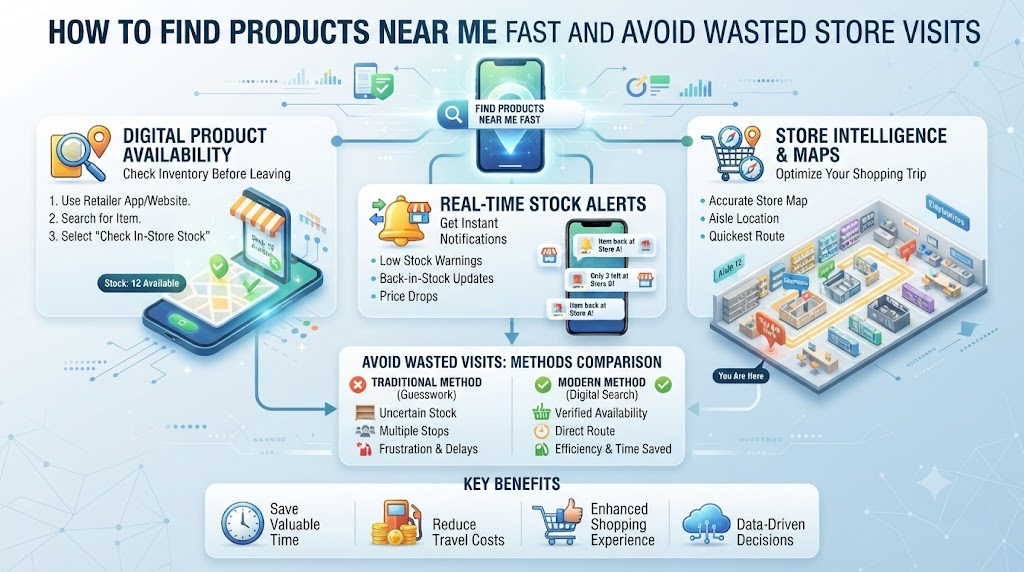
Verify Product Availability: Check item status online to confirm stock levels before making the trip.
Contact the Business: Call or message the shop to double-check details or ask specific questions.
Reserve Before Visiting: Put items on hold whenever possible so they remain available while you travel to the store.
Finding Local Shops Near Me
Neighborhood retail covers far more than basic groceries. Local discovery platforms help you find specialized shops, including:
Electronics and mobile accessory stores
Hardware and home improvement centers
Grocery and specialty food markets
Apparel and footwear boutiques
Home appliance and repair centers
Equipment rental providers
Using category filters makes finding these specialized neighborhood shops straightforward.
Product Availability Near Me: Why It Matters
Checking stock levels before traveling saves time and gas while streamlining your day.
+---------------------------+-----------------------------------+
| Benefit                   | Impact on Shoppers                |
+---------------------------+-----------------------------------+
| Time Efficiency           | Eliminates wasted store visits    |
| Fuel & Travel Savings     | Directs you straight to stock     |
| Confirmed Purchases       | Reserves items for urgent needs   |
| Better Daily Planning     | Combines errands into one trip    |
+---------------------------+-----------------------------------+
Because store inventory moves quickly, confirming availability directly with the merchant ensures your item is waiting when you arrive.
Local Services Near Me Are Also Part of Local Search
Local discovery covers services alongside physical goods. When home appliances break or items need maintenance, finding service providers nearby gets problems fixed faster.
Common local services include:
Appliance and electronics repair
Tool and equipment rentals
Plumbing and electrical maintenance
Home repair and assembly work
Finding these providers locally ensures faster response times and supports community contractors. According to the U.S. Small Business Administration, small businesses make up a significant portion of local economic activity, making local service discovery vital for neighborhood economies.
How BuyMLocal Connects Shoppers With Local Businesses
BuyMLocal bridges the gap between local shoppers and neighborhood businesses.
Product Discovery: Search everyday goods across nearby retailers.
Shop Listings: Find independent stores and specialized shops.
Stock Verification: Check item availability before traveling.
Direct Communication: Contact stores directly with inquiries.
Item Reservations: Hold items for pickup when available.
Service Search: Locate local repair, rental, and maintenance options.
By centralizing these tools, the platform helps consumers buy local while giving merchants a digital storefront.
Benefits of Using a Local Marketplace
Local discovery platforms provide advantages for both everyday consumers and local merchants.
Saves Time
Instead of calling multiple stores or driving around, you can view participating stores in a single search.
Improves Convenience
You can research options, compare items, and check business hours from home or on your phone.
Supports Local Businesses
Connecting online searches to physical stores helps independent businesses thrive alongside large e-commerce platforms.
Bridges Online and Offline Shopping
You get the convenience of digital search alongside the speed and security of in-person shopping.
Benefits for Local Shop Owners
Participating in a digital local marketplace helps merchants compete effectively in a digital-first market.
Increased Online Visibility: Reach local shoppers actively searching for products nearby.
Showcase Available Stock: Highlight items in stock to attract immediate store visits.
Direct Customer Inquiries: Receive messages and calls from ready-to-buy customers.
Cost-Effective Marketing: Connect with nearby shoppers without running expensive ad campaigns.
Local Shopping vs. Traditional Online Shopping
Factor
Local Shopping Discovery
Traditional Online Shopping
Product Location
Nearby neighborhood stores
Centralized warehouses
Availability
Real-time local stock
Depends on warehouse inventory
Speed
Same-day local pickup
Days or weeks for delivery
Physical Inspection
Inspect before buying
Inspect after delivery
Community Impact
Supports local economy
Profits distant corporations
Urgent Needs
Ideal for immediate use
Subject to shipping delays
Smart Tips for Finding Local Products and Shops
Use exact model names or specific product terms when searching.
Check details across multiple stores to compare pricing and location.
Call or message the shop to verify stock for urgent purchases.
Confirm operating hours before traveling to the store.
Take advantage of item reservation features when available.
Common Mistakes to Avoid
Traveling without checking stock: Never assume an item is available without verification.
Using broad search terms: Searching for vague keywords can hide relevant local options.
Overlooking independent shops: Smaller stores often carry hard-to-find items that big chains lack.
Assuming instant stock sync: Inventory changes rapidly; verify critical items directly with the store.
Future of Local Product and Service Discovery
Local retail continues to evolve as technology bridges physical stores with digital tools.
Real-time stock tracking: Instant inventory updates across local store networks.
Location-aware search: Hyper-local results tailored to your exact location.
Streamlined local pickup: Faster reserve-and-collect workflows for neighborhood shops.
Wider digital adoption: More small businesses listing inventory online.
Research on consumer trends from the National Retail Federation highlights that hybrid shopping—combining online research with in-store pickup—continues to grow steadily among modern consumers.
Frequently Asked Questions
1. How can I find products near me quickly?
Use a local search platform like BuyMLocal to enter the exact product name, filter by location, and check which nearby retailers have the item in stock.
2. How do local store listings stay updated?
Merchants update their product listings and availability on local discovery platforms, allowing shoppers to view current offerings and contact stores directly.
3. Can I reserve items before visiting a store?
Many participating stores allow you to hold or reserve items online so they stay put while you drive to the shop.
4. What types of shops can I find on local discovery platforms?
You can find electronics stores, grocery shops, hardware stores, fashion boutiques, mobile accessory shops, home appliance centers, and local service providers.
5. Are local services also listed on these platforms?
Yes, you can discover nearby services such as appliance repairs, rentals, home maintenance, and technical installation services alongside physical products.
6. Is checking local store availability free for shoppers?
Yes, searching for nearby items, browsing local store listings, and contacting businesses through local platforms is free for shoppers.
7. Why should I buy from local stores instead of online platforms?
Buying locally gives you immediate access to items, lets you inspect products before buying, eliminates shipping delays, and keeps money within your community.
8. What should I do if a product is not listed online?
Contact the local store directly using the listed phone number or message feature to inquire about upcoming stock or custom orders.
9. How do small businesses benefit from listing on a local marketplace?
Local business owners gain digital visibility, reach nearby shoppers, display stock availability, and receive inquiries without building costly e-commerce platforms.
10. How do I know if a local shop is open before traveling?
Local discovery profiles list store hours, addresses, and direct contact details so you can verify operating times before heading out.
Conclusion
Finding products near me shouldn’t involve driving across town or making endless phone calls. Digital local marketplaces bridge the gap between online search and neighborhood retail, helping consumers locate nearby items, check inventory, and find services quickly.Verifying stock and contacting stores beforehand saves time, reduces travel costs, and eliminates the frustration of empty shelves. Whether you need an emergency repair tool or everyday groceries, using local discovery platforms connects you with neighborhood businesses instantly. Explore nearby shops today to enjoy simple, fast, and local shopping.
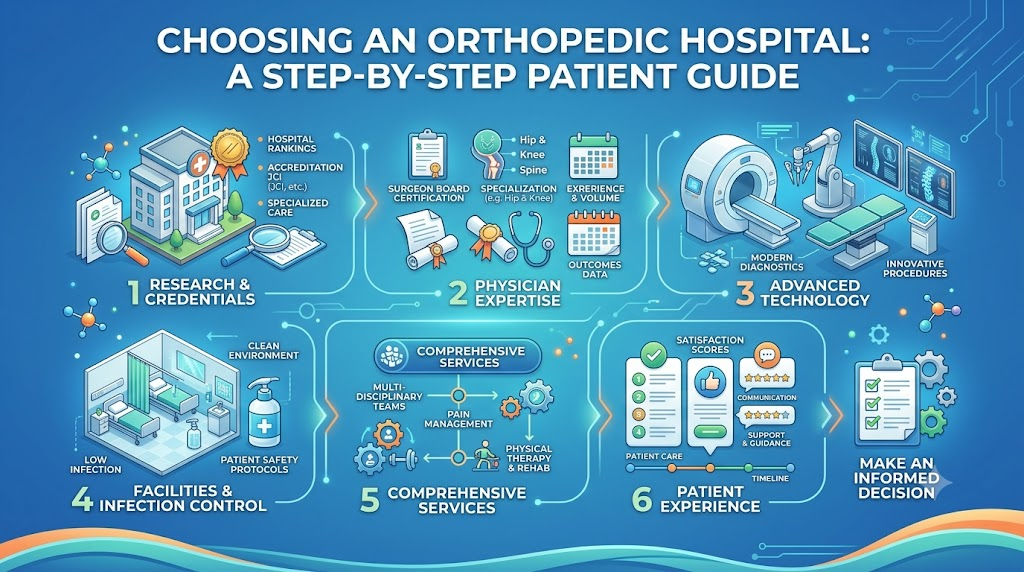
Receiving a complex neurological diagnosis can be an overwhelming experience for patients, families, and caregivers. The uncertainty surrounding treatment paths often leads individuals to seek clarity regarding where to receive specialized care. This guide explores the role of neurosurgical centers, common treatment modalities, key questions for specialists, and how to utilize resources like brain surgery hospitals to support your research journey.
What Are Brain Surgery Hospitals?
Specialized facilities dedicated to neurosurgical care provide comprehensive diagnostic, surgical, and post-operative management for disorders affecting the brain, skull base, and central nervous system. These institutions bring together advanced technology and specialized medical professionals to deliver individualized patient care.
Neurosurgical Evaluation
A neurosurgical evaluation involves a comprehensive assessment by a qualified specialist. The surgeon reviews the patient’s medical history, neurological symptoms, physical function, and preliminary diagnostic scans to determine whether surgical intervention or non-surgical management is appropriate.
Diagnostic Imaging and Testing
Accurate treatment planning relies heavily on advanced neuroimaging. Facilities offering specialized neurosurgical care typically utilize high-resolution magnetic resonance imaging (MRI), computed tomography (CT) scans, positron emission tomography (PET), functional MRI (fMRI), and cerebral angiography to map neurological structures precisely.
Specialist Consultation
Consultations allow patients to discuss their diagnosis, evaluate potential surgical risks, explore non-invasive options, and understand anticipated outcomes. Specialists help translate complex diagnostic results into understandable treatment options.
Surgical and Non-Surgical Treatment Planning
Not every neurological condition requires open surgery. Dedicated brain surgery hospitals utilize multidisciplinary tumor and neuro-vascular boards to create tailored treatment plans that may include surgical resection, targeted radiation, endovascular procedures, or structured observation.
Post-Treatment and Follow-Up Care
Recovery from neurosurgical procedures requires structured follow-up. Specialized facilities provide dedicated neuro-intensive care units (ICUs), inpatient neuro-rehabilitation services, and long-term surveillance programs to support functional recovery and monitor for recurrence.
Neurosurgery Hospitals and Specialist Care
Facilities designated as neurosurgery hospitals feature specialized infrastructure designed specifically for managing complex neurological conditions. These centers integrate advanced operating environments, specialized nursing, and cross-disciplinary medical experts to manage conditions ranging from vascular malformations to complex brain tumors.
Managing neurological health often extends beyond a single physician. High-volume care centers rely on collaborative multidisciplinary teams. Neurologists, neurosurgeons, neuroradiologists, neuro-oncologists, neuropathologists, and rehabilitation specialists work together to evaluate diagnostic findings and formulate coordinated treatment strategies. Because hospital capabilities, subspecialty availability, and surgical technologies vary, patients should review available institutional services directly with their clinical team.
Brain Surgeons and Neurosurgeons
The terms brain surgeons and neurosurgeons refer to medical doctors who have completed extensive post-graduate training in evaluating and surgically managing disorders of the nervous system.
Medical Specialization: Neurosurgeons complete rigorous residency programs focused on the brain, spine, and peripheral nerves, often pursuing subspecialty fellowship training in fields such as neuro-oncology, cerebrovascular surgery, pediatric neurosurgery, or functional neurosurgery.
Diagnosis and Assessment: Specialists evaluate clinical imaging, neurological deficits, and general patient health to decide if intervention is indicated.
Multidisciplinary Collaboration: Neurosurgeons work alongside neuro-oncologists, interventional radiologists, and radiation oncologists to coordinate holistic care.
Communication: Qualified surgeons assist patients and families by clearly explaining procedure goals, potential risks, expected recovery timelines, and alternative non-surgical paths.
Surgical experience varies based on specific conditions and procedural volume. Patients are encouraged to discuss a surgeon’s specific experience with their particular diagnosis.
Brain Tumor Treatment
Modern brain tumor treatment involves a combination of modalities depending on whether a tumor is benign or malignant, primary or metastatic.
Diagnosis and Imaging
High-definition MRI scans, magnetic resonance spectroscopy, and contrast-enhanced imaging help identify a tumor’s exact location, size, and relationship to critical brain structures.
Tumor Classification
Pathological examination of tissue samples determines the tumor’s histologic type and genetic biomarkers. Accurate grading guides subsequent therapeutic recommendations.
Surgery
Surgical resection aims to remove as much tumor tissue as safely possible while preserving essential neurological functions like speech, vision, and motor control.
Radiation Therapy
Advanced radiation techniques, such as stereotactic radiosurgery or intensity-modulated radiation therapy, target precise areas to disrupt remaining tumor cells while sparing healthy tissue.
Drug-Based Treatments
Systemic treatments, including chemotherapy, targeted therapies, and immunotherapies, may be prescribed based on the specific molecular characteristics of the tumor.
Monitoring and Follow-Up
Regular surveillance imaging ensures early detection of potential tumor recurrence or treatment-related changes in brain tissue.
Treatment paths vary widely; therapeutic plans must be tailored by specialized medical teams after considering patient-specific clinical factors.
Brain Tumor Surgery Hospitals
When researching dedicated brain tumor surgery hospitals, patients often consider institutions that integrate surgical care with neuro-oncology programs.
Advanced Intraoperative Technologies: State-of-the-art operating suites utilize intraoperative MRI, neuronavigation mapping systems, and fluorescence-guided surgery to maximize safe tumor resection.
Pathology Support: On-site neuropathologists perform real-time tissue evaluations during surgery to assist decision-making.
Multidisciplinary Tumor Boards: Teams of subspecialists regularly meet to review complex tumor cases and establish consensus treatment plans.
Rehabilitation Services: Comprehensive facilities offer physical, occupational, and speech therapy tailored to patients recovering from brain tumor procedures.
Patients should actively discuss hospital technological capabilities and specific surgical experience with their primary medical team.
Brain Aneurysm Surgery
A brain aneurysm is a weak or bulging spot in an artery wall within the brain. If an aneurysm enlarges or ruptures, it can lead to serious neurological complications, including hemorrhagic stroke.
Determining the appropriate intervention requires careful specialist assessment. Primary surgical and interventional options include:
Surgical Clipping: A neurosurgeon performs a craniotomy to access the aneurysm and places a tiny metal clip across its neck to block blood flow and prevent rupture.
Endovascular Coiling/Stenting: A minimally invasive endovascular approach where a catheter is threaded through the vascular system to deploy micro-coils or flow-diverting stents inside the aneurysm, sealing it off from the inside.
Neither approach is universally superior; selection depends on aneurysm size, shape, anatomical location, patient age, and overall clinical health.
Emergency Note: A ruptured brain aneurysm is a life-threatening medical emergency. If an individual experiences a sudden, extremely severe headache (often described as the “worst headache of your life”), sudden weakness, vision changes, or loss of consciousness, contact local emergency medical services immediately.
Epilepsy Surgery
For individuals living with drug-resistant epilepsy—where seizures persist despite trying multiple anti-seizure medications—surgery may be evaluated as a treatment option.
Diagnostic Evaluation: Patients undergo detailed video-EEG monitoring, high-resolution MRI, PET scans, and neuropsychological testing to pinpoint the exact seizure focus.
Identifying Seizure Origin: Surgical intervention is generally considered only when seizures consistently originate from a single, well-defined area of the brain that can be safely operated on without causing major neurological deficits.
Surgical Procedures: Options range from focal resections and laser interstitial thermal therapy (LITT) to neuromodulation techniques such as responsive neurostimulation (RNS) or vagus nerve stimulation (VNS).
Epilepsy surgery is highly selective and requires thorough evaluation at specialized comprehensive epilepsy centers.
Minimally Invasive Brain Surgery
Advancements in surgical techniques have led to the development of minimally invasive brain surgery approaches. These techniques aim to access neurological lesions through smaller openings while minimizing disruption to surrounding brain tissue.
Common minimally invasive approaches include:
Endoscopic Endonasal Surgery: Accessing pituitary tumors and skull base lesions through the nasal passages without external incisions.
Stereotactic Radiosurgery: Delivering highly focused radiation beams to treat small tumors or vascular malformations without traditional incisions.
Neuroendoscopy: Utilizing small cameras and micro-instruments to treat conditions such as hydrocephalus or intraventricular cysts through tiny keyholes in the skull.
While minimally invasive methods can offer advantages in select scenarios, they are not appropriate or safe for every patient or condition. Surgical approach depends entirely on lesion anatomical characteristics, surgeon expertise, and safety considerations.
How to Research Brain Surgery Hospitals
Evaluating options for complex neurosurgical care requires structured research. Use the following practical guide when researching medical centers:
Identify the Diagnosis or Suspected Condition: Gather all existing diagnostic reports, MRI/CT scans, and clinical notes to understand your specific diagnostic profile.
Research Relevant Neurosurgical Expertise: Seek out institutions with subspecialized experience in your specific condition (e.g., cerebrovascular, neuro-oncology, or skull base surgery).
Review Diagnostic Capabilities: Ensure the hospital possesses advanced diagnostic imaging technologies (such as 3T MRI, PET scans, and intraoperative mapping).
Understand Available Treatment Approaches: Determine whether the facility offers both conventional open surgical methods and advanced endovascular or minimally invasive alternatives.
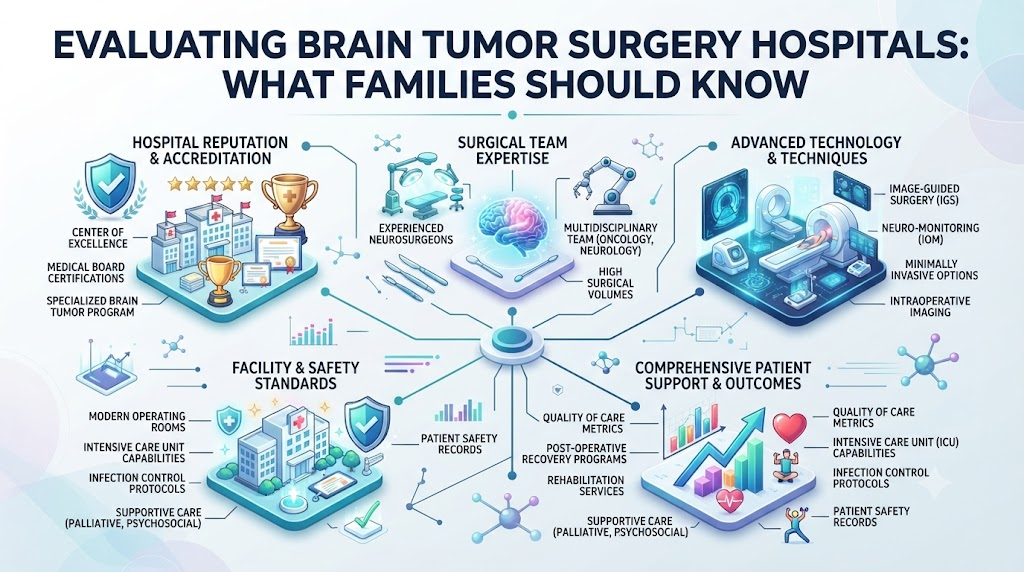
Check Multidisciplinary Support: Verify that the facility maintains collaborative care teams, including neuro-critical care specialists, neuro-oncologists, and neuroradiologists.
Review Rehabilitation and Follow-Up Care: Confirm access to specialized inpatient and outpatient neuro-rehabilitation services.
Understand Location and Accessibility: Factor in travel distance, facility accessibility, and requirements for extended follow-up visits.
Ask About Medical Records Requirements: Learn how to efficiently request and transfer digital imaging files (DICOM) and pathology slides between medical facilities.
Discuss Costs and Insurance Separately: Contact hospital administrative and financial counseling offices to verify insurance coverage, out-of-pocket estimates, and pre-authorization requirements.
Note: Medical costs vary widely based on individual diagnosis, procedure complexity, hospital location, length of stay, and specific insurance plans.
Neurosurgery Second Opinion
Seeking a neurosurgery second opinion is a standard and valuable practice in complex medical care. Obtaining a second assessment allows patients to confirm their initial diagnosis, review alternative treatment approaches, and gain confidence in their ultimate treatment plan.
A second opinion does not suggest that the initial physician made an error; rather, it offers another specialist’s perspective on complex clinical data.
Preparing for a Second Opinion
To maximize the value of a second-opinion consultation, gather the following records:
Comprehensive medical history and clinical notes
Diagnostic imaging reports and actual DICOM image files (on CD or USB/cloud drive)
Formal pathology reports and glass slides (if a biopsy was performed)
Previous treatment records, surgical reports, or radiation summaries
A complete list of current medications and dosages
A prioritized list of specific questions for the consulting specialist
Benefits of Researching Specialized Neurosurgical Care
Proactively researching healthcare facilities and treatment options provides distinct advantages for patients and families:
Enhanced Understanding: Helps patients comprehend their specific diagnosis and medical options clearly.
Informed Discussions: Enables more productive and structured conversations with treating neurosurgeons.
Specialist Alignment: Assists in connecting patients with surgeons who focus specifically on their condition.
Comprehensive Comparison: Allows families to compare hospital infrastructure, technological capabilities, and support services.
Care Preparation: Aids in preparing necessary records, asking targeted questions, and planning for post-operative recovery needs.
Thorough research supports informed decision-making but does not guarantee specific clinical or surgical outcomes.
Limitations of Online Medical Research
While online resources provide valuable educational guidance, digital information has inherent limitations:
Information on the internet cannot diagnose individual medical conditions.
Standardized articles do not account for a patient’s complete medical history, co-existing conditions, or anatomical variations.
Online guides cannot independently determine procedural suitability or surgical safety.
Information quality varies across digital platforms; details should always be verified against clinical sources.
All medical decisions, treatment selection, and surgical planning must be conducted in direct consultation with qualified healthcare professionals.
Emergency Warning Signs
Certain neurological symptoms warrant immediate emergency evaluation rather than routine online research. Seek urgent emergency care if someone experiences:
Sudden weakness, numbness, or paralysis on one side of the face or body
Sudden difficulty speaking, slurred speech, or trouble understanding language
Sudden loss of vision or double vision
New onset of severe seizures or repeated seizure activity
Sudden loss of balance, acute dizziness, or loss of consciousness
If someone is experiencing severe sudden neurological symptoms or a suspected medical emergency, contact your local emergency medical services immediately.
BrainSurgeryHospitals.com and Patient Research
BrainSurgeryHospitals.com serves as an educational research resource designed to assist patients, caregivers, and families navigating complex neurological care. The platform offers accessible information regarding brain surgery hospitals, specialized neurosurgery hospitals, and dedicated brain tumor surgery hospitals.
By organizing patient-focused content, the website helps users learn about the roles of brain surgeons and neurosurgeons, explore standard pathways for brain tumor treatment, and understand complex procedures such as brain aneurysm surgery, epilepsy surgery, and minimally invasive brain surgery. Additionally, the platform provides practical insights into preparing medical records, evaluating hospital capabilities, and navigating the process of obtaining a neurosurgery second opinion. The site aims to empower users with knowledge to facilitate meaningful, informed conversations with their qualified healthcare providers.
Comparison Table
Research Factor
Why It Matters
Neurosurgical Expertise
Helps identify specialists relevant to the specific condition
Diagnostic Capabilities
Supports accurate evaluation and precise treatment planning
Multidisciplinary Care
Ensures diverse medical specialists collaborate on complex cases
Surgical Techniques
Identifies available open and minimally invasive treatment options
Intensive and Follow-Up Care
Provides critical monitoring during post-operative recovery
Second-Opinion Access
Helps patients confirm diagnoses and evaluate treatment options
Frequently Asked Questions
How can I research brain surgery hospitals effectively? Start by consulting your primary doctor or neurologist for institutional referrals. Look for facilities with dedicated neurosurgical departments, subspecialized clinical teams, advanced diagnostic imaging, and post-operative neuro-intensive care. Review institutional expertise regarding your specific condition and confirm that their clinical services align with your diagnostic and recovery needs.
What distinguishes generalized hospitals from specialized neurosurgery hospitals? Specialized neurosurgery hospitals feature dedicated neuro-intensive care units, advanced intraoperative navigation technologies, and specialized surgical teams trained exclusively in neurological disorders. They maintain multidisciplinary boards—such as neuro-oncology teams—allowing complex cases to be evaluated simultaneously by neurosurgeons, neurologists, neuroradiologists, and radiation oncologists.
What factors are important when evaluating brain tumor surgery hospitals? Key considerations include intraoperative MRI and navigation capabilities, experienced neuropathology support, access to multidisciplinary tumor boards, and integrated neuro-oncology programs. Furthermore, evaluate the hospital’s neuro-rehabilitation services to support post-surgical recovery, speech therapy, and physical therapy needs.
How do I verify the credentials of brain surgeons? Verify board certification in neurosurgery through official medical boards or national professional registries. Research the surgeon’s subspecialty fellowship training, academic affiliations, institutional appointments, and overall volume in performing procedures related to your diagnosis. You can also discuss their clinical background directly during your preliminary consultation.
What is the difference between neurosurgeons and neurologists? Neurologists specialize in diagnosing, managing, and non-surgically treating neurological conditions using medications and therapies. Neurosurgeons are surgical specialists trained to perform operative procedures—such as craniotomies, tumor resections, or vascular repairs—to treat structural disorders of the brain and nervous system.
What factors guide the choice of brain tumor treatment?Treatment choices depend on tumor type, histologic grade, genetic biomarkers, size, and precise anatomical location within the brain. The patient’s overall health, age, neurological symptoms, and individual goals also guide the multidisciplinary team in deciding between surgery, radiation, systemic therapy, or observation.
Is brain aneurysm surgery considered safe? All neurosurgical procedures carry risks, but treatment techniques—including microsurgical clipping and endovascular coiling—are established procedures. Safety depends heavily on whether the aneurysm is ruptured or unruptured, its size and location, patient age, general health, and surgical team experience.
Who is a candidate for epilepsy surgery? Candidates generally include individuals with drug-resistant epilepsy whose seizures persist despite trying multiple anti-seizure medications. Detailed diagnostic evaluations must confirm that seizures originate consistently from a single, identifiable brain location that can be safely operated on without causing unacceptable neurological deficits.
Is minimally invasive brain surgery suitable for all patients? No. While minimally invasive techniques reduce incision size and soft-tissue disruption for specific conditions (like certain pituitary tumors or small deep-seated lesions), many complex or large tumors and vascular lesions still require traditional open surgical approaches for safe, complete treatment.
Why should a patient consider obtaining a neurosurgery second opinion? A second opinion helps confirm the accuracy of an initial diagnosis, clarifies alternative treatment options, and provides reassurance regarding complex surgical decisions. It gives patients the opportunity to consult another specialist and ask additional questions before finalizing their care plan.
What key elements should patients consider when choosing a neurosurgical hospital? Consider institutional procedural experience, availability of specialized subspecialists, advanced diagnostic and intraoperative technology, quality of neuro-ICU care, rehabilitation support, geographical location, insurance network compatibility, and patient-physician communication.
How should a patient prepare for a neurosurgery consultation?Collect all relevant medical records, diagnostic imaging files (DICOM CDs/drives), written radiology reports, pathology results, and a list of current medications. Write down specific questions regarding diagnosis, treatment risks, non-surgical alternatives, surgeon experience, and anticipated recovery times to guide the conversation.
Conclusion
Navigating a neurological diagnosis requires careful research, clear communication, and informed decision-making. Finding appropriate brain surgery hospitals and experienced specialists ensures that patients receive accurate evaluations, tailored treatment strategies, and comprehensive follow-up care. Every neurological condition presents unique challenges, and treatment paths must be individualized based on detailed diagnostic findings, medical history, and specialist evaluation.Utilizing structured research, gathering relevant medical records, asking detailed questions, and seeking a second opinion when appropriate empower patients and families throughout their healthcare journey. Open dialogue with qualified medical professionals remains the cornerstone of safe and effective neurosurgical care.
Food has an extraordinary way of holding onto memories that words often leave behind. A single aroma drifting from a warm kitchen can instantly transport us back to childhood afternoons, family gatherings, or the quiet presence of a relative carefully stirring a seasoned pot. Yet across the globe, countless traditional culinary traditions are quietly slipping away. When an unwritten dish is no longer prepared, a piece of our shared human history fades alongside it. This is where the importance of documenting lost recipes becomes clear. Every culinary method, seasonal dish, and family secret tells a story about who we are and where we came from. Traditional food knowledge holds deep cultural value, serving as a living link between generations. Platforms like Blendz focus on safeguarding this culinary legacy by documenting dishes, methods, and stories that might otherwise be forgotten. In this article, we will explore why traditional food traditions disappear, how family cooking methods preserve cultural identity, the role of unique ingredients, and practical ways to document precious food history for future generations.
What Are Lost Recipes?
A lost recipe is more than just a forgotten list of ingredients written on an index card. It represents a way of cooking, a set of cultural practices, or a specific flavor profile that has gradually disappeared from everyday kitchens. A dish can become lost even when fragments of its memory remain. A person might remember the taste of a dish their family enjoyed decades ago, yet lack the exact measurements, specific preparation steps, or regional ingredients needed to recreate it accurately.
What Makes a Recipe Become Lost?
Recipes often slip away quietly over time. When home cooks rely entirely on memory rather than written notes, an unwritten technique can easily end with a single generation. Furthermore, as modern diets shift toward convenience, complex dishes requiring hours of preparation are frequently set aside.
How Recipes Are Passed Between Generations
Historically, culinary knowledge was shared by watching, listening, and doing. Younger family members stood beside elder cooks, learning how to gauge temperature by sight or adjust seasoning by taste rather than relying on precise measurements.
Why Traditional Recipes Disappear
Urbanization, busy working schedules, and the easy availability of pre-packaged foods have fundamentally changed household routines. As younger generations move away from agricultural regions, the daily practice of making complex traditional meals often declines.
The Difference Between Lost, Forgotten, and Rare Recipes
While these terms overlap, they describe different stages of culinary decline:
Lost Recipes: Dishes whose exact methods or ingredient ratios are completely or largely lost to living memory.
Forgotten Recipes: Dishes that are historically documented or remembered by elders but rarely cooked today.
Rare Recipes: Dishes that are still prepared, but only within specific regional communities, families, or during rare seasonal events.
Why Preserving Traditional Recipes Matters
Protecting traditional recipes is essential for maintaining community identity and cultural diversity. When we preserve a dish, we are not merely recording a method for preparing food; we are protecting knowledge about local agriculture, seasonal eating, and historical adaptation.
Culinary practices preserve intergenerational wisdom. They teach us how previous communities utilized every part of an harvest, preserved food through natural fermentation or drying, and adapted their diets to local climates. Protecting these traditions helps prevent the homogenization of global food culture, ensuring that local food knowledge remains vibrant and accessible.
Forgotten Recipes and Grandmother Recipes
Family kitchens are often the true caretakers of culinary heritage. Across many cultures, forgotten recipes survive mainly through the lived experience of home cooks who never recorded their methods in books.
Why Grandmother Recipes Often Carry Unique Knowledge
Generational cooks, particularly grandmothers, frequently hold deep intuitive knowledge about food. These grandmother recipes rely heavily on touch, smell, and visual cues rather than rigid timelines. An experienced cook knows a dough is ready not by timing it, but by how it feels beneath their hands.
Oral Cooking Traditions and Handwritten Notes
Many cherished family dishes were never formally written down. When notes do exist, they are often scribbled in the margins of old notebooks, missing explicit baking times or standard measurements. Phrases like “add flour until the dough looks right” or “cook until fragrant” reflect an intuitive approach to cooking that modern standardized instruction often misses.
Family Adaptations Over Generations
It is natural for family recipes to evolve. As relatives migrated, accessed different markets, or gained modern kitchen appliances, they adapted traditional dishes to fit their new circumstances. A family dish cooked today may differ significantly from the version prepared a century ago, yet both remain authentic expressions of that family’s lineage.
Traditional Food Recipes and Cultural Identity
Every culture uses food to express its history and social values. Preparing traditional food recipes reinforces community bonds and keeps shared history alive.
The ingredients chosen for a regional dish often reflect centuries of local agricultural development. For instance, coastal communities naturally developed techniques centered around seafood preservation, while mountainous regions perfected methods for curing meats and storing hardy root vegetables. A single dish can have dozens of regional variations. A stew prepared in one village might use a specific blend of local herbs, while the neighboring town adds wild greens or a different native spice, illustrating how local ecology directly shapes culinary identity.
Ancient Recipes and Historical Cooking Traditions
The term ancient recipes often inspires images of historic feasts and forgotten civilizations. While some home cooks seek to recreate dishes from historical texts—such as Roman culinary manuscripts or ancient Mesopotamian clay tablets—it is important to distinguish between verified historical records and family traditions.
Historical cooking research involves studying old texts, trade routes, and archaeological findings to understand what our ancestors ate. Recreating these dishes requires careful experimentation because many ancient ingredients have changed through centuries of agricultural breeding. Modern recreations inspired by historical cooking offer fascinating windows into the past, showing us how early civilizations mastered clay-pot cooking, open-fire roasting, and natural fermentation long before modern technology existed.
Rare Ingredients and Disappearing Food Knowledge
Many traditional dishes are at risk of disappearing simply because their key components are no longer easy to find. The decline of rare ingredients directly impacts our ability to preserve culinary history.
Several factors contribute to the loss of unique ingredients:
Agricultural Standardization: Industrial farming prioritizes crop varieties that offer high yields and long shelf lives, leading to the decline of delicate heirloom fruits and vegetables.
Environmental Shifts: Changes in local ecosystems make wild-harvested herbs, mushrooms, and native grains harder to find.
Commercial Convenience: Mass market grocers stock standardized goods, making niche regional ingredients less economically viable for farmers to cultivate.
When an ingredient disappears, the specialized culinary knowledge required to clean, prepare, and season that ingredient is often lost as well. Preserving agricultural biodiversity goes hand in hand with protecting culinary heritage.
Food Heritage: More Than Recipes
True food heritage encompasses much more than a list of instructions printed on a page. It includes the entire cultural ecosystem surrounding how food is grown, harvested, prepared, and shared.
Traditional Tools: Equipment like stone grinders, wooden presses, and unglazed clay cookware that impart distinct textures and flavors.
Seasonal Practices: Knowledge of when to harvest wild greens, tap trees, or ferment vegetables for winter storage.
Community Traditions: The social rituals of gathering family and neighbors together to prepare labor-intensive dishes for special occasions.
Festival Food Recipes and Cultural Celebrations
Special occasions are central to preserving traditional cooking. Across the globe, festival food recipes serve as annual anchors for family traditions, keeping historical methods alive through recurring celebrations.
Consider how seasonal celebrations protect food history:
Pongal in South India: A harvest celebration centered around cooking freshly harvested rice and lentils in traditional clay pots to honor agricultural abundance.
Mooncakes in East Asia: Intricately molded pastries filled with sweet lotus seed or red bean paste, traditionally prepared during the Mid-Autumn Festival to symbolize completeness and family unity.
Mochi Preparation: The community ritual of pounding glutinous rice with wooden mallets for New Year celebrations, demonstrating how physical effort and teamwork preserve culinary heritage.
Baklava across the Mediterranean and Middle East: Layering paper-thin pastry with nuts and spiced syrups for major holiday gatherings, showcasing intricate pastry skills passed through generations.
These festive dishes persist because they are tied directly to meaningful social gatherings and shared memories.
Traditional Recipes From Around the World
Exploring traditional recipes from around the world reveals incredible diversity in how human societies approach nourishment and community.
Each continent offers distinct culinary traditions shaped by geography and culture:
South Asia: Complex spice blends, slow-cooked lentils, and flatbreads cooked in clay ovens.
East and Southeast Asia: Fermented pastes, aromatic broths, steam cooking, and precise balance between sweet, sour, salty, and umami flavors.
Latin America: Nixtamalized corn traditions, complex mole sauces built from multiple dried chilis, and earthen-pit cooking methods.
Africa: Earthy stews based on indigenous grains, leafy greens, groundnuts, and cassava, often eaten communally.
Europe: Slow-braised meats, regional cheeses, stone-baked breads, and preserved meats tailored for cold winter survival.
Every region contains thousands of hyper-local variations, proving that global cuisine is a rich tapestry of distinct community traditions.
How Lost Recipes Can Be Preserved
Preserving culinary heritage requires intentional effort from individuals, families, and communities. Anyone can take active steps to document their local and family food history.
Here is a practical framework for preserving traditional culinary knowledge:
Record Family Knowledge: Interview older relatives about the dishes they grew up eating, writing down every detail they remember.
Observe and Document: Watch experienced cooks in action, measuring ingredients as they add them and noting exact visual cues.
Photograph the Process: Take photographs or record videos of complex preparation steps, shaping techniques, and traditional tools.
Note Context and Stories: Document when a dish was served, who prepared it, and the cultural stories associated with the meal.
Create Digital Records: Store recipes, notes, and photos in searchable digital formats to ensure they are safely backed up for future generations.
Challenges in Preserving Food Heritage
Safeguarding old culinary traditions comes with real-world challenges. Because many historical recipes were never written down, researchers and home cooks face several hurdles when trying to recreate them:
Unwritten Measurements: Older cooks often measured ingredients by “handfuls,” “pinch,” or “to taste,” making standard recipe reproduction difficult.
Missing Ingredients: Modern urbanization has made indigenous plants, heirloom seeds, and specialized cuts of meat harder to source.
Evolving Utensils: Modern stovetops and non-stick pans heat differently than traditional wood fires, charcoal braziers, or thick clay pots, subtle shifts that can alter final dish textures and flavors.
Generational Gaps: As younger generations adopt faster-paced lifestyles, the time required to learn complex, multi-day preparation techniques becomes scarce.
Overcoming these challenges requires patience, adaptability, and a deep respect for the cultural context in which the food originated.
How to Research a Forgotten or Traditional Recipe
If you are trying to reconstruct a forgotten dish from your family or community history, following a structured research approach can help you recreate an accurate version.
Identify the Region and Community
Start by determining the exact town, district, or cultural group where the dish was originally prepared, as neighboring regions often use different ingredient ratios.
Compare Multiple Sources
Consult family members, historical cookbooks, regional food archives, and community historians. Comparing distinct versions of the same dish helps identify its core elements versus modern adaptations.
Verify Historical Ingredients
Investigate whether key ingredients have changed over time. If an original crop or spice is unavailable, research suitable heirloom substitutes that match the original flavor profile.
For readers seeking reliable academic context on historical ingredients and cultural preservation, institutional archives such as the UNESCO Intangible Cultural Heritage Archive provide valuable insights into global foodways.
Blendz and the Preservation of Food Heritage
As global food systems become increasingly standardized, dedicated archives play an important role in documenting human culinary heritage. Blendz serves as a global food heritage platform designed to discover, document, and safeguard traditional culinary practices before they disappear.
The platform focuses on archiving a wide range of global food knowledge, including:
Historical lost recipes and regional cooking methods
Family forgotten recipes and treasured grandmother recipes
Detailed background on rare ingredients and their traditional uses
Cultural context surrounding festival food recipes and seasonal gatherings
Insights into ancient recipes and historical food practices from diverse cultures
By documenting both the practical cooking methods and the human stories behind them, Blendz helps bridge the gap between past culinary traditions and modern home kitchens.
Benefits of Documenting Lost Recipes
Documenting traditional cooking practices provides meaningful cultural, educational, and personal benefits:
Preserving Personal Heritage: Keeping family memories alive by documenting dishes cooked by parents and grandparents.
Protecting Cultural Diversity: Safeguarding unique regional food traditions from being replaced by mass-produced foods.
Promoting Agricultural Awareness: Encouraging interest in heirloom crops, native spices, and sustainable local farming.
Educational Value: Teaching younger generations about historical lifestyles, resourcefulness, and community customs through hands-on cooking.
Lost Recipes vs Modern Recipes
Understanding the differences between historical cooking traditions and contemporary recipes can help home cooks appreciate both styles:
Factor
Lost or Traditional Recipes
Modern Recipes
Source
Family, community memory, or oral history
Individual creators, blogs, or modern cookbooks
Measurements
Often approximate, using visual and sensory cues
Standardized in grams, cups, or teaspoons
Ingredients
Highly regional, seasonal, or wild-harvested
Consistently available in standard supermarkets
Preparation
Slow methods using traditional heat sources or tools
Adapted for modern kitchen appliances and speed
Cultural Context
Deeply connected to heritage, rituals, and family history
Frequently focused on convenience or nutrition trends
Variations
Varies widely across families, villages, and regions
Designed to be precise and reproducible anywhere
Neither approach is inherently superior. Modern recipes provide convenience and accessibility, while traditional dishes connect us to cultural history and time-honored flavors.
Frequently Asked Questions
What are lost recipes? Lost recipes are traditional dishes, preparation methods, or culinary instructions that have fallen out of common use over time. They often survive only as partial memories, unwritten family practices, or scattered historical references.
Why do traditional recipes disappear over time? Traditional dishes disappear due to changing dietary habits, urban migration, the convenience of commercial foods, and the reliance on oral transmission rather than written records across generations.
How can I preserve my family’s forgotten recipes? You can preserve forgotten recipes by interviewing older relatives, writing down precise ingredient amounts while watching them cook, photographing techniques, recording the cultural stories behind each meal, and creating digital backups.
Why are grandmother recipes considered so valuable?Grandmother recipes carry decades of intuitive cooking wisdom, regional ingredient knowledge, and personal technique that reflect authentic home cooking rather than commercial, standardized methods.
Where can I find authentic traditional food recipes? You can find authentic traditional food recipes by researching regional community archives, consulting historical food platforms like Blendz, speaking with local home cooks, and studying specialized cultural food repositories.
Are ancient recipes completely accurate to historical times? Most modern versions of ancient recipes are educated reconstructions because ingredients, agricultural varieties, and cooking technologies have naturally evolved over hundreds or thousands of years.
What is the true definition of food heritage? Food heritage includes the complete cultural ecosystem of eating, encompassing ingredients, traditional tools, preparation techniques, seasonal customs, historical stories, and community rituals passed down through generations.
Why are rare ingredients important for food history? Rare ingredients carry genetic biodiversity and unique flavor profiles essential to traditional dishes. When a native ingredient disappears, the specific culinary techniques used to prepare it are often lost as well.
What role do festival food recipes play in cultural preservation?Festival food recipes act as annual cultural anchors, ensuring that labor-intensive cooking techniques, symbolic preparation methods, and seasonal family rituals are practiced regularly and passed down to younger generations.
How do traditional recipes from around the world differ from modern fusion cooking? Traditional global recipes are grounded in long-standing regional history, local ecology, and shared community identity, whereas modern fusion cuisine intentionally blends elements from different culinary traditions to create new flavor profiles.
What is the best way to research a missing family recipe? To research a missing recipe, pinpoint your family’s precise regional origins, compare variations cooked by extended family members, test small batches, and consult regional food heritage archives for historical ingredient context.
Conclusion
Every dish carried down through time tells a story about human creativity, cultural adaptation, and community connection. Preserving lost recipes is about much more than cataloging ingredients; it is about protecting our collective memory and honoring the generations of cooks who came before us. Traditional culinary practices, grandmother’s unwritten methods, and regional festival dishes offer invaluable windows into our history. When we take the time to research, record, and cook these dishes in modern kitchens, we keep these vital cultural links strong. Digital archives like Blendz play a key role in making global food heritage accessible to everyone. By documenting family dishes, seeking out rare local ingredients, and sharing food stories with loved ones, we ensure that the rich diversity of global food culture continues to nourish future generations.
Heart attack awareness is an essential component of personal and community health, empowering individuals to recognize when something is critically wrong. Heart symptoms can present in various ways—they may be sudden, mild, unusual, or gradually worsening over hours or days. Recognizing possible warning signs can support faster access to emergency care, which is vital because timely treatment can be important in protecting heart muscle.It is important to rely on professional evaluation rather than self-diagnosis when cardiac distress is suspected. For patients and families seeking reliable health information, platforms like MyDoctorsNow provide valuable resources to help individuals explore medical guidance and understand emergency care protocols.
Understanding a Heart Attack
What Is a Heart Attack?
A heart attack, medically known as a myocardial infarction, generally occurs when blood flow to a portion of the heart muscle is significantly reduced or blocked. This interruption starves the tissue of oxygen, causing damage to the heart muscle.
How Blood Reaches the Heart Muscle
The heart muscle requires a constant supply of oxygen-rich blood, which is delivered through a specialized network of blood vessels known as coronary arteries.
What Happens When Blood Flow Is Blocked?
When a coronary artery becomes severely narrowed or completely blocked—often due to a ruptured plaque—the downstream heart muscle begins to suffer injury if blood flow is not restored promptly.
Heart Attack vs. Cardiac Arrest
A heart attack is a “circulation” problem where blood flow to the heart is blocked, whereas cardiac arrest is an “electrical” problem where the heart abruptly stops beating effectively. While these are distinct medical emergencies, a severe heart attack can sometimes trigger cardiac arrest.
Why Immediate Medical Care Matters
Restoring blood flow quickly helps minimize permanent heart tissue damage and improves survival outcomes, making prompt action critical.
Common Heart Attack Symptoms
While crushing chest pain is widely recognized, symptoms can vary significantly between individuals.
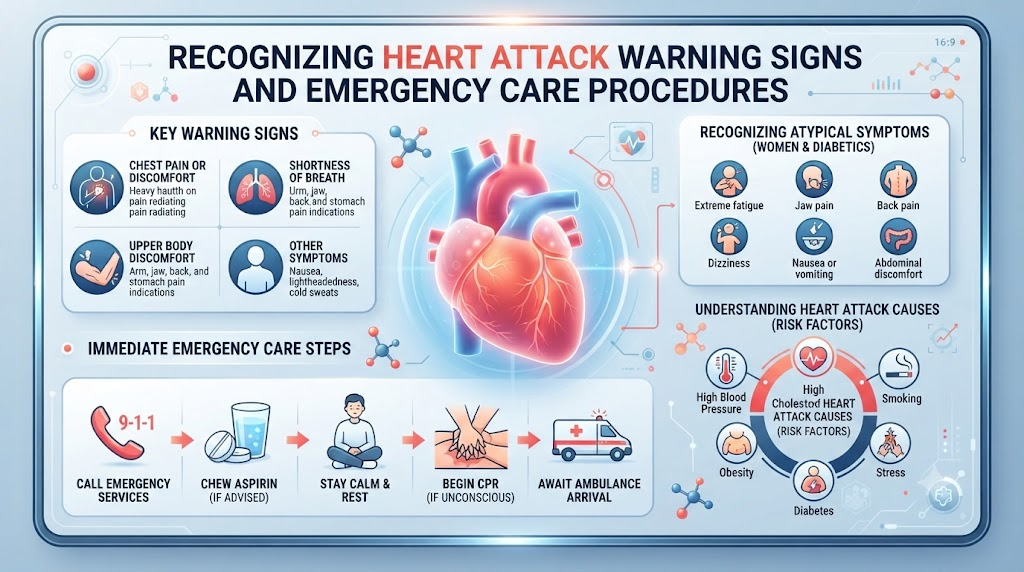
Chest Pressure or Discomfort: A feeling of squeezing, fullness, pressure, or aching in the center of the chest.
Pain or Discomfort Spreading to Other Areas: Discomfort radiating to one or both arms, the back, shoulders, neck, jaw, or upper stomach.
Shortness of Breath: Feeling breathless either with or without chest discomfort.
Nausea or Vomiting: Experiencing stomach upset or sudden queasiness.
Cold Sweats: Breaking out in a sudden, cold perspiration without apparent cause.
Dizziness or Light-Headedness: Feeling faint, unsteady, or suddenly lightheaded.
Unusual Weakness or Fatigue: Overwhelming tiredness that appears suddenly and lacks a clear explanation.
A Feeling of Indigestion or Upper Abdominal Discomfort: Mild to moderate digestive upset that mimics heartburn.
Not everyone experiences severe chest pain, and symptoms should always be evaluated professionally.
Common and Less Typical Symptoms That May Require Urgent Medical Evaluation
Possible Symptom
How It May Feel or Appear
Why Professional Evaluation Matters
Chest Pressure or Tightness
Squeezing, heavy pressure, or aching in the center of the chest.
Directly indicates potential coronary restriction or myocardial stress.
Pain in the Arm, Shoulder, Neck, Jaw, or Back
Radiating discomfort extending away from the chest cavity.
Reflects referred cardiac nerve pathways signaling heart distress.
Shortness of Breath
Sudden difficulty catching breath, with or without chest discomfort.
Shows compromised cardiac output and pulmonary oxygenation efficiency.
Cold Sweats
Spontaneous perspiration accompanied by clammy skin.
Signals sympathetic nervous system activation during acute stress.
Nausea or Vomiting
Sudden stomach upset, queasiness, or digestive distress.
Can stem from vagus nerve stimulation caused by cardiac events.
Dizziness or Fainting
Sudden lightheadedness, unsteadiness, or loss of consciousness.
Points to abrupt drops in blood pressure and brain perfusion.
Unusual Fatigue or Weakness
Extreme, unexplained exhaustion occurring without exertion.
May represent subtle, early signs of reduced systemic blood flow.
Upper Abdominal Discomfort
Epigastric ache or sensation resembling severe indigestion.
Often masks cardiac symptoms, especially in atypical presentations.
These symptoms can stem from various underlying medical causes, but suspected heart attack symptoms should always receive immediate professional medical attention. Mistaking cardiac distress for minor ailments can lead to dangerous delays in treatment.
Qualified medical professionals utilize specialized diagnostic tools to determine whether symptoms originate from the heart or another physiological system. Quick professional assessment removes the guesswork during a health crisis.
Heart Attack Symptoms Can Be Different for Different People
Symptoms in Women: Women may experience less typical symptom patterns, frequently reporting unusual fatigue, shortness of breath, indigestion, or back and jaw discomfort rather than classic chest crushing pain.
Symptoms in Older Adults: Older individuals may present with atypical signs such as sudden confusion, generalized weakness, or fainting rather than overt chest pain.
Symptoms in People With Diabetes: Individuals managing diabetes can experience “silent” ischemia or neuropathy-masked symptoms, where classic pain signals are muted.
Silent or Less Noticeable Heart Attacks: Some heart attacks occur with minimal or entirely unrecognized symptoms, discovered only later during routine electrocardiograms.
No single symptom pattern can definitively confirm or rule out a heart attack, emphasizing the need for professional medical evaluation.
What to Do During a Suspected Heart Attack Emergency
When facing a suspected heart attack, swift and calm action is essential:
Treat the situation as an immediate medical emergency.
Contact local emergency medical services (such as dialing emergency numbers) immediately.
Do not wait to see whether symptoms disappear on their own.
Do not attempt to diagnose the underlying cause yourself.
Follow all instructions provided by emergency dispatch professionals.
Keep the person as safe, calm, and comfortable as possible while waiting for trained medical responders.
If the person becomes unresponsive, follow the explicit instructions of emergency dispatchers or certified responders.
What Happens During Professional Emergency Care?
Upon arrival at a medical facility, emergency care follows a structured evaluation pathway:
Rapid Medical Assessment: Immediate clinical triage by emergency physicians.
Vital Sign Monitoring: Continuous tracking of blood pressure, heart rate, and oxygen saturation.
Electrocardiogram (ECG or EKG): Recording electrical heart activity to identify acute injury patterns.
Cardiac Imaging When Appropriate: Utilizing ultrasound or other modalities to visualize heart wall motion.
Continuous Monitoring: Ongoing telemetry observation for rhythm irregularities.
Specialist Evaluation: Direct assessment by cardiologists.
Emergency Treatment Planning: Formulating an individualized intervention strategy based on clinical findings.
Common Components of Professional Heart Attack Emergency Care
Emergency Care Step
General Purpose
What Patients May Expect
Rapid Medical Assessment
Immediate clinical prioritization and symptom triage.
Fast-track evaluation by emergency nurses and physicians upon arrival.
Vital Sign Monitoring
Continuous tracking of hemodynamic stability and oxygen levels.
Blood pressure cuffs, pulse oximeters, and cardiac leads attached promptly.
ECG or EKG
Evaluates the heart’s electrical conduction and identifies injury.
A 12-lead electrical tracing performed within minutes of hospital entry.
Blood Testing
Detects elevated cardiac enzymes released by damaged heart cells.
Blood draws analyzing troponin and other systemic biomarker levels.
Cardiac Imaging
Visualizes structural movement, valves, and pumping efficiency.
Bedside echocardiograms or specialized vascular imaging scans.
Specialist Evaluation
Expert clinical interpretation by attending cardiologists.
Direct consultation regarding interventional procedures and stabilization.
Emergency Treatment
Re-establishes coronary blood flow and protects myocardium.
Administration of approved cardiac medications or catheterization preparation.
Continuous Monitoring
Observes post-intervention stability and rhythm security.
Extended telemetry observation in high-dependency units.
Follow-Up Care Planning
Maps out inpatient recovery, rehabilitation, and lifestyle support.
Multidisciplinary discharge and recovery counseling sessions.
Emergency care plans are highly individualized and depend strictly on the specific diagnosis, the timing of symptom onset, and the patient’s overall clinical condition. Standardized protocols ensure that life-saving interventions are prioritized, but clinical decisions are tailored to match each patient’s unique physiological requirements.
Multidisciplinary teamwork ensures that patients transition smoothly from emergency intake through specialized cardiac care units and eventual recovery planning.
Emergency Treatments for Heart Attacks
Restoring Blood Flow: The primary goal of acute heart attack treatment is opening the blocked coronary artery as quickly as possible.
Cardiac Catheterization and Interventional Procedures: Minimally invasive procedures where a catheter is guided through blood vessels to clear blockages and place stents.
Medication-Based Treatment Under Professional Supervision: Using specialized pharmaceutical agents administered intravenously or orally to dissolve clots or stabilize heart function.
Emergency Surgery in Selected Situations: Performing urgent coronary artery bypass grafting (CABG) when catheter-based options are not suitable.
Cardiac Intensive Care: Intensive postoperative or post-resuscitation monitoring in specialized hospital units.
Heart Attack Risk Factors
High Blood Pressure: Strains arterial walls and accelerates plaque deposition.
High Cholesterol: Contributes to fatty plaque buildup inside coronary arteries.
Smoking: Promotes endothelial injury, inflammation, and clot formation.
Diabetes: Accelerates atherosclerosis and vascular dysfunction.
Family History: Genetic predisposition to premature cardiovascular disease.
Physical Inactivity: Weakens cardiovascular conditioning and metabolic regulation.
Unhealthy Dietary Patterns: Diets high in saturated fats, sodium, and refined sugars.
Obesity and Other Metabolic Factors: Increases cardiac workload and systemic inflammation.
Chronic Stress: Elevates hormones that impact blood pressure and heart rate.
Age and Other Non-Modifiable Factors: Advancing age naturally alters cardiovascular tissue resilience.
Risk factors increase probability but do not predict an individual event with absolute certainty.
Reducing the Risk of Heart Attack
Schedule regular health checkups with qualified healthcare providers.
Manage blood pressure through lifestyle habits and medical oversight.
Keep cholesterol levels within healthy, target ranges.
Maintain stable blood sugar control if managing diabetes.
Avoid tobacco use and secondhand smoke exposure.
Engage in regular physical activity when medically appropriate.
Adopt a heart-healthy eating pattern rich in whole foods and fiber.
Practice effective stress management techniques.
Follow professional medical advice closely.
Recovery After a Heart Attack
Hospital Recovery: Initial stabilization, monitoring, and early mobilization under clinical supervision.
Follow-Up Appointments: Scheduled outpatient visits to track healing progress and medication tolerance.
Cardiac Rehabilitation: Structured, supervised exercise and education programs designed to rebuild strength.
Medication Management: Adhering strictly to prescribed regimens that support heart function.
Lifestyle Changes: Incorporating sustainable dietary, exercise, and stress-reduction habits.
Emotional Recovery: Addressing feelings of anxiety or depression common after a major medical event.
Returning to Daily Activities: Gradually resuming work and routine pursuits based on physician clearance.
Recovery time varies significantly between individuals based on the extent of the heart attack and overall health.
The Importance of Cardiac Rehabilitation
Supervised Recovery: Monitored exercise sessions conducted in clinical settings with trained staff.
Gradual Physical Activity: Step-by-step rebuilding of cardiovascular endurance and muscular strength.
Education About Heart Health: Learning practical strategies for nutrition, medication adherence, and risk factor modification.
Emotional Support: Providing a supportive environment to share experiences and reduce post-event anxiety.
Long-Term Lifestyle Planning: Assisting patients in sustaining heart-healthy habits for the future.
Rehabilitation programs are customized to match each patient’s physical capacity and recovery goals.
Common Mistakes People Make
Waiting too long to seek emergency care when symptoms appear.
Assuming symptoms are merely indigestion or muscle strain.
Ignoring mild or unusual warning signs.
Attempting to self-diagnose using unverified online sources.
Stopping prescribed medications abruptly without professional guidance.
Skipping crucial follow-up medical appointments.
Returning to strenuous physical activities too quickly before healing is complete.
Ignoring emotional recovery and mental well-being after the event.
Approaching these challenges with patience and professional support ensures a safer healing journey.
When to Seek Immediate Emergency Medical Help
Emergency medical assistance is required immediately for severe, sudden, persistent, or rapidly worsening symptoms that could indicate a serious cardiac emergency:
Severe or persistent pressure, squeezing, or aching discomfort in the center of the chest.
Sudden shortness of breath or inability to catch your breath.
Fainting, unresponsiveness, or sudden collapse.
Chest discomfort accompanied by breaking out in cold sweats, nausea, weakness, or dizziness.
Significant new or worsening symptoms in someone with known heart disease.
These symptoms can stem from various serious medical causes and require urgent professional assessment.
Real-Life Patient Scenarios
Disclaimer: The following patient scenarios are hypothetical examples illustrating typical clinical pathways in cardiac care and do not constitute personal medical advice.
Scenario 1: Sudden Chest Pressure During Daily Activities
A 55-year-old individual experiences sudden, heavy pressure in the center of their chest while gardening. Recognizing the warning sign, they immediately stop activity, call emergency services, and receive prompt evaluation upon hospital arrival.
Scenario 2: Unusual Fatigue and Shortness of Breath
A 68-year-old adult notices unusual fatigue and mild breathlessness when climbing stairs over a couple of days. Discussing these subtle changes with their primary doctor leads to timely diagnostic screening and proactive cardiovascular risk management.
Scenario 3: Symptoms in a Person With Diabetes
A 60-year-old patient managing Type 2 diabetes experiences sudden nausea and lightheadedness without classic chest pain. Understanding that atypical symptoms can occur in diabetes, they seek emergency evaluation right away.
Scenario 4: Recovery After Emergency Heart Treatment
A patient discharged following emergency stent placement for a myocardial infarction participates in a structured cardiac rehabilitation program, successfully rebuilding cardiovascular fitness and confidence over twelve weeks.
The Future of Heart Attack Emergency Care
Emergency cardiac care continues to evolve through technological and clinical advancements. Faster diagnostic technology reduces time-to-treatment intervals. AI-assisted ECG interpretation tools help clinicians identify subtle injury patterns more rapidly. Advanced cardiac imaging, improved emergency care coordination, and remote monitoring technologies further refine patient surveillance.
These innovations represent exciting progress, though they serve to support—rather than replace—expert clinical judgment and rapid emergency response systems.
Frequently Asked Questions (FAQ)
1. What is a heart attack?
A heart attack is a medical emergency that occurs when blood flow to part of the heart muscle is blocked, causing tissue damage due to a lack of oxygen.
2. What are the most common heart attack symptoms?
Common symptoms include chest pressure, squeezing, or discomfort that may spread to the arms, neck, jaw, back, or stomach, often accompanied by shortness of breath, cold sweats, or nausea.
3. Can a heart attack happen without severe chest pain?
Yes, a heart attack can occur without severe chest pain. Some individuals—particularly women, older adults, and people with diabetes—may experience atypical symptoms like unusual fatigue, shortness of breath, or nausea.
4. Are heart attack symptoms different in women?
Women frequently report less typical symptoms, such as sudden shortness of breath, extreme fatigue, back or jaw discomfort, and indigestion, rather than classic crushing chest pain.
5. What is the difference between a heart attack and cardiac arrest?
A heart attack is caused by blocked blood flow to the heart muscle, while cardiac arrest is an electrical malfunction causing the heart to abruptly stop beating. They are distinct emergencies, though a heart attack can trigger cardiac arrest.
6. Can nausea and fatigue be signs of a heart attack?
Yes, unexplained nausea, vomiting, and overwhelming fatigue can be warning signs of a heart attack, especially when accompanied by other subtle discomforts.
7. What should I do if I think someone is having a heart attack?
Call local emergency medical services immediately, keep the person calm and resting, and follow dispatch instructions. Do not wait for symptoms to resolve on their own.
8. Why is an ECG used during a suspected heart attack?
An electrocardiogram (ECG) records the heart’s electrical activity, helping medical staff quickly identify abnormal rhythms and signs of acute heart muscle injury.
9. What tests can diagnose a heart attack?
Diagnosis typically involves clinical evaluation, ECG testing, blood biomarker assays (such as troponins), and imaging studies like echocardiograms.
10. How is a heart attack treated in the hospital?
Hospital treatment focuses on restoring blood flow rapidly through catheterization procedures, stents, medications, or surgical interventions, followed by intensive monitoring.
11. How long does recovery after a heart attack take?
Recovery timelines vary widely depending on the severity of the heart attack, the treatment received, and individual overall health, ranging from several weeks to months.
12. Can a person have more than one heart attack?
Yes, a person can experience subsequent heart attacks, which makes long-term risk factor management, medication adherence, and lifestyle changes vital.
13. What is cardiac rehabilitation?
Cardiac rehabilitation is a medically supervised program combining exercise, education, and counseling to help patients recover safely and improve heart health.
14. How can I reduce my risk of heart disease?
Risk can be reduced by managing blood pressure and cholesterol, avoiding tobacco, eating a balanced diet, staying physically active, and attending regular medical checkups.
15. When should I seek emergency help for chest symptoms?
Seek emergency help immediately for severe, sudden, persistent, or worsening chest discomfort, especially if accompanied by shortness of breath, sweating, or dizziness.
Final Thoughts
Recognizing possible heart attack symptoms is a vital life skill that empowers individuals to act swiftly during a medical crisis. Because symptoms can differ widely between individuals—ranging from classic chest pressure to subtle fatigue or nausea—self-diagnosis is never reliable during a possible emergency. Timely professional emergency care remains the cornerstone of protecting heart muscle and saving lives.Hospital treatments, ongoing follow-up, and structured cardiac rehabilitation provide a comprehensive framework for rebuilding health and preventing future events. Long-term heart health management requires lifelong commitment, partnership with medical professionals, and proactive daily habits.
Maintaining a healthy lifestyle involves much more than focusing on a single number on a scale. True wellness encompasses how we nourish our bodies, move throughout the day, rest, manage daily pressures, and care for our mental well-being over the long term. Understanding how daily choices influence overall well-being empowers individuals to make informed, balanced decisions. To help readers navigate this journey, platforms like MYDOCTORSNOW offer educational health resources designed to guide individuals toward sustainable wellness. This guide will explore core tips for weight management and a healthy lifestyle, practical daily habits, common pitfalls to avoid, and when seeking professional guidance is appropriate.
Understanding Healthy Weight Management
What Does Healthy Weight Management Mean?
Healthy weight management refers to the practice of adopting sustainable eating, movement, and lifestyle habits that help an individual achieve and maintain a weight range that supports their overall physical and mental well-being. It is not about adhering to rigid rules or achieving a specific aesthetic standard; rather, it focuses on long-term health, energy, and vitality.
Weight Management Is More Than Weight Loss
While many people associate weight management strictly with losing weight, the concept is much broader. Depending on individual health needs, life stages, and medical advice, weight management can involve losing weight, gaining healthy mass, or maintaining a stable, healthy weight over time. Each path requires a personalized and balanced approach.
Why Sustainable Habits Matter
Drastic lifestyle overhauls are difficult to sustain because they clash with the realities of daily life. Sustainable habits—such as adding a daily walk, drinking more water, or incorporating vegetables into meals—are small, manageable changes that can be practiced consistently for months and years without causing undue stress or deprivation.
Understanding Individual Differences
Every person’s body responds differently to nutrition, activity, and lifestyle changes. Factors such as age, genetics, daily activity levels, underlying medical conditions, and personal circumstances mean that what works wonderfully for one person may not be ideal for another. Respecting these individual differences is essential for a healthy mindset.
The Foundations of A Healthy Lifestyle
Balanced Nutrition
Nutritious food provides the fuel and building blocks our bodies need to function optimally. A balanced approach emphasizes whole foods, adequate protein, fiber-rich carbohydrates, and healthy fats while allowing flexibility and enjoyment.
Regular Physical Activity
Movement is vital for cardiovascular health, muscle strength, metabolic function, and mental clarity. Finding enjoyable physical activities makes consistency much easier to achieve.
Quality Sleep
Sleep is a critical pillar of health that affects energy levels, hormone regulation, appetite cues, and cognitive function. Prioritizing consistent rest supports every aspect of daily life.
Stress Management
Chronic stress can impact eating habits, sleep quality, and overall energy. Developing healthy coping mechanisms helps protect emotional and physical well-being.
Hydration
Drinking adequate water supports cellular function, digestion, circulation, and energy levels throughout the day.
Consistent Daily Routines
Establishing predictable patterns for meals, movement, and rest helps the body maintain natural rhythms and simplifies healthy decision-making.
Healthy Lifestyle Habits That Support Weight Management
Healthy Habit
Why It Matters
Simple Way to Start
Balanced Meals
Provides steady energy and essential nutrients without deprivation.
Include a source of protein, fiber, and vegetables on your plate.
Regular Physical Activity
Improves cardiovascular health, strength, and daily energy levels.
Take a ten-minute brisk walk after lunch or dinner.
Adequate Sleep
Regulates hunger hormones, mood, and recovery processes.
Establish a consistent bedtime and turn off screens early.
Stress Management
Reduces emotional eating triggers and lowers chronic tension.
Practice five minutes of deep breathing or mindful relaxation daily.
Drinking Enough Fluids
Supports metabolism, digestion, and natural hydration balance.
Keep a reusable water bottle nearby and sip water throughout the day.
Mindful Eating
Enhances meal satisfaction and helps recognize natural fullness cues.
Eat without watching television or scrolling on your phone.
Consistent Meal Patterns
Prevents extreme hunger and helps stabilize daily energy levels.
Try to eat meals at roughly similar times each day.
Limiting Highly Processed Foods
Reduces excess sodium, added sugars, and heavily refined fats.
Swap sugary beverages for water or unsweetened herbal tea.
Building Sustainable Routines
Makes healthy choices automatic and reduces daily decision fatigue.
Focus on adding one small positive habit each week.
Small, consistent changes can be far more sustainable than attempting to alter every habit at once. When individuals try to overhaul their diet, exercise routine, and sleep schedule overnight, they often experience fatigue and discouragement. Instead, selecting one or two manageable adjustments allows the body and mind to adapt comfortably before introducing new goals.
Consistency always outweighs intensity when building a healthy lifestyle. Committing to a modest daily walk or preparing simple home-cooked meals a few times a week creates momentum that compounds positively over time. Progress should be measured by how you feel, your energy levels, and your ability to maintain these routines rather than rapid, dramatic shifts.
Healthy Eating Tips for Weight Management
Focus on Balanced Meals
Building meals that combine multiple food groups helps stabilize blood sugar and keeps you feeling satisfied longer. Pairing complex carbohydrates with lean proteins and healthy fats creates balanced, nourishing plates.
Include a Variety of Nutrient-Rich Foods
Eating a colorful assortment of fruits and vegetables ensures your body receives a wide spectrum of vitamins, minerals, and antioxidants essential for daily vitality.
Pay Attention to Portion Sizes
Being mindful of serving sizes helps you enjoy your favorite foods without overeating. Using smaller plates or bowls can naturally assist with portion awareness.
Include Adequate Protein
Protein supports muscle maintenance, keeps you feeling full, and requires more energy for your body to digest. Lean meats, poultry, fish, beans, lentils, and tofu are excellent sources.
Eat Fiber-Rich Foods
Dietary fiber found in whole grains, beans, vegetables, and fruits supports digestive health, promotes steady energy, and enhances feelings of fullness after meals.
Limit Excessively Processed Foods
While occasional treats are part of a balanced life, heavily processed snack foods and packaged meals often contain hidden sugars, unhealthy fats, and excess sodium.
Be Mindful of Sugary Drinks
Sodas, sweetened teas, and specialty coffees contribute significant calories without providing nutritional satisfaction. Replacing these with water or unsweetened beverages is an easy step.
Plan Meals When Possible
Taking a few minutes to plan simple meals for the week reduces the temptation to rely on hurried, less nutritious takeout options when busy.
Avoid an All-or-Nothing Mindset
Eating healthfully does not require perfection. An indulgent meal or an off day does not derail your progress; simply return to your balanced routine with your next meal.
Physical Activity and Healthy Weight Management
Why Movement Matters
Physical activity burns calories, builds lean muscle, supports heart health, and releases endorphins that elevate mood. Movement should be viewed as a celebration of what your body can do rather than a punishment.
Finding Activities You Enjoy
Exercise does not have to mean spending hours in a traditional gym. Dancing, swimming, cycling, brisk walking, gardening, and playing sports are all wonderful ways to stay active.
Walking and Everyday Movement
Simple adjustments—such as taking the stairs, parking further away, or going for a morning walk—accumulate significant physical benefits throughout the week.
Strength and Muscle-Supporting Activities
Resistance exercises, whether using body weight, resistance bands, or weights, help preserve muscle mass and support metabolic health as we age.
Flexibility and Mobility
Stretching, yoga, and mobility routines keep joints supple, reduce stiffness, and protect against everyday physical strain.
Starting Slowly as a Beginner
If you are new to exercise, begin with short, gentle sessions and gradually increase your duration and intensity as your fitness improves.
Building a Consistent Routine
Consistency matters more than intensity. Scheduling movement into your calendar just like any other important appointment helps build a lasting habit.
The Importance of Sleep
How Sleep Affects Daily Habits
When you are well-rested, you have more physical energy to cook nutritious meals, engage in physical activity, and make thoughtful daily decisions.
Sleep and Appetite Patterns
Inadequate sleep alters the balance of hunger-regulating hormones, often increasing cravings for sugary, high-calorie foods while reducing feelings of fullness.
Building a Consistent Sleep Routine
Going to bed and waking up at similar times every day—even on weekends—helps regulate your body’s internal circadian rhythm.
Reducing Late-Night Distractions
Limiting screen time, bright lights, and stimulating work activities at least an hour before bed signals to your brain that it is time to wind down.
Creating a Comfortable Sleep Environment
A cool, dark, and quiet bedroom promotes deeper, more restorative sleep throughout the night.
Stress Management and Healthy Living
How Stress Can Affect Daily Habits
When under chronic pressure, the body releases cortisol, a hormone that can stimulate appetite and promote fat storage, particularly around the abdomen.
Recognizing Stress-Related Eating Patterns
Many people turn to food for comfort when feeling anxious, lonely, or overwhelmed. Recognizing emotional triggers is the first step toward finding alternative coping tools.
Building Healthy Coping Strategies
Replacing stress eating with non-food comforts—such as calling a friend, journaling, taking a warm bath, or listening to calming music—supports emotional health.
Taking Regular Breaks
Stepping away from work or household duties for a few minutes every couple of hours clears the mind and lowers tension.
Relaxation and Mindfulness Practices
Practices like meditation, deep breathing exercises, and gentle stretching help calm the nervous system and bring focus back to the present moment.
Knowing When to Seek Professional Support
If stress, anxiety, or emotional challenges feel overwhelming, consulting a licensed mental health professional provides valuable guidance and support.
Setting Realistic Weight Management Goals
Focus on Health, Not Quick Results
Shift your primary goal from achieving a specific weight by a certain date to building habits that make you feel energetic, strong, and healthy.
Start With Small Changes
Choose one or two achievable adjustments—like drinking an extra glass of water daily or adding a vegetable to dinner—and master them before adding more.
Build Measurable Habits
Instead of vague goals like “eat better,” set clear habits such as “eat a piece of fruit with breakfast every morning.”
Track Progress Beyond the Scale
Notice how your clothes fit, how well you sleep, your daily energy levels, and your strength improvements. The scale is only one minor indicator of wellness.
Adjust Goals When Necessary
Life is unpredictable. If a particular routine becomes unmanageable due to a busy work project or family event, feel free to scale back temporarily and resume later.
Celebrate Consistency
Acknowledge your efforts when you stick to your positive routines, regardless of whether the scale changes immediately.
Practical Tips for Managing Weight With a Busy Lifestyle
Plan Simple Meals: Keep a rotation of quick, nutritious meals that can be prepared in under thirty minutes.
Keep Healthy Foods Available: Stock your pantry and refrigerator with easy-to-grab items like nuts, fruit, yogurt, and pre-washed vegetables.
Add Movement to Your Workday: Take short walking breaks during phone calls or use a standing desk when possible.
Prepare for Travel and Social Events: Eat a light, nutritious snack before attending parties so you can make balanced choices without feeling starved.
Avoid Skipping Meals Without a Plan: Skipping meals often leads to intense hunger and overeating later in the day.
Create a Consistent Routine: Set regular times for sleep, meals, and movement to anchor your busy days.
Make Healthy Choices Convenient: Set yourself up for success by laying out workout clothes the night before or packing your lunch ahead of time.
Healthy Lifestyle Tips for Beginners
Start with just one positive habit and build consistency before introducing others.
Eat regular, balanced meals containing protein, fiber, and healthy fats.
Incorporate more everyday movement, such as walking, into your daily routine.
Drink water consistently throughout the day to support hydration and energy.
Prioritize getting enough quality sleep each night to help your body recover.
Avoid extreme diet rules, food bans, or restrictive cleanses.
Practice mindful eating by slowing down and paying attention to your food.
Plan simple, wholesome meals ahead of time when your schedule allows.
Find healthy ways to manage stress without turning to food for comfort.
Be patient with your progress and remember that lasting changes take time.
Avoid comparing your personal health journey with anyone else’s timeline.
Build your healthy routines gradually over weeks and months.
Seek support from friends, family, or healthcare professionals when needed.
Focus on consistency rather than aiming for perfection in your daily habits.
Adapt your wellness routine flexibly when life changes or unexpected events occur.
Common Mistakes People Make in Weight Management
Following Extreme Diets
Drastic calorie restriction slows metabolism, causes muscle loss, and leads to intense physical cravings that make diets unsustainable.
Expecting Immediate Results
Lasting physiological changes take time. Expecting rapid transformations often leads to discouragement and abandonment of healthy habits.
Skipping Meals Regularly
Skipping meals disrupts blood sugar balance, drains energy, and frequently triggers overeating later in the day.
Ignoring Sleep
Neglecting rest undermines hormone regulation, increases stress, and makes sticking to healthy eating and exercise choices much harder.
Focusing Only on Exercise
While movement is essential, trying to “out-exercise” an unbalanced diet rarely succeeds. Nutrition and physical activity work best together.
Ignoring Stress
Failing to manage chronic stress leaves emotional eating triggers unaddressed, undermining physical health goals.
Tracking Only the Number on the Scale
Relying solely on bathroom scales ignores positive shifts in body composition, strength, stamina, and mental well-being.
Comparing Progress With Others
Everyone’s physiological makeup is unique. Comparing your personal progress to others creates unnecessary pressure and frustration.
Giving Up After Small Setbacks
Stumbling after a holiday or a busy week is normal. Success comes from dusting yourself off and returning to your healthy routine immediately.
How to Build Sustainable Healthy Habits
Start Small
Micro-habits—such as drinking a glass of water upon waking or walking for ten minutes—are easy to execute and lay the groundwork for larger changes.
Make Habits Convenient
Reduce friction by placing healthy foods in plain sight, keeping workout gear ready, and scheduling self-care time in your calendar.
Create a Consistent Routine
Anchor new habits to existing daily routines, such as doing gentle stretches while watching the evening news or packing lunch right after dinner.
Prepare for Setbacks
Anticipate busy weeks or travel, and plan ahead with simple backup options so you never feel entirely derailed.
Track What Works for You
Keep a simple journal or digital log of meals, movement, and sleep to identify patterns that make you feel your best.
Seek Social Support
Surround yourself with encouraging friends, family members, or online communities who share your commitment to healthy living.
Review and Adjust Your Approach
Periodically evaluate what is working well and what feels burdensome, modifying your routines to fit your evolving lifestyle.
Weight Management for Different Lifestyles
Working Professionals
Desk-bound professionals can benefit from setting reminders to stand up hourly, packing wholesome lunches, and scheduling morning or evening walks.
Busy Parents
Parents can incorporate family activity walks, prepare versatile multi-use meals, and practice self-compassion when schedules become chaotic.
Students
Students balancing classes and study hours can keep healthy dorm-friendly snacks on hand, utilize campus recreation facilities, and prioritize sleep during exam weeks.
Older Adults
Older adults can focus on joint-friendly activities like swimming or walking, maintain adequate protein intake to preserve muscle mass, and engage in balance exercises.
Beginners Starting Physical Activity
Beginners should start with very gentle, low-impact movements, celebrating small milestones and gradually building endurance over time.
When Should You Seek Professional Guidance?
Unexplained Weight Changes
Sudden, unexplained weight gain or loss without changes in diet or activity warrants a medical evaluation to rule out underlying health issues.
If you have diligently practiced healthy lifestyle habits for months without seeing expected improvements, a medical checkup can explore metabolic or hormonal factors.
Medical Conditions That May Affect Weight
Conditions such as thyroid disorders, insulin resistance, or polycystic ovary syndrome can influence weight management and benefit from medical oversight.
Medication-Related Changes
Certain prescription medications can affect appetite or weight; always discuss any concerns with the prescribing physician.
Concerns About Nutrition
If you have specific dietary restrictions, food allergies, or nutritional confusion, a registered dietitian provides expert personalized guidance.
Starting a New Exercise Program With Health Concerns
Anyone with pre-existing cardiovascular conditions, joint injuries, or chronic illnesses should consult a physician before starting a rigorous exercise regimen.
The Role of Healthcare Professionals in Healthy Weight Management
Primary Care Professionals
Primary care physicians perform comprehensive health assessments, run routine blood panels, screen for metabolic conditions, and offer foundational wellness advice.
Registered Dietitians and Nutrition Professionals
Dietitians provide evidence-based nutritional counseling, tailored meal planning strategies, and support for managing specific health goals.
Fitness and Exercise Professionals
Certified trainers and physical therapists help design safe, effective exercise programs customized to your fitness level and physical needs.
Mental Health Support When Needed
Counselors and therapists assist with emotional eating patterns, body image concerns, and stress management techniques.
Personalized Health Assessment
Professional guidance ensures that your weight management plan is safe, medically sound, and tailored specifically to your unique physiological profile.
Technology and Modern Tools for Healthy Living
Digital Food and Habit Tracking
Smartphone applications can help you monitor daily food choices, water intake, and general nutrition trends over time.
Activity Tracking Devices
Wearable fitness trackers provide helpful reminders to move, record daily step counts, and monitor sleep patterns.
Online Health Consultations
Telehealth platforms allow individuals to consult with wellness experts, nutritionists, and physicians conveniently from home.
Virtual Wellness Support
Online communities and coaching programs offer encouragement, accountability, and educational workshops.
Personalized Digital Health Tools
Modern algorithms can provide customized workout recommendations and meal suggestions based on user input.
Limitations of Technology
Digital tools are helpful assistants, but they cannot replace professional medical diagnosis, personalized clinical care, or human intuition.
Maintaining A Healthy Lifestyle Long-Term
Focus on Consistency
Sustainable wellness is built through ordinary, everyday choices repeated consistently over months and years, not through sporadic bursts of intense effort.
Create Flexible Routines
Allow your routines to bend when life gets busy rather than breaking completely under rigid rules.
Adapt to Life Changes
As your career, family life, and age evolve, your health routines should adapt gracefully to match your current season of life.
Continue Learning About Your Health
Stay curious about nutrition, wellness, and self-care by reading reliable educational resources and medical guidance.
Avoid Returning to Extreme Habits
Once you achieve your wellness goals, resist the temptation to return to restrictive diets or erratic habits; maintain the balanced lifestyle that got you there.
Build A Positive Relationship With Food and Activity
View food as nourishing fuel and movement as a joyful way to honor your body.
Review Your Goals Regularly
Set aside time every few months to celebrate your progress, refresh your habits, and set new gentle intentions for your well-being.
Frequently Asked Questions (FAQ)
1.What is healthy weight management?
Healthy weight management involves adopting sustainable eating, movement, and lifestyle habits that help you achieve and maintain a weight range supporting your overall physical and mental well-being. It focuses on long-term health, energy, and vitality rather than rigid rules or rapid, temporary fixes.
2.What is the best way to start managing my weight?
The best way to start is by selecting one or two small, manageable changes—such as drinking an extra glass of water daily, adding a daily walk, or including a vegetable with dinner. Building consistency with small steps is far more effective and sustainable than trying to change everything overnight.
3.Do I need to follow a strict diet?
No, strict diets that eliminate entire food groups or involve severe calorie restriction are rarely sustainable and can negatively impact your metabolism and relationship with food. A balanced, flexible approach that includes a variety of whole foods is much healthier and easier to maintain long-term.
4.How important is exercise for weight management?
Exercise plays a vital role by supporting cardiovascular health, building lean muscle, boosting metabolism, and enhancing mental well-being. Combining regular physical activity with balanced nutrition creates the strongest foundation for lasting health and weight management.
5.Can I manage my weight without going to a gym?
Yes, absolutely. Physical activity encompasses any movement that gets your body active, such as brisk walking, dancing, gardening, cycling, swimming, or body-weight exercises at home. You do not need a gym membership to lead an active, healthy lifestyle.
6.Does sleep affect weight management?
Quality sleep is crucial because inadequate rest alters hunger-regulating hormones, often increasing cravings for high-calorie foods while lowering daytime energy levels. Prioritizing seven to nine hours of quality sleep each night supports your body’s natural metabolic and recovery processes.
7.How can stress affect healthy lifestyle habits?
Chronic stress triggers the release of hormones that can increase appetite, promote fat storage, and lead to emotional eating or disrupted sleep. Developing healthy stress-management practices—such as mindfulness, deep breathing, and regular relaxation—protects both your mental and physical health.
8.How can I maintain a healthy lifestyle with a busy schedule?
Maintaining a healthy lifestyle with a busy schedule relies on planning and flexibility. Stocking quick, wholesome foods, scheduling short bursts of physical activity, batch-cooking simple meals, and keeping routines streamlined helps you stay on track even during demanding work weeks.
Final Conclusion
Embracing healthy weight management and a long-term healthy lifestyle is a continuous, empowering journey rather than a temporary destination. By moving away from restrictive quick fixes, crash diets, and unrealistic expectations, individuals can build sustainable daily habits that honor their physical and mental well-being. True health is cultivated through balanced nutrition, enjoyable physical activity, restorative sleep, mindful stress management, and consistent routines that fit seamlessly into everyday life.
Facing persistent back pain, neck discomfort, or a diagnosed spinal condition can be overwhelming. The human spine is a complex structure of bones, discs, nerves, and muscles, making spinal care one of the most delicate areas of modern medicine. When conservative measures like rest or mild physical activity no longer provide relief, seeking evaluation at specialized care facilities becomes an essential next step. Choosing where to receive treatment is one of the most critical healthcare decisions a patient or family will ever make.Spinal conditions vary dramatically in severity and scope. A patient dealing with a mild herniated disc requires a very different care plan than someone coping with severe scoliosis or spinal instability. Because no two spine conditions are identical, facilities differ significantly in their clinical focus, surgical capabilities, diagnostic technology, and rehabilitation services. Researching and comparing options allows patients to align their specific diagnosis with a facility and medical team best equipped to manage their care.
Understanding Spine Care
Spine care is a comprehensive medical field focused on diagnosing, managing, and treating conditions affecting the vertebral column, spinal cord, and surrounding tissues. Many people associate spine care strictly with major operations, but modern spinal medicine emphasizes a conservative, step-wise approach. The overarching goal of spine care is to reduce pain, restore functional mobility, protect nerve health, and improve overall quality of life.
A wide array of conditions can impact the spine, ranging from acute injuries to chronic, degenerative disorders:
Back and neck pain stemming from muscle strain, ligament sprains, or structural wear.
Herniated or slipped discs, where the soft inner cushion of a spinal disc pushes through its outer ring, often pressing on nearby nerves.
Spinal stenosis, a narrowing of the spinal canal that puts pressure on the spinal cord and nerve roots.
Scoliosis and other spinal deformities characterized by an abnormal lateral curvature or structural misalignment of the spine.
Degenerative disc disease, a natural age-related wearing down of intervertebral discs that causes chronic discomfort or stiffness.
Spinal injuries resulting from trauma, sports activities, or accidents.
Nerve-related issues, such as sciatica, which cause sharp, radiating pain, numbness, or weakness down the arms or legs.
Managing these conditions involves a tailored blend of diagnostic tools and therapeutic interventions. A standard care plan often begins with clinical evaluations and high-resolution diagnostic imaging, such as MRI or CT scans. Initial treatments typically focus on non-surgical approaches, including targeted physical therapy, activity modification, tailored prescription medications, or therapeutic spinal injections. Surgery is generally reserved for situations where conservative measures fail to provide adequate relief, or where structural instability and nerve compression pose a risk of long-term impairment.
What to Look for When Choosing the Best Spine Hospital
Selecting a healthcare facility for spine treatment requires careful evaluation of clinical capabilities and patient support services. Finding the best spine hospitals for your situation means looking for institutions that offer structured, comprehensive care rather than a one-size-fits-all solution.
A primary consideration is the hospital’s specialization and clinical depth. Specialized medical centers often host dedicated spine institutes or specialized orthopedics and neurosurgery departments. These units bring together multidisciplinary teams—including spine surgeons, neurologists, pain management physicians, physiatrists, and specialized physical therapists—who collaborate on complex patient cases. This collaborative approach ensures that diagnostic decisions and treatment pathways draw from diverse medical perspectives.
Diagnostic infrastructure is another vital component. Accurate treatment relies entirely on precise diagnostic imaging. Quality facilities feature advanced magnetic resonance imaging (MRI), computed tomography (CT), electrodiagnostic studies, and dynamic X-ray capabilities. Having these technologies in-house minimizes delay in treatment planning and ensures that surgical or non-surgical teams have clear, high-resolution insights into a patient’s spinal anatomy.
Practical considerations also play an important role in the evaluation process:
Experience and board credentials of the medical and surgical staff.
Dedicated physical therapy and spine rehabilitation units.
Infection control standards and clear patient safety procedures.
Clear communication practices regarding diagnoses, procedures, and potential risks.
Accessibility, physical location, and convenience for ongoing visits.
Financial guidance, insurance compatibility, and transparent administrative processes.
Evaluating these elements holistically helps narrow down choices to facilities that prioritize high standards of care, patient safety, and personalized treatment plans.
How to Compare the Best Spine Surgery Hospitals
When surgical intervention becomes a necessary consideration, evaluating facilities that specialize in operative spine procedures demands a closer look at surgical infrastructure and team expertise. The best spine surgery hospitals stand out not just for their operating rooms, but for their comprehensive management of the entire surgical journey—from preoperative preparation to long-term recovery.
Comparing surgical facilities begins with evaluating surgical experience and volume. Institutions that regularly perform high volumes of spinal procedures often demonstrate refined clinical workflows, highly experienced nursing teams, and dedicated surgical suites customized for complex spinal operations. High-volume care helps maintain operational efficiency and familiarizes the care staff with managing intricate procedures and potential intraoperative challenges.
Operating room technology and perioperative care facilities are equally critical. Modern spinal surgery often relies on advanced surgical tools, such as intraoperative neuromonitoring (IONM) to safeguard nerve tissue, high-definition surgical microscopes, computer-assisted navigation systems, and robotic assistance. These systems assist surgeons in achieving optimal precision during delicate spinal manipulations.
Postoperative care capabilities must also be part of the comparison. Spine surgery recovery requires continuous monitoring by healthcare providers trained specifically in spinal care. Quality facilities provide dedicated postoperative recovery units, specialized nursing care, integrated pain management teams, and early-intervention physical therapy. This integrated continuity of care minimizes surgical risks and supports a smoother transition from hospital admission to home recovery.
How to Choose the Best Hospital for Spine Surgery
When a physician recommends surgery or when symptoms severely restrict daily functioning, choosing the best hospital for spine surgery becomes a central focus. At this stage, patient research should center on how well a facility handles specific procedures related to the diagnosed condition.
Every spinal procedure—whether a simple decompression, a complex multi-level spinal fusion, or a deformity correction—presents distinct challenges. Patients should verify that the hospital under consideration regularly performs the specific procedure they require. A center known for routine outpatient discectomy procedures may not necessarily be the right fit for complex adult spinal deformity correction, and vice versa. Matching your specific clinical need with a hospital’s documented area of focus is paramount.
The quality of anesthesia support and critical care facilities also deserves close scrutiny. Spine operations can be lengthy and require specialized neuro-anesthesia techniques to maintain stable blood pressure, control intraoperative pain, and support real-time nerve monitoring. Access to an intensive care unit (ICU) staffed by experienced critical care physicians ensures that any unexpected postoperative monitoring needs are managed promptly and safely.
Clear communication and thorough preoperative education reflect a facility’s commitment to patient-centered care. High-performing hospitals offer detailed pre-surgical orientations, explaining what patients should expect before, during, and after their operation. They provide clear instructions regarding medication management, mobility restrictions, and home preparation, empowering patients to participate actively in their recovery process.
Finding the Best Spine Hospital Near Me
Geographic convenience is a practical factor that heavily influences healthcare decisions. When patients search for the best spine hospital near me, they are often balancing the desire for top-tier clinical expertise with the practical realities of travel and ongoing appointments.
Location is especially important in spine care because treatment rarely ends with a single consultation or surgical procedure. A typical treatment pathway includes initial diagnostic visits, conservative therapy sessions, preoperative appointments, the primary procedure or treatment, and multiple follow-up consultations spanning several months. Long travel times, frequent car rides, or long-distance flights can introduce unnecessary physical discomfort and logistical stress for individuals suffering from acute back or neck pain.
However, clinical suitability should never be sacrificed purely for proximity. While choosing a nearby facility offers distinct advantages for family support, local transportation, and emergency accessibility, the closest hospital may not always possess the specialized expertise or advanced technology required for complex spinal cases.
Patients weighing local convenience against specialized care should consider practical factors:
Is the facility close enough to allow comfortable travel for weekly physical therapy visits?
Can family members or caregivers easily provide transportation and assistance during recovery?
Does a local facility maintain formal referral relationships with major regional spine centers if advanced care becomes necessary?
Are follow-up consultations available via telehealth to reduce the frequency of long trips?
Finding the ideal balance means choosing a facility that is geographically accessible while still offering the clinical capabilities required to manage your specific condition safely and effectively.
How to Find the Best Spine Surgeons
The expertise, training, and clinical judgment of the attending physician are central to successful spine care. Finding the best spine surgeons requires researching an individual specialist’s qualifications, professional experience, surgical philosophy, and hospital affiliations.
Spine surgery is typically performed by either orthopedic surgeons or neurosurgeons who have completed specialized fellowship training dedicated exclusively to the spine. Fellowship training represents an extra year or more of advanced, hands-on instruction in complex spinal techniques beyond standard residency programs. Verifying that a surgeon is board-certified and fellowship-trained in spine surgery provides assurance regarding their formal training and adherence to professional standards.
When evaluating potential specialists, consider these clinical and professional attributes:
Specific experience treating your precise diagnosis, whether a herniated disc, spinal stenosis, or scoliosis.
Training and clinical track record in both traditional open procedures and modern surgical techniques.
Affiliation with accredited, high-quality medical centers and specialized spine hospitals.
A balanced treatment approach that exhausts conservative, non-surgical options before recommending operative intervention.
Clear, empathetic communication styles that encourage patient questions and explain complex medical terms in plain language.
Dedication to thorough post-treatment follow-up and structured rehabilitation planning.
A consultation with a spine surgeon should feel like a collaborative, educational discussion. Highly qualified surgeons take the time to review diagnostic scans directly with patients, discuss the structural causes of their symptoms, outline both non-surgical and surgical choices, and clearly articulate the potential benefits, risks, and realistic expectations associated with each approach.
Understanding Spine Surgery Hospitals and Their Services
Specialized care centers that focus on spinal health offer a wide range of services designed to address every phase of a patient’s medical journey. Understanding the structure of these services helps patients navigate their treatment pathways efficiently.
Care Phase
Associated Hospital Services
Clinical Purpose
Diagnostic & Evaluation
Advanced MRI, CT scans, digital X-rays, electrodiagnostic testing
Identify structural causes of pain and evaluate nerve involvement
Restore full functionality, strengthen core support, and prevent recurrence
By offering these interconnected services under one clinical umbrella, specialized spine facilities promote seamless coordination between surgeons, physical therapists, radiographers, and pain management professionals. This integrated structure minimizes delays, prevents redundant testing, and ensures that care transitions—such as moving from conservative management to surgical evaluation—are handled smoothly.
Minimally Invasive Spine Surgery
Minimally invasive spine surgery (MISS) represents a significant development in surgical techniques designed to treat spinal conditions with less disruption to surrounding physical structures. Traditional spine procedures often require larger incisions to allow surgeons a direct view of the spine, which can involve detaching or pulling aside overlying muscles and soft tissues. In contrast, minimally invasive approaches use smaller incisions, specialized tubular retractors, and high-definition visual guidance to reach the affected area.
The primary objective of minimally invasive techniques is to achieve the same surgical goals as traditional open procedures—such as relieving nerve pressure or stabilizing a joint—while minimizing physical trauma to healthy tissues. Potential benefits associated with minimally invasive techniques can include smaller surgical scars, reduced intraoperative blood loss, less acute postoperative discomfort, and potentially shorter hospital stays for appropriately selected candidates.
When researching the best hospital for minimally invasive spine surgery, patients should understand that these procedures require specialized equipment, advanced imaging tools, and extensive technical training. Not every surgeon or hospital routinely performs minimally invasive procedures, and specialized expertise is essential for achieving good outcomes.
It is equally important to recognize that minimally invasive surgery is not appropriate for every patient or every spinal condition. Complex deformities, extensive multi-level spine conditions, or severe trauma may still require standard open surgical techniques to ensure adequate visualization and structural repair. A qualified spine specialist determines the most appropriate surgical method based on a comprehensive review of the patient’s anatomy, health status, and specific diagnostic findings.
Choosing the Best Hospital for Scoliosis Surgery
Scoliosis is a structural condition characterized by an abnormal lateral curvature of the spine, often accompanied by vertebral rotation. The condition can affect individuals of all ages, from infants and adolescents to older adults dealing with degenerative scoliosis. Because treatment needs vary widely depending on patient age, curve severity, structural stability, and progression risk, choosing the best hospital for scoliosis surgery requires looking for facilities with dedicated deformity care programs.
Managing scoliosis requires a high degree of specialization. Adolescent idiopathic scoliosis, for example, involves monitoring growth patterns and coordinating bracing or surgical alignment to allow proper development. Adult degenerative scoliosis often involves correcting structural curves while simultaneously addressing degenerative disc disease, nerve compression, and bone density considerations. Facilities that specialize in scoliosis care bring together pediatric and adult spine specialists, deformity surgeons, specialized orthotists, and physical therapists accustomed to managing complex structural alignments.
Key factors to consider when researching scoliosis treatment centers include:
Extensive clinical experience in structural spinal deformity correction and complex fusion techniques.
Specialized diagnostic capabilities, including full-spine standing EOS imaging systems that capture alignment while minimizing radiation exposure.
Advanced intraoperative safety systems, such as continuous neural monitoring, to protect spinal cord integrity during corrective maneuvers.
Multidisciplinary support teams experienced in managing post-deformity care, pulmonary support, and specialized physical rehabilitation.
Longitudinal follow-up protocols to monitor structural stability, growth, and functional adaptation over many years.
Scoliosis care is rarely a short-term intervention. Selecting a facility with an established deformity program ensures that patients receive continuous, long-term monitoring and support tailored to their evolving physical needs.
Choosing the Best Hospital for Slipped Disc Treatment
A herniated or slipped disc is one of the most common structural causes of severe back and neck pain. Discs act as shock-absorbing cushions between the vertebrae. When the outer ring of a disc weakens or tears, the soft inner material can bulge outward, pressing against sensitive spinal nerves. This pressure frequently results in localized back pain or radiating symptoms down the leg (sciatica) or arm, often accompanied by numbness, tingling, or localized muscle weakness.
When searching for the best hospital for slipped disc treatment, patients should prioritize facilities that emphasize a progressive, non-surgical approach first. The vast majority of slipped disc cases resolve or improve significantly over time with appropriate conservative care. Quality centers offer robust conservative care services, including targeted physical therapy programs, anti-inflammatory therapies, image-guided epidural steroid injections, and structured activity modification plans.
Surgical intervention for a slipped disc—such as a microdiscectomy or decompression—is typically considered only when conservative treatments fail to provide relief after several weeks or months, or when severe nerve compression causes progressive weakness or loss of bowel or bladder control. Facilities specializing in slipped disc management provide seamless integration between non-surgical care teams and surgical specialists. This ensures that if conservative measures are insufficient, patients can transition smoothly to surgical evaluation without unnecessary delays or repeated diagnostic tests.
What Makes the Best Spine Treatment Hospitals Different?
Distinguishing between standard healthcare clinics and high-performing, specialized care facilities comes down to how comprehensively an institution manages patient care. The best spine treatment hospitals stand out by building an integrated ecosystem around spinal health rather than offering isolated medical services.
An exceptional spine center is defined by its multidisciplinary philosophy. Rather than operating in silos, specialists—including spine surgeons, pain management doctors, physical therapists, radiologists, and rehabilitation nurses—work in close coordination. Complex cases are reviewed collectively, allowing the team to tailor treatment plans that account for structural anatomical findings, overall physical health, lifestyle factors, and personal goals.
Furthermore, leading spine centers distinguish themselves through their commitment to patient education, ethical care delivery, and long-term recovery support:
Clear focus on evidence-based medicine, recommending surgical options only when clinically indicated.
Transparent discussion of all treatment alternatives, potential risks, expected timelines, and realistic outcomes.
Investment in modern diagnostic and surgical technologies that improve clinical accuracy and surgical precision.
Dedicated, on-site physical therapy and rehabilitation units designed specifically for spinal recovery.
Structured post-treatment follow-up programs that track long-term mobility, pain relief, and functional progress.
Comprehensive administrative support that helps patients navigate insurance coverage, medical records, and scheduling logistics.
Ultimately, a top-tier spine treatment hospital treats the patient as a whole individual, ensuring that care is empathetic, scientifically sound, accessible, and structured to support long-term physical well-being.
How to Prepare for a Spine Consultation
A initial consultation with a spine specialist is a vital step toward understanding your condition and establishing an effective treatment plan. Preparing thoroughly for this appointment helps ensure that your doctor receives accurate clinical information and that you leave the consultation with a clear understanding of your healthcare options.
Bring Relevant Medical Records
To make the most of your consultation, compile a complete history of your spinal health. Bring physical copies or digital media (CDs/flash drives) of all previous diagnostic imaging, along with their official written radiologist reports. Essential documentation includes:
Recent MRI or CT scans relevant to your current symptoms.
X-rays of the affected spinal regions.
Electromyography (EMG) or nerve conduction velocity (NCV) test results.
Records or notes from previous spinal surgeries, procedures, or specialist visits.
A current list of all prescription medications, over-the-counter drugs, and dietary supplements you take.
Documentation of prior conservative treatments, including physical therapy notes, chiropractic records, or details of previous spinal injections.
Describe Symptoms Clearly
Clear communication about what you are experiencing helps the specialist pinpoint the structural source of your discomfort. Be prepared to explain:
Exactly when your symptoms first began and whether they started suddenly or developed gradually.
The precise location of your pain, and whether it stays in one spot or radiates into your shoulders, arms, buttocks, or legs.
Sensations such as sharp burning, dull aching, numbness, tingling, or localized muscle weakness.
Specific daily activities, positions, or movements that aggravate or relieve your symptoms.
How your condition impacts your routine sleep patterns, work duties, recreational activities, and overall mobility.
Prepare Questions
Formulating a list of questions in advance helps ensure that you cover all important topics during your appointment without feeling rushed. Written questions keep the conversation focused on your core concerns regarding diagnosis, treatment risks, non-surgical alternatives, and recovery expectations.
Share Relevant Medical History
In addition to your spine-specific symptoms, inform your physician about your overall medical history. Conditions such as diabetes, cardiovascular disease, osteoporosis, autoimmune disorders, previous surgeries, or tobacco use can directly influence diagnostic decisions, healing capacity, and the safety of surgical or non-surgical treatment options.
Ask About Treatment Options
Ensure that your specialist outlines the full spectrum of potential care choices. Inquire about non-surgical interventions that have not yet been tried, discuss the realistic goals of each approach, and ask what timeline you should expect before seeing functional improvement.
Questions to Ask a Spine Surgeon
When evaluating surgical options with a specialist, asking direct, clear questions allows you to gather the information needed to make informed healthcare decisions. Consider including these practical questions in your discussion:
What structural issue or condition is causing my current symptoms?
Are additional diagnostic tests or imaging studies required to confirm this diagnosis?
What non-surgical treatment options remain available, and what is the likelihood that they will improve my condition?
What specific surgical procedure are you recommending, and why is it suitable for my condition?
What are the primary goals, expected benefits, and potential risks or complications associated with this surgery?
How many times have you performed this specific procedure, and what are your typical patient outcomes?
Can this procedure be performed using minimally invasive techniques, or is an open surgical approach necessary?
What kind of anesthesia will be used, and what type of postoperative pain management will be provided?
What is the anticipated recovery timeline, how long will I stay in the hospital, and when can I return to daily activities or work?
What physical therapy or structured rehabilitation will be required after the operation, and who will oversee my long-term follow-up care?
Common Mistakes to Avoid When Choosing a Spine Hospital
Navigating healthcare choices can be complex, and patients often fall into common traps when researching spinal treatment options. Awareness of these common pitfalls can help you avoid unnecessary delays, costs, and frustration.
Choosing a facility based solely on search engine ranking or marketing presence without verifying clinical credentials and surgeon experience.
Assuming that the most expensive or luxurious hospital is automatically the most clinically suitable choice for your specific condition.
Selecting a surgeon without checking their formal fellowship training, board certification, and background in treating your specific spinal disorder.
Focusing exclusively on surgical solutions while ignoring non-surgical care options, physical therapy, and multidisciplinary pain management.
Overlooking the importance of post-treatment rehabilitation, physical therapy units, and structured follow-up care.
Relying entirely on anonymous online reviews or promotional testimonials instead of evaluating verified medical credentials and professional affiliations.
Ignoring practical logistical considerations, such as travel distance, transportation needs, family support, and financial compatibility.
Delaying essential professional medical evaluations because of unverified medical information found on general internet forums.
Believing marketing claims that guarantee pain relief, immediate recovery, or surgical outcomes.
Taking a thoughtful, methodical approach to your research helps protect your health and ensures that your decisions are based on clinical evidence and personal suitability.
How BestSpineHospitals Can Help Patients Research Their Options
Navigating the vast amount of medical information online can be overwhelming for patients seeking reliable spine care. BestSpineHospitals serves as a dedicated healthcare research platform designed to streamline this process, helping individuals locate, compare, and evaluate spine care resources efficiently.
The platform provides structured, patient-friendly information that allows users to explore care options based on key criteria:
Comparing specialized spine hospitals and surgical centers across various regions.
Reviewing profiles, clinical focus areas, and qualifications of spine specialists and surgeons.
Learning about diverse treatment pathways, including non-surgical interventions, minimally invasive techniques, and complex surgical procedures.
Evaluating healthcare facilities based on location, available medical technology, multidisciplinary care offerings, and rehabilitation services.
Accessing educational resources that help patients prepare for medical consultations and formulate informed questions for their healthcare providers.
By presenting clear, organized information without overwhelming medical jargon, BestSpineHospitals empowers patients and families to make informed healthcare decisions and find medical professionals best suited to manage their individual spine care needs.
The Role of Rehabilitation in Spine Care
Rehabilitation is an integral foundation of effective spine care, whether a patient is pursuing conservative treatment or recovering from a surgical operation. A well-designed rehabilitation program restores functional mobility, strengthens core supporting musculature, improves flexibility, and protects the spine from future injury.
Physical therapy is usually the central component of spine rehabilitation. Qualified physical therapists design personalized exercise regimens focused on strengthening the abdominal and back muscles that stabilize the vertebral column. Therapy also incorporates posture training, ergonomic instruction for work and daily life, and gentle stretching routines to alleviate stiffness and strain.
For surgical patients, postoperative rehabilitation is essential for a safe recovery. Early, supervised mobilization helps prevent complications such as deep vein thrombosis or joint stiffness, while gradual functional training helps patients safely regain independence in daily activities like walking, sitting, and bending.
Rehabilitation requirements vary based on the underlying condition, physical health, and the nature of any procedure performed. Engaging actively in prescribed rehabilitation protocols under professional guidance plays a decisive role in achieving optimal, long-term functional recovery.
The Growing Role of Digital Healthcare Research
The modern healthcare landscape has been transformed by digital tools that make medical information and facility research more accessible than ever before. Patients today can research medical conditions, explore hospital capabilities, and review physician backgrounds from home before making clinical decisions.
Digital platforms, online hospital directories, teleconsultation services, and searchable specialist databases allow patients to take an active role in their healthcare journeys. These resources make it easier to compare facility services, verify physician credentials, read about advanced surgical techniques, and understand the scope of treatment options available locally or regionally.
While digital research is a powerful tool for patient education and preparation, it is essential to remember that online information cannot replace direct medical care. Digital resources should complement, rather than substitute for, professional clinical evaluations, diagnostic imaging, and face-to-face consultations with qualified spine specialists.
Frequently Asked Questions About Spine Hospitals and Spine Treatment
1.How Do I Choose the Best Spine Hospital?
Choosing the best spine hospital involves evaluating clinical specializations, surgeon qualifications, advanced diagnostic technology, multidisciplinary care teams, comprehensive rehabilitation facilities, and post-treatment follow-up practices. It is important to select a facility that regularly manages your specific spinal condition and offers a full spectrum of both non-surgical and surgical treatment options.
2.What Should I Look for in the Best Spine Surgeons?
Look for surgeons who are board-certified and fellowship-trained specifically in spine surgery, whether through orthopedic or neurosurgical pathways. Evaluate their experience in treating your precise condition, their familiarity with modern surgical techniques, their hospital affiliations, their communication style, and their commitment to exhausting conservative non-surgical treatments before recommending surgery.
3.How Can I Find the Best Spine Hospital Near Me?
Research regional healthcare centers and specialized orthopedic or neurosurgical institutes within your geographic area. Consider practical factors like travel distance for ongoing therapy and follow-up visits, family support accessibility, and emergency transport, while ensuring the local facility possesses the clinical expertise required for your specific condition.
4.When Is Spine Surgery Usually Considered?
Spine surgery is typically considered when conservative, non-surgical management—such as physical therapy, medications, and therapeutic injections—fails to provide adequate pain relief or mobility restoration after an appropriate trial period. It may also be recommended more promptly if a patient exhibits progressive nerve damage, severe muscle weakness, or structural spinal instability.
5.Is Minimally Invasive Spine Surgery Suitable for Everyone?
No, minimally invasive spine surgery is not suitable for every patient or condition. Eligibility depends on the specific diagnosis, the underlying spinal anatomy, the number of spinal levels involved, and the surgeon’s clinical evaluation. Some complex spinal deformities, severe trauma, or multi-level conditions still require traditional open surgical approaches for optimal outcomes.
6.How Do I Choose a Hospital for Scoliosis Treatment?
Select a hospital with a dedicated spinal deformity program featuring specialized pediatric or adult scoliosis specialists. Ensure the facility offers advanced full-spine imaging technology, intraoperative neuromonitoring capabilities, experienced deformity surgeons, and long-term, multidisciplinary follow-up care.
7.What Should I Consider When Choosing a Hospital for Slipped Disc Treatment?
Prioritize facilities that offer progressive conservative management first, including structured physical therapy, non-surgical pain care, and image-guided injections. Ensure the center also features experienced spine surgeons capable of performing minimally invasive decompression or microdiscectomy procedures if conservative measures prove insufficient.
8.Do All Spine Problems Require Surgery?
No, the vast majority of spinal problems do not require surgery. Most acute back and neck issues, herniated discs, and degenerative strain conditions can be successfully managed using non-surgical treatments such as physical therapy, targeted exercise, activity modification, medications, and spinal injections under professional medical supervision.
9.What Should I Bring to a Spine Consultation?
Bring physical or digital copies of recent diagnostic imaging (MRI, CT, X-ray scans) along with written radiologist reports, relevant past medical and surgical records, a current list of all medications and supplements, a detailed history of your symptoms, and a written list of questions for the specialist.
10.Can BestSpineHospitals Help Me Research Spine Hospitals and Surgeons?
Yes, BestSpineHospitals is a dedicated research and comparison platform that helps patients explore spine care facilities, review surgeon profiles, learn about different treatment options, and evaluate healthcare institutions based on location, specialist availability, and clinical expertise.
Conclusion
Navigating a spinal health condition requires thoughtful research, clear communication, and informed decision-making. Because the spine is central to overall physical mobility and daily functioning, choosing the right medical care is one of the most consequential health decisions a patient will make. Understanding that spine care encompasses a wide range of approaches—from non-surgical physical therapy and targeted pain management to advanced minimally invasive techniques and complex surgical procedures—allows patients to approach their options with clarity and realistic expectations.
Bhopal carries an unmistakable identity where deep heritage coexists alongside a energetic modern scene. Known nationwide for its historic water bodies and lush surroundings, the heart of Madhya Pradesh extends far beyond its traditional geography. Every season brings a fresh collection of theatrical plays, musical performances, art showcases, culinary gatherings, and public BhopalOrbit. Whether you have called the region home for decades or are stepping foot here for the very first time, knowing where to look opens up a world of rich urban experiences.Tracking down reliable, up-to-date schedules for ongoing activities can occasionally feel frustrating. Standard travel pamphlets usually highlight permanent monuments while ignoring temporary showcases, whereas general search engine results often point to obsolete announcements. Modern, centralized event directories have solved this problem by aggregating details regarding venue locations, performance timings, registration rules, and pass reservations in one accessible location.
Why Bhopal Is an Interesting City to Explore
What makes Bhopal captivating is its striking contrast between old and new. On one side, historic quarters display winding alleys, ancient gates, grand mosques, and traditional bazaars rooted in rich royal history. On the opposite side, modern urban planning introduces wide avenues, educational hubs, contemporary art complexes, and vibrant public waterfronts. This varied layout creates ideal conditions for diverse types of exploration.
Sprawling natural sites like the Upper and Lower Lakes offer calm waterfront vistas, boat rides, and scenic sunset spots, while nearby sanctuaries draw nature enthusiasts. Beyond scenic landscapes, the city stands out as a vibrant creative hub. Art galleries, open-air museums, and cultural centers frequently host folk heritage showcases, national drama festivals, classical music gatherings, and literary fairs. Seasonal street markets and local sporting events further animate public life, giving inquisitive minds something fresh to encounter around every corner.
How to Discover Upcoming Events in Bhopal
Finding out about upcoming events in Bhopal requires a proactive approach to local research. Because performances and gatherings occur across varied venues—from formal auditoriums to public parks—relying on word-of-mouth alone means missing out on great experiences. Successful discovery comes down to using digital aggregate platforms, monitoring venue schedules, and staying connected to regional creative groups.
Utilize Dedicated Aggregators: Online discovery portals categorize public gatherings across music, theater, skill workshops, and food pop-ups.
Search by Interest: Filtering options by personal passion—such as photography walks, classical dance, or family leisure—helps pinpoint relevant activities quickly.
Double-Check Key Info: Always verify crucial details, including dates, exact start times, venue addresses, age guidelines, and entry requirements.
Keep Tabs on Cultural Centers: Major auditoriums and art institutions routinely publish monthly schedules ahead of time.
Verifying logistics before setting off remains essential. Unforeseen weather changes, capacity limits, or updated schedules can alter public functions. Confirming details in advance guarantees a smooth, enjoyable trip out into the city.
Exploring Different Types of Bhopal Events
The variety of Bhopal events means there is always something geared toward every taste and age bracket. Instead of appealing to a narrow audience, public gatherings range from classical traditions and contemporary art to athletic tournaments and educational workshops.
Music remains a core pillar of local life, featuring everything from traditional classical vocal concerts to energetic indie band sets. Heritage festivals celebrate indigenous art, regional folk dances, and literary history, drawing visitors from across the country. Food festivals celebrate both rich regional culinary history and modern street-food trends, creating fun gathering spaces for families and food lovers. Furthermore, interactive workshops covering photography, pottery, acting, and wellness offer great outlets for personal growth and social engagement.
Finding Things to Do in Bhopal Based on Your Interests
Everyone approaches city exploration differently. Structuring your schedule around your group’s specific preferences ensures that your time spent exploring remains rewarding and fun.
Activities for Families
Families seeking wholesome outings have plenty of options. Open-air museums provide expansive green spaces where kids can learn about traditional tribal architecture through life-sized exhibits. Lakeside promenades and public gardens offer safe, picturesque environments for evening strolls and boating trips. Interactive science displays, planetarium shows, puppet performances, and creative workshops regularly run throughout the city, blending entertainment with hands-on learning.
Activities for Students and Young Adults
Thanks to a large student population, the local youth culture stays active year-round. Budget-friendly group activities include visiting contemporary art centers, catching independent music gigs, trying out street food hubs, and attending college fests. Creative open-mic nights, poetry sessions, photography walks through old neighborhoods, and casual sports matches offer great ways to socialize without spending a fortune.
Activities for Couples and Friends
Couples and friend groups can spend memorable evenings enjoying boat rides at sunset or reserving seats for theater plays and live music recitals. Dining at historic venues, taking guided heritage tours through traditional markets, or visiting weekend food markets make for excellent shared outings. Day trips to nearby nature reserves or afternoons spent exploring local art galleries offer relaxing alternatives to routine weekend plans.
Activities for Visitors
First-time travelers should balance famous landmarks with real-time cultural activities. Pairing a morning spent exploring historic palaces or museums with an evening music performance or drama play creates a rich experience. Shopping for traditional handicrafts, sampling local dishes, and enjoying lakeside evening walks allow guests to experience both the deep history and lively modern spirit of the city.
How to Find Events in Bhopal This Weekend
Organizing a fun weekend plan starts with finding out what is taking place within a specific two-day window. When looking for events in Bhopal this weekend, starting your search early in the week gives you plenty of time to grab passes, figure out transport, and invite friends.
Start by checking active digital event portals to see what performances, exhibitions, or pop-up markets are scheduled for Saturday and Sunday. Pay attention to venue locations; picking activities near scenic spots or dining areas lets you build a full day out without spending hours stuck in traffic. Lock in your tickets early—especially for popular weekend theater shows or live gigs—since seats often sell out fast. Having a backup plan, like a casual lakefront walk or a museum visit, keeps your weekend fun even if an event schedule shifts at the last minute.
How to Discover Bhopal Events Today
Spontaneous plans often turn into the best outings. When trying to locate Bhopal events today, turn to real-time digital channels that offer immediate updates on same-day shows, art displays, or film screenings.
Consult Real-Time Directories: Digital portals frequently highlight same-day activities, street fairs, and ongoing gallery exhibitions.
Verify Operational Hours: Confirm that the venue is open today and note the exact timing of the show or activity.
Check Entry Policies: See whether you can buy passes at the door or if you need to register online before heading over.
Factor In Transit Time: Account for local traffic and distance so you arrive comfortably before things start.
Double-checking details before heading out is super important for spontaneous trips, as last-minute schedule changes or full venues can happen.
Understanding Bhopal Event Tickets
Getting entry passes is a primary step when planning to go to popular shows, workshops, or festivals. Understanding how Bhopal event tickets are handled helps you avoid unnecessary entrance hassles.
Organizers handle access differently based on the type of event. Some community celebrations, art displays, and heritage lectures offer free admission, though you might still need to register online to hold a spot. On the flip side, drama plays, live concerts, specialized workshops, and commercial expos typically require paid tickets. Before buying, read the entry rules carefully—check seating arrangements, age restrictions, entry times, and refund terms. Always secure your passes through verified platforms or directly at venue box offices to make sure your tickets are legit.
Discovering Places to Visit in Bhopal
Mixing event attendance with classic sightseeing gives you a complete feel for the region. You will find a diverse mix of places to visit in Bhopal, ranging from scenic lakes to historic architecture and world-class museums.
Lakes and Waterfronts: The Upper and Lower Lakes serve as central public spaces for scenic views, boat rides, and peaceful evening walks.
Museums and Cultural Complexes: Renowned tribal museums, state exhibition centers, and art institutions house amazing collections of indigenous art and historical artifacts.
Heritage Sites and Architecture: Grand old mosques, historic gates, and royal palaces showcase centuries of rich architectural traditions.
Parks and Nature Reserves: Urban national parks and green spaces offer peaceful spots for bird watching, walking, and relaxing in nature.
Traditional Bazaars: Busy historic markets feature authentic handicrafts, fine embroidery work, textiles, and delicious street food.
Checking opening times, weekly closed days, and visitor rules before setting out helps make your day run smoothly.
Planning a Bhopal Travel Experience
Building a solid itinerary means balancing structured sightseeing with flexible free time. A great trip combines visiting top historical landmarks with catching local cultural activities, all while leaving enough time to move comfortably between spots.
Start by breaking down your travel days logically. A basic two- or three-day plan lets you visit major historic sites and museums in the morning and afternoon, leaving your evenings open for cultural shows, lakeside relaxation, or dining out. Keep the weather in mind too; cooler months from October to March are perfect for outdoor exploring and open-air shows, while warmer summer months are better suited for indoor museum visits and evening plans. Keeping your schedule balanced ensures a fun, stress-free trip.
Using a Bhopal Travel Guide for Better Planning
A detailed local guide is a fantastic tool for both first-time tourists and locals hunting for new experiences. A truly useful guide goes beyond basic lists of monuments by sharing insights on local customs, seasonal celebrations, getting around, and regional food specialties.
When reading travel guides, look for practical tips on neighborhood layouts, the best times to visit top spots, and advice on using local transit like city buses or auto-rickshaws. Combining static history guides with real-time event updates gives you the full picture, helping you discover both permanent heritage sights and temporary cultural events happening during your stay.
How to Plan a Weekend in Bhopal
Putting together a fun, hassle-free weekend trip is simple if you take a systematic approach. Avoiding packed schedules keeps the experience relaxing and fun.
Pick a Main Theme: Decide if your weekend will focus on history, nature, food exploration, or catching a specific show.
Check Active Event Lists: Look up current schedules for musical performances, art displays, or markets happening over the weekend.
Group Nearby Spots: Group your chosen locations geographically so you waste less time traveling across town.
Schedule Rest and Food Breaks: Leave open time in the afternoon to grab lunch or unwind at lakeside cafes and parks.
Confirm Key Details: Double-check ticket availability, venue opening hours, and weather forecasts before heading out.
Keeping your schedule somewhat flexible allows you to adapt easily if an unexpected workshop or outdoor market catches your interest along the way.
Exploring Bhopal Beyond Traditional Sightseeing
While iconic monuments and major museums are must-sees, exploring beyond the main tourist routes reveals the real daily life of the city. Getting involved in community events, neighborhood workshops, and craft markets offers a much deeper look into local culture.
Attending a local theater rehearsal, taking a heritage walking tour through historic neighborhoods, or joining a community art workshop lets you connect directly with local artists and residents. Finding quiet lakeside spots off the beaten path, dropping by independent art galleries, and dining at family-run eateries add rich layers to your journey. Participating in local events turns routine sightseeing into an immersive, personal adventure.
How BhopalOrbit Can Help You Discover the City
Navigating a busy city is much easier when you have centralized, reliable info. Platforms designed for local discovery play a huge role in connecting residents and travelers with live shows, venues, and city spots.
BhopalOrbit serves as a handy digital hub for anyone looking to explore the region easily. By bringing together schedules for music concerts, cultural festivals, workshops, theater plays, and city landmarks into one organized space, the platform takes the hassle out of planning. Users can look up upcoming activities, check venue locations, review ticket requirements, and discover top places to visit—all in one place. Whether you are hunting for weekend family plans, same-day cultural shows, or general travel tips, using a dedicated directory like BhopalOrbit gives you a great starting point for your city adventures.
Things to Check Before Attending a Local Event
Taking a few quick prep steps before heading out to a public event can save you from unexpected delays or entrance issues. Being prepared guarantees a smooth, enjoyable time.
Re-Confirm Date and Start Time: Check the schedule on the day of the event in case there are any last-minute timing tweaks.
Verify the Exact Venue Location: Make sure you have the exact address and nearby landmarks, especially for smaller galleries or non-traditional performance spaces.
Review Pass and ID Requirements: Check if you need a printed pass, a digital ticket on your phone, or photo ID to get in.
Examine Entry Rules and Dress Codes: Certain cultural performances, official ceremonies, or historic sites may have rules regarding dress, photography, or bag size.
Plan Transport and Parking: Look into parking availability near the venue or set up public transit options ahead of time.
Checking these details beforehand lets you arrive relaxed and ready to enjoy the experience.
Common Mistakes People Make When Planning Bhopal Activities
Even seasoned travelers and locals can make simple planning mistakes when organizing day trips. Keeping common oversights in mind helps ensure your plans go off without a hitch.
A major mistake is trying to cram too many distant attractions into a single day, which leads to exhaustion and too much time spent in traffic. Another frequent error is forgetting to check whether museums or heritage spots are closed on specific days, like Mondays or public holidays. Visitors also sometimes forget about seasonal weather, scheduling outdoor afternoon walks during hot summer months when early mornings or cool evenings would be far better. Lastly, assuming you can always buy tickets at the door for popular plays or gigs can lead to disappointment. Taking a moment to double-check schedules easily prevents these issues.
The Future of Local Event and Travel Discovery
The way people discover city activities continues to change rapidly as technology plays a bigger role in everyday tourism. Paper flyers and old notice boards have largely been replaced by instant digital directories, interactive maps, and online pass reservations that make city exploration simple.
Looking forward, local discovery platforms will focus even more on personalization—helping people find activities tailored to their exact interests, free time, and location. Instant ticketing, clear venue maps, and real-time schedule updates make planning effortless for both residents and visitors. As artists, cultural centers, and local organizers keep sharing their events online, exploring the city becomes easier and more connected than ever.
Frequently Asked Questions About Events and Things to Do in Bhopal
1.What Are Some Popular Things to Do in Bhopal?
Popular activities include exploring scenic lakes, visiting renowned tribal and state museums, walking through historic old-city bazaars, and spending time in urban national parks. Attending evening theater performances, live music shows, food pop-ups, and hands-on creative workshops also offers great ways to experience local culture.
2.How Can I Find Upcoming Events in Bhopal?
You can track down upcoming activities by checking local digital discovery platforms, following schedules at major art institutions and auditoriums, keeping up with local performance groups, and browsing online event calendars. These sources regularly share fresh updates on concerts, plays, exhibitions, and workshops.
3.How Can I Find Events in Bhopal This Weekend?
To find weekend plans, search digital event directories and filter for Saturday and Sunday dates. Browsing through categories lets you choose between live music, theater, family workshops, or community gatherings, giving you time to grab tickets and plan transport ahead of time.
4.Where Can I Find Bhopal Events Today?
For same-day activities, look at real-time digital directories that offer daily schedule updates. It is always smart to double-check the performance time, venue address, and ticket availability directly before setting off.
5.How Can I Find Bhopal Event Tickets?
Entry passes can usually be bought through official online ticketing platforms, links on local discovery sites, or directly at the venue box office before the show. Be sure to check entry conditions, seating options, refund policies, and age rules before buying.
6.What Are Some Places to Visit in Bhopal?
Top spots include the Upper Lake waterfront, tribal and state museums, historic mosques, ancient city gates, urban national parks, and busy traditional bazaars. Visitors can also take short day trips to nearby historic rock shelters and ancient monuments located just outside the main city limits.
7.Is Bhopal Good for a Weekend Trip?
Absolutely, the city makes a fantastic weekend getaway. A two- or three-day stay gives you plenty of time to explore major lakes, visit top-tier museums, wander historic markets, try regional food, and catch an evening cultural performance or show.
8.How Can I Plan a Bhopal Travel Itinerary?
A balanced itinerary pairs morning visits to historic sites and museums with late afternoon lakeside relaxation and evening cultural events. Grouping attractions by location keeps travel time down, while leaving open slots in your schedule gives you room to rest, eat, and explore spontaneously.
9.How Can BhopalOrbit Help With Local Discovery?
BhopalOrbit functions as a convenient central hub collecting info on upcoming shows, cultural festivals, city attractions, venue locations, and travel tips. It helps users easily search for activities, plan weekend outings, check ticket details, and discover the best of the city.
10.Should I Check Event Details Before Visiting?
Yes, double-checking event info before heading out is essential. Dates, start times, venue locations, ticket rules, and entry requirements can change due to weather or unexpected schedule shifts. Confirming the details first ensures a smooth, stress-free outing.
Conclusion
Bhopal is a city where rich historical traditions, peaceful nature, and lively modern culture come together effortlessly. From tranquil lakeside walkways and ancient architectural sights to energetic art exhibitions, musical performances, and neighborhood festivals, the city offers a wide range of activities for every kind of explorer. Whether you are a local wanting to make the most of your weekend or a traveler putting together a fun itinerary, taking the time to explore local events reveals the true heart of the city.A successful outing comes down to good planning and having reliable information. Double-checking schedules, reviewing ticket rules, planning travel routes, and picking activities that match your personal interests ensure a smooth, enjoyable time. As digital resources continue to make city discovery simple, finding great things to do across town is easier than ever. Platforms like BhopalOrbit serve as handy companions along the way, bringing together event schedules, venue info, city sights, and practical travel tips to make exploring the City of Lakes a fun and rewarding adventure.
Pursuing a career in aviation is one of the most rewarding journeys a student can undertake, but it begins with a critical decision: choosing where to complete your flight training. Learning to fly requires a significant commitment of time, energy, and financial resources. Because flight schools vary widely in their training philosophies, fleet management, instructor experience, and regulatory frameworks, making an informed choice before enrolling is vital to setting yourself up for long-term success in the skies.Pilot education demands both rigorous theoretical preparation and structured practical instruction. Aspiring aviators must understand not only how to maneuver an aircraft, but also how complex weather systems, aviation regulations, aerodynamics, and human factors interlock during every phase of flight. Because no single BestPilotsSchool program fits every student’s individual background, schedule, or long-term career aspirations, thorough research is essential.
Understanding Pilot Training
Pilot training is a dual-track educational process that blends academic study with hands-on practice in the cockpit. Ground training provides the academic foundation, introducing students to meteorology, principles of flight, navigation, radio communication, aircraft systems, and air law. This theoretical knowledge is applied directly during practical flight lessons, where students transition from basic aircraft control and maneuver execution to advanced cross-country navigation, instrument flight operations, and emergency procedure management.
The journey from initial flight hours to a professional license is carefully regulated, yet execution varies depending on the country, aviation authority, and specific license target. National regulatory bodies oversee certification standards, syllabi approval, and flight testing, ensuring that safety protocols are consistently upheld. Understanding how classroom instruction, simulator training, and actual flight operations reinforce each other helps students navigate their training modules effectively, building confidence and technical competence step by step.
What Makes a Good Pilot School?
Identifying a quality environment for flight instruction requires looking beyond flashy marketing materials or slick promotional videos. The foundation of any reputable flight program is regulatory approval and adherence to strict safety management practices. Schools that prioritize a robust safety culture enforce proactive maintenance schedules, maintain open lines of communication between instructors and students, and consistently conduct standard operational pre-flight briefings.
Several key factors define high-caliber training facilities:
Qualified and Experienced Instructors: Dedicated flight instructors who view teaching as a craft bring invaluable real-world experience, ensuring students build solid airmanship skills rather than just learning to pass tests.
Well-Maintained Aircraft Fleet: A diverse and consistently maintained fleet minimizes modern training delays caused by mechanical issues while exposing students to different avionics and flight controls.
Structured Ground School Programs: Comprehensive ground instruction ensures that theoretical knowledge keeps pace with practical flying, creating well-rounded, knowledgeable pilots.
Advanced Training Tools: Access to qualified flight simulation devices allows students to practice procedures, system failures, and instrument approaches safely and cost-effectively.
Transparent Fee Structures: Clear, itemized program costs prevent unexpected financial obstacles midway through training, allowing students to plan their budgets effectively.
Ultimately, finding the best pilot schools comes down to matching a training program’s specific strengths with your personal learning style, budget, and ultimate professional goals.
How to Compare the Best Flight Schools
When evaluating prospective flight programs, aspiring aviators should conduct systematic comparisons rather than relying on hearsay or unverified online chatter. Gathering structured data directly from training facilities, current students, and aviation regulatory databases provides an objective picture of how different academies operate daily.
Comparing flight training options effectively involves examining operational realities across several areas:
Flight-Hour Availability and Scheduling: Assess how many students share each aircraft and instructor to determine whether training will proceed at a steady pace or suffer from frequent scheduling bottlenecks.
Weather and Airport Operations: Look closely at local weather patterns and airspace congestion. Training in complex, multi-runway airspace provides valuable air traffic control experience, but frequent weather disruptions can lengthen total training timelines.
Student Support and Learning Resources: Evaluate the availability of extra ground support, tutoring, progress tracking, and career mentoring provided throughout the course.
Living and Accommodation Logistics: For students training away from home, proximity to housing, local transit, and daily living expenses play a major role in the overall training experience.
By evaluating these criteria side-by-side, prospective students can locate the best flight schools for their individual circumstances without relying on generic online rankings.
Understanding Commercial Pilot Training
Stepping up from recreational flying to professional aviation involves undergoing specialized commercial pilot training. This advanced phase of flight education shifts the focus from basic aircraft handling to professional discipline, operational efficiency, high-altitude navigation, and passenger safety standards. Commercial training prepares pilots to operate aircraft for compensation, requiring a much higher degree of precision and decision-making rigor.
During commercial pilot instruction, students deepen their knowledge of advanced aircraft systems, multi-engine operations, complex flight planning, and instrument flight rules. They learn to navigate challenging weather scenarios, handle simulated system malfunctions, execute precision approaches, and manage multi-crew environments. Because commercial standards demand consistent performance under varied operational conditions, students undergo rigorous practical flight examinations and knowledge evaluations administered by aviation regulators.
What to Look for in the Best Commercial Pilot Training Schools
Choosing where to complete commercial-level instruction requires evaluating how effectively a school bridge the gap between basic flying and professional operations. A strong commercial program focuses not just on technical flight maneuvers, but on developing professional judgment, situational awareness, and standardized operational procedures used throughout the aviation industry.
Key elements to evaluate in professional training environments include:
Standardized Operational Procedures: Training that mirrors commercial industry practices builds professional discipline early in a pilot’s career.
Multi-Engine and Instrument Capabilities: Availability of well-equipped multi-engine aircraft and advanced simulators enables uninterrupted progress through complex ratings.
Comprehensive Progress Tracking: Structured performance reviews ensure students meet key milestones on schedule while identifying area improvements quickly.
Experienced Commercial Mentors: Flight instructors with diverse industry backgrounds—such as corporate flying, charter operations, or regional transport—provide valuable career insights.
Selecting among the best commercial pilot training schools involves verifying that a program’s standards match the professional expectations of future aviation employers.
Choosing a Pilot Training Academy
Pilot training academies often offer structured, full-time programs designed to take students from little or no flying experience all the way to commercial qualifications. These integrated programs provide a continuous, immersive learning path that keeps academics and practical flight lessons closely aligned, which can streamline the entire learning process.
When researching a pilot training academy, prospective students should examine the continuity and organization of the syllabus. An organized curriculum ensures that concepts introduced during morning ground school are directly applied during afternoon flight sessions. Additionally, students should look into the ratio of instructors to students, ensuring individual attention is maintained throughout intense modules. Direct verification with local regulatory authorities remains essential to confirm that an academy maintains full accreditation and meets all legal operational standards.
How to Find the Best Flying Schools
Finding the right environment to begin flight training requires combining online research with direct, on-site evaluation whenever possible. While online directories and student forums offer initial insights, visiting a airfield in person provides firsthand perspective on how a school actually operates day-to-day.
Effective ways to research and evaluate potential training locations include:
Visiting the Airfield and Facilities: Tour the hangar, ground classrooms, and dispatch areas to gauge aircraft cleanliness, maintenance standards, and general administrative organization.
Observing Daily Flight Operations: Watch how aircraft are dispatched, pre-flighted, and inspected. A disciplined atmosphere reflects a strong, healthy safety culture.
Speaking with Current Students and Instructors: Ask existing flight students about aircraft availability, instructor consistency, billing practices, and overall satisfaction.
Evaluating Local Airspace Challenges: Consider the operational benefits of learning near controlled airspace, diverse terrain, and varying seasonal weather conditions.
Relying on direct observations alongside factual verification helps aspiring pilots zero in on the best flying schools for their initial flight training journey.
Understanding Commercial Pilot License Training
Completing commercial pilot license training represents a major milestone for any aviator aiming for a career in commercial aviation. This level of training signifies that a pilot has demonstrated the advanced knowledge, technical skill, and sound judgment required to operate aircraft safely under commercial flight rules.
The curriculum for commercial licensing combines advanced ground school topics—such as high-altitude aerodynamics, weight and balance calculations, advanced navigation systems, and commercial regulations—with intensive flight practice. Flight training covers commercial maneuvers, emergency procedures, complex navigation routes, and precision landings under strict tolerance standards. Because exact requirements, required flight hours, and medical certificates vary across national aviation authorities, students must verify the specific rules enforced by the regulatory body governing their intended jurisdiction.
Choosing an Airline Pilot Training Academy
For students whose long-term career ambition is flying for commercial air carriers, selecting an airline pilot training academy requires looking at how well a program incorporates multi-crew environments, high-altitude operations, and advanced system management into its syllabus.
Professional airline preparation often goes beyond basic flight training, incorporating subjects like:
Crew Resource Management (CRM): Learning effective communication, workload distribution, and decision-making techniques within a multi-pilot flight deck.
Advanced Simulator Integration: Gaining experience in modern flight training devices that replicate multi-engine jet performance, glass-cockpit avionics, and complex system failures.
Standardized Checklist Discipline: Developing strict habits around checklist usage, standard callouts, and flight deck management modeled after major airline operations.
Career Guidance and Professional Standards: Receiving instruction on interview preparation, resume development, and professional conduct within the aviation industry.
While no training academy can guarantee job placement—as hiring depends entirely on market conditions, individual performance, and airline needs—programs that emphasize airline-style discipline give students a strong foundation for future professional evaluations.
How to Evaluate the Best Aviation Academy for Pilot Training
Evaluating comprehensive aviation academies involves examining the full scope of facilities, fleet resources, educational technology, and administrative support provided to students. A top-tier academy integrates academic excellence with reliable, high-tempo flight operations.
Key areas to evaluate during your research process include:
Fleet Size and Avionics Technology: Look for a modern fleet equipped with modern flight decks alongside traditional instruments, giving students experience across different technology standards.
Dedicated Ground School Instructors: Academies employing specialized ground instructors alongside flight instructors often provide richer academic preparation for regulatory written exams.
In-House Maintenance Support: On-site certified maintenance personnel and dedicated parts inventories help keep aircraft flying safely, minimizing unexpected maintenance downtime.
Structured Assessment Schedules: Regular stage checks by chief flight instructors ensure student progress remains on track and technical standards are consistently met.
Identifying the best aviation academy for pilot training requires taking an objective, comprehensive look at how these operational elements come together to support your training timeline.
Comparing the Best Pilot Schools in the World
For students considering training overseas, comparing international flight schools adds extra variables to the decision-making process. Global training hubs often attract students due to favorable year-round flying weather, high fleet availability, or varied air traffic environments. However, international flight training requires careful administrative planning.
Important factors to weigh when researching overseas training options include:
License Conversion Rules: Understand how a pilot license earned abroad converts to your home country’s aviation authority requirements, including additional written tests or practical checkrides.
Visa and Legal Regulations: Verify student visa requirements, allowed lengths of stay, and permission to complete training modules legally within the host country.
Total Living and Training Costs: Account for international currency exchange rates, local living expenses, health insurance, and travel costs alongside flight-hour fees.
Language Proficiency Standards: Confirm that ground school and air traffic control communications are conducted in a language in which you hold high operational proficiency.
While international programs can provide fantastic exposure and rapid training progression, finding the best pilot schools in the world for your needs depends entirely on how seamlessly your earned qualifications transfer to your long-term career destination.
Important Factors to Consider Before Enrolling in Flight School
Before signing financial agreements or paying enrollment fees, aspiring aviators must conduct a thorough operational and financial review of their prospective training provider. Taking a careful, proactive approach prevents common surprises down the road.
Essential considerations to address prior to enrollment include:
Detailed Fee Itemization: Request an itemized cost estimate that clearly breaks down dual instruction rates, solo aircraft rental, ground school tuition, simulator time, exam fees, and fuel surcharges.
Payment Schedules and Refund Terms: Ensure you understand how tuition deposits are stored, how flight accounts are billed, and what cancellation or refund policies apply if training is interrupted.
Medical Certification Verification: Complete the required aviation medical examination with an authorized medical examiner before committing funds to ensure you meet all health standards.
Realistic Timeline Expectations: Understand that weather disruptions, routine aircraft maintenance, and individual learning rates can impact overall training duration and total cost.
Taking these precautions ensures you enter flight training with a clear budget, realistic schedule expectations, and complete transparency regarding your financial commitments.
Why Flight School Safety Matters
Safety is the absolute cornerstone of all aviation operations. A flight school’s overall commitment to safety directly impacts student well-being, training quality, and operational consistency. Evaluating a facility’s safety culture is just as important as reviewing its pricing or fleet size.
A strong safety culture is reflected in strict adherence to maintenance schedules, transparent hazard reporting mechanisms, and conservative weather dispatch limits. Instructors should consistently model disciplined pre-flight habits, proper engine warmup procedures, and thorough risk management assessments before every flight. Facilities that foster an environment where safety concerns can be raised without fear of reprisal build safer, more capable pilots who carry those professional habits throughout their careers.
Questions to Ask Before Choosing a Pilot School
When interviewing prospective flight training providers, coming prepared with direct, targeted questions helps cut through marketing fluff and reveal operational realities.
Consider asking representatives the following key questions:
Which specific aviation authority regulates and certifies your training programs?
What specific licenses, ratings, and endorsements can I complete at this facility?
What is the size, age, and avionics configuration of your active training fleet?
How are routine and unscheduled aircraft maintenance managed?
What is the current student-to-instructor ratio across your flight modules?
How are ground school classes delivered, and what study materials are provided?
What additional fees—such as landing fees, exam fees, or administrative charges—are not included in the primary quote?
What operational policies govern flight cancellations due to weather or maintenance?
How does the school support students through progress checks or additional training if extra practice is needed?
Documenting answers from multiple facilities provides a clear, factual basis for comparing options side-by-side.
How to Prepare for Pilot Training
Preparing effectively before your first official ground lesson or introductory flight can make your transition into flight training smoother and more enjoyable. Early preparation builds confidence and helps you absorb complex technical information quickly.
Practical steps to take before starting flight school include:
Obtain Your Aviation Medical Certificate: Complete your official medical assessment early to confirm eligibility before making financial commitments.
Review Fundamental Concepts: Familiarize yourself with basic aerodynamics, flight controls, and aviation terminology through introductory aviation books or online introductory courses.
Strengthen Communication Skills: Practice aviation English and radiotelephony basics, as clear communication is crucial for flight safety and controller interaction.
Organize Your Study Habits: Establish a disciplined personal study routine, as flight training requires significant reading, rote memorization, and self-study outside class hours.
Set Clear Financial and Personal Expectations: Plan your finances carefully, budget for contingency hours, and align your personal schedule to support consistent training momentum.
Arriving prepared demonstrates professional commitment and helps ensure every hour in the classroom or cockpit is used productively.
Common Mistakes to Avoid When Choosing a Flight School
Navigating flight school options can be overwhelming, and aspiring aviators sometimes fall into predictable traps during their decision-making process. Recognizing these pitfalls early helps protect your investment and education.
Common mistakes include:
Selecting Solely on the Lowest Initial Price: Advertised minimum-hour packages rarely reflect the actual cost required for most students to reach proficiency.
Relying Exclusively on Online Marketing or Rankings: Unverified web rankings and polished promotional videos often mask operational delays or high instructor turnover.
Overlooking Aircraft Maintenance and Fleet Availability: Failing to verify fleet sizing can lead to long waiting periods between flights due to maintenance backlogs.
Assuming Flight Hours and Timelines Are Guaranteed: Flight instruction relies on weather, student progress, and aircraft availability; rigid completion promises are unrealistic.
Ignoring International License Conversion Rules: Training abroad without understanding conversion steps can result in expensive redundant training back home.
Believing Guaranteed Airline Employment Claims: No flight school controls airline hiring practices, market cycles, or individual hiring board decisions.
Avoiding these common errors ensures your choice is based on objective facts, realistic expectations, and sound educational value.
How BestPilotsSchool Can Help Aspiring Pilots Research Their Options
Navigating the global landscape of aviation education can be challenging, given the sheer number of flight schools, licensing pathways, and regulatory systems worldwide. This is where dedicated research and comparison resources become invaluable for aspiring aviators.
BestPilotsSchool provides a centralized platform designed to simplify how prospective students research, filter, and evaluate aviation training options. By aggregating clear information on pilot schools, flight academies, commercial training modules, and international licensing pathways, the platform helps users explore institutions based on critical decision factors:
Geographic Location and Airspace Environment: Filter options by country, region, or local operational conditions to find convenient learning environments.
Training Programs and Ratings Offertories: Compare facilities based on whether they offer private pilot, multi-engine, instrument, commercial, or full career-track programs.
Fleet and Facility Standards: Review details regarding aircraft types, simulator availability, and campus infrastructure.
Career Path Alignment: Explore institutions that provide structured curricula matched to specific professional ambitions.
By using BestPilotsSchool as an independent research hub, aspiring pilots can gather structured data, contrast different operational approaches, and narrow down their choices efficiently before reaching out directly to schools for final verification.
The Future of Pilot Training
The aviation training industry continues to evolve, driven by technological innovations that enhance flight safety, training efficiency, and educational accessibility. Modern flight training integrates cutting-edge tools alongside traditional cockpit instruction.
Advanced Flight Simulation and VR: High-fidelity simulators and virtual reality platforms allow students to practice complex emergency maneuvers and system procedures with zero risk.
Digital Ground Schools and Interactive Learning: Flexible online learning platforms provide high-quality ground instruction that students can complete at their own pace.
Data-Driven Flight Analytics: Modern aircraft telemetry systems record flight parameters, allowing instructors to review flight paths, approach speeds, and maneuvers with students in detail during post-flight debriefings.
Modernized Avionics and Flight Decks: Training fleets increasingly feature glass cockpits and digital engine monitors, preparing pilots for modern commercial flight decks early in their training.
While these technological advances improve learning efficiency and safety awareness, hands-on flight experience in real aircraft remains the indispensable core of professional pilot training.
Frequently Asked Questions About Pilot Schools and Flight Training
1.How Do I Choose the Best Pilot School?
Choosing the ideal flight school involves evaluating regulatory approval, instructor experience, fleet availability, maintenance standards, safety culture, cost transparency, and location against your individual career goals and budget.
2.What Should I Look for in the Best Flight Schools?
Look for a well-maintained aircraft fleet, clear safety procedures, experienced flight instructors, structured ground school programs, access to qualified simulators, and transparent pricing without hidden fees.
3.How Long Does Commercial Pilot Training Take?
Training duration varies widely depending on whether you train full-time or part-time, weather conditions, aircraft availability, student learning pace, and specific national licensing hour requirements.
4.What Is Included in Commercial Pilot Training?
Commercial training includes advanced ground instruction in navigation, meteorology, systems, and regulations, combined with practical flight modules covering complex maneuvers, multi-engine operations, instrument navigation, and cross-country flight management.
5.How Much Does Commercial Pilot License Training Cost?
Total costs depend on the country, school rates, aircraft types used, total flight hours required to achieve proficiency, ground school tuition, exam fees, and local living expenses.
6.How Do I Choose an Airline Pilot Training Academy?
Evaluate an academy’s regulatory recognition, structured full-time curriculum, availability of multi-engine and instrument simulators, focus on crew resource management, and alignment with modern professional standards.
7.Are the Best Pilot Schools in the World Always the Best Choice for Every Student?
Not necessarily. A top-rated school overseas may present visa, cost, or complex license-conversion challenges, making a well-regulated local flight school a more practical choice for many students.
8.Do I Need a Medical Certificate Before Starting Pilot Training?
Yes, obtaining an official aviation medical certificate from an authorized medical examiner before starting training is strongly recommended to ensure you meet all health standards required for your target license.
9.Can I Become a Commercial Pilot Without Previous Flying Experience?
Yes, many structured ab-initio flight training programs are specifically designed for beginners with zero prior flying experience, taking them step-by-step through private and commercial ratings.
10.Can BestPilotsSchool Help Me Research Pilot Training Options?
BestPilotsSchool serves as a research platform where aspiring pilots can explore, filter, and compare flight schools, training academies, programs, and locations based on their individual learning needs and career aspirations.
Conclusion
Selecting the right flight school is one of the most consequential decisions you will make on your path to becoming a professional aviator. By approaching the research process systematically—evaluating regulatory approvals, safety management practices, instructor qualifications, fleet reliability, and transparent pricing—you protect your financial investment while building a strong foundation for your aviation career.Because every aspiring pilot brings unique needs, budgets, and career timelines to the table, taking time to gather factual information from multiple sources is crucial. Prospective students should verify regulatory details, visit airfields in person when possible, speak with current instructors and trainees, and ask direct questions regarding training schedules and operational costs.
Navigating musculoskeletal health issues can be a challenging process. Whether you are dealing with a sudden sports injury, chronic joint degeneration from arthritis, or persistent back pain that affects your daily routine, deciding where to seek care is one of the most consequential health choices you will make. BestOrthoHospitals conditions encompass a wide spectrum of issues involving the musculoskeletal system—including bones, joints, muscles, ligaments, tendons, and nerves. Because these conditions range from minor strains to complex joint diseases, finding an appropriate healthcare setting tailored to your specific condition is essential.Different orthopedic conditions often require distinct types of clinical expertise. A patient considering total joint replacement faces very different treatment pathways than someone managing a non-surgical spine condition or an athlete recovering from a torn ligament.
Understanding Orthopedic Care
Orthopedic care is a broad branch of medicine dedicated to evaluating, treating, and rehabilitating conditions affecting the musculoskeletal system. This framework includes structural components such as bones and joints, as well as soft tissues like ligaments, tendons, and muscles that support movement. When injury or disease impacts these structures, patients may experience pain, limited mobility, reduced strength, or functional impairment.
A common misconception is that visiting an orthopedic specialist or dedicated hospital inevitably leads to surgery. In reality, orthopedic medicine spans a broad continuum of conservative and invasive interventions. Comprehensive orthopedic evaluation usually begins with non-surgical strategies aimed at alleviating symptoms and restoring function. Diagnostic tools such as digital X-rays, magnetic resonance imaging (MRI), and ultrasound allow physicians to assess the precise nature of an injury or degenerative condition.
Physical therapy and targeted rehabilitation programs designed to strengthen supporting structures
Lifestyle modifications and activity adjustments to minimize stress on affected joints
Clinical medications prescribed to control inflammation and manage discomfort
Therapeutic injections, such as corticosteroids or viscosupplementation, administered to reduce localized joint pain
Surgical intervention is generally considered when conservative treatments no longer provide adequate relief, or when structural damage requires mechanical repair to prevent further deterioration. By viewing orthopedic care as a comprehensive spectrum rather than a immediate pathway to surgery, patients can approach consultations with clearer expectations.
What to Look for When Choosing an Orthopedic Hospital
Selecting an appropriate healthcare facility for musculoskeletal management requires evaluating several clinical, operational, and practical factors. A single hospital may excel in sports medicine while another holds distinct expertise in complex revision joint replacement or pediatric orthopedics. Identifying a facility aligned with your precise diagnosis ensures access to tailored resources.
When researching institutions to find a suitable setting, patients should evaluate the following structural aspects:
Specialized Orthopedic Units: Dedicated musculoskeletal wings or specialized centers often feature clinical teams, nursing staff, and physical therapists specifically trained in bone and joint management.
Advanced Diagnostic Capabilities: Modern imaging technologies, including high-resolution MRI, CT scanning, and specialized weight-bearing digital radiograph equipment, support precise pre-treatment evaluation.
Surgical and Technology Infrastructure: Advanced operating rooms equipped with clean-air flow systems, computer-assisted navigation, and minimally invasive surgical suites enhance procedural precision when surgery is indicated.
Comprehensive Rehabilitation Services: On-site physical therapy centers with specialized recovery equipment ensure seamless transitions from acute management to long-term functional recovery.
Infection Control and Safety Protocols: Established hygiene practices, low surgical site infection track records, and rigorous safety procedures contribute directly to patient protection.
Insurance and Accessibility: Practical considerations such as network participation, transparent billing practices, and physical accessibility influence the overall patient experience.
While a hospital’s general reputation offers a baseline, verifying these structural elements helps ensure the facility can support your specific clinical needs. Finding the best orthopedic hospital for your case involves balancing high-level facility standards with personalized care options.
How to Find the Best Orthopedic Doctors
While facility infrastructure provides the foundation for care, the specific expertise of your attending physician directly impacts diagnostic accuracy and treatment trajectory. Orthopedic surgeons and non-surgical specialists complete extensive training, but individual practice focus varies widely. Finding the best orthopedic doctors involves looking at their specific area of focus, training background, and clinical philosophy.
When assessing individual specialists, consider key qualifications and practice characteristics:
Sub-Specialty Certification and Training: Many orthopedic physicians undergo additional fellowship training beyond standard residency programs, focusing exclusively on specific areas such as joint reconstruction, spine care, foot and ankle, or sports medicine.
Experience with Specific Conditions: High procedure volumes for specific treatments—such as primary knee replacement or complex rotator cuff repair—are often associated with increased procedural familiarity and consistent workflow management.
Treatment Philosophy: Some specialists emphasize conservative management and exhaustive non-surgical options before discussing procedural interventions, while others specialize in advanced surgical techniques.
Communication and Consultation Approach: A supportive specialist takes time to explain diagnostic findings, review imaging results with you, discuss alternative options, and answer questions thoroughly without rushing.
Hospital Affiliations: The institutions where a physician holds clinical privileges reflect the standards and facility resources supporting their patient care.
Finding the right physician is an individual process. A specialist who excels in sports-related ligament reconstruction may not be the primary choice for an older adult managing severe multi-joint arthritis. Matching doctor specialization directly to your condition yields the most effective partnership.
Finding the Best Orthopedic Hospital Near Me
Geography plays a significant practical role in musculoskeletal treatment planning. When individuals search for the best orthopedic hospital near me, proximity is frequently a top priority. However, balancing geographic convenience with appropriate clinical specialization requires thoughtful evaluation.
Location influences several practical aspects of care:
Travel Burden During Pain: Frequent travel to a distant facility can be physically demanding for patients dealing with severe joint pain, spinal stiffness, or acute injuries.
Post-Surgical Follow-Up Visits: Procedures like joint reconstruction require multiple post-operative follow-up appointments, wound checks, and imaging sessions over several months.
Rehabilitation Frequency: Physical therapy often requires bi-weekly or tri-weekly visits over extended periods; choosing an accessible location minimizes attendance disruption.
Family Support and Caregiver Logistics: Having family or support networks nearby makes hospital stays, discharge transportation, and home recovery support significantly easier.
Despite these advantages, selecting a nearby facility solely due to short travel times can be counterproductive if the local hospital lacks specific sub-specialization for complex conditions. For standard non-surgical evaluations or routine procedures, a nearby general or regional hospital may be completely suitable. For highly specialized procedures or revision surgeries, traveling further to a specialized orthopedic center may offer clinical advantages that outweigh the extra travel distance.
Choosing the Best Hospital for Knee Replacement
Knee replacement—whether partial or total—is a common and highly refined procedure designed to address severe joint degeneration, typically caused by osteoarthritis or inflammatory joint conditions. Selecting the best hospital for knee replacement involves examining how a facility handles every phase of the surgical journey, from preoperative planning to post-discharge physical therapy.
A quality center for knee replacement prioritizes structured clinical pathways designed to maximize patient safety and functional recovery:
Preoperative Evaluation and Education: Comprehensive joint centers conduct detailed health screenings, clearance evaluations, and patient orientation sessions to prepare individuals physically and mentally for surgery.
Surgeon Volume and Surgical Team Consistency: Facilities with dedicated joint replacement programs utilize experienced surgical teams, dedicated scrub technicians, and specialized surgical assistants accustomed to joint procedures.
Implant Options and Customization: Hospitals equipped to offer modern implant materials and modular design options allow surgeons to match device characteristics to individual patient anatomy and activity levels.
Standardized Pain Management Protocols: Multimodal pain management strategies—combining local blocks, non-opioid medications, and targeted therapies—help manage discomfort post-surgery while minimizing medication side effects.
Structured Physical Therapy Programs: Early mobilization protocols, often beginning within hours of surgery, help reduce complication risks and initiate the rehabilitation process immediately.
Careful evaluation of how a hospital structures its knee care program ensures you receive consistent, coordinated support throughout your recovery.
Choosing the Best Hospital for Hip Replacement
Hip replacement surgery is an effective solution for individuals suffering from severe hip arthritis, avascular necrosis, or structural joint damage that restricts mobility and causes persistent pain. Finding the best hospital for hip replacement requires investigating clinical approach options, surgical volume, and specialized recovery infrastructure.
Key considerations when evaluating hospitals for hip reconstruction include:
Surgical Approach Options: Experienced joint centers often offer multiple surgical approaches (such as anterior, posterior, or lateral access), allowing surgeons to select the methodology best suited to a patient’s unique structural anatomy and health profile.
Preoperative Imaging and Planning: Advanced preoperative planning tools, including 3D anatomical modeling and digital templating, assist surgeons in sizing and positioning implants accurately.
Post-Operative Mobility and Rehabilitation Support: Dedicated rehabilitation spaces and physical therapy teams experienced in hip precautions help patients regain safe movement patterns, gait stability, and functional independence.
Continuity of Post-Discharge Care: Clear follow-up schedules, accessible nursing lines for recovery questions, and established home health or outpatient physical therapy connections ensure safe long-term monitoring.
When evaluating facilities, look for institutions that combine surgical experience with well-defined recovery guidelines tailored to hip joint rehabilitation.
What Makes a Good Joint Replacement Hospital?
Evaluating facilities for joint replacement—whether covering knees, hips, shoulders, or ankles—requires looking at the institution’s overall structural capabilities. A top-tier center for joint replacement relies on a multidisciplinary ecosystem where surgeons, anesthesiologists, nurses, physical therapists, and care managers collaborate closely.
Essential characteristics of an effective joint replacement program include:
Multidisciplinary Coordination: Integrated care teams ensure seamless communication between surgical staff, medical clearance specialists, pain management experts, and physical therapists.
Dedicated Surgical Environments: Facilities that perform high volumes of joint replacements often utilize operating rooms dedicated exclusively to orthopedic procedures to help maintain aseptic standards.
Comprehensive Patient Education: Providing clear preoperative guidelines, home preparation checklists, and post-surgical recovery timelines empowers patients to take an active role in their care.
Post-Acute Rehabilitation Infrastructure: Whether offering inpatient rehabilitation beds or structured outpatient therapy networks, quality facilities ensure continuous physical therapy support during critical recovery windows.
Systematic Outcome Tracking: Institutions that track patient-reported outcomes, recovery timelines, and complication metrics demonstrate a commitment to continuous quality improvement.
Choosing a facility with an established joint replacement framework helps ensure all aspects of care—from initial testing through long-term follow-up—are handled systematically.
Choosing a Spine Surgery Hospital
Spine care involves significant clinical complexity due to the intricate network of bones, discs, nerves, and spinal cord tissue. Conditions such as herniated discs, spinal stenosis, degenerative disc disease, and radiculopathy require thorough evaluation before considering invasive interventions. The best spine surgery hospital approaches spine health with a strong emphasis on precise diagnosis, initial conservative management, and specialized surgical capabilities when indicated.
Critical factors to evaluate in a spine center include:
Multidisciplinary Evaluation Framework: Quality spine programs bring together orthopedic spine surgeons, neurosurgeons, physiatrists (physical medicine specialists), pain management experts, and physical therapists to evaluate complex cases collaboratively.
Comprehensive Non-Surgical Treatment Programs: Superior spine centers maintain robust non-surgical divisions offering targeted physical therapy, core stabilization programs, epidural injections, and medical management before evaluating surgical options.
Advanced Neuro-Imaging and Diagnostics: Precision imaging, including high-definition MRI, CT myelography, and electromyography (EMG) nerve conduction studies, ensures accurate identification of symptom generators.
Minimally Invasive and Micro-Surgical Capabilities: Facilities trained in modern spinal procedures utilize microscopic, endoscopic, and navigation-assisted techniques designed to reduce soft tissue disruption where clinically appropriate.
Dedicated Post-Operative Rehabilitation: Spine-specific physical therapy programs guide patients through safe movement mechanics, ergonomic adaptations, and progressive reconditioning to support spinal stability.
A quality spine institution prioritizes comprehensive evaluation, ensuring surgical solutions are considered only when conservative pathways have been appropriately explored and structural indications are clear.
Finding a Hospital for Sports Injuries
Sports injuries affect active individuals of all ages and fitness levels, ranging from competitive athletes to recreational exercisers. Conditions such as anterior cruciate ligament (ACL) tears, meniscus damage, rotator cuff injuries, labral tears, and recurrent joint dislocations require care focused on restoring dynamic function, strength, and joint stability. Evaluating a facility to find the best sports injury hospital involves looking for specialized sports medicine expertise and active rehabilitation capabilities.
When researching facilities for sports-related musculoskeletal injuries, consider:
Sub-Specialized Sports Medicine Teams: Look for orthopedic specialists with specific fellowship training in sports medicine who understand the biomechanics of athletic movement and joint stress.
Advanced Diagnostic and Arthroscopic Facilities: Modern diagnostic tools and minimally invasive arthroscopic surgical capabilities allow specialists to visualize, evaluate, and repair joint structures through small incisions.
Functional Movement and Athletic Rehabilitation: Sports injury centers feature physical therapy setups equipped with functional movement testing, sport-specific training equipment, and motion analysis technology.
Injury Prevention and Return-to-Activity Protocols: Leading sports medicine programs utilize clear objective criteria—such as strength ratios, balance testing, and movement quality—to guide safe return to sports or active hobbies.
Collaborative Care Networks: Integrated teams including athletic trainers, physical therapists, and orthopedic surgeons work together to build coordinated recovery plans.
A sports medicine center focused on functional restoration helps patients navigate acute injury treatment while reducing the risk of re-injury upon returning to active lifestyles.
How to Compare Top Orthopedic Hospitals
Comparing multiple facilities allows patients to make objective, well-informed healthcare choices. When reviewing top orthopedic hospitals, relying solely on marketing materials or general impressions is insufficient. Instead, establish a structured framework to compare facilities across consistent clinical and operational metrics.
Use the following parameters when comparing prospective orthopedic care providers:
Clinical Specialization: Verify that the facility maintains a dedicated clinical division focused specifically on your diagnostic condition.
Physician Experience and Volume: Look for specialists who regularly manage your specific condition or perform the recommended procedure.
Hospital Quality Standards: Research institutional compliance, safety practices, and accreditation status through official healthcare rating platforms or health authority disclosures.
Rehabilitation Resources: Confirm that the hospital maintains accessible, dedicated physical therapy services matched to your post-treatment needs.
Patient Communication Protocols: Assess how clearly hospital staff explain intake procedures, treatment pathways, billing structures, and follow-up support during initial contact.
Location and Travel Accessibility: Balance clinical reputation against travel logistics, post-operative transport requirements, and ongoing visit needs.
A structured comparison approach helps remove emotional uncertainty from the selection process, allowing you to choose a facility based on objective quality markers and practical compatibility.
Questions to Ask an Orthopedic Doctor
A formal consultation is a primary opportunity to gather detailed information, evaluate communication compatibility, and understand proposed management options. Preparing clear questions beforehand ensures you address important clinical concerns during your appointment.
Consider asking the following questions during your orthopedic evaluation:
What is the precise diagnosis causing my symptoms, and what structures are involved?
What conservative, non-surgical treatment options are available for my condition, and what is the expected timeline for evaluating their effectiveness?
If surgery is recommended, why is it appropriate at this stage, and what specific procedural technique do you propose?
How many times have you performed this specific procedure, and what are the typical outcomes and potential risks?
What type of anesthesia is required, and what is the standard length of hospital stay following this treatment?
What does the post-treatment rehabilitation process involve, how frequently will physical therapy be needed, and what is the anticipated recovery timeline?
What restrictions or modifications will I need to follow at home, at work, or during daily activities during recovery?
What are the long-term expectations regarding pain relief, joint function, and mobility following this intervention?
Clear communication fosters trust and ensures you enter any treatment plan with realistic expectations and a thorough understanding of your care pathway.
How to Prepare for an Orthopedic Consultation
Thorough preparation helps maximize the clinical value of your consultation, ensuring your physician receives an accurate overview of your condition and health background. Taking a proactive approach allows your specialist to focus on diagnostic evaluation and personalizing potential treatment strategies.
Bring Relevant Medical Records
Gather all previous health documentation related to your current condition before your appointment. This includes physical copies or digital media of prior diagnostic imaging (such as X-rays, MRI scans, or CT scans), official radiologist reports, operative reports from past surgeries, and notes from physical therapy or primary care evaluations. Presenting these documents prevents redundant testing and provides immediate context.
Describe Symptoms Clearly
Prepare a concise summary detailing your symptom history. Document when discomfort or functional limitations first began, whether symptoms were caused by an acute injury or developed gradually, and how symptoms have evolved over time. Be ready to explain what specific movements or activities exacerbate or relieve the discomfort, the nature of the pain (such as sharp, dull, aching, or burning), and whether symptoms interfere with sleep or daily activities.
Prepare Questions
Write down your most pressing questions prior to the visit. Having a written list prevents forgetting important topics during the consultation. Structure your questions around understanding your diagnosis, evaluating treatment options, and clarifying short-term and long-term expectations.
Share Relevant Medical History
Provide a complete overview of your overall medical profile. Include a current list of all prescription medications, over-the-counter supplements, and dosages. Disclose existing medical conditions—such as heart disease, diabetes, high blood pressure, or autoimmune disorders—along with any history of surgical procedures, allergies, or previous adverse reactions to anesthesia or medications.
Discuss Treatment Options
Approach the appointment with an open mind regarding treatment approaches. Express a desire to learn about the full spectrum of management options, ranging from lifestyle modifications and physical therapy to medical management and surgical possibilities. Ask your physician to explain the relative advantages, potential risks, and anticipated recovery requirements associated with each path.
Common Mistakes to Avoid When Choosing an Orthopedic Hospital
When researching musculoskeletal care, patients occasionally fall into common decision-making traps. Recognizing these potential pitfalls helps ensure a more objective and practical selection process:
Relying Solely on Search Engine Placement: Assuming that a facility appearing first in search engine results is automatically the most qualified can lead to overlooked options. Online visibility does not replace clinical evaluation.
Assuming Higher Cost Equals Superior Quality: Expensive treatment plans or high facility charges do not automatically guarantee better medical care or outcome quality.
Overlooking Sub-Specialization: Selecting a general orthopedic center without verifying whether they feature fellowship-trained specialists for your specific condition (such as spine or hand care) can limit tailored treatment options.
Focusing Exclusively on Surgical Options: Overlooking conservative care capabilities or jumping straight to surgical solutions without exploring appropriate non-surgical pathways can lead to unnecessary interventions.
Neglecting Rehabilitation Planning: Failing to investigate a hospital’s physical therapy infrastructure or local therapy options can compromise long-term recovery, as rehabilitation is vital for functional restoration.
Ignoring Travel and Location Practicalities: Choosing a distant facility without arranging local support for post-operative visits, emergency access, and frequent physical therapy sessions can create significant recovery friction.
Relying Uncritically on Unverified Online Reviews: Treating informal online commentary or promotional testimonials as absolute truth can obscure objective quality metrics.
Delaying Care Due to Research Paralysis: Spending excessive time comparing options online while ignoring worsening symptoms or severe functional deficits can allow joint or tissue damage to progress.
Avoiding these common oversights allows you to maintain a balanced, realistic, and objective perspective throughout your healthcare research.
How BestOrthoHospitals Can Help Patients Research Their Options
Navigating healthcare information across multiple hospital websites, specialty directories, and doctor profiles can feel overwhelming. Patients often struggle to find clear, centralized information that allows them to compare orthopedic facilities and doctors side-by-side based on relevant clinical parameters.
BestOrthoHospitals serves as a dedicated healthcare research and comparison platform designed to simplify this exploratory phase. The platform aggregates essential information regarding orthopedic hospitals, specialized clinics, and practicing specialists into a structured, user-friendly resource. By using BestOrthoHospitals, patients can easily evaluate options according to key criteria, including:
Geographic location and accessibility to local or regional orthopedic centers
Specific sub-specialties, such as joint replacement, spine care, or sports medicine
Hospital facilities, diagnostic technologies, and surgical infrastructure
Specialist credentials, clinical focus areas, and affiliated institutions
Conditions treated and procedures offered, ranging from non-surgical therapies to advanced surgeries
The platform provides an organized, neutral starting point for health research, helping individuals gather key details and create a shortlist of suitable facilities and specialists. BestOrthoHospitals supports the patient journey by providing reliable information to review before booking professional consultations and making health decisions with qualified medical experts.
Why Patients Should Research Before Choosing Orthopedic Care
Investing time in independent health research before committing to a treatment plan yields substantial personal and clinical benefits. Musculoskeletal conditions directly impact daily mobility, comfort, and independence; understanding your options empowers you to make informed, proactive decisions.
Conducting thorough preliminary research helps patients:
Understand Clinical Options: Familiarizing yourself with standard diagnostic tests, conservative therapies, and modern surgical techniques allows you to engage in informed conversations with your physician.
Identify Sub-Specialized Care: Researching facilities ensures you locate specialists who routinely treat your precise condition, maximizing clinical alignment.
Set Realistic Recovery Expectations: Learning about standard rehabilitation timelines, physical therapy requirements, and lifestyle adjustments helps you plan for recovery effectively.
Formulate Informed Questions: A well-researched patient can ask targeted questions during consultations, leading to clearer discussions about risk management and expected outcomes.
Enhance Confidence and Reduce Anxiety: Feeling informed about your healthcare choices reduces uncertainty, allowing you to approach treatment with greater confidence.
Ultimately, self-education serves to complement—never replace—the expertise of certified healthcare providers. Gathering information creates a foundation for collaborative decision-making between you and your orthopedic care team.
The Growing Role of Digital Healthcare Research
The modern healthcare landscape has undergone significant transformation, with digital tools playing an increasingly vital role in patient education and facility research. Access to online health resources allows individuals to take a more proactive role in managing their musculoskeletal health.
Digital advancements supporting contemporary patient research include:
Centralized Hospital and Specialist Directories: Online platforms aggregate verified details about medical facilities, physician qualifications, and clinical services, eliminating the need to search scattered websites.
Educational Health Libraries: Accessible medical articles, anatomical guides, and procedure overviews help patients understand conditions and treatments in plain language.
Telehealth and Virtual Consultations: Digital communication tools allow patients to seek initial advice, review diagnostic reports, or hold follow-up discussions without needing to travel long distances.
Digital Document and Image Sharing: Secure file-sharing portals allow patients to transmit diagnostic images and medical records to multiple specialists easily for preliminary review.
Online Appointment Scheduling: Modern digital booking systems streamline the process of requesting consultations with orthopedic specialists.
These technological tools empower patients by making health information more accessible, organized, and understandable. As digital health tools continue to evolve, platforms that synthesize complex medical data into clear information will remain central to informed patient choice.
Frequently Asked Questions About Orthopedic Hospitals and Doctors
1.How Do I Choose the Best Orthopedic Hospital?
Choosing an appropriate orthopedic hospital involves assessing specific factors relevant to your condition. Look for institutions with dedicated musculoskeletal divisions, board-certified specialists with fellowship training in your precise area of concern, advanced diagnostic imaging, and clean surgical suites. Additionally, verify that the facility offers robust physical therapy and rehabilitation programs, maintains clear safety and infection-control standards, and accommodates your practical location and insurance requirements.
2.What Should I Look for in the Best Orthopedic Doctors?
When evaluating orthopedic doctors, prioritize board certification, fellowship training in relevant sub-specialties (such as joint reconstruction, spine care, or sports medicine), and extensive experience with your specific diagnosis or procedure. Evaluate their hospital affiliations, treatment philosophy—including their willingness to explore conservative non-surgical options—and their communication style during your initial consultation.
3.How Can I Find the Best Orthopedic Hospital Near Me?
To find a quality orthopedic hospital nearby, begin by using specialized healthcare research platforms and local health directories. Filter options by location, sub-specialty, and available services. Cross-reference prospective local hospitals against quality standards, patient communication responsiveness, and available physical therapy resources. Balance location convenience against clinical specialization to ensure the facility meets your treatment needs.
4.How Do I Choose the Best Hospital for Knee Replacement?
Evaluating knee replacement hospitals requires looking at joint replacement program credentials and surgeon procedural volume. Seek out facilities that provide comprehensive preoperative education, modern surgical infrastructure, customizable implant choices, structured multimodal pain management protocols, and early post-surgical physical therapy support.
5.What Should I Consider When Choosing a Hospital for Hip Replacement?
When researching hospitals for hip replacement, evaluate the clinical team’s experience with various surgical approaches and modern implant designs. Look for facilities with dedicated joint recovery units, clear preoperative screening processes, comprehensive physical therapy support, and well-defined post-discharge monitoring systems.
6.Do All Orthopedic Problems Require Surgery?
No, the vast majority of orthopedic issues do not automatically require surgical intervention. Orthopedic medicine encompasses a broad range of non-surgical treatments, including specialized physical therapy, lifestyle adjustments, targeted activity modifications, clinical medications, and therapeutic joint injections. Surgery is generally reserved for severe structural damage or cases where conservative treatments no longer relieve symptoms.
7.How Can I Choose a Spine Surgery Hospital?
Choosing a spine hospital involves seeking out facilities with multidisciplinary programs that bring together orthopedic spine surgeons, neurosurgeons, physiatrists, and pain specialists. Ensure the hospital emphasizes thorough diagnostic evaluations and offers robust non-surgical spine therapies before recommending surgical intervention. If surgery becomes necessary, look for experience in minimally invasive techniques and specialized spine rehabilitation.
8.What Should I Bring to an Orthopedic Consultation?
For an orthopedic consultation, bring physical copies or digital files of all previous diagnostic imaging (X-rays, MRI scans), radiologist reports, operative summaries from prior procedures, a list of current medications and dosages, a summary of your medical history, and a prepared list of questions about your symptoms and options.
9.Can Online Hospital Directories Help Me Choose an Orthopedic Hospital?
Yes, online healthcare directories and research platforms offer valuable assistance during the initial research phase. They centralize information regarding hospital specialties, doctor qualifications, available procedures, and facility locations, allowing you to compare options side-by-side. These platforms should be used to shortlist suitable providers before confirming details through direct clinical consultations.
10.Can BestOrthoHospitals Help Me Research Orthopedic Hospitals and Doctors?
BestOrthoHospitals provides a structured platform designed to help patients research and compare orthopedic hospitals, specialized clinics, and medical specialists. By organizing facilities and doctors according to location, clinical sub-specialties, conditions treated, and procedural offerings, BestOrthoHospitals helps simplify the preliminary research process before you consult directly with qualified healthcare professionals.
Conclusion
Making an informed choice regarding orthopedic care is a crucial step toward managing joint health, recovering from injury, and restoring daily physical function. Because musculoskeletal conditions vary significantly—from acute sports injuries to long-term degenerative joint conditions—identifying a hospital and doctor whose clinical expertise aligns with your specific diagnostic needs is essential.Evaluating prospective healthcare providers requires looking beyond general hospital reputations. Assessing physician qualifications, sub-specialty fellowship training, surgical volume, diagnostic infrastructure, infection-control practices, and post-treatment physical therapy programs ensures a comprehensive approach to care.
Legal challenges often arise when people least expect them. Whether navigating property boundaries, working through a marriage breakdown, or reviewing a contract for a new business endeavor, facing a legal issue without direct support can feel overwhelming. Historically, seeking legal assistance meant calling multiple law offices during standard work hours, leaving voicemails, and waiting days just to secure an initial appointment.Today, modern digital communication allows people to connect with legal professionals through virtual channels. Initial virtual meetings allow individuals to understand their basic legal rights, evaluate available pathways, and determine the next logical steps before making significant commitments. Understanding how to use these modern tools effectively ensures that individuals get the precise help they need when facing time-sensitive or emotionally charged online lawyer consultation.
What Is an Online Lawyer Consultation?
An online lawyer consultation is a secure, remote discussion between an individual and a licensed legal professional. Rather than traveling to a physical office, clients connect with attorneys through video calls, messaging platforms, telephone consultations, or secure client portals.
During an initial conversation, a client outlines their situation, highlights key details, and asks basic questions regarding relevant laws. The attorney reviews these details, explains general legal principles, and helps identify potential risks or courses of action. While a virtual discussion provides a flexible way to begin a conversation, it does not automatically establish full legal representation or replace comprehensive in-person courtroom representation when formal litigation is required. Instead, it serves as a accessible entry point for legal evaluation.
When Should You Ask a Lawyer Online?
There are numerous everyday situations where an initial remote discussion offers immediate clarity. Knowing when to ask a lawyer online can save time, reduce anxiety, and prevent minor legal uncertainties from escalating into costly disputes.
Common reasons to seek initial online legal guidance include:
Clarifying property line disputes, lease terms, or real estate documentation errors
Addressing family law matters, including separation protocols, child custody concerns, or support obligations
Reviewing business contracts, vendor agreements, or non-disclosure clauses
Evaluating legal notices, formal demands, or official correspondence received from adverse parties
Understanding general rights before filing a formal claim or responding to a court summons
Using virtual consultations early in a process gives individuals the foundational knowledge needed to make informed decisions about their next steps.
Benefits of Talking to a Lawyer Online
Choosing to talk to a lawyer online offers several practical advantages for individuals balancing busy personal and work schedules.
Flexibility and Convenience: Schedule meetings around existing personal or professional commitments without taking time off work or traveling to a law firm.
Expanded Access to Regional Talent: Connect with experienced legal professionals outside your immediate geographical neighborhood who specialize in specific legal fields.
Streamlined Document Review: Upload digital files, contracts, or notices directly to secure portals, allowing attorneys to review materials before or during the consultation.
Low-Pressure Environment: Discuss complex or emotionally sensitive topics from the comfort of your home, reducing the stress often associated with formal law offices.
By eliminating travel time and simplifying the intake process, remote discussions allow clients to focus on getting clear answers to pressing questions.
Understanding Online Legal Advice
It is essential to understand what online legal advice can and cannot provide. Remote guidance helps individuals identify key legal issues, understand procedural rules, and outline possible options. It equips clients with the precise questions they need to ask moving forward.
However, legal rules vary considerably based on location, state, or national jurisdiction. Online guidance is designed to offer clarity regarding specific scenarios based strictly on the facts provided. It should not be viewed as a automatic blanket solution for complex litigation. Formal legal representation typically requires comprehensive intake agreements, detailed evidentiary review, and jurisdiction-specific filings tailored to regional court systems.
How to Choose the Right Lawyer Online
Finding qualified representation requires evaluating more than just a quick web search. To find a lawyer online who fits your specific needs, consider several key factors:
Relevant Practice Area: Ensure the practitioner concentrates in the specific area of law relevant to your issue, such as property law, estate planning, or family relations.
Jurisdiction and Licensing: Confirm that the professional is active and licensed to practice in the state or jurisdiction where your issue is taking place.
Experience with Similar Matters: Ask about their history with cases featuring similar facts, complexities, or document requirements.
Communication Approach: Choose an attorney whose explanation style is clear, transparent, and approachable.
Clear Fee Structures: Ensure full understanding of consultation costs, hourly rates, retainer structures, or contingent fee arrangements prior to committing.
Evaluating these elements ensures you build a collaborative relationship with an attorney equipped to manage your specific case.
When 24/7 Lawyer Consultation May Be Useful
Legal concerns rarely align with traditional business hours. Emergency legal questions often arise during late evenings, weekends, or holidays when standard law offices are closed. Accessing a 24/7 lawyer consultation framework becomes extremely valuable in time-sensitive situations.
Urgent circumstances might involve responding to unexpected legal demands, addressing sudden landlord-tenant disputes, reviewing time-sensitive real estate closing contracts, or handling sudden personal disagreements. While instant availability depends on the specific network and practitioner, having access to initial guidance outside standard business hours prevents panicked decisions and ensures individuals respond to urgent matters with calm, legally sound choices.
Understanding Property Disputes
Property ownership and real estate management involve precise documentation, precise local land laws, and strict statutory guidelines. Property disputes often emerge over boundary lines, title defects, rights-of-way, rights of survivorship, or landlord-tenant obligations.
Because real estate agreements carry long-term financial consequences, resolving disagreements requires careful analysis of recorded deeds, local zoning mandates, and written agreements.
When to Consider a Property Dispute Lawyer
When property disagreements escalate past simple neighborly conversations, working with a property dispute lawyer becomes critical. Land disputes, easement challenges, title clouding, and breach of purchase agreements require detailed examination of public records and contract language.
Before consulting a specialist, individuals should gather relevant documentation, including:
Recorded property deeds and land surveys
Written agreements, leases, or purchase contracts
Official correspondence, notices, or email records between parties
Relevant photographic evidence of physical boundaries or damage
A chronological timeline detailing how the conflict developed
Organizing these records before your consultation allows the attorney to evaluate the situation accurately and offer actionable advice right away.
Divorce and Family Legal Matters
Family law issues carry significant emotional weight alongside technical legal requirements. Matters like divorce, parental rights, child support, spousal maintenance, and asset division involve complex court filings and long-term financial adjustments.
Navigating these challenges requires objective legal analysis to balance emotional considerations with legal fairness and protection.
Divorce Lawyer Consultation
A initial divorce lawyer consultation helps individuals understand the legal mechanics of marriage dissolution. During a consultation, an attorney explains the differences between contested and uncontested divorces, outlines local rules regarding asset distribution, and discusses how court systems calculate spousal support. This initial review helps individuals understand procedural timelines, paperwork requirements, and potential strategies for negotiation or mediation.
Family Lawyer Consultation
Beyond marriage dissolution, a broader family lawyer consultation addresses matters like custody arrangements, guardianship, adoption proceedings, domestic agreements, and modifications to existing court orders. A qualified family law attorney clarifies regional family court expectations, helps parties focus on the best interests of involved minors, and assists in drafting durable legal agreements that prevent future litigation.
How to Prepare for an Online Legal Consultation
Maximizing the value of a virtual legal discussion requires preparation. Organizing facts and questions in advance ensures the time spent with a lawyer is efficient and productive.
Clearly Describe the Legal Issue
Write down a brief, factual summary of the current situation. Stick to direct facts, dates, key parties involved, and the primary problem you hope to solve.
Prepare Relevant Documents
Gather all electronic copies or scans of pertinent contracts, notices, lease agreements, communications, or legal documents. Have these files organized on your device for fast uploading or sharing.
Create a Timeline
Draft a simple chronological summary outlining key events in order. A clear timeline helps the attorney grasp the sequence of events without getting lost in unnecessary background context.
Prepare Questions
List your primary questions before the call starts. Inquire about legal options, potential risks, expected timelines, estimated costs, and recommended next steps.
Explain the Jurisdiction
Clearly state where you reside and where the dispute or transaction took place. Because legal statutes vary by jurisdiction, location is vital information for any reviewing attorney.
Understand the Next Steps
Before concluding the discussion, ask what concrete actions you need to take next, what deadlines apply, and whether long-term legal representation is recommended for your circumstances.
Common Mistakes to Avoid When Seeking Legal Help Online
To protect your rights and investment, avoid these common mistakes when using digital legal resources:
Selecting an attorney based solely on low cost rather than relevant practice area experience
Delaying initial consultation until critical filing deadlines or statutory windows have passed
Withholding key information or failing to reveal unfavorable facts to your attorney
Assuming legal information written for one jurisdiction applies universally everywhere
Expecting guaranteed outcomes, as legal results depend on variable facts and court interpretations
Sharing confidential legal details on public forums or unsecured social platforms
Avoiding these errors helps keep your legal matter moving forward smoothly and protects your legal position.
How BestLawyerNow.com Can Help
Finding reliable, tailored legal support does not have to be complicated. BestLawyerNow.com simplifies the process by serving as a bridge between individuals seeking guidance and experienced legal professionals across diverse fields.
Whether facing complex real estate documentation, requiring advice on family law matters, or needing guidance on corporate agreements, BestLawyerNow.com offers a streamlined way to locate appropriate assistance. The platform focuses on user-friendly legal connections, enabling clients to access lawyer support, evaluate consultation options, and find qualified attorneys matched to their specific legal needs without unnecessary barriers.
Questions to Ask Before Choosing Legal Representation
When transitioning from an initial consultation to long-term legal representation, asking targeted questions helps ensure you select the right professional:
How many years have you practiced in this specific area of law?
Are you licensed to practice in the relevant jurisdiction for this matter?
What is your typical approach to communication and client updates?
What fee structures, retainer requirements, or additional costs apply to my case?
What potential challenges or risks do you foresee in my situation?
Will you handle my case personally, or will associates manage daily tasks?
Clear answers to these questions build mutual trust and set appropriate expectations for the working relationship.
Why Professional Legal Guidance Matters
While general legal research online can build basic context, general information cannot replace professional legal analysis tailored to your specific circumstances. Laws are constantly evolving, and local procedural rules differ between regions, cities, and courts.
Minor phrasing choices in contracts, missed response deadlines, or improperly executed court documents can lead to significant financial penalties or loss of rights. Working directly with a qualified attorney ensures that your rights are safeguarded, documents are properly executed, and choices are grounded in current, enforceable laws.
Future of Online Legal Services
The legal industry continues to adopt digital tools designed to improve access and simplify communication. Remote video consultations, secure cloud-based document sharing, client portals, and automated scheduling systems have made legal advice far more accessible.
These ongoing technological advancements allow attorneys and clients to collaborate effectively regardless of physical distance. As secure digital workflows continue to expand, accessing reliable legal guidance will become increasingly seamless, fast, and user-friendly for individuals everywhere.
Conclusion
Navigating legal challenges requires clear facts, careful preparation, and access to the right expertise. Online legal consultations offer a convenient, modern way to explore legal options, evaluate potential risks, and understand procedural steps before making life decisions. Whether managing real estate documentation, preparing for divorce, or resolving a family dispute, connecting early with a dedicated specialist provides peace of mind.Platforms like BestLawyerNow.com play an important role in modern legal access by helping individuals find legal consultation and professional support suited to their unique needs. By preparing relevant documents, understanding jurisdiction considerations, and working with dedicated legal professionals, you can address legal matters with confidence and clarity.