Author: roshan

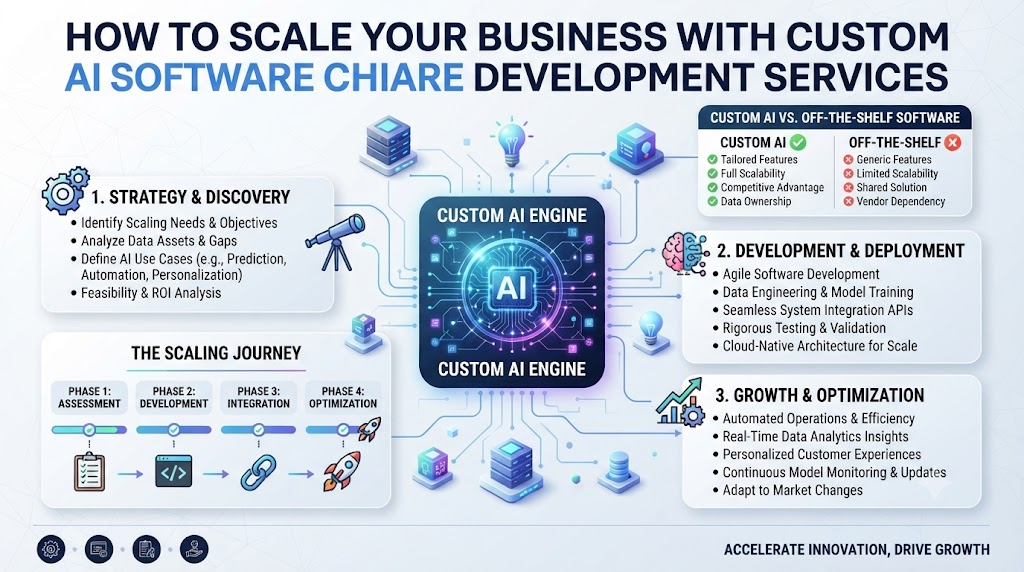
  • How to Scale Your Business with Custom AI Software Development Services

    Introduction

    Organizations today face constant pressure to release products faster, improve operational efficiency, and leverage data more effectively. Yet, many businesses struggle to move beyond basic automation or legacy systems that cannot support modern workloads. Whether a startup is building its first digital product or an enterprise is modernizing core infrastructure, technology decisions directly dictate market competitiveness. Software development is no longer just a support function; it is the core engine of business growth.However, adopting new technologies without a clear strategy often leads to bloated systems, security vulnerabilities, and rising cloud or infrastructure costs. Success requires balancing technical capabilities with realistic business objectives, whether that involves implementing cloud-native architectures, adopting container orchestration, or integrating intelligent automation.

    Understanding Enterprise AI Software Development

    Enterprise AI software development goes beyond embedding a basic chatbot into a website. It involves designing, building, and deploying intelligent applications that solve complex business problems, automate workflows, and integrate seamlessly with existing software ecosystems. Many organizations make the mistake of treating AI as an afterthought—tacking features onto legacy applications without considering data pipelines, model evaluation, or scalability.

    Building an AI-first product requires a fundamentally different mindset. Engineering teams must evaluate whether to use traditional software logic or machine learning models, select appropriate data structures, and ensure that systems remain secure and deterministic where required.

    AI-Powered Applications and Workflows

    Modern applications rely heavily on data-driven insights and intelligent automation. By integrating machine learning models and natural language processing into core workflows, businesses can automate document processing, enhance enterprise search, and build intelligent recommendation engines.

    The Role of Generative AI Development Services

    Generative AI has shifted from an experimental technology to a practical business tool. Organizations utilize Large Language Models (LLMs) and Retrieval-Augmented Generation (RAG) to build secure enterprise knowledge assistants that summarize internal documents, accelerate customer support, and streamline content workflows. Successful implementation depends heavily on data quality, prompt design, rigorous hallucination management, and ongoing production monitoring.

    AI Agent Development Services

    While traditional chatbots follow rigid decision trees, AI agents are goal-driven systems capable of reasoning, using APIs, executing multi-step workflows, and retaining context over time. Businesses deploy AI agents to handle complex operational tasks, assist software development teams with code reviews, and automate multi-system workflows. Ensuring proper access controls and human-in-the-loop validation remains essential when deploying autonomous agents in production environments.

    Custom Software and SaaS Product Development

    Off-the-shelf software often works for generic administrative tasks, but growing organizations frequently outgrow rigid platforms. Custom software development allows businesses to build tailored web applications, microservices, and enterprise backends designed specifically around their unique operational workflows and data security requirements.

    When transitioning from an internal tool to a commercial offering, businesses turn to SaaS product development services. Moving from an initial Minimum Viable Product (MVP) to a reliable, multi-tenant SaaS platform requires careful architectural planning. Engineering teams must address user authentication, subscription management, API rate limiting, and database isolation to ensure the platform can scale smoothly as the user base grows.

    Modernizing Infrastructure: Cloud Migration and DevOps

    Software applications cannot run in a vacuum; they require resilient, scalable infrastructure. Many organizations burdened by aging on-premise hardware look to cloud migration services to improve flexibility, reduce hardware maintenance costs, and scale resources dynamically.

    Strategic Approaches to Cloud Migration

    Migrating to the cloud is not merely a matter of copying virtual machines from a local data center to a cloud provider. Organizations must evaluate applications using strategies ranging from simple rehosting (lift-and-shift) to deep refactoring and containerization. A successful migration begins with a thorough cloud readiness assessment, application discovery, and dependency mapping to prevent unexpected downtime or performance bottlenecks.

    DevOps Consulting Services India

    Accelerating software delivery requires more than just modern infrastructure; it demands a cultural and procedural shift. DevOps consulting helps engineering teams bridge the gap between development and operations through continuous integration and continuous deployment (CI/CD) pipelines, infrastructure as code (IaC), automated testing, and robust monitoring. By automating repetitive deployment tasks, organizations reduce human error and release new features to market faster.

    Scaling with Kubernetes and Cloud-Native Architecture

    As applications grow in complexity, managing individual servers or virtual machines becomes inefficient. Modern cloud-native development relies heavily on containerization and container orchestration.

    Kubernetes Consulting Services

    Kubernetes has become the industry standard for deploying, scaling, and managing containerized applications. However, Kubernetes introduces a steep learning curve and significant operational complexity. Kubernetes consulting helps organizations design cluster architectures, configure automated scaling, manage persistent storage securely, and implement robust networking policies.

    Whether an organization opts for managed Kubernetes services provided by cloud vendors or manages self-hosted clusters, establishing clear observability practices—such as monitoring metrics, logs, and distributed traces—is vital for maintaining high availability.

    Mobile App Development and Cross-Platform Strategies

    For businesses engaging directly with consumers or field workforces, mobile applications serve as a primary touchpoint. Modern mobile app development focuses on delivering high-performance iOS and Android experiences using native development or cross-platform frameworks like Flutter and React Native.

    Regardless of the framework chosen, mobile applications must connect securely with reliable backend APIs and cloud infrastructure. Ensuring low latency, robust offline data synchronization, secure push notifications, and rigorous mobile security practices protects user data and ensures long-term application stability.

    Corporate AI and DevOps Training

    Technology adoption fails without skilled teams to operate and maintain new systems. Organizations investing in digital transformation must also invest in corporate AI and DevOps training to upskill their internal engineering and product teams.

    Practical enterprise training programs focus on hands-on learning, real-world workflows, and modern engineering principles covering artificial intelligence, cloud computing, Kubernetes, and site reliability engineering (SRE). Building internal technical capability ensures that organizations retain long-term control over their software products and infrastructure rather than remaining dependent on external vendors.

    Technology / Service Comparison

    Technology / ServicePrimary PurposeBest ForKey Benefit
    Generative AIAI content and knowledge generationIntelligent applications and document processingFaster automation and internal assistance
    AI AgentsGoal-driven automationComplex multi-step workflowsAutonomous task execution with human oversight
    DevOpsSoftware delivery and operationsEngineering and product teamsFaster, reliable releases and automated pipelines
    KubernetesContainer orchestrationCloud-native microservices applicationsScalable deployment and resource efficiency
    Cloud MigrationModernizing infrastructureLegacy workloads and growing businessesFlexibility, security, and scalability

    Common Technology Mistakes and How to Avoid Them

    Adopting new technologies without adequate planning often leads to costly project delays and architectural debt. Avoiding common pitfalls ensures smoother project execution.

    • Starting Development Without Clear Requirements: Building software without defining user stories or technical constraints leads to scope creep. Always establish a clear product roadmap and measurable technical goals before writing code.
    • Choosing Technology Based Solely on Trends: Adopting complex tools like Kubernetes or autonomous AI agents when a simple monolithic application or standard script suffices introduces unnecessary operational overhead. Select technology strictly based on business requirements.
    • Ignoring Security and Access Controls: Treating security as an afterthought exposes applications to vulnerabilities. Build security into the architecture from day one by implementing strict identity management, secure CI/CD pipelines, and proper API authentication.
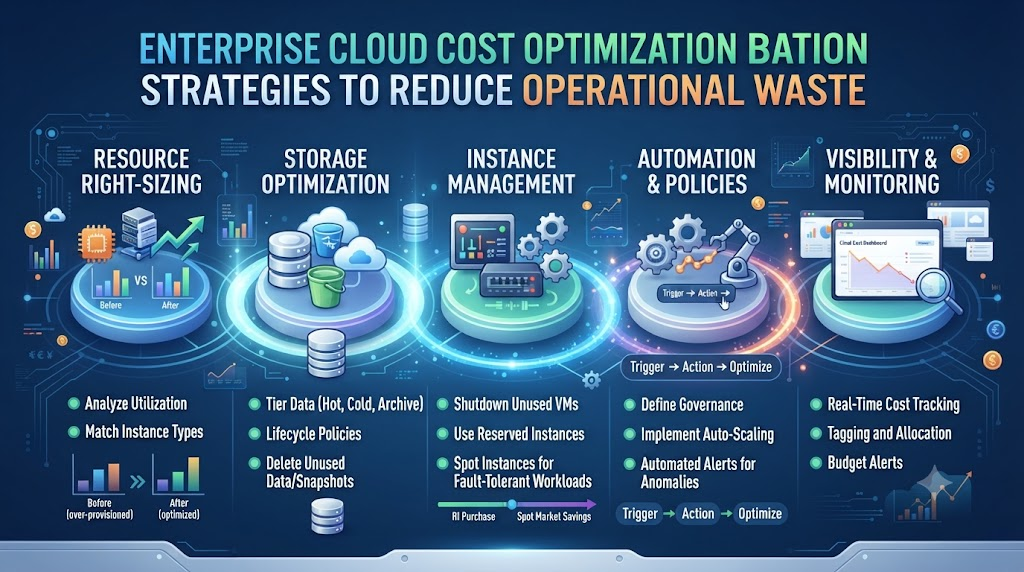
    • Neglecting Cloud Cost Management: Unmonitored cloud resources and unoptimized AI model token usage can cause operational budgets to spiral out of control. Implement regular cost reviews, auto-scaling limits, and resource tracking.
    • Failing to Establish Observability: Deploying applications without comprehensive logging, metrics, and tracing makes troubleshooting production incidents extremely difficult. Prioritize observability before launching workloads into production.

    Practical Tips / Key Takeaways

    • Define Measurable Goals: Align every technical initiative, whether cloud migration or AI integration, with specific business outcomes like reduced operational friction or faster release cycles.
    • Automate Repetitive Workflows: Implement CI/CD pipelines and automated testing early to eliminate manual deployment errors and free up engineering time.
    • Prioritize Data Quality for AI: Ensure internal data pipelines are clean, well-structured, and secure before investing in generative AI or machine learning models.
    • Train Internal Teams: Pair technology adoption with continuous training to ensure your engineering and operations teams can maintain systems effectively over time.
    • Partner with Experts When Needed: When navigating complex domains like custom software development, Kubernetes orchestration, or enterprise AI, collaborating with experienced technology partners like Cotocus.in helps accelerate delivery and mitigate technical risk.

    Frequently Asked Questions

    1.What is enterprise AI software development?

    Enterprise AI software development involves designing and integrating intelligent applications, machine learning models, and automation workflows into business systems. It focuses on scalability, security, and seamless integration with existing software infrastructure rather than standalone chatbot features.

    2.How do AI agents differ from traditional chatbots?

    Traditional chatbots follow rigid rule-based logic or simple keyword matching to answer questions. AI agents are autonomous, goal-driven systems capable of reasoning, executing multi-step workflows, using external APIs, and retaining context over time to solve complex tasks.

    3.When should a business choose custom software over off-the-shelf products?

    Custom software is ideal when business workflows are unique, proprietary, or require integration across multiple legacy systems that generic SaaS products cannot support. It provides long-term flexibility and eliminates licensing restrictions.

    4.What are the main benefits of DevOps consulting?

    DevOps consulting helps organizations automate software delivery, improve system reliability, and foster collaboration between development and operations teams. This results in faster time-to-market, reduced deployment failures, and more efficient infrastructure management.

    5.How does cloud migration improve business agility?

    Cloud migration shifts workloads from rigid local hardware to flexible cloud environments. This enables businesses to scale resources up or down dynamically, reduce physical maintenance overhead, and leverage advanced cloud-native security features.

    6.What is the primary advantage of using Kubernetes?

    Kubernetes automates the deployment, scaling, and management of containerized applications. It ensures high availability and consistent operation across different cloud environments, making it ideal for microservices-based architectures.

    7.Why is cloud-native development important for modern SaaS products?

    Cloud-native development utilizes containers, microservices, and automated pipelines to build resilient applications. It allows SaaS products to scale smoothly as user demand increases without requiring major architectural overhauls.

    8.How can corporate training improve engineering performance?

    Corporate training upskills internal teams on modern technologies like AI, Kubernetes, and DevOps. This reduces external dependency, improves internal problem-solving capabilities, and accelerates overall product delivery timelines.

    9.What should businesses consider before starting an AI project?

    Businesses must evaluate data quality, security compliance, integration complexity, model evaluation strategies, and long-term maintenance costs. Having a clear business use case is essential before investing in AI development.

    10.How does Cotocus support digital transformation initiatives?

    Cotocus provides expert consulting and implementation services across AI software development, cloud migration, DevOps, Kubernetes, and corporate training, helping organizations modernize their technology stacks and achieve measurable business goals.

    Conclusion

    Modernizing technology stacks, adopting cloud infrastructure, and integrating intelligent automation are critical steps for businesses seeking long-term growth and operational resilience. Whether an organization is planning a complex cloud migration, building a scalable SaaS product, or deploying AI agents to optimize internal workflows, success depends on sound architectural decisions and disciplined execution. Balancing technical complexity with practical business objectives ensures that technology investments deliver sustainable value. Organizations looking to accelerate their digital transformation journey can explore expert engineering solutions and guidance through Cotocus.
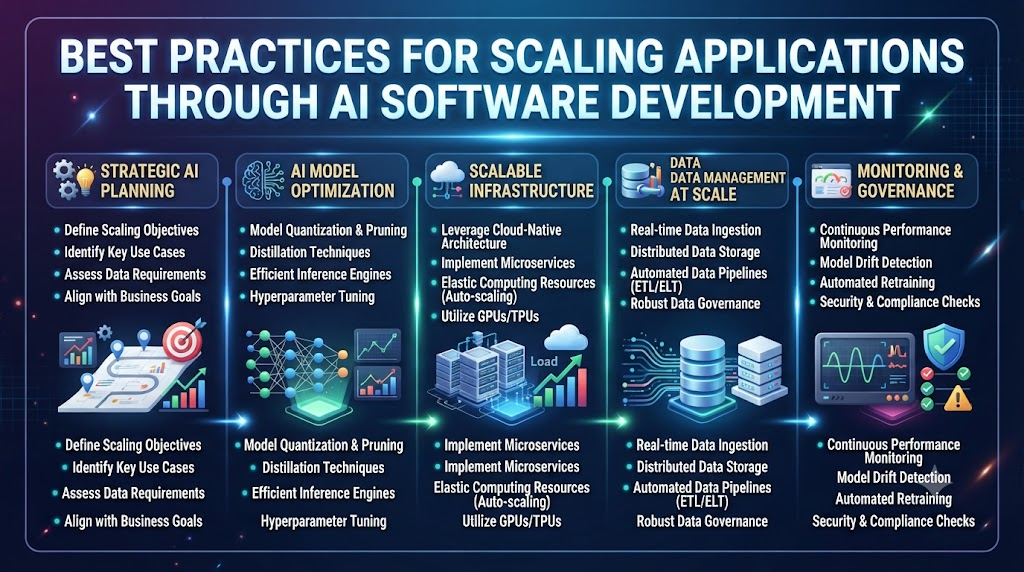

  • Best Practices for Scaling Applications Through AI Software Development

    Introduction

    Modern engineering teams face an ongoing challenge: building software that goes beyond basic automation to actively solve complex business problems. Traditional application logic handles predictable inputs and predefined rules, but today’s users expect systems that adapt, learn, and reason. This growing demand has made Cotocus.cn a core focus for engineering organizations worldwide.However, integrating machine learning models, natural language processing, and automated workflows into production-grade systems introduces distinct architectural and operational hurdles. Many teams struggle with managing unstructured data, controlling infrastructure costs, and bridging the gap between experimental data science and robust software engineering.

    What Is AI Software Development?

    AI software development involves designing, building, and deploying software applications that embed machine learning, natural language processing, computer vision, or predictive analytics directly into their core architecture. Unlike traditional software development—which relies entirely on explicit, deterministic code—AI-driven applications use algorithms and statistical models to learn from data, recognize patterns, and make autonomous decisions or predictions.

    At its core, this discipline requires a blend of standard software engineering and specialized data practices. Developers must handle traditional backend logic, API integrations, and user interfaces alongside model selection, feature engineering, pipeline orchestration, and continuous evaluation. Whether an organization partners with an specialized AI software development company or builds internal capabilities, the objective remains the same: creating software that is intelligent by design rather than relying on superficial feature additions.

    Why AI Software Development Matters for Modern Enterprises

    Software longevity depends on an application’s ability to handle scale, reduce manual friction, and deliver personalized user experiences. Standard applications excel at structured data processing, but they often fail when confronted with unstructured inputs like customer support queries, complex document analysis, or predictive forecasting.

    Embracing intelligent engineering allows teams to automate nuanced workflows, surface relevant insights from massive datasets, and build interfaces driven by natural language or intelligent search. Organizations leveraging modern Generative AI development services or custom machine learning models can drastically reduce manual overhead, shorten response times, and uncover operational efficiencies that were previously unattainable with rigid, rule-based systems.

    Core Components of an AI-Powered Application

    Building a production-ready intelligent system involves several interconnected layers that extend far beyond a basic model API.

    • Data Layer: Clean, structured, and continuously updated data pipelines are foundational. Models require robust ingestion, cleaning, and storage mechanisms to function accurately.
    • Model Integration & Orchestration: The core engines—ranging from fine-tuned large language models to custom regression algorithms—interfaced via clean API wrappers and orchestration frameworks.
    • Application Backend: The business logic layer that handles user sessions, permission management, API routing, and translation of user intent into model prompts or queries.
    • Observability & Evaluation: Monitoring frameworks designed to track model drift, latency, token usage, accuracy metrics, and error rates in real time.

    Architectural Considerations and Design Patterns

    Designing an application with embedded intelligence requires careful architectural planning to prevent performance bottlenecks and unmanaged cloud expenses.

    Adding AI Capabilities vs. Building AI-First

    An important distinction exists between wrapping an existing legacy application with a basic AI chatbot and engineering an AI-first product. Adding features typically involves injecting third-party model APIs into isolated parts of a monolith. Conversely, an AI-first architecture treats data flow, model inference, and context retrieval as foundational design pillars from day one. This approach ensures that scalability, security, and response latency are accounted for across every microservice.

    Handling Latency and Context Windows

    Model inference is computationally expensive and introduces latency compared to traditional database lookups. Developers must design asynchronous processing pipelines, implement intelligent caching mechanisms for frequent queries, and manage context windows efficiently to ensure snappy user experiences without ballooning operational overhead.

    Security, Data Privacy, and Governance

    Integrating machine learning models introduces unique security challenges that go beyond standard web application vulnerabilities.

    • Data Privacy: Ensuring sensitive corporate data or personally identifiable information (PII) is never inadvertently exposed to third-party model providers or leaked through model outputs.
    • Prompt Injection and Guardrails: Protecting applications against malicious inputs designed to bypass system instructions or force unintended behavior.
    • Access Control: Implementing strict identity and access management (IAM) policies to govern which users or services can trigger specific models or access underlying training datasets.

    Security must be treated as an ongoing engineering responsibility rather than a final checklist item. Comprehensive platforms often combine robust Cloud Consulting Services and specialized DevOps Consulting Services to ensure secure, automated deployment pipelines.

    Common Challenges and Mistakes

    Engineering teams embarking on AI initiatives frequently encounter predictable pitfalls that derail project timelines and budgets.

    • Treating AI as a Silver Bullet: Assuming that inserting a model into an application will automatically solve deep-seated product or workflow inefficiencies.
    • Neglecting Data Quality: Building advanced models on top of siloed, dirty, or unvalidated data sources, leading to inaccurate outputs and high rates of hallucination.
    • Ignoring Operational Complexity: Failing to budget for the continuous monitoring, versioning, and re-training infrastructure required to keep models accurate over time.
    • Overengineering Simple Solutions: Deploying complex custom neural networks or heavy multi-agent frameworks where a deterministic script or simple heuristic would suffice.

    Practical Implementation Approaches

    To maximize the likelihood of success, organizations should adopt a structured, phased approach to intelligent software initiatives.

    1. Define the Business Problem: Clearly identify the bottleneck or user friction point you intend to solve before choosing any specific technology or model.
    2. Start with a Focused MVP: Build a minimal viable product targeting a single use case, validating model accuracy and user reception before scaling infrastructure.
    3. Establish Evaluation Metrics: Define quantitative indicators for success, such as response relevance, inference latency, cost per transaction, and error rates.
    4. Automate the Lifecycle: Implement robust CI/CD pipelines and monitoring tools to streamline testing, deployment, and routine updates.

    Organizations looking to scale rapidly often collaborate with experienced partners like Cotocus.cn to navigate complex cloud migrations, Custom Software Development, and structured platform engineering.

    Practical Tips / Key Takeaways

    • Focus on solving a well-defined user problem rather than chasing technology trends.
    • Prioritize data hygiene and governance before scaling model integration.
    • Implement robust observability to monitor latency, cost, and model accuracy in production.
    • Design asynchronous workflows to maintain application responsiveness during heavy inference tasks.
    • Treat security and privacy as continuous engineering requirements across the entire software lifecycle.

    10 FAQs

    1.What does an AI software development company do?

    An AI software development company specializes in designing, building, and deploying applications that integrate machine learning models, generative AI, and intelligent automation into production-grade software. They help organizations architect secure, scalable systems that bridge traditional backend engineering with modern data science.

    2.When should a business consider custom software development?

    A business should opt for custom software development when off-the-shelf SaaS products fail to meet unique workflow requirements, security mandates, or scalability needs. Custom solutions provide complete ownership, tailored user experiences, and seamless integration with legacy infrastructure.

    3.How does generative AI integration differ from traditional software?

    Traditional software relies on explicit, deterministic rules written by developers. Generative AI integration utilizes probabilistic large language models to process unstructured data, generate text or code, and adapt responses dynamically based on context and prompt inputs.

    4.What are the primary data requirements for AI applications?

    AI applications require clean, structured, and accessible data pipelines. Organizations must ensure proper data ingestion, storage, and governance to feed accurate information into models while preventing data silos and security vulnerabilities.

    5.How can engineering teams control AI inference costs?

    Teams can control costs by implementing intelligent caching for frequent queries, selecting appropriately sized models for specific tasks, optimizing context windows, and continuously monitoring token usage and cloud resource allocation.

    6.What is the role of MLOps in software engineering?

    MLOps combines machine learning, DevOps, and data engineering practices to streamline the deployment, monitoring, and versioning of machine learning models in production, ensuring system reliability and continuous model performance.

    7.Why is observability crucial for intelligent applications?

    Observability enables engineering teams to track logs, metrics, and traces across both traditional backend services and model inference layers. This visibility helps detect latency spikes, model drift, and unexpected errors before they impact end users.

    8.How do cloud consulting services support modern application builds?

    Cloud consulting services help organizations design resilient, scalable, and cost-effective cloud architectures across platforms like AWS, Azure, and Google Cloud, ensuring high availability, disaster recovery, and optimized infrastructure management.

    9.What is the difference between DevOps and Platform Engineering?

    DevOps focuses on cultural practices, CI/CD automation, and collaboration between development and operations. Platform engineering builds upon DevOps by creating internal developer platforms (IDPs) and self-service golden paths to reduce cognitive load for engineering teams.

    10.How can organizations get started with digital transformation initiatives?

    Organizations should begin digital transformation by auditing legacy systems, aligning technology investments with clear business objectives, and partnering with experienced technical experts to modernize architecture and automate core workflows.

    Conclusion

    Successfully building intelligent applications requires a careful balance of robust software engineering, clean data practices, and disciplined operational management. By focusing on practical business value, maintaining rigorous security standards, and establishing clear evaluation metrics, engineering teams can turn complex technological capabilities into reliable, production-grade products. Whether building standalone products or modernizing legacy infrastructure with partners like Cotocus.cn, a thoughtful and systematic approach ensures long-term scalability, performance, and innovation.

  • Shopify Development Company Strategies for High-Converting E-Commerce Stores

    Introduction

    Establishing a robust digital footprint starts with choosing the right technology partner. When businesses decide to build or redesign a platform, finding a reliable website development company in India often becomes a top priority. Whether you run an early-stage startup, a growing e-commerce brand, or an established enterprise, your website acts as your primary digital storefront. It shapes user trust, drives conversions, and supports long-term marketing objectives.However, navigating the vast market of web development agencies can feel overwhelming. Many business owners struggle to balance upfront costs with technical quality, mobile responsiveness, and long-term scalability. A poorly planned development project often leads to slow loading speeds, difficult content management, and poor search visibility. This guide explores how to evaluate and work with a website development company in India, examining essential Content Management System platforms, technical requirements, maintenance protocols, and digital growth strategies that help businesses scale sustainably.

    What Defines a Capable Website Development Company in India?

    A professional development partner does more than write code. They translate business goals into functional, user-friendly digital environments. When evaluating potential agencies, look beyond portfolio aesthetics and examine their technical depth across various platforms and frameworks.

    Businesses often require distinct architectural setups depending on their industry. A service-oriented corporate site has vastly different requirements than a high-volume online retail store. A reliable development partner assesses your specific business model, target audience, and future expansion plans before recommending a technical stack. They focus on clean code, mobile usability, security protocols, and search-engine-friendly architecture from day one.

    Core Services Offered by Web Development Agencies

    Comprehensive digital agencies usually provide a suite of services designed to take a website from initial wireframe to active online growth. Understanding these services helps businesses choose the right package for their current stage.

    • Custom Website Development: Building bespoke applications or tailored themes for unique business workflows.
    • CMS Development: Setting up content management systems that allow non-technical teams to update pages, blogs, and media easily.
    • E-Commerce Development: Constructing secure online storefronts with integrated payment gateways and inventory management.
    • Website Maintenance Services: Providing ongoing technical updates, security monitoring, and performance optimizations.
    • SEO and Digital Marketing: Optimizing technical site structures and content for better search engine visibility.

    CMS Development: Choosing the Right Platform

    Selecting a content management system dictates how easily your team can manage daily operations. A qualified CMS Development Company will not push a single platform onto every client. Instead, they match your content structure and technical comfort level with the most appropriate software.

    Different platforms serve different operational needs. For instance, content-heavy corporate websites or blogs often thrive on flexible open-source frameworks, while dedicated retail brands require specialized e-commerce infrastructure.

    PlatformPrimary PurposeBest Suited ForCustomization Level
    WordPressFlexible content and bloggingCorporate sites, service businesses, publishersHigh (via plugins and themes)
    ShopifyE-commerce and retailOnline stores, direct-to-consumer brandsModerate-High (app ecosystem)
    JoomlaStructured data and contentCommunity portals, complex multi-user sitesHigh (advanced user management)

    WordPress Development Company Solutions

    As the world’s most popular open-source publishing tool, WordPress powers a massive portion of the web. A specialized WordPress Development Company builds custom themes and plugins that avoid the performance bloat common in poorly coded sites.

    WordPress suits businesses that publish frequent content, maintain active service pages, or require complex membership portals. However, maintaining a WordPress site requires consistent plugin and core updates to prevent security vulnerabilities.

    Shopify Development Company Strategies

    When selling physical or digital products online, traditional content platforms may fall short. A specialized Shopify Development Company focuses on building fast, secure, and conversion-optimized storefronts.

    Shopify handles hosting, payment security, and core checkout infrastructure out of the box. This allows retail businesses to focus on merchandising and customer acquisition rather than server management. Customizations are handled through carefully selected apps and theme modifications.

    Joomla Development Company Use Cases

    For organizations that require advanced user permission levels, multilingual capabilities, and complex content hierarchies, Joomla remains a viable option. A Joomla Development Company typically works with institutions, educational portals, and content-heavy enterprise sites that need robust structured data management without relying heavily on third-party extensions.

    Affordable Website Development: Balancing Cost and Quality

    Budget constraints are a reality for most startups and small businesses. However, seeking affordable website development should never mean compromising on core functionality, security, or mobile responsiveness.

    Affordable development is achieved by scoping the project correctly. Reducing unnecessary custom animations, utilizing established themes as a foundation, and focusing strictly on essential MVP (Minimum Viable Product) features can drastically lower initial costs. True affordability also accounts for long-term expenses—choosing a reliable, easy-to-manage CMS reduces the need for expensive developer intervention every time a text change is required.

    Essential Technical Considerations for Modern Websites

    Building a website that looks professional is only half the battle. Technical performance dictates how users interact with your brand and how search engines crawl your pages.

    Responsive Design and Mobile Usability

    With mobile traffic dominating global web usage, responsive design is non-negotiable. Developers must ensure layouts adapt fluidly across smartphones, tablets, and desktop displays. Mobile optimization goes beyond shrinking text; it involves touch-friendly navigation, readable fonts, and streamlined checkout flows on smaller screens.

    Website Performance and Speed

    Users abandon slow websites within seconds. Performance optimization involves compressing images, implementing effective caching, minimizing JavaScript execution, and choosing high-performance hosting environments. Speed directly influences user engagement and search engine rankings.

    Security Best Practices

    Cyber threats target websites of all sizes. A secure development approach includes enforcing HTTPS encryption, implementing strong user authentication, maintaining regular automated backups, and keeping CMS software patched against known vulnerabilities. Security is an ongoing operational commitment, not a one-time setup.

    The Role of Website Maintenance Services

    Launching a website marks the beginning of its lifecycle, not the end. Ongoing website maintenance services are vital for keeping digital assets secure, fast, and functional.

    Neglected websites often suffer from broken links, outdated plugins that break site functionality, and unpatched security holes. Regular maintenance routines include database optimization, uptime monitoring, security audits, and compatibility checks after software updates. Partnering with an agency for monthly maintenance ensures technical issues are resolved before they impact revenue or user trust.

    Digital Growth: SEO, Link Building, and Guest Post Services

    A beautiful, functional website yields little return if target audiences cannot find it online. Integrating digital marketing strategies into your development roadmap helps bridge the gap between technical infrastructure and business growth.

    SEO Services Company Integration

    An experienced SEO services company works alongside developers to ensure clean URL structures, proper heading hierarchies, fast page load speeds, and XML sitemaps. Technical SEO lays the foundation for on-page optimization, keyword targeting, and content marketing efforts that attract organic search traffic over time.

    Link Building Services and Authority

    Earned backlinks signal trust and credibility to search engines. Ethical link-building services focus on acquiring contextual, relevant links from established industry publications rather than relying on spammy automated directories or link farms. Quality always supersedes quantity in sustainable search optimization.

    Guest Post Services for Visibility

    Contributing insightful, expert-driven content to reputable industry platforms helps build brand awareness and drive referral traffic. Strategic guest post services prioritize editorial relevance and audience value, strengthening a brand’s authority within its niche.

    Common Website Development Mistakes to Avoid

    • Failing to Define Requirements: Launching a project without a clear scope leads to scope creep, budget overruns, and missed deadlines.
    • Ignoring Mobile Users: Designing exclusively for desktop monitors alienates the majority of modern web traffic.
    • Overloading on Plugins: Installing dozens of unvetted plugins slows down site performance and creates security vulnerabilities.
    • Neglecting Post-Launch Maintenance: Assuming a website can run indefinitely without updates or security monitoring.
    • Chasing Shortcuts in SEO: Relying on manipulative link-building schemes that invite search engine penalties.

    How cmsGalaxy.com Supports Your Digital Journey

    Navigating website development, CMS selection, ongoing maintenance, and digital marketing requires specialized expertise. Platforms like cmsGalaxy.com provide practical guidance and professional solutions for businesses looking to build resilient online assets. Whether you need custom website development, affordable web solutions, specialized platform migration, or comprehensive SEO and link-building strategies, having a knowledgeable partner ensures your digital investments drive measurable business value.

    Practical Tips / Key Takeaways

    • Clearly outline your business goals, target audience, and functional requirements before contacting a development agency.
    • Choose a CMS platform based on your team’s technical capabilities and long-term content needs rather than temporary design trends.
    • Prioritize mobile usability and core web performance from the earliest stages of wireframing and design.
    • Implement a routine website maintenance schedule to protect against security vulnerabilities and performance degradation.
    • Combine a technically sound website with ethical SEO and content strategies to foster sustainable organic growth.

    10 FAQs

    1. What should I look for when hiring a website development company in India?
      Look for transparent communication, a relevant portfolio, expertise in your required CMS platform, strong security practices, and a clear understanding of your business objectives. Review their post-launch support and maintenance offerings as well.
    2. What is affordable website development?
      Affordable website development balances cost and quality by focusing on essential features, utilizing efficient development frameworks, and tailoring the project scope to fit your startup or small business budget without cutting corners on security or speed.
    3. How do I choose between WordPress, Shopify, and Joomla?Choose WordPress for flexible content-driven sites and blogs, Shopify for dedicated e-commerce and retail stores, and Joomla for structured, multi-user content portals that require advanced permission controls.
    4. Why are website maintenance services necessary?
      Websites require ongoing care to patch security vulnerabilities, update plugins and core software, monitor uptime, fix broken links, and ensure fast loading speeds as browser standards and security protocols evolve.
    5. How long does it take to develop a standard business website?Timelines vary based on project complexity, number of pages, custom design requirements, and integration needs. A standard informational business website typically takes between four to eight weeks from planning to launch.
    6. Can an existing website be migrated to a new CMS?
      Yes. Content, user databases, and product catalogs can be migrated to a new CMS, though it requires careful planning to preserve search engine rankings through proper URL redirection and technical SEO preservation.
    7. What does an SEO services company actually do?
      An SEO services company optimizes technical site architecture, improves page load speeds, conducts keyword research, refines on-page content, and builds sustainable authority to help your business rank higher in organic search results.
    8. Are backlinks still important for search engine visibility?
      Yes, high-quality, relevant backlinks act as trust signals to search engines. Ethical link-building focuses on editorial relevance and contextual value rather than automated spam or bulk directory submissions.
    9. How does guest posting help my digital marketing strategy?Guest posting on reputable industry publications builds brand awareness, establishes expert credibility, and drives targeted referral traffic while supporting broader digital visibility and content distribution goals.
    10. Does a new website guarantee immediate business growth?
      A new website establishes a professional digital foundation, but growth depends on ongoing marketing efforts, user experience, search visibility, competitive positioning, and continuous optimization over time.

    Conclusion

    Building a successful online presence requires a balanced approach that merges technical precision, thoughtful CMS selection, and consistent digital marketing. Whether you are launching a brand-new digital venture or revamping an existing platform with the help of a trusted website development company in India, prioritizing user experience, security, and scalability pays long-term dividends. By aligning your technology choices with real business objectives and maintaining your digital assets proactively, you create a resilient platform designed for sustainable growth.

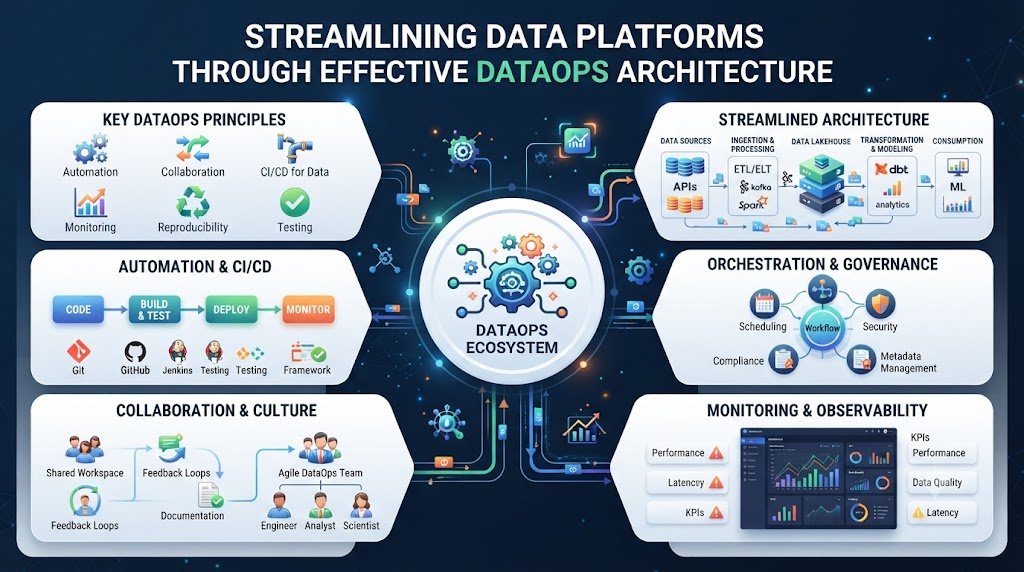
  • Streamlining Data Platforms Through Effective DataOps Architecture

    Introduction

    Data teams spend an extraordinary amount of time fighting fires. A sudden schema change breaks a production pipeline, a silent data quality failure corrupts downstream dashboards, or an unmonitored batch job fails hours before a leadership meeting. These issues happen because traditional data workflows often lack the rigorous engineering automation found in software development.This is where DataOps comes in. At its core, DataOps It is an automated, collaborative methodology designed to improve the speed, quality, and reliability of data analytics and data engineering workflows. By combining Agile development, DevOps automation, and lean manufacturing principles specifically for data, teams can shift from reactive troubleshooting to proactive reliability. Whether you are an experienced data engineer or exploring DataOps training at DataOpsSchool, understanding these practices is essential for building scalable, trustworthy data platforms.

    Understanding the Shift from Traditional Data Workflows

    Traditional data management often relied on manual handoffs between data producers, data engineers, and business analysts. Software engineering evolved past manual deployments years ago through version control and automated testing, but data pipelines lagged behind. Queries were written directly in production, changes were tested by eye, and deployment strategies often involved running a manual script and hoping nothing broke.

    DataOps brings engineering discipline to this chaos. It treats data like code, applying continuous integration, continuous delivery, and automated testing to every stage of the pipeline. When a data model changes or a new data source is ingested, automated tests verify schema integrity, row counts, and data distributions before the changes ever reach production.

    Key Components of a Modern DataOps Architecture

    Building a resilient data platform requires a structured architecture that connects data ingestion to end consumption while maintaining visibility and control.

    1. Data Sources & Ingestion: The entry point where raw data is extracted from transactional databases, SaaS applications, or event streams.
    2. Storage & Warehouses: Cloud-agnostic repositories such as Snowflake, Databricks, or BigQuery that store transformed data safely.
    3. Transformation Layer: Modular transformation workflows using tools like dbt to turn raw tables into clean, tested business models.
    4. Workflow Orchestration: Engines like Apache Airflow, Dagster, or Prefect that manage task dependencies, scheduling, and retries.
    5. Data Quality & Testing: Automated validation checks that catch null values, duplicates, and constraint violations early.
    6. Observability & Monitoring: Real-time tracking of pipeline health, data freshness, and volume anomalies.

    Data Sources $\rightarrow$ Ingestion $\rightarrow$ Storage $\rightarrow$ Transformation $\rightarrow$ Quality Checks $\rightarrow$ Deployment $\rightarrow$ Monitoring $\rightarrow$ Consumption

    CI/CD and Automation for Data Pipelines

    Continuous integration and continuous delivery look different in data engineering than they do in traditional web development. While web apps deal with application state and compiled code, data pipelines deal with moving, mutating, and transforming stateful information.

    Implementing CI/CD for data requires separating development and production environments. When a data engineer updates a transformation model in a feature branch, an automated CI pipeline spins up an isolated sandbox environment, runs unit tests on a sample dataset, and validates SQL syntax. Only after these automated checks pass can the code be merged and promoted to production. This approach prevents broken downstream reporting and drastically reduces midnight paging incidents.

    DataOps AreaCommon ChallengeUseful Practice
    Data PipelinesPipeline failures due to upstream changesAutomated monitoring and retries
    Data QualityInvalid or corrupt records reaching dashboardsAutomated validation and anomaly detection
    CI/CDRisky manual deployments to productionAutomated testing and environment promotion
    OrchestrationComplex, unmanaged task dependenciesCode-based workflow orchestration
    ObservabilityHidden data freshness and volume issuesLineage and metadata tracking

    Data Quality and Observability

    Data quality is the ultimate measure of a data platform’s credibility. If business stakeholders cannot trust the numbers on their dashboards, the entire data infrastructure fails its core purpose. DataOps addresses this by embedding testing directly into the operational workflow.

    Data observability takes quality a step further by providing comprehensive visibility into data health across the entire lifecycle. Instead of waiting for a stakeholder to report a missing metric, observability tools track data freshness, distribution shifts, and schema evolution automatically. By combining lineage tracking with automated anomaly detection, engineers can trace a bad record back to its exact source within minutes.

    Common Challenges and Mistakes in DataOps Adoption

    Organizations transitioning to DataOps often encounter cultural and technical hurdles. One common mistake is treating DataOps as purely a tooling problem. Buying an expensive orchestration tool or data quality platform will not fix a broken team culture or a lack of documentation. DataOps requires close collaboration between data engineers, analytics engineers, and software teams.

    Another frequent pitfall is over-engineering. Teams often implement complex streaming architectures and heavy orchestration frameworks before they have mastered basic pipeline testing and version control. Starting small with basic pipeline automation, version-controlled transformations, and automated unit tests creates a solid foundation for advanced scaling later.

    Practical Tips / Key Takeaways

    • Start with Version Control: Move all SQL queries, transformation logic, and orchestration DAGs into a central Git repository immediately.
    • Test Early and Often: Implement schema and uniqueness tests on staging environments before deploying changes to production datasets.
    • Define Pipeline Ownership: Ensure clear operational ownership so that pipeline failures trigger alerts for the right engineering team.
    • Prioritize Observability: Monitor data freshness and volume changes alongside traditional infrastructure metrics like CPU and memory usage.

    10 FAQs

    1.What is DataOps?

    DataOps is a collaborative, automated methodology that combines Agile principles, DevOps practices, and lean manufacturing to improve the speed, quality, and reliability of data engineering workflows and analytics.

    2.Why is DataOps important?

    DataOps matters because modern data environments are complex and fragile. It helps teams catch data quality issues, automate manual deployments, and prevent pipeline failures before they impact business decisions.

    3.How does DataOps differ from DevOps?

    While DevOps focuses on automating software application delivery and infrastructure, DataOps specifically addresses the unique challenges of data workflows, including data quality, schema evolution, pipeline dependencies, and data freshness.

    4.What does a DataOps Engineer do?

    A DataOps Engineer builds and maintains automated data pipelines, implements CI/CD workflows for data, manages orchestration tools, sets up data testing frameworks, and ensures high availability and reliability across data platforms.

    5.What skills are needed to become a Certified DataOps Engineer?

    Professionals need strong foundations in data engineering, workflow orchestration tools like Airflow, transformation tools like dbt, cloud data platforms, version control, automated testing, and infrastructure automation.

    6.How does DataOps improve data quality?

    DataOps embeds automated testing and validation checks directly into data pipelines. This ensures that missing values, schema changes, and unexpected anomalies are caught automatically before data reaches production dashboards.

    7.What tools are commonly used in DataOps?

    Common DataOps tools include Apache Airflow and Dagster for orchestration, dbt for data transformation, Great Expectations and Soda for data quality testing, and GitHub Actions for CI/CD automation.

    8.What is included in DataOps training?

    DataOps training covers pipeline automation, CI/CD for data, workflow scheduling, data observability, testing frameworks, cloud data warehouse management, and collaborative operational best practices.

    9.When do organizations need DataOps consulting?

    Organizations often seek DataOps consulting when they face chronic pipeline failures, slow data delivery cycles, poor data quality, or when migrating legacy data systems to modern cloud data platforms.

    10.How does DataOpsSchool.com help professionals?

    DataOpsSchool.com provides structured training, tutorials, and certification preparation designed to help data engineers and platform architects master modern DataOps practices and build reliable data systems.

    Conclusion

    Building resilient, high-performing data pipelines requires more than just raw compute power and cloud storage. It demands an operational discipline that brings engineering rigor, automation, and continuous improvement to every stage of the data lifecycle. By adopting DataOps practices, teams can eliminate manual bottlenecks, catch data quality issues early, and deliver trustworthy insights faster. As data platforms continue to scale in complexity, mastering these principles through structured learning and hands-on practice at DataOpsSchool.com will remain a vital differentiator for modern data professionals.

  • Amaravati Tourism Guide: Best Places to Visit and Local Events

    Introduction

    Planning a trip to a destination rich in history and culture requires knowing what to look for beyond the standard brochures. Whether you are a local resident looking for weekend plans or a traveler exploring Andhra Pradesh for the first time, understanding the area’s layout makes a significant difference. Located along the Krishna River, this region blends ancient Buddhist heritage with evolving modern developments, creating a unique mix of past and present.Using a reliable Amaravati travel guide helps you navigate the local landscape efficiently, ensuring you do not miss key archaeological sites, museums, or community gatherings. From quiet mornings spent examining ancient artifacts to afternoons exploring local riverside spots, the area offers plenty of ways to spend your time. This article explores the top attractions, event discovery methods, historical background, and practical planning tips to help you make the most of your visit.

    Main Article

    What Makes Amaravati Relevant to Visitors?

    The region holds a unique place in the history and geography of Andhra Pradesh. Long before modern urban planning entered local discussions, the area was recognized as a major center of Buddhist learning and art during the Satavahana era. Today, it attracts history enthusiasts, students, and pilgrims who want to connect with its ancient roots.

    Beyond its heritage, the area serves as an active administrative and cultural hub. Visitors often find that combining a historical tour with local community activities offers a well-rounded experience. Understanding the local context helps travelers appreciate why certain monuments are preserved and how modern events fit into the daily rhythm of the city.

    Things to Do in Amaravati

    Exploring the local area involves more than just checking off a list of monuments. Visitors can engage in several distinct activities depending on their interests:

    • Heritage Exploration: Walk through ancient archaeological sites to understand the architectural evolution of early Buddhist art.
    • Museum Visits: Spend time examining sculptures, coins, and relics at local exhibition spaces.
    • Riverside Sightseeing: Enjoy peaceful views along the Krishna River banks, particularly during the cooler morning or evening hours.
    • Cultural Discovery: Attend local community gatherings, exhibitions, or educational programs to experience contemporary life.

    Balancing active sightseeing with quieter moments ensures a relaxed trip without feeling rushed.

    Places to Visit in Amaravati

    Several key landmarks define the tourism landscape of the region. Each location offers a different perspective on the area’s history and ongoing development.

    The Amaravati Stupa Site

    This historical landmark stands as the most prominent reminder of the region’s ancient Buddhist significance. While much of the original structure is preserved in museums across different cities, the site itself gives visitors a clear sense of its historical scale and architectural grandeur. It is an essential stop for anyone interested in ancient Indian history.

    Amaravati Archaeological Museum

    Managed by the Archaeological Survey of India, this museum houses an impressive collection of sculptures, limestone panels, and relics recovered from local excavations. It provides crucial context for understanding the artistic style associated with the region. Visitors typically spend a couple of hours here examining the detailed carvings that depict the life and teachings of the Buddha.

    Local Temples and Cultural Landmarks

    In addition to its Buddhist heritage, the area features notable Hindu temples that draw regular pilgrims. These spaces highlight the religious continuity and diverse cultural fabric of the region over centuries.

    Events and Activities in Amaravati

    Finding things to do on any given day requires knowing where to look. From cultural festivals celebrating regional traditions to educational workshops and conferences, the local calendar frequently features community-oriented programs.

    Platforms like AmaravatiOrbit.com serve as useful resources for discovering upcoming activities, weekend events, and local gatherings. Whether you are looking for family-friendly programs, art exhibitions, or professional meetups, checking verified local listings ensures you arrive at the right time and venue.

    Finding Amaravati Events Today

    When searching for real-time happenings, avoid relying on outdated guides. Instead, follow these steps to verify current schedules:

    1. Check dedicated local event directories and community portals.
    2. Confirm venue details and timings directly before heading out.
    3. Check if any prior registration or ticketing is required for workshops or special exhibitions.

    Historical and Cultural Importance

    The historical identity of Amaravati is deeply tied to the Satavahana dynasty, which ruled the region over two thousand years ago. During this period, the area flourished as a major center of trade, art, and religion. The distinct artistic style developed here—characterized by intricate limestone carvings depicting narrative scenes—influenced sculptural traditions across South Asia and beyond.

    Preserving this heritage remains a priority for historians and local authorities. Visitors walking through the exhibition spaces or viewing the remaining structural bases can observe how ancient artisans mastered stone carving long before modern tools were available. Keeping these historical facts grounded helps travelers appreciate the authentic value of the sites they visit.

    Planning Your Itinerary

    A successful trip depends on realistic time management. Depending on your schedule, you can structure your visit into a short day trip or an extended weekend stay.

    ExperienceBest ForSuggested Time
    Archaeological SitesHistory lovers and studentsMorning
    Museum ExhibitionsCulture enthusiasts and familiesAfternoon
    Riverside WalkwaysRelaxation and photographyEvening

    One-Day Amaravati Plan

    • Morning: Begin early at the main heritage sites and historical remnants before temperatures rise.
    • Afternoon: Head indoors to the local archaeological museum to study detailed sculptures and artifacts out of the midday sun.
    • Evening: Wrap up your day with a relaxed stroll near the Krishna River banks or explore a local community event.

    Practical Travel Considerations

    Preparation makes travel smoother. Keep these practical factors in mind when planning your trip to Andhra Pradesh:

    • Best Time to Visit: The winter months—from October to March—offer the most comfortable weather for outdoor exploration. Summers can be quite warm, requiring extra hydration and sun protection.
    • Getting Around: Local transportation options include auto-rickshaws, local buses, and rented vehicles. Plan your transit in advance if you intend to visit multiple sites outside the main center.
    • What to Carry: Wear comfortable walking shoes for uneven terrain at archaeological sites. Carry water, sun protection, and modest clothing suitable for visiting religious landmarks.

    Common Travel Mistakes to Avoid

    • Overpacking the Schedule: Trying to visit every single historical spot in a few hours can lead to fatigue. Focus on two or three primary locations.
    • Ignoring Timings: Always check museum opening days and hours, as public holidays can affect standard schedules.
    • Neglecting Weather Prep: Afternoon heat during peak seasons can disrupt outdoor plans; schedule strenuous walks for the morning.

    Frequently Asked Questions

    1.What are some popular places to visit in Amaravati?

    Popular sites include the ancient Amaravati Stupa remnants and the Amaravati Archaeological Museum, which houses extensive collections of historical sculptures, relics, and limestone carvings from the Satavahana period.

    2.What are the best things to do in Amaravati?

    Visitors can explore archaeological heritage sites, study ancient art at local museums, walk along the Krishna River banks, and attend local cultural programs or community events discovered through regional guides.

    3.What is Amaravati known for?

    The area is primarily known for its rich Buddhist heritage, ancient archaeological importance, historical significance during the Satavahana dynasty, and its evolving role as a cultural hub in Andhra Pradesh.

    4.What are some Amaravati tourist places?

    Key tourist locations feature historical excavation sites, regional museums displaying ancient artifacts, and traditional temples that reflect the area’s religious and architectural history.

    5.How can visitors explore Amaravati in one day?

    A one-day itinerary typically starts with a morning visit to historical heritage sites, followed by an afternoon exploring indoor museum exhibits, and concludes with a relaxed evening near the river.

    6.What types of events are held in Amaravati?

    Local events range from cultural festivals and art exhibitions to educational workshops, community gatherings, and professional meetups reflecting the region’s active lifestyle.

    7.How can people find Amaravati events today?

    Readers can check verified local directories, community boards, and event platforms like AmaravatiOrbit.com to review current schedules, timings, and venue details before attending.

    8.What are some weekend activities in Amaravati?

    Weekend options include visiting historical landmarks, exploring local exhibition spaces, attending community events, and enjoying family outings near scenic river spots.

    9.What is the best way to plan an Amaravati trip?

    Effective planning involves checking seasonal weather, confirming museum and site opening hours, allowing adequate time for transit between locations, and reviewing verified event listings.

    10.Why is Amaravati important for tourism in Andhra Pradesh?

    As a primary center of ancient art, Buddhist history, and ongoing cultural development, the area offers unique educational and leisure opportunities for domestic and international travelers alike.

    Practical Tips / Key Takeaways

    • Check Schedules First: Always verify museum opening hours and event timings online before setting out.
    • Pace Your Day: Combine outdoor heritage site visits in the morning with indoor museum tours during the warmer afternoon hours.
    • Dress Respectfully: Wear appropriate, modest clothing when visiting local temples and religious landmarks.
    • Stay Hydrated: Carry sufficient drinking water, especially when exploring open-air archaeological sites.

    Conclusion

    Discovering what the region has to offer becomes much simpler when you know where to look and what to expect. By combining historical exploration with a look at contemporary activities, visitors gain a deeper appreciation for the area’s unique identity. Utilizing a dependable Amaravati travel guide ensures your itinerary remains balanced, informative, and enjoyable from start to finish. Whether you are spending a single day examining ancient artifacts or planning a weekend exploring local events via AmaravatiOrbit.com, approaching your trip with good preparation guarantees a memorable and rewarding experience.

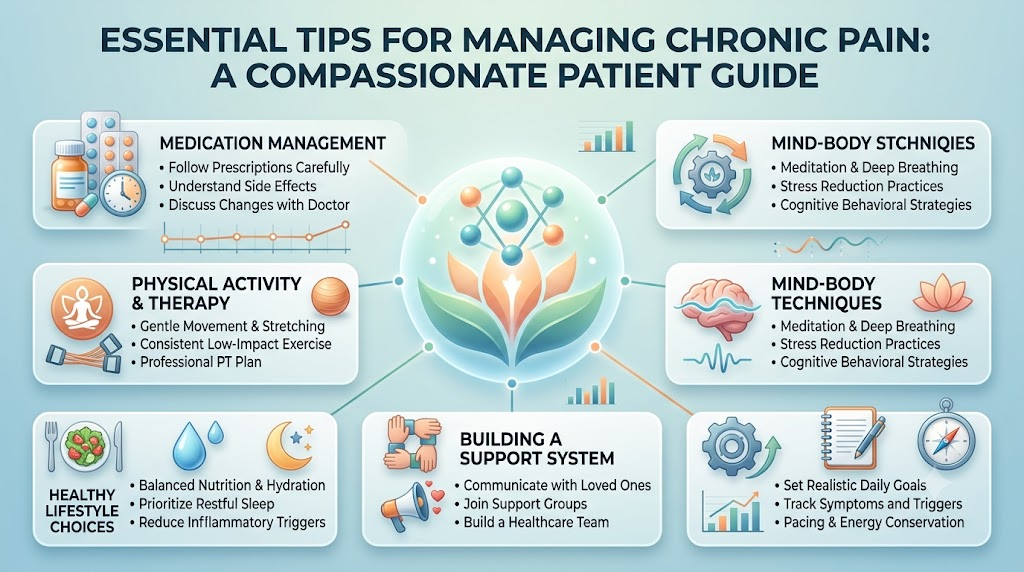
  • Essential Tips for Managing Chronic Pain: A Compassionate Patient Guide

    Introduction

    Living with persistent discomfort can touch almost every corner of daily life, influencing your energy, work, sleep, and overall peace of mind. When pain lingers month after month, it often brings physical challenges alongside emotional frustration. Many individuals find that managing long-term discomfort requires looking beyond a single solution and embracing a comprehensive, multi-layered approach to daily wellness.Understanding how persistent discomfort affects the body is an important first step toward reclaiming comfort and function. Because persistent pain can stem from various underlying factors, professional medical evaluation is essential to identify potential causes and establish safe care strategies. Through helpful health resources like MyDoctorsNow, individuals and caregivers can explore reliable medical information to support their healthcare journey.

    What Is Chronic Pain?

    Simple Definition

    Chronic pain refers to discomfort that persists past the normal healing time of an injury, typically lasting for three months or longer. Unlike temporary discomfort that resolves as an injury heals, persistent pain can continue even after the original physical trigger has healed or in the absence of a clear initial injury.

    Chronic Pain vs Acute Pain

    Acute pain acts as an immediate warning signal, alerting the body to sudden injury, tissue damage, or acute illness. It is generally short-lived and subsides as healing occurs. In contrast, chronic pain behaves differently; the nervous system can remain in a heightened state of signaling discomfort long after any initial trauma has resolved, making it a complex medical condition in its own right.

    Why Chronic Pain Can Be Complex

    Persistent discomfort often involves a combination of biological, physical, and emotional factors. It can originate from nerves, muscles, joints, previous injuries, or ongoing medical conditions. Changes within the nervous system can amplify pain signals over time. Emotional and psychological factors, such as stress or frustration, can also interact with how the body experiences discomfort. Experiencing these emotional reactions does not mean the pain is imaginary; rather, it reflects the deep connection between the mind and body.

    Common Types of Chronic Pain

    Healthcare professionals encounter several common categories of persistent discomfort:

    • Chronic Back Pain: Discomfort in the lower, middle, or upper spine that lingers over months.
    • Arthritis-Related Pain: Joint stiffness, inflammation, and persistent aching associated with degenerative joint changes.
    • Neuropathic Pain: Discomfort arising from nerve damage, often described as burning, tingling, or sharp shooting sensations.
    • Fibromyalgia-Related Pain: Widespread musculoskeletal discomfort accompanied by fatigue and sleep issues.
    • Chronic Headaches: Recurrent tension headaches or migraines that occur frequently over time.
    • Persistent Neck Pain: Ongoing discomfort in the cervical spine area, sometimes linked to posture or strain.
    • Musculoskeletal Pain: Discomfort affecting muscles, ligaments, tendons, or fascia throughout the body.
    • Post-Surgical Persistent Pain: Discomfort that continues long after a surgical procedure has healed.

    Accurate identification of pain types requires appropriate evaluation by a qualified healthcare professional.

    Common Causes of Chronic Pain

    Persistent discomfort can develop from numerous origins, including previous physical injuries, degenerative joint disease, nerve entrapment, autoimmune conditions, repetitive strain injuries, neurological disorders, or complications following past surgeries. In some cases, identifying a single specific physical cause can be challenging, which underscores the value of a thorough clinical evaluation by a medical specialist.

    How Chronic Pain Affects Everyday Life

    Living with ongoing discomfort can impact many aspects of daily existence:

    • Physical Activity: Reduced mobility and stamina due to guarding movements or discomfort.
    • Sleep: Difficulty falling or staying asleep, which can intensify overall fatigue.
    • Work and Productivity: Challenges maintaining regular work duties or concentration levels.
    • Mood and Emotional Well-Being: Managing frustration, anxiety, or low mood associated with constant discomfort.
    • Social Life: Reduced participation in social gatherings, hobbies, or community events.
    • Relationships: Strain on personal interactions with family members and friends.
    • Independence: Needing assistance with routine household tasks during difficult flare-ups.

    Effective care focuses on treating the person as a whole rather than relying solely on a numerical pain score.

    10 Practical Tips for Managing Chronic Pain

    1. Understand Your Pain Pattern

    Tracking your symptoms, daily activities, weather changes, and sleep patterns can help you and your doctor identify specific triggers and plan your daily energy accordingly.

    2. Stay Physically Active Within Professional Guidance

    Avoiding movement entirely can lead to muscle weakening and stiffness. Engaging in gentle, approved physical activity helps maintain joint mobility and overall health.

    3. Prioritize Healthy Sleep

    Quality rest allows the body and nervous system to recover. Establishing consistent sleep habits can help reduce overall sensitivity to discomfort.

    4. Manage Stress

    Stress can heighten muscle tension and amplify pain signals. Incorporating relaxation techniques, deep breathing, or mindfulness can support overall comfort.

    5. Maintain a Balanced Lifestyle

    Nourishing your body with wholesome foods, maintaining proper hydration, and adhering to steady daily routines foster overall resilience.

    6. Follow a Structured Rehabilitation Program

    Working with physical therapists provides targeted exercises designed to improve posture, flexibility, and muscle strength safely.

    7. Use Medicines Safely

    Always adhere strictly to professional instructions regarding any prescribed or recommended medications, ensuring safe and effective usage.

    8. Pay Attention to Emotional Health

    Acknowledge the emotional impact of persistent discomfort and seek supportive counseling or mental health guidance when needed.

    9. Communicate Clearly With Healthcare Professionals

    Keeping organized symptom logs and sharing detailed information during medical appointments helps your doctor tailor your care plan effectively.

    10. Build a Long-Term Management Strategy

    Focus your goals on improving daily function, mobility, and overall quality of life rather than expecting an instant, total elimination of all discomfort.

    MANDATORY

    Chronic Pain Management Strategies

    Management StrategyMain PurposePractical Considerations
    Physical ActivityMaintaining joint flexibility and preventing muscle deconditioning.Choose low-impact activities and progress gradually under medical advice.
    Physical TherapyRestoring functional movement and correcting postural imbalances.Follow tailored exercise prescriptions provided by licensed therapists.
    Sleep ManagementEnhancing nightly rest to support nervous system recovery.Maintain consistent sleep schedules and calm bedtime routines.
    Stress ManagementReducing the physiological impact of tension on the body.Practice daily relaxation exercises or mindfulness techniques.
    Healthy LifestyleSupporting general metabolic health and bodily resilience.Focus on balanced nutrition, hydration, and avoiding harmful habits.
    Medication ManagementControlling moderate to severe symptoms when clinically appropriate.Take medications strictly as directed and monitor for side effects.
    Emotional SupportCoping with the psychological toll of long-term discomfort.Engage with counselors or support networks to process stress.
    Symptom TrackingIdentifying patterns, flare-ups, and daily activity triggers.Keep a simple daily journal noting pain levels and influencing factors.
    Professional Follow-UpEnsuring treatment plans evolve with changing health needs.Attend scheduled clinic visits and report new or worsening symptoms.
    Daily Routine PlanningPacing activities to prevent exhaustion and severe flare-ups.Break larger tasks into smaller, manageable steps throughout the day.

    Managing persistent discomfort successfully often requires combining several distinct approaches tailored to your unique clinical needs. Because every individual’s nervous system and medical background differ, what brings relief to one person may require adjustment for another. Collaborating closely with healthcare professionals helps integrate these strategies safely into a cohesive, long-term plan.

    Role of Physical Therapy in Chronic Pain Management

    Physical therapy forms a cornerstone of conservative pain care. A licensed physical therapist conducts a comprehensive assessment of your posture, gait, joint mobility, and muscle strength.

    Therapists design customized exercise programs focused on improving core stability, stretching tight muscles, and teaching proper body mechanics. By guiding patients through gradual activity progression and home exercise routines, physical therapy helps rebuild physical confidence and independence.

    Chronic Pain and Mental Well-Being

    Living with continuous discomfort can create a challenging cycle involving stress, anxiety, frustration, sleep disturbances, and social isolation. When pain persists, it triggers stress responses in the body that can increase muscle tension and heighten pain perception.

    Seeking professional mental health support does not mean your symptoms are imaginary; rather, it acknowledges the powerful link between mind and body, providing valuable coping strategies to improve emotional resilience.

    Sleep and Chronic Pain

    Poor sleep and persistent discomfort frequently reinforce one another. Pain makes it difficult to fall asleep or stay asleep, while sleep deprivation lowers your pain threshold, making discomfort feel more intense the following day.

    Establishing consistent bedtime habits, keeping the bedroom cool and dark, and practicing wind-down relaxation exercises can help break this exhausting cycle. Discuss persistent sleep problems with your physician if basic adjustments do not provide relief.

    Lifestyle Habits That Support Pain Management

    Incorporating healthy everyday habits can provide a solid foundation for overall well-being:

    • Engaging in regular, gentle movement suitable for your fitness level.
    • Eating a balanced diet rich in whole foods and anti-inflammatory nutrients.
    • Maintaining a healthy body weight to reduce physical stress on weight-bearing joints.
    • Staying adequately hydrated throughout the day.
    • Maintaining consistent sleep and wake schedules.
    • Practicing daily stress-reduction techniques.
    • Avoiding tobacco use, which can impair circulation and tissue healing.
    • Limiting alcohol consumption where appropriate to support restorative sleep.

    Medication Safety in Chronic Pain

    Medications prescribed for persistent discomfort vary widely depending on the underlying cause. While pharmaceuticals can help manage symptoms, they also carry potential side effects and risks of drug interactions.

    Patients should always take medications strictly according to professional guidance, never alter dosages independently, and maintain regular follow-up appointments to review the ongoing effectiveness and safety of their regimen.

    When Should You See a Doctor for Chronic Pain?

    Professional medical evaluation is appropriate when discomfort persists beyond normal healing times, interferes with your ability to perform daily tasks, disrupts your sleep, limits your mobility, impacts your work, or requires frequent reliance on over-the-counter remedies without lasting relief. Seeking timely care helps uncover underlying causes early.

    Chronic Pain Warning Signs Requiring Prompt Medical Attention

    Certain symptoms warrant immediate medical evaluation. Seek prompt care if you experience:

    • Sudden, severe, or rapidly worsening pain
    • New muscle weakness or significant numbness in the limbs
    • Loss of bladder or bowel control
    • Severe pain resulting from a recent major injury
    • Chest pain, pressure, or difficulty breathing
    • High fever accompanying severe pain
    • New confusion, dizziness, or fainting episodes

    Urgent symptoms should always be evaluated promptly by emergency or qualified medical services.

    How Doctors Evaluate Chronic Pain

    Physicians use a systematic approach to understand persistent discomfort, including taking a detailed medical history, asking you to describe the intensity and character of your pain, conducting a physical examination, reviewing past treatments, checking current medications, evaluating functional limitations, and ordering imaging studies or laboratory tests when clinically indicated. Not every patient requires every test.

    Multidisciplinary Chronic Pain Management

    Comprehensive care often involves a coordinated team of specialists working together:

    • Primary-Care Doctors: Coordinate overall health and oversee referrals.
    • Pain Specialists: Offer advanced diagnostic insights and specialized treatment options.
    • Physical Therapists: Guide rehabilitation and functional movement training.
    • Rehabilitation Professionals: Assist with overall physical recovery and adaptive strategies.
    • Psychologists or Counselors: Provide emotional support and cognitive coping tools.
    • Pharmacists: Monitor medication safety and potential drug interactions.

    Coordinated multidisciplinary care addresses the physical, functional, and emotional dimensions of persistent discomfort.

    Telemedicine for Chronic Pain Management

    Telemedicine offers a convenient way to connect with healthcare providers for routine follow-up consultations, medication reviews, discussing home-based exercise progress, and coordinating multidisciplinary care.

    However, virtual visits have limitations and cannot replace physical examinations or urgent in-person evaluations when new or severe symptoms arise.

    Real-Life Hypothetical Patient Scenarios

    Scenario 1: Chronic Back Pain

    Hypothetical Patient Scenario: An adult experiencing persistent lower back stiffness begins keeping a daily symptom log. Working with a physician and physical therapist, the individual incorporates gentle core-strengthening exercises, activity pacing, and ergonomic adjustments at work, resulting in improved daily mobility.

    Scenario 2: Arthritis-Related Pain

    Hypothetical Patient Scenario: An older adult dealing with knee stiffness from arthritis receives professional guidance on low-impact aquatic exercises and weight management, which helps reduce joint strain and supports greater independence in daily routines.

    Scenario 3: Chronic Nerve Pain

    Hypothetical Patient Scenario: A patient experiencing burning discomfort in the feet consults a pain specialist. Following a thorough diagnostic evaluation identifying nerve irritation, the medical team establishes a comprehensive management plan combining physical therapy and specialized medication oversight.

    Scenario 4: Pain Affecting Sleep

    Hypothetical Patient Scenario: An individual notices that nighttime back discomfort severely disrupts sleep, which in turn intensifies daytime soreness. By establishing a calming bedtime routine and consulting a physician for a structured sleep and pain management strategy, the patient gradually restores healthier rest patterns.

    Common Mistakes People Mistakes When Managing Chronic Pain

    • Ignoring Persistent Pain: Waiting until discomfort becomes unbearable before seeking professional guidance.
    • Staying Completely Inactive: Avoiding all movement, which leads to muscle atrophy and increased joint stiffness.
    • Overdoing Activity on Good Days: Spending too much energy when feeling well, resulting in severe flare-ups the following days.
    • Relying Only on Pain Medication: Using pharmaceuticals as the sole strategy without incorporating physical or emotional care.
    • Changing Medication Without Professional Advice: Adjusting dosages independently, which can compromise safety.
    • Ignoring Sleep: Neglecting nightly rest habits that influence nervous system recovery.
    • Ignoring Emotional Health: Overlooking the psychological toll of living with ongoing discomfort.
    • Skipping Follow-Up Appointments: Missing scheduled clinical reviews meant to monitor treatment progress.
    • Trying Too Many Treatments at Once: Starting multiple unverified remedies simultaneously, making it impossible to know what helps.
    • Expecting Instant Results: Looking for overnight cures rather than focusing on sustainable, gradual functional improvement.

    How to Build a Chronic Pain Management Routine

    Morning

    • Gentle movement or stretching where appropriate.
    • Taking morning medications according to professional instructions.
    • Hydrating with water and enjoying a balanced breakfast.
    • Planning manageable daily activities and pacing tasks.

    Afternoon

    • Practicing activity pacing and taking scheduled rest breaks.
    • Performing brief stretching or prescribed physical therapy exercises.
    • Reviewing workplace ergonomics and posture adjustments.

    Evening

    • Engaging in relaxation exercises or deep breathing.
    • Participating in light, enjoyable evening activity where appropriate.
    • Preparing the bedroom environment for restful sleep.
    • Updating your daily symptom tracking log.

    Routines must always be adapted to individual health conditions and personal medical advice.

    MANDATORY

    Comparing Key Approaches to Chronic Pain Care

    ApproachMain FocusWhen It May Be Considered
    Medical EvaluationIdentifying possible underlying causes and ruling out serious pathology.Persistent, unexplained, or worsening discomfort that disrupts daily life.
    Physical TherapyRestoring functional movement, strength, and tissue flexibility.Musculoskeletal stiffness, postural imbalances, or mobility limitations.
    Lifestyle ManagementCultivating daily health habits that support overall bodily resilience.Long-term supportive care and sustainable daily wellness routines.
    Psychological SupportDeveloping coping mechanisms and emotional resilience.Pain-related stress, frustration, anxiety, or emotional difficulties.
    Medication ManagementControlling moderate to severe symptoms pharmacologically.When clinically appropriate and supervised by a qualified physician.
    RehabilitationAchieving functional recovery and regaining independence.Reduced mobility, post-injury recovery, or daily functional limitations.
    TelemedicineProviding convenient remote professional support and guidance.Suitable follow-up consultations, medication reviews, and check-ins.
    Multidisciplinary CareCoordinating comprehensive treatment across diverse specialties.Complex, persistent, or multi-faceted chronic pain conditions.

    Chronic care must be personalized rather than based on a single universal solution. Because every patient presents with unique medical histories, symptom patterns, and lifestyle factors, healthcare providers tailor their recommendations to match your specific clinical profile.

    How to Choose the Right Healthcare Support for Chronic Pain

    When seeking professional care, look for providers with relevant medical expertise, specific experience in managing persistent discomfort, and access to proper diagnostic evaluations.

    Prioritize clinics that offer physical therapy access, multidisciplinary collaboration, clear communication, consistent follow-up availability, telemedicine options, and robust patient education. A supportive clinical partner helps establish clear treatment goals and monitors your safety over time.

    Benefits of a Comprehensive Chronic Pain Management Approach

    Embracing a comprehensive care strategy offers numerous potential advantages, including a better understanding of your symptom patterns, improved daily functional independence, more consistent self-management skills, stronger communication with healthcare teams, safer medication usage, enhanced physical mobility, better sleep management, and an overall improvement in your quality of life.

    Future of Chronic Pain Care

    The field of pain management continues to advance through clinical research and innovation. Emerging areas include digital pain-tracking applications, expanded telemedicine networks, remote rehabilitation programs, wearable technology monitoring physical activity, AI-assisted clinical support tools, and personalized, multidisciplinary digital care models. These innovations complement established clinical practices and expand access to supportive guidance.

    Frequently Asked Questions

    1.What is chronic pain?

    Chronic pain is persistent discomfort that lasts longer than normal healing times, typically defined as lasting for three months or more. It can affect various parts of the body and often continues long after any initial injury has healed.

    2.How is chronic pain different from acute pain?

    Acute pain is a short-term warning signal that alerts the body to sudden injury and subsides as healing occurs. Chronic pain persists over months or years, often involving ongoing nervous system changes rather than acting as a temporary injury signal.

    3.What are common causes of chronic pain?

    Common causes include previous physical injuries, arthritis, nerve damage, musculoskeletal imbalances, autoimmune disorders, repetitive strain, and post-surgical complications. Sometimes, a specific physical trigger cannot be easily isolated.

    4.Can chronic pain be managed without surgery?

    Yes. Many individuals successfully manage persistent discomfort using conservative approaches such as physical therapy, lifestyle adjustments, stress management, structured rehabilitation, and appropriate medical oversight without requiring surgery.

    5.Can exercise help with chronic pain?

    Appropriate physical activity can help maintain joint mobility, prevent muscle weakening, and improve overall health. Exercise plans should always be tailored to your specific condition and guided by healthcare professionals.

    6.Can physical therapy help chronic pain?

    Physical therapy plays a vital role by teaching proper body mechanics, strengthening supporting muscles, improving flexibility, and providing safe, gradual movement strategies tailored to your functional needs.

    7.Does poor sleep make chronic pain worse?

    Poor sleep and persistent discomfort are closely linked. Inadequate rest can lower your pain threshold and increase sensitivity, while ongoing pain frequently disrupts sleep cycles, creating a challenging cycle.

    8.Can stress affect chronic pain?

    Stress can increase muscle tension and activate nervous system pathways that amplify pain perception. Practicing stress management techniques can help mitigate this physiological impact.

    9.Should I take pain medicine every day?

    Medication use depends entirely on your specific diagnosis and clinical guidance from a qualified physician. Medicines should always be taken strictly as prescribed, and dosages should never be altered independently.

    10.When should I see a doctor for chronic pain?

    You should consult a physician if discomfort persists, disrupts your daily activities, interferes with sleep, limits mobility, or requires frequent self-medication without providing lasting relief.

    11.What are warning signs that chronic pain needs urgent medical attention?

    Red-flag signs include sudden severe pain, new limb numbness or weakness, loss of bladder or bowel control, chest pain, high fever with severe pain, or confusion, requiring immediate medical evaluation.

    12.Can telemedicine help people with chronic pain?

    Telemedicine is helpful for routine follow-up consultations, medication discussions, reviewing home exercise routines, and coordinating ongoing multidisciplinary care, though in-person visits remain necessary for physical exams.

    13.How long does chronic pain management take?

    Chronic pain care is typically an ongoing process focused on long-term functional improvement and quality of life rather than a quick fix. Progress happens gradually over weeks, months, and years.

    14.Can chronic pain go away completely?

    While some individuals experience significant symptom reduction, chronic pain management often focuses on minimizing discomfort, improving daily function, and enhancing overall well-being rather than guaranteeing complete elimination of all pain.

    15.How can MyDoctorsNow.com help with chronic pain care?

    MyDoctorsNow.com serves as an educational platform providing reliable health guides and resources to help individuals explore medical information, understand pain care options, and prepare for professional consultations.

    Final Thoughts

    Navigating persistent discomfort requires patience, self-compassion, and a willingness to explore balanced, sustainable care strategies. While living with ongoing pain can feel challenging, you do not have to manage it alone. Partnering with experienced healthcare professionals opens the door to personalized evaluations, safe rehabilitation programs, and structured guidance tailored to your unique needs.Remember that long-term care focuses on enhancing your daily function, mobility, and overall quality of life rather than chasing quick fixes or total pain elimination. By combining gentle physical activity, restorative sleep, stress management, and professional medical support, you can build a resilient foundation for everyday living.

  • Finding Hospitals for Cardiac Rehabilitation Telehealth: Expert Insights and Facilities

    Introduction

    Recovery following a heart condition, cardiac event, or surgical procedure often requires structured, ongoing support to help patients regain strength safely. Cardiac rehabilitation provides a medically supervised program designed to improve cardiovascular health, build physical stamina, and promote long-term wellness. However, travel burdens, geographic distance, and mobility challenges can sometimes make attending traditional hospital-based rehabilitation centers difficult for many patients.Patients exploring their options can find valuable educational resources and hospital insights through platforms like BestHeartSurgery, which helps individuals navigate advanced cardiac care and recovery landscapes.

    Understanding Cardiac Rehabilitation

    What Is Cardiac Rehabilitation?

    Cardiac rehabilitation is a medically supervised, structured program designed to help individuals recover from cardiovascular events, heart surgeries, or interventional procedures. It combines tailored physical activity, lifestyle education, nutritional counseling, and psychological support to optimize heart health and overall well-being.

    Main Goals of Cardiac Rehabilitation

    The primary objectives of a comprehensive cardiac rehabilitation program include:

    • Improving physical function, endurance, and overall stamina.
    • Supporting cardiovascular health and reducing future cardiac risks.
    • Building patient confidence in daily physical activities.
    • Managing modifiable risk factors like blood pressure and cholesterol.
    • Supporting healthy lifestyle and dietary modifications.
    • Improving long-term quality of life and emotional well-being.

    Who May Be Referred for Cardiac Rehabilitation?

    Cardiologists may recommend cardiac rehabilitation for individuals recovering from various cardiac conditions or procedures, including:

    • Patients recovering from coronary artery bypass graft (CABG) surgery.
    • Individuals who have undergone heart valve repair or replacement.
    • Patients following a heart attack (myocardial infarction).
    • Individuals living with stable heart failure or angina.
    • Patients recovering from percutaneous coronary interventions (stents).
    • Individuals whose cardiology care team determines rehabilitation is clinically appropriate.

    Eligibility and participation suitability always vary based on individual clinical evaluations.

    What Is Cardiac Rehabilitation Telehealth?

    Definition of Telehealth Cardiac Rehabilitation

    Cardiac rehabilitation telehealth refers to the remote or virtual delivery of selected rehabilitation services using telecommunication technologies, such as video conferencing, remote monitoring devices, mobile applications, and digital portals. It allows patients to participate in structured education, counseling, and monitored recovery programs from home.

    How Virtual Cardiac Rehabilitation Works

    The virtual rehabilitation process typically follows a structured clinical pathway:

    • Initial Clinical Assessment: Comprehensive evaluation by a cardiologist or rehabilitation specialist to determine telehealth suitability.
    • Rehabilitation Planning: Establishing personalized recovery goals, education schedules, and monitoring protocols.
    • Virtual Consultations: Periodic video or phone check-ins with members of the multidisciplinary care team.
    • Guided Education: Access to digital modules covering nutrition, medication management, and lifestyle habits.
    • Appropriate Activity Monitoring: Tracking progress and physical activity under professional guidance using approved remote tools.
    • Progress Review: Evaluating recovery milestones and adjusting recommendations as clinical needs evolve.
    • Follow-Up With Healthcare Professionals: Maintaining continuous communication with treating specialists.

    Individualized activity prescriptions must always be provided directly by qualified clinical professionals.

    Hospital-Based Rehabilitation vs. Telehealth Rehabilitation

    Traditional hospital-based rehabilitation takes place within a supervised medical facility utilizing specialized gym equipment and direct in-person monitoring. Telehealth rehabilitation delivers selected education, counseling, and monitoring remotely, offering greater flexibility and accessibility for eligible patients. However, neither format replaces emergency medical care when acute symptoms arise.

    Services Commonly Included in Telehealth Cardiac Rehabilitation

    • Virtual Cardiology Consultations: Remote review of recovery progress with cardiology specialists.
    • Exercise and Activity Education: Teaching safe physical activity principles and warm-up routines.
    • Nutrition Counseling: Providing dietary guidance to support heart health and weight management.
    • Lifestyle Modification: Supporting smoking cessation, stress reduction, and healthy habits.
    • Blood Pressure and Heart Rate Monitoring: Tracking vital signs using home measurement devices.
    • Medication Education: Explaining the purpose and importance of prescribed drug regimens.
    • Smoking Cessation Support: Offering behavioral strategies and resources to quit tobacco use.
    • Weight Management Education: Guiding patients on maintaining a healthy body weight.
    • Stress Management: Teaching relaxation and coping techniques for emotional wellness.
    • Psychological Support: Addressing anxiety and depression related to cardiac events.
    • Risk-Factor Monitoring: Evaluating ongoing modifiable cardiac risk factors.

    Exact services vary depending on the specific hospital program and individual patient needs.

    Who May Benefit From Telehealth Cardiac Rehabilitation?

    Telehealth options may be particularly beneficial for:

    • Patients living in rural or remote areas far from traditional rehabilitation centers.
    • Individuals facing transportation difficulties or mobility constraints.
    • Patients with busy work schedules or family care responsibilities who struggle to attend fixed clinic hours.
    • Individuals who are comfortable using digital health technology and have reliable internet access.
    • Patients whose clinical care team determines they are clinically stable and appropriate for remote monitoring.

    Conversely, patients with unstable medical conditions, severe comorbidities, cognitive impairments, or lack of technological access typically require in-person, closely supervised hospital-based rehabilitation.

    Technology Used in Cardiac Rehabilitation Telehealth

    • Smartphones and Tablets: Primary devices used for accessing video consultation apps and health portals.
    • Video Consultation Platforms: Secure software enabling face-to-face virtual appointments with clinicians.
    • Wearable Devices: Consumer or medical-grade activity trackers monitoring heart rate and step counts.
    • Blood Pressure Monitors: Upper-arm digital cuffs for regular blood pressure tracking at home.
    • Heart Rate Monitoring: Specialized chest straps or sensors transmitting heart rate data during approved activities.
    • Digital Health Applications: Mobile tools providing educational content and recovery reminders.
    • Remote Patient Monitoring Systems: Secure networks transmitting patient-recorded health data directly to hospital care teams.
    • Electronic Health Records: Centralized hospital systems documenting patient progress and communication.

    Consumer wearable devices serve as helpful adjuncts but do not replace certified medical equipment or clinical diagnostic tools.

    MANDATORY CARDIAC REHABILITATION TABLE

    Rehabilitation ComponentGeneral PurposePossible Telehealth SupportImportant Consideration
    Clinical AssessmentEvaluate overall health, recovery status, and program suitability.Initial and periodic video consultations with cardiology specialists.Must be performed by qualified medical professionals prior to starting.
    Exercise EducationTeach safe physical activity principles and pacing strategies.Virtual instructional videos, webinars, and supervised check-ins.Exercise plans must be individualized; never follow generic online routines blindly.
    Nutrition CounselingGuide dietary choices to support cardiovascular health and weight.One-on-one virtual consultations with registered clinical dietitians.Diets should align with specific medical conditions and medication requirements.
    Risk-Factor ManagementIdentify and control modifiable risks like hypertension and lipids.Remote monitoring of blood pressure, blood glucose, and lifestyle logs.Requires consistent patient participation and accurate home measurements.
    Medication EducationEnsure understanding of prescribed drug purposes and adherence.Digital educational modules and pharmacist or nurse virtual counseling.Never alter or stop prescribed medications without direct medical advice.
    Remote MonitoringTrack vital signs and physical activity safely from home.Transmission of blood pressure, heart rate, and symptom logs via apps.Consumer wearables are supportive tools and do not substitute clinical oversight.
    Stress ManagementHelp patients cope with emotional strain following a cardiac event.Virtual counseling sessions, relaxation guides, and mindfulness resources.Severe psychological distress requires professional mental health intervention.
    Lifestyle CounselingSupport sustainable habits including smoking cessation and sleep.Remote coaching sessions and behavioral support check-ins.Long-term success depends on patient commitment and ongoing support.
    Progress Follow-UpReview recovery milestones and adjust care plans accordingly.Scheduled virtual follow-up appointments with the rehabilitation team.Regular communication ensures safe progression of recovery activities.
    Patient EducationIncrease understanding of heart conditions and warning signs.Access to comprehensive digital libraries, guides, and webinars.Education empowers patients but does not replace emergency medical care.

    Cardiac rehabilitation programs must always be highly individualized. Remote services should supplement, not replace, structured medical supervision provided by qualified healthcare professionals.

    Safety Considerations in Cardiac Rehabilitation Telehealth

    Ensuring patient safety is the highest priority in any cardiac rehabilitation program, especially when delivered remotely:

    • Medical Assessment Before Participation: Comprehensive clinical clearance ensuring the patient is stable enough for remote activity.
    • Monitoring During Rehabilitation: Regular tracking of vital signs and symptoms during and after activity sessions.
    • Recognizing Warning Signs: Educating patients on red-flag symptoms that require immediate cessation of activity.
    • Emergency Planning: Establishing clear, written emergency response protocols for every participant.
    • Communication With the Care Team: Maintaining reliable channels to report unexpected symptoms or technical issues.
    • Appropriate Use of Remote Monitoring: Ensuring devices are used correctly and readings are reviewed by clinical staff.
    • Technology Reliability: Having backup communication methods if internet or power connections fail.
    • Data Privacy and Security: Utilizing encrypted platforms complying with healthcare data protection standards.

    Telehealth rehabilitation is strictly non-emergency care. Patients experiencing acute or severe cardiac symptoms must seek emergency medical attention immediately rather than contacting their telehealth provider.

    Cardiac Rehabilitation After Heart Surgery

    Rehabilitation following major cardiac procedures—such as coronary artery bypass grafting (CABG) or heart valve surgery—focuses on safe physical recovery, wound healing supervision, and gradual endurance rebuilding. The timing, progression, and intensity of rehabilitation milestones must be determined exclusively by the treating surgical and cardiology teams based on individual healing rates.

    Cardiac Rehabilitation After a Cardiac Event

    Following cardiac events like heart attacks, rehabilitation supports physical recovery, risk-factor modification, and emotional reassurance. Comprehensive programs help patients understand their condition, reduce anxiety, and adopt heart-healthy lifestyle changes that minimize the likelihood of future cardiac events.

    Role of the Cardiac Rehabilitation Team

    • Cardiologist: Oversees the medical aspects of recovery, clinical clearances, and overall treatment strategy.
    • Cardiac Rehabilitation Specialist: Coordinates the multidisciplinary recovery program and monitors progress.
    • Physiotherapist or Exercise Professional: Guides safe physical activity and endurance-building strategies.
    • Dietitian: Formulates personalized heart-healthy nutrition and dietary plans.
    • Nurse: Provides direct patient education, vital sign tracking, and symptom monitoring.
    • Psychologist or Mental Health Professional: Offers emotional support and coping strategies for anxiety or depression.
    • Telehealth Coordinator: Manages scheduling, platform navigation, and technical support for virtual sessions.

    Multidisciplinary teamwork ensures that every facet of a patient’s physical and emotional recovery is addressed comprehensively.

    How to Choose Hospitals for Cardiac Rehabilitation Telehealth

    Evaluating healthcare institutions offering virtual cardiac rehabilitation involves looking beyond marketing claims to focus on clinical excellence, safety, and infrastructure:

    • Board-certified cardiology expertise and dedicated rehabilitation departments.
    • Qualified multidisciplinary rehabilitation professionals (nurses, dietitians, exercise specialists).
    • Secure, user-friendly telehealth infrastructure and digital platforms.
    • Reliable remote patient monitoring capabilities and device integration.
    • Rigorous initial patient assessment and clinical screening procedures.
    • Clear emergency escalation protocols and safety guidelines.
    • Individualized rehabilitation planning tailored to medical history.
    • Comprehensive nutrition, lifestyle, and psychological support services.
    • Structured follow-up care and progress tracking.
    • Strict data privacy and security compliance practices.
    • Dedicated technical support for patients navigating virtual tools.
    • Seamless communication between telehealth staff and the patient’s primary cardiologist.

    The most suitable hospital depends on individual medical needs, clinical stability, and access to appropriate technology.

    MANDATORY HOSPITAL SELECTION TABLE

    Hospital FeatureWhat to Look ForWhy It Matters
    Cardiology ExpertiseBoard-certified cardiologists and cardiovascular surgeons.Ensures expert medical oversight and safe clinical clearance for rehabilitation.
    Rehabilitation TeamDedicated nurses, physiotherapists, dietitians, and counselors.Delivers comprehensive multidisciplinary care addressing all recovery needs.
    Telehealth InfrastructureSecure, high-definition video platforms and user-friendly apps.Facilitates smooth, reliable communication between patients and clinicians.
    Remote MonitoringIntegrated blood pressure, heart rate, and activity tracking tools.Allows clinicians to track patient vital signs securely during home recovery.
    Initial AssessmentComprehensive pre-participation clinical evaluation protocols.Screens out unsuitable candidates and identifies individual medical risks.
    Emergency ProtocolsClear, rapid escalation pathways and local emergency coordination.Protects patient safety by establishing immediate emergency responses.
    Nutrition SupportAccess to registered clinical dietitians for personalized meal planning.Promotes heart-healthy dietary habits essential for long-term recovery.
    Lifestyle CounselingStructured support for smoking cessation, stress, and sleep hygiene.Addresses behavioral risk factors contributing to cardiovascular disease.
    Follow-Up CareScheduled virtual check-ins and progress review milestones.Ensures continuity of care and appropriate adjustment of recovery goals.
    Data PrivacyStrict compliance with healthcare data encryption and privacy laws.Protects sensitive medical records and personal health information securely.

    Patients should evaluate clinical expertise, safety systems, rehabilitation support, and communication rather than choosing a program based solely on convenience or advertising.

    Benefits of Cardiac Rehabilitation Telehealth

    • Improved Accessibility: Brings structured recovery support to patients in rural or underserved areas.
    • Reduced Travel Burden: Eliminates stressful, physically demanding commutes to hospital clinics.
    • Flexible Follow-Up: Allows virtual appointments to fit more easily around personal schedules.
    • Continuous Patient Engagement: Encourages active daily participation in personal health monitoring.
    • Family Involvement: Enables family members and caregivers to participate directly in education and counseling.
    • Convenient Health Monitoring: Facilitates regular tracking of weight, blood pressure, and activity from home.
    • Personalized Education: Delivers targeted digital resources matching the patient’s specific recovery stage.
    • Support for Long-Term Habits: Reinforces sustainable lifestyle modifications within the patient’s home environment.

    Benefits vary significantly between patients depending on their technological comfort, clinical status, and program engagement.

    Limitations of Cardiac Rehabilitation Telehealth

    • Technology Requirements: Requires reliable hardware (smartphone, tablet, or computer) and stable internet connectivity.
    • Digital Literacy: May present learning curves for older adults or individuals unfamiliar with digital apps.
    • Limited Physical Assessment: Clinicians cannot perform hands-on physical examinations (such as auscultation) remotely.
    • Need for Rigorous Screening: Not all patients are medically stable enough for unsupervised or home-based exercise.
    • In-Person Requirement: Certain diagnostic tests or supervised exertion evaluations still require direct clinic visits.
    • Emergency Unsuitability: Routine telehealth cannot manage acute medical emergencies or sudden cardiac crises.
    • Privacy and Connectivity Risks: Potential vulnerability to internet disruptions or privacy concerns in shared living spaces.

    A balanced understanding of these limitations ensures patients choose the rehabilitation format that best matches their safety and health needs.

    Cardiac Rehabilitation and Lifestyle Management

    Long-term cardiovascular health relies heavily on sustained lifestyle management, which forms a core pillar of cardiac rehabilitation:

    • Healthy Eating: Adopting heart-healthy dietary patterns rich in whole grains, vegetables, and lean proteins while limiting sodium.
    • Physical Activity: Engaging in regular, approved aerobic and strengthening exercises tailored to individual capacity.
    • Weight Management: Maintaining a healthy body mass index to reduce strain on the cardiovascular system.
    • Blood Pressure Management: Keeping blood pressure within target ranges through lifestyle and medical adherence.
    • Cholesterol Management: Monitoring and managing lipid profiles under professional guidance.
    • Diabetes Management: Maintaining strict blood glucose control to protect vascular health.
    • Smoking Cessation: Utilizing behavioral and medical support to eliminate tobacco use entirely.
    • Stress Management: Practicing mindfulness, relaxation, and coping strategies to lower chronic stress.

    All lifestyle changes should be integrated gradually under the supervision of qualified healthcare professionals.

    Real-Life Patient Scenarios

    Scenario 1: Patient Living Far From a Rehabilitation Center

    Hypothetical Patient Example: A 62-year-old individual living in a rural community recovers from a minor cardiac event. Traveling three hours to the nearest hospital-based rehab center is impractical. Following a comprehensive clinical assessment confirming their stability, their cardiologist enrolls them in a hospital-supervised telehealth rehabilitation program featuring remote blood pressure monitoring and virtual dietitian check-ins.

    Scenario 2: Patient Recovering After Cardiac Surgery

    Hypothetical Patient Example: A 55-year-old patient discharged after uncomplicated coronary bypass surgery participates in a hybrid recovery model. After initial in-person physical therapy sessions at the hospital, they transition to a telehealth program for guided educational modules, medication reviews, and periodic virtual nursing check-ins, easing their recovery at home.

    Scenario 3: Patient Managing Cardiovascular Risk Factors

    Hypothetical Patient Example: A 48-year-old managing hypertension and elevated cholesterol joins a virtual lifestyle modification program offered by a specialized cardiac hospital. Through app-based activity tracking and monthly virtual coaching sessions, they successfully adopt sustainable dietary and exercise habits that improve their cardiovascular risk profile.

    Scenario 4: Patient Requiring In-Person Support

    Hypothetical Patient Example: A 70-year-old patient recovering from complex heart failure expresses interest in home telehealth rehab. However, due to mobility limitations, lack of digital devices, and complex clinical monitoring needs, the cardiology team determines that virtual care is unsafe and recommends an on-site, closely monitored hospital rehabilitation program instead.

    Common Mistakes Patients Make

    • Starting physical rehabilitation without receiving formal medical assessment and clearance.
    • Assuming telehealth cardiac rehabilitation is universally suitable for every heart patient.
    • Ignoring red-flag warning symptoms during physical activity and pushing through pain or dizziness.
    • Relying completely on unverified consumer wearables for critical health tracking.
    • Skipping scheduled virtual follow-up appointments with the rehabilitation care team.
    • Changing or stopping prescribed cardiac medications without consulting their physician.
    • Ignoring professional lifestyle and dietary recommendations.
    • Choosing a telehealth program based solely on advertising convenience rather than medical accreditation.
    • Failing to check technical requirements or internet reliability before enrolling.
    • Expecting instant physical recovery rather than understanding that rehabilitation is a gradual process.

    Approaching rehabilitation with realistic expectations, honesty, and professional guidance helps prevent these common mistakes.

    Cost and Accessibility Considerations

    Evaluating financial and practical accessibility involves understanding several key factors:

    • The overall program structure and number of virtual consultations included.
    • Any required remote monitoring hardware, wearable sensors, or digital scales.
    • The level of professional involvement and multidisciplinary staffing.
    • Whether specific phases of rehabilitation require mandatory in-person hospital visits.
    • Geographic coverage and regional healthcare regulations.
    • Insurance policies, cardiac rehab coverage, or out-of-pocket expenses.
    • Technical support availability for patients using hospital apps.
    • Follow-up service availability post-graduation from the active program.

    Patients should always request a clear, itemized breakdown of services, technology costs, and insurance coverages from the hospital before enrolling in any virtual cardiac rehabilitation program.

    Future of Cardiac Rehabilitation Telehealth

    Cardiovascular medicine and digital health continue to advance rapidly. Emerging developments include more sophisticated remote patient monitoring sensors, wearable electrocardiogram patches, artificial intelligence-assisted health trend analysis, immersive digital rehabilitation platforms, personalized predictive cardiac care models, fully integrated medical devices, hybrid care blending in-person diagnostics with virtual coaching, and expanded rural telehealth access. While these technological innovations expand therapeutic reach, established clinical oversight, professional medical judgment, and human patient care remain the irreplaceable bedrock of quality cardiology.

    Frequently Asked Questions (FAQ)

    1. What is cardiac rehabilitation telehealth?

    Cardiac rehabilitation telehealth is the remote or virtual delivery of selected rehabilitation services—such as exercise education, nutritional counseling, risk-factor monitoring, and lifestyle guidance—using secure video conferencing, digital apps, and home monitoring tools under professional medical supervision.

    2. Who can benefit from virtual cardiac rehabilitation?

    Virtual cardiac rehabilitation can benefit clinically stable patients recovering from certain heart conditions or procedures who face travel barriers, live far from hospitals, or have busy schedules, provided their medical team determines remote participation is appropriate.

    3. Is telehealth cardiac rehabilitation safe?

    Yes, when patients are carefully screened, deemed clinically stable, and monitored using structured protocols under the supervision of qualified healthcare professionals, telehealth rehabilitation is a safe and effective option.

    4. Can cardiac rehabilitation be done completely from home?

    Many educational, counseling, and monitoring components can be completed from home. However, certain initial assessments, diagnostic tests, or specialized exercise evaluations may still require in-person hospital visits depending on individual clinical needs.

    5. What services are included in telehealth cardiac rehabilitation?

    Services typically include virtual cardiology consultations, exercise guidance, dietary counseling, blood pressure and heart rate monitoring, medication education, stress management, and lifestyle modification support.

    6. Do I need a doctor’s referral for cardiac rehabilitation?

    Yes, cardiac rehabilitation is a specialized medical therapy that always requires a formal recommendation, clinical clearance, and prescription from a qualified cardiologist or treating physician.

    7. Can telehealth rehabilitation help after heart surgery?

    Yes, telehealth can support selected aspects of recovery after heart surgery, such as virtual wound healing check-ins, medication adherence education, dietary guidance, and gradual activity progression under nursing and medical supervision.

    8. Can wearable devices be used during cardiac rehabilitation?

    Consumer and medical-grade wearable devices (like heart rate monitors and smartwatches) are frequently used to support home tracking, though they serve as adjuncts and do not replace professional clinical oversight or diagnostic equipment.

    9. Is virtual cardiac rehabilitation suitable for older adults?

    Virtual rehabilitation can be suitable for older adults who feel comfortable using basic digital technology or have family caregivers to assist them, provided they meet clinical stability criteria.

    10. How do I choose a hospital for cardiac rehabilitation telehealth?

    Patients should look for hospitals with board-certified cardiology expertise, qualified multidisciplinary rehabilitation teams, secure telehealth platforms, robust remote monitoring tools, clear safety protocols, and personalized care planning.

    11. What technology is needed for virtual cardiac rehabilitation?

    Patients typically need a smartphone, tablet, or computer with a camera and microphone, a reliable internet connection, and specific home monitoring devices (such as a digital blood pressure cuff) recommended by their hospital team.

    12. Is telehealth cardiac rehabilitation as effective as in-person care?

    For selected low-to-moderate-risk, clinically stable patients, studies show telehealth rehabilitation achieves comparable outcomes in improving functional capacity, risk factors, and quality of life relative to traditional center-based care.

    13. How long does cardiac rehabilitation usually last?

    A standard cardiac rehabilitation program typically spans several weeks to a few months, structured across multiple sessions depending on individual patient recovery goals and clinical progress.

    14. Can family members participate in telehealth cardiac rehabilitation?

    Yes, one major advantage of telehealth is that family members and caregivers can easily join virtual education sessions, nutrition counseling, and lifestyle consultations from home.

    15. When should a patient seek urgent medical care instead of using telehealth?

    Patients experiencing acute warning signs—such as severe chest pain, sudden shortness of breath, fainting, or sudden neurological changes—must call emergency services immediately rather than attempting to contact a telehealth provider.

    Final Thoughts

    Cardiac rehabilitation is an essential, life-enhancing component of recovery following significant cardiac conditions, surgeries, or procedures. It equips patients with the physical strength, medical knowledge, and lifestyle habits necessary to protect their long-term heart health. Telehealth has transformed how these vital services are delivered, breaking down geographic and travel barriers to make structured recovery support more accessible to eligible individuals. However, virtual care must always be anchored by rigorous patient screening, individualized treatment planning, and continuous medical supervision.

  • Enterprise Cloud Cost Optimization Strategies to Reduce Operational Waste

    Introduction

    Operating containerized applications at scale introduces complex visibility challenges. As microservices spin up and down across distributed nodes, traditional server-centric monitoring models fail to capture short-lived workload behaviors. Cloud operations teams need dynamic systems that can automatically discover new endpoints, scrape metrics, and provide real-time operational insights.Implementing robust Kubernetes Monitoring with Prometheus solves this visibility challenge by providing a pull-based metrics collection model designed specifically for dynamic container environments. Understanding how to collect, analyze, and alert on system metrics is essential for maintaining infrastructure reliability. For platform engineers looking to refine their broader operational strategies, exploring proven cloud operations management techniques helps bridge the gap between simple telemetry and actionable system management.

    What is Kubernetes Monitoring with Prometheus?

    Prometheus is an open-source, time-series database and monitoring tool engineered specifically for dynamic cloud-native environments. Originally created at SoundCloud and maintained by the Cloud Native Computing Foundation (CNCF), it relies on a pull-based HTTP mechanism to scrape metrics from exposed targets.

    When applied to Kubernetes, Prometheus automatically discovers infrastructure targets like API servers, node components, and pod containers using native Kubernetes API integration. Rather than waiting for applications to push logs or events, Prometheus queries HTTP endpoints at fixed intervals to gather key performance indicators.

    +-----------------------------------------------------------------+
    |                        KUBERNETES CLUSTER                       |
    |                                                                 |
    |   +-------------------+    Scrapes    +---------------------+   |
    |   | Prometheus Server | ------------> | Pod / Node / Service|   |
    |   +---------+---------+    Metrics    +---------------------+   |
    |             |                                                   |
    |             | Evaluates Rules                                   |
    |             v                                                   |
    |   +-------------------+   Fires Alerts +--------------------+   |
    |   |   Alertmanager    | -------------> | Slack / PagerDuty  |   |
    |   +-------------------+                +--------------------+   |
    +-----------------------------------------------------------------+
    

    This model provides continuous insight into system health, capacity usage, and runtime anomalies without overloading microservice architectures with heavy agent processes.

    How Does Prometheus Work in Kubernetes?

    Prometheus relies on a structured, modular operational flow to gather, store, and act on metric data across your cluster.

    1. Service Discovery: Prometheus queries the Kubernetes API server continuously to discover running nodes, services, ingress controllers, and individual pods.
    2. Scraping Metrics: At configured intervals (the scrape interval), Prometheus sends HTTP GET requests to target /metrics endpoints.
    3. Data Ingestion: Scraped metrics are stored in a local time-series database (TSDB) using key-value pairs paired with precise timestamps.
    4. Rule Evaluation: Prometheus continuously runs PromQL (Prometheus Query Language) expressions against the stored data to compute rates, aggregations, and alerting thresholds.
    5. Alert Routing: When alerting conditions are met, Prometheus pushes alerts to Alertmanager, which handles deduplication, grouping, silence windows, and notifications to external channels.

    Core Components of Prometheus Architecture

    Managing Prometheus requires a solid understanding of its core architectural modules:

    • Prometheus Server: The central engine that handles service discovery, metric scraping, time-series storage, and PromQL query execution.
    • Exporters: Light HTTP servers that translate non-Prometheus metrics into standard Prometheus formats. Examples include Node Exporter for host-level OS metrics and kube-state-metrics for Kubernetes object status.
    • Pushgateway: A temporary intermediary buffer that allows short-lived or batch jobs to push metrics before exiting, allowing Prometheus to scrape them asynchronously.
    • Alertmanager: The dedicated alerting engine that receives alerts from the server, suppresses noise, groups related events, and dispatches notices via webhooks, email, or paging services.
    • Client Libraries: Application-level SDKs (Go, Python, Java, Node.js) that developers use to instrument custom business logic metrics.

    Role of AWS, Azure, and GCP

    Managed Kubernetes services simplify control-plane management, but metric collection strategies vary slightly across major cloud infrastructure providers.

    Feature / CloudAWS (EKS)Azure (AKS)GCP (GKE)
    Native Observability IntegrationsAmazon Managed Prometheus (AMP) & CloudWatchAzure Monitor Container Insights & Managed PrometheusGoogle Cloud Managed Service for Prometheus
    Control Plane Metric AccessExposed via API Server endpoints requiring IAM authenticationIntegrated into Azure Monitor metrics streamFully managed system metrics available out-of-the-box
    Storage & Persistence ConsiderationsAttach Amazon EBS volumes or remote write to AMPAttach Azure Managed Disks or stream to Azure WorkspaceStore locally on persistent disks or use GCP Managed Collector

    Cloud Operations and Infrastructure Automation

    Integrating observability into modern CloudOps requires treating monitoring configuration as code. Manually managing Prometheus scrape targets or alert rules leads to drift, missing coverage, and operational overhead.

    Infrastructure as Code (IaC) tools like Terraform should provision underlying storage and network policies, while Helm or the Prometheus Operator manage runtime deployments within the cluster.

    YAML

    # Example: ServiceMonitor CRD deployed via GitOps workflows
    apiVersion: monitoring.coreos.com/v1
    kind: ServiceMonitor
    metadata:
      name: app-backend-monitor
      namespace: monitoring
    spec:
      selector:
        matchLabels:
          app: backend-api
      endpoints:
      - port: metrics
        interval: 15s
    

    Using GitOps engines (such as ArgoCD or Flux) ensures that any changes to Alertmanager configs, custom alerting rules, or dashboard definitions are audited, version-controlled, and automatically synced across multi-cluster environments.

    Metrics, Observability, and Reliability

    A healthy Kubernetes monitoring system tracks data across four key infrastructure layers:

    • Cluster Infrastructure: CPU, memory, disk I/O, and network usage per node, captured via Node Exporter.
    • Kubernetes Objects: Deployment status, replica readiness, crash loop counts, and pod restart frequencies provided by kube-state-metrics.
    • Container Runtime: Resource limits versus actual usage scraped directly from cAdvisor on the Kubelet.
    • Application Layer: Custom business metrics like request latency, error rates, and queue depth exposed via application instrumentation.
                                      +-----------------------+
                                      |  Application Metrics  |
                                      | (Latency, Requests)   |
                                      +-----------+-----------+
                                                  |
                                      +-----------v-----------+
                                      |   Container Metrics   |
                                      |  (Limits vs Real Use) |
                                      +-----------+-----------+
                                                  |
                                      +-----------v-----------+
                                      |   Kubernetes State    |
                                      | (Restarts, Replicas)  |
                                      +-----------+-----------+
                                                  |
                                      +-----------v-----------+
                                      | Infrastructure Node   |
                                      | (Host CPU, Disk, Net) |
                                      +-----------------------+
    

    To establish actionable reliability practices, align metrics with the Four Golden Signals:

    1. Latency: Time taken to service a request (distinguishing between successful and failed requests).
    2. Traffic: Demand placed on the system, such as HTTP requests per second.
    3. Errors: Rate of requests that fail, either explicitly (5xx codes) or implicitly.
    4. Saturation: Measure of system fullness, emphasizing resource constraints like CPU memory limits.

    Security and Governance for Monitoring

    Monitoring systems have broad access across your cluster, making security a high priority.

    • Role-Based Access Control (RBAC): Restrict Prometheus service accounts to read-only access for cluster resources. Use distinct namespaces for monitoring components.
    • Network Policies: Limit ingress access to metrics endpoints. Only the Prometheus server should be authorized to scrape application pods on designated port ranges.
    • Secrets Management: Secure credentials, TLS certificates, and webhook tokens used by Alertmanager using Kubernetes Secrets or external secret stores like HashiCorp Vault.
    • Scrape Endpoints Encryption: Enable Mutual TLS (mTLS) for metrics scraping across cluster nodes to prevent sensitive telemetry data from leaking in transit over unencrypted internal networks.

    Best Practices for Production Monitoring

    1. Leverage Prometheus Operator: Deploy the Prometheus Operator to manage instances, scrape configurations, and alerting rules using Custom Resource Definitions (CRDs) like ServiceMonitor and PrometheusRule.
    2. Avoid High Cardinality Labels: Do not use user IDs, IP addresses, or unformatted UUIDs as metric labels. High cardinality rapidly consumes RAM and degrades query performance.
    3. Set Meaningful Resource Requests/Limits: Ensure your Prometheus pod has sufficient guaranteed RAM and CPU to prevent Out-Of-Memory (OOM) kills during heavy query processing.
    4. Decouple Storage using Remote Write: Offload long-term historical metric data to external scalable backends (such as Thanos, Cortex, or VictoriaMetrics) to keep your local Prometheus TSDB lightweight.
    5. Alert on Symptoms, Not Causes: Trigger actionable alerts on user-impacting issues (e.g., high error rates) rather than transient system states (e.g., brief spike in CPU usage).
    6. Implement Scrape Interval Tiering: Use faster scrape intervals (10s–15s) for critical application workloads and longer intervals (30s–60s) for slow-changing infrastructure components.
    7. Filter Unused Metrics: Drop unnecessary metrics at scrape time using metric_relabel_configs to minimize ingestion costs and storage usage.

    Common Implementation Mistakes

    • Treating Prometheus as a Long-Term Database: Storing months of raw telemetry directly on a local disk often causes disk exhaustion and slow query responses.
    • Ignoring Kubelet and cAdvisor Limits: Failing to monitor container memory limits alongside request values leads to silent OOMKilled events.
    • Unrestricted Alerting: Configuring hundreds of low-priority alerts causes alert fatigue, leading on-call engineers to miss critical production warnings.
    • Overlooking Rule Performance: Writing inefficient PromQL queries with wide time ranges can stall the Prometheus engine during execution.
    • Hardcoding Configurations: Manually editing global config maps instead of using automated pipelines or operator CRDs creates operational drift and consistency errors.

    Real-World Use Cases

    • Dynamic Autoscaling (HPA): Exposing custom application metrics (like message queue depth) through Prometheus metrics APIs allows the Horizontal Pod Autoscaler to adjust pod counts dynamically.
    • Microservices Incident Response: Correlating elevated HTTP 5xx rates with recent deployment events helps on-call engineers identify buggy rollouts immediately.
    • Capacity Planning: Analyzing node CPU and memory utilization trends over time allows platform teams to rightsizing cluster node pools and reduce cloud infrastructure costs.
    • Multi-Tenant Cost Allocation: Tracking pod resource usage by namespace provides clear data to attribute infrastructure costs across different internal teams.

    Operational Challenges and Limitations

    While powerful, operating Prometheus natively introduces specific challenges:

    • Horizontal Scaling Constraints: A single Prometheus server scales vertically. Handling millions of active series requires deploying remote storage engines like Thanos or Cortex.
    • Lack of Native Global View: Prometheus operates locally within a cluster. Aggregating data across dozens of multi-cloud Kubernetes clusters requires centralized query federation.
    • Storage Consumption: High metric ingestion rates consume local storage rapidly, demanding careful persistent volume management and retention policy tuning.
    • No Built-in Long-Term Historical Analysis: By default, Prometheus is optimized for short-term operational monitoring rather than multi-year historical trend reporting.

    Step-by-Step Implementation Guide

    Follow this practical deployment strategy to establish monitoring in a production Kubernetes cluster.

    1. Deploy Prometheus Operator: Install the kube-prometheus-stack via Helm to bootstrap Prometheus, Alertmanager, Grafana, and standard node exporters.
    2. Configure Storage Retention: Define local persistent storage claims and set an appropriate retention window (e.g., 7 to 14 days).
    3. Expose Application Endpoints: Instrument workloads using Prometheus client SDKs to expose an internal /metrics endpoint.
    4. Create ServiceMonitors: Apply ServiceMonitor manifests targeting application labels to instruct Prometheus to automatically discover and pull metrics.
    5. Define Alerting Rules: Deploy PrometheusRule resources containing validated PromQL queries for key SLIs like error rates and pod crash loops.
    6. Configure Alertmanager Routing: Set up notification channels (PagerDuty, Slack, Webhooks) with appropriate deduplication and grouping windows.
    7. Build Grafana Dashboards: Connect Grafana to the Prometheus data source and import standard cluster dashboards for quick operational visualization.
    8. Validate Setup with Chaos Testing: Simulate pod failures and high traffic loads to confirm alerts trigger correctly and dashboards reflect changes accurately.

    Future Trends in Kubernetes Monitoring

    Observability ecosystems continue to evolve beyond basic metric scraping:

    • OpenTelemetry Standardization: OpenTelemetry is becoming the universal collector for traces, logs, and metrics, integrating seamlessly with Prometheus storage engines.
    • AIOps and Anomaly Detection: Machine learning pipelines process Prometheus metric feeds to automatically establish baselines and detect anomalies without manual thresholding.
    • eBPF-Driven Telemetry: Kernel-level observability tools collect system network and performance metrics automatically, eliminating the need to manually instrument code.
    • FinOps and Cost Observability: Tools like OpenCost integrate with Prometheus metrics to provide real-time cost visibility down to individual pods and namespaces.

    Frequently Asked Questions

    1. How does Kubernetes Monitoring with Prometheus collect metric data from application pods?

    Prometheus uses a pull-based model to collect metrics. It periodically queries HTTP metric endpoints (typically /metrics) exposed by targeted pods, discovering endpoints dynamically via integration with the Kubernetes API server.

    1. What is the difference between Prometheus and Grafana?

    Prometheus functions as the time-series database, collection engine, and alerting tool, while Grafana acts as the visualization layer that queries Prometheus to build custom dashboards and graphs.

    1. Why is kube-state-metrics required alongside Node Exporter?

    Node Exporter gathers host-level hardware and operating system metrics (like CPU and disk usage), whereas kube-state-metrics listens to the Kubernetes API server to generate metrics about the health status of deployment objects, pods, and jobs.

    1. How long should metric data be retained inside local Prometheus storage?

    Local Prometheus storage is typically configured to retain data for 7 to 14 days. For long-term historical storage, telemetry should be offloaded to remote storage solutions like Thanos, Cortex, or VictoriaMetrics.

    1. Can Prometheus handle multi-cluster Kubernetes environments natively?

    A single Prometheus instance is designed to monitor local targets within its cluster. Multi-cluster monitoring requires central query engines, federation, or long-term remote write solutions like Thanos.

    1. What is high cardinality, and why does it impact Prometheus performance?

    High cardinality occurs when metric labels contain a vast or infinite set of unique values (such as user IDs or timestamps). This drastically increases memory consumption and slows down PromQL query evaluation.

    1. How does Prometheus handle short-lived batch jobs or CronJobs?

    Short-lived jobs push their telemetry to a Pushgateway before exiting. Prometheus then scrapes those metrics from the Pushgateway asynchronously.

    1. How does Prometheus Operator simplify cluster management?

    Prometheus Operator automates the deployment, configuration, and management of Prometheus instances using native Kubernetes Custom Resource Definitions (CRDs) like ServiceMonitor and PrometheusRule.

    1. What are the four golden signals in Kubernetes monitoring?

    The four golden signals of monitoring are Latency, Traffic, Errors, and Saturation. Tracking these provides a reliable measure of overall application health and user experience.

    1. How do managed services like Amazon Managed Prometheus differ from self-hosted Prometheus?

    Managed services handle storage scaling, high availability, maintenance, and underlying server patching, allowing cloud operations teams to focus on writing alerts and dashboards rather than managing monitoring infrastructure.

    Conclusion

    Implementing a robust strategy for Kubernetes Monitoring with Prometheus is vital for securing visibility across modern cloud environments. By leveraging dynamic service discovery, building structured PromQL queries, and implementing symptom-based alerting rules, platform engineering teams can identify anomalies before they result in application downtime.Success relies on applying operational discipline: avoid metric label overload, secure your scrape endpoints, and enforce infrastructure as code across your deployment pipelines. As your container footprint grows, extending Prometheus with scalable remote storage engines ensures your observability infrastructure remains resilient, performant, and cost-effective.

  • Understanding Crypto Wallet Security: A Complete Guide for Beginners

    Entering the world of digital assets offers exciting possibilities, but it also comes with new responsibilities. Unlike traditional banking systems where a institution guards your funds, blockchain technology gives you direct control over your digital holdings. While this direct ownership creates financial autonomy, it also means you are solely responsible for keeping your funds safe.Learning the basics of asset protection does not require an advanced computer science degree. By building foundational knowledge about private keys, storage types, and defense practices, you can confidently navigate the ecosystem. For comprehensive guides on decentralized networks and digital safety, explore the educational tools available at CryptoBlockCoins.

    What Is Crypto Wallet Security?

    Crypto wallet security refers to the strategies, tools, and best practices used to protect digital assets from unauthorized access, theft, and loss. It involves safeguarding the digital tools that grant control over your blockchain addresses.

    To understand wallet safety, you must first clear up a common misconception: crypto wallets do not actually store physical or digital coins inside them. Instead, all coins and tokens reside directly on the public blockchain network. Your wallet stores the cryptographic keys that allow you to interact with those assets.

    Key Terminology

    • Public Key: Your public address on the blockchain, similar to a bank account number. You can share this freely to receive funds.
    • Private Key: A secret cryptographic code that proves ownership of your address. It acts as the digital signature that authorizes outgoing transactions.
    • Seed Phrase (Recovery Phrase): A readable sequence of 12 to 24 random words generated by your wallet. It serves as a master backup to recover all private keys associated with that wallet.
    • Public Blockchain: A decentralized, public ledger that records transactions across a network of computers.

    Protecting your funds simply means keeping your private key and seed phrase completely secret and accessible only to you.

    How Does Crypto Wallet Security Work?

    Crypto wallet security works by leveraging asymmetric cryptography to verify ownership and authorize transactions without revealing sensitive data to the network.

    When you manage digital tokens on a blockchain, every operation relies on a mathematically paired set of public and private keys. The process follows a clear logical sequence:

    1. Key Generation: When you set up a new wallet, it uses randomness to create a unique seed phrase and private key.
    2. Address Creation: The wallet uses the private key to derive a public key, which is then formatted into a public address.
    3. Transaction Signing: When sending funds, your wallet uses your private key to generate a unique digital signature for that specific transaction.
    4. Network Verification: Blockchain nodes verify that the digital signature matches your public address without ever seeing your private key.
    5. Ledger Update: Once verified, the transaction is bundled into a block and permanently recorded on the blockchain network.

    Because the network verifies signatures without exposing private keys, security depends almost entirely on how safely you store those underlying keys offline.

    Key Components of Crypto Wallet Security

    Keeping digital assets safe requires a basic understanding of the components that power your wallet ecosystem. Each layer presents distinct features and responsibilities.

    Private and Public Keys

    The public key allows anyone on the blockchain to send assets to your address. The private key, conversely, is what grants control over those assets. Anyone who gains access to your private key gains complete control over your funds.

    Seed Phrase Protection

    A seed phrase acts as the root backup for your entire wallet. If your phone, laptop, or hardware device is lost or broken, typing your seed phrase into a new wallet restores complete access. However, if a scammer acquires this phrase, they can instantly clone your wallet on their own device and clear out your funds.

    Hot vs. Cold Storage Protocols

    Wallets generally fall into two distinct operational models:

    • Hot Wallets: Connected directly to the internet via software applications, mobile apps, or web browser extensions. They offer high convenience for daily interactions but face greater exposure to online threats.
    • Cold Wallets: Physical hardware devices or offline media disconnected from internet access. They keep private keys completely isolated from malware and network-based attacks.

    Multi-Factor Authentication (MFA)

    Multi-Factor Authentication adds an extra defensive boundary. By requiring a secondary verification step—such as an authenticator app code alongside a standard password—MFA prevents unauthorized sign-ins even if a password becomes compromised.

    Real-World Security Scenarios

    Understanding security concepts becomes much easier when looking at everyday practical situations.

    Scenario A: Backing Up a New Software Wallet

    Imagine setting up a software application to learn about Bitcoin for beginners. During setup, the app displays a 12-word seed phrase on screen and asks you to confirm it.

    • Unsafe Method: Taking a quick screenshot or copying the words into a digital notepad document stored on a cloud drive. If your cloud account or device gets compromised, the backup is exposed.
    • Secure Method: Writing the words down carefully with pen and paper, double-checking the spelling, and storing that paper inside a physical, fireproof safe.

    Scenario B: Interacting with Decentralized Applications

    While exploring Web3 for beginners, you visit a new platform that promises free token rewards if you connect your wallet.

    • Unsafe Method: Clicking “Approve” on every prompt that pops up in your wallet browser extension without checking the transaction details.
    • Secure Method: Reading the precise permissions requested by the smart contract. If an application asks for unlimited spending allowances or requests your seed phrase, you immediately close the window and disconnect.

    Benefits and Limitations of Crypto Wallet Security

    Taking control of your digital security yields major operational advantages, but it also presents clear limitations that every beginner must respect.

    Benefits

    • Financial Autonomy: You maintain absolute control over your funds without relying on intermediary banks to approve transactions.
    • Global Accessibility: You can access, manage, and transfer your digital holdings anywhere in the world at any time.
    • Transparency: Public blockchain ledgers allow you to verify your transactions independently without exposing private credentials.

    Limitations and Risks

    • Irreversibility: Transactions on a blockchain network cannot be canceled or reversed. If you send funds to the wrong address or to a scammer, no customer support desk can recover them.
    • No Password Resets: Unlike traditional web services, there is no “Forgot Password” link on a decentralized blockchain. If you lose both your wallet access and your seed phrase, your funds are permanently inaccessible.
    • Personal Liability: Operating without centralized custodians means that protecting your environment falls entirely on your shoulders.

    Essential Security and Safety Considerations

    Implementing robust protection requires adopting consistent digital habits. Protecting your environment involves defense against both technical exploits and psychological manipulation.

                      ┌────────────────────────────────────────┐
                      │        Crypto Wallet Security          │
                      └───────────────────┬────────────────────┘
                                          │
                ┌─────────────────────────┴─────────────────────────┐
                ▼                                                   ▼
    ┌──────────────────────┐                            ┌──────────────────────┐
    │  Hardware Protection │                            │ Behavioral Security  │
    ├──────────────────────┤                            ├──────────────────────┤
    │ • Offline Storage    │                            │ • Verify URLs        │
    │ • Hardware Wallets   │                            │ • Avoid Phishing     │
    │ • Secure PINs        │                            │ • Keep Phrases Secret│
    └──────────────────────┘                            └──────────────────────┘
    

    Protection Against Phishing and Fake Sites

    Phishing remains one of the most common threat vectors. Fraudulent actors create replicas of popular exchange platforms, wallet interfaces, or Web3 applications to trick users into revealing seed phrases or signing malicious transactions. Always bookmark legitimate platforms directly and double-check browser domain names before connecting your wallet.

    Seed Phrase Management Rules

    Never enter your seed phrase on any website, digital form, or web page. Authentic hardware wallet makers, exchange support desks, and software developers will never ask for your recovery phrase. Keep physical copies stored on non-digital media, such as heavy paper or stamped stainless steel plates, to guard against environmental damage like water or fire.

    Device and Network Hygiene

    Maintain separate passwords for all crypto services and enable hardware-based or application-based Two-Factor Authentication (2FA) rather than SMS-based verification. Keep your operating system, browser, and wallet software fully updated to ensure you receive the latest security patches. Avoid accessing web wallets on public, unencrypted Wi-Fi networks without a trusted virtual private network (VPN).

    Common Mistakes Beginners Make

    New users often fall into predictable traps when getting started with digital assets. Being aware of these missteps helps you avoid them completely.

    1. Storing Seed Phrases Digitally: Saving recovery words in text files, email drafts, cloud storage, or phone photos exposes them to automated web scrapers and cloud breaches.
    2. Falling for Unsolicited Help: Trusting self-proclaimed “support agents” in online community chat rooms who offer to fix technical errors by requesting phrase verifications or screen shares.
    3. Leaving Assets Long-Term on Exchanges: Keeping all digital holdings on a cryptocurrency exchange instead of transferring non-trading assets to a self-custody wallet.
    4. Blindly Approving Smart Contract Allowances: Granting unlimited access permissions to unverified smart contracts when testing new Web3 protocols.
    5. Ignoring Small Test Transactions: Transferring large sums of assets in a single step without sending a small test amount first to confirm the destination address is correct.

    Hot Wallet vs. Cold Wallet Comparison

    Choosing the right storage approach depends on how frequently you plan to move or use your assets. Combining both approaches often creates the best balance between convenience and deep security.

    FeatureHot Wallet (Software)Cold Wallet (Hardware)
    Internet ConnectionAlways or frequently connectedCompletely offline
    Primary DeviceSmartphone, browser, desktopDedicated hardware unit
    CostUsually free to downloadRequires hardware purchase
    ConvenienceHigh (ideal for daily trading/dApps)Moderate (requires physical device verification)
    Risk ProfileVulnerable to online malware & phishingHighly resilient against remote web attacks
    Best Used ForSmall balances, daily Web3 interactionLong-term asset storage, high value

    Step-by-Step Guide to Setting Up a Secure Wallet

    If you are setting up a non-custodial crypto wallet for the first time, follow this structured process to keep your environment secure from day one.

    1. Download from Official Sources: Always download wallet software or browser extensions directly from the official developer website or verified app store listings.
    2. Disconnect from Public Wi-Fi: Ensure your device is connected to a secure, private network before initializing setup.
    3. Generate Your Seed Phrase: Allow the application to generate your new, unique recovery phrase in a private environment free from observing eyes or cameras.
    4. Record the Phrase Offline: Write down every word carefully on physical paper in the exact sequence shown on screen.
    5. Verify the Sequence: Complete the wallet’s in-app verification test to confirm you recorded the words accurately.
    6. Set a Strong Access Password: Create a unique PIN or local password to protect the application on your specific device.
    7. Store the Backup Securely: Place your physical paper backup in a safe, water-resistant location.
    8. Perform a Test Transaction: Receive a small test amount and practice restoring access using your backup before transferring larger funds.

    Future Considerations for Wallet Safety

    As decentralized networks mature, protection methods continue to advance to make asset management safer for mainstream users.

    Account Abstraction and Smart Contract Wallets

    Traditional self-custody relies heavily on keeping a single seed phrase safe. Modern account abstraction technology allows developers to build smart contract wallets. These units feature account recovery options, transaction limits, and multi-signature approvals, reducing the single point of failure inherent in standard seed phrases.

    Social Recovery Mechanisms

    Instead of relying solely on a written piece of paper, social recovery models allow users to designate trusted devices or guardians to assist in recovering account access if credentials are lost.

    Regulatory and Technical Integration

    As digital assets gain broader adoption, hardware security modules, institutional custody protections, and clearer compliance standards will continue to refine how individuals and organizations interact with decentralized assets securely.

    Frequently Asked Questions

    1. What is crypto wallet security?

    Crypto wallet security refers to the practice of protecting the private keys, seed phrases, and digital tools that control access to your assets on a blockchain network.

    1. Can a cold wallet be hacked remotely online?

    A cold hardware wallet keeps private keys completely offline, making remote hacking over the internet practically impossible unless the user manually reveals their seed phrase or approves a malicious transaction.

    1. What happens if I lose my wallet seed phrase?

    If you lose your seed phrase and lose access to your local wallet device, your assets will be permanently lost, as no centralized entity can reset your credentials on a decentralized blockchain.

    1. Is it safe to store my recovery phrase on my smartphone?

    Storing a recovery phrase on a smartphone as a photo or text file is unsafe because malware, malicious apps, or cloud storage breaches can expose the phrase to attackers.

    1. Why should I avoid keeping large amounts on a cryptocurrency exchange?

    Exchanges retain control over the underlying private keys, meaning users face exchange operational risks, potential account freezes, or platform security breaches beyond their personal control.

    1. How does two-factor authentication improve crypto security?

    Two-factor authentication adds a secondary verification step, requiring an additional physical or generated code that prevents attackers from accessing your account using only a stolen password.

    1. What is the difference between a public key and a private key?

    A public key acts like an account address that you can safely share to receive funds, while a private key works like a secret signature that authorizes outgoing transactions and must never be shared.

    1. Can a blockchain transaction be canceled if sent to the wrong address?

    No, blockchain transactions are permanent and irreversible once confirmed on the network, which is why verifying recipient details before sending is critical.

    1. What is a phishing attack in the crypto space?

    A phishing attack involves scammers creating fake websites, emails, or messages that imitate legitimate services to trick users into revealing their seed phrases or connecting their wallets to malicious software.

    1. Is a hardware wallet necessary for a beginner?

    While beginners starting with very small amounts can safely use well-maintained software wallets, a hardware wallet is strongly recommended once holding amounts that would cause financial distress if lost.

    Conclusion

    Navigating digital assets safely requires a shift in mindset toward personal accountability. Understanding crypto wallet security empowers you to take full control of your digital holdings while avoiding common traps like phishing, malware, and improper backup storage. By keeping private keys offline, verifying transaction details, and using hardware protection when appropriate, you create a resilient defense system around your digital presence. As decentralized networks continue to evolve, staying educated remains your absolute best tool for protecting your digital assets safely.

  • Evaluating Specialists and the Best Cancer Hospitals for Your Needs

    Introduction

    Facing a cancer diagnosis is one of the most challenging experiences a person or family can encounter. Navigating the medical system, understanding complex terminology, and selecting a care facility often feel overwhelming during an already stressful time.Choosing where to receive treatment is a critical step in your healthcare journey. Taking time to research options helps ensure access to accurate diagnostics, experienced specialists, and advanced therapies tailored to your specific diagnosis. You can explore comprehensive resources on healthcare destinations and treatment facilities at CancersHospitals.

    Understanding Best Cancer Hospitals

    When patients search for the best cancer hospitals, they are typically looking for facilities that combine high clinical expertise with modern diagnostic technology and compassionate support services.

    “Best” does not mean a single hospital fits every individual. The right facility depends heavily on the specific cancer type, stage, patient overall health, geographic preference, and financial resources.

    Key factors influencing hospital evaluation include:

    • Access to sub-specialized surgical and medical oncologists.
    • Availability of advanced technologies like precision radiation or molecular diagnostics.
    • Robust multidisciplinary tumor boards.
    • Patient safety standards and clinical track records.

    Types of Cancer Treatment Hospitals and Oncology Centers

    Understanding the different categories of healthcare facilities helps narrow down your search based on clinical needs.

    • Comprehensive Cancer Centers: These facilities combine advanced clinical care with cutting-edge research and clinical trials, often leading the field in novel therapies.
    • Oncology Hospitals: Specialized facilities dedicated strictly to cancer screening, diagnosis, treatment, and long-term surveillance.
    • Multispecialty Hospitals with Oncology Departments: Large general hospitals containing dedicated cancer units, providing convenient access to non-oncology specialists for complex comorbidities.
    • Academic Medical Centers: University-affiliated facilities where leading researchers and clinical professors manage complex cases and train future specialists.
    • International Cancer Treatment Centers: Overseas facilities catering to international patients seeking specific therapies, shorter wait times, or potential cost efficiencies.

    Cancer Treatments Available at Major Hospitals

    Modern oncology relies on multimodal care. Depending on the pathology and stage, treatment plans may include:

    • Cancer Surgery: Surgical removal of tumors, ranging from minimally invasive procedures to complex organ-sparing operations.
    • Chemotherapy: Systemic medications designed to destroy rapidly dividing cancer cells throughout the body.
    • Radiation Therapy: High-energy rays delivered via techniques like Intensity-Modulated Radiation Therapy (IMRT) or proton therapy to target localized tumors.
    • Immunotherapy: Treatments that stimulate the patient’s immune system to recognize and combat malignant cells.
    • Targeted Therapy: Precision drugs designed to block specific genetic mutations driving tumor growth.
    • Supportive and Palliative Care: Specialized management aimed at relieving symptoms, managing treatment side effects, and improving quality of life at any stage of illness.

    How to Choose the Right Cancer Hospital

    Selecting a facility requires systematic evaluation across several operational and clinical areas.

    Medical Expertise and Specialization

    Verify whether the facility has dedicated experience with your specific tumor type. Rare cancers often require highly specialized expertise found primarily at high-volume centers.

    Diagnostic and Treatment Facilities

    Accurate staging depends on advanced tools such as PET-CT scans, multiparametric MRIs, molecular profiling, and specialized pathology labs. Ensure the facility maintains modern infrastructure.

    Multidisciplinary Cancer Care

    Effective care relies on tumor boards—regular meetings where surgical, medical, and radiation oncologists, alongside pathologists and radiologists, review individual cases collaboratively to design unified treatment plans.

    Hospital Accreditation and Quality Standards

    Look for recognized international or national accreditations, such as Joint Commission International (JCI), which validate safety protocols, clinical standards, and infection control procedures. For detailed cancer-specific guidelines, patients often consult resources from the National Cancer Institute.

    Treatment Cost and Financial Planning

    Request itemized cost estimates covering diagnostics, surgery, systemic therapy cycles, hospital stays, and potential emergency care. Clear financial planning helps avoid unexpected expenses.

    Finding the Best Cancer Doctors

    The quality of care depends directly on the treating medical team. When researching cancer specialists, evaluate:

    • Sub-specialization: Physicians who focus exclusively on specific diseases (e.g., breast, thoracic, or hematologic malignancies) often stay more current with emerging therapies.
    • Board Certification: Ensure the doctor holds recognized credentials from professional medical boards.
    • Hospital Affiliations: Top physicians typically practice at accredited, high-volume centers equipped for complex care.
    • Communication Style: Choose a doctor who explains diagnostic findings clearly, discusses risk-benefit profiles, and respects patient preferences.

    Cancer Treatment Abroad and International Patients

    Travelling abroad for care—often referred to as medical tourism—is common for patients seeking therapies unavailable locally or looking for alternative pricing options. Organizations like the World Health Organization emphasize the importance of verifying global health standards when seeking care across borders.

    Key steps for cross-border care include:

    • Securing complete digital copies of all local medical records, imaging, and biopsy slides.
    • Verifying language translation and interpreter support at the destination hospital.
    • Obtaining clear written cost estimates and understanding billing policies before travel.
    • Planning for post-treatment recovery and long-distance follow-up care with local physicians.

    Comparing Cancer Hospitals Before Making a Decision

    Using a practical framework helps simplify comparisons between different facilities:

    FactorWhat Patients Should Check
    Cancer SpecializationFacility volume and specific experience with your cancer type
    Medical TeamPresence of multidisciplinary tumor boards and board-certified oncologists
    DiagnosticsAvailability of modern imaging, pathology, and molecular testing
    Treatment OptionsAccess to advanced surgical, radiation, and systemic therapies
    Quality & AccreditationRecognized credentials (e.g., JCI, national health accreditations)
    Cost TransparencyDetailed estimates for treatment cycles and potential extra costs
    Location & LogisticsAccessibility, travel requirements, and local support systems
    Follow-up CareProtocols for remote monitoring and coordinating with home physicians

    Importance of a Cancer Treatment Second Opinion

    Seeking a second opinion is a standard and recommended practice in oncology. It helps confirm the initial diagnosis, review staging accuracy, and explore alternative treatment pathways.

    A second opinion is particularly valuable when:

    • The initial diagnosis is unclear or involves a rare cancer type.
    • Proposed treatment involves major high-risk surgery or experimental therapies.
    • Multiple valid treatment options are presented with differing trade-offs.

    Always collect original pathology slides, radiology scans (on DICOM format discs), and complete lab reports to share with the consulting specialist.

    Common Mistakes Patients Should Avoid

    Navigating complex healthcare decisions can lead to common oversights:

    • Relying Solely on Marketing Rankings: Online hospital lists do not substitute for evaluating a facility’s specific experience with your exact condition.
    • Ignoring Total Costs: Focusing only on baseline surgical fees without factoring in medications, diagnostic re-evaluations, and potential hospital stay extensions.
    • Delaying Urgent Treatment: Spending excessive time comparing facilities when immediate intervention is clinically recommended by treating oncologists.
    • Overlooking Post-Treatment Continuity: Failing to establish a plan for follow-up monitoring once primary treatment concludes.

    Frequently Asked Questions

    1. How do I know which is the best cancer hospital for my specific diagnosis?

    Look for facilities with specialized units, high patient volumes, and experienced sub-specialists who regularly treat your specific type and stage of cancer.

    2. Is it necessary to go to a specialized cancer hospital for treatment?

    While many general hospitals provide excellent oncology services, specialized cancer centers often offer broader access to novel clinical trials, advanced technology, and dedicated tumor boards.

    3. What is a multidisciplinary tumor board?

    A multidisciplinary tumor board is a team of different specialists—including surgeons, medical oncologists, radiation oncologists, and pathologists—who meet to review individual patient cases and jointly design treatment plans.

    4. Should I get a second opinion before starting cancer treatment?

    Yes, obtaining a second opinion is standard practice. It helps confirm the accuracy of your diagnosis, verifies the proposed treatment plan, and ensures you understand all available therapy options.

    5. How can international patients arrange treatment at cancer hospitals abroad?

    International patients should contact the hospital’s international patient service department to submit medical records, receive treatment estimates, coordinate medical visas, and arrange language translation services.

    6. What factors impact the cost of care at cancer hospitals?

    Costs vary based on cancer stage, required treatment modalities (such as surgery, radiation, or immunotherapy), duration of hospital stays, diagnostic testing needs, and geographic location.

    7. How do I check the qualifications of cancer doctors at a hospital?

    You can review a physician’s background by checking board certifications, academic appointments, professional association memberships, published research, and clinical experience listed on hospital portals or medical registries.

    8. What diagnostic tests should I complete before choosing a hospital?

    Common essential diagnostics include tissue biopsies, pathology reports, blood tests, and imaging scans (such as PET, CT, or MRI). Hospitals typically re-evaluate these records upon admission.

    9. Can I access clinical trials at major cancer treatment hospitals?

    Yes, major academic medical centers and comprehensive cancer centers frequently host clinical trials testing new drugs and novel treatment protocols. Discuss eligibility directly with your oncology team.

    10. How important is hospital accreditation when selecting a facility?

    Accreditation from recognized bodies ensures the hospital adheres to established standards for clinical safety, hygiene, patient rights, and quality management.

    Conclusion

    Choosing among the best cancer hospitals requires careful research, clear communication with medical professionals, and a clear understanding of your individual health needs. By evaluating physician expertise, diagnostic infrastructure, multidisciplinary care practices, and treatment costs, patients and families can make informed, confident choices about their care.Always consult directly with qualified healthcare providers, share complete medical histories, and discuss all available diagnostic and therapeutic options before making final treatment decisions.