Author: roshan

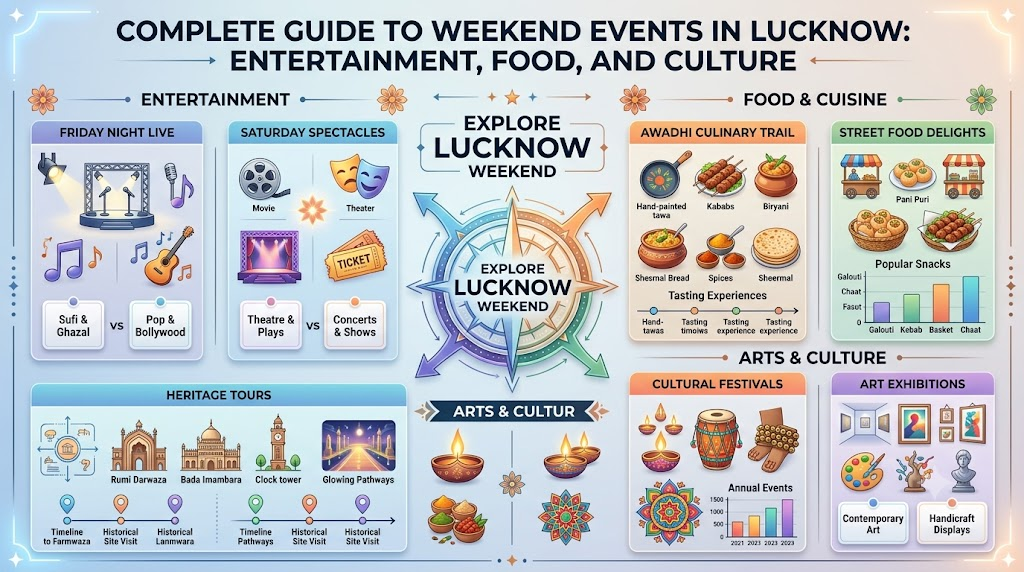
  • Complete Guide to Weekend Events in Lucknow: Entertainment, Food, and Culture

    Introduction

    When the workweek winds down, finding engaging ways to spend Saturday and Sunday becomes a top priority. Whether you want to catch a live music performance, laugh out loud at a stand-up show, pick up a new skill in a hands-on workshop, or simply take your family out for a cultural gathering, tracking down the right activity can completely transform your weekend. Lucknow’s social scene is constantly moving, offering a mix of traditional arts, modern entertainment, interactive learning, and community meetups.Navigating all these options doesn’t have to be complicated. With platforms like LucknowOrbit simplifying event discovery and ticket access, staying up to date on local happenings is easier than ever. This guide covers everything you need to know about finding, evaluating, and planning weekend events in Lucknow, ensuring you get the most out of your leisure time while avoiding common booking pitfalls.

    Understanding the Lucknow Weekend Scene

    Lucknow’s weekend landscape reflects the city’s unique position as a hub where deep heritage meets rapid modern growth. Saturdays and Sundays serve as a relief valve for students, working professionals, and long-time residents seeking quality entertainment and social connections.

    People search for weekend activities for a variety of reasons:

    • De-stressing after work: Switching off from work routines through lighthearted entertainment or active pursuits.
    • Family bonding: Finding safe, engaging environments where both adults and children can participate.
    • Skill development: Using free time on weekends to learn creative, technical, or practical subjects outside of regular work hours.
    • Networking and socializing: Connecting with like-minded individuals in structured community settings.

    Understanding what makes a weekend outing successful helps you choose activities that genuinely fit your schedule, budget, and personal goals.

    Categories of Events Available in Lucknow

    The sheer diversity of local gatherings means there is an experience tailored to almost every interest.

    Music and Live Concerts

    Live music remains a cornerstone of weekend entertainment in the city. Concerts range from classical Indian vocal and instrumental recitals to indie band showcases, Bollywood tribute nights, and acoustic acoustic sets in intimate spaces.

    When planning to attend live performances, consider:

    • Venue Acoustics & Seating: Open-air grounds provide dynamic crowd energy, whereas indoor auditoriums offer comfortable seating and structured sound quality.
    • Timing: Evening shows often run late; check transit options back home in advance.

    Stand-Up Comedy Shows

    The local comedy circuit has expanded significantly, drawing both nationally touring comedians and talented local talent. Comedy shows provide an easy 1- to 2-hour entertainment option for couples and groups of friends.

    • Age Rules: Many comedy performances enforce an 18+ age restriction due to explicit content or venue entry rules. Always confirm before buying tickets for younger family members.

    Creative and Skill-Based Workshops

    Weekend workshops offer structured learning in short sessions, typically running between 2 to 4 hours.

    • Popular Topics: Painting, pottery, photography basics, creative writing, baking, culinary arts, digital marketing, and personal finance.
    • What to Check: Ensure the workshop supplies required materials, or clarify if you need to bring your own equipment (like cameras or laptops).

    Cultural and Theatre Performances

    Lucknow’s theatrical legacy and artistic heritage mean weekends regularly feature stage plays, poetry recitals (mushairas and kavyas), and traditional dance performances. These events cater to audiences seeking enriching, narrative-driven artistic experiences.

    Family and Kids Activities

    Family-friendly events focus on interactive experiences, safety, and accessible amenities. These include open-air carnivals, children’s storytelling sessions, educational science exhibits, and puppet shows.

    Professional and Tech Meetups

    For those looking to advance their careers, weekend mornings often feature informal business networking meetups, developer tech talks, and startup pitch sessions.

    Discovering Events in Lucknow Today and This Weekend

    Finding out what is happening on short notice requires a straightforward discovery process. When looking for events happening today or over the coming weekend, check platforms that aggregate multiple organizers onto a single accessible board.

    On LucknowOrbit, users can easily explore diverse categories of Events in Lucknow to match their immediate weekend plans.

    Key Steps to Verify Current Event Listings

    1. Double-Check Dates and Timings: Confirm whether the listing applies to a single day or extends across the entire weekend.
    2. Review Location Details: Ensure the venue is accessible within your preferred travel distance.
    3. Verify Entry Requirements: Check whether the event requires prior registration, physical entry passes, or digital tickets.

    How to Approach Event Ticket Booking in Lucknow

    Securing passes in advance guarantees entry and avoids long queues at venue gates. A reliable ticketing workflow makes planning smooth and stress-free.

    Step 1: Evaluate Event Details

    Before proceeding with booking, read the complete event description carefully. Look for details regarding age limits, dress codes, refund policies, and permitted personal items.

    Step 2: Choose the Right Ticket Category

    Many major concerts, theatrical shows, and comedy events offer layered ticket tiers:

    • General Admission: Budget-friendly access, usually standing or first-come, first-served seating.
    • VIP / Premium Seating: Front-row seats, preferred view, or reserved seating rows.
    • Group Passes: Discounted bundled rates for families or groups of friends attending together.

    Step 3: Complete Your Booking & Save Confirmation

    When completing Lucknow event ticket booking, always double-check your entered contact details (email address and phone number). Once issued, save your digital ticket or QR code directly to your phone so it is ready for scanning at the gate, even if mobile internet service is weak.

    Venue and Location Considerations

    A great event experience depends heavily on the suitability of the venue. Before purchasing tickets for Things to Do in Lucknow, evaluate the physical location.

    Practical Venue Checklist

    • Parking Facilities: Does the venue have dedicated vehicle parking, or will you need to rely on street parking?
    • Indoor vs. Outdoor: Weather plays a major role in outdoor gatherings. Check forecasts for heat or rain during open-air events.
    • Accessibility: Ensure the venue provides ramp access or elevators if attending with elderly family members or individuals with mobility limitations.
    • Proximity to Public Transport: Confirm if public transit, metro lines, or cab pickups are easily accessible from the venue area late at night.

    Comparison of Popular Weekend Event Types

    To help you decide which activity fits your schedule, use this practical overview comparing common weekend options:

    Event TypeBest ForTypical DurationKey Planning Considerations
    Live ConcertMusic enthusiasts, groups of friends2–4 hoursVenue capacity, entry pass category, travel time
    Comedy ShowAdults, couples, casual group outings1–2 hoursAge restrictions (18+), arrive 20 mins early
    WorkshopIndividuals, skill-seekers, hobbyists2–5 hoursMaterials included, prerequisite skill level
    Cultural Play / RecitalArt lovers, multi-generational families2–3 hoursSilent auditorium rules, punctual start times
    Family Carnival / FairParents with children, general publicFlexible (Half-day)Parking, outdoor weather, food stall availability
    Tech / Business MeetupProfessionals, entrepreneurs, students2–3 hoursRegistration requirement, networking intent

    Practical Decision-Making Examples

    Here are realistic scenarios to help you evaluate potential weekend plans based on personal criteria:

    Example A: A Family Planning a Sunday Outing

    • Goal: A wholesome outing suitable for kids and grandparents.
    • Selection: A daytime cultural festival or open-air craft exhibition.
    • Planning Focus: Verification of seating arrangements, wheelchair accessibility, onsite food stalls, and early afternoon timing to return before late night traffic.

    Example B: A Working Professional Seeking Skill Growth

    • Goal: Expand personal creative capabilities over the weekend.
    • Selection: A Saturday morning hands-on photography or digital design workshop.
    • Planning Focus: Reviewing instructor credentials, checking if a personal camera/laptop is needed, and confirming material costs are covered in the registration fee.

    Example C: A Couple Looking for Evening Entertainment

    • Goal: Relaxed evening out after a long workweek.
    • Selection: A stand-up comedy show or an acoustic musical set.
    • Planning Focus: Booking early to secure good seats, checking age policies, and choosing a venue close to local dining spots.

    Common Mistakes to Avoid When Planning Weekend Outings

    Even simple weekend plans can hit unexpected snags if key details are overlooked. Watch out for these common errors:

    1. Not Checking Age Restrictions: Assuming comedy shows or evening gigs allow entry for minors, leading to refusal at entry gates.
    2. Ignoring Arrival Deadlines: Gates for live shows often close precisely when the performance begins. Arriving late can mean missing part of the act or losing reserved seats.
    3. Failing to Verify Venue Locations: Misreading similar venue names in different parts of town leads to unwanted travel delays.
    4. Overlooking Parking Constraints: Arriving at popular venues without checking parking facilities can cause significant delay and frustration.
    5. Forgetting Digital Confirmation: Failing to download your ticket confirmation in advance, causing issues at entry checkpoints when mobile networks are congested.

    The Role of LucknowOrbit for Event Organizers

    For event creators, workshop hosts, and cultural troupes across Lucknow, reaching the right audience is just as crucial as delivering a great show. Independent platforms like LucknowOrbit offer local organizers an effective space to publish event details, showcase schedules, connect with audiences, and manage online ticket access seamlessly. By centralizing local offerings, organizers can focus on delivering memorable experiences while attendees gain reliable, single-source access to verified local listings.

    Key Takeaways for Planning Weekend Activities

    • Book Ahead: Secure tickets early for popular comedy shows and limited-seat workshops to prevent sold-out disappointments.
    • Verify Specifics: Confirm the event date, timing, age limits, and venue entry rules prior to departure.
    • Plan Logistics: Map out your transit route and check parking availability beforehand.
    • Match Audience to Event: Pick activities that suit the age group and energy level of everyone joining you.
    • Keep Tickets Accessible: Save your digital tickets or confirmation emails to your mobile device offline for easy entry scanning.

    Frequently Asked Questions (FAQs)

    1. How can I discover upcoming weekend events in Lucknow?

    You can discover upcoming weekend events by checking dedicated event discovery platforms like LucknowOrbit. Browsing categorized listings helps you find concerts, workshops, comedy performances, and family activities tailored to your schedule and personal interests.

    2. Where can I find events in Lucknow today on short notice?

    Check digital platforms that compile real-time listings of local performances, exhibitions, and social meetups. Always verify show timings and entry pass requirements before heading straight to the venue.

    3. How does event ticket booking work on discovery platforms?

    Select your chosen event, choose your preferred ticket tier, and complete the secure online booking steps. Save the issued digital confirmation or ticket QR code to display at the venue entrance.

    4. Are stand-up comedy shows in Lucknow suitable for children?

    Many stand-up comedy performances carry strict age restrictions (often 18+) due to language and mature themes. Always review the age policy in the event description before buying passes for minors.

    5. What types of workshops can I attend in Lucknow over the weekend?

    Lucknow hosts a broad variety of weekend workshops, including creative arts, painting, photography, culinary classes, coding bootcamps, business management sessions, and personal development programs.

    6. What should I check before attending an outdoor event in Lucknow?

    For outdoor events, check the local weather forecast, park accessibility, venue parking options, seating arrangements, and available food or drink vendors prior to attending.

    7. Can families find suitable weekend activities in Lucknow?

    Yes, the city offers many family-oriented events such as cultural stage plays, educational carnivals, seasonal fairs, storytelling sessions, and art exhibitions designed for all age groups.

    8. How early should I arrive at a venue for a live concert or comedy show?

    Arriving 20 to 30 minutes before the scheduled start time is recommended. This allows enough time for parking, security entry scans, finding your seat, and avoiding late-entry restrictions.

    9. What happens if an event is rescheduled or canceled?

    Cancellation and refund terms depend entirely on the specific organizer’s published policies. Review the event’s terms and conditions listed during ticketing for exact details on refunds or transfers.

    10. How can local organizers list their events on LucknowOrbit?

    Organizers can create an account on the LucknowOrbit platform, submit their complete event details, schedule details, venue location, and set up ticket categories to reach local attendees easily.

    Conclusion

    Planning your weekend activities in Lucknow does not have to be a confusing task. From energetic live music performances and side-splitting comedy sets to enriching workshops and memorable family gatherings, the city offers rich entertainment for every lifestyle. By taking a few extra minutes to review event details, check venue facilities, and secure entry passes in advance, you can ensure a smooth and enjoyable weekend.Platforms like LucknowOrbit make staying connected with your local community effortless, bringing together organizers and attendees on a unified platform. Next time the weekend rolls around, explore available listings, try something new, and enjoy everything Lucknow has to offer.
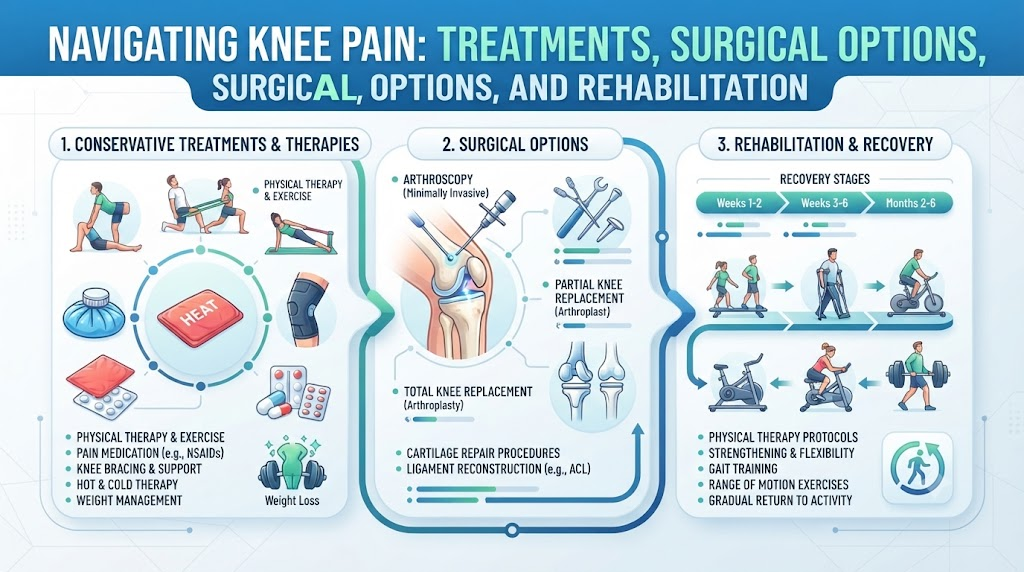
  • Navigating Knee Pain: Treatments, Surgical Options, and Rehabilitation

    Introduction

    Knee pain and limited mobility can change every part of your daily routine. Walking up a flight of stairs, getting out of a car, or playing sports can feel challenging when joint structures suffer damage. Understanding why your joint hurts and knowing what steps to take next gives you control over your health.This guide outlines knee health, from non-invasive therapies to advanced surgical care. You will learn about diagnostic tests, common injuries, arthritis management, and what to expect during surgical recovery. Choosing appropriate care depends on clear communication with experienced orthopedic professionals. Platforms like KneeHospitals help connect patients with specialized orthopedic hospitals and specialists across the globe, giving you access to useful resources as you research knee care and treatment planning.

    Understanding Knee Structure and Common Conditions

    The knee joint connects the femur (thigh bone) to the tibia (shin bone), alongside the fibula and the patella (kneecap). Cartilage cushions the bones, while ligaments like the ACL and PCL provide mechanical stability. Tendons attach muscles to the bones, enabling smooth motion.

           [ Femur (Thigh Bone) ]
                     |
            [ Cartilage & Meniscus ]
           /         |          \
      [ ACL/PCL ] [ Joint Space ] [ Collateral Ligaments ]
           \         |          /
            [ Tibia (Shin Bone) ]
    

    When any part of this system breaks down due to injury, wear, or disease, functional issues follow:

    • Osteoarthritis: The gradual breakdown of protective cartilage, leading to bone-on-bone friction, stiffness, and localized swelling.
    • Ligament Tears: Sudden twists or direct impact can tear the anterior cruciate ligament (ACL) or posterior cruciate ligament (PCL).
    • Meniscal Tears: The c-shaped cartilage pads that absorb shock can tear during rotational movements, causing catching or locking sensations.
    • Tendonitis and Bursitis: Inflammation of surrounding tendons or fluid-filled sacs from repetitive strain.

    Diagnostic Approaches in Orthopedic Care

    Accurate diagnosis determines whether non-surgical or surgical care is necessary. Specialists use physical examinations alongside precise imaging tools:

    • Medical History and Physical Exam: Evaluating range of motion, swelling points, mechanical alignment, and joint stability under stress.
    • X-rays: The initial imaging tool used to reveal joint space narrowing, bone spurs, and structural deformities.
    • Magnetic Resonance Imaging (MRI): Provides detailed soft-tissue views of ligaments, tendons, and cartilage.
    • Ultrasound and CT Scans: Used to assess fluid accumulation, soft tissue structures, or complex bone alignment when planning surgery.

    Non-Surgical Knee Care and Conservative Management

    Surgery is rarely the first step in knee care. Most treatment paths begin with conservative management:

    • Targeted Physical Therapy: Focuses on strengthening the quadriceps, hamstrings, and core muscles to stabilize the joint.
    • Activity Modification: Switching from high-impact activities like running to low-impact exercises like swimming or cycling.
    • Weight Management: Reducing body mass decreases cumulative mechanical stress on the weight-bearing cartilage surfaces.
    • Injections: Corticosteroid or hyaluronic acid injections offer temporary relief by reducing localized inflammation or providing joint lubrication.
    • Supportive Devices: Custom braces or offloaders help redirect forces away from damaged joint compartments.

    Surgical Options: Arthroscopy to Joint Replacement

    When conservative methods fail to provide functional relief, orthopedic specialists discuss surgical approaches suited to the specific condition.

    Knee Arthroscopy

    Arthroscopy is a minimally invasive surgical procedure where a camera and thin instruments are inserted through small incisions.

    • Common Uses: Trimming torn meniscal tissue, removing loose cartilage bodies, or reconstructing damaged ligaments.
    • Key Benefits: Smaller incisions, reduced soft-tissue disruption, and quicker initial healing compared to open surgical procedures.

    Knee Replacement Options

    When joint damage is widespread or severe, partial or total joint replacement offers structural restoration.

    • Partial Knee Replacement (Unicompartmental): Only the damaged compartment (medial, lateral, or patellofemoral) is resurfaced, preserving healthy bone, cartilage, and ligaments.
    • Total Knee Replacement (TKR): Resurfaces all damaged bone ends with metal components and a durable plastic spacer to restore joint movement.
    +-----------------------------------------------------------------------------------------+
    |                                 Surgical Decision Pathway                               |
    +-----------------------------------------------------------------------------------------+
    |                                                                                         |
    |      [ Symptomatic Joint Pain / Limited Mobility / Failing Conservative Care ]          |
    |                                            |                                            |
    |                                 (Diagnostic Imaging / MRI)                              |
    |                                            |                                            |
    |                  +-------------------------+-------------------------+                  |
    |                  |                                                   |                  |
    |        [ Localized / Soft Tissue ]                         [ Advanced Cartilage Loss ]  |
    |                  |                                                   |                  |
    |          Knee Arthroscopy                                Flexible Surgical Options       |
    |  (Tear Repair / Meniscectomy)                                       |                  |
    |                                                      +---------------+---------------+  |
    |                                                      |                               |  |
    |                                            [ Single Compartment ]             [ Multi-Compartment ]
    |                                                      |                               |  |
    |                                          Partial Knee Replacement         Total Knee Replacement
    +-----------------------------------------------------------------------------------------+
    

    Physical Rehabilitation and Recovery Expectations

    Rehabilitation determines long-term outcomes following knee surgery or severe injury.

    +------------------+----------------------------------+------------------------------------+
    | Recovery Phase   | Primary Goals                    | Common Activities                  |
    +------------------+----------------------------------+------------------------------------+
    | Early Phase      | Manage pain and swelling         | Assisted walking, passive range of |
    | (Weeks 1–2)      | Prevent blood clots | motion exercises     |
    +------------------+----------------------------------+------------------------------------+
    | Intermediate     | Restore active motion            | Stationary biking, resistance band |
    | (Weeks 3–6)      | Rebuild muscle strength          | exercises, gait training           |
    +------------------+----------------------------------+------------------------------------+
    | Advanced Phase   | Functional independence          | Balance training, sport-specific   |
    | (Weeks 7–12+)    | Progressive endurance            | activity drills                    |
    +------------------+----------------------------------+------------------------------------+
    

    Evaluating Hospitals, Specialists, and Surgery Costs

    Selecting the right care provider is an important step in your treatment journey. When evaluating hospitals and surgeons, consider:

    1. Surgeon Experience: Sub-specialization in joint replacement or arthroscopic surgery.
    2. Facility Accreditation: Hospital safety record, infection control standards, and available emergency care facilities.
    3. Rehabilitation Support: Integrated physical therapy and post-operative follow-up programs.

    Financial Considerations

    Surgical expenses vary based on location, facility type, surgeon expertise, implant selection, and hospital length of stay. Additional factors include pre-surgery diagnostic scans, anesthesia fees, post-operative medications, and long-term physical therapy sessions.

    Support for International Patients

    Patients traveling for specialized orthopedic care should review travel logistics, language translation services, remote pre-consultations, local accommodation options, and coordinated follow-up care plans prior to booking procedures.

    Hypothetical Clinical Scenarios

    To illustrate how treatment decisions develop, consider two realistic hypothetical examples:

    • Scenario A (Younger Active Adult): A 28-year-old amateur athlete suffers a sports-related twist, resulting in a meniscal tear and ACL tear. Imaging confirms unstable joint mechanics. Treatment centers on arthroscopic ACL reconstruction paired with post-operative physical therapy focused on functional stabilization.
    • Scenario B (Older Adult with Severe Joint Wear): A 67-year-old individual experiences chronic, severe bone-on-bone pain caused by advanced osteoarthritis. Non-surgical options like injections no longer provide relief. After clinical evaluation, the orthopedic surgeon recommends a total knee replacement to restore daily mobility.

    Key Decision-Making Factors

    Choosing a treatment path requires balancing several personal health metrics with your doctor:

    • Symptom Severity: Impact on sleep, walking distance, and daily independent tasks.
    • Structural Damage: Severity observed via X-rays or MRI scans.
    • Age and Overall Health: Active medical issues, surgical risks, and bone density.
    • Personal Functional Goals: Desired activity level, from light walking to return-to-sport programs.

    Common Mistakes to Avoid

    • Delaying Professional Evaluation: Ignoring chronic joint pain can lead to secondary joint stress or muscle atrophy.
    • Rushing Rehabilitation: Skipping physical therapy sessions or rushing recovery can cause re-injury or persistent joint stiffness.
    • Assuming Surgery Is the Only Option: Jumping to surgical procedures without trying conservative therapies like physical therapy.
    • Selecting Care Based Solely on Cost: Choosing facilities or procedures based on cost rather than provider experience and care quality.

    Key Takeaways

    • Start Conservative: Explore physical therapy, bracing, and non-surgical therapies before scheduling elective procedures.
    • Work with Specialists: Choose board-certified orthopedic specialists for accurate diagnosis and clear treatment advice.
    • Prioritize Rehabilitation: Stick to post-operative physical therapy plans to optimize long-term joint flexibility and strength.
    • Compare Facilities Carefully: Research hospital safety standards, specialized care, and post-operative recovery support using resources like KneeHospitals.

    10 Frequently Asked Questions (FAQs)

    1. What are the most common causes of knee pain?

    Knee pain is commonly caused by osteoarthritis, ligament tears (ACL, PCL, or collateral ligaments), meniscal damage, tendonitis, or overuse injuries. An examination by an orthopedic professional determines the cause of pain.

    2. When should I see a knee specialist for an evaluation?

    Seek care if you experience persistent swelling, an inability to bear weight, severe pain, joint locking, or joint instability. Early evaluation helps prevent secondary joint tissue damage.

    3. Can knee pain improve without surgical intervention?

    Yes. Mild-to-moderate knee issues often improve with conservative treatments like physical therapy, activity modification, weight management, targeted bracing, and medical injections prescribed by a physician.

    4. When is total knee replacement surgery recommended?

    Total knee replacement is recommended when advanced cartilage loss causes severe pain that limits daily tasks, and non-surgical care no longer provides relief.

    5. What is the difference between partial and total knee replacement?

    Partial knee replacement resurfaces only one damaged compartment of the joint. Total knee replacement replaces damaged cartilage and bone across all compartments.

    6. What is knee arthroscopy?

    Knee arthroscopy is a minimally invasive surgical procedure that uses tiny incisions, a camera, and micro-instruments to repair or trim damaged joint structures like torn cartilage or ligaments.

    7. How long does physical rehabilitation take after surgery?

    Initial surgical recovery usually takes weeks, but physical rehabilitation spans 3 to 6 months depending on the procedure and patient health. Full strength recovery takes longer.

    8. What questions should I ask before knee surgery?

    Ask about diagnosis details, alternative non-surgical treatments, procedure risks, expected recovery timelines, and required post-operative physical therapy plans.

    9. What factors affect the cost of knee care?

    Total expenses depend on procedure type, facility charges, surgeon experience, length of hospital stay, required imaging tests, and ongoing physical therapy needs.

    10. How do I select an appropriate hospital for knee surgery?

    Look for facilities with specialized orthopedic departments, experienced surgeons, low infection rates, transparent post-operative support, and positive patient care reviews.

    Conclusion

    Managing knee health requires understanding your diagnostic results, exploring suitable conservative treatments, and knowing when to discuss surgical options. Physical therapy, lifestyle changes, and targeted non-invasive treatments effectively manage many conditions. When surgery becomes necessary, joint arthroscopy and knee replacement options offer paths to improved mobility and pain relief.Connecting with specialized healthcare providers ensures you receive personalized care tailored to your specific needs. Resources available through KneeHospitals can help guide your search for qualified orthopedic specialists and facilities. Work closely with your orthopedic physician to create a treatment plan that helps you regain long-term mobility and maintain joint health.

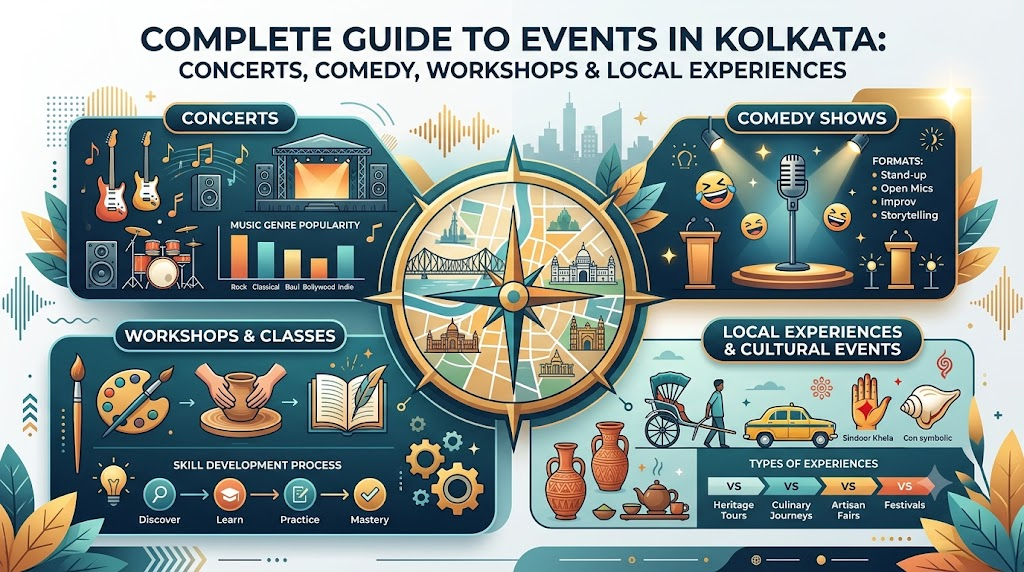
  • Complete Guide to Events in Kolkata: Concerts, Comedy, Workshops & Local Experiences

    Introduction

    Finding engaging entertainment across Kolkata no longer requires endless scrolling through disparate social media pages or word-of-mouth recommendations. From historic auditoriums along Southern Avenue to intimate performance studios tucked away in Park Street, the city’s cultural pulse offers a continuous stream of live music, stand-up comedy, creative workshops, and heritage experiences. Navigating this wide variety of choices, however, requires clear, practical information about show timings, venue accessibility, age restrictions, and ticketing policies.Whether you are looking for immediate plans today or organizing a weekend outing with family and friends, having a dedicated event discovery platform simplifies the entire process. KolkataOrbit serves as an intuitive hub designed to bridge the gap between audience members and event organizers. By bringing together verified listings, detailed venue instructions, and clear booking pathways, exploring local culture becomes effortless.

    Understanding the Event and Activity Landscape in Kolkata

    Kolkata’s event ecosystem is as diverse as its heritage. Traditional stage plays at classic cultural centers coexist with modern open-mic stand-up, indie music gigs, pop-up art galleries, and interactive culinary workshops. People search for local events for different reasons: students seek affordable weekend hangouts, working professionals look for stress-relieving evening entertainment, parents need child-friendly activities, and visitors want to experience authentic local culture.

    Navigating this landscape effectively comes down to understanding three core factors:

    • Format: Is it an open-air festival, an indoor auditorium performance, or a hands-on studio workshop?
    • Timing and Scale: Large concerts and theatrical runs require advance planning, whereas open mics, gallery exhibitions, and casual food pop-ups cater to spontaneous outings.
    • Neighborhood Accessibility: Travel time across North, Central, and South Kolkata varies significantly depending on the time of day and transport mode.

    Understanding these distinctions helps match your personal interests with the right experience without running into common planning hassles.

    Exploring Events in Kolkata Across Major Categories

    +-------------------------------------------------------------------------------+
    |                           KOLKATA EVENT ECOSYSTEM                             |
    +--------------------------+--------------------------+-------------------------+
    |     PERFORMING ARTS      |   LEARNING & CREATIVE    |   LIFESTYLE & SOCIAL    |
    +--------------------------+--------------------------+-------------------------+
    | • Classical & Indie Music| • Pottery & Painting     | • Food & Culinary Festivals|
    | • Stand-Up & Open Mics   | • Tech & Business Seminars| • Heritage & Walking Tours |
    | • Bengali & English Theatre| • Craft & DIY Workshops | • Flea Markets & Fairs  |
    +--------------------------+--------------------------+-------------------------+
    

    Entertainment options in Kolkata generally fall into structured categories, allowing attendees to tailor choices based on squad size, budget, and free time:

    • Live Music and Concerts: Ranging from rabindra sangeet recitals at Rabindra Sadan to high-energy indie and rock gigs at Nazrul Mancha or modern nightspots.
    • Comedy and Stage Shows: Independent comedy clubs and cultural halls host everything from regional Bengali comedy nights to national stand-up tours.
    • Skill Workshops and Learning: Hands-on sessions covering pottery, tote bag painting, photography, digital marketing, and culinary arts held at boutique studios.
    • Cultural and Literary Programs: Classical dance showcases, literary discussions, art retrospectives, and theatre productions at halls like Kala Mandir and GD Birla Sabhaghar.
    • Lifestyle, Food, and Heritage: Weekend flea markets, artisan showcases in Kumartuli, food tasting walks in Old Chinatown, and guided wetland tours.

    How to Discover Events in Kolkata Today

    Finding last-minute activities happening on the current day requires quick verification of real-time availability and logistically convenient locations. Spontaneous plans work best when focused on flexible formats:

                      +-----------------------------------+
                      |   SPONTANEOUS EVENT SELECTION     |
                      +-----------------------------------+
                                        |
              +-------------------------+-------------------------+
              |                                                   |
              v                                                   v
    +-------------------+                               +-------------------+
    |  FLEXIBLE FORMATS |                               | TIME-BOUND SHOWS  |
    +-------------------+                               +-------------------+
    | • Art Exhibitions |                               | • Stand-Up Comedy |
    | • Food Pop-Ups    |                               | • Evening Theatre |
    | • Open-Air Markets|                               | • Music Gigs      |
    +-------------------+                               +-------------------+
              |                                                   |
              v                                                   v
    +-------------------+                               +-------------------+
    | Walk-in Friendly  |                               | Check Real-Time   |
    | Flexible Timing   |                               | Ticket Inventory  |
    +-------------------+                               +-------------------+
    

    Last-Minute Outing Options

    • Art Exhibitions and Galleries: Venues like Emami Art or the Kolkata Centre for Creativity host day-long exhibitions where entry is often walk-in friendly.
    • Independent Open Mics: Intimate venues like TopCat CCU, Laughing Hyena Comedy Club, or The Satire Club run late-afternoon and evening lineups.
    • Culinary & Cafe Meetups: Special chef pop-ups or seasonal tasting menus across Park Street, Salt Lake, and Ballygunge.

    When planning an outing for the current day, always double-check door times, entry cut-offs, and venue rules directly via an online platform like KolkataOrbit before setting off.

    Planning Ahead for Upcoming Events in Kolkata

    Major events—such as multi-artist music festivals, national comedy specials, or high-demand theatre shows—require early planning. Booking weeks or months ahead secures preferred seating and prevents sell-out disappointments.

           [4 to 6 Weeks Prior]           [2 to 3 Weeks Prior]             [Event Week]
      +---------------------------+   +---------------------------+   +------------------+
      | Monitor Event Listings    |   | Lock In Tickets           |   | Finalize Travel  |
      | Compare Venue Options     |   | Confirm Seat Placement    |   | Check Entry Rules|
      +---------------------------+   +---------------------------+   +------------------+
    

    Key considerations for upcoming events include:

    • Tiered Seating and Pricing: Popular auditoriums (such as Mahajati Sadan or Uttam Mancha) often feature balcony, middle tier, and VIP seating options. Early booking ensures a wider selection of viewing angles.
    • Early-Bird Pricing: Organizers frequently offer discounted ticket rates during initial release windows.
    • Travel and Parking Adjustments: Large-scale shows naturally attract heavier traffic around major arterials like E.M. Bypass or AJC Bose Road. Factor in additional transit time when planning arrival.

    Making the Most of Weekend Events in Kolkata

    Weekends represent the peak period for social gatherings, creative pursuits, and family relaxation across the city. Matching the right event format to your weekend goals ensures a smooth experience.

                         +-------------------------------------+
                         |       WEEKEND GOAL MATCHING         |
                         +-------------------------------------+
                                          |
             +----------------------------+----------------------------+
             |                            |                            |
             v                            v                            v
    +------------------+         +------------------+         +------------------+
    |   RELAX & LAUGH  |         |   LEARN A SKILL  |         | FAMILY OUTINGS   |
    +------------------+         +------------------+         +------------------+
    | • Stand-Up Shows |         | • Pottery Studio |         | • Science Parks  |
    | • Live Acoustic  |         | • Painting       |         | • Theatre Shows  |
    | • Evening Drinks |         | • DIY Craft      |         | • Food Carnivals |
    +------------------+         +------------------+         +------------------+
    

    Popular Weekend Outing Combinations

    1. The Creative Morning: Start with an early 2-hour hands-on pottery or canvas painting workshop in a creative studio, followed by lunch at a local cafe.
    2. The Cultural Afternoon: Attend a classic matinee theatre performance at Rabindra Sadan, followed by a walk through surrounding art galleries.
    3. The Night Out: Book evening stand-up comedy tickets in the Prince Anwar Shah Road or Park Street cluster, followed by dinner nearby.

    Top Things to Do in Kolkata for Every Interest

    Whether you are a lifelong resident or visiting the city for a few days, Kolkata offers varied activities tailored to specific interests:

    +---------------------------------------------------------------------------------------+
    |                                INTEREST-BASED ACTIVITIES                              |
    +--------------------+--------------------+--------------------+------------------------+
    |   MUSIC & STAGE    |  ARTS & CREATIVITY |   HERITAGE & FOOD  |   WELLNESS & FITNESS   |
    +--------------------+--------------------+--------------------+------------------------+
    | • Indie Gigs       | • Canvas Painting  | • Culinary Tours   | • Open-Air Yoga        |
    | • Classical Shows  | • Pottery Workshops| • Kumartuli Walks  | • Morning Marathon Runs|
    | • Drama & Theatre  | • Craft Markets    | • Street Food Runs | • Cycling in Wetlands  |
    +--------------------+--------------------+--------------------+------------------------+
    
    • For Music Enthusiasts: Attend acoustic sessions, fusion rock concerts, or traditional classical baithaks across iconic auditoriums.
    • For Art and Skill Seekers: Participate in weekend DIY art sessions—such as tote bag painting, fluid art, or clay modeling—at independent art spaces.
    • For History and Culture Buffs: Join organized walking tours through historic neighborhoods, Kumartuli artisan quarters, or environmental treks along the East Kolkata Wetlands.
    • For Food Lovers: Explore curated pop-ups, multi-cuisine food carnivals, or seasonal tasting menus hosted by home chefs and regional kitchens.

    Concerts in Kolkata: Music Genres, Venues, and Planning

    Live music remains an essential pillar of Kolkata’s social scene. From traditional Rabindra Sangeet and Bengali rock to contemporary indie pop and classical instrumental performances, live concerts draw dedicated crowds.

    +---------------------------------------------------------------------------------------+
    |                              KOLKATA CONCERT VENUE GUIDE                              |
    +--------------------+--------------------+--------------------+------------------------+
    |    VENUE NAME      |   PRIMARY GENRES   |      LOCATION      |    KEY LOGISTICS       |
    +--------------------+--------------------+--------------------+------------------------+
    | Nazrul Mancha      | Rock, Fusion, Pop  | Southern Avenue    | Near Metro; Heavy      |
    |                    |                    |                    | Traffic on Event Days  |
    +--------------------+--------------------+--------------------+------------------------+
    | Rabindra Sadan     | Classical, Folk,   | AJC Bose Road      | Highly Accessible via  |
    |                    | Indie              | Ex. Hall Cluster   | Rabindra Sadan Metro   |
    +--------------------+--------------------+--------------------+------------------------+
    | GD Birla Sabhaghar | Classical, Vocal,  | Ballygunge         | Indoor Seated; Limited |
    |                    | Acoustic           |                    | On-Site Parking        |
    +--------------------+--------------------+--------------------+------------------------+
    | Modern Clubs /     | DJ Sets, Electronic| Park Street /      | Age Restricted (18/21+);|
    | Lounges            | Bands              | Salt Lake          | Cover Charges May Apply|
    +--------------------+--------------------+--------------------+------------------------+
    

    Essential Concert Logistics

    • Sound and Seating Format: Understand whether the gig is a seated classical recital or a standing-room-outfield rock concert. Standing gigs require comfortable footwear and minimal hand baggage.
    • Door Timings vs. Show Timings: Doors usually open 30 to 60 minutes prior to the performance start time. Arriving close to door times prevents long queues at entry gates.
    • Age Rules: Nightlife and club concerts often strictly enforce age minimums (18+ or 21+) and require government-issued photo ID verification at the door.

    Comedy Shows in Kolkata: Stand-Up, Open Mics, and Venues

    The stand-up comedy circuit in Kolkata has expanded rapidly, creating spaces for both established national artists and local up-and-coming talent. Shows range from Hindi and Hinglish observational sets to dedicated regional Bengali comedy showcases.

                           +---------------------------------+
                           |     TYPES OF COMEDY SHOWS       |
                           +---------------------------------+
                                           |
              +----------------------------+----------------------------+
              |                                                         |
              v                                                         v
    +-------------------+                                     +-------------------+
    |     OPEN MICS     |                                     | FULL LENGTH SETS  |
    +-------------------+                                     +-------------------+
    | • 5-10 min per act|                                     | • Headliner Act   |
    | • Trial Material  |                                     | • Polished Sets   |
    | • Low Ticket Cost |                                     | • Intimate Venues |
    +-------------------+                                     +-------------------+
    

    What to Keep in Mind

    • Show Formats: Open mics feature multiple comedians testing new material, whereas solo tours present polished, full-length specials.
    • Age Ratings: Stand-up shows frequently carry 16+ or 18+ age restrictions due to adult language or mature themes. Always check the event listing specifications before purchasing tickets for minors.
    • Audience Etiquette: Late entry is frequently restricted in small club settings to avoid interrupting the performer on stage.

    Workshops in Kolkata: Learning Creative and Professional Skills

    Hands-on workshops offer a refreshing alternative to standard passive entertainment. These short-format learning sessions cater to hobbyists, families, and working professionals looking to acquire new skills.

    +---------------------------------------------------------------------------------------+
    |                               WORKSHOP CATEGORY MATRIX                                |
    +--------------------+--------------------+--------------------+------------------------+
    | CATEGORY           | POPULAR EXAMPLES   | TYPICAL DURATION   | TARGET AUDIENCE        |
    +--------------------+--------------------+--------------------+------------------------+
    | Creative & Arts    | Pottery, Canvas    | 2 to 4 Hours       | Beginners, Couples,    |
    |                    | Painting, Dyeing   |                    | Hobbyists              |
    +--------------------+--------------------+--------------------+------------------------+
    | Tech & Professional| Digital Marketing, | Half-Day / Full-Day| Students, Freelancers, |
    |                    | AI Tools, Coding   |                    | Professionals          |
    +--------------------+--------------------+--------------------+------------------------+
    | Culinary Arts      | Baking, Artisanal  | 3 to 5 Hours       | Food Enthusiasts,      |
    |                    | Coffee, Pasta Making|                   | Home Chefs             |
    +--------------------+--------------------+--------------------+------------------------+
    

    Pre-Registration Checklist

    Before booking a workshop, evaluate:

    1. Raw Material Provision: Are canvas boards, clay, paints, or ingredients provided on-site, or must participants bring their own supplies?
    2. Skill Level: Is the session tailored for absolute beginners or advanced practitioners?
    3. Take-Home Policy: Can participants take home their finished artwork or crafts immediately after the workshop?

    Event Ticket Booking in Kolkata: A Step-by-Step Approach

    Booking tickets online eliminates entry queues and secures confirmed seats. Platforms like KolkataOrbit consolidate multiple event categories into a single searchable directory.

    +---------------------------------------------------------------------------------------+
    |                             TICKET BOOKING PROCESS FLOW                               |
    +---------------------------------------------------------------------------------------+
    
     [1. Select Event] ----> [2. Review Rules] ----> [3. Choose Tier] ----> [4. Complete Checkout]
             |                       |                      |                      |
             v                       v                      v                      v
     Check Date, Time        Verify Age Limit        Compare Seats &        Save Digital Ticket
      & Venue Map           & Refund Policy          Price Tiers            & Confirmation Code
    

    Steps to Follow When Booking

    1. Verify Event Details: Confirm the exact date, venue address, and showtime.
    2. Review Ticket Categories: Compare general entry, silver/gold tiers, or balcony seating based on budget and viewing preference.
    3. Understand Refund and Transfer Rules: Most event tickets are non-refundable except in cases of official cancellation. Check whether ticket transfers are permitted if your plans change.
    4. Save Confirmation Passes: Store digital QR passes or booking SMS offline on your mobile device to ensure quick entry access even if venue cellular networks are congested.

    Local Kolkata Experiences: Culture, Heritage, and Community

    Beyond formal stage shows, Kolkata offers deep cultural experiences that reflect its rich history and community spirit.

    +---------------------------------------------------------------------------------------+
    |                              LOCAL CULTURE & EXPERIENCES                              |
    +--------------------+--------------------+--------------------+------------------------+
    | EXPERIENCE TYPE    | TYPICAL LOCATIONS  | WHAT TO EXPECT     | BEST TIME TO ATTEND    |
    +--------------------+--------------------+--------------------+------------------------+
    | Heritage Walks     | North Kolkata,     | Guided commentary  | Early Mornings         |
    |                    | Dalhousie Square   | on architecture    | (Weekends)             |
    +--------------------+--------------------+--------------------+------------------------+
    | Artisan Visits     | Kumartuli          | Watching clay      | Weeks leading up to    |
    |                    |                    | idol crafting      | major festivals        |
    +--------------------+--------------------+--------------------+------------------------+
    | Regional Theatre   | Academy of Fine Arts| Dramatic plays in  | Evening Shows          |
    | Shows              | Rabindra Sadan     | Bengali/English    |                        |
    +--------------------+--------------------+--------------------+------------------------+
    

    Participating in local activities gives residents and visitors alike a closer look at the city’s artistic traditions, neighborhood stories, and social gatherings.

    Family-Friendly Activities: Planning Outings with Children & Seniors

    Planning an event for mixed age groups requires evaluating comfort, physical accessibility, and environmental factors:

                      +-----------------------------------+
                      |   FAMILY OUTING AUDIT CHECKLIST   |
                      +-----------------------------------+
                                        |
              +-------------------------+-------------------------+
              |                                                   |
              v                                                   v
    +-------------------+                               +-------------------+
    |  CHILD FRIENDLY   |                               |  SENIOR FRIENDLY  |
    +-------------------+                               +-------------------+
    | • Interactive     |                               | • Seated Venues   |
    | • Safety Controls |                               | • Wheelchair Ramps|
    | • Restroom Access |                               | • Moderate Sound  |
    +-------------------+                               +-------------------+
    

    Key Considerations for Family Planning

    • Venue Seating and Comfort: Ensure the show features reserved indoor seating rather than standing-only spaces.
    • Volume and Lighting Levels: Loud concerts or high-intensity light shows may overwhelm toddlers or older adults.
    • Amenities: Confirm on-site access to clean restrooms, drinking water, and accessible parking ramps.

    Venue and Location Considerations Across Kolkata

    Transit logistics play a huge role in enjoying an event. Kolkata’s major event hubs are spread across distinct urban corridors:

    +---------------------------------------------------------------------------------------+
    |                               KOLKATA VENUE REGION MAP                                |
    +-----------------------+-----------------------+---------------------------------------+
    | REGION                | KEY VENUES            | TRANSPORT & ACCESSIBILITY             |
    +-----------------------+-----------------------+---------------------------------------+
    | Central & South-Central| Rabindra Sadan,       | Excellent; Direct Metro access via    |
    |                       | Kala Mandir           | Rabindra Sadan / Park Street Stations |
    +-----------------------+-----------------------+---------------------------------------+
    | South Kolkata         | Nazrul Mancha, GD     | Good; Bus and auto connectivity;      |
    |                       | Birla Sabhaghar       | Parking can be constrained            |
    +-----------------------+-----------------------+---------------------------------------+
    | Salt Lake & Rajarhat  | Biswa Bangla Mela     | Modern venues; Wide roads; Easy cab   |
    |                       | Prangan, Eco Park     | access & ample parking space          |
    +-----------------------+-----------------------+---------------------------------------+
    

    Practical Event Planning Framework

    To avoid last-minute stress, follow this checklist before heading out to any live show or workshop:

    +---------------------------------------------------------------------------------------+
    |                           PRACTICAL PLANNING CHECKLIST                                |
    +--------------------+------------------------------------------------------------------+
    | TIMING             | Arrive 30 minutes early for smooth entry and parking.            |
    +--------------------+------------------------------------------------------------------+
    | TICKETS            | Keep digital QR codes saved offline on your phone.              |
    +--------------------+------------------------------------------------------------------+
    | TRANSPORT          | Check Metro schedules or pre-book cabs for late-night return.     |
    +--------------------+------------------------------------------------------------------+
    | VENUE RULES        | Review restricted items (e.g., outside food, cameras, big bags). |
    +--------------------+------------------------------------------------------------------+
    

    Comparison Table: Choosing the Right Event Format

    The following comparison table evaluates different event formats to help match your specific outing goals with the right activity:

    Event TypeBest ForTypical DurationPlanning ConsiderationsKey Advantage
    Concert / Live MusicMusic lovers, groups of friends2 to 4 hoursVenue arrival, parking, ticket category, entry timesHigh-energy environment, live sound performance
    Comedy ShowCouples, casual outings, stress relief1 to 2 hoursAge restrictions (16+/18+), punctual arrivalLighthearted entertainment, indoor comfort
    Hands-On WorkshopSolo seekers, hobbyists, friends2 to 4 hoursSkill level, material inclusions, studio locationInteractive learning, creation of take-home item
    Cultural / TheatreFamilies, arts lovers, tourists2 to 3 hoursSeating tier, language format, interval timingsRich artistic depth, structured indoor seating
    Food & Lifestyle FairFamilies, large groupsFlexible (1–3 hrs)Weather conditions, peak crowd hours, walkabilityOpen exploration, varied food options

    Realistic Outing Scenarios

    To see how event planning works in real life, consider these practical examples:

    +---------------------------------------------------------------------------------------+
    |                              PRACTICAL OUTING SCENARIOS                               |
    +--------------------+------------------------------------------------------------------+
    | SCENARIO 1:        | A couple planning a Friday night out selects a stand-up comedy   |
    | Casual Date Night  | show in Park Street. They book tickets 3 days early, arrive 20   |
    |                    | minutes before doors open, and enjoy dinner nearby afterwards.    |
    +--------------------+------------------------------------------------------------------+
    | SCENARIO 2:        | A parent looking for a Sunday activity books a 2-hour pottery     |
    | Sunday Family Fun  | workshop in Salt Lake. They verify that all materials are included|
    |                    | and that the studio is air-conditioned and accessible.            |
    +--------------------+------------------------------------------------------------------+
    

    Common Event-Going Mistakes to Avoid

    Even well-planned outings can run into issues if key details are overlooked. Keep these frequent mistakes in mind:

    +---------------------------------------------------------------------------------------+
    |                              COMMON MISTAKES & PREVENTIONS                            |
    +-----------------------------------+---------------------------------------------------+
    | COMMON MISTAKE                    | PREVENTATIVE ACTION                               |
    +-----------------------------------+---------------------------------------------------+
    | Booking without checking age rules| Always read listing age restrictions (e.g., 18+)   |
    +-----------------------------------+---------------------------------------------------+
    | Arriving right as the show starts | Aim for 30 minutes early to clear security entry  |
    +-----------------------------------+---------------------------------------------------+
    | Assuming walk-in tickets exist    | Pre-book digital tickets for popular artists      |
    +-----------------------------------+---------------------------------------------------+
    | Overlooking venue travel time     | Factor in peak Kolkata traffic during rush hours  |
    +-----------------------------------+---------------------------------------------------+
    

    How Event Discovery Platforms Benefit Organizers & Communities

    Organizing a successful event requires reaching the right local audience. Event discovery platforms like KolkataOrbit help independent creators, workshop instructors, and theatre groups list and promote their upcoming shows.

    +-------------------------------------------------------------------------------+
    |                        COMMUNITY & ORGANIZER VALUE                            |
    +------------------------------------+------------------------------------------+
    | FOR EVENT GOERS                    | FOR EVENT ORGANIZERS                     |
    +------------------------------------+------------------------------------------+
    | • Centralized event listings       | • Broad local visibility & reach         |
    | • Clear venue & timing details     | • Targeted reach to relevant audiences   |
    | • Simple digital ticketing steps   | • Streamlined digital ticketing access   |
    +------------------------------------+------------------------------------------+
    

    By providing a structured directory for city activities, platforms strengthen local cultural networks and make it easier for smaller community organizers to fill seats.

    Practical Tips & Key Takeaways

    +---------------------------------------------------------------------------------------+
    |                                    QUICK CHECKLIST                                    |
    +---------------------------------------------------------------------------------------+
     [✓] Verify event date, venue location, and exact start time.
     [✓] Pre-book digital tickets to avoid long entry queues.
     [✓] Review age limits, seating arrangements, and dress codes.
     [✓] Save ticket QR codes offline on your phone before arriving.
     [✓] Plan public transit or parking ahead of peak crowd hours.
    +---------------------------------------------------------------------------------------+
    

    10 Frequently Asked Questions (FAQs)

    1. What are the best events in Kolkata for a weekend outing?

    Popular weekend activities include stand-up comedy shows, live indie concerts, hands-on creative workshops, theatre plays, and seasonal food festivals. Choosing the right option depends on whether you prefer relaxation, active learning, or high-energy stage performances.

    2. How can I find events happening in Kolkata today?

    You can discover daily activities by browsing real-time listings on KolkataOrbit. Filter by category or location to find art exhibitions, open-mic nights, live acoustic sessions, and pop-up events open for current-day entry.

    3. Where can I look up upcoming events in Kolkata?

    Comprehensive event platforms like KolkataOrbit consolidate schedule details for upcoming music concerts, comedy tours, theatre shows, and professional workshops across the city, making advance planning straightforward.

    4. How does event ticket booking work on KolkataOrbit?

    Simply select your desired event, review seat categories and venue details, pick your ticket quantity, and complete checkout. Your digital entry confirmation pass is delivered instantly for hassle-free venue access.

    5. Where are major live music concerts hosted in Kolkata?

    Iconic concert venues include Nazrul Mancha, Rabindra Sadan, GD Birla Sabhaghar, and Kala Mandir Auditorium. Outdoor grounds such as Biswa Bangla Mela Prangan and Eco Park also regularly host large music festivals.

    6. What should I check before booking stand-up comedy tickets?

    Always verify the performer’s language (Hindi, English, or Bengali), the venue location, show start times, and any listed age restrictions (such as 16+ or 18+ entry rules).

    7. Are art and craft workshops in Kolkata suitable for complete beginners?

    Yes, most weekend workshops—including pottery, fluid painting, and tote bag painting—are specifically designed for beginners and include all necessary materials in the registration fee.

    8. What family-friendly activities can I find in Kolkata?

    Families can enjoy interactive museum exhibits, weekend puppet or clay painting workshops, cultural music recitals, open-air food fairs, and classic children’s theatre shows held across auditoriums like Kala Mandir.

    9. Can event organizers list their upcoming shows on KolkataOrbit?

    Yes, event creators, studio owners, and workshop hosts can submit their event schedules to KolkataOrbit to reach local audiences actively searching for activities in the city.

    10. How early should I arrive at an event venue in Kolkata?

    It is best to arrive 30 minutes before the scheduled showtime. This gives you plenty of time for security checks, ticket scanning, finding your seats, and settling in comfortably before the show starts.

    Conclusion

    Kolkata’s entertainment and cultural calendar offers something for everyone, whether you are looking for high-energy concerts, laugh-out-loud comedy nights, relaxing art workshops, or rich cultural showcases. Planning a great outing comes down to choosing events that match your interests, verifying essential details like age rules and transit options, and securing tickets early.By using dedicated event discovery tools like KolkataOrbit, exploring the city becomes simple and convenient. Keep practical logistics in mind, check current schedules, and make the most of Kolkata’s vibrant live event scene.

  • Platform Engineering vs DevOps: How to Build Efficient Developer Platforms

    Introduction

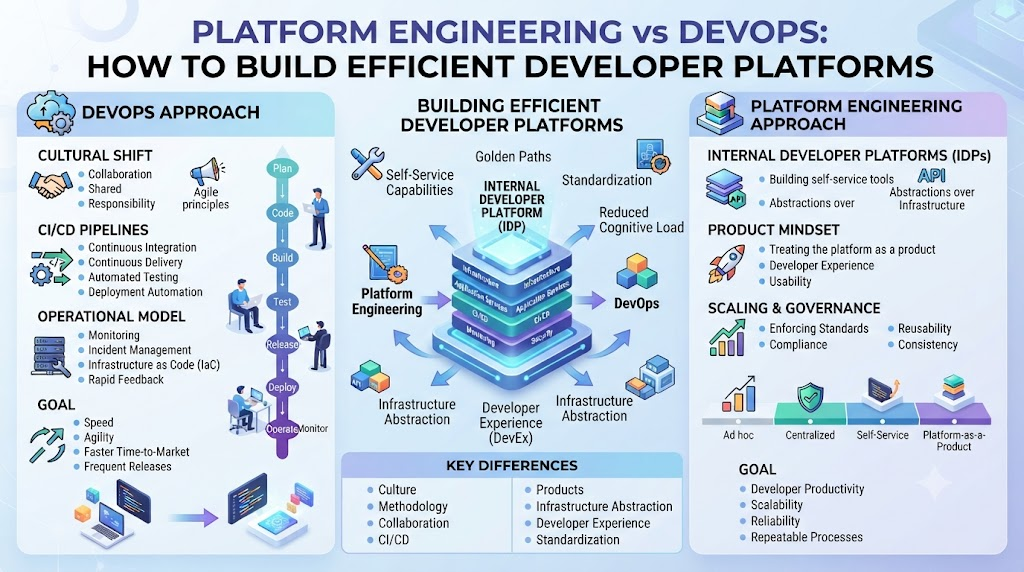
    As cloud-native architectures grow in complexity, software engineering teams face significant friction balancing fast feature delivery with infrastructure management. While DevOps revolutionized software development by breaking down silos between developers and operations, scaling it across large enterprises often leads to developer cognitive overload. Developers spend more time configuring YAML files, cloud networks, and deployment pipelines than writing business code.This article explores Platform Engineering vs DevOps, covering structural differences, shared workflows, core architecture, tool ecosystems, and career evolution. Whether you are an engineer upgrading your technical skills or an IT leader optimizing delivery pipelines, understanding this shift is vital. Explore comprehensive industry programs like DevOps training and specialized platform tracks at DevOpsSchool.cn to guide your learning journey.

    The Evolution: From Siloed Operations to Platform Engineering

    Software operational models have evolved significantly over the past two decades to meet increasing scalability demands.

    +-----------------------------------------------------------------------------------+
    | TRADITIONAL IT OPERATIONS                                                         |
    | Developers Write Code ----> Ops Hand-off ----> Manual Deployments & Ticketing     |
    +-----------------------------------------------------------------------------------+
                                            |
                                            v
    +-----------------------------------------------------------------------------------+
    | DEVOPS CULTURE                                                                    |
    | "You Build It, You Run It" ----> Developers Manage CI/CD, IaC, Cloud, Monitoring  |
    | Result: High Cognitive Load & Configuration Fatigue at Enterprise Scale           |
    +-----------------------------------------------------------------------------------+
                                            |
                                            v
    +-----------------------------------------------------------------------------------+
    | PLATFORM ENGINEERING                                                              |
    | Dedicated Platform Team ----> Builds Internal Developer Platform (IDP)           |
    | Enables Self-Service "Golden Paths" ----> Developers Focus Purely on Business Code|
    +-----------------------------------------------------------------------------------+
    

    Traditional IT Operations

    Development and operations functioned as separate units. Developers wrote applications and handed them over to operations via ticketing systems. Deployments were manual, slow, and prone to environmental inconsistencies.

    The DevOps Paradigm Shift

    DevOps introduced shared responsibility, infrastructure automation, and CI/CD pipelines under the philosophy “you build it, you run it.” While effective for smaller teams, scaling this philosophy exposed significant operational bottlenecks.

    The Rise of Platform Engineering

    Requiring every developer to master Kubernetes, Terraform, cloud security policies, and observability tools creates severe cognitive strain. Platform Engineering treats the infrastructure platform as a dedicated internal product, empowering developers with self-service capabilities while centralized teams maintain operational control.

    What Is DevOps?

    DevOps is a set of cultural practices, philosophies, and engineering methodologies designed to unify software development (Dev) and IT operations (Ops). Its primary objective is to shorten the systems development lifecycle while delivering features, fixes, and updates aligned with business objectives.

    Core Principles

    • Continuous Integration and Continuous Delivery (CI/CD): Automating code integration, testing, build processes, and deployment environments.
    • Infrastructure as Code (IaC): Provisioning and managing computing infrastructure using machine-readable configuration files rather than physical hardware configuration or interactive configuration tools.
    • Shared Responsibility: Eradicating organizational barriers so developers, system administrators, and QA engineers share accountability for product delivery and stability.
    • Continuous Feedback and Observability: Implementing automated logging, monitoring, and tracing to detect performance issues in real time.

    Typical DevOps Stack

    • Version Control: Git, GitHub, GitLab
    • CI/CD Orchestration: Jenkins, GitHub Actions, GitLab CI/CD
    • Infrastructure & Configuration Management: Terraform, Ansible
    • Containerization: Docker, Kubernetes

    What Is Platform Engineering?

    Platform Engineering is the discipline of designing, building, and maintaining Internal Developer Platforms (IDPs) that enable software engineering teams to deliver business value autonomously with minimal operational friction.

    Core Principles

    • Platform as a Product: Treating internal developers as customers, designing platform features based on user feedback, usability metrics, and workflow bottlenecks.
    • Golden Paths (Paved Roads): Providing recommended, pre-architected, and fully automated paths for application deployment that embed security, compliance, and operational standards by default.
    • Self-Service Capability: Enabling developers to provision databases, request storage, deploy microservices, and access monitoring dashboards independently without filing operational tickets.
    • Cognitive Load Reduction: Abstracting complex cloud-native infrastructure behind clear interfaces, APIs, and portals.

    Typical Platform Engineering Stack

    • Developer Portals: Backstage, Port
    • Control Planes & Orchestration: Crossplane, Humanitec
    • GitOps & Reconciliation: Argo CD, Flux
    • Policy & Governance: Open Policy Agent (OPA), Kyverno

    Architectural Deep Dive: DevOps Pipelines vs. Internal Developer Platforms

    Comparing practical implementations highlights clear structural differences between standard DevOps workflows and Platform Engineering architectures.

    Standard DevOps Pipeline Architecture

    In a standard DevOps setup, developers interface directly with every pipeline layer and cloud provider configuration.

    [ Developer ]
          │
          ├──> Writes Application Code
          ├──> Configures Dockerfile & Helm Charts
          ├──> Writes Terraform Modules for Cloud Resources
          └──> Manages Jenkins / GitHub Actions Workflows
                │
                ▼
    [ CI/CD Pipeline ] ──> [ AWS / Azure / GCP Infrastructure ]
    
    • Integration Point: Developers directly write infrastructure manifests (Terraform, CloudFormation) and deployment configurations (Helm, Kubernetes YAML).
    • Operational Friction: When cloud policies change, every developer across every application team must update their local infrastructure configurations manually.

    Platform Engineering (IDP) Architecture

    Platform Engineering introduces an abstraction layer through an Internal Developer Platform.

    [ Developer ]
          │
          ▼
    [ Internal Developer Platform (IDP) Portal / API / CLI ]
      (Self-Service Request: "Provision Microservice with Postgres")
          │
          ├──> Enforces Security Policies & Compliance Standards
          ├──> Generates Abbreviated Infrastructure Definitions
          │
          ▼
    [ Platform Control Plane / Orchestration ]
      (Crossplane / Argo CD / Custom Operators)
          │
          ▼
    [ Managed Cloud Infrastructure & Services ]
    
    • Integration Point: Developers interact with a developer portal (e.g., Backstage) or a declarative portal API using high-level parameters (e.g., app name, environment, database size).
    • Operational Efficiency: The platform orchestrates lower-level tools (Terraform, Kubernetes, Vault) behind the scenes. Platform engineers update security rules, dependencies, and infrastructure modules globally within the IDP without disturbing developer workflows.

    Key Differences: DevOps vs. Platform Engineering

    Feature / DimensionDevOps PracticePlatform Engineering
    Primary FocusCultural alignment, CI/CD automation, cross-team collaborationBuilding Internal Developer Platforms (IDPs) and self-service capabilities
    Target AudienceDevelopment and Operations teams unified around product deliveryInternal developers, data engineers, and security teams working as product users
    Interface / InteractionDirect interaction with cloud APIs, CLI scripts, pipeline configs, and IaCService portals, unified APIs, CLI templates, and self-service dashboards
    Infrastructure HandlingShared IaC modules, direct Kubernetes manifest managementAbstracted infrastructure via golden paths, control planes, and policy controls
    Cognitive LoadHigh; developers manage application code, infrastructure, and monitoringLow; abstractions simplify routine deployment, monitoring, and provisioning
    Core Delivery ArtifactAutomated CI/CD pipelines, container images, running servicesProductized IDPs, reusable service templates, self-service catalogs
    Tooling EcosystemJenkins, GitHub Actions, Terraform, Ansible, DockerBackstage, Crossplane, Argo CD, Humanitec, Port, Open Policy Agent

    Real-World Case Study: Implementing Platform Engineering

    To understand how this dynamic works in practice, consider a hypothetical medium-sized financial services enterprise scaling its engineering operations.

    Background and Challenge

    A enterprise grew from 20 to 180 developers across 15 software teams. Under their original DevOps strategy, developers spent nearly 35% of their working hours maintaining custom deployment scripts, updating cloud IAM policies, troubleshooting Kubernetes manifests, and waiting for security teams to approve database access. Operational drift was common, and security audits routinely identified misconfigured S3 buckets and outdated cluster base images.

    Implementation Approach

    The enterprise created a four-person Platform Engineering team tasked with treating developer experience (DevEx) as a core product.

    1. Assessed Needs: The team conducted interviews across development groups to identify critical pain points—specifically database provisioning, environment management, and service onboarding.
    2. Built an Internal Developer Platform: Using Backstage for the frontend portal, Crossplane for infrastructure management, and Argo CD for GitOps deployments, the team designed standardized “Golden Paths.”
    3. Automated Governance: Integrated Open Policy Agent (OPA) to enforce encryption, tagging, and network isolation policies automatically during resource creation.

    Practical Results

    • Onboarding Time: Reduced developer onboarding time for spinning up new production-compliant microservices from three days to under 15 minutes.
    • Cognitive Strain: Removed direct Kubernetes configuration responsibilities from feature teams, allowing them to focus entirely on business application code.
    • Security & Compliance: Achieved 100% compliance across deployed environments by enforcing baseline security requirements directly within platform templates.

    Adjacent Disciplines: SRE, DevSecOps, CloudOps, and FinOps

    Platform Engineering does not replace related cloud disciplines; it integrates and operationalizes them at scale.

                       +----------------------------------+
                       |     PLATFORM ENGINEERING (IDP)   |
                       +----------------------------------+
                                         │
             ┌───────────────────────────┼───────────────────────────┐
             ▼                           ▼                           ▼
    +------------------+        +------------------+        +------------------+
    |      DevSecOps   |        |        SRE       |        |      FinOps      |
    | Shift-Left       |        | Embedded SLI/SLO |        | Automated Cost   |
    | Security & Guard-|        | Metrics & Chaos  |        | Controls & Resource|
    | rails in IDP     |        | Engineering      |        | Rightsizing      |
    +------------------+        +------------------+        +------------------+
    

    DevSecOps Integration

    Instead of requiring developers to manually configure SAST/DAST tools, vulnerability scanners, and secret management tools like HashiCorp Vault, platform teams embed security checks directly into the IDP’s default templates. Security becomes an automated byproduct of using the platform.

    Site Reliability Engineering (SRE)

    SRE focuses on production stability, error budgets, Service Level Objectives (SLOs), and incident response. Platform engineering helps SRE teams by embedding standardized telemetry, health checks, alert rules, and fallback mechanisms into platform service blueprints.

    CloudOps and FinOps

    CloudOps manages cloud infrastructure scaling, networking, and core hypervisor systems. FinOps ensures cost visibility and budget compliance. A well-designed IDP incorporates FinOps by providing real-time resource cost estimations during deployment configuration and automatically turning off non-production environments during non-business hours.

    Common Enterprise Mistakes and Best Practices

    Transitioning toward Platform Engineering requires careful planning to avoid frequent operational pitfalls.

    Common Mistakes to Avoid

    • Building a Platform Nobody Wants: Developing an IDP without gathering feedback from internal developers often produces complex internal tools that developers actively avoid.
    • Mandating Golden Paths as “Mandatory Cages”: Forcing overly rigid abstractions that prevent senior engineers from modifying underlying infrastructure when unique edge cases arise.
    • Over-Engineering from Day One: Attempting to build a fully customized developer portal before standardizing core CI/CD and deployment templates.
    • Treating Platform Engineering as a Rebranded DevOps Ops Team: Renaming traditional operations teams without changing their working style, leading to the same old ticket-driven operational model.

    Strategic Best Practices

    • Treat the Platform as a Product: Conduct regular user research with developer teams, track Net Promoter Scores (NPS) for platform usage, and maintain an open feature backlog.
    • Start Small and Iterate: Build a minimal viable platform targeting one common pain point (e.g., standardizing service deployment environments) before adding advanced features.
    • Establish Clear Golden Paths with Flexibility: Provide well-architected self-service defaults while allowing experienced developers to escape the golden path when technical requirements demand it.
    • Embed Security and Observability Defaults: Ensure every service generated through the platform includes tracing, logging, security controls, and RBAC rules by default.

    Skill Sets and Career Progression

    The technical capabilities required for DevOps engineers and platform engineers overlap in foundational areas, but diverge in architectural design and product management skills.

    DEVELOPMENT / SOFTWARE SKILLS           OPERATIONAL / INFRASTRUCTURE SKILLS
    (Python, Go, Web APIs, UX Design)       (Terraform, Kubernetes, Cloud, Linux)
                   │                                       │
                   └───────────────────┬───────────────────┘
                                       │
                                       ▼
                           +-----------------------+
                           | PLATFORM ENGINEER     |
                           | - Infrastructure Skills|
                           | - Software Engineering |
                           | - Product Mindset     |
                           +-----------------------+
    

    DevOps Engineer Core Skill Set

    • Automation & Scripting: Python, Bash, Go
    • CI/CD Configuration: Advanced pipeline design in Jenkins, GitHub Actions, or GitLab CI
    • Infrastructure Management: Terraform, Ansible, CloudFormation
    • Container Orchestration: Basic to advanced Kubernetes, Helm, and Docker deployment configurations
    • Monitoring & Alerting: Prometheus, Grafana, ELK Stack

    Platform Engineer Core Skill Set

    • Software Engineering & API Design: Building robust microservices, APIs, and CLI utilities using Go, Python, or TypeScript
    • Developer Portals & Frameworks: Configuring and extending frameworks like Backstage or Port
    • Control Planes & Kubernetes Operators: Designing custom resource definitions (CRDs), Crossplane providers, and Kubernetes operators
    • Product Management & DevEx: User research, gathering internal developer feedback, defining platform roadmap priorities
    • Policy Engines & Compliance: Open Policy Agent (OPA), Kyverno, and automated identity management (IAM) frameworks

    Educational and Certification Considerations

    Transitioning between these disciplines requires practical experience with modern cloud infrastructure, distributed systems architecture, and automated delivery pipelines. Structured learning programs help bridge technical skill gaps effectively:

    • Foundational Tracks: Comprehensive DevOps course offerings build essential technical capabilities across Linux administration, Git version control, CI/CD, and containerization.
    • Advanced Specializations: Professional certifications covering Kubernetes training, SRE training, DevSecOps training, and Platform Engineering training validate practical skills in managing enterprise cloud platforms.
    • Corporate Development: Organizations scaling internal platform teams often use tailored corporate DevOps training to standardize core practices across legacy engineering units.

    Decision-Making Framework: Choosing the Right Approach

    Use this framework to determine whether your organization should continue with a traditional DevOps model or invest in dedicated Platform Engineering capabilities.

                                 [ Evaluate Team Size & Complexity ]
                                                  │
                        ┌─────────────────────────┴─────────────────────────┐
                        ▼                                                   ▼
                [ Under 30-50 Engineers ]                           [ 50+ Engineers / Multi-Team ]
                        │                                                   │
                        ▼                                                   ▼
             Standard DevOps Model                               Needs Platform Engineering
        - Unified Dev/Ops Ownership                            - Dedicated Platform Team
        - Direct IaC & Pipeline Management                     - Build Internal Developer Platform
        - Shared Operational Responsibilities                  - Golden Paths & Self-Service Portal
    

    Choose Standard DevOps Practices If:

    • Your engineering team consists of fewer than 30–50 developers.
    • Product infrastructure requirements are straightforward and relatively homogeneous across application services.
    • Developers already possess strong cloud automation and operational infrastructure knowledge.
    • The operational overhead of managing custom infrastructure files across teams remains minimal.

    Invest in Platform Engineering If:

    • Your enterprise employs over 50–100 developers across multiple distinct product domains.
    • High cognitive load is actively slowing software delivery, leading to long onboarding times and configuration fatigue.
    • Siloed development teams frequently reinvent deployment patterns, resulting in infrastructure drift and security vulnerabilities.
    • You need to enforce enterprise-wide compliance, auditing, cost management, and security standards without creating manual operational ticketing bottlenecks.

    Practical Tips / Key Takeaways

    1. Understand Cognitive Limits: Recognize that expecting every developer to master cloud networks, security policies, and Kubernetes configs reduces feature velocity.
    2. Treat Platforms as Products: Design Internal Developer Platforms based on real developer feedback rather than theoretical infrastructure goals.
    3. Build Golden Paths, Not Walled Gardens: Provide standardized self-service options while leaving flexibility for complex engineering requirements.
    4. Automate Governance: Embed security scanning, RBAC, policy checking, and FinOps metrics directly into default service templates.
    5. Start with Clear Engineering Basics: Master foundational skills—including CI/CD pipelines, containerization, Infrastructure as Code, and automated testing—before building advanced self-service platforms.

    Frequently Asked Questions (FAQs)

    1. What is the core difference between DevOps and Platform Engineering?

    DevOps is a set of cultural practices and automation principles designed to unify software development and operational management. Platform Engineering is a specialized engineering discipline that builds Internal Developer Platforms (IDPs) to provide self-service infrastructure and standardized workflows, reducing cognitive load for development teams.

    2. Does Platform Engineering replace DevOps?

    No, Platform Engineering does not replace DevOps. Instead, it evolves and scales DevOps practices within larger organizations. Platform teams use DevOps principles like CI/CD, Infrastructure as Code, and continuous monitoring to build internal self-service platforms for software developers.

    3. What is an Internal Developer Platform (IDP)?

    An Internal Developer Platform (IDP) is a unified layer of tools, self-service portals, APIs, and automated workflows designed by platform engineers. It enables application developers to independently provision infrastructure, deploy microservices, view operational telemetry, and run automated tests without manual IT intervention.

    4. Is Platform Engineering suitable for small startups?

    Usually, no. Small startups with fewer than 20–30 engineers typically benefit more from direct DevOps workflows where developers manage infrastructure directly. Platform Engineering provides the highest ROI in medium to large enterprises with complex multi-team infrastructure requirements.

    5. What are “Golden Paths” in Platform Engineering?

    Golden Paths (or paved roads) are pre-architected, fully automated, and supported deployment pathways provided by platform teams. They allow developers to build, test, and deploy applications using recommended default tools and security controls while avoiding manual infrastructure setup.

    6. Which core tools are used in Platform Engineering?

    Common platform engineering tools include Backstage and Port for internal developer portals, Crossplane and Humanitec for control plane orchestration, Argo CD and Flux for GitOps deployments, and Open Policy Agent (OPA) for policy enforcement.

    7. How does Platform Engineering help DevSecOps?

    Platform Engineering embeds security tools, access controls, compliance policies, and vulnerability scanning directly into internal platform templates. Developers automatically adopt enterprise security standards by default without having to manually configure complex security systems.

    8. What technical skills are required to become a Platform Engineer?

    A Platform Engineer needs strong software development skills (Go, Python, TypeScript), deep knowledge of cloud infrastructure (AWS, Azure, GCP, Kubernetes), experience with control planes and operators (Crossplane, Terraform), and an understanding of platform product management and user experience design.

    9. How do SRE and Platform Engineering work together?

    Site Reliability Engineering (SRE) focuses on system availability, performance, error budgets, and incident management. Platform engineers build infrastructure platforms that incorporate SRE requirements—such as baseline monitoring, alerting, and telemetry tools—directly into internal service templates.

    10. How can IT professionals gain practical skills in Platform Engineering?

    IT professionals can build expertise by learning foundational cloud automation, Kubernetes cluster administration, and Infrastructure as Code. Practical training tracks, such as DevOps certification courses and platform engineering tracks at DevOpsSchool.cn, provide hands-on experience with production-grade platform tooling.

    Conclusion

    The shift toward Platform Engineering represents a practical evolution in cloud-native software delivery. While DevOps established essential culture and automation principles, Platform Engineering provides the operational architecture required to scale those principles across modern enterprise environments. By treating internal platforms as products and providing self-service golden paths, organizations can significantly reduce developer cognitive load, ensure baseline security, and improve operational productivity.Whether you are optimizing an enterprise deployment architecture or developing your engineering career, mastering these practices is increasingly important.

  • Canada Express Entry PR Guide: Points Calculation, Rules & Documentation

    Introduction

    Deciding to move overseas from India to build a career, pursue education, or raise a family is a major life transition. With evolving entry policies, changing labor market rules, and dynamic points systems worldwide, navigating foreign immigration requires clear, reliable guidance. Whether you are aiming for skilled work permits, university admissions, or long-term permanent residency (PR), understanding how the visa lifecycle operates is critical before spending time and money on formal applications.Designed for Indian students, skilled professionals, entrepreneurs, and families, this resource explains complex immigration terms in everyday English. Platforms like DesiNRI offer Indian expatriates and prospective emigrants practical information, community insights, and shared experiences to help make international moves smoother and better managed.

    What Does Moving Abroad as an NRI Mean?

    Moving abroad involves legally shifting your primary residence from India to another country under specific visa permissions. Under Indian tax laws, a Non-Resident Indian (NRI) is an Indian citizen residing outside India for a designated period (typically 182 days or more in a financial year) for employment, business, or long-term living.

    Relocating overseas is rarely a single event; it is a structured legal transition:

    • Temporary Resident: Entering a host country on a specific-purpose visa (e.g., student, skilled work, temporary visitor).
    • Provisional / Skilled Worker Status: Maintaining employment or study rights with valid residence permits.
    • Permanent Resident (PR): Gaining the right to live, work, and study indefinitely without needing employer sponsorship.
    • Citizenship: Acquiring a host country’s passport after satisfying residence, language, and integration benchmarks.

    Who Is Overseas Immigration For?

    International relocation routes cater to various profiles:

    • Students: Indian graduates seeking foreign degrees, post-study work rights, and early career opportunities abroad.
    • Skilled Professionals: Engineers, tech workers, healthcare workers, and accountants seeking higher compensation and global industry experience.
    • Entrepreneurs and Investors: Business leaders looking to launch startups, expand operations, or invest in overseas markets.
    • Families: Dependents, spouses, and children relocating together or joining a primary visa holder abroad.
    • Frequent Business Travelers & Visitors: Individuals entering temporarily for meetings, trade events, or leisure.

    Core Eligibility Criteria for Overseas Visas

    While every government maintains its own immigration framework, most skilled, study, and family migration pathways evaluate candidates across common criteria:

    • Age: Many point-based skilled migration systems reward younger applicants (typically ages 18 to 35) with higher points due to long-term economic contributions.
    • Educational Qualifications: Degrees, diplomas, or vocational certifications from recognized universities. Some nations require formal credential evaluations (e.g., World Education Services or specific professional boards).
    • Work Experience: Verifiable full-time experience relevant to your educational background or an in-demand occupation list.
    • Language Proficiency: Standardized test scores (such as IELTS, PTE, or TOEFL for English; Goethe-Zertifikat or TestDaF for German).
    • Financial Capability: Proof of sufficient funds—via bank accounts, blocked accounts, or fixed deposits—to support yourself and your dependents without relying on public assistance.
    • Health and Character: Passing medical examinations and providing Police Clearance Certificates (PCC) from India and any other country where you have resided.

    Essential Documents Checklist

    Missing or inconsistent documentation is a primary reason for visa processing delays and rejections. Prepare these core documents well in advance:

    • Identity & Civil Status: Valid Indian passport (with at least 6 months’ validity remaining), birth certificates, marriage certificates, passport-size photographs.
    • Academic Records: Class 10/12 marksheets, degree certificates, official transcripts, and foreign credential evaluation reports.
    • Employment Verification: Offer letters, experience certificates, payslips, bank statements showing salary credits, and tax returns (ITR).
    • Financial Proofs: Bank statements, blocked account confirmations, sponsorship letters, or loan sanction letters.
    • Background Verification: Police Clearance Certificates (PCC) issued by the Passport Seva Kendra (PSK) and relevant foreign authorities.
    • Health Records: Medical examination reports completed by designated panel physicians.

    Step-by-Step Visa Application Process

    Moving from initial planning to visa approval involves systematic steps:

    1. Identify the Correct Visa Category: Research whether your purpose aligns with a student, skilled work, job-seeker, or family visa.
    2. Verify Eligibility: Review official government portals to confirm you meet language, qualification, and income benchmarks.
    3. Complete Credentials & Assessments: Complete required skill assessments or educational equivalence evaluations prior to submitting applications.
    4. Gather & Attest Documents: Obtain PCCs, financial statements, and certified translations where non-English documents are used.
    5. Submit Application & Fees: Fill out official online application forms and pay non-refundable processing fees.
    6. Schedule Biometrics & Interview: Visit the foreign consulate or visa application center (VFS/TLScontact) for fingerprints, photos, and interviews if required.
    7. Track & Respond: Monitor application status through official portals and respond promptly to requests for additional information.
    8. Post-Arrival Steps: Complete local registration, tax ID registration, bank account setup, and health insurance enrollment upon arrival.

    Comparison of Common Visa Categories

    Visa TypePrimary PurposeTypical ApplicantKey RequirementsSettlement Potential
    Tourist / VisitorShort-term travel, leisure, or family visitsTourists, family membersProof of funds, travel itinerary, return ticketNone (Non-convertible in most jurisdictions)
    Student VisaHigher education, vocational trainingUniversity students, researchersAdmission letter, tuition proof, living fundsIndirect (Leads to post-study work permits)
    Skilled Work VisaFull-time sponsored employmentProfessionals, tech workersJob offer, employer sponsorship, skill matchDirect pathway to long-term residency
    Job-Seeker / Opportunity VisaIn-country job searchExperienced professionals, graduatesPoints score, recognised degree, living fundsIndirect (Converts upon securing valid job offer)
    Family / Partner VisaFamily reunificationSpouses, dependent childrenProof of relationship, sponsor’s incomeDirect pathway to temporary/permanent residency

    Understanding Points-Based Permanent Residency (PR)

    Countries like Australia, Canada, and Germany use point-based systems to objectively assess foreign skilled workers. Points reward factors that correlate with successful economic integration.

    How PR Points Are Typically Calculated:

    • Age: Maximum points are generally awarded to applicants between 18 and 30–35 years old.
    • Education: Points scale with higher degrees (e.g., Bachelor’s, Master’s, PhD).
    • Work Experience: Additional points for overseas and local work experience, especially in skilled roles.
    • Language Skills: High scores in approved English or local language tests significantly boost point totals.
    • In-Demand Occupations: Extra points or lower invitation thresholds may apply to shortage occupations like healthcare, engineering, and IT.
    • Adaptability & Regional Nomination: State sponsorship, study in regional areas, or partner qualifications add extra points.

    Note: Meeting the minimum points threshold makes you eligible to enter a selection pool, but does not guarantee an invitation to apply. High competition often requires scores well above the minimum base score.

    Practical Realities of Life Abroad for Indian Expats

    Relocating involves adapting to daily life and administrative processes in your host country:

    • Housing: Initial temporary rentals (Airbnb, serviced apartments) are usually necessary while securing long-term leases, which often require local credit histories or proof of employment.
    • Banking & Finance: Opening a local bank account early is essential for salary processing. Managing cross-border remittances to India requires understanding tax rules, maintaining NRE/NRO accounts, and using compliant foreign exchange options.
    • Healthcare: Understand whether your host nation relies on a public health scheme funded by taxes or mandatory private health insurance.
    • Taxation: Double Taxation Avoidance Agreements (DTAA) between India and your destination country prevent paying tax twice on the same income, but foreign earnings must be correctly reported.
    • Community Connection: Engaging with local Indian associations and expat forums like DesiNRI helps new arrivals find housing leads, navigate local bureaucracy, and maintain cultural connections.

    Common Immigration Mistakes to Avoid

    • Assuming Work Rights on Visitor Visas: Tourist visas strictly prohibit remote or local employment in almost all jurisdictions.
    • Relying on Unverified Social Media Advice: Immigration policies change frequently. Always double-check requirements on official government websites.
    • Submitting Inconsistent Documents: Name discrepancies across passports, academic transcripts, and birth certificates cause significant processing delays. Ensure names match or provide legal affidavits.
    • Ignoring Passport Validity: A passport expiring within 6–12 months can lead to visa refusal or entry rejection at border control.
    • Underestimating Initial Living Costs: Overseas moves involve upfront expenses including deposits, health coverage, application fees, and flight bookings.

    Practical Tips / Key Takeaways

    • Verify Official Sources: Always cross-reference visa guidelines, point calculators, and fee structures directly on official immigration ministry websites.
    • Start Early: Academic evaluations, skills assessments, and language tests can take 3 to 6 months to complete before you can submit a visa application.
    • Keep Complete Digital Records: Maintain digital backup folders of all educational transcripts, work certificates, tax files, and visa application copies.
    • Understand Permanent Residency Obligations: Acquiring PR status requires maintaining physical presence requirements in the country to keep and renew your status.
    • Leverage Expat Platforms: Use practical community hubs like DesiNRI to ask questions, learn from experienced NRIs, and keep track of real-world relocation updates.

    Frequently Asked Questions (FAQs)

    1. What is an NRI according to Indian regulations?

    Under Indian tax regulations, an NRI (Non-Resident Indian) is an Indian citizen who spends less than 182 days in India during a financial year, typically residing abroad for employment, business, or education.

    2. Can I work legally on a tourist visa overseas?

    No. Tourist and visitor visas explicitly prohibit taking up local employment. Working on a visitor visa breaches immigration law and can lead to visa cancellation, deportation, and future entry bans.

    3. What is a skills assessment, and why is it mandatory?

    A skills assessment is an official review of your qualifications and work experience by a designated authority. It verifies that your training matches host-country standards before you apply for skilled migration visas.

    4. How does a PR points calculator work?

    Points systems assign numeric values to criteria like age, language proficiency, work history, and education. Candidates meeting or exceeding the minimum cutoff enter a selection pool for permanent residency invitations.

    5. Does studying abroad guarantee permanent residency?

    No. Studying abroad grants temporary residence and usually post-study work rights. Converting to PR depends on securing qualifying employment, meeting point thresholds, and satisfying immigration requirements.

    6. What are NRE and NRO bank accounts for NRIs?

    NRE (Non-Resident External) accounts hold foreign earnings transferred to India tax-free. NRO (Non-Resident Ordinary) accounts manage income earned within India, such as rent, dividends, or pension payments.

    7. How long does visa processing take for Indian applicants?

    Processing timelines vary from a few weeks for standard visitor or student visas to 6–18 months for complex skilled worker and permanent residency applications.

    8. Can family members join me on a skilled work visa?

    Most skilled work visas allow primary applicants to include spouses and dependent children as secondary visa holders, granting them residence and work rights.

    9. What happens if my visa application gets rejected?

    If rejected, official decision letters specify the reasons. Depending on the country and visa class, you may reapply with updated documentation or lodge an administrative appeal.

    10. Where can NRIs find practical expat guidance?

    Platforms like DesiNRI offer guides, visa updates, community discussions, and peer support to help Indian expats navigate international moves.

    Conclusion

    Relocating overseas from India requires careful research, thorough document preparation, and realistic financial planning. Understanding visa categories, language testing standards, document verification, and points-based PR pathways helps set achievable expectations for your international transition. Avoid shortcuts or unverified advice, and ensure all application materials are accurate and complete. Staying informed through official government portals and drawing on peer experiences via platforms like DesiNRI helps ensure your move abroad is well-managed, compliant, and successful.

  • The Ultimate Guide to Events in Delhi: Discover Concerts, Comedy, and Weekend Activities

    Introduction

    Finding engaging live entertainment across the National Capital Region can sometimes feel overwhelming due to the sheer volume of choices. On any given day, Delhi hosts everything from intimate acoustic gigs in Hauz Khas to massive trade expos at Bharat Mandapam, stand-up comedy specials in Gurugram, and open-air food festivals in Saket. Despite the rich calendar, tracking down an event that fits your schedule, location, and personal preferences takes more than a casual web search. Knowing how to filter options by category, assess venue accessibility, and navigate ticket tiers ensures a smooth, hassle-free outing. Platforms like DelhiOrbit help aggregate these experiences, making it simpler to discover local activities, reserve passes, and explore cultural gatherings across Delhi and Delhi NCR.

    Understanding the Event or Activity Scene in Delhi

    Delhi operates on a unique cultural rhythm where historical heritage meets modern urban lifestyle. This dual nature reflects directly in its entertainment landscape. An event here is rarely just a performance; it is often tied to iconic neighborhood hubs, historical gardens, or modern convention centers.

    +-----------------------------------------------------------------------+
    |                       DELHI NCR EVENT ECOSYSTEM                       |
    +-----------------------------------+-----------------------------------+
    |          HERITAGE & ARTS          |        MODERN & COMMERCIAL        |
    |  • Lodhi Colony & Mandi House     |  • DLF Cyberhub & Club Road       |
    |  • Historic Walks & Poetry        |  • Stand-Up Specials & EDM        |
    |  • Habitat Centre Theatre         |  • Tech Expos & Trade Summits     |
    +-----------------------------------+-----------------------------------+
    

    People actively search for events in the city for several key reasons:

    • Social Connection: Escaping routine work schedules to reconnect with friends, family, or colleagues in dynamic settings.
    • Skill Enhancement: Attending professional meetups, masterclasses, or creative workshops to acquire new talents.
    • Cultural Exploration: Experiencing classical music, theatrical plays, storytelling sessions, and international food showcases.
    • Stress Relief: Enjoying live stand-up comedy, indie music showcases, or wellness retreats to unwind.

    Understanding the structure of the city’s event hubs allows you to plan outings efficiently without getting stuck in traffic or ending up at a venue that does not match your expectations.

    Events in Delhi: Exploring Key Categories

    The capital region provides a dense mix of activities tailored to varied age groups, budgets, and interests. Categorizing events helps narrow down choices based on what you want out of your experience.

    Music Concerts and Live Shows

    Delhi is a key stop for touring international acts, indie artists, classical maestros, and Bollywood playback stars. The music scene spans genres like indie rock, Sufi, classical, synth-pop, techno, and Bollywood fusion.

    Stand-Up Comedy and Improv

    The comedy circuit in the city has matured rapidly, supported by dedicated comedy clubs, theater stages, and intimate venue setups across Central Delhi, Gurugram, and Noida.

    Workshops and Masterclasses

    Interactive learning sessions focus on practical skills—ranging from pottery, photography, and painting to startup networking, AI tool masterclasses, and culinary arts.

    Cultural Gatherings and Theater

    Mandi House and the India Habitat Centre host theatrical plays, poetry open mics, book readings, and classical dance performances year-round.

    Events in Delhi Today: Making Spontaneous Plans

    Spontaneous outings are common, but finding last-minute events requires a clear strategy to avoid empty venues or sold-out doors.

      Check Platform Availability (DelhiOrbit.com)
                           │
                           ▼
      Verify Venue Location & Travel Time via Metro
                           │
                           ▼
      Review Door Policy & Gate Timings
                           │
                           ▼
      Secure Digital Entry Pass / Instant E-Ticket
    

    When looking for events happening on the current day, pay attention to these practical factors:

    1. Cut-Off Timings for Ticket Sales: Many online ticket platforms disable booking 1 to 2 hours before the start time. Check availability before traveling to the venue.
    2. Traffic and Peak Hours: Late afternoon and evening events often overlap with peak commuting times. Venues near major metro nodes—like Rajiv Chowk, Mandi House, or Cyber City—are easier to access during rush hours.
    3. Door Registrations vs. Advance Booking: While smaller acoustic gigs or poetry open-mics might offer walk-in entries, popular comedy shows and music showcases require pre-booked digital passes.

    Upcoming Events in Delhi: Advanced Outing Planning

    Planning a few weeks in advance opens up better seating choices, early-bird ticket pricing, and smoother logistics.

    • Early-Bird Pass Advantages: High-profile music concerts and multi-day cultural festivals typically release tickets in tiers. Securing early-bird passes reduces costs significantly.
    • Seasonal Trends: The festival season from October through March sees an explosion of outdoor carnivals, heritage walks, and open-air food festivals due to pleasant weather. Summer months shift the focus toward indoor auditoriums, air-conditioned comedy arenas, and evening masterclasses.
    • Checking Schedules on Discovery Engines: Utilizing centralized platforms like DelhiOrbit gives you an overview of upcoming schedules across multiple venues in a single view, avoiding the need to check individual venue social media pages.

    Weekend Events in Delhi: Curating Your Saturday and Sunday

    Weekends present the widest array of event choices, but popularity means popular spots fill up fast. Choosing the right weekend activity depends on your group dynamic and goals.

    Weekend Outing Options

    • For Families: Interactive pottery workshops, science expos, theater plays at Kamani Auditorium, or daytime heritage walks around Lodhi Gardens.
    • For Couples: Evening acoustic sessions in Hauz Khas, open-air cinema screenings, or curated food tasting trails.
    • For Solo Enthusiasts: Photography tours, fitness/yoga bootcamps, storytelling open-mics, or coding hackathons.
    • For Friends & Groups: Stand-up comedy specials, high-energy club gigs, or multi-genre music festivals.

    Things to Do in Delhi: Beyond Standard Nightlife

    Beyond commercial shows and big concerts, the capital provides diverse experiences for varied interests:

                      ┌─────────────────────────────────────────┐
                      │          THINGS TO DO IN DELHI          │
                      └────────────────────┬────────────────────┘
                                           │
            ┌──────────────────────────────┼──────────────────────────────┐
            │                              │                              │
            ▼                              ▼                              ▼
    ┌───────────────┐              ┌───────────────┐              ┌───────────────┐
    │ CULTURAL &    │              │ CREATIVE &    │              │ OUTDOOR &     │
    │ HERITAGE      │              │ LEARNING      │              │ RECREATIONAL  │
    ├───────────────┤              ├───────────────┤              ├───────────────┤
    │ • Museum Walks│              │ • Painting    │              │ • Nature Walks│
    │ • Sufi Nights │              │ • Tech Meets  │              │ • Food Trails │
    │ • Play Readings              │ • Culinary    │              │ • Cycling     │
    └───────────────┘              └───────────────┘              └───────────────┘
    
    • Heritage & Culinary Trails: Exploring the food joints of Old Delhi or attending guided heritage storytelling walks in Mehrauli Archaeological Park.
    • Arts & Craft Workshops: Painting on canvas, resin art creation, or traditional block printing workshops hosted in local art studios.
    • Networking & Tech Summits: Community meetups for founders, developers, and creative professionals across co-working spaces in South Delhi and Gurugram.

    Concerts in Delhi: What to Check Before You Go

    Attending a live music concert requires a clear understanding of venue logistics and ticket specifications.

    +--------------------------------------------------------------------------+
    |                       CONCERT CHECKLIST & LOGISTICS                      |
    +----------------------+---------------------------------------------------+
    | TICKET CATEGORIES    | Phase 1 / VIP / Fan Pit / General Admission       |
    +----------------------+---------------------------------------------------+
    | VENUE ACCESS         | Parking availability vs. Metro proximity           |
    +----------------------+---------------------------------------------------+
    | ENTRY POLICIES       | Government ID requirements & Age restrictions     |
    +----------------------+---------------------------------------------------+
    | PERMITTED ITEMS      | Professional cameras, water bottles, bags         |
    +----------------------+---------------------------------------------------+
    

    Key considerations before booking music shows:

    • Venue Type: Open-air grounds (like Jawaharlal Nehru Stadium or major festival arenas) offer high energy but require weather prep. Auditoriums (like Sirifort or Bharat Mandapam) provide controlled acoustics and seated comfort.
    • Artist Lineups and Set Times: Check whether the event features an opening act and what time the headliner takes the stage to plan your arrival.
    • Refund and Rescheduling Terms: Live performances can occasionally shift schedules due to weather or technical factors. Always review the organizer’s cancellation policy prior to payment.

    Comedy Shows in Delhi: Finding Live Stand-Up Performance

    Delhi NCR’s comedy landscape spans intimate open-mics to solo comedy tours by established artists.

    • Open-Mics vs. Solo Specials: Open-mics offer raw, unfiltered material from emerging comedians at budget-friendly price points. Solo specials showcase polished 60-to-90-minute sets from seasoned performers.
    • Age Rules: Many comedy venues enforce age limits (e.g., 16+ or 18+) due to explicit content or alcohol licensing rules at host venues.
    • Seating Policies: Most comedy clubs operate on a first-come, first-served seating model, making early arrival important for good spots.

    Workshops in Delhi: Upskilling and Creative Masterclasses

    Workshops provide a structured way to spend a few productive hours learning from practitioners.

    ┌────────────────────────────────────────────────────────────────────────┐
    |                      WORKSHOP SELECTION PROCESS                        |
    └───────────────────────────────────┬────────────────────────────────────┘
                                        │
                                        ▼
             ┌──────────────────────────────────────────────────────┐
             │ Check Skill Level Needed (Beginner vs. Advanced)     │
             └──────────────────────────┬───────────────────────────┘
                                        │
                                        ▼
             ┌──────────────────────────────────────────────────────┐
             │ Confirm Material Inclusions (Canvas, Clay, Software) │
             └──────────────────────────┬───────────────────────────┘
                                        │
                                        ▼
             ┌──────────────────────────────────────────────────────┐
             │ Verify Instructor Credentials & Session Duration     │
             └──────────────────────────────────────────────────────┘
    

    When evaluating a workshop:

    • Skill Level Required: Confirm whether the session caters to absolute beginners or demands prior knowledge (e.g., intermediate photo editing software or basic painting techniques).
    • Materials Provided: Check if art supplies, tools, or take-home kits are covered in the registration fee or if you need to bring your own equipment.
    • Batch Size: Smaller group sizes allow for direct interaction with the instructor, making sessions more engaging.

    Event Ticket Booking in Delhi: A Step-by-Step Approach

    Securing access to live experiences should be smooth and transparent. Using platforms like DelhiOrbit helps simplify event discovery and ticketing across various categories.

    Standard Booking Process

    1. Select the Event: Browse events by category, date, or location.
    2. Review Event Details: Double-check start time, venue address, age restrictions, and inclusion details.
    3. Choose Ticket Tier: Pick between VIP, general admission, or early-bird pricing tiers based on your preference.
    4. Complete Registration: Enter valid attendee details (name, email, phone number) to ensure seamless ticket delivery.
    5. Save Digital Confirmation: Store the QR code or e-ticket on your smartphone for quick scanning at the venue gate.

    Events in Delhi NCR: Expanding Your Search Radius

    Looking beyond Delhi proper to the wider NCR region—including Gurugram, Noida, Ghaziabad, and Faridabad—broadens your options significantly.

    • Gurugram (Gurgaon): Home to thriving nightlife hubs, craft breweries, corporate networking mixers, and stand-up comedy venues around Golf Course Road and Cyberhub.
    • Noida: Known for sports arenas, gaming arcades, mall-based entertainment centers, and creative workshops.
    • Travel Factors: Assess distance and transport options carefully. An event in Sector 29 Gurugram or Sector 62 Noida may require an hour or more of travel time from Central or North Delhi.

    Event Category Overview and Planning Framework

    This comparison table highlights typical options across major event types to help you choose the right experience:

    Event CategoryPrimary AudienceTypical DurationKey Planning Considerations
    Live Music ConcertsMusic Fans, Youth, Groups2–5 HoursCheck entry gates, parking, and line-up timing.
    Comedy ShowsAdults, Couples, Groups1–2 HoursConfirm age limits, seating policy, and late entry rules.
    Creative WorkshopsBeginners, Solo Learners2–4 HoursCheck material inclusions and instructor background.
    Heritage & City WalksHistory Buffs, Photographers2–3 HoursDress comfortably for walking; check meeting points.
    Cultural & TheaterFamilies, Arts Enthusiasts1.5–3 HoursBe on time; auditoriums close doors promptly.
    Corporate/Tech MeetsProfessionals, FoundersFull Day / Half DayCarry business cards or digital profiles; review agendas.

    Practical Examples: Matching Events to Scenario

    • Scenario A (A College Student on a Budget): Searching for affordable weekend entertainment.
      • Best Option: Poetry open-mics or beginner comedy line-ups with entry passes under ₹300.
    • Scenario B (A Couple Looking for a Friday Night Out): Seeking an engaging evening experience.
      • Best Option: An intimate live acoustic set or a solo stand-up comedy performance near dining areas like Cyberhub or Khan Market.
    • Scenario C (A Family Seeking a Sunday Outing): Planning an educational, group-friendly activity.
      • Best Option: A morning heritage walk at Lodhi Gardens followed by a pottery or art workshop.

    Decision-Making Framework: Choosing the Right Outing

    Use this step-by-step checklist to evaluate choices before finalizing tickets:

    1. Define Purpose: Are you looking to relax, learn a skill, network, or enjoy energetic live entertainment?
    2. Verify Distance and Commute: Will you travel by Metro or private car? Is parking available on-site?
    3. Evaluate Total Spend: Account for ticket fees, food/beverage costs, and transportation expenses.
    4. Confirm Terms: Are tickets refundable or transferable if your plans change?

    Common Mistakes to Avoid When Booking Events

    • Ignoring Venue Specifics: Assuming an event is in Central Delhi when it is located deep in NCR can lead to unexpected commute times.
    • Arriving Late to Seated Shows: Theater plays and comedy specials often close entry gates as soon as the performance begins.
    • Not Reading Inclusions: Booking an art workshop without verifying whether supplies are provided can lead to surprises at the venue.
    • Overlooking Age Rules: Bringing minors to adult-rated stand-up shows or club venues can result in denied entry.

    Perspective for Event Organizers

    For artists, event hosts, and workshop creators, reaching local audiences across Delhi NCR requires consistent visibility.

      Host Creates Event Details & Tiers
                     │
                     ▼
      Publishes Listing on Discovery Engine (DelhiOrbit.com)
                     │
                     ▼
      Reaches Targeted Local Audiences Across Delhi NCR
                     │
                     ▼
      Manages Ticket Registrations & On-Site Entry
    

    Platforms like DelhiOrbit assist organizers by enabling easy event publication, ticketing management, and audience engagement across the capital.

    The Role of DelhiOrbit in Event Discovery

    Navigating a massive metropolitan event scene is much easier with a clear discovery partner. DelhiOrbit serves as an intuitive platform where users can explore curated categories—from live music and comedy shows to skill-building workshops and heritage tours. By consolidating key details like dates, venue locations, ticket tiers, and organizer guidelines into one place, it removes the friction from weekend planning.

    Key Takeaways / Practical Tips

    • Double-Check the Map: Always search the exact venue address on GPS before departing.
    • Book Early for Top Artists: Popular comedy and music events sell out days in advance.
    • Use Public Transport Smartly: The Delhi Metro network connects directly to major hubs like Mandi House, Hauz Khas, and Cyber City, saving time during rush hours.
    • Keep E-Tickets Accessible: Download or screenshot your entry pass before arriving at the gate to avoid network connection delays.
    • Verify Age Limits and Clothing Rules: Check venue policies for age restrictions or dress codes ahead of time.

    Frequently Asked Questions (FAQs)

    1. What are the best ways to find events in Delhi?

    You can discover events by using dedicated event discovery platforms like DelhiOrbit, checking venue schedules, following local performance arts hubs, and browsing weekly event roundups focused on Delhi NCR.

    2. How can I find events in Delhi today?

    To locate current-day events, filter discovery platforms by today’s date. Look for stand-up comedy shows, open-mics, theater plays, and live acoustic music sets that offer same-day digital tickets or walk-in entries.

    3. Where can I track upcoming events in Delhi?

    Check online ticketing platforms like DelhiOrbit regularly. Following local venue pages and event organizers on social media also helps you catch early-bird releases for concerts, festivals, and workshops.

    4. What are popular weekend events in Delhi?

    Popular weekend choices include live music concerts, stand-up comedy specials, art and pottery workshops, heritage walks in historic areas, food festivals, and theater performances.

    5. What are some fun non-nightlife things to do in Delhi?

    Non-nightlife activities include guided historical walks, photography tours in public gardens, art masterclasses, pottery workshops, museum visits, and attending daytime tech or literature meetups.

    6. How does event ticket booking in Delhi work?

    Select an event on a ticket discovery platform like DelhiOrbit, pick your preferred ticket category, enter attendee contact details, and complete the digital registration to receive your e-ticket.

    7. Where are major concerts held in Delhi NCR?

    Major concert venues include Bharat Mandapam (Pragati Maidan), Jawaharlal Nehru Stadium, Indira Gandhi Indoor Arena, and open-air grounds in Gurugram or Noida.

    8. How can I locate stand-up comedy shows in Delhi?

    Comedy shows run daily across dedicated comedy clubs, theater spaces, and cafes in South Delhi, Central Delhi, Noida, and Gurugram. Check online event listings for updated artist schedules.

    9. Where can I discover workshops in Delhi?

    Creative and skill-building workshops are frequently listed on platforms like DelhiOrbit. Options range from weekend painting sessions to professional tech, design, and culinary masterclasses.

    10. Are events in Delhi NCR easy to travel to from central Delhi?

    Yes, most major event venues in Gurugram, Noida, and Ghaziabad are reachable via the Delhi Metro network, making travel straightforward even across city boundaries.

    Conclusion

    Delhi’s live event scene offers a rich variety of experiences—from grand music concerts and intimate stand-up comedy shows to hands-on learning workshops and historic cultural walks. Making the most of what the capital has to offer simply comes down to thoughtful planning. By assessing venue locations, confirming ticket categories, and keeping track of event schedules, you can easily turn an ordinary day into a memorable outing. Dedicated platforms like DelhiOrbit make this process straightforward, bringing event listings, venue details, and pass bookings into one easy-to-use hub. Explore the upcoming event calendar, choose an activity that matches your interests, and enjoy the diverse entertainment culture of Delhi NCR.

  • The Essential Role of a Technology Nonprofit Organization in Community Development

    Introduction

    Access to the internet alone is no longer enough to ensure participation in today’s economy, education systems, or public services. Across rural towns, urban neighborhoods, and under-resourced schools, millions of individuals have access to smartphones or low-cost hardware but lack the foundational skills needed to navigate online platforms safely, evaluate information critically, or apply for digital employment. This stark reality—the gap between physical connection and functional capability—is where community-focused digital literacy programs become indispensable.Without targeted education, technological advancement risks expanding economic inequality rather than reducing it. Digital skills are no longer an optional advantage; they are a fundamental prerequisite for civic engagement, healthcare management, financial independence, and workforce readiness.

    What Are Digital Literacy Programs?

    A digital literacy program is a structured educational initiative designed to help individuals acquire the knowledge, confidence, and practical skills required to use digital technologies effectively. While traditional computer literacy focused primarily on typing, basic software operations, and hardware mechanics, modern digital literacy encompasses a broader spectrum of cognitive, technical, and critical-thinking capabilities.

           [ Core Dimensions of Modern Digital Literacy ]
                                 │
         ┌───────────────────────┼───────────────────────┐
         ▼                       ▼                       ▼
    Functional Skills      Critical Thinking       Safety & Ethics
    (Navigation, Apps)    (Information Audit)     (Privacy, Security)
    

    Modern programs address three primary dimensions of technology use:

    • Functional Technical Competency: Navigating operating systems, using web browsers, accessing cloud storage, managing files, and operating both desktop and mobile devices.
    • Critical Information Evaluation: Recognizing credible sources, identifying online misinformation, detecting phishing attempts, and understanding basic data privacy principles.
    • Digital Communication and Creation: Utilizing digital tools for professional collaboration, applying for jobs, interacting with government portals, and participating safely in online public forums.

    Rather than teaching software applications in isolation, effective digital literacy programs integrate these technical skills into daily practical contexts. For instance, instead of offering a generic tutorial on spreadsheet software, a program might teach learners how to build a household budget, track small business expenses, or organize community initiatives using cloud tools.

    Why Digital Literacy Matters for Community Progress

    When individuals lack digital skills, the consequences extend far beyond personal inconvenience. The absence of digital fluency creates systematic barriers that affect employment, healthcare access, educational outcomes, and civic participation.

    Economic Mobility and Workforce Readiness

    The modern job market assumes a baseline of digital competency. From retail scheduling systems and trade documentation to entry-level administrative roles, virtually every industry requires workers to interact with software platforms. Individuals without these skills are frequently excluded from higher-paying positions and pathways to career advancement. By teaching workforce-relevant skills—such as online job searching, professional email communication, and basic data entry—digital literacy initiatives provide direct pathways to economic stability.

    Access to Essential Services

    Healthcare providers, financial institutions, and government agencies increasingly deliver services through online channels. Patient portals, online banking, public assistance applications, and tax filing systems require users to navigate complex web interfaces securely. Individuals without digital skills often face delays, higher administrative costs, or complete exclusion from services designed to support them.

    Educational Equity

    Students without home internet access or the skills to navigate educational software struggle to keep pace with their peers. This disconnect, often referred to as the homework gap, affects lower-income households disproportionately. Digital literacy programs support students directly while simultaneously educating parents and caregivers, enabling them to assist children with remote learning, monitor academic progress, and engage with school communications.

    Key Components of an Effective Digital Literacy Framework

    Building an impactful literacy program requires moving beyond generic, one-size-fits-all curricula. Organizations must design flexible frameworks that adapt to the diverse backgrounds, learning speeds, and goals of their participants.

    +-----------------------------------------------------------------------+
    |                 EFFECTIVE DIGITAL LITERACY FRAMEWORK                   |
    +-----------------------------------------------------------------------+
    | 1. Foundational Hardware & OS Operations                              |
    |    • Power Management • File Directories • Peripheral Configuration   |
    +-----------------------------------------------------------------------+
    | 2. Internet Safety & Cybersecurity Awareness                          |
    |    • Strong Authentication • Phishing Detection • Privacy Settings    |
    +-----------------------------------------------------------------------+
    | 3. Information Literacy & Media Evaluation                            |
    |    • Source Verification • Bias Detection • Fact-Checking Protocols   |
    +-----------------------------------------------------------------------+
    | 4. Professional & Practical Application                               |
    |    • Resume Formatting • Portal Submissions • Cloud Collaboration     |
    +-----------------------------------------------------------------------+
    

    1. Foundational Hardware and Operating System Competency

    Instruction begins with physical interaction: managing devices, understanding file systems, connecting to Wi-Fi networks safely, and configuring basic accessibility options. Demystifying hardware helps learners build initial confidence and reduces the fear of breaking equipment.

    2. Practical Internet Safety and Cybersecurity

    Cybersecurity education must be a core component rather than an afterthought. Learners need practical guidance on creating strong passwords, enabling multi-factor authentication, recognizing social engineering tactics, and adjusting privacy settings on mobile devices and social networks. Instruction should focus on actionable protective habits rather than alarmist warnings that discourage technology use altogether.

    3. Information Literacy and Critical Assessment

    The abundance of online information requires users to develop strong evaluative skills. Programs teach participants how to verify web sources, recognize sponsored or biased content, verify images, and cross-reference claims using reputable databases. Information literacy empowers learners to make informed decisions regarding health, personal finance, and community issues.

    4. Specialized Workforce and Practical Applications

    Once foundational skills are established, instruction shifts toward practical goals. Participants learn how to format resumes using word processors, submit job applications through online career portals, manage cloud calendars, and utilize videoconferencing tools for remote interviews or remote work opportunities.

    Overcoming Barriers to Digital Inclusion

    Designing an instructional curriculum is only one part of the challenge. Nonprofits and community leaders must address the practical barriers that prevent individuals from enrolling in or completing training programs.

    [ Barrier: Physical Access ] ──> Solution: Device Donation & Low-Cost Hardware
    [ Barrier: Connectivity ]    ──> Solution: Community Wi-Fi & Hotspot Lending
    [ Barrier: Technophobia ]    ──> Solution: Peer Mentorship & Low-Stress Labs
    [ Barrier: Language/Ability]  ──> Solution: Multilingual Content & Screen Readers
    

    Hardware Affordability and Infrastructure

    A learner cannot maintain skills without access to functional hardware outside of the classroom. Effective programs combine instruction with device distribution schemes, partnering with corporate partners or refurbishing donated computers to ensure participants leave training with reliable hardware. Furthermore, programs must consider local connectivity limitations, providing materials that function in low-bandwidth environments or offering mobile hotspots for offline access.

    Overcoming Technophobia and Psychological Barriers

    Adult learners often enter technology training with significant anxiety, fearing they will make costly mistakes or fail to understand complex terminology. Program facilitators should adopt a patient, mentor-led approach that encourages experimentation and frame errors as normal learning steps. Creating a non-judgmental environment where participants can ask basic questions is critical to sustaining engagement.

    Language and Accessibility Needs

    Digital inclusion requires addressing linguistic and physical accessibility barriers. Educational materials should be made available in local languages and formatted for low-literacy audiences through visual guides, video demonstrations, and step-by-step physical workbooks. Software training must incorporate assistive technology features—such as screen magnification, text-to-speech tools, and closed captioning—to accommodate neurodiverse learners and individuals with physical disabilities.

    The Role of Technology Nonprofit Organizations

    Nonprofit organizations act as critical intermediaries between technology creators, resource donors, and local communities. While corporate technology developers focus primarily on market reach and product feature expansion, a Technology Nonprofit Organization prioritizes access, ethical implementation, and human capability building.

    Organizations like Cotocus.org play an important role in this ecosystem by aligning technology initiatives with verified community needs. Nonprofits bridge regional gaps through dedicated Digital Literacy Programs, support broader Digital Inclusion Programs, and introduce Technology Education Programs that prepare young people and adult learners for an increasingly digital world.

           ┌────────────────────────────────────────────────────────┐
           │              Technology Nonprofit Role                 │
           └───────────────────────────┬────────────────────────────┘
                                       │
          ┌────────────────────────────┼────────────────────────────┐
          ▼                            ▼                            ▼
    [ Directly Serve ]         [ Build Capacity ]         [ Research & Advocate ]
    Deliver community workshops  Support peer nonprofits     Conduct Responsible AI
    & hands-on training         through tech adoption      & ethical tech research
    

    Beyond direct community training, nonprofits contribute to long-term impact by:

    1. Supporting Nonprofit Digital Transformation: Helping local charities, shelters, and community groups update their internal infrastructure, implement cloud tools, protect client data, and streamline operations.
    2. Conducting Responsible AI Research: Studying how emerging tools impact vulnerable populations and ensuring social impact initiatives adopt automated systems safely and transparently.
    3. Facilitating Corporate Social Impact Partnerships: Connecting companies that have surplus hardware, specialized technical expertise, or grant funding with communities that require those resources.
    4. Mobilizing Technical Volunteers: Providing structured Technology Volunteer Opportunities that allow software developers, cybersecurity experts, and IT professionals to mentor students and support local workshops.

    Designing Sustainable Digital Inclusion Initiatives: A Step-by-Step Framework

    Organizations planning to launch or expand technology education initiatives can use the following decision framework to ensure their programs remain community-centered, operationally viable, and sustainable over time.

    <Sequence>
      <Step title="Assess Community Needs and Digital Infrastructure" subtitle="Phase 1: Research & Discovery">
        Before selecting software or designing lesson plans, conduct surveys and focus groups within the target community. Identify existing access levels, primary language preferences, transportation constraints, and specific goals—such as obtaining employment, accessing healthcare, or supporting children with schoolwork. Avoid making assumptions about hardware availability or initial baseline skills.
      </Step>
    
      <Step title="Establish Hardware, Software, and Physical Spaces" subtitle="Phase 2: Logistics & Infrastructure">
        Secure reliable physical training spaces that are accessible via public transit, such as local libraries, community centers, or schools. Acquire updated hardware, ensuring all computers run supported operating systems and include necessary accessibility software. Work with local internet providers or corporate sponsors to ensure stable, high-speed connectivity within the facility.
      </Step>
    
      <Step title="Develop a Modular, Practical Curriculum" subtitle="Phase 3: Educational Design">
        Structure lesson modules around real-world tasks rather than abstract software features. Incorporate hands-on exercises, visual reference sheets, and interactive practice environments. Break complex topics into manageable 30- to 60-minute units that build upon one another sequentially, allowing learners to track their progress visibly.
      </Step>
    
      <Step title="Train Instructors and Recruit Volunteer Mentors" subtitle="Phase 4: Capacity Building">
        Pair primary instructors with technical volunteers to provide one-on-one assistance during practical exercises. Train all facilitators in adult learning principles, cultural competence, and empathetic instruction techniques. Ensure instructors prioritize patience and hands-on trial over taking control of the keyboard themselves.
      </Step>
    
      <Step title="Implement Ongoing Evaluation and Long-Term Support" subtitle="Phase 5: Measurement & Iteration">
        Track participant growth through practical skill assessments rather than multiple-choice quizzes. Establish follow-up support options—such as open lab hours, alumni drop-in sessions, or peer support groups—so learners can continue practicing and troubleshooting after completing the formal course.
      </Step>
    </Sequence>
    

    Ethical Considerations in Community Technology Programs

    Introducing emerging technology tools to non-technical communities requires careful ethical oversight. Nonprofits and educational institutions must ensure that enthusiasm for digital adoption does not compromise safety, privacy, or individual autonomy.

    Data Privacy and Informed Consent

    Programs that collect personal information from participants—whether for registration, impact tracking, or hardware distribution—must follow strict data protection practices. Instructors should clearly explain how data will be used, stored, and protected using plain, accessible language. Learners should never be forced to sign up for commercial online accounts or disclose sensitive personal details as a mandatory requirement for attending free community classes.

    Avoiding Technocentrism

    A common failure in social impact initiatives is technocentrism—the assumption that technology is the primary or only solution to complex socio-economic problems. A digital literacy workshop cannot fix systemic unemployment or housing shortages on its own; it serves as an enabling tool within a broader ecosystem of social services. Program planners must integrate technology education with existing community support structures rather than offering isolated technical interventions.

    Responsible Introduction to AI Tools

    As artificial intelligence tools become integrated into search engines, productivity suites, and educational platforms, programs must teach safe AI use alongside foundational digital skills. Instruction should address the limitations of automated tools, emphasizing that AI outputs can contain errors or factual inaccuracies, require critical human review, and should be evaluated carefully before use in professional or academic contexts.

    Measuring Social Impact and Long-Term Value

    To maintain funding, refine teaching methods, and demonstrate value to community partners, organizations must measure outcomes accurately. Impact evaluation should focus on meaningful behavioral changes and life improvements rather than superficial participation counts.

    Metric TypeTraditional / Low-Value IndicatorsHigh-Impact / Outcome-Oriented Metrics
    Output Metrics• Number of flyers distributed
    • Total enrolled students
    • Hours of classroom instruction
    • Completion rate of multi-week modules
    • Student-to-mentor instructional ratios
    • Total hands-on lab hours completed
    Skill Acquisition• Attendance record counts
    • Self-reported satisfaction surveys
    • Demonstration of practical tasks (e.g., sending an email attachment independently)
    • Pre- and post-course skill evaluations
    Life Outcomes• Number of computers donated• Percentage of graduates securing job interviews
    • Successful independent submission of public assistance or housing forms
    • Increase in parental engagement with school communication platforms

    By combining qualitative feedback from community members with objective outcome metrics, organizations can build sustainable, transparent programs that earn long-term trust and investment.

    Common Implementation Mistakes to Avoid

    1. Purchasing Hardware Without Maintenance Plans: Acquiring desktop computers or tablets without allocating funds or volunteer resources for software updates, virus protection, and hardware repair usually results in unusable equipment within 12 to 18 months.
    2. Using Overly Technical Jargon: Instruction that relies heavily on industry acronyms or unexplained technical concepts alienates beginners. Successful programs use clear, everyday language and relatable analogies.
    3. Assuming Youth Are Automatically Digitally Literate: While young people often adapt quickly to smartphone interfaces and social video applications, many lack foundational skills in document formatting, professional email communication, cloud file organization, and online safety. Youth Innovation Programs must balance creative tool exploration with basic digital hygiene.
    4. Neglecting Post-Program Support Options: Skills deteriorate quickly without continuous practice. Failing to provide drop-in hours, community lab access, or refresher workshops leaves graduates vulnerable to losing the confidence and capabilities they gained during training.

    Practical Tips for Community Leaders and Educators

    ┌────────────────────────────────────────────────────────────────────────┐
    |                      PRACTICAL IMPLEMENTATION TIPS                     |
    ├────────────────────────────────────────────────────────────────────────┤
    |  [✓] Start Small & Iterate                                             |
    |      Launch a 4-week pilot before scaling to multi-month courses.     |
    |                                                                        |
    |  [✓] Prioritize Real-World Tasks                                       |
    |      Teach tools through practical tasks like job searches or budget   |
    |      creation rather than abstract menus.                              |
    |                                                                        |
    |  [✓] Establish Peer Mentorship Models                                  |
    |      Pair advanced learners with beginners to build community and      |
    |      reduce instructional strain.                                      |
    |                                                                        |
    |  [✓] Secure Multi-Sector Partnerships                                  |
    |      Combine nonprofit agility, corporate hardware sponsorships, and   |
    |      local government space allocations.                               |
    |                                                                        |
    |  [✓] Integrate Cybersecurity Awareness Early                           |
    |      Teach password safety and scam detection from day one.           |
    └────────────────────────────────────────────────────────────────────────┘
    
    • Start with Small, Focused Pilots: Before launching a city-wide initiative, test curriculum materials and teaching styles with a small cohort of 10 to 15 participants. Use their direct feedback to refine pacing, language, and exercise formats.
    • Focus on Practical Outcomes: Ground every lesson in a real-world task. Teach spreadsheet software by creating a household budget, or explain web browsers by navigating to a local transit schedule or telehealth portal.
    • Establish Peer Support Models: Encourage participants who master concepts quickly to assist classmates. This peer-teaching dynamic reinforces the mentor’s knowledge while reducing anxiety for struggling students.
    • Build Multi-Sector Coalitions: Combine the strengths of local nonprofits, corporate partners, civic libraries, and educational institutions. Nonprofits bring community trust and instructional design; corporate partners contribute hardware, funding, and technical volunteers; public facilities offer accessible, safe physical locations.

    Frequently Asked Questions (FAQs)

    1. What is the difference between digital access and digital literacy?

    Digital access refers to the physical infrastructure required to connect—such as devices, routers, and broadband internet subscriptions. Digital literacy refers to the cognitive and practical skills required to use those tools effectively, safely, and independently for work, learning, and daily tasks.

    2. How can small non-profit organizations start a digital literacy program on a limited budget?

    Small organizations can begin by partnering with public libraries or community centers to utilize existing computer labs. They can leverage open-source curricula, recruit technical volunteers for one-on-one assistance, and seek refurbished hardware donations from local businesses.

    3. Why is cybersecurity education important for beginner computer users?

    Beginner users are frequently targeted by online scams, phishing emails, and malicious pop-ups due to a lack of familiarity with digital red flags. Early cybersecurity education protects participants from financial fraud, identity theft, and data loss as they build online confidence.

    4. How can tech companies support community-based digital inclusion initiatives?

    Technology companies can support these initiatives by donating refurbished hardware, providing grant funding, offering free software licenses to non-profit organizations, and encouraging employees to contribute through structured Technology Volunteer Opportunities.

    5. Are smartphones sufficient for developing complete digital literacy?

    Smartphones provide essential connectivity, but they are generally insufficient for developing full digital literacy. Desktop and laptop operating systems remain necessary for professional tasks, complex document creation, programming, and many administrative administrative functions.

    6. How do digital literacy programs support youth innovation?

    By teaching foundational skills like coding, data analysis, and online research alongside critical thinking, Youth Innovation Programs empower students to move from passive media consumption to active problem-solving and software creation.

    7. What role does artificial intelligence play in modern technology education?

    Artificial intelligence serves as both a tool and a topic of instruction. Programs teach participants how to use simple AI tools for productivity while emphasizing critical evaluation, verifying automated outputs, and understanding data privacy implications.

    8. How can digital literacy programs accommodate non-native English speakers?

    Programs can adapt by utilizing translated visual workbooks, employing bilingual instructors or volunteers, using screen-translation software, and focusing initial lessons on visual interface navigation rather than text-heavy instructions.

    9. How do non-profit organizations achieve digital transformation internally?

    Non-profit digital transformation involves updating outdated software, moving operations to secure cloud platforms, automating administrative tasks, and training staff members so the organization can deliver services more efficiently.

    10. How can individuals evaluate the quality of a community digital literacy course?

    High-quality courses feature small class sizes, low student-to-instructor ratios, dedicated hands-on computer lab time, practical real-world exercises, and post-course support rather than relying solely on lecture presentations or multiple-choice testing.

    Conclusion

    Achieving true digital inclusion requires more than distributing hardware or installing broadband lines; it demands a long-term commitment to human capacity, confidence building, and practical education. As technology continues to evolve, structured digital literacy programs remain the foundation of equitable social and economic progress. By investing in accessible curricula, cultivating empathetic mentors, and building cross-sector partnerships, communities can ensure that every individual has the opportunity to navigate the digital world safely, productively, and independently.Initiatives led by organizations like Cotocus.org demonstrate how community-focused technology education, responsible AI research, and collaborative volunteering can turn digital access into meaningful social impact. Whether through corporate sponsorship, volunteer mentorship, or local advocacy, supporting inclusive technology education helps build a future where technological progress benefits everyone.

  • A Comprehensive Guide on How to Manage Diabetes with Diet and Exercise

    Introduction

    Living with diabetes requires ongoing attention, thoughtful daily choices, and a comprehensive approach to health. While blood glucose monitoring and prescribed medications often form foundational pillars of treatment, lifestyle factors play an equally significant role in overall well-being. Adopting sustainable eating habits, incorporating regular physical activity, managing stress, prioritizing sleep, and maintaining regular medical appointments are all essential components of comprehensive health maintenance.For individuals seeking practical guidance, understanding Mydoctorsnow provides a structured starting point for supporting blood sugar stability and daily energy. Although dietary choices and physical activity can powerfully influence glucose levels, individual needs vary significantly.

    Understanding Diabetes and Blood Sugar Management

    Diabetes is a chronic metabolic condition characterized by elevated levels of glucose in the blood. Normally, the body breaks down carbohydrates from food into glucose, which enters the bloodstream. In response, the pancreas releases insulin—a hormone that helps glucose move from the bloodstream into cells to be used for energy.

    In people with diabetes, this process does not function as intended:

    • Type 1 Diabetes: An autoimmune condition where the body produces little or no insulin, requiring daily insulin therapy.
    • Type 2 Diabetes: A condition where the body either resists the effects of insulin or does not produce enough insulin to maintain normal glucose levels.

    When blood glucose remains consistently elevated, it can affect various organs over time. Effective management aims to keep blood sugar levels within a target range determined by a doctor. Because individual health profiles, activity levels, and medical histories differ, treatment plans must always be customized.

    How Diet Can Affect Diabetes Management

    The food choices people make every day have a direct and immediate impact on blood glucose levels. Different nutrients affect the body in unique ways, making meal composition and portion awareness central to diabetes care.

    Key nutritional factors include:

    • Carbohydrates: These break down into glucose most rapidly and exert the greatest influence on blood sugar levels.
    • Fiber: A type of carbohydrate that the body cannot digest; it slows digestion and helps prevent rapid blood sugar spikes.
    • Protein: Supports tissue repair and provides steady energy without causing sharp blood glucose increases.
    • Healthy Fats: Essential for cellular function and satiety, helping slow the absorption of meals.
    • Portion Sizes: Eating large quantities of food at one time can elevate blood glucose significantly, even if the foods are nutritious.
    • Added Sugars and Processed Foods: Foods stripped of natural fiber and packed with added sugars can cause rapid blood sugar fluctuations.

    Understanding how different foods interact with the body empowers individuals to build balanced meals that support steady energy and stable glucose levels.

    Building a Balanced Diabetes-Friendly Eating Pattern

    Creating a sustainable eating pattern does not require restrictive dieting or eliminating favorite foods entirely. Instead, it focuses on balance, variety, and nutrient density.

    Practical strategies for building balanced meals include:

    • Emphasizing Non-Starchy Vegetables: Filling half the plate with colorful vegetables provides vitamins, minerals, and fiber with minimal impact on blood sugar.
    • Choosing High-Fiber Foods: Incorporating whole grains, legumes, and vegetables helps maintain stable digestion and steady energy.
    • Selecting Lean Proteins: Including poultry, fish, beans, tofu, or lean cuts of meat supports satiety and muscle health.
    • Incorporating Healthy Fats: Using moderate amounts of olive oil, avocado, nuts, and seeds adds flavor and nutritional value.
    • Mindful Portions: Paying attention to serving sizes prevents overeating and helps regulate carbohydrate intake.
    • Limiting Sugary Beverages: Opting for water, unsweetened tea, or black coffee instead of sugar-sweetened sodas and juices.

    TABLE 1 – Food Choices for Diabetes Management

    Food CategoryExamples of Healthier ChoicesGeneral Consideration for Diabetes
    Non-starchy vegetablesSpinach, broccoli, bell peppers, zucchini, carrotsHigh in fiber and nutrients; minimal impact on blood glucose
    Whole grainsQuinoa, brown rice, oats, barley, whole-wheat breadProvide sustained energy and dietary fiber compared to refined grains
    Lean proteinsChicken breast, fish, lentils, beans, eggs, tofuSupport muscle maintenance and help stabilize meal digestion
    Fresh fruitsBerries, apples, citrus fruits, pearsOffer natural vitamins and fiber; portion awareness is helpful
    Healthy fatsOlive oil, avocados, almonds, chia seeds, walnutsSupport heart health and slow carbohydrate absorption
    BeveragesWater, sparkling water, unsweetened green teaPrevent dehydration without adding hidden sugars or calories

    Understanding Carbohydrates and Diabetes

    Carbohydrates are a major source of energy, but they require careful attention when managing diabetes because they raise blood glucose more than proteins or fats. However, carbohydrates should not be feared or eliminated entirely; rather, the focus should be on quality and quantity.

    • Refined vs. Less-Processed Carbohydrates: Refined grains (like white bread and pastries) digest quickly, leading to rapid blood sugar spikes. Less-processed carbohydrate sources (like steel-cut oats, quinoa, and whole vegetables) digest slowly, providing sustained energy.
    • The Role of Fiber: High-fiber foods slow down sugar absorption in the bloodstream.
    • Individual Variability: Carbohydrate tolerance varies from person to person based on activity levels, medication, and metabolic health.

    Working with a registered dietitian can help individuals determine an appropriate carbohydrate intake that aligns with their personal health goals.

    The Role of Fiber in a Diabetes-Friendly Diet

    Fiber is an invaluable component of a healthy diet, particularly for individuals managing blood sugar. It offers numerous physiological benefits:

    • Slower Digestion: Soluble fiber dissolves in water to form a gel-like substance that slows stomach emptying and glucose absorption.
    • Improved Satiety: High-fiber foods take longer to chew and digest, helping individuals feel full longer after meals.
    • Digestive Health: Insoluble fiber adds bulk to stool and promotes regular bowel movements.
    • Cardiovascular Support: Certain fibers help maintain healthy cholesterol levels already within the normal range.

    Rich sources of fiber include vegetables, fresh fruits with edible skins, beans, lentils, whole grains, nuts, and seeds. Increasing fiber intake should be done gradually alongside adequate fluid consumption to prevent digestive discomfort.

    Foods and Eating Habits to Limit

    Rather than adopting rigid restrictions, individuals managing diabetes benefit from moderating specific items that can disrupt blood sugar control and overall health:

    • Sugar-Sweetened Beverages: Sodas, sweet teas, and energy drinks deliver a concentrated dose of sugar into the bloodstream almost instantly.
    • Added Sugars: Sweets, baked goods, and candies provide empty calories with little nutritional benefit.
    • Highly Refined Grains: White flour products lack the fiber needed to slow glucose absorption.
    • Ultra-Processed Snacks: Packaged snack foods often contain hidden sugars, excessive sodium, and unhealthy fats.
    • Oversized Portions: Even nutritious foods can elevate blood sugar if consumed in excessive quantities at one sitting.

    Adopting a balanced approach allows for occasional enjoyment of favorite foods while keeping overall health and stability as the primary focus.

    How Exercise Helps with Diabetes Management

    Physical activity is a powerful tool in diabetes care. When a person exercises, muscles use glucose for energy, which helps clear glucose from the bloodstream independently of insulin.

    Key benefits of regular physical activity include:

    • Enhanced Insulin Sensitivity: Regular movement helps the body’s cells use available insulin more efficiently.
    • Blood Sugar Support: Physical activity assists in lowering blood glucose levels during and after exertion.
    • Cardiovascular Health: Aerobic exercise strengthens the heart and improves circulation.
    • Weight Management: Combining exercise with a balanced diet supports healthy body composition.
    • Mood Enhancement: Physical activity releases endorphins, reduces stress, and supports mental well-being.

    While exercise offers profound benefits, individuals should approach physical activity safely and progressively.

    Types of Physical Activity That May Support Diabetes Management

    A well-rounded physical activity routine typically incorporates several forms of movement, depending on personal fitness levels and medical recommendations:

    • Aerobic Exercise (Cardio): Activities like brisk walking, cycling, swimming, and dancing elevate the heart rate and improve endurance.
    • Walking: Accessible and effective, brisk walking is one of the easiest ways to incorporate daily movement.
    • Strength Training: Using resistance bands, hand weights, or body-weight exercises (like squats and push-ups) builds muscle mass, which helps improve glucose storage.
    • Flexibility and Balance: Stretching, yoga, and tai chi enhance mobility, reduce stiffness, and support stability.
    • Everyday Movement: Increasing non-exercise activity thermogenesis—such as taking the stairs, gardening, or housework—contributes significantly to daily energy expenditure.

    How to Start Exercising Safely

    Beginning a new exercise routine requires caution and common sense, especially for individuals managing a chronic health condition.

    Important safety principles include:

    • Start Gradually: Begin with short, manageable sessions (such as a 10-minute walk) and slowly increase duration and intensity over weeks.
    • Listen to the Body: Stop exercising immediately if you experience dizziness, chest pain, shortness of breath, or unusual fatigue.
    • Stay Hydrated: Drink plenty of water before, during, and after physical activity.
    • Consider Medical Guidance: Always consult a healthcare professional before starting a new exercise regimen, particularly for individuals who are new to physical activity or have existing complications.
    • Understand Medication Interactions: Certain glucose-lowering medications can increase the risk of low blood sugar during or after exercise. Professional guidance helps patients navigate these considerations safely.

    Blood Glucose Monitoring and Physical Activity

    Monitoring blood glucose levels around physical activity provides valuable insight into how the body responds to movement. According to individual healthcare recommendations, checking blood sugar before and after exercise helps:

    • Identify personal patterns and trends related to specific activities.
    • Recognize when blood glucose is outside the desired range.
    • Take appropriate precautions, such as having a fast-acting carbohydrate source nearby if advised by a doctor.

    Patients should follow individualized medical instructions regarding when and how frequently to monitor their blood glucose.

    Combining Diet and Exercise for Better Diabetes Management

    Relying on diet alone or exercise alone is rarely as effective as combining both approaches into a cohesive lifestyle routine. Healthy eating provides the foundational fuel and metabolic balance, while physical activity enhances the body’s ability to utilize that fuel efficiently.

    Creating a sustainable lifestyle involves:

    • Consistency: Maintaining steady daily routines rather than engaging in extreme or sporadic changes.
    • Gradual Progress: Building healthy habits one step at a time to ensure long-term adherence.
    • Regular Medical Follow-Up: Partnering with healthcare providers to review progress, adjust treatment plans, and ensure safety.

    Diabetes care is multifaceted; lifestyle modifications complement, but do not replace, prescribed medical treatments.

    Weight Management and Diabetes

    For many individuals with type 2 diabetes, achieving and maintaining a healthy body weight can positively influence insulin sensitivity and metabolic health. However, weight management must be approached responsibly and realistically.

    Key considerations include:

    • Sustainable Lifestyle Changes: Focusing on nutritious eating and regular movement rather than restrictive crash diets.
    • Individual Differences: Weight loss is not appropriate or necessary for every person with diabetes. Body composition and overall health matter more than scale numbers alone.
    • Professional Guidance: Working with a doctor or dietitian ensures that weight management strategies are safe, adequate in nutrition, and tailored to personal health needs.

    Sleep, Stress, Hydration, and Daily Habits

    Comprehensive diabetes care extends far beyond food and workouts. Everyday lifestyle factors exert a powerful influence on blood sugar regulation:

    • Sleep Quality: Chronic sleep deprivation can impair insulin sensitivity and increase stress hormones like cortisol, making blood sugar management more difficult. Aiming for consistent, restorative sleep is vital.
    • Stress Management: Emotional stress triggers hormone releases that elevate blood glucose. Practices such as deep breathing, meditation, hobbies, and relaxation help mitigate stress.
    • Hydration: Drinking adequate water supports kidney function and helps the body flush out excess glucose through urine when levels are elevated.
    • Tobacco and Alcohol: Avoiding tobacco use protects vascular health, while limiting alcohol prevents unpredictable blood sugar fluctuations.

    Common Diabetes Diet and Exercise Mistakes

    Navigating diabetes management can involve a learning curve. Avoiding common pitfalls helps make the journey smoother and more effective:

    • Skipping Meals: Going long periods without eating can lead to erratic blood sugar swings and overeating later.
    • Following Extreme Fad Diets: Restrictive diets are difficult to maintain and often lack essential nutrients.
    • Sudden High-Intensity Exercise: Jumping into strenuous workouts without conditioning increases the risk of injury or unexpected blood sugar drops.
    • Ignoring Symptoms: Pushing through dizziness, shaking, or extreme fatigue during physical activity.
    • Assuming Healthy Foods Have No Limits: Overconsuming nutrient-dense foods (like nuts or avocados) without portion awareness.
    • Stopping Medication Independently: Altering prescribed drug regimens without professional oversight.

    TABLE 2 – Building a Sustainable Diabetes Management Routine

    Lifestyle AreaPractical ApproachImportant Consideration
    Eating habitsFocus on balanced plates with vegetables, lean proteins, and fiberAvoid restrictive fad diets in favor of long-term consistency
    Physical activityIncorporate regular walking and enjoyable movement dailyStart slowly and adjust intensity based on personal health status
    Glucose monitoringCheck blood sugar as recommended by your healthcare teamUse data to understand patterns rather than inducing anxiety
    Sleep hygieneMaintain consistent bedtimes and aim for restorative restSleep deprivation can negatively impact insulin sensitivity
    Stress managementPractice deep breathing, mindfulness, or relaxing hobbiesChronic stress elevates hormones that increase blood glucose
    HydrationPrioritize water throughout the day while limiting sugary drinksProper hydration supports overall metabolic function
    Medical follow-upAttend regular check-ups with your doctor and care teamEssential for reviewing lab work and adjusting overall care plans

    How to Create Sustainable Healthy Habits

    Lasting change is built on small, manageable actions rather than overnight transformations. Readers can make lifestyle modifications stick by following practical steps:

    • Start Small: Choose one achievable change, such as adding a 10-minute walk after dinner or drinking an extra glass of water daily.
    • Set Realistic Goals: Focus on process goals (e.g., “I will exercise three times this week”) rather than outcome goals alone.
    • Establish Routines: Anchor new habits to existing daily triggers, like taking a walk right after morning coffee.
    • Track Progress: Use a journal or app to monitor habits, celebrating small victories along the way.
    • Seek Professional Guidance: Consult doctors, dietheticians, or diabetes educators for personalized support.

    Diabetes Management for Different Lifestyles

    Adapting diabetes care to fit diverse daily routines is crucial for long-term success:

    • Busy Professionals: Plan meals ahead, pack healthy snacks, and schedule short walking breaks during the workday.
    • Students: Keep portable, stable snacks on hand and utilize campus recreational facilities for physical activity.
    • Older Adults: Focus on gentle, joint-friendly movements like balance exercises, chair yoga, and walking.
    • Frequent Travelers: Research healthy dining options ahead of time and maintain medication schedules across time zones.

    Eating Out While Managing Diabetes

    Social dining and restaurant meals can easily fit into a diabetes management plan with a few mindful strategies:

    • Review menu options online before arriving at the restaurant.
    • Request dressings, sauces, and gravies on the side to control portions.
    • Choose grilled, baked, or steamed dishes instead of fried preparations.
    • Fill up on water or unsweetened iced tea instead of sugary sodas.
    • Practice portion control by boxing up half the meal before starting to eat.

    When Professional Diabetes Support Is Important

    While managing daily routines at home is vital, professional medical guidance remains indispensable. Individuals should consult a qualified healthcare provider promptly if:

    • Blood glucose patterns become unpredictable or consistently out of target range.
    • New, unusual, or worsening physical symptoms develop.
    • Medication side effects are suspected.
    • Exercise consistently causes dizziness, chest discomfort, or severe fatigue.
    • Frequent episodes of unusually high or low blood sugar occur.
    • Major lifestyle changes or pregnancy are being planned.

    Professional support ensures that treatment remains safe, effective, and tailored to changing health needs.

    Building a Long-Term Diabetes Management Plan

    Successful long-term diabetes care integrates multiple elements into a cohesive, sustainable daily routine:

    • Balanced nutrition focused on fiber, vegetables, and lean proteins.
    • Regular physical activity tailored to individual fitness and health status.
    • Appropriate blood glucose monitoring aligned with medical recommendations.
    • Consistent adherence to prescribed medications and medical therapies.
    • Regular check-ups and laboratory testing with healthcare providers.
    • Healthy sleep, stress management, and hydration.
    • Ongoing education and patient empowerment.

    With the right tools, professional partnership, and consistent daily habits, individuals can navigate diabetes successfully and maintain a high quality of life.

    Frequently Asked Questions

    1.How can diet help manage diabetes?

    Diet helps manage diabetes by directly influencing blood glucose levels. Consuming balanced meals rich in fiber, lean protein, and healthy fats while moderating refined carbohydrates and added sugars helps prevent rapid blood sugar spikes and supports steady energy throughout the day.

    2.What foods are generally good choices for people with diabetes?

    Good choices include non-starchy vegetables (like spinach, broccoli, and peppers), whole grains (like quinoa and oats), lean proteins (like chicken, fish, and beans), healthy fats (like olive oil and avocados), and fresh fruits consumed in moderate portions.

    3.What foods should people with diabetes limit?

    Individuals should limit sugar-sweetened beverages, sweets, highly refined white flour products, ultra-processed snack foods, and excessive portions of carbohydrate-heavy foods, as these can cause significant blood sugar fluctuations.

    4.Can exercise help manage blood sugar?

    Yes, regular physical activity helps manage blood sugar by increasing insulin sensitivity and allowing muscle cells to take up glucose for energy independently of insulin.

    5.What types of exercise are suitable for diabetes management?

    Suitable activities include aerobic exercises (like brisk walking, swimming, and cycling), strength training (using weights or resistance bands), flexibility exercises, and everyday physical movements.

    6.How often should someone with diabetes exercise?

    Frequency depends on individual health status and doctor recommendations. Many health guidelines suggest aiming for regular physical activity most days of the week, starting slowly and building consistency over time.

    7.Can walking help with diabetes management?

    Yes, brisk walking is an accessible, low-impact aerobic exercise that effectively supports cardiovascular health, calorie burning, and blood glucose management.

    8.How do carbohydrates affect blood sugar?

    Carbohydrates break down into glucose during digestion and enter the bloodstream, making them the primary nutrient responsible for raising blood sugar levels after a meal.

    9.Is fruit safe to eat when managing diabetes?

    Fresh fruit is safe and nutritious when eaten in appropriate portions, as it provides essential vitamins, minerals, and dietary fiber along with natural sugars.

    Conclusion

    Managing diabetes is a lifelong journey built upon consistent, sustainable daily habits rather than quick fixes. By combining balanced nutrition, regular physical activity, proper sleep, stress management, and appropriate medical oversight, individuals can take an active role in supporting their long-term health. Because every person’s body responds differently, treatment and lifestyle plans must always be individualized in partnership with qualified healthcare professionals. With patience, education, and steady support, sustainable progress is entirely achievable.

  • Understanding Kidney Health: Common Disorders, Symptoms, and Prevention

    Introduction

    The human body relies on numerous intricate systems to maintain balance and vitality, and few organs work as continuously or quietly as the kidneys. These remarkable bean-shaped organs perform daily filtration tasks that keep our blood clean and our internal chemistry stable. To explore reliable patient-education resources, medical guidance, and healthcare articles, platforms like MyDoctorsNow offer valuable support for readers seeking to learn more about kidney health. Consider a hypothetical reader, David, who experienced mild fatigue and occasional lower back discomfort. By reading educational healthcare guides and consulting his physician for routine blood and urine testing, David learned how to monitor his kidney function proactively, transforming uncertainty into peace of mind.

    What Are the Kidneys?

    The kidneys are a pair of vital organs located against the back muscles in the upper abdominal area, just below the rib cage—one on each side of the spine. Each kidney is roughly the size of a fist and shaped like a bean.

    Inside each kidney are millions of tiny filtering units called nephrons. Most people are born with two functioning kidneys, though the human body can adapt and function with just one healthy kidney if necessary. The primary job of these filtering units is to process blood, remove waste products and excess fluid, and produce urine. Urine then travels down narrow tubes called ureters into the bladder, where it is stored until eliminated from the body.

    What Do the Kidneys Do?

    The kidneys are often described as the body’s sophisticated filtration and chemical balancing plant. Their multifaceted responsibilities go far beyond simply producing urine.

    Key kidney functions include:

    • Removing Waste Products: Filtering urea, creatinine, and other metabolic waste products out of the bloodstream so they can leave the body.
    • Managing Fluid Balance: Adjusting the volume of water retained or excreted depending on hydration levels.
    • Regulating Electrolytes: Maintaining precise levels of essential minerals like sodium, potassium, calcium, and phosphorus.
    • Supporting Blood Pressure Control: Producing hormones and regulating fluid volume to help keep blood pressure within a healthy range.
    • Stimulating Red Blood Cell Production: Releasing a hormone called erythropoietin that signals the bone marrow to manufacture red blood cells.
    • Supporting Bone Health: Activating vitamin D into its usable form, which helps the body absorb calcium for strong bones.

    Section 3: Why Kidney Health Matters

    Because the kidneys touch nearly every major physiological system, their health is deeply connected to overall well-being. When kidney function is compromised, the effects can ripple across cardiovascular health, metabolic stability, and energy levels.

    For instance, healthy kidneys work hand-in-hand with the heart and blood vessels to regulate blood pressure. They also help keep blood sugar and electrolyte levels stable. Maintaining healthy kidneys supports long-term physical stamina, metabolic balance, and overall longevity.

    Common Kidney Disorders

    Several distinct conditions can affect the structure or function of the kidneys. Understanding these major disorders helps clarify why medical evaluations focus on specific symptoms and tests.

    Chronic Kidney Disease

    Chronic kidney disease involves a gradual, long-term loss of kidney function over months or years. Because the kidneys have a remarkable capacity to adapt, early stages may cause no noticeable symptoms. Over time, reduced filtering capacity can require careful medical management.

    Kidney Stones

    Kidney stones are hard deposits made of minerals and salts that form inside the kidneys. When these stones move through the urinary tract, they can cause sharp, intense pain, changes in urination, or blood in the urine.

    Kidney Infection

    A kidney infection, or pyelonephritis, is a type of urinary tract infection that travels upward into one or both kidneys. It often causes fever, chills, back pain, and urinary discomfort, requiring timely medical attention.

    Acute Kidney Injury

    Acute kidney injury is a sudden, rapid decline in kidney function that can occur over hours or days. It is often triggered by severe dehydration, certain medications, serious infections, or reduced blood flow, and requires urgent medical assessment.

    Polycystic Kidney Disease

    Polycystic kidney disease is an inherited genetic disorder characterized by the growth of numerous fluid-filled sacs, or cysts, within the kidneys, which can enlarge the organs and gradually reduce function over time.

    Glomerulonephritis

    Glomerulonephritis involves inflammation of the tiny filtering clusters—glomeruli—inside the kidneys. This inflammation can impair the kidney’s ability to filter waste properly and may be associated with immune system responses or infections.

    Table 1: Common Kidney Disorders

    Kidney DisorderGeneral DescriptionPossible Signs or Concerns
    Chronic Kidney DiseaseGradual, long-term decline in kidney filtration functionFatigue, fluid retention, high blood pressure, or no early signs
    Kidney StonesHard mineral and salt deposits forming inside the kidneysSevere flank pain, blood in urine, painful urination
    Kidney InfectionBacterial infection traveling from the urinary tract to the kidneysFever, chills, back pain, urgent or painful urination
    Acute Kidney InjurySudden and rapid drop in kidney function over a short periodSudden swelling, decreased urine output, fatigue, confusion
    Polycystic Kidney DiseaseInherited condition causing fluid-filled cysts to grow in kidneysHigh blood pressure, back or side pain, family history
    GlomerulonephritisInflammation affecting the delicate filtering units of the kidneysBlood or protein in urine, swelling in face or ankles

    Common Symptoms of Kidney Problems

    Kidney issues can manifest through various physical signs, though symptoms often depend heavily on the specific condition and its stage.

    Common signs that may warrant a medical evaluation include:

    • Changes in urination frequency, urgency, or nighttime waking
    • Visible blood in the urine or dark, foamy urine
    • Swelling (edema) in the feet, ankles, legs, hands, or face
    • Persistent fatigue or lack of energy
    • Nausea, vomiting, or a generalized loss of appetite
    • Aching or discomfort in the back or side (flank area)
    • High blood pressure that is difficult to control
    • Itchy or dry skin resulting from mineral imbalances
    • Difficulty sleeping or trouble concentrating in advanced stages

    Many kidney conditions, particularly in their early phases, cause few or no obvious symptoms. This underscores why routine wellness checks and blood or urine screenings are valuable.

    What Causes Kidney Problems?

    Kidney problems can stem from a wide variety of causes, ranging from systemic health conditions to lifestyle and genetic factors.

    Common contributing causes include:

    • Diabetes: Chronically elevated blood sugar can damage the delicate blood vessels inside the kidneys.
    • High Blood Pressure: Uncontrolled blood pressure places excessive strain on the filtering vessels.
    • Kidney Stones: Blockages caused by mineral deposits that obstruct urine flow.
    • Infections: Bacteria spreading from the lower urinary tract upward into the kidneys.
    • Genetic Factors: Inherited conditions like polycystic kidney disease.
    • Autoimmune Disorders: Conditions where the immune system mistakenly attacks healthy kidney tissue.
    • Certain Medications or Toxins: Long-term or inappropriate use of certain drugs or substances that stress renal tissue.
    • Obstructions: Blockages in the urinary tract caused by enlarged prostates, tumors, or strictures.

    Risk Factors for Kidney Disease

    Certain characteristics and health histories can increase a person’s likelihood of developing kidney problems.

    Major risk factors include:

    • Having diabetes or high blood pressure
    • Living with cardiovascular disease
    • Having a family history of kidney disease or kidney failure
    • Advancing age, as kidney function naturally evolves over time
    • Previous episodes of acute kidney injury
    • Smoking or tobacco use
    • Obesity or carrying excess body weight
    • History of recurrent kidney stones or frequent urinary tract infections

    The presence of a risk factor does not mean someone will definitely develop kidney disease; rather, it highlights the importance of proactive health monitoring.

    How Kidney Problems Are Diagnosed

    When a healthcare professional suspects a kidney issue, they use a structured diagnostic approach to evaluate organ health.

    The evaluation typically includes:

    • Medical History Review: Discussing symptoms, family history, diet, and medication use.
    • Physical Examination: Checking blood pressure, listening to heart and lung sounds, and checking for fluid retention or swelling.
    • Blood Tests: Measuring waste products and filtration markers.
    • Urine Tests: Checking for protein, blood, infection markers, or abnormal cellular elements.
    • Imaging Studies: Utilizing ultrasounds, CT scans, or MRIs to visualize kidney size, shape, and structure.
    • Specialized Testing: Referral for further specialized evaluation or biopsy when clinically indicated.

    Understanding Kidney Function Tests

    Laboratory testing provides objective data about how efficiently the kidneys are filtering the blood.

    Common tests include:

    • Serum Creatinine: A waste product generated by normal muscle breakdown. Elevated creatinine levels in the blood can indicate that the kidneys are not filtering efficiently.
    • Estimated Glomerular Filtration Rate (eGFR): A calculated estimate of how much blood the kidneys filter per minute, derived from blood creatinine levels, age, and sex.
    • Urinalysis: A routine test checking urine for protein, blood, sugar, and signs of infection.
    • Urine Albumin-to-Creatinine Ratio (uACR): A specialized urine test that measures tiny amounts of albumin (protein) leaking into the urine, serving as an early indicator of kidney stress.

    Laboratory results must always be interpreted in proper clinical context by a qualified healthcare professional.

    Kidney Stones and Kidney Infections

    Kidney Stones

    Kidney stones develop when minerals and acid salts in urine crystallize into solid masses. They can range from the size of a grain of sand to a golf ball. Small stones may pass naturally with adequate hydration and pain management, while larger stones may require medical intervention or procedural removal. Symptoms often include severe, sharp pain in the back or side, nausea, and blood in the urine.

    Kidney Infections

    Kidney infections typically begin as lower urinary tract infections that travel upward. Symptoms often include high fever, chills, flank pain, nausea, and frequent urination. Prompt medical evaluation and professional treatment are essential to resolve infections and prevent potential complications.

    Chronic Kidney Disease and Long-Term Kidney Health

    Chronic kidney disease is characterized by long-term structural or functional changes in the kidneys lasting for three months or more. Because kidney tissue has limited ability to regenerate once heavily damaged, the primary clinical goal is slowing disease progression and protecting remaining function.

    Early detection through routine screening allows healthcare teams to implement management plans that control blood pressure, manage blood sugar, adjust medications, and protect cardiovascular health. Adhering closely to professional medical guidance is vital for long-term well-being.

    Everyday Habits That Support Kidney Health

    While lifestyle habits cannot cure established kidney disease, adopting healthy routines supports overall renal function and general vitality.

    Beneficial everyday habits include:

    • Staying Adequately Hydrated: Drinking enough water to support normal urine flow and daily hydration needs without overdoing it.
    • Eating a Balanced Diet: Emphasizing whole foods, fresh fruits, vegetables, and lean proteins while moderating sodium and processed foods.
    • Staying Physically Active: Engaging in regular, moderate exercise to support metabolic health and weight management.
    • Managing Blood Pressure and Sugar: Keeping key physiological metrics within healthy ranges set by your physician.
    • Avoiding Tobacco: Refraining from smoking, which harms blood vessels throughout the body, including those feeding the kidneys.
    • Using Medications Wisely: Consulting a doctor or pharmacist before taking regular over-the-counter pain relievers or herbal supplements that can strain the kidneys.

    How Diabetes and Blood Pressure Affect the Kidneys

    Diabetes and high blood pressure are the two leading causes of chronic kidney disease. Chronically elevated blood sugar forces the kidneys to filter excess glucose, placing immense mechanical stress on their tiny blood vessels over time.

    Similarly, high blood pressure damages and narrows the blood vessels supplying the kidneys, reducing their ability to filter waste effectively. Controlling blood sugar and blood pressure through consistent medical supervision and lifestyle habits is one of the most effective ways to protect long-term kidney health.

    When Should You See a Doctor About Kidney Health?

    Prompt professional medical evaluation is important if you experience symptoms that could suggest a kidney concern.

    You should consult a healthcare professional if you notice:

    • Visible blood in your urine or persistent dark, discolored urine
    • Ongoing changes in how often you urinate or difficulty urinating
    • Unexplained swelling in your legs, ankles, hands, or face
    • Persistent pain in your back or side (flank) not related to muscular injury
    • Frequent urinary tract infections or burning sensations during urination
    • Ongoing fatigue combined with other unusual physical changes
    • High blood pressure that is difficult to manage despite treatment

    For sudden, severe illness, high fevers with shaking chills, or severe acute pain, seek immediate emergency medical attention.

    Who May Need Regular Kidney Health Monitoring?

    Certain individuals benefit greatly from routine, scheduled kidney health screenings, even in the absence of symptoms.

    Regular monitoring is commonly recommended for people with:

    • Diagnosed diabetes (type 1 or type 2)
    • High blood pressure (hypertension)
    • Established cardiovascular disease
    • A family history of chronic kidney disease or kidney failure
    • A history of recurrent kidney stones
    • Certain autoimmune or inherited conditions

    Healthcare providers personalize screening schedules based on each patient’s individual risk profile.

    How to Protect Kidney Health as You Age

    As people age, natural physiological changes occur throughout the body, including gradual shifts in baseline kidney filtration rates. However, significant kidney disease is not an inevitable part of aging.

    Older adults can protect their renal health by maintaining routine health checkups, keeping blood pressure and blood sugar tightly managed, staying physically active, eating a balanced diet, and reviewing all medications regularly with their doctor or pharmacist to ensure kidney safety.

    Common Myths About Kidney Health

    • Myth: Kidney disease always causes obvious symptoms early on.
      • Fact: Chronic kidney disease can progress silently for years without producing noticeable warning signs.
    • Myth: Back pain always means there is a kidney problem.
      • Fact: Most back pain stems from musculoskeletal issues rather than kidney disorders.
    • Myth: Drinking excessive amounts of water guarantees better kidney health.
      • Fact: While hydration is important, excessive water intake does not improve kidney function beyond normal hydration needs.
    • Myth: Only older adults develop kidney disease.
      • Fact: Kidney disorders can affect individuals of all ages, including children and young adults.
    • Myth: Kidney problems are always irreversible.
      • Fact: Some acute conditions can be fully resolved with prompt medical care, and early chronic disease management can slow progression significantly.
    • Myth: A healthy lifestyle completely eliminates the risk of kidney disease.
      • Fact: While healthy habits lower risk, genetic factors, autoimmune conditions, and chronic illnesses can still influence kidney health.

    Preventive Kidney Care Checklist

    • Monitor your blood pressure regularly as advised by your physician.
    • Manage blood sugar levels carefully if you have diabetes.
    • Maintain a balanced, wholesome diet with moderate sodium intake.
    • Stay appropriately hydrated based on your daily activity and health needs.
    • Avoid smoking and tobacco use entirely.
    • Take prescription and over-the-counter medications strictly as directed.
    • Discuss all herbal supplements and vitamins with your doctor before use.
    • Attend scheduled annual wellness examinations and routine screenings.
    • Pay attention to persistent changes in your urination patterns or urine appearance.
    • Seek prompt medical advice when unusual symptoms arise.

    Table 2: Kidney Health and Prevention Checklist

    Kidney Health AreaHealthy PracticeWhen to Discuss With a Healthcare Professional
    Blood PressureCheck regularly and keep within target rangeIf readings consistently exceed recommended personal targets
    Blood SugarMonitor and manage according to medical guidanceIf fasting or daily glucose readings show unexpected spikes
    HydrationDrink fluids sensibly throughout the dayIf experiencing unusual thirst, swelling, or urination changes
    NutritionEat a balanced diet low in excess sodium and processed foodsWhen seeking personalized dietary guidance for health conditions
    Physical ActivityMaintain regular, moderate exercise routinesBefore starting a new strenuous exercise program if sedentary
    Medication UseTake drugs strictly as prescribed; avoid unverified OTC overuseBefore starting new supplements or regular pain relievers
    Tobacco UseAvoid smoking and seek cessation support if neededWhen looking for effective resources to quit smoking
    Routine TestingComplete recommended annual blood and urine screeningsDuring routine wellness exams or when risk factors are present
    Urinary ChangesObserve and note unusual patterns or discomfortIf noticing blood, pain, or persistent frequency changes
    Family HistoryKnow your family medical backgroundWhen discussing inherited health risks with your physician

    Frequently Asked Questions

    1.What are the main functions of the kidneys?

    The main functions of the kidneys include filtering waste products from the blood, regulating fluid balance, balancing essential electrolytes, helping control blood pressure, stimulating red blood cell production, and supporting healthy bone metabolism.

    2.What are the most common kidney disorders?

    The most common kidney disorders include chronic kidney disease, kidney stones, kidney infections, acute kidney injury, glomerulonephritis, and inherited conditions like polycystic kidney disease.

    3.What are the early signs of kidney problems?

    Early signs can be subtle or absent entirely. When symptoms do appear, they may include changes in urination frequency, foamy urine, mild swelling in the ankles, fatigue, or high blood pressure.

    4.Can kidney disease occur without symptoms?

    Yes, chronic kidney disease often develops very gradually over many years without causing noticeable symptoms in its early stages, which is why routine blood and urine testing is so important for high-risk individuals.

    5.What causes kidney disease?

    Kidney disease is most commonly caused by long-standing diabetes and high blood pressure. Other causes include genetic disorders, recurrent kidney stones, severe infections, autoimmune diseases, and certain medications.

    6.What is chronic kidney disease?

    Chronic kidney disease refers to long-term, ongoing damage to the kidneys that results in a gradual decline in their ability to filter blood over a period of three months or more.

    7.What are kidney stones?

    Kidney stones are hard deposits formed from minerals and salts in the urine. They can cause intense pain when passing through the urinary tract, along with blood in the urine and discomfort.

    8.What are the symptoms of a kidney infection?

    Symptoms of a kidney infection typically include fever, chills, severe pain in the back or side, nausea, vomiting, and frequent or painful urination.

    9.How are kidney problems diagnosed?

    Doctors diagnose kidney problems by evaluating medical history, performing physical exams, ordering blood tests to check waste filtration, analyzing urine samples, and sometimes performing imaging scans.

    10.What tests are used to check kidney function?

    Common tests include serum creatinine blood tests, estimated glomerular filtration rate (eGFR) calculations, routine urinalysis, and specialized urine protein or albumin tests.

    Final Thoughts

    Kidney health is a foundational pillar of overall physical vitality and wellness. Because the kidneys perform essential filtration, fluid regulation, and metabolic tasks every minute of the day, understanding kidney health and common disorders empowers individuals to take charge of their long-term health.While kidney conditions range from simple, passing issues to chronic diseases, early awareness and proactive communication with healthcare providers make a meaningful difference. Partnering with a physician for routine monitoring, adopting wholesome everyday habits, and paying attention to persistent body signals ensures the best possible care.

  • Strategic Cloud Consulting Services for Seamless Modernization

    Introduction

    Organizations modernizing legacy systems frequently encounter unexpected bottlenecks when attempting to move workloads into cloud environments. Scaling applications, managing multi-cloud infrastructure, and controlling escalating cloud expenditure often overwhelm internal engineering teams who are already stretched thin maintaining existing production systems. Without a Cotocus architectural roadmap, companies risk building fragile environments that suffer from performance degradation and security vulnerabilities. This is where strategic cloud consulting services provide vital guidance.

    What Is Cloud Consulting Services?

    Cloud consulting services involve partnering with specialized cloud architects and engineers to design, migrate, optimize, and manage cloud-native or hybrid IT infrastructure. Rather than relying entirely on internal trial-and-error, organizations leverage external expertise to navigate complex architectural decisions across platforms like AWS, Microsoft Azure, and Google Cloud.

    These services cover everything from initial cloud readiness assessments and architecture design to security hardening, performance tuning, and continuous cost governance. Consultants work closely with internal engineering, security, and leadership teams to ensure that infrastructure decisions directly support business outcomes.

    Why Does Cloud Consulting Matter?

    Modern cloud environments offer immense flexibility, but they also introduce significant complexity. Misconfigured storage buckets, unoptimized compute instances, and poorly designed networking topologies can quickly lead to security breaches and unexpected financial waste.

    Cloud consulting matters because it bridges the gap between high-level business goals and technical execution. Experienced consultants help organizations avoid common architectural pitfalls, implement industry best practices from day one, and establish repeatable patterns for deployment and scaling. This allows internal teams to focus on building product features rather than wrestling with low-level infrastructure configuration.

    Key Benefits of Professional Cloud Consulting

    Partnering with external cloud experts delivers tangible advantages across both technical and operational domains:

    • Accelerated Time-to-Market: Rapidly provision environments and deploy applications using pre-configured, secure infrastructure blueprints.
    • Enhanced Security Posture: Implement robust identity and access management, encryption standards, and automated compliance checks early in the design phase.
    • Cost Optimization: Identify idle resources, right-size compute instances, and establish continuous financial governance policies to prevent cloud bill shock.
    • Architectural Scalability: Design systems that automatically scale based on workload demand without requiring manual intervention.
    • Knowledge Transfer: Upskill internal engineering teams through collaborative architecture reviews and hands-on operational guidance.

    Core Components of a Cloud Strategy

    A successful cloud journey requires careful planning across several critical technological pillars:

    Cloud Architecture and Design

    Every successful deployment begins with a well-architected framework. Consultants evaluate high-availability requirements, disaster recovery plans, multi-region redundancy, and network topology to ensure the underlying architecture can withstand unexpected failures.

    Infrastructure as Code (IaC)

    Manual server provisioning introduces human error and configuration drift. Cloud consulting services help teams adopt tools like Terraform or native cloud deployment templates to define infrastructure in version-controlled code, ensuring repeatable and consistent environments across development, staging, and production.

    Security and Compliance Integration

    Integrating security into the cloud architecture—often aligned with DevSecOps principles—ensures that IAM policies, network security groups, vulnerability scanning, and secrets management are embedded directly into the infrastructure pipeline rather than treated as an afterthought.

    Common Business Use Cases

    Organizations across various industries leverage cloud consulting for distinct strategic initiatives:

    • Legacy Modernization: A traditional financial institution modernizing monolithic legacy applications into containerized microservices running on managed Kubernetes environments.
    • Global Expansion: An e-commerce platform migrating core databases and web applications to a multi-region cloud architecture to reduce latency for international customers.
    • Mergers and Acquisitions: A fast-growing enterprise integrating disparate IT infrastructures following a corporate acquisition.
    • Data Platform Scaling: A healthcare provider building a secure, HIPAA-aligned data lake for advanced analytics and machine learning workflows.

    Implementation Process

    A structured implementation methodology minimizes operational disruption and ensures alignment between engineering and business stakeholders:

    1. Discovery and Assessment: Analyze current infrastructure, application dependencies, security posture, and business objectives.
    2. Architecture Blueprinting: Design target-state cloud architecture, selecting appropriate cloud services and defining networking and security boundaries.
    3. Proof of Concept (PoC): Validate the proposed architecture with a non-critical workload to test performance, security, and deployment pipelines.
    4. Migration and Deployment: Execute phased workload migrations using automated scripts and rigorous testing protocols.
    5. Optimization and Handover: Fine-tune resource allocation, establish monitoring dashboards, and conduct knowledge transfer sessions with internal teams.

    Tools and Technologies

    Cloud consultants utilize a robust ecosystem of tools to automate, monitor, and secure infrastructure:

    • Cloud Providers: Amazon Web Services (AWS), Microsoft Azure, Google Cloud Platform (GCP).
    • Infrastructure as Code: Terraform, OpenTofu, AWS CloudFormation, Azure Resource Manager.
    • Container Orchestration: Kubernetes, Amazon EKS, Azure AKS, Google GKE.
    • Observability: Prometheus, Grafana, Datadog, CloudWatch.

    Security and Compliance Considerations

    Security in the cloud is a shared responsibility model. While cloud providers secure the underlying hardware, organizations remain responsible for data protection, network configuration, and access control.

    Consultants help implement the principle of least privilege, enforce multi-factor authentication, automate secrets management using tools like HashiCorp Vault or native key vaults, and ensure that network traffic is encrypted both in transit and at rest. Establishing continuous compliance guardrails prevents unauthorized configuration changes from slipping into production environments.

    Cost Considerations and Optimization

    Cloud expenditure can easily spiral out of control without proactive management. Key cost drivers include:

    • Compute Instance Sizing: Over-provisioning virtual machines or containers.
    • Data Transfer Fees: Unoptimized cross-region or internet egress traffic.
    • Storage Classes: Storing infrequently accessed data in high-performance storage tiers.
    • Idle Resources: Leaving non-production environments running outside of business hours.

    Implementing automated scheduling, reserved instances, savings plans, and regular cost audits helps organizations maintain financial predictability.

    Common Mistakes to Avoid

    • Lift-and-Shift Without Optimization: Moving poorly performing legacy applications directly to the cloud without modernizing their architecture.
    • Ignoring Observability: Launching applications without comprehensive monitoring, logging, and tracing, making troubleshooting nearly impossible during outages.
    • Neglecting Cost Governance: Failing to set up budget alerts and resource tagging policies until after the monthly cloud bill arrives.
    • Weak Access Controls: Granting overly permissive IAM roles to developers and automated systems.

    DevOps, SRE, and Platform Engineering Comparison

    AreaPrimary FocusTypical Outcome
    DevOpsSoftware delivery and automationFaster and more reliable releases
    SREReliability and production operationsImproved availability and stability
    Platform EngineeringDeveloper experience and self-serviceStandardized and scalable engineering workflows

    How Cotocus Can Help

    Organizations seeking expert guidance in modernizing infrastructure can partner with Cotocus. Through specialized Cloud Consulting Services, Cotocus helps enterprises design resilient cloud architectures, optimize cloud expenditure, and implement robust automation workflows. Whether you are planning a complex cloud migration, containerizing workloads with Kubernetes, or establishing managed DevOps operations, Cotocus provides the practical expertise required to achieve sustainable technical and business outcomes.

    Practical Tips / Key Takeaways

    • Define Clear Objectives: Establish specific performance, security, and financial metrics before initiating any cloud project.
    • Automate Everything: Use Infrastructure as Code to ensure consistency across development, staging, and production environments.
    • Prioritize Security Early: Embed security policies and access controls into the architecture design phase rather than patching vulnerabilities later.
    • Monitor Continuously: Implement comprehensive logging, metrics, and tracing to maintain visibility into system health and user experience.
    • Invest in Training: Upskill internal engineering teams to ensure long-term maintainability and operational self-sufficiency.

    Frequently Asked Questions

    1.What are cloud consulting services?

    Cloud consulting services involve partnering with external cloud experts to design, migrate, optimize, and manage cloud infrastructure. Consultants help organizations navigate complex architectural decisions, improve security postures, control costs, and accelerate digital transformation initiatives effectively.

    2.When should a company hire a cloud consultant?

    Organizations typically engage cloud consultants when preparing for a major cloud migration, experiencing scalability bottlenecks, struggling with escalating cloud bills, or lacking specialized internal expertise in modern cloud-native architectures, Kubernetes, or DevSecOps practices.

    3.How do cloud consulting services improve security?

    Consultants implement robust identity and access management, enforce the principle of least privilege, establish automated vulnerability scanning, and configure secure networking topologies, ensuring that security controls are embedded directly into the foundational architecture.

    4.Can cloud consulting help reduce cloud costs?

    Yes. Consultants analyze current resource allocation, identify idle or over-provisioned infrastructure, recommend appropriate pricing models such as reserved instances, and establish continuous cost governance policies to prevent unexpected financial waste.

    5.What is the difference between cloud consulting and managed DevOps?

    Cloud consulting typically focuses on strategic planning, architectural design, migration execution, and initial optimization. Managed DevOps involves ongoing operational support, continuous pipeline management, monitoring, and day-to-day infrastructure maintenance.

    6.Do cloud consultants work with internal engineering teams?

    Absolutely. Successful cloud consulting relies on close collaboration and knowledge transfer, ensuring internal engineers understand the new architecture, tooling, and operational workflows so they can maintain the system independently post-engagement.

    7.How long does a typical cloud consulting engagement last?

    Engagement duration varies depending on project scope. Initial architecture assessments and roadmap creation may take a few weeks, while complex cloud migrations or multi-phase modernization initiatives can span several months.

    8.Are cloud consulting services only for large enterprises?

    No. Startups and small-to-medium-sized businesses frequently use cloud consulting to establish scalable architectures correctly from the beginning, avoiding costly architectural redesigns as their user base grows.

    How do consultants handle legacy system migrations?

    Consultants evaluate application dependencies and recommend the most suitable migration strategy, such as rehosting, replatforming, or refactoring, ensuring minimal disruption to business operations during the transition.

    9.How does Cotocus support cloud transformation?

    Cotocus offers specialized consulting services that help organizations design scalable architectures, streamline deployment pipelines, and optimize cloud operations, aligning technical improvements directly with broader business goals.

    Conclusion

    Modernizing infrastructure requires a careful balance of architectural foresight, automated execution, and ongoing cost governance. Attempting to navigate complex cloud migrations or hybrid setups without a clear roadmap often leads to operational friction and financial inefficiency. By partnering with experienced professionals and leveraging structured methodologies, organizations can build resilient, scalable systems that empower engineering teams and drive sustainable business growth. Whether you are optimizing existing cloud workloads or planning a comprehensive infrastructure overhaul, expert guidance ensures your technology investments deliver lasting value.