Introduction
Facing a cancer diagnosis is one of the most challenging experiences a person or family can encounter. Navigating the medical system, understanding complex terminology, and selecting a care facility often feel overwhelming during an already stressful time.Choosing where to receive treatment is a critical step in your healthcare journey. Taking time to research options helps ensure access to accurate diagnostics, experienced specialists, and advanced therapies tailored to your specific diagnosis. You can explore comprehensive resources on healthcare destinations and treatment facilities at CancersHospitals.
Understanding Best Cancer Hospitals
When patients search for the best cancer hospitals, they are typically looking for facilities that combine high clinical expertise with modern diagnostic technology and compassionate support services.
“Best” does not mean a single hospital fits every individual. The right facility depends heavily on the specific cancer type, stage, patient overall health, geographic preference, and financial resources.
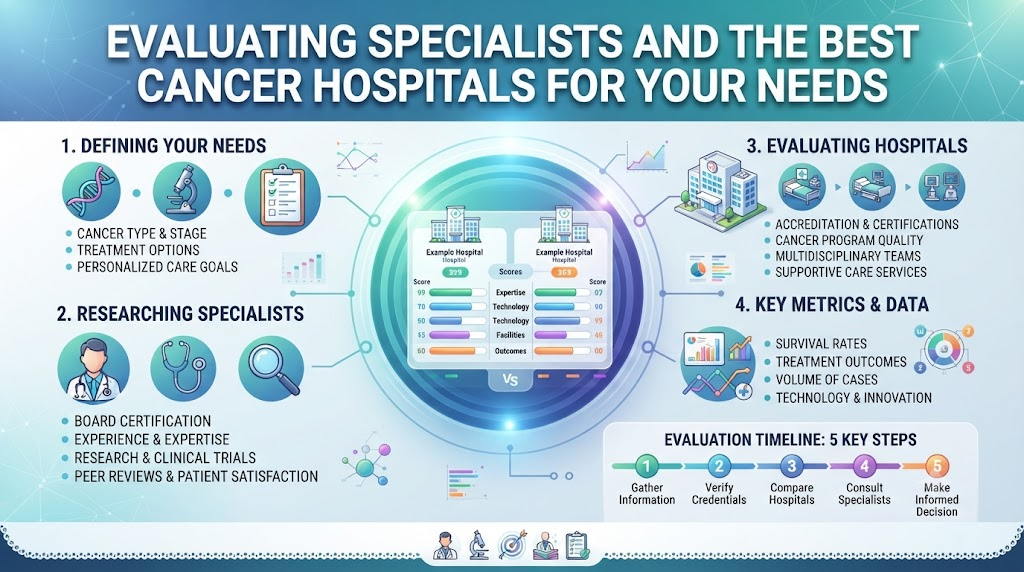
Key factors influencing hospital evaluation include:
- Access to sub-specialized surgical and medical oncologists.
- Availability of advanced technologies like precision radiation or molecular diagnostics.
- Robust multidisciplinary tumor boards.
- Patient safety standards and clinical track records.
Types of Cancer Treatment Hospitals and Oncology Centers
Understanding the different categories of healthcare facilities helps narrow down your search based on clinical needs.
- Comprehensive Cancer Centers: These facilities combine advanced clinical care with cutting-edge research and clinical trials, often leading the field in novel therapies.
- Oncology Hospitals: Specialized facilities dedicated strictly to cancer screening, diagnosis, treatment, and long-term surveillance.
- Multispecialty Hospitals with Oncology Departments: Large general hospitals containing dedicated cancer units, providing convenient access to non-oncology specialists for complex comorbidities.
- Academic Medical Centers: University-affiliated facilities where leading researchers and clinical professors manage complex cases and train future specialists.
- International Cancer Treatment Centers: Overseas facilities catering to international patients seeking specific therapies, shorter wait times, or potential cost efficiencies.
Cancer Treatments Available at Major Hospitals
Modern oncology relies on multimodal care. Depending on the pathology and stage, treatment plans may include:
- Cancer Surgery: Surgical removal of tumors, ranging from minimally invasive procedures to complex organ-sparing operations.
- Chemotherapy: Systemic medications designed to destroy rapidly dividing cancer cells throughout the body.
- Radiation Therapy: High-energy rays delivered via techniques like Intensity-Modulated Radiation Therapy (IMRT) or proton therapy to target localized tumors.
- Immunotherapy: Treatments that stimulate the patient’s immune system to recognize and combat malignant cells.
- Targeted Therapy: Precision drugs designed to block specific genetic mutations driving tumor growth.
- Supportive and Palliative Care: Specialized management aimed at relieving symptoms, managing treatment side effects, and improving quality of life at any stage of illness.
How to Choose the Right Cancer Hospital
Selecting a facility requires systematic evaluation across several operational and clinical areas.
Medical Expertise and Specialization
Verify whether the facility has dedicated experience with your specific tumor type. Rare cancers often require highly specialized expertise found primarily at high-volume centers.
Diagnostic and Treatment Facilities
Accurate staging depends on advanced tools such as PET-CT scans, multiparametric MRIs, molecular profiling, and specialized pathology labs. Ensure the facility maintains modern infrastructure.
Multidisciplinary Cancer Care
Effective care relies on tumor boards—regular meetings where surgical, medical, and radiation oncologists, alongside pathologists and radiologists, review individual cases collaboratively to design unified treatment plans.
Hospital Accreditation and Quality Standards
Look for recognized international or national accreditations, such as Joint Commission International (JCI), which validate safety protocols, clinical standards, and infection control procedures. For detailed cancer-specific guidelines, patients often consult resources from the National Cancer Institute.
Treatment Cost and Financial Planning
Request itemized cost estimates covering diagnostics, surgery, systemic therapy cycles, hospital stays, and potential emergency care. Clear financial planning helps avoid unexpected expenses.
Finding the Best Cancer Doctors
The quality of care depends directly on the treating medical team. When researching cancer specialists, evaluate:
- Sub-specialization: Physicians who focus exclusively on specific diseases (e.g., breast, thoracic, or hematologic malignancies) often stay more current with emerging therapies.
- Board Certification: Ensure the doctor holds recognized credentials from professional medical boards.
- Hospital Affiliations: Top physicians typically practice at accredited, high-volume centers equipped for complex care.
- Communication Style: Choose a doctor who explains diagnostic findings clearly, discusses risk-benefit profiles, and respects patient preferences.
Cancer Treatment Abroad and International Patients
Travelling abroad for care—often referred to as medical tourism—is common for patients seeking therapies unavailable locally or looking for alternative pricing options. Organizations like the World Health Organization emphasize the importance of verifying global health standards when seeking care across borders.
Key steps for cross-border care include:
- Securing complete digital copies of all local medical records, imaging, and biopsy slides.
- Verifying language translation and interpreter support at the destination hospital.
- Obtaining clear written cost estimates and understanding billing policies before travel.
- Planning for post-treatment recovery and long-distance follow-up care with local physicians.
Comparing Cancer Hospitals Before Making a Decision
Using a practical framework helps simplify comparisons between different facilities:
| Factor | What Patients Should Check |
| Cancer Specialization | Facility volume and specific experience with your cancer type |
| Medical Team | Presence of multidisciplinary tumor boards and board-certified oncologists |
| Diagnostics | Availability of modern imaging, pathology, and molecular testing |
| Treatment Options | Access to advanced surgical, radiation, and systemic therapies |
| Quality & Accreditation | Recognized credentials (e.g., JCI, national health accreditations) |
| Cost Transparency | Detailed estimates for treatment cycles and potential extra costs |
| Location & Logistics | Accessibility, travel requirements, and local support systems |
| Follow-up Care | Protocols for remote monitoring and coordinating with home physicians |
Importance of a Cancer Treatment Second Opinion
Seeking a second opinion is a standard and recommended practice in oncology. It helps confirm the initial diagnosis, review staging accuracy, and explore alternative treatment pathways.
A second opinion is particularly valuable when:
- The initial diagnosis is unclear or involves a rare cancer type.
- Proposed treatment involves major high-risk surgery or experimental therapies.
- Multiple valid treatment options are presented with differing trade-offs.
Always collect original pathology slides, radiology scans (on DICOM format discs), and complete lab reports to share with the consulting specialist.
Common Mistakes Patients Should Avoid
Navigating complex healthcare decisions can lead to common oversights:
- Relying Solely on Marketing Rankings: Online hospital lists do not substitute for evaluating a facility’s specific experience with your exact condition.
- Ignoring Total Costs: Focusing only on baseline surgical fees without factoring in medications, diagnostic re-evaluations, and potential hospital stay extensions.
- Delaying Urgent Treatment: Spending excessive time comparing facilities when immediate intervention is clinically recommended by treating oncologists.
- Overlooking Post-Treatment Continuity: Failing to establish a plan for follow-up monitoring once primary treatment concludes.
Frequently Asked Questions
1. How do I know which is the best cancer hospital for my specific diagnosis?
Look for facilities with specialized units, high patient volumes, and experienced sub-specialists who regularly treat your specific type and stage of cancer.
2. Is it necessary to go to a specialized cancer hospital for treatment?
While many general hospitals provide excellent oncology services, specialized cancer centers often offer broader access to novel clinical trials, advanced technology, and dedicated tumor boards.
3. What is a multidisciplinary tumor board?
A multidisciplinary tumor board is a team of different specialists—including surgeons, medical oncologists, radiation oncologists, and pathologists—who meet to review individual patient cases and jointly design treatment plans.
4. Should I get a second opinion before starting cancer treatment?
Yes, obtaining a second opinion is standard practice. It helps confirm the accuracy of your diagnosis, verifies the proposed treatment plan, and ensures you understand all available therapy options.
5. How can international patients arrange treatment at cancer hospitals abroad?
International patients should contact the hospital’s international patient service department to submit medical records, receive treatment estimates, coordinate medical visas, and arrange language translation services.
6. What factors impact the cost of care at cancer hospitals?
Costs vary based on cancer stage, required treatment modalities (such as surgery, radiation, or immunotherapy), duration of hospital stays, diagnostic testing needs, and geographic location.
7. How do I check the qualifications of cancer doctors at a hospital?
You can review a physician’s background by checking board certifications, academic appointments, professional association memberships, published research, and clinical experience listed on hospital portals or medical registries.
8. What diagnostic tests should I complete before choosing a hospital?
Common essential diagnostics include tissue biopsies, pathology reports, blood tests, and imaging scans (such as PET, CT, or MRI). Hospitals typically re-evaluate these records upon admission.
9. Can I access clinical trials at major cancer treatment hospitals?
Yes, major academic medical centers and comprehensive cancer centers frequently host clinical trials testing new drugs and novel treatment protocols. Discuss eligibility directly with your oncology team.
10. How important is hospital accreditation when selecting a facility?
Accreditation from recognized bodies ensures the hospital adheres to established standards for clinical safety, hygiene, patient rights, and quality management.
Conclusion
Choosing among the best cancer hospitals requires careful research, clear communication with medical professionals, and a clear understanding of your individual health needs. By evaluating physician expertise, diagnostic infrastructure, multidisciplinary care practices, and treatment costs, patients and families can make informed, confident choices about their care.Always consult directly with qualified healthcare providers, share complete medical histories, and discuss all available diagnostic and therapeutic options before making final treatment decisions.
Leave a Reply