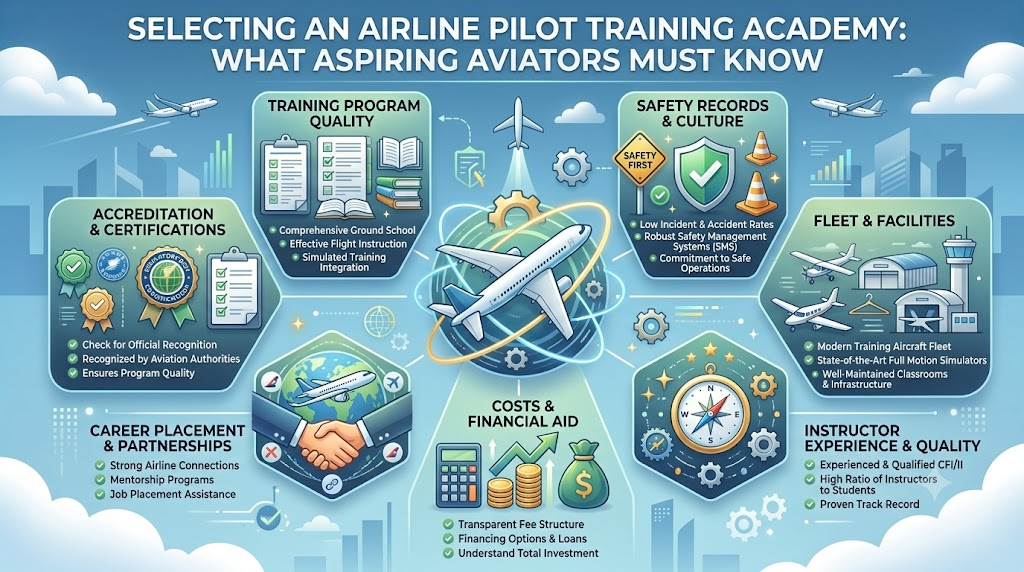
Pursuing a career in aviation is one of the most rewarding journeys a student can undertake, but it begins with a critical decision: choosing where to complete your flight training. Learning to fly requires a significant commitment of time, energy, and financial resources. Because flight schools vary widely in their training philosophies, fleet management, instructor experience, and regulatory frameworks, making an informed choice before enrolling is vital to setting yourself up for long-term success in the skies.Pilot education demands both rigorous theoretical preparation and structured practical instruction. Aspiring aviators must understand not only how to maneuver an aircraft, but also how complex weather systems, aviation regulations, aerodynamics, and human factors interlock during every phase of flight. Because no single BestPilotsSchool program fits every student’s individual background, schedule, or long-term career aspirations, thorough research is essential.
Understanding Pilot Training
Pilot training is a dual-track educational process that blends academic study with hands-on practice in the cockpit. Ground training provides the academic foundation, introducing students to meteorology, principles of flight, navigation, radio communication, aircraft systems, and air law. This theoretical knowledge is applied directly during practical flight lessons, where students transition from basic aircraft control and maneuver execution to advanced cross-country navigation, instrument flight operations, and emergency procedure management.
The journey from initial flight hours to a professional license is carefully regulated, yet execution varies depending on the country, aviation authority, and specific license target. National regulatory bodies oversee certification standards, syllabi approval, and flight testing, ensuring that safety protocols are consistently upheld. Understanding how classroom instruction, simulator training, and actual flight operations reinforce each other helps students navigate their training modules effectively, building confidence and technical competence step by step.
What Makes a Good Pilot School?
Identifying a quality environment for flight instruction requires looking beyond flashy marketing materials or slick promotional videos. The foundation of any reputable flight program is regulatory approval and adherence to strict safety management practices. Schools that prioritize a robust safety culture enforce proactive maintenance schedules, maintain open lines of communication between instructors and students, and consistently conduct standard operational pre-flight briefings.
Several key factors define high-caliber training facilities:
- Qualified and Experienced Instructors: Dedicated flight instructors who view teaching as a craft bring invaluable real-world experience, ensuring students build solid airmanship skills rather than just learning to pass tests.
- Well-Maintained Aircraft Fleet: A diverse and consistently maintained fleet minimizes modern training delays caused by mechanical issues while exposing students to different avionics and flight controls.
- Structured Ground School Programs: Comprehensive ground instruction ensures that theoretical knowledge keeps pace with practical flying, creating well-rounded, knowledgeable pilots.
- Advanced Training Tools: Access to qualified flight simulation devices allows students to practice procedures, system failures, and instrument approaches safely and cost-effectively.
- Transparent Fee Structures: Clear, itemized program costs prevent unexpected financial obstacles midway through training, allowing students to plan their budgets effectively.
Ultimately, finding the best pilot schools comes down to matching a training program’s specific strengths with your personal learning style, budget, and ultimate professional goals.
How to Compare the Best Flight Schools
When evaluating prospective flight programs, aspiring aviators should conduct systematic comparisons rather than relying on hearsay or unverified online chatter. Gathering structured data directly from training facilities, current students, and aviation regulatory databases provides an objective picture of how different academies operate daily.
Comparing flight training options effectively involves examining operational realities across several areas:
- Flight-Hour Availability and Scheduling: Assess how many students share each aircraft and instructor to determine whether training will proceed at a steady pace or suffer from frequent scheduling bottlenecks.
- Weather and Airport Operations: Look closely at local weather patterns and airspace congestion. Training in complex, multi-runway airspace provides valuable air traffic control experience, but frequent weather disruptions can lengthen total training timelines.
- Student Support and Learning Resources: Evaluate the availability of extra ground support, tutoring, progress tracking, and career mentoring provided throughout the course.
- Living and Accommodation Logistics: For students training away from home, proximity to housing, local transit, and daily living expenses play a major role in the overall training experience.
By evaluating these criteria side-by-side, prospective students can locate the best flight schools for their individual circumstances without relying on generic online rankings.
Understanding Commercial Pilot Training
Stepping up from recreational flying to professional aviation involves undergoing specialized commercial pilot training. This advanced phase of flight education shifts the focus from basic aircraft handling to professional discipline, operational efficiency, high-altitude navigation, and passenger safety standards. Commercial training prepares pilots to operate aircraft for compensation, requiring a much higher degree of precision and decision-making rigor.
During commercial pilot instruction, students deepen their knowledge of advanced aircraft systems, multi-engine operations, complex flight planning, and instrument flight rules. They learn to navigate challenging weather scenarios, handle simulated system malfunctions, execute precision approaches, and manage multi-crew environments. Because commercial standards demand consistent performance under varied operational conditions, students undergo rigorous practical flight examinations and knowledge evaluations administered by aviation regulators.
What to Look for in the Best Commercial Pilot Training Schools
Choosing where to complete commercial-level instruction requires evaluating how effectively a school bridge the gap between basic flying and professional operations. A strong commercial program focuses not just on technical flight maneuvers, but on developing professional judgment, situational awareness, and standardized operational procedures used throughout the aviation industry.
Key elements to evaluate in professional training environments include:
- Standardized Operational Procedures: Training that mirrors commercial industry practices builds professional discipline early in a pilot’s career.
- Multi-Engine and Instrument Capabilities: Availability of well-equipped multi-engine aircraft and advanced simulators enables uninterrupted progress through complex ratings.
- Comprehensive Progress Tracking: Structured performance reviews ensure students meet key milestones on schedule while identifying area improvements quickly.
- Experienced Commercial Mentors: Flight instructors with diverse industry backgrounds—such as corporate flying, charter operations, or regional transport—provide valuable career insights.
Selecting among the best commercial pilot training schools involves verifying that a program’s standards match the professional expectations of future aviation employers.
Choosing a Pilot Training Academy
Pilot training academies often offer structured, full-time programs designed to take students from little or no flying experience all the way to commercial qualifications. These integrated programs provide a continuous, immersive learning path that keeps academics and practical flight lessons closely aligned, which can streamline the entire learning process.
When researching a pilot training academy, prospective students should examine the continuity and organization of the syllabus. An organized curriculum ensures that concepts introduced during morning ground school are directly applied during afternoon flight sessions. Additionally, students should look into the ratio of instructors to students, ensuring individual attention is maintained throughout intense modules. Direct verification with local regulatory authorities remains essential to confirm that an academy maintains full accreditation and meets all legal operational standards.
How to Find the Best Flying Schools
Finding the right environment to begin flight training requires combining online research with direct, on-site evaluation whenever possible. While online directories and student forums offer initial insights, visiting a airfield in person provides firsthand perspective on how a school actually operates day-to-day.
Effective ways to research and evaluate potential training locations include:
- Visiting the Airfield and Facilities: Tour the hangar, ground classrooms, and dispatch areas to gauge aircraft cleanliness, maintenance standards, and general administrative organization.
- Observing Daily Flight Operations: Watch how aircraft are dispatched, pre-flighted, and inspected. A disciplined atmosphere reflects a strong, healthy safety culture.
- Speaking with Current Students and Instructors: Ask existing flight students about aircraft availability, instructor consistency, billing practices, and overall satisfaction.
- Evaluating Local Airspace Challenges: Consider the operational benefits of learning near controlled airspace, diverse terrain, and varying seasonal weather conditions.
Relying on direct observations alongside factual verification helps aspiring pilots zero in on the best flying schools for their initial flight training journey.
Understanding Commercial Pilot License Training
Completing commercial pilot license training represents a major milestone for any aviator aiming for a career in commercial aviation. This level of training signifies that a pilot has demonstrated the advanced knowledge, technical skill, and sound judgment required to operate aircraft safely under commercial flight rules.
The curriculum for commercial licensing combines advanced ground school topics—such as high-altitude aerodynamics, weight and balance calculations, advanced navigation systems, and commercial regulations—with intensive flight practice. Flight training covers commercial maneuvers, emergency procedures, complex navigation routes, and precision landings under strict tolerance standards. Because exact requirements, required flight hours, and medical certificates vary across national aviation authorities, students must verify the specific rules enforced by the regulatory body governing their intended jurisdiction.
Choosing an Airline Pilot Training Academy
For students whose long-term career ambition is flying for commercial air carriers, selecting an airline pilot training academy requires looking at how well a program incorporates multi-crew environments, high-altitude operations, and advanced system management into its syllabus.
Professional airline preparation often goes beyond basic flight training, incorporating subjects like:
- Crew Resource Management (CRM): Learning effective communication, workload distribution, and decision-making techniques within a multi-pilot flight deck.
- Advanced Simulator Integration: Gaining experience in modern flight training devices that replicate multi-engine jet performance, glass-cockpit avionics, and complex system failures.
- Standardized Checklist Discipline: Developing strict habits around checklist usage, standard callouts, and flight deck management modeled after major airline operations.
- Career Guidance and Professional Standards: Receiving instruction on interview preparation, resume development, and professional conduct within the aviation industry.
While no training academy can guarantee job placement—as hiring depends entirely on market conditions, individual performance, and airline needs—programs that emphasize airline-style discipline give students a strong foundation for future professional evaluations.
How to Evaluate the Best Aviation Academy for Pilot Training
Evaluating comprehensive aviation academies involves examining the full scope of facilities, fleet resources, educational technology, and administrative support provided to students. A top-tier academy integrates academic excellence with reliable, high-tempo flight operations.
Key areas to evaluate during your research process include:
- Fleet Size and Avionics Technology: Look for a modern fleet equipped with modern flight decks alongside traditional instruments, giving students experience across different technology standards.
- Dedicated Ground School Instructors: Academies employing specialized ground instructors alongside flight instructors often provide richer academic preparation for regulatory written exams.
- In-House Maintenance Support: On-site certified maintenance personnel and dedicated parts inventories help keep aircraft flying safely, minimizing unexpected maintenance downtime.
- Structured Assessment Schedules: Regular stage checks by chief flight instructors ensure student progress remains on track and technical standards are consistently met.
Identifying the best aviation academy for pilot training requires taking an objective, comprehensive look at how these operational elements come together to support your training timeline.
Comparing the Best Pilot Schools in the World
For students considering training overseas, comparing international flight schools adds extra variables to the decision-making process. Global training hubs often attract students due to favorable year-round flying weather, high fleet availability, or varied air traffic environments. However, international flight training requires careful administrative planning.
Important factors to weigh when researching overseas training options include:
- License Conversion Rules: Understand how a pilot license earned abroad converts to your home country’s aviation authority requirements, including additional written tests or practical checkrides.
- Visa and Legal Regulations: Verify student visa requirements, allowed lengths of stay, and permission to complete training modules legally within the host country.
- Total Living and Training Costs: Account for international currency exchange rates, local living expenses, health insurance, and travel costs alongside flight-hour fees.
- Language Proficiency Standards: Confirm that ground school and air traffic control communications are conducted in a language in which you hold high operational proficiency.
While international programs can provide fantastic exposure and rapid training progression, finding the best pilot schools in the world for your needs depends entirely on how seamlessly your earned qualifications transfer to your long-term career destination.
Important Factors to Consider Before Enrolling in Flight School
Before signing financial agreements or paying enrollment fees, aspiring aviators must conduct a thorough operational and financial review of their prospective training provider. Taking a careful, proactive approach prevents common surprises down the road.
Essential considerations to address prior to enrollment include:
- Detailed Fee Itemization: Request an itemized cost estimate that clearly breaks down dual instruction rates, solo aircraft rental, ground school tuition, simulator time, exam fees, and fuel surcharges.
- Payment Schedules and Refund Terms: Ensure you understand how tuition deposits are stored, how flight accounts are billed, and what cancellation or refund policies apply if training is interrupted.
- Medical Certification Verification: Complete the required aviation medical examination with an authorized medical examiner before committing funds to ensure you meet all health standards.
- Realistic Timeline Expectations: Understand that weather disruptions, routine aircraft maintenance, and individual learning rates can impact overall training duration and total cost.
Taking these precautions ensures you enter flight training with a clear budget, realistic schedule expectations, and complete transparency regarding your financial commitments.
Why Flight School Safety Matters
Safety is the absolute cornerstone of all aviation operations. A flight school’s overall commitment to safety directly impacts student well-being, training quality, and operational consistency. Evaluating a facility’s safety culture is just as important as reviewing its pricing or fleet size.
A strong safety culture is reflected in strict adherence to maintenance schedules, transparent hazard reporting mechanisms, and conservative weather dispatch limits. Instructors should consistently model disciplined pre-flight habits, proper engine warmup procedures, and thorough risk management assessments before every flight. Facilities that foster an environment where safety concerns can be raised without fear of reprisal build safer, more capable pilots who carry those professional habits throughout their careers.
Questions to Ask Before Choosing a Pilot School
When interviewing prospective flight training providers, coming prepared with direct, targeted questions helps cut through marketing fluff and reveal operational realities.
Consider asking representatives the following key questions:
- Which specific aviation authority regulates and certifies your training programs?
- What specific licenses, ratings, and endorsements can I complete at this facility?
- What is the size, age, and avionics configuration of your active training fleet?
- How are routine and unscheduled aircraft maintenance managed?
- What is the current student-to-instructor ratio across your flight modules?
- How are ground school classes delivered, and what study materials are provided?
- What additional fees—such as landing fees, exam fees, or administrative charges—are not included in the primary quote?
- What operational policies govern flight cancellations due to weather or maintenance?
- How does the school support students through progress checks or additional training if extra practice is needed?
Documenting answers from multiple facilities provides a clear, factual basis for comparing options side-by-side.
How to Prepare for Pilot Training
Preparing effectively before your first official ground lesson or introductory flight can make your transition into flight training smoother and more enjoyable. Early preparation builds confidence and helps you absorb complex technical information quickly.
Practical steps to take before starting flight school include:
- Obtain Your Aviation Medical Certificate: Complete your official medical assessment early to confirm eligibility before making financial commitments.
- Review Fundamental Concepts: Familiarize yourself with basic aerodynamics, flight controls, and aviation terminology through introductory aviation books or online introductory courses.
- Strengthen Communication Skills: Practice aviation English and radiotelephony basics, as clear communication is crucial for flight safety and controller interaction.
- Organize Your Study Habits: Establish a disciplined personal study routine, as flight training requires significant reading, rote memorization, and self-study outside class hours.
- Set Clear Financial and Personal Expectations: Plan your finances carefully, budget for contingency hours, and align your personal schedule to support consistent training momentum.
Arriving prepared demonstrates professional commitment and helps ensure every hour in the classroom or cockpit is used productively.
Common Mistakes to Avoid When Choosing a Flight School
Navigating flight school options can be overwhelming, and aspiring aviators sometimes fall into predictable traps during their decision-making process. Recognizing these pitfalls early helps protect your investment and education.
Common mistakes include:
- Selecting Solely on the Lowest Initial Price: Advertised minimum-hour packages rarely reflect the actual cost required for most students to reach proficiency.
- Relying Exclusively on Online Marketing or Rankings: Unverified web rankings and polished promotional videos often mask operational delays or high instructor turnover.
- Overlooking Aircraft Maintenance and Fleet Availability: Failing to verify fleet sizing can lead to long waiting periods between flights due to maintenance backlogs.
- Assuming Flight Hours and Timelines Are Guaranteed: Flight instruction relies on weather, student progress, and aircraft availability; rigid completion promises are unrealistic.
- Ignoring International License Conversion Rules: Training abroad without understanding conversion steps can result in expensive redundant training back home.
- Believing Guaranteed Airline Employment Claims: No flight school controls airline hiring practices, market cycles, or individual hiring board decisions.
Avoiding these common errors ensures your choice is based on objective facts, realistic expectations, and sound educational value.
How BestPilotsSchool Can Help Aspiring Pilots Research Their Options
Navigating the global landscape of aviation education can be challenging, given the sheer number of flight schools, licensing pathways, and regulatory systems worldwide. This is where dedicated research and comparison resources become invaluable for aspiring aviators.
BestPilotsSchool provides a centralized platform designed to simplify how prospective students research, filter, and evaluate aviation training options. By aggregating clear information on pilot schools, flight academies, commercial training modules, and international licensing pathways, the platform helps users explore institutions based on critical decision factors:
- Geographic Location and Airspace Environment: Filter options by country, region, or local operational conditions to find convenient learning environments.
- Training Programs and Ratings Offertories: Compare facilities based on whether they offer private pilot, multi-engine, instrument, commercial, or full career-track programs.
- Fleet and Facility Standards: Review details regarding aircraft types, simulator availability, and campus infrastructure.
- Career Path Alignment: Explore institutions that provide structured curricula matched to specific professional ambitions.
By using BestPilotsSchool as an independent research hub, aspiring pilots can gather structured data, contrast different operational approaches, and narrow down their choices efficiently before reaching out directly to schools for final verification.
The Future of Pilot Training
The aviation training industry continues to evolve, driven by technological innovations that enhance flight safety, training efficiency, and educational accessibility. Modern flight training integrates cutting-edge tools alongside traditional cockpit instruction.
Emerging trends transforming flight education include:
- Advanced Flight Simulation and VR: High-fidelity simulators and virtual reality platforms allow students to practice complex emergency maneuvers and system procedures with zero risk.
- Digital Ground Schools and Interactive Learning: Flexible online learning platforms provide high-quality ground instruction that students can complete at their own pace.
- Data-Driven Flight Analytics: Modern aircraft telemetry systems record flight parameters, allowing instructors to review flight paths, approach speeds, and maneuvers with students in detail during post-flight debriefings.
- Modernized Avionics and Flight Decks: Training fleets increasingly feature glass cockpits and digital engine monitors, preparing pilots for modern commercial flight decks early in their training.
While these technological advances improve learning efficiency and safety awareness, hands-on flight experience in real aircraft remains the indispensable core of professional pilot training.
Frequently Asked Questions About Pilot Schools and Flight Training
1.How Do I Choose the Best Pilot School?
Choosing the ideal flight school involves evaluating regulatory approval, instructor experience, fleet availability, maintenance standards, safety culture, cost transparency, and location against your individual career goals and budget.
2.What Should I Look for in the Best Flight Schools?
Look for a well-maintained aircraft fleet, clear safety procedures, experienced flight instructors, structured ground school programs, access to qualified simulators, and transparent pricing without hidden fees.
3.How Long Does Commercial Pilot Training Take?
Training duration varies widely depending on whether you train full-time or part-time, weather conditions, aircraft availability, student learning pace, and specific national licensing hour requirements.
4.What Is Included in Commercial Pilot Training?
Commercial training includes advanced ground instruction in navigation, meteorology, systems, and regulations, combined with practical flight modules covering complex maneuvers, multi-engine operations, instrument navigation, and cross-country flight management.
5.How Much Does Commercial Pilot License Training Cost?
Total costs depend on the country, school rates, aircraft types used, total flight hours required to achieve proficiency, ground school tuition, exam fees, and local living expenses.
6.How Do I Choose an Airline Pilot Training Academy?
Evaluate an academy’s regulatory recognition, structured full-time curriculum, availability of multi-engine and instrument simulators, focus on crew resource management, and alignment with modern professional standards.
7.Are the Best Pilot Schools in the World Always the Best Choice for Every Student?
Not necessarily. A top-rated school overseas may present visa, cost, or complex license-conversion challenges, making a well-regulated local flight school a more practical choice for many students.
8.Do I Need a Medical Certificate Before Starting Pilot Training?
Yes, obtaining an official aviation medical certificate from an authorized medical examiner before starting training is strongly recommended to ensure you meet all health standards required for your target license.
9.Can I Become a Commercial Pilot Without Previous Flying Experience?
Yes, many structured ab-initio flight training programs are specifically designed for beginners with zero prior flying experience, taking them step-by-step through private and commercial ratings.
10.Can BestPilotsSchool Help Me Research Pilot Training Options?
BestPilotsSchool serves as a research platform where aspiring pilots can explore, filter, and compare flight schools, training academies, programs, and locations based on their individual learning needs and career aspirations.
Conclusion
Selecting the right flight school is one of the most consequential decisions you will make on your path to becoming a professional aviator. By approaching the research process systematically—evaluating regulatory approvals, safety management practices, instructor qualifications, fleet reliability, and transparent pricing—you protect your financial investment while building a strong foundation for your aviation career.Because every aspiring pilot brings unique needs, budgets, and career timelines to the table, taking time to gather factual information from multiple sources is crucial. Prospective students should verify regulatory details, visit airfields in person when possible, speak with current instructors and trainees, and ask direct questions regarding training schedules and operational costs.
Leave a Reply