Introduction
Preventing obesity can support long-term health. Healthy habits can also lower some health risks. But prevention is not about quick diets. It is about small habits that can last. Food choices, daily movement, sleep, and stress all matter. Regular health checks can also support better health. Many factors can affect body weight and disease risk. These include genes, medicines, health conditions, and social factors. So, body size alone does not show health. MyDoctorsNow.com can help people explore health care.
What Is Obesity?
Obesity means having excess body fat. It may affect health in some people. However, body weight has many influences. Food habits are only one part. Physical activity can also affect body weight. Sleep and stress may affect eating habits. Genes can also play a role. Some medicines and health conditions matter too. The environment can shape daily food choices. Work, family, money, and food access also matter. So, obesity is not only about willpower. Kind and supportive care is important for everyone.
Why Obesity Prevention Matters
Obesity can raise the risk of some diseases. These risks can differ from person to person. Type 2 diabetes is one related health problem. High blood pressure may also be linked. Heart disease risk may also increase. Stroke risk can involve several factors too. Some people may have sleep problems. Extra body weight can also affect joints. Obesity is also linked with some cancers. But obesity does not always cause disease. Many health factors work together. Healthy habits may help lower some risks.
Healthy Eating Habits for Obesity Prevention
Healthy eating does not mean strict dieting. It means making balanced food choices often. Try adding more vegetables to meals. Fruits can also provide useful nutrients and fiber. Whole grains can support a balanced diet. Beans and lentils provide fiber and protein. Nuts and seeds can add healthy fats. Protein foods can help create balanced meals. Try to limit highly processed foods. Also, limit sugary drinks when possible. Portion awareness can support balanced eating. Regular meals may also support healthy routines.
Why Fiber Can Help
Fiber is found in many plant foods. Fruits and vegetables contain useful fiber. Beans and lentils are also good sources. Whole grains can provide fiber as well. Nuts and seeds may also contain fiber. Fiber can help people feel full longer. It also supports normal digestion. Still, fiber alone cannot prevent obesity. A balanced diet includes many food types. So, focus on overall food quality. Small food changes can become healthy habits. There is no need for extreme food rules.
Sugary Drinks and Obesity Risk
Sugary drinks can contain a lot of sugar. They include soft drinks and sweetened juices. Energy drinks may also contain added sugar. Sweetened tea and coffee can add sugar too. These drinks can add sugar without much fullness. Water can be a simple everyday choice. Unsweetened drinks may also fit healthy routines. You do not need to avoid every sweet drink. The goal is balance, not strict rules. Small changes can support healthy eating habits.
Physical Activity and Obesity Prevention
Regular movement supports overall health. It can also support healthy weight management. Movement does not need a gym. Walking is one simple activity option. Cycling can also help people stay active. Dancing can make movement more enjoyable. Sports and outdoor play can build activity habits. Household tasks can involve movement too. Active hobbies can make movement feel natural. The best activity often feels realistic. Try to avoid long periods without movement. Daily movement can support a healthy lifestyle.
Reduce Long Periods of Sitting
Modern life can involve lots of sitting. Desk work may keep people seated for hours. Television and gaming can add more sitting. Phone use can also reduce daily movement. Long travel can create the same problem. Regular movement breaks can help. Standing and walking can add simple activity. Small movement choices can fit busy days. These simple changes can support physical activity. They can also make daily routines more active.
Healthy Sleep and Obesity Prevention
Sleep supports many parts of good health. Poor sleep can affect hunger and energy. It may also affect mood and food choices. Low energy can make movement harder. A regular sleep routine can support better habits. Try to keep sleep times fairly steady. Good sleep alone cannot prevent obesity. But it can support other healthy habits. Healthy sleep can also support daily focus. Rest can make healthy routines easier to follow.
Stress and Emotional Eating
Stress can change how people eat. Some people may eat more during stress. Others may skip meals or eat less. These changes can affect daily food habits. Stress care can support healthier routines. Walking can provide a simple break. Hobbies can also help people relax. Talking with trusted people may also help. Some people may need professional support. A qualified professional can discuss ongoing concerns. There is no need for shame. Healthy change can happen step by step.
Healthy Habits for Children
Children learn many habits from family life. Family meals can support balanced food choices. Active play can also support healthy routines. Outdoor time can make movement enjoyable. Healthy drinks can be offered at home. Regular sleep can support growing children. Food should not become a source of shame. Children should not follow restrictive diets alone. Childhood obesity prevention should focus on health. Parents can seek professional advice when needed. Positive food language can support healthy habits.
Healthy Habits for Adults
Adults can build healthy habits slowly. Meal planning can make food choices easier. Keeping healthy foods nearby can also help. Daily movement can fit into busy routines. Good sleep can support energy and mood. Stress care can support better daily choices. Regular health visits can also help. Consistency matters more than being perfect. One difficult day does not erase progress. Healthy routines can grow through small steps.
Obesity Prevention and Related Diseases
Healthy habits may help lower some health risks. They cannot guarantee protection from disease. Many factors can affect disease risk. Still, healthy routines support overall health.
Type 2 Diabetes
Obesity can raise the risk of diabetes. Healthy eating and movement may support health. Blood sugar checks may help find risks early. A doctor can decide which checks are suitable.
High Blood Pressure
Obesity can raise blood pressure risk. Healthy habits can support heart health. Regular health checks can help spot concerns. A doctor can guide needed care.
Heart Disease
Heart disease has many risk factors. These can include blood pressure and diabetes. Smoking can also raise heart disease risk. Healthy habits may support heart health.
Stroke
Stroke risk can involve several factors. High blood pressure is one important factor. Diabetes and smoking can also raise risk. Obesity may add another risk factor.
Joint Problems
Extra body weight can stress some joints. This may affect comfort and movement. Regular movement can support joint health. A doctor can help with ongoing concerns.
Sleep Problems
Obesity can be linked with some sleep disorders. Poor sleep can also affect daily health. Talk with a doctor about ongoing sleep problems. Proper care depends on each person’s needs.
Regular Health Checkups
Health checks can help identify some risks early. They can include blood pressure checks. Blood sugar and cholesterol may also be checked. Weight-related health measures may also be reviewed. Not everyone needs the same tests. A doctor can decide what checks fit. Regular visits support preventive healthcare. They can also support healthy weight management. Health checks can help people discuss concerns early.
When to Talk to a Doctor
Professional support can help with health concerns. Talk with a doctor about unexplained weight changes. Ongoing tiredness may also need attention. High blood pressure should receive medical care. High blood sugar also needs proper review. Sleep problems can affect daily health. Ongoing joint pain may need assessment. Trouble changing eating habits can feel difficult. You can also discuss weight concerns safely. A doctor can review your overall health. MyDoctorsNow.com can help people explore doctor support. Online consultation may also suit some people.
Role of a Dietitian or Nutritionist
Dietitians and nutritionists can support food choices. They can explain balanced meal choices. They can also discuss portion awareness. Healthy routines may be easier with guidance. Nutrition needs can differ between people. So, general advice may not fit everyone. A professional can consider personal health needs. This support does not require extreme dieting. It can also help people understand healthy eating habits.
Medicines and Health Conditions
Some medicines can affect body weight. Some health conditions may also affect weight. This does not mean someone caused the change. Health needs can be complex. Never stop prescribed medicine because of weight concerns. Talk with a qualified healthcare professional first. They can review your concerns safely. Do not change treatment without medical advice. Your doctor can explain safe next steps.
Simple Healthy Habit Comparison
| Healthy Habit | Simple Example | Possible Health Benefit |
|---|---|---|
| Balanced eating | Add vegetables and whole foods | Supports healthy nutrition |
| Daily movement | Walk or stay active | Supports fitness |
| Good sleep | Keep a regular sleep routine | Supports energy and health |
| Stress care | Use healthy ways to relax | Supports healthy routines |
| Regular checkups | Talk with a doctor | Helps identify health risks |
Common Obesity Prevention Mistakes
Extreme diets can be hard to maintain. Skipping meals may also create poor routines. Social media trends can give unsafe advice. Unproven weight-loss products can also mislead people. Focusing only on the scale can be unhelpful. Health includes many things beyond body weight. Fast results should not become the main goal. Professional support can help when needed. One setback does not mean failure. Healthy change takes time and patience. Small steps can still matter. Kind habits are easier to maintain.
Why Small Changes Matter
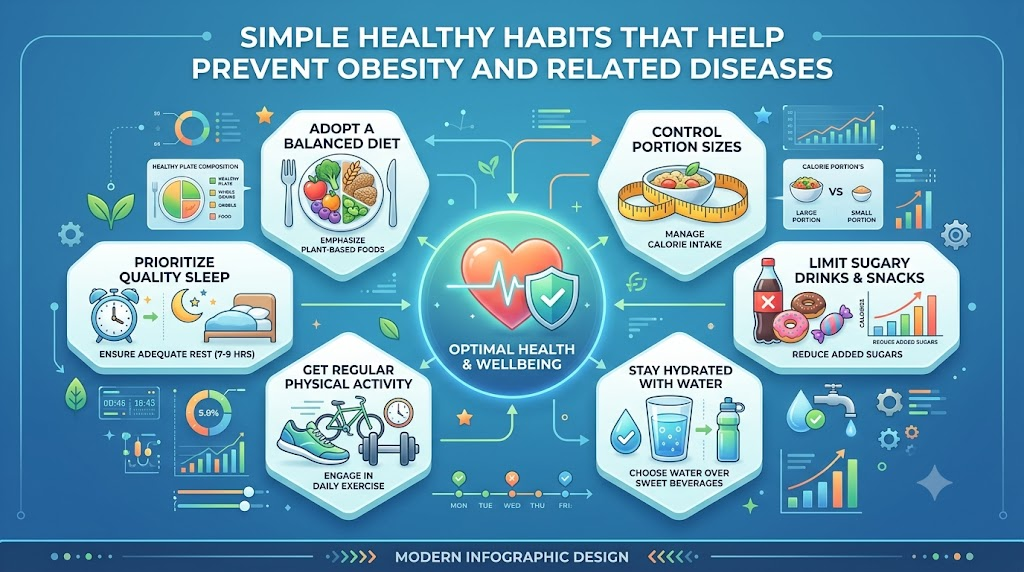
People do not need to change everything. Start with one small healthy habit. Drink more water during the day. Add more vegetables to regular meals. Walk more often when possible. Reduce sugary drinks over time. Keep a regular sleep routine. Use healthy ways to manage stress. These habits do not guarantee weight loss. They can support better overall health. The goal is long-term healthy living. Consistency can matter more than perfection.
How MyDoctorsNow.com Can Help
MyDoctorsNow.com can support health care discovery. People can explore different medical specialties. They can also find doctors for consultations. Online doctor consultations may offer added convenience. The platform can support preventive health needs. People can explore nutrition-related medical support too. Relevant specialists may include dietitians and nutritionists. Endocrinologists and diabetologists may also be relevant. General physicians can support wider health concerns. People can ask questions about their health needs. The right doctor depends on each person’s situation. No platform can promise a specific health result.
Educational Example
A person wants to improve their health. They begin with a few small changes. They add more whole foods to meals. They also move more often each day. They keep a regular sleep routine too. They speak with a doctor about health risks. The doctor reviews their overall health needs. The next steps depend on those findings. This example shows why small changes matter.
Frequently Asked Questions
1. What is obesity prevention?
Obesity prevention means supporting healthy daily habits. It includes food, movement, sleep, and stress care. Regular health checks can also support prevention.
2. Can healthy eating help prevent obesity?
Healthy eating can support healthy weight management. Choose balanced meals with varied whole foods. Avoid extreme diets or strict food rules.
3. Does regular physical activity help with weight management?
Regular movement supports fitness and overall health. Walking, cycling, dancing, and sports can help. Movement does not need to happen in gyms.
4. Can poor sleep affect obesity risk?
Poor sleep can affect hunger and energy. It may also affect food choices and activity. Good sleep supports healthy daily routines.
5. How can sugary drinks affect healthy habits?
Sugary drinks can add a lot of sugar. Water can be a simple everyday choice. Balance matters more than strict avoidance.
6. Can stress affect eating habits?
Yes, stress can change eating patterns. Some people may eat more during stress. Healthy stress care can support better routines.
7. What diseases are linked with obesity?
Obesity can raise risks for some diseases. These include diabetes, heart disease, and high blood pressure. Sleep and joint problems may also occur.
8. Can children learn healthy obesity prevention habits?
Yes, families can build healthy routines together. Focus on balanced meals and active play. Avoid weight-shaming or restrictive diets.
9. When should I talk to a doctor about weight concerns?
Talk with a doctor when concerns continue. You can discuss weight, sleep, blood pressure, or tiredness. A doctor can review your overall health.
10. Can a dietitian help with healthy weight management?
A dietitian can explain balanced food choices. They can also discuss meal balance and routines. Their advice can reflect individual health needs.
Final Thoughts
Obesity prevention is about long-term health. Small habits can support a healthier lifestyle. Balanced food choices can support good nutrition. Regular movement can support fitness and health. Good sleep can support daily energy. Stress care can support healthy routines. Regular checkups can help identify health risks. Every person’s health needs can be different. There is no single path for everyone. Kind, realistic changes can support lasting habits. MyDoctorsNow.com can help people explore health care. Professional support can help when personal guidance is needed.
Leave a Reply