Introduction
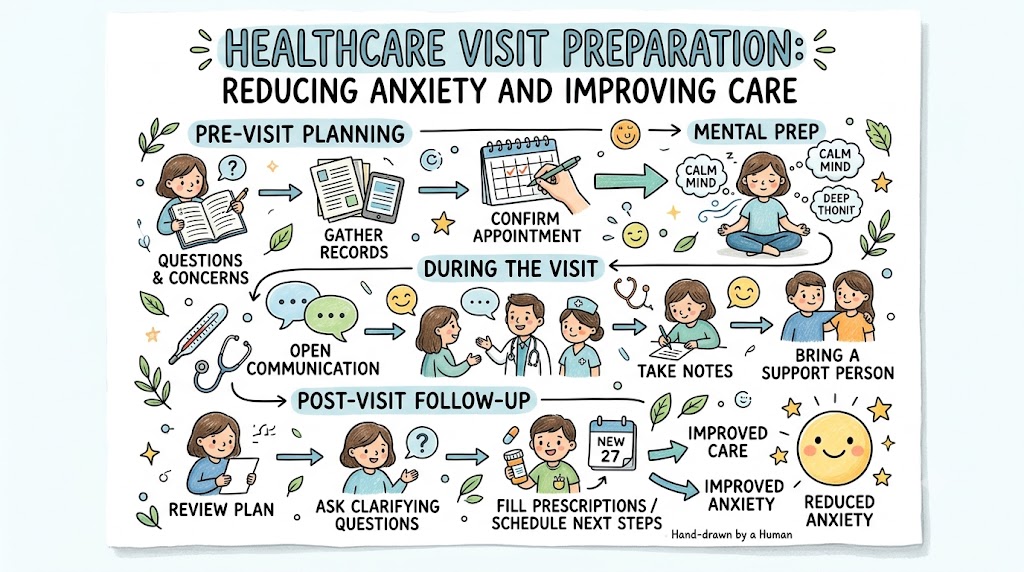
Walking into a doctor’s office for the first time can feel like walking into a labyrinth. There is the registration paperwork, the waiting room atmosphere, and the inevitable anxiety of meeting a new medical professional who will be responsible for your wellbeing. It is completely normal to feel nervous. In fact, most people experience a spike in heart rate or a sense of unease when they step through those doors, simply because the medical environment represents the unknown.
Resources like Mydoctorsnow exist to support this partnership. We believe that informed patients have better outcomes, fewer diagnostic errors, and a higher level of satisfaction with their care. This guide is designed to serve as your roadmap through every stage of your first medical consultation.
Why Preparation Matters Before a Doctor Visit
Many patients approach a doctor’s appointment with the mindset of a student going to see a teacher. They sit quietly, wait to be asked questions, and hope they remember everything important before the appointment ends. This approach often leads to missed information and vague advice.
Preparation matters because it shifts the dynamic of the consultation. It turns a one-way communication into a shared decision-making process. When you arrive with a clear summary of your health, your doctor can spend less time chasing down historical data and more time focusing on your current needs and long-term wellness.
Effective preparation also reduces the “white coat anxiety” that often causes patients to blank out on details. By having a written checklist, you don’t have to rely on memory. You rely on your notes, which keeps you calm and ensures that no concern—no matter how small—goes unaddressed.
Table 1: Benefits of Preparing for a Doctor Visit
| Benefit | Why It Matters |
| Better Communication | Ensures the doctor hears all your concerns accurately. |
| Faster Diagnosis | Allows the physician to connect the dots quickly. |
| Reduced Anxiety | Eliminates the stress of trying to remember details. |
| Better Treatment Planning | Leads to personalized plans that fit your lifestyle. |
| Stronger Relationship | Builds trust and rapport between you and your care team. |
Gathering Important Health Information
The backbone of a successful medical visit is your medical history. If you are starting with a new doctor, they won’t have access to your subconscious memory—they need hard facts.
Personal Medical History
Start by creating a simple timeline of your major health events. Include past surgeries, hospitalizations, and chronic conditions like asthma, diabetes, or hypertension. If you have been treated for something, note the dates and the outcome.
Family Medical History
Many conditions, from heart disease to certain cancers and autoimmune disorders, have genetic links. Ask your parents or siblings about any major diagnoses in the family. Knowing that your father had high blood pressure or your mother had thyroid issues is vital context for your new doctor.
Allergies and Vaccinations
Never guess about allergies. If you have had a reaction to a medication, food, or environmental trigger, write down exactly what happened. Keeping a copy of your immunization records is also a great way to ensure you don’t receive redundant vaccines.
Preparing a Medication List
One of the most frequent errors in healthcare is the “medication gap,” where a patient forgets to mention a supplement or an over-the-counter pill that interacts with a new prescription.
Bring a list that is comprehensive. This includes every prescription medication, every vitamin, every mineral supplement (like iron or B12), and any herbal teas or remedies you take regularly. Doctors aren’t judging you for what you take; they need to know for safety.
Table 2: Medication Preparation Checklist
| Information | Example |
| Medication Name | Lisinopril |
| Dosage | 10 mg |
| Frequency | Once daily, in the morning |
| Reason | High blood pressure control |
| Side Effects | Occasional dry cough |
What to Bring to Your First Appointment
Being physically organized is the first step to feeling mentally organized. Here is your “go-bag” for your new patient visit:
- Identification: A government-issued ID is standard for registration.
- Insurance Cards: Carry physical copies or clear digital images of both the front and back of your insurance cards.
- Referrals and Medical Records: If you have moved from another clinic, try to have your previous files transferred. If not, bring paper copies or USB drives containing your latest test results (like blood work or imaging).
- Personal Notes: A physical notebook or a digital document with your medication list and prepared questions.
- A Supportive Companion: If you are nervous, bring a family member or friend. They can act as an extra pair of ears to hear what the doctor says, especially if you get overwhelmed.
How to Describe Your Symptoms Effectively
Doctors often use the “OPQRST” method to categorize symptoms, and you can use this to prepare your description:
- Onset: When did it start? (Be specific—not just “a while ago”).
- Provocation: What makes it better or worse? (e.g., “Walking makes it worse, sitting makes it better”).
- Quality: What does it feel like? (Sharp, dull, burning, aching?).
- Radiation: Does the pain move anywhere else?
- Severity: On a scale of 1 to 10.
- Time: Is it constant or intermittent?
Table 3: Symptom Tracking Guide
| Question | Example Answer |
| When did it start? | Two weeks ago |
| How often? | Daily, usually in the evening |
| Severity? | Moderate (4/10) |
| Trigger? | After eating spicy meals |
| Relief? | Resting or drinking water |
Questions to Ask Your Doctor
Don’t leave your questions until you are standing at the door to leave. Write them down. Common examples include:
- “What is the most likely cause of my symptoms?”
- “What tests do you recommend, and why?”
- “Are there lifestyle changes I should start before we consider medication?”
- “What are the common side effects of this new treatment?”
- “How will I know if the treatment is working?”
- “When should I call you back if things don’t get better?”
What Happens During a First Doctor Visit?
The first visit is usually a “getting to know you” session. It typically follows this flow:
- Registration: Updating forms, insurance, and contact info.
- Nursing Triage: A nurse or assistant will take your vitals (blood pressure, temperature, heart rate, weight).
- Medical History: The doctor will go over your background, often clarifying points from the forms you filled out.
- Physical Exam: A non-invasive examination of your ears, throat, lungs, heart, and abdomen.
- Plan Discussion: The doctor will summarize findings and propose a path forward.
Common Tests and Examinations
Do not be surprised if a first visit includes routine screening. It’s part of establishing a baseline.
Table 4: Common First Visit Tests
| Test | Purpose |
| Blood Pressure | Evaluation for hypertension |
| Blood Tests | Screening for cholesterol, sugar, and anemia |
| Urine Test | Quick check for kidney function or infection |
| BMI Calculation | Assessment of weight-related health risks |
| Physical Assessment | Evaluating reflexes, lymph nodes, and skin |
Managing Anxiety Before Your Appointment
If you feel anxious, acknowledge it. Tell your doctor, “I’m a bit nervous because this is my first time here.” Doctors are human, and admitting this can actually build rapport. Practice deep breathing, focus on your prepared notes, and remind yourself that the doctor is there to help, not to judge.
Follow-Up Care and Next Steps
The visit doesn’t end when you leave the room. Ask how you will receive your test results (through a portal? a phone call?). Schedule your next follow-up before leaving the office to ensure you stay on track, especially if you have a chronic condition.
Building a Long-Term Doctor-Patient Relationship
Health is a journey. By being consistent with the same doctor, you allow them to track your subtle changes over the years. Honesty is the foundation of this relationship. If you don’t understand a medical term, ask. If you don’t think you can adhere to a specific treatment plan, say so. Shared decision-making is the hallmark of modern, high-quality care.
Real-Life Patient Stories
- The Preventive Win: A 40-year-old patient who was diligent about her first physical was found to have early-stage thyroid issues. Because she brought her family history of thyroid disease to the visit, the doctor knew exactly what to screen for.
- The Chronic Care Journey: An elderly patient felt overwhelmed by his three different medications. By bringing the list to his new doctor, he was able to consolidate his regimen and improve his energy levels significantly.
FAQs
- What should I bring?
ID, insurance, medication list, and a list of questions. - How early should I arrive?
15–20 minutes early for paperwork. - What questions should I ask?
Ask about your diagnosis, treatment options, and warnings. - How do I describe symptoms?
Be specific about time, triggers, and severity. - Should I bring medications?
Bring the list, or bring the actual bottles if you prefer. - What happens during the exam?
Vitals check, physical review, and conversation. - Can I bring a family member?
Yes, it is often helpful. - What if I forget details?
That is why you should write everything down! - Are medical records necessary?
Yes, they provide essential context. - What tests might be ordered? Standard labs like blood sugar and cholesterol.
- How can I reduce anxiety?
Preparation is the best anxiety-killer. - What should I wear?
Comfortable clothing that is easy to remove if needed. - How long does it take?
Usually 30–60 minutes. - What happens after?
You get a plan, a follow-up, and clear next steps. - How often should I see a doctor?
Once a year for a physical, or as advised.
Final Conclusion
Preparing for your first doctor visit is an investment in yourself. It transforms a potentially daunting experience into a productive, collaborative medical consultation that sets the tone for your long-term health. By arriving with your medical history, your medication list, and a set of thoughtful questions, you are doing more than just showing up—you are taking the lead in your own wellness journey.
Remember, your doctor is your partner. They are there to listen, to guide, and to treat. The more accurate the information you provide, the better the care you will receive. If you are feeling overwhelmed, remember that MyDoctorsNow is here to support you with resources that make navigating the healthcare system easier and more intuitive.
Leave a Reply