Introduction
Finding the best free blogging platform for writers can often feel surprisingly complicated. Today’s digital web is filled with cluttered social media feeds, noisy ad networks, and overly complex content management systems that demand endless plugin updates, custom code, and complex server settings.In this comprehensive guide, we will explore why long-form publishing remains vital in today’s internet ecosystem, what features define a modern community blogging platform, and how platforms like BlogAion empower storytellers, educators, and researchers to share their voices effortlessly.
Why Blogging Still Matters
In an era dominated by short-form videos and algorithmic social media feeds, it is fair to ask: Is blogging still relevant?
The answer is an overwhelming yes. While social media platforms offer fast interactions, long-form publishing provides depth, authority, and permanence. Blogging remains the cornerstone of personal branding, professional credibility, and organic search discoverability.
+-------------------------------------------------------------------+
|                     THE VALUE OF BLOGGING                         |
+-------------------------------------------------------------------+
|  [ Content Ownership ] ---> Permanent digital home you control     |
|  [ Evergreen SEO ]     ---> Articles rank & gain traffic for years|
|  [ Deep Credibility ]  ---> Space for nuanced, original ideas     |
|  [ Audience Trust ]    ---> Direct connection without feed noise  |
+-------------------------------------------------------------------+
Content Ownership vs. Rented Audiences
When you post exclusively on social media, you build your audience on rented digital land. Algorithms shift overnight, organic reach fluctuates, and your past posts quickly vanish into an endless feed. A dedicated personal blog platform gives you complete ownership over your intellectual property and a permanent archive of your work.
Long-Term SEO Discoverability
Social posts typically have a lifespan of a few hours or days. In contrast, an article published on a high-performing blog publishing platform continues to attract search traffic for months—or even years—after publication. A well-written article targeting real search intent acts as an evergreen digital asset.
Building Deep Thought Leadership
Short captions cannot replace thoughtful, structured arguments. A long-form writing platform allows experts, researchers, and storytellers to explain complex subjects, present nuanced arguments, and showcase true subject matter expertise (E-E-A-T).
What Makes a Great Blogging Platform?
Not all publishing channels are created equal. When evaluating a free blog hosting for writers, consider these essential elements:
- Intuitive, Distraction-Free Writing Environment: The core workspace should focus entirely on your words, eliminating cluttered toolbars and unnecessary popups.
- Built-In SEO Architecture: Proper HTML heading structures (
H1,H2,H3), fast page load speeds, clean URL slugs, and semantic metadata capabilities should work right out of the box. - Personal Subdomains: A dedicated address (e.g.,
yourname.blogaion.com) gives your project an instant, professional web presence. - Zero-Code Publishing: You shouldn’t need custom CSS, complex server setups, or plugin maintenance just to hit “Publish.”
- Responsive & Accessible Design: Your content must render cleanly on mobile phones, tablets, and desktop displays without layout issues.
Blog vs Social Media
To understand why serious content creators maintain a personal site alongside social media channels, let’s examine how the two mediums compare across key categories.
| Feature | Personal Blog | Social Media |
| Content Ownership | Full Ownership (Permanent digital record) | Platform Owned (Subject to sudden policy changes) |
| SEO Visibility | High (Ranked by search engines long-term) | Low to None (Indexed poorly; short post lifespan) |
| Long-Term Value | Compounding (Traffic increases over time) | Ephemeral (Post relevance drops within 24–48 hours) |
| Branding | Custom & Professional (Unique subdomain & identity) | Uniform (Constrained by identical profile layouts) |
| Searchability | Organized & Searchable (Categories, search tags, URLs) | Difficult (Hidden behind infinite scrolling feeds) |
Key Features of Modern Digital Publishing Platforms
Modern publishing demands a balance between technical efficiency and design simplicity. An independent blogging platform must balance lightweight code with features that help creators publish, manage, and scale their content smoothly.
                      +------------------------+
                      | Modern Publishing Hub  |
                      +-----------+------------+
                                  |
         +------------------------+------------------------+
         |                        |                        |
+--------v-------+       +--------v-------+       +--------v-------+
| Minimalist UI  |       | Global Network |       | Built-in SEO   |
| Clean Editor   |       | Multi-Author   |       | Clean Markup   |
| Zero Clutter   |       | Community Hub  |       | Fast Rendering |
+----------------+       +----------------+       +----------------+
Minimalist Editor & Workflow
A calm writing platform eliminates unnecessary features so you can focus entirely on writing. Clean typography, simple Markdown formatting support, and distraction-free layouts make writing feel natural and intuitive.
Fast Performance and Instant Hosting
Page loading speed directly impacts user retention and search engine rankings. A simple blogging platform handles global hosting, caching, and server performance automatically, keeping page speed fast without extra configuration.
Custom Subdomains for Identity
Setting up a free blog with personal subdomain gives your work a distinct, professional address. It builds brand recognition without requiring upfront domain purchases or technical DNS routing setup.
Personal Branding Through Blogging
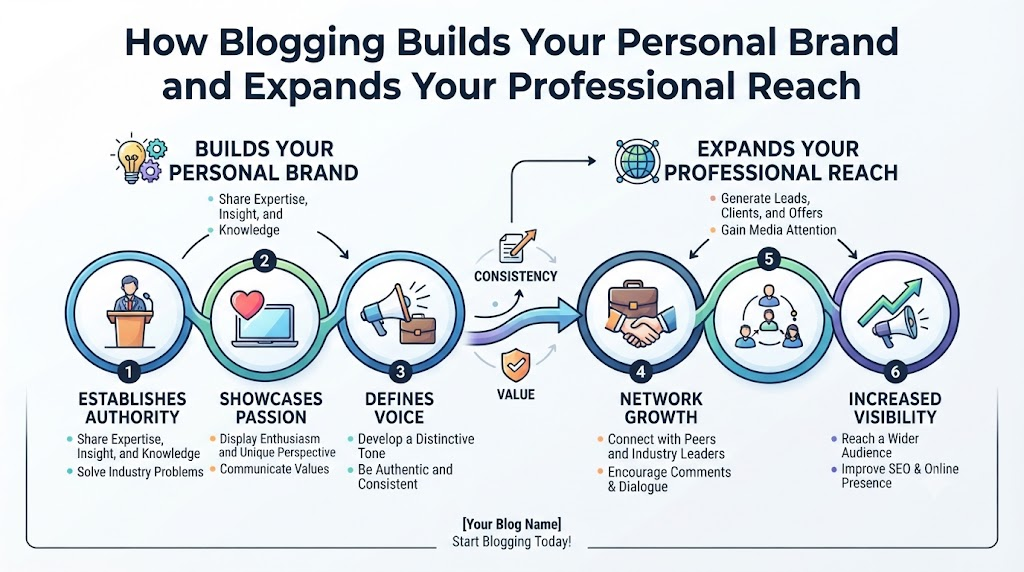
A structured blog acts as your primary online home. Whether you are writing fiction, sharing professional insights, or publishing research notes, maintaining a dedicated blog strengthens your personal brand across industries:
- Freelancers & Consultants: Share case studies, industry analysis, and client solutions to attract potential partners.
- Educators & Researchers: Turn complex technical subjects into clear, accessible guides for a global audience.
- Creative Writers & Storytellers: Build a personal audience, test narrative arcs, and publish creative stories in a clean visual format.
- Students & Job Seekers: Showcase project experience, documented learning, and active writing samples to stand out to employers.
Multi-Author & Community Publishing
While individual blogs offer a personal digital footprint, many projects thrive through collaboration. A modern multi-author blogging platform lets teams, publication groups, and online writer communities collaborate under a shared publication identity.
- Academic & Student Groups: Publish research papers, campus articles, and study guides collaboratively.
- Niche Communities: Bring together independent voices to run specialized digital magazines.
- Creative Collectives: Launch shared story collections, anthology projects, and collaborative publications under a single hub.
Working on a collaborative blogging platform expands reader reach by combining the audiences of multiple authors into one shared platform.
Traditional Blogging vs. BlogAion
Setting up a traditional self-hosted blog often involves navigating technical barriers like server hosting, domain configuration, and ongoing plugin management. Here is how that traditional approach compares to publishing on BlogAion.
| Feature | Traditional Blog Setup | BlogAion |
| Hosting Setup | Manual configuration, monthly hosting fees | Free, managed cloud publishing |
| Coding Required | Often requires HTML/CSS/PHP troubleshooting | Zero coding required |
| Maintenance | Regular plugin updates, security monitoring | Fully managed platform maintenance |
| Personal Subdomain | Complex DNS & domain pointing steps | Instant personal subdomain included |
| Multi-Author Support | Complex user roles & permission plugins | Native multi-author publishing |
| Ease of Publishing | Cluttered dashboard with steep learning curve | Clean, distraction-free editing interface |
Blogging Tips for Beginners
Starting a blog is straightforward, but maintaining momentum takes focus and clear strategy. Use these actionable steps to build a practical writing routine:
+--------------------------------------------------------------------+
|                      BLOGGING SUCCESS PATH                         |
+--------------------------------------------------------------------+
|  1. Define Niche   ---> Choose a clear subject & target audience   |
|  2. Set Schedule   ---> Commit to a manageable publishing pace     |
|  3. Outline First  ---> Structure headings before writing text     |
|  4. Format Cleanly ---> Use lists, bold text, and short paragraphs  |
|  5. Review & Publish-> Proofread, refine meta details, hit publish |
+--------------------------------------------------------------------+
1. Define a Clear Niche
Writing about broad topics makes it hard to stand out. Instead, focus on specific, well-defined subjects—such as minimalist software design, urban gardening, or indie fantasy storytelling. Niche focus helps search engines categorize your site and keeps readers coming back for more.
2. Prioritize Consistency Over Volume
Publishing one high-quality piece every week is much better than posting five rushed articles in three days and then going quiet for months. Pick a steady schedule you can comfortably maintain.
3. Structure Articles for Easy Reading
Online readers tend to scan content before reading it deeply. Break up long sections using clear visual formatting:
- Use descriptive
H2andH3subheadings. - Keep paragraphs concise (2–4 sentences max).
- Use bullet points and numbered lists to summarize key details.
- Bold important phrases to guide reader attention naturally.
SEO & Content Writing Best Practices
To earn organic search traffic, write for real people first while structuring content cleanly for search engines.
Master Search Intent
Before writing, search your target phrase on Google. Look closely at the top results. Are users looking for a step-by-step tutorial, an opinion piece, or a comparison table? Match that search intent directly in your structure.
Use Natural Keyword Distribution
Include your primary keyword in key places like your primary heading (H1), intro paragraph, subheadings (H2), and meta description. Avoid forcing terms or over-repeating phrases. Write naturally, using relevant variations throughout your draft.
Build Internal Links
As your library grows, link your new posts back to relevant past articles. Internal links help search engine bots crawl your site and keep readers exploring your content longer.
Common Blogging Mistakes to Avoid
Even experienced writers occasionally fall into common blogging traps. Keeping an eye out for these mistakes will help keep your blog running smoothly:
- Keyword Stuffing: Repeating search terms over and over hurts readability and leads to search engine penalties. Write for human readers first.
- Ignoring Article Formatting: Large, uninterrupted blocks of text tire out readers and increase page bounce rates. Use clear subheadings and lists to break up long sections.
- Inconsistent Publishing Schedules: Long, unexpected breaks disrupt audience trust and slow down your site’s SEO momentum.
- Neglecting Meta Details: Skipping custom page titles and meta descriptions makes your links look unpolished on search results and social media shares.
How BlogAion Helps Writers
BlogAion was built to give creators a clean, simple, and powerful platform to write and share their work. It provides a focused space for independent writers, researchers, storytellers, and community leaders to publish without the usual technical friction.
+--------------------------------------------------------------------+
|                         BLOGAION PLATFORM                          |
+--------------------------------------------------------------------+
|  [ Free Subdomain ]  ---> Professional address out of the box      |
|  [ Modern Editor ]   ---> Clean, distraction-free writing space   |
|  [ Native SEO ]      ---> Structured markup & fast load times     |
|  [ Global Hub ]      ---> Connect with storytellers & creators     |
+--------------------------------------------------------------------+
- Clean, Focused Editor: A distraction-free workspace that keeps your focus entirely on generating ideas and writing copy.
- Instant Personal Subdomains: Get a dedicated, professional address (
yourname.blogaion.com) instantly without buying custom domains. - Native SEO Performance: Built-in semantic HTML structure, schema readiness, and fast page loading help your content rank naturally.
- Multi-Author Collaboration: Easily invite co-authors, guest contributors, or editorial teams to manage publications together.
- Global Community Connection: Share your posts within an active network of writers, bloggers, and storytellers who value thoughtful long-form publishing.
Building a Writing Portfolio on BlogAion
A personal blog acts as a live, updating portfolio that proves your technical knowledge, writing voice, and editorial discipline over time.
Instead of sending static PDFs or outdated writing samples, you can share a live link to your personal blog on BlogAion. Prospective clients, editors, or employers can review your recent articles, check publication dates, and see your work formatted clearly online.
Frequently Asked Questions
1. What is the best free blogging platform for writers?
The ideal platform depends on your goals, but a modern option like BlogAion is designed specifically for writers who want a clean, fast, distraction-free environment without dealing with hosting setup fees or complex technical code.
2. How can I start a blog for free?
You can start a blog for free by signing up on a free digital publishing platform, selecting your unique personal subdomain, opening the editor, and publishing your first piece directly to the web.
3. Can I create a personal blog without coding?
Yes. Modern blogging platforms handle server hosting, code architecture, and styling automatically, allowing you to write, format, and publish articles using intuitive, zero-code editing tools.
4. What is a distraction-free blogging platform?
A distraction-free blogging platform focuses purely on your content. It uses a minimalist writing interface free from cluttered sidebars, aggressive ad banners, or complicated plugin dashboards.
5. How does a personal subdomain help writers?
A personal subdomain (e.g., author.blogaion.com) gives your work a recognizable digital address. It makes your blog look professional, easy to remember, and simple to share without buying custom domain names right away.
6. Can multiple authors publish on the same blog?
Yes, platforms that support multi-author blogging allow publication owners to invite guest contributors, editors, and team members to draft and publish articles under a shared publication hub.
7. Is blogging still useful in 2026?
Yes. Long-form blogging remains one of the best ways to build organic SEO value, earn long-term traffic, establish personal brand authority, and maintain complete ownership over your intellectual property.
8. How can blogging improve my personal brand?
Maintaining a clean personal blog allows you to document your technical knowledge, demonstrate industry expertise, showcase creative writing projects, and give clients or prospective employers a live portfolio of your work.
9. How does BlogAion support independent writers?
BlogAion provides independent writers with a free personal subdomain, a clean and distraction-free writing environment, native SEO structures, and access to a supportive global publishing community.
10. Is BlogAion suitable for beginners?
Yes. BlogAion requires no technical setup, coding skills, or plugin management, making it an excellent option for beginners who want to launch a clean, professional blog quickly.
Conclusion
Finding the right platform to publish your work doesn’t have to mean spending hours configuring complex web plugins, tweaking custom lines of code, or dealing with expensive web hosting plans. While social channels come and go, maintaining a dedicated personal blog remains the single most reliable way to preserve your creative independence, build evergreen search visibility, and establish an authentic personal brand online.
Leave a Reply