Blog

  • Small Business SaaS Guide: Finding the Right Tools for Growth

    Introduction

    Acquiring digital tools today has evolved far beyond simple commercial purchasing; it constitutes a foundational architectural commitment that directly dictates enterprise velocity. As the global software marketplace overflows with thousands of cloud platforms, specialized automation engines, and artificial intelligence solutions, identifying the ideal fit for your organization demands far more than browsing promotional homepages. Modern business leaders must abandon impulsive buying habits and marketing hype, replacing them with analytical rigor, structured evaluation models, and impartial research. Organizations rely on vendor-neutral intelligence to optimize technology budgets, accelerate purchasing lifecycles, and maximize long-term return on investment. This guide explores how structured software assessments redefine digital acquisition, highlights critical enterprise software categories, outlines proven selection methodologies, and positions TrueReviewNow as your ultimate destination for objective reviews, comprehensive comparisons, and expert technology recommendations.

    Shifting from Reactive Purchasing to Analytical Evaluation

    Traditional software procurement relied heavily on static spreadsheets and superficial checklists compiled in silos. In today’s dynamic SaaS environment, evaluation must function as an active, continuous intelligence-gathering discipline. It requires examining how applications adapt to shifting market realities, integrate with legacy infrastructure, and scale alongside a growing workforce.

    Unpacking Cloud Architecture and Infrastructure Stability

    Evaluating cloud applications requires looking deep beneath polished user interfaces. Technical leaders must scrutinize API rate limits, database concurrency handling, and multi-tenant isolation protocols. Understanding whether a platform relies on elastic cloud infrastructure ensures that sudden traffic surges or organizational expansion will never compromise system performance or data security.

    Empirical Testing Versus Promotional Narratives

    Vendor marketing materials are intentionally designed to showcase ideal operational scenarios. A mature evaluation mindset rejects surface-level claims, demanding empirical proof through independent security audits, sandbox testing environments, and verified peer feedback. This evidence-first approach ensures that chosen tools resolve genuine operational hurdles rather than introducing unnecessary technical debt.

    Why Objective Software Reviews Drive Enterprise Success

    Committing capital to enterprise applications without independent validation exposes organizations to hidden financial liabilities and operational friction. Unbiased reviews and deep-dive product evaluations act as an essential safety net, revealing critical details that vendor demonstrations conveniently omit.

    Mitigating Financial Exposure and Preventing Tool Sprawl

    Unchecked software acquisition frequently leads to dormant subscriptions, overlapping feature sets, and wasted capital. Comprehensive reviews shed light on licensing restrictions, tiered pricing walls, and unexpected implementation costs. Spotting these variables early preserves financial agility and prevents long-term budget drains.

    Accelerating Employee Onboarding and User Adoption

    Even the most advanced software yields zero value if internal teams reject it. Applications accompanied by clear documentation, intuitive user experience design, and reliable support ecosystems foster rapid adoption. Shortening the learning curve enables teams to capture productivity gains faster and extract maximum value from software investments.

    Essential Software Categories for Forward-Thinking Enterprises

    Modern business operations span distinct technological pillars, each demanding specialized digital support. A balanced enterprise architecture requires thoughtful capital allocation across specialized functional domains.

    Collaborative Workspaces and Project Management Solutions

    Distributed teams require robust coordination infrastructure to maintain momentum. Project management systems bridge geographical divides through visual tracking boards, automated progress updates, and milestone management. Evaluating these platforms centers on how effectively they support asynchronous collaboration and reduce unnecessary status meetings.

    Customer Relationship Management (CRM) Ecosystems

    Customer-facing operations depend on unified CRM platforms to track pipelines, automate outreach, and analyze client behavior. Selecting the appropriate CRM requires evaluating how easily sales representatives can log interactions without getting bogged down by overly complex data entry requirements.

    Generative AI Infrastructure and MLOps Platforms

    As artificial intelligence transitions from experimental initiatives to core operations, businesses require specialized infrastructure. MLOps tools streamline model deployment pipelines, while LLM gateways govern API security, token expenditure, and latency. Evaluating these solutions requires balancing raw computational power with strict data governance mandates.

    Comparative Analysis: Architectural Software Models

    Cloud-SaaS vs. On-Premise Infrastructure

    Evaluation MetricCloud SaaS ArchitectureOn-Premise Software
    Primary AdvantageInstant provisioning, automatic updates, seamless global access.Absolute data sovereignty, customized internal security controls.
    Core LimitationOngoing subscription overhead, limited deep-code customization.Heavy initial capital expense, intensive manual maintenance.
    Optimal EnvironmentFast-scaling companies, remote-first teams, agile operational models.Highly regulated sectors with strict local data residency laws.
    Target OrganizationBusinesses prioritizing speed, flexibility, and reduced IT overhead.Enterprises with large, dedicated internal server and network teams.
    Financial ModelPredictable operating expenditure (OpEx) through recurring SaaS tiers.Capital expenditure (CapEx) with perpetual licenses and support fees.

    Open-Source vs. Proprietary Commercial Solutions

    Evaluation MetricOpen-Source SoftwareProprietary Commercial Software
    Primary AdvantageZero licensing fees, complete source transparency, community innovation.Turnkey setup, dedicated customer support, built-in compliance frameworks.
    Core LimitationDemands internal engineering muscle for maintenance and patching.High ongoing subscription costs, potential vendor lock-in.
    Optimal EnvironmentTech-centric enterprises, development shops, research labs.Standard corporate operations across finance, HR, and marketing.
    Target OrganizationEngineering-led companies with custom infrastructure needs.Organizations seeking reliable, out-of-the-box business solutions.
    Financial ModelFree core application with optional paid enterprise support contracts.Tiered per-seat or flat enterprise subscription pricing.

    AI-Driven Tools vs. Rule-Based Automation

    Evaluation MetricAI-Powered ApplicationsRule-Based Traditional Software
    Primary AdvantageHandles unstructured data, uncovers predictive trends, self-optimizes.Highly predictable, absolute logical consistency, zero hallucination risk.
    Core LimitationRequires large datasets, prone to variance, higher compute costs.Rigid logic; breaks down when exposed to unpredictable inputs.
    Optimal EnvironmentCustomer analytics, content creation, intelligent workflow routing.Standard accounting, inventory tracking, deterministic triggers.
    Target OrganizationForward-looking enterprises seeking automated competitive advantages.Traditional businesses requiring strict, repeatable process controls.
    Financial ModelConsumption-based pricing (per-token or API call) plus platform fee.Fixed per-user licensing fees.

    A Rigorous Framework for Software Assessment

    Implementing a standardized evaluation framework eliminates guesswork and subjective bias from technology procurement.

    Benchmarking Performance and Security Compliance

    Applications must withstand rigorous operational stress tests. Evaluators should analyze response latency under peak workloads, system redundancy, and data recovery time objectives. Simultaneously, verifying compliance certifications—such as SOC 2, HIPAA, or ISO 27001—protects the organization against regulatory penalties and security breaches.

    Total Cost of Ownership and Value Realization

    True software economics extend far beyond initial sticker prices. A comprehensive financial analysis factors in data migration labor, employee training hours, custom API development, and vendor support tiers. Weighing these combined costs against projected operational efficiency confirms whether the investment is financially sound.

    Strategic Best Practices for Vendor Procurement

    Executing a smooth software rollout requires methodical planning and cross-functional inclusion long before contracts are finalized.

    Breaking Down Departmental Silos Early

    Technology choices should never occur in a vacuum. Involving end-users, IT security officers, financial analysts, and department heads during the initial discovery phase ensures all operational nuances are accounted for, drastically improving post-implementation adoption rates.

    Executing Rigorous Proof-of-Concept (PoC) Tests

    Never rely solely on vendor demonstrations. Conducting a controlled PoC using actual company workflows and anonymized datasets exposes interface friction points, integration gaps, and the true responsiveness of the vendor’s technical support team.

    Expert Insights for Long-Term Stack Governance

    Procuring software is only the beginning. Keeping an enterprise tech stack lean and efficient requires ongoing administrative discipline.

    Conducting Periodic License Audits

    Unused accounts and forgotten subscriptions accumulate quietly over time. Regular audits allow IT leaders to reclaim dormant licenses, cancel redundant tools, and reallocate capital toward high-impact business initiatives.

    Enforcing Strict Vendor Service Level Agreements (SLAs)

    Enterprise contracts must contain binding SLAs governing uptime guarantees, priority support response windows, and breach notification timelines. Holding vendors contractually accountable ensures reliable operational backing when issues arise.

    Common Procurement Pitfalls to Avoid

    Recognizing frequent missteps helps organizations bypass costly technology failures and misalignments.

    Chasing the Lowest Price at the Expense of Scalability

    Selecting software purely because it is inexpensive often backfires. When business growth outpaces a budget tool’s capacity, companies face premature, disruptive, and costly migrations.

    Neglecting API Integration and Data Silos

    Failing to examine how a new application communicates with existing databases creates fragmented data silos. Robust native integrations and well-documented APIs are non-negotiable for seamless cross-departmental workflows.

    Frequently Asked Questions

    1. What characterizes an independent software review, and why do companies rely on them?
      An independent software review delivers an objective breakdown of a digital tool’s capabilities, pricing tiers, strengths, and weaknesses without promotional bias. Enterprises depend on these evaluations to cut through marketing noise, avoid bad investments, and choose applications that align perfectly with their operational workflows and financial targets.
    2. How can a fast-growing startup approach tool selection effectively?
      Startups can optimize software choices by mapping out exact workflow bottlenecks, setting strict financial parameters, testing free trial editions, and reviewing comparative market analyses. Prioritizing modular, flexible solutions ensures the technology stack scales seamlessly alongside company growth without requiring immediate replacements.
    3. What are the primary structural differences between cloud SaaS and on-premise setups?
      Cloud SaaS applications are hosted remotely, delivered through web browsers on a subscription model, and updated automatically by the vendor. On-premise solutions are hosted locally on internal hardware servers, demanding dedicated in-house IT administration while providing absolute control over data residency and customization.
    4. Why are artificial intelligence applications transforming daily corporate workflows?
      AI applications revolutionize business operations by automating repetitive tasks, analyzing massive datasets instantly, predicting market trajectories, and generating unstructured content. They reduce human error rates and free up staff to concentrate on high-level strategic planning and creative problem-solving.
    5. How does TrueReviewNow facilitate smarter technology research?
      TrueReviewNow provides objective software reviews, detailed product comparisons, buying guides, and expert recommendations across various technology sectors. It helps decision-makers bypass marketing noise to evaluate software features, pricing structures, and real-world performance with absolute confidence.
    6. What crucial factors should guide the selection of project management software?
      When evaluating project management systems, examine task organization layouts (Kanban, Gantt, list views), time-tracking capabilities, multi-device mobile performance, collaboration spaces, and seamless third-party integrations that fit your team’s communication patterns.
    7. How do organizations accurately calculate software total cost of ownership (TCO)?
      TCO calculation involves combining initial licensing fees, setup costs, data migration expenses, employee training hours, custom API development, and ongoing maintenance retainers. This holistic financial view reveals the true long-term economic footprint of a technology investment.
    8. What are the most frequent blunders organizations make when buying software?
      Frequent mistakes include choosing tools based strictly on lowest cost, ignoring future scalability limits, overlooking API integration requirements, skipping security audits, failing to involve end-users in testing phases, and neglecting to define clear business requirements upfront.
    9. Why is robust data governance essential during software evaluation?
      Data governance ensures that corporate information remains accurate, secure, compliant with legal regulations, and accessible only to authorized personnel. Selecting software with strong governance controls prevents data leaks, maintains audit readiness, and preserves client trust.
    10. What is an LLM gateway, and why are modern enterprises adopting them?
      An LLM gateway is a specialized management layer that routes, secures, and optimizes application traffic moving toward large language models. Enterprises use LLM gateways to control API expenditure, enforce rate limits, mask sensitive data, and monitor model performance across multiple AI vendors.

    Conclusion

    Mastering modern software procurement requires shifting away from impulsive decisions and embracing rigorous, data-driven evaluation frameworks. By prioritizing total cost of ownership, engaging cross-functional teams early, validating claims through proof-of-concept trials, and utilizing objective peer reviews, organizations can build a resilient digital foundation. Trustworthy guidance bridges the gap between vendor promises and operational reality. TrueReviewNow remains committed to delivering expert-led, objective insights that empower business leaders to navigate technology choices with absolute confidence and achieve sustainable long-term success.

  • Reimagining Enterprise AI: Advanced MLOps & Agentic Workflows

    Introduction

    Artificial intelligence has decisively transcended experimental proofs-of-concept, establishing itself as the core operating system of global commerce. Contemporary organizations no longer settle for static chatbot demos or unstructured scripts; they demand resilient, secure, and production-grade automation that meshes smoothly with intricate corporate software landscapes. Realizing this vision requires rigorous engineering discipline, structured skill development, and visionary architectural design. Technology leaders and developers navigating this landscape must bridge the gap between theoretical data science and production-grade execution. Through specialized educational pathways and advisory platforms, organizations can harness advanced automation to secure a sustainable competitive advantage in a digital-first economy.

    Deconstructing the Intelligent Infrastructure Stack

    To extract consistent value from intelligent systems, engineering teams must master the underlying technology stack. Machine Learning Operations, or MLOps, acts as the vital bridge connecting experimental data science with dependable software engineering. It brings discipline and repeatability to version control, continuous integration, and model artifact tracking. Simultaneously, Agentic AI introduces autonomous systems designed to plan, reason, and execute multi-step workflows without constant human oversight. By coupling foundational models with external tools and dynamic memory repositories, agentic frameworks elevate artificial intelligence from a passive conversational helper into an active participant in enterprise operations. Mastering these architectures requires structured learning, such as an industry-recognized MLOps certification course, which trains developers to build resilient production pipelines.

    Harnessing Foundation Models via Specialized LLMOps

    Massive foundation models power today’s most advanced generative capabilities, yet deploying them into live production environments introduces steep challenges regarding compute costs, latency, and output consistency. LLMOps resolves these friction points by extending traditional DevOps principles specifically to language models. Engineering units leverage advanced prompt management tools to version prompt templates, track token budgets, and evaluate semantic output quality over time. Furthermore, integrating retrieval-augmented generation allows enterprises to anchor model inferences securely in proprietary data repositories, significantly reducing hallucinations and raising factual precision.

    Overcoming the Corporate Competency Shortfall

    The rapid velocity of modern software innovation has generated a severe skills deficit across corporate environments. Traditional academic programs rarely keep pace with rapid developments in cloud architecture, model monitoring, and automated orchestration. Consequently, forward-looking enterprises invest heavily in targeted professional upskilling. Enrolling in comprehensive AI certification courses online ensures engineering groups remain fluent in emerging standards, security protocols, and deployment best practices. These targeted credentials validate technical mastery while fostering a culture of continuous learning.

    The Crucial Role of Lifelong Technical Certification in AI

    In a technology sector defined by relentless disruption, static qualifications lose relevance almost immediately. Official certifications provide verifiable proof of an individual’s fluency in managing complex toolchains and operational methodologies. Whether pursuing an agentic AI certification course or a rigorous AIOps certification course, certified professionals demonstrate verified readiness to govern critical infrastructure, optimize system uptime, and secure machine learning workloads. Companies that empower certified talent experience smoother deployments, reduced operational friction, and uniform application of security policies from day one.

    Designing High-Performance Architectures for Neural Systems

    Deploying enterprise-grade intelligence demands a sturdy architectural foundation capable of processing massive data ingestion, ultra-low-latency inference, and real-time observability. Modern production environments must seamlessly integrate high-performance computing clusters, specialized vector databases, and automated telemetry collectors. Additionally, organizations are increasingly turning to federated learning platforms to train models collaboratively across decentralized network nodes without exposing raw underlying data. Constructing these multi-layered environments requires specialized technical mastery, making corporate AI training an indispensable asset for internal engineering teams.

    Unlocking Tangible Business Value Through Automated Intelligence

    Embedding artificial intelligence deep within core business operations yields profound operational leverage and unlocks entirely new revenue streams. By automating repetitive administrative tasks, optimizing complex supply chain logistics, and delivering hyper-personalized customer interactions, organizations achieve unprecedented efficiency. Furthermore, predictive analytics empower executive leadership to make confident, data-backed decisions. Engaging with specialized AI consulting services ensures these technical implementations align squarely with overarching corporate goals, maximizing return on investment while mitigating risk.

    A Strategic Framework for Production-Grade AI Deployment

    Introducing artificial intelligence into a mature corporate ecosystem cannot be rushed; it requires a disciplined, step-by-step lifecycle to guarantee stability, security, and scale.

    1. Strategic Discovery and Use-Case Alignment: Pinpoint precise operational bottlenecks where AI delivers measurable commercial value, establish success metrics, and define project boundaries.
    2. Data Hygiene and Preparation: Audit existing enterprise data repositories, guarantee strict adherence to privacy regulations, and establish clean, automated ingestion pipelines.
    3. Infrastructure Provisioning: Stand up scalable cloud environments, configure optimized vector search indices, and integrate reliable experiment tracking systems.
    4. Model Tuning and Optimization: Choose appropriate foundation models, apply domain-specific fine-tuning techniques, and refine prompt structures for maximum operational velocity.
    5. Comprehensive Testing and Validation: Benchmark model performance against rigorous validation datasets, screen for adversarial vulnerabilities, and verify output reliability.
    6. Production Release and Monitoring: Launch models through automated CI/CD workflows while establishing continuous observability tools to catch data drift and latency spikes early.

    Architectural Comparison: Legacy Software Versus Autonomous Ecosystems

    ParametersLegacy Software ArchitecturesModern AI & MLOps Ecosystems
    Operational LogicDeterministic code execution and fixed conditional rulesProbabilistic inferences and adaptive probabilistic models
    Deployment FocusSource code compilation and container orchestrationModel artifact registries, data versioning, and feature stores
    Observability NeedsInfrastructure metrics like CPU, RAM, and network loadConcept drift, data skew, and token processing latency
    Primary Use CasesTraditional transactional web apps and CRUD databasesGenerative text generation, intelligent automation, and forecasting
    Ideal PractitionersStandard software development and systems engineering teamsData scientists, MLOps specialists, and AI architects
    ParametersCentralized Machine LearningFederated Learning Platforms
    Data ArchitectureAggregates all raw training data into a single central siloTrains models locally across distributed edge nodes or devices
    Privacy ExposureHigher risk profile during data transit and centralized storageExtremely low risk since raw data never departs its local origin
    Network OverheadHigh bandwidth required to move massive dataset batchesMinimal bandwidth usage; only lightweight model weights are synced
    Primary Use CasesInternal enterprise analytics leveraging unified data storesMulti-party collaborative healthcare, banking, and IoT analytics
    Recommended ForSingle corporate entities with unified data governance policiesRegulated sectors facing strict data sovereignty constraints
    ParametersConventional IT Operations (ITOps)Artificial Intelligence Operations (AIOps)
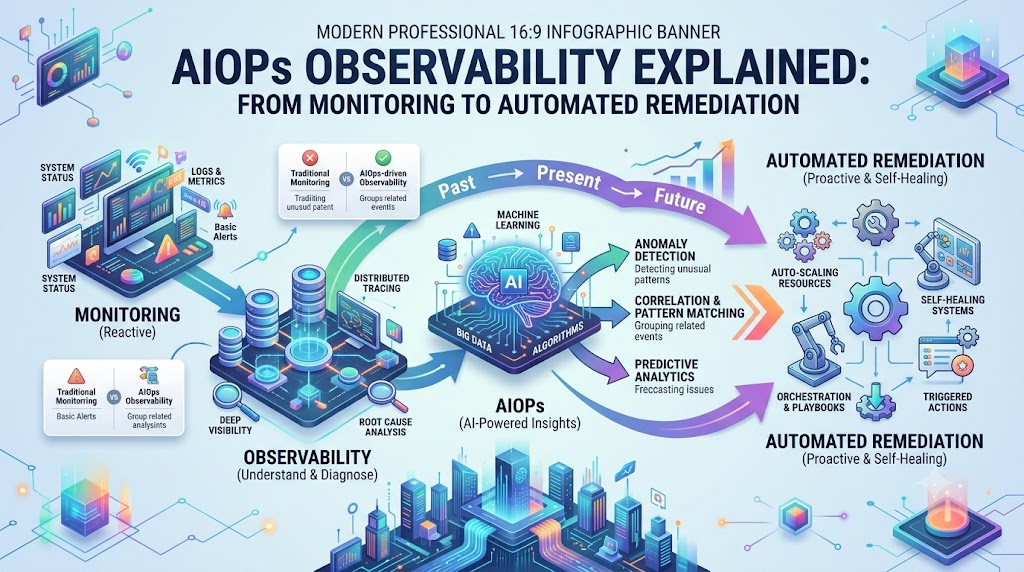
    Incident HandlingReactive human intervention and static threshold alertsProactive predictive forecasting and automated remediation
    Telemetry AnalysisExamines structured log files and basic static dashboardsProcesses multi-modal real-time operational event streams
    Operational ScaleRestricted by human operator availability and alert fatigueHighly scalable via machine learning pattern recognition
    Primary Use CasesStandard server maintenance and legacy hardware upkeepComplex hybrid cloud architectures and distributed microservices
    Recommended ForTraditional systems administrators and IT support staffSREs, cloud platform engineers, and DevOps architects

    Establishing Rigorous Governance and Security Standards

    Forward-looking technology organizations enforce strict operational standards to keep their deployments safe, ethical, and scalable over long life cycles. Instituting comprehensive AI governance frameworks protects an enterprise against accidental data leaks and systemic model bias. Engineers must prioritize dual version control covering both codebases and training datasets to guarantee absolute reproducibility for every experimental run. Moreover, embedding automated feedback loops allows production systems to learn from operational errors, boosting accuracy and resilience independently.

    Maximizing Return on Investment in Corporate AI Initiatives

    Extracting maximum financial and operational value from artificial intelligence initiatives requires clear strategic vision and disciplined execution. Decision-makers should prioritize high-impact, manageable use cases during early rollout stages to generate immediate internal momentum. Investing in continuous workforce upskilling via specialized certification pathways ensures internal squads retain the capability to maintain and expand deployed systems autonomously. Furthermore, teaming up with seasoned external advisors for expert AI consulting services helps enterprises sidestep costly architectural missteps and accelerate time-to-market.

    Sidestepping Common Traps in AI Integration

    Many corporate artificial intelligence initiatives stall or fail due to recurring strategic misjudgments. One frequent blunder is treating AI implementation as a one-time IT project rather than managing it as an evolving operational lifecycle. Without ongoing performance monitoring, model accuracy decays rapidly as real-world operational environments shift. Another major stumbling block is overlooking data quality and governance, which invites biased results and compliance failures. Businesses easily avoid these traps by forming cross-functional oversight committees, automating tracking pipelines, and adhering to strict industry standards.

    The Road Ahead: Collaborative Multi-Agent Networks and Proactive IT

    The future horizon of artificial intelligence points toward deeply autonomous systems capable of complex cross-domain reasoning and self-healing. Edge AI is bringing instant, low-latency intelligence straight to physical hardware devices, cutting down dependence on centralized cloud centers. Simultaneously, multi-agent frameworks are maturing to handle intricate enterprise workflows, enabling specialized AI agents to collaborate, negotiate, and finish projects independently. Keeping pace with these shifts requires an ongoing dedication to lifelong learning, architectural modernization, and active collaboration with premier technology partners.

    Why Industry Trailblazers Collaborate with AIUniverse

    Mastering the intricacies of modern artificial intelligence demands a dependable partner capable of translating academic research into practical enterprise execution. AIUniverse serves as a premier hub for professionals and corporations pursuing comprehensive AI education, specialized certifications, and expert advisory solutions. Whether you are an engineer looking to optimize production deployment pipelines or an executive mapping out digital transformation, AIUniverse delivers the tools, frameworks, and insights required to excel in the age of intelligent automation.

    Frequently Asked Questions (Mandatory)

    1. What is covered in an agentic AI certification course, and who should participate?An agentic AI certification course is a targeted program designed for software developers, engineers, and data scientists. It instructs participants on designing, deploying, and managing autonomous AI agents capable of multi-step planning and tool execution.
    2. How does MLOps differ fundamentally from standard DevOps practices?While DevOps centers on automating traditional software code delivery, MLOps manages the unique lifecycle of machine learning assets. MLOps handles data schema versioning, model training automation, experiment tracking, and drift detection.
    3. Why are enterprise AI consulting services vital for digital transformation?Enterprise AI consulting services supply organizations with strategic blueprints, architectural guidance, and risk reduction protocols. Consultants help align technology initiatives with business goals while ensuring compliance and security.
    4. What are prompt management tools, and why do engineering teams need them?Prompt management tools empower development teams to author, test, version, and refine prompts used with foundation models. They guarantee output consistency, monitor token usage, and enable collaborative prompt engineering.
    5. What tangible advantages do corporate AI training programs provide?Corporate AI training programs bridge internal skill deficits by equipping technical, product, and leadership staff with practical competencies in modern machine learning stacks, automation tools, and governance policies.
    6. What is federated learning, and how does it preserve data privacy?Federated learning is a decentralized machine learning method where models train across distributed local devices or servers containing local data samples without ever transmitting the raw data itself.
    7. How does AIOps elevate enterprise IT infrastructure management?AIOps applies machine learning algorithms and data science analytics to streamline IT operations. It analyzes massive streams of telemetry to surface anomalies, forecast system outages, and trigger automated incident resolution.
    8. What specific function do vector databases serve in modern AI architectures?Vector databases index and store high-dimensional embeddings produced by machine learning models. They facilitate rapid similarity matching, functioning as the memory foundation for retrieval-augmented generation engines.
    9. What prerequisites are generally required for advanced AI certification courses?While requirements differ across programs, most advanced certifications expect a working knowledge of Python programming, basic data science principles, and familiarity with cloud deployment environments.
    10. How can organizations accurately measure the return on investment of AI adoption?Businesses track AI ROI by quantifying productivity boosts, labor cost reductions via workflow automation, accelerated product release cycles, and measurable improvements in revenue generation and customer retention.
    11. What are the primary cybersecurity risks tied to deploying large language models?Key security threats include prompt injection vulnerabilities, proprietary data leakage, model inversion attacks, and the generation of biased or hallucinated outputs that could compromise business decisions.
    12. How do automated CI/CD pipelines operate within enterprise MLOps frameworks?Automated CI/CD pipelines in MLOps automatically validate source code, test incoming data schemas, trigger model retraining when accuracy dips, and safely push updated artifacts straight into live production.
    13. What is the core distinction between supervised learning and reinforcement learning?Supervised learning trains models using labeled datasets featuring fixed correct answers, whereas reinforcement learning teaches agents to optimize decisions by rewarding desired behaviors within dynamic interactive environments.
    14. Why is robust data governance indispensable for enterprise AI success?Data governance guarantees data accuracy, confidentiality, integrity, and regulatory compliance. Clean, well-regulated data wards off model bias and guarantees that enterprise AI systems generate reliable insights.
    15. How should professionals select the right AI learning platform for their career trajectory?Professionals should assess platforms based on curriculum rigor, practical hands-on project scope, industry standing of credentials, instructor expertise, and alignment with current enterprise technology stacks.

    Conclusion

    Navigating the revolutionary landscape of artificial intelligence requires an unwavering commitment to technical excellence, continuous learning, and strategic discipline. Throughout this guide, we examined the vital role that MLOps, AIOps, and agentic frameworks play in shaping modern enterprise architecture. By embracing structured methodologies, investing in workforce upskilling, and deploying robust operational pipelines, organizations can safely transition from experimental trials to scalable, production-grade intelligence. Committing to these advanced practices secures long-term organizational agility, operational excellence, and enduring market leadership.

  • A Clinical Perspective on Understanding Eye Health and Common Eye Diseases

    Introduction

    Maintaining healthy vision is a cornerstone of overall well-being and daily independence. The human eyes serve as vital windows to the world, allowing individuals to navigate their surroundings, work, read, and experience life fully. Preventive eye care and early detection are essential for identifying potential issues before they progress into serious vision impairments. By staying informed about eye health, individuals can adopt proactive habits that safeguard their ocular wellness. For reliable health education, symptom awareness, and medical information, readers can explore MYDOCTORSNOW, a platform dedicated to supporting informed healthcare decisions.

    Understanding Eye Health

    Eye health encompasses the optimal structural and functional state of the visual system, enabling clear and comfortable sight. Vision relies on a complex sequence of optical processes involving several key anatomical components working in harmony:

    • Cornea: The clear, dome-shaped front surface of the eye that helps focus incoming light.
    • Lens: A flexible, transparent structure located behind the pupil that fine-tunes light focus for near and distant objects.
    • Retina: The light-sensitive tissue lining the back inner wall of the eye that converts light into electrical impulses.
    • Optic Nerve: The cranial nerve pathway that transmits visual signals from the retina directly to the brain.
    • Macula: A specialized central area of the retina responsible for sharp, detailed, color straight-ahead vision.

    These intricate parts collaborate seamlessly: light enters through the cornea and pupil, passes through the lens to focus on the retina, and is translated by the optic nerve into the images perceived by the brain.

    How the Eye Functions

    The visual process involves three primary physiological stages: light entry, image processing, and visual interpretation.

    • Light Entry: Light rays reflected from objects enter the eye first through the cornea, which provides the majority of the eye’s optical focusing power. The light then passes through the pupil—the adjustable opening controlled by the iris—and travels through the internal lens, which focuses the light rays precisely.
    • Image Processing: Once focused light hits the retina, specialized photoreceptor cells (rods and cones) absorb the light energy and convert it into electrochemical signals. The central region of the retina, known as the macula, handles high-resolution details and color perception.
    • Vision Interpretation: These electrochemical impulses travel out of the back of the eye via the optic nerve to the visual cortex in the brain. The brain processes these signals instantly, interpreting them as the upright, moving images we experience every day.

    Why Eye Health Is Important

    Protecting eye health is vital for maintaining personal independence, supporting workplace productivity, and enjoying daily activities. Healthy vision allows individuals to navigate safely, recognize faces, and maintain spatial awareness. Furthermore, comprehensive eye examinations can sometimes reveal systemic health conditions, such as hypertension or diabetes, before other symptoms appear.According to the National Eye Institute, regular comprehensive eye exams can help detect certain eye diseases that may not show early symptoms, making routine checkups an indispensable component of preventive healthcare.

    Common Eye Diseases and Disorders

    Refractive Errors

    Refractive errors occur when the shape of the eye prevents light from focusing directly on the retina.

    • Myopia (Nearsightedness): Distant objects appear blurred while close objects are clear.
    • Hyperopia (Farsightedness): Close objects may appear blurry while distant objects are more easily seen.
    • Astigmatism: Caused by an irregularly curved cornea or lens, leading to distorted or blurred vision at all distances.
    • Presbyopia: An age-related stiffening of the eye’s internal lens that makes focusing on close-up tasks difficult.
    • Correction Options: Eyeglasses, contact lenses, or refractive surgical procedures.

    Cataracts

    • Clouding of the Eye Lens: Proteins within the natural lens break down and clump together, causing the lens to become cloudy or opaque.
    • Common Symptoms: Blurry or dim vision, faded colors, glare around lights at night, and frequent changes in prescription eyeglasses.
    • Risk Factors: Aging, ultraviolet exposure, smoking, diabetes, and family history.
    • Treatment Overview: Surgical removal of the cloudy lens and replacement with a clear artificial intraocular lens (IOL).

    Glaucoma

    • Optic Nerve Damage: Often associated with elevated fluid pressure inside the eye, which damages the delicate nerve fibers of the optic nerve.
    • Why Early Detection Matters: Glaucoma is frequently called the “silent thief of sight” because it develops slowly and robs peripheral vision long before central vision is affected.
    • Management: Prescription eye drops, laser treatments, or surgical interventions to lower intraocular pressure.

    Diabetic Retinopathy

    • Diabetes and Eye Health: Chronic high blood sugar levels weaken and damage the tiny blood vessels supplying the retina.
    • Blood Vessel Damage: Vessels may swell and leak fluid (non-proliferative) or abnormal new fragile vessels may grow across the retina (proliferative), leading to vision loss.
    • Importance of Management: Rigorous blood sugar, blood pressure, and cholesterol control combined with regular dilated eye screenings.

    Age-Related Macular Degeneration (AMD)

    • Central Vision Effect: Affects the macula, gradually eroding sharp, central vision needed for reading, driving, and recognizing faces.
    • Risk Factors: Advancing age, smoking, genetic predisposition, and cardiovascular disease.
    • Monitoring Importance: Periodic dilated exams and specialized home-monitoring grids (like Amsler grids) help detect early wet or dry AMD changes.

    Dry Eye Disease

    • Causes: Inadequate tear production or rapid tear evaporation leading to unstable tear film lubrication on the eye surface.
    • Symptoms: Stinging, burning, scratchiness, foreign body sensation, and intermittent blurred vision.
    • Lifestyle Factors: Prolonged digital screen use, dry environmental conditions, contact lens wear, and certain medications.
    • Management Approaches: Artificial tear drops, environmental humidification, eyelid hygiene, and anti-inflammatory therapies.

    Retinal Disorders

    • Retinal Detachment: An urgent condition where the retina pulls away from supportive underlying tissue.
    • Macular Problems: Conditions affecting the central macula, such as macular holes or puckers.
    • Retinal Tears: Microscopic rips caused by vitreous traction.
    • Urgent Evaluation: Sudden flashes of light, a shower of new floaters, or a dark shadow blocking vision require immediate ophthalmic evaluation.

    As noted by the National Eye Institute, common eye diseases include cataracts, glaucoma, diabetic retinopathy, macular degeneration, dry eye, and retinal disorders.

    Common Eye Disease Comparison Table

    Eye ConditionCommon SymptomsGeneral Management
    CataractBlurry vision, faded colors, glare around lightsPrescription lenses initially; surgical lens replacement when vision impairs daily tasks
    GlaucomaGradual loss of peripheral vision, tunnel vision in late stagesLowering intraocular pressure via medicated eye drops, laser, or surgery
    Diabetic RetinopathyFluctuating vision, dark spots, blurred visionStrict systemic diabetes control, laser photocoagulation, intravitreal injections, or vitrectomy
    Dry EyeStinging, burning, redness, sandy feelingLubricating eye drops, lifestyle adjustments, warm compresses, prescription anti-inflammatory drops
    AMDBlurred central vision, straight lines appearing wavyNutritional supplements for intermediate dry AMD; anti-VEGF injections for wet AMD
    Refractive ErrorsBlurry distance or near vision, eye strain, headachesCorrective eyeglasses, contact lenses, or refractive surgery

    Warning Signs of Eye Problems

    Recognizing sudden or persistent visual changes is vital for protecting eye health. Warning signs that warrant professional medical evaluation include:

    • Sudden or progressive blurred vision
    • Sudden loss of vision in one or both eyes
    • Severe or persistent eye pain or pressure
    • Unexplained eye redness or irritation
    • Sudden appearance of flashes of light
    • A sudden burst of new floaters, spots, or cobwebs in the field of vision
    • Difficulty seeing clearly at night or in dim lighting
    • Increased sensitivity to glare or bright lights

    Risk Factors Affecting Eye Health

    Various biological, environmental, and behavioral factors can increase the likelihood of developing eye conditions:

    • Age: Natural aging increases the incidence of cataracts, presbyopia, age-related macular degeneration, and glaucoma.
    • Diabetes: Unmanaged blood sugar significantly elevates the risk of diabetic retinopathy and associated vascular complications.
    • Family History: Genetic predisposition plays a major role in inherited conditions like glaucoma and macular degeneration.
    • Lifestyle Factors: Smoking damages blood vessels throughout the body, including the eyes; poor diets lack essential micronutrients; excessive digital screen use contributes to eye strain; and neglecting protective eyewear increases injury risks.
    • Environmental Factors: Cumulative ultraviolet (UV) radiation exposure accelerates cataract formation, while workplace hazards pose risks of physical trauma.

    Eye Health Prevention Tips

    Adopting proactive daily habits can significantly support long-term ocular wellness:

    • Regular Eye Exams: Undergoing routine professional checkups even when vision seems clear.
    • Healthy Diet: Consuming a balanced diet rich in leafy green vegetables, citrus fruits, and omega-3 fatty acids.
    • Screen Protection: Following the 20-20-20 rule during computer work (every 20 minutes, look at an object 20 feet away for 20 seconds) to reduce digital eye strain.
    • Eye Safety: Wearing certified protective eyewear during sports, industrial work, or home repairs.
    • Healthy Lifestyle: Engaging in regular physical exercise, managing chronic health conditions, and avoiding tobacco use completely.

    Guidance from health organizations like the CDC emphasizes regular eye examinations, protective habits, and early management of vision problems.

    Eye Examination Process

    Eye care professionals utilize a series of specialized diagnostic tests during a comprehensive evaluation:

    • Vision Testing: Assessing visual acuity at varying distances using standardized charts to identify refractive errors.
    • Eye Pressure Measurement: Utilizing tonometry to measure intraocular pressure, helping screen for glaucoma risks.
    • Retina Examination: Performing dilated fundus evaluations to inspect internal retinal structures, blood vessels, and the optic nerve head.
    • Eye Imaging Tests: Using advanced technologies like optical coherence tomography (OCT) to capture cross-sectional images of retinal layers.
    • Comprehensive Evaluation: Integrating all test findings to assess overall ocular health and tailor personalized care recommendations.

    Treatment Options for Eye Diseases

    Modern ophthalmology offers diverse medical and surgical approaches depending on the specific condition:

    • Corrective Lenses: Eyeglasses and contact lenses to manage refractive errors like myopia, hyperopia, and astigmatism.
    • Medications: Prescription eye drops and systemic drugs to manage intraocular pressure, reduce inflammation, or control chronic conditions.
    • Laser Treatments: Precision thermal or photochemical lasers to secure retinal tears, reduce abnormal blood vessels, or open blocked fluid drainage channels.
    • Surgery: Microsurgical procedures such as cataract extraction with artificial lens implantation or advanced vitrectomy procedures for complex retinal conditions.

    How MYDOCTORSNOW Helps Patients

    Accessing reliable medical information is an essential step in navigating healthcare decisions. Platforms like MYDOCTORSNOW assist individuals by providing:

    • Accessible healthcare information and educational resources
    • Medical awareness articles covering common conditions
    • Clear guides on understanding symptoms and warning signs
    • Preventive healthcare information designed to encourage proactive wellness
    • Supportive guidance to help patients make informed decisions in collaboration with their doctors

    Common Mistakes People Make About Eye Care

    • Ignoring Vision Changes: Brushing off gradual vision blurring as normal fatigue rather than seeking professional evaluation.
    • Skipping Eye Exams: Waiting until noticeable vision loss occurs before scheduling a comprehensive checkup.
    • Using Incorrect Glasses: Wearing old, outdated prescriptions or generic over-the-counter readers without proper professional fittings.
    • Rubbing Eyes Frequently: Applying excessive physical friction, which can irritate the corneal surface and worsen conditions like keratoconus.
    • Spending Excessive Screen Time Without Breaks: Failing to rest the eyes, leading to dryness, strain, and fatigue.
    • Delaying Professional Consultation: Waiting too long to evaluate acute symptoms like flashes, floaters, or eye pain.

    Myths vs Facts Table

    MythFact
    Clear vision means eyes are always healthy.Some serious eye diseases, like early glaucoma, develop without any obvious symptoms or vision loss.
    Eye problems only affect older adults.People of all ages, including children and young adults, can experience refractive errors, injuries, and congenital eye disorders.
    Glasses make eyesight weaker over time.Corrective lenses help improve vision clarity and reduce strain without altering the underlying eye anatomy.
    Eye checkups are only needed when symptoms appear.Regular preventive exams help detect hidden conditions long before symptoms become noticeable.
    Reading in dim light permanently damages your eyes.Reading in low light causes temporary eye strain and fatigue, but it does not cause structural eye damage.
    Staring at a computer screen ruins your eyes permanently.Screen use causes digital eye strain and dryness, but it does not cause permanent structural blinding diseases.
    Carrots are the only food needed for perfect vision.While vitamin A supports eye health, a balanced diet rich in varied nutrients is necessary for overall ocular wellness.

    FAQs

    1.What is eye health?

    Eye health refers to the optimal functioning and structural integrity of the eyes, allowing clear sight and freedom from disease.

    2.Why are regular eye exams important?

    Routine exams detect early signs of vision changes and asymptomatic eye diseases before permanent damage occurs.

    3.What are the most common eye diseases?

    Common conditions include cataracts, glaucoma, age-related macular degeneration, diabetic retinopathy, dry eye, and refractive errors.

    4.What causes blurred vision?

    Blurred vision can stem from uncorrected refractive errors, cataracts, dry eyes, corneal issues, or underlying retinal conditions.

    5.What are symptoms of cataracts?

    Symptoms include cloudy or blurry vision, faded color perception, increased glare at night, and frequent prescription changes.

    6.How does glaucoma affect vision?

    Glaucoma damages the optic nerve, typically leading to a gradual loss of peripheral vision over time.

    7.Can diabetes affect eyesight?

    Yes, unmanaged diabetes can damage retinal blood vessels, leading to diabetic retinopathy and potential vision loss.

    8.What causes dry eyes?

    Dry eyes are caused by insufficient tear production or rapid tear evaporation, often linked to environmental factors, screen use, or aging.

    9.How can I protect my eye health?

    Protect your eyes by eating a balanced diet, wearing UV-blocking sunglasses, taking screen breaks, wearing protective gear, and getting regular exams.

    10.When should I visit an eye doctor?

    You should visit an eye doctor annually for routine exams or immediately if you experience sudden vision changes, pain, flashes, or floaters.

    Final Conclusion

    Healthy eyes are a vital component of overall quality of life and personal independence. Understanding common eye diseases helps individuals recognize early warning signs and seek timely professional care. Regular comprehensive eye examinations and consistent healthy habits support long-term vision care and sustained ocular wellness. Consulting qualified eye care professionals ensures proper diagnosis and tailored management plans.

  • Comprehensive Guide on How to Choose the Right Dental Care Provider

    Introduction

    Maintaining a bright, healthy smile requires more than just brushing at home; it involves partnering with a trusted professional who understands your unique oral health needs. Choosing the right dental care provider involves considering qualifications, experience, available services, patient communication, technology, accessibility, and preventive care approaches. This comprehensive educational guide explores the qualities of reliable dental providers, different dental specialties, modern clinic technologies, and practical steps for selecting the right professional. For trusted health information, patient education resources, and guidance, readers can explore MYDOCTORSNOW.

    Why Choosing the Right Dental Care Provider Matters

    Finding a dental professional who aligns with your health goals profoundly impacts your long-term wellness.

    Importance of Preventive Dental Care

    Routine checkups and professional cleanings form the foundation of preventive dentistry, stopping plaque buildup before it damages teeth and gums.

    Early Diagnosis of Oral Health Problems

    Experienced providers can detect early signs of decay, gum disease, or oral structural shifts long before they cause physical pain.

    Personalized Treatment Planning

    Every smile is unique. A qualified provider tailors treatments to match your specific dental anatomy, medical history, and personal preferences.

    Long-Term Oral Health Management

    Consistent care over the years preserves natural tooth structure and supports overall systemic health.

    Patient Comfort and Trust

    A welcoming, compassionate dental team helps alleviate dental anxiety, making routine visits a stress-free experience.

    Types of Dental Care Providers

    Dental care encompasses a wide variety of specialized fields designed to address specific oral health needs.

    • General Dentist: The primary point of contact for routine checkups, cleanings, fillings, and basic restorative procedures.
    • Pediatric Dentist: Focuses exclusively on the specialized oral health care of infants, children, and adolescents.
    • Orthodontist: Specializes in correcting misaligned teeth and jaws using braces, clear aligners, and retainers.
    • Periodontist: Focuses on the prevention, diagnosis, and treatment of gum disease and the placement of dental implants.
    • Endodontist: Concentrates on diseases of the dental pulp, specializing in root canal treatments and saving infected teeth.
    • Prosthodontist: Expert in the restoration and replacement of damaged or missing teeth using crowns, bridges, and dentures.
    • Oral and Maxillofacial Surgeon: Performs complex surgical procedures of the mouth, jaw, and facial structures, including extractions and jaw realignments.
    • Cosmetic Dentist: Focuses on improving the visual appearance of teeth, smiles, and gums through aesthetic procedures.
    • Dental Hygienist: Licensed professionals who clean teeth, examine oral health, and educate patients on daily hygiene habits.

    Dental Services Comparison Table

    ServicePurposePatient Benefit
    Routine Dental CheckupMonitor oral healthEarly problem detection
    Professional Teeth CleaningRemove plaque and tartarHealthier gums and teeth
    Dental FillingsRepair cavitiesRestore tooth function
    Root Canal TreatmentSave infected teethRelieve pain and preserve teeth
    Orthodontic CareCorrect bite and alignmentImproved oral function
    Cosmetic DentistryEnhance smile appearanceBetter confidence

    Qualities of Good Dental Care Providers

    Evaluating potential dental offices involves looking for core professional and interpersonal attributes.

    • Professional Qualifications: Holds valid degrees, state licenses, and active memberships in recognized dental associations.
    • Clinical Experience: Demonstrates a proven track record of handling both routine procedures and complex treatments successfully.
    • Clear Communication: Explains diagnoses, treatment options, and costs in simple, easy-to-understand language.
    • Compassionate Patient Care: Listens patiently to concerns and treats every individual with empathy and respect.
    • Modern Dental Technology: Utilizes up-to-date diagnostic tools and treatment equipment for enhanced precision.
    • Clean and Safe Environment: Maintains rigorous sterilization and infection control standards across all treatment areas.
    • Preventive Care Focus: Emphasizes patient education and preventive habits rather than just reactive treatments.
    • Transparent Treatment Planning: Provides clear estimates and discusses all procedural steps before beginning work.

    Advanced Technologies Used in Modern Dental Clinics

    Cutting-edge dental tools have transformed patient comfort, diagnostic accuracy, and treatment efficiency.

    • Digital Dental X-rays: Emit significantly lower radiation than traditional film while providing instant, high-resolution images.
    • Intraoral Cameras: Small handheld wands that project live, magnified views of the inside of the mouth onto a screen for patient education.
    • Digital Impressions: Replace messy traditional putty molds with fast, comfortable 3D optical scans.
    • Laser Dentistry: Utilized for soft tissue procedures, reducing bleeding, swelling, and healing times.
    • CAD/CAM Restorations: Allow same-day creation and placement of custom crowns and ceramic restorations.
    • 3D Dental Imaging (CBCT): Provides comprehensive multi-dimensional views of jawbone structures for precise implant planning.
    • Electronic Patient Records: Streamline medical history tracking, appointment scheduling, and secure communication.

    How to Choose the Right Dental Clinic

    Selecting a clinic that fits your logistics and clinical expectations ensures a seamless healthcare experience.

    • Qualified Dental Professionals: Verify that all attending dentists and hygienists are properly credentialed.
    • Wide Range of Services: Look for clinics offering comprehensive care under one roof to minimize specialist referrals.
    • Convenient Location: Choose a practice near your home, workplace, or children’s school for easy travel.
    • Emergency Dental Care Availability: Check if the clinic accommodates urgent pain or trauma situations promptly.
    • Infection Prevention Standards: Ensure the facility meets or exceeds strict health department sanitation protocols.
    • Flexible Appointment Scheduling: Look for office hours that accommodate work and school timetables.
    • Positive Patient Experience: Read reviews and note how friendly and accommodating the front desk staff are.
    • Follow-up Care: Confirm that the practice checks in on patients following major restorative procedures.

    Dental Provider Selection Checklist

    FeatureWhy It Matters
    Licensed Dental ProfessionalsQuality and safety
    Modern EquipmentAccurate diagnosis
    Comprehensive ServicesComplete oral care
    Clean EnvironmentInfection prevention
    Good CommunicationBetter understanding
    Convenient SchedulingEasier ongoing care

    What to Expect During Your First Dental Visit

    Knowing what happens during an initial appointment helps reduce anxiety and prepares you for collaboration.

    • Medical and Dental History: Reviewing past health conditions, allergies, medications, and previous dental experiences.
    • Oral Examination: Thorough visual inspection of teeth, gums, tongue, bite alignment, and oral tissues.
    • Dental X-rays (If Needed): Capturing images to uncover hidden decay between teeth or below the gum line.
    • Gum Health Assessment: Measuring pocket depths around teeth to evaluate periodontal tissue health.
    • Treatment Discussion: Reviewing examination findings directly with the dentist in clear terms.
    • Preventive Care Advice: Receiving tailored recommendations for brushing, flossing, and dietary habits.
    • Personalized Care Plan: Establishing a structured roadmap for any needed treatments or future maintenance visits.

    Tips for Maintaining Good Oral Health

    Daily habits paired with professional care create the ultimate defense for your teeth and gums.

    • Brush Twice Daily: Use a soft-bristled toothbrush and fluoride toothpaste for two full minutes each session.
    • Floss Every Day: Clean between teeth daily to remove food particles and plaque that brushing misses.
    • Eat a Balanced Diet: Consume nutrient-rich foods and limit acidic snacks that weaken enamel.
    • Limit Sugary Foods and Drinks: Reduce sugar consumption to starve decay-causing oral bacteria.
    • Visit the Dentist Regularly: Schedule professional examinations and cleanings every six months or as recommended.
    • Avoid Tobacco Products: Protect your teeth, gums, and oral tissues by avoiding smoking and chewing tobacco.
    • Wear a Mouthguard During Sports: Protect your teeth from trauma by wearing a custom-fitted athletic mouthguard.

    Common Dental Problems

    Recognizing early warning signs of common dental issues helps prompt timely professional intervention.

    • Tooth Decay: Breakdown of tooth enamel caused by bacterial acids, resulting in cavities.
    • Gum Disease: Inflammation and infection of the tissues supporting the teeth, ranging from mild gingivitis to severe periodontitis.
    • Tooth Sensitivity: Sharp discomfort triggered by hot, cold, sweet, or acidic foods due to exposed dentin.
    • Bad Breath (Halitosis): Persistent unpleasant breath often linked to poor hygiene, dry mouth, or gum disease.
    • Tooth Fractures: Cracks or chips resulting from trauma, biting hard objects, or teeth grinding (bruxism).
    • Misaligned Teeth: Crowded or spaced teeth that affect bite function and complicate cleaning.
    • Oral Infections: Painful abscesses resulting from untreated decay or deep gum pockets.

    How MYDOCTORSNOW Helps Patients

    Navigating health choices requires trustworthy, clear educational resources. Platforms like MYDOCTORSNOW support individuals by offering:

    • Health Education: Providing straightforward articles on wellness, disease prevention, and clinical care.
    • Patient Awareness: Fostering a deeper understanding of how oral health connects to overall physical well-being.
    • Healthcare Guidance: Helping readers navigate complex healthcare decisions with confidence.
    • Reliable Medical Information: Delivering fact-based, easy-to-digest educational content.
    • Support for Informed Healthcare Decisions: Empowering patients to ask the right questions during medical and dental visits.
    • Resources that Help Patients Better Understand Dental and Overall Health: Offering valuable insights into preventive care strategies.

    Common Mistakes People Make

    • Waiting Until Pain Develops: Visiting the dentist only when a problem becomes unbearable rather than seeking preventive care.
    • Choosing a Provider Based Only on Cost: Selecting the cheapest clinic without verifying credentials, safety standards, or quality of materials.
    • Ignoring Preventive Care: Skipping routine cleanings and checkups under the assumption that healthy teeth require no attention.
    • Skipping Regular Checkups: Forgetting to maintain bi-annual recall appointments.
    • Not Discussing Concerns with the Dentist: Hiding dental anxiety or financial constraints instead of working with the team to find comfortable solutions.

    Practical Solutions: Prioritize preventive recall visits, evaluate clinics based on comprehensive value rather than price alone, and maintain transparent, open communication with your dental team.

    Common Myths vs Facts

    MythFact
    Visit a dentist only when you have painRegular checkups help detect problems early
    Brushing alone is enoughFlossing and professional cleanings are also important
    Baby teeth don’t need much careHealthy baby teeth support proper development
    Every dentist provides the same servicesSome dentists have advanced training in specific specialties

    Real-Life Educational Scenarios

    Scenario 1: Finding Early Cavities During a Routine Checkup

    An adult schedules a bi-annual dental checkup with their general dentist. During the examination and digital X-ray review, the dentist discovers a very small cavity forming between two molars. Because it was caught early, the provider treats it with a quick, painless filling, preserving natural tooth structure.

    Scenario 2: A Child Benefiting from Preventive Dental Visits

    Parents bring their young child to a pediatric-friendly dental clinic for their first routine cleaning. The friendly dental hygienist demonstrates proper brushing techniques using a model, making the child feel comfortable and establishing a positive lifelong attitude toward dental visits.

    Scenario 3: Choosing an Orthodontist for Teeth Alignment

    An adolescent experiencing crowded teeth and bite misalignment consults with their general dentist, who refers them to an experienced orthodontist. Following a comprehensive evaluation using digital scans, the orthodontist creates a customized aligner plan to correct the bite over time.

    Scenario 4: Selecting a Family Dental Provider

    A family relocating to a new neighborhood researches local clinics using online patient guides. They select a comprehensive family practice offering both general dentistry and pediatric care, ensuring that every household member can receive coordinated, high-quality care under one roof.

    FAQs (15 Questions)

    1. How do I choose the right dental care provider?

    Evaluate providers based on their qualifications, experience, clinic cleanliness, modern technology, patient communication, and range of services.

    2. What qualifications should a dentist have?

    A dentist should hold a recognized dental degree (DDS or DMD), a valid state license, and maintain active continuing education.

    3. How often should I visit the dentist?

    Most people benefit from visiting the dentist every six months for routine checkups and professional cleanings, though individual needs may vary.

    4. What happens during the first dental appointment?

    The visit typically includes a medical history review, a comprehensive oral exam, necessary digital X-rays, a gum assessment, and a treatment discussion.

    5. How do I know if I need a dental specialist?

    Your general dentist will evaluate your condition and provide a referral to a specialist (such as an orthodontist or endodontist) if advanced care is required.

    6. What services do general dentists provide?

    General dentists provide preventive checkups, cleanings, fillings, crowns, bridges, root canals, and basic extractions.

    7. What should I ask before choosing a dental clinic?

    Ask about accepted insurance plans, emergency care policies, the types of technology used, and the scope of in-house services.

    8. Why are regular dental checkups important?

    Regular checkups allow professionals to detect decay, gum disease, and oral abnormalities early, preventing costly and complex procedures later.

    9. Are digital dental X-rays safe?

    Yes, digital X-rays emit very low levels of radiation and are considered extremely safe for routine diagnostic use.

    10. How can I maintain healthy teeth and gums?

    Brush twice daily, floss daily, eat a balanced diet, limit sugary snacks, and maintain regular dental checkups.

    11. What should I do during a dental emergency?

    Contact your dentist immediately for guidance, manage bleeding with clean gauze, and preserve any knocked-out tooth fragments in milk.

    12. How do modern dental technologies improve care?

    Advanced tools like digital scanners, lasers, and low-radiation X-rays make treatments faster, more precise, and significantly more comfortable.

    13. Can one dentist treat the whole family?

    Many general family dentists treat patients of all ages, from young children to older adults, offering convenient comprehensive care.

    14. How important is preventive dentistry?

    Preventive dentistry is vital because it stops dental problems before they start, protecting your oral health and saving money over time.

    15. How does MYDOCTORSNOW help readers make informed healthcare decisions?

    MYDOCTORSNOW provides reliable educational resources, health guides, and patient education materials to support informed wellness decisions.

    Final Thoughts

    Selecting the right dental care provider is a vital investment in your overall health and quality of life. Partnering with a qualified, experienced professional ensures that you receive personalized preventive care, early diagnoses, and expert treatments tailored to your needs. By prioritizing clinics equipped with modern technology, compassionate staff, and a strong focus on patient education, you set the foundation for a lifetime of healthy smiles.

  • Understanding Routine Examinations: Essential Tips for Preventive Health Screenings

    Introduction

    In modern healthcare, staying healthy involves more than just reacting to illness when symptoms arise. True health management centers on proactive prevention—taking deliberate steps to protect your body, assess risk factors, and identify potential medical concerns long before they cause noticeable physical discomfort.Navigating recommended tests and establishing a personalized checkup schedule can feel overwhelming. Platforms like MYDOCTORSNOW support patients and families by providing clear, accessible educational resources that demystify routine care, explain complex medical guidelines, and empower individuals to approach wellness visits with confidence.

    What Are Preventive Health Screenings?

    Understanding the fundamental purpose of preventive screening helps clarify why these visits are essential, even when you feel completely healthy.

    +-----------------------------------------------------------------------+
    |                 SCREENING VS. DIAGNOSTIC TESTING                      |
    +-----------------------------------------------------------------------+
    |  PREVENTIVE SCREENING                                                 |
    |  • Performed on asymptomatic individuals with no active symptoms     |
    |  • Primary Goal: Identify early risk factors or hidden disease        |
    |  • Example: Routine blood pressure check during an annual visit       |
    +-----------------------------------------------------------------------+
    |  DIAGNOSTIC TESTING                                                   |
    |  • Performed when a patient experiences specific symptoms or pain     |
    |  • Primary Goal: Pinpoint the exact cause of an existing problem      |
    |  • Example: Ordering an ECG for someone experiencing active chest pain |
    +-----------------------------------------------------------------------+
    

    Definition and Objectives

    A preventive health screening is a medical evaluation, laboratory test, physical assessment, or imaging procedure conducted on an individual who shows no outward signs or symptoms of illness. The core objective is to detect physiological imbalances, structural changes, or genetic predispositions early, when lifestyle adjustments or medical therapies are most effective.

    Unlike acute medical visits—which address active concerns such as a fever, cough, or physical injury—preventive screenings evaluate baseline health markers. These tests establish personal reference standards that clinicians use to monitor subtle biological changes over time.

    Individualized Screening Needs

    Preventive healthcare is not a one-size-fits-all model. Screening recommendations vary based on a combination of personal and biological factors:

    • Chronological Age: Risk profiles shift naturally across different decades of life.
    • Biological Sex: Specific physiological screenings target sex-specific organs and hormonal profiles.
    • Family Medical History: Genetic predispositions can lower the recommended starting age for certain evaluations.
    • Lifestyle Factors: Nutrition, physical activity levels, occupational exposures, and tobacco or alcohol use shape individual health risks.
    • Existing Medical Conditions: Pre-existing health parameters necessitate more frequent baseline monitoring.

    Why Preventive Screenings Matter

    Investing time in routine health assessments yields significant physical, emotional, and practical benefits throughout life.

                      +-----------------------------------+
                      |  BENEFITS OF PREVENTIVE CARE      |
                      +-----------------+-----------------+
                                        |
            +---------------------------+---------------------------+
            |                                                       |
    +-------v-------+                                       +-------v-------+
    | CLINICAL ADVANTAGES                       | PERSONAL & LIFESTYLE ADVANTAGES|
    +-------+-------+                                       +-------+-------+
    | • Early Disease Identification                        | • Greater Health Literacy
    | • Reduced Risk of Complications                       | • Personalized Wellness Goals
    | • Timely, Less Invasive Interventions                 | • Supported Healthy Aging     |
    +---------------+                                       +---------------+
    

    Early Disease Detection & Better Outcomes

    The primary advantage of routine screening is identifying physiological shifts before noticeable damage occurs. For example, catching elevated blood glucose levels during the prediabetes phase allows for targeted dietary changes that can prevent or delay full-type 2 diabetes progression.

    Reduced Risk of Long-Term Complications

    Uncontrolled high blood pressure silently damages blood vessels throughout the body, placing strain on the heart, kidneys, and brain. By detecting and managing hypertension early through simple screenings, patients significantly lower their long-term risk of cardiovascular events, stroke, and renal failure.

    Support for Healthy Aging & Vitality

    Preventive healthcare evolves alongside your body. As men and women age, routine bone density assessments, sensory evaluations, and cardiovascular monitoring help preserve physical mobility, cognitive clarity, and daily independence.

    Common Preventive Health Screenings

    Primary care providers utilize a core group of routine screening tests to assess bodily systems and maintain wellness.

    +------------------------------------------------------------------------+
    |                     CORE PREVENTIVE EVALUATIONS                        |
    +------------------------------------------------------------------------+
    |  CARDIOVASCULAR : Blood Pressure, Fasting Lipid Profile (Cholesterol)  |
    |  METABOLIC     : Fasting Blood Glucose, HbA1c, Body Mass Index (BMI)  |
    |  SENSORY & SKIN: Vision Screening, Hearing Assessment, Skin Checks     |
    |  STRUCTURAL    : Bone Mineral Density (DEXA), Joint Mobility Checks    |
    |  WELLNESS      : Mental Health Questionnaires, Immunization Review     |
    +------------------------------------------------------------------------+
    

    Cardiovascular & Metabolic Assessments

    • Blood Pressure Screening: A non-invasive cuff test measuring systolic and diastolic arterial pressure. It is one of the simplest yet most vital checks for cardiovascular health.
    • Lipid Panel (Cholesterol Testing): A routine blood test measuring total cholesterol, High-Density Lipoprotein (HDL), Low-Density Lipoprotein (LDL), and triglycerides to evaluate arterial health.
    • Blood Sugar Screening: Fasting plasma glucose or HbA1c blood tests that measure average blood sugar levels over time to screen for prediabetes and type 2 diabetes.
    • Body Mass Index (BMI) & Waist Circumference: Simple anthropometric measurements that help evaluate body composition and screen for weight-related metabolic risks.

    Sensory, Surface, and Structural Evaluations

    • Vision & Hearing Screenings: Assessments checking visual acuity, intraocular pressure, and auditory thresholds to preserve sensory health and safety.
    • Full-Body Skin Examinations: Visual inspections of the skin to evaluate moles, freckles, and pigment changes for early signs of skin lesions.
    • Bone Density Assessments (DEXA Scans): Specialized low-dose X-ray imaging used to evaluate bone mineral density and screen for osteopenia or osteoporosis.

    Mental Health & General Wellness Reviews

    Preventive care encompasses mental emotional well-being alongside physical health. Routine visits often incorporate standardized questionnaires (such as the PHQ-9) to screen for mood changes, anxiety, or elevated stress levels. Clinicians also review vaccination records to ensure protection against preventable infectious illnesses remains up to date.

    Preventive Screening Comparison Table

    Screening TestPrimary PurposePrimary Target PopulationTypical Testing Approach
    Blood Pressure CheckDetects arterial hypertensionAll adults and adolescentsNon-invasive arm cuff measurement
    Lipid ProfileEvaluates cardiovascular risk factorsAdults based on age and health historyFasting or non-fasting blood draw
    Fasting Blood Glucose / HbA1cScreens for prediabetes and diabetesAdults, especially those with metabolic risk factorsRoutine venous blood sample
    Body Mass Index (BMI)Assesses weight-to-height proportionsIndividuals of all agesPhysical height and weight calculation
    Vision & Eye Health ExamEvaluates acuity and eye pressureChildren, adults, and older individualsVisual chart reading and optical check
    Skin ExaminationIdentifies suspicious moles or lesionsIndividuals with high sun exposure or risk factorsVisual full-body dermatological inspection
    Bone Density (DEXA)Measures bone mineral strengthPostmenopausal women and older adultsSpecialized low-radiation X-ray scan

    Services Offered During Preventive Health Visits

    A thorough preventive checkup provides more than just a quick physical; it offers a comprehensive, multi-step health evaluation.

                       +--------------------------------+
                       |  COMPREHENSIVE WELLNESS VISIT  |
                       +---------------+----------------+
                                       |
            +--------------------------+--------------------------+
            |                                                     |
    +-------v-------+                                     +-------v-------+
    | CLINICAL ASSESSMENT                                 | COUNSELING &  |
    | & DIAGNOSTICS                                       | PLANNING      |
    +-------+-------+                                     +-------+-------+
    | • Medical History Review                            | • Nutrition & Exercise|
    | • Vital Signs & Physical Exam                       | • Vaccination Updates |
    | • Targeted Blood Panels                             | • Follow-Up Roadmap   |
    +---------------+                                     +---------------+
    

    Clinical History & Vital Sign Assessments

    Your visit begins with a detailed review of your personal health history, daily routines, and any updates to your family’s medical background. Nurses and clinical staff record baseline vital signs, including body temperature, heart rate, respiratory rate, blood pressure, and weight.

    Physical Examination & Laboratory Work

    The primary care clinician performs a systematic physical examination, assessing the heart, lungs, abdomen, reflexes, thyroid gland, and lymph nodes. Depending on your age and health profile, routine screening blood panels and urine tests are ordered to evaluate organ function.

    Lifestyle Counseling & Action Planning

    Preventive visits conclude with collaborative health counseling. Your clinician reviews daily habits—including physical activity, nutrition, sleep quality, stress management, and tobacco or alcohol intake—and works with you to establish realistic, actionable wellness goals.

    Preparing for Preventive Health Screenings

    Proper preparation ensures that your screening results are accurate and your appointment time is used effectively.

      [1-2 Weeks Before] ──► Gather medical records & update family health history
                 │
                 ▼
      [24-48 Hours Before] ─► Confirm fasting requirements & list current medications
                 │
                 ▼
      [Day of Appointment] ─► Wear comfortable clothing & bring written questions
    

    Gathering Records and Confirming Fasting Instructions

    • Request Prior Records: If visiting a new provider or facility, arrange for prior medical records, lab results, and vaccination histories to be transferred ahead of time.
    • Verify Fasting Protocols: Certain blood tests—such as fasting lipid panels or fasting glucose checks—require refraining from food and beverages (except plain water) for 8 to 12 hours prior to blood collection. Confirm instructions with your provider’s office.

    Organizing Your Information

    • Compile a Complete Medication List: Write down all prescription drugs, over-the-counter pain relievers, vitamins, and herbal supplements you take regularly, including exact dosages.
    • Note Changes in Family Medical History: Record any recent major health diagnoses among first-degree relatives (parents, siblings, children), as this can influence your personal risk profile.
    • Prepare Written Questions: Jot down any non-urgent health questions or topics you wish to discuss so you don’t forget them during your consultation.

    Lifestyle Habits That Support Preventive Health

    Screenings work best when combined with daily habits that foster long-term physical resilience.

    +--------------------------------------------------------------------+
    |                  DAILY WELLNESS FOUNDATIONS                        |
    +--------------------------------------------------------------------+
    |  [Nutritional Balance] --> Focus on whole foods, fiber, & hydration|
    |  [Physical Activity]   --> Aim for regular movement every week      |
    |  [Restorative Sleep]   --> Prioritize 7-9 hours of nightly rest      |
    |  [Stress Management]   --> Practice mindfulness & active recovery  |
    |  [Substance Safety]    --> Avoid tobacco & moderate alcohol intake |
    +--------------------------------------------------------------------+
    
    • Nutritious, Balanced Diet: Emphasize whole, nutrient-dense foods—including fresh vegetables, legumes, lean proteins, whole grains, and healthy fats—while limiting processed foods, excessive sodium, and added sugars.
    • Consistent Physical Activity: Engage in regular physical activity that incorporates cardiovascular exercise, strength building, and flexibility training, adapted to your current fitness level.
    • Restorative Sleep & Stress Reduction: Aim for 7 to 9 hours of quality sleep each night. Incorporate stress management practices like deep breathing exercises, mindfulness, or outdoor recreation into your routine.
    • Avoiding Tobacco & Limiting Alcohol: Eliminating tobacco exposure and moderating alcohol consumption drastically lowers systemic inflammation and long-term disease risks.

    Understanding Screening Results

    Receiving and interpreting your screening results is an interactive process with your primary care team.

      [Screening Performed]
                │
                ▼
      [Lab Analysis Completed]
                │
                ▼
      ┌─────────┴─────────┐
      ▼                   ▼
    [NORMAL RESULT]     [ABNORMAL RESULT]
      │                   │
      ▼                   ▼
    Maintain baseline   Further evaluation or
    screening schedule  confirmatory testing
    

    Normal vs. Out-of-Range Values

    • Normal Results: Values that fall within standard reference ranges indicate that screened systems are currently functioning as expected. Continue with routine maintenance checkups as recommended.
    • Out-of-Range or Abnormal Results: An abnormal finding does not automatically indicate a serious medical diagnosis. Laboratory reference ranges are statistical averages; isolated values can fluctuate due to hydration, acute stress, recent exercise, or minor dietary changes.

    The Next Steps After an Out-of-Range Result

    If a screening result falls outside expected parameters, your clinician may recommend:

    1. Repeat Testing: Re-running the test after a brief interval to rule out temporary fluctuations or laboratory variance.
    2. Confirmatory Diagnostic Tests: Ordering more specific diagnostic imaging or specialized blood work.
    3. Targeted Lifestyle Modifications: Implementing dietary shifts, exercise adjustments, or stress management strategies before re-checking values.
    4. Therapeutic Interventions: Initiating prescription therapy when clinically appropriate to restore balance.

    Who May Need More Frequent Screenings?

    While general wellness guidelines suit many individuals, certain health characteristics require more frequent, specialized evaluations.

    +------------------------------------------------------------------------+
    |                     HIGHER-FREQUENCY INDICATORS                        |
    +------------------------------------------------------------------------+
    |  • Pre-Existing Conditions  : Diabetes, hypertension, elevated lipids  |
    |  • Strong Family History   : Early heart disease, chronic illnesses     |
    |  • Elevated Weight Trends  : Metabolic changes requiring close tracking|
    |  • Occupational Risks      : Exposure to noise, chemicals, or strain   |
    |  • Personal Tobacco Use    : Requires tailored lung & cardiac checks   |
    +------------------------------------------------------------------------+
    
    • Individuals with Pre-Existing Conditions: Conditions like type 2 diabetes, high blood pressure, or kidney health concerns require frequent monitoring (e.g., quarterly or semi-annual lab work) to verify treatment efficacy.
    • Strong Genetic Predispositions: A family history of early-onset cardiovascular disease or metabolic conditions often prompts clinicians to begin screenings at younger ages and repeat them more frequently.
    • Lifestyle and Environmental Exposures: Tobacco users, individuals with significant occupational hazard exposures, or those experiencing chronic high stress benefit from tailored, closely monitored screening plans.

    Common Mistakes People Make

    Avoiding common oversights helps ensure your preventive care strategy remains effective and beneficial over time.

    1. Delaying Care Until Pain or Symptoms Appear

    • The Mistake: Postponing medical checkups because you feel healthy, under the assumption that serious conditions always cause symptoms.
    • The Solution: Schedule routine preventive checkups as recommended for your age and health profile. Early biological shifts are often silent.

    2. Assuming One Normal Result Offers Permanent Protection

    • The Mistake: Believing that an optimal lab result or normal blood pressure reading at age 30 means you never need that test rechecked.
    • The Solution: Recognize that health parameters evolve over time. Maintain regular screening schedules to catch changes early as you age.

    3. Panicking Over an Isolated Abnormal Result

    • The Mistake: Assuming an abnormal finding on a routine blood panel indicates a severe, permanent illness.
    • The Solution: Discuss out-of-range values calmly with your doctor. Isolated fluctuations are common, and follow-up testing provides clarity.

    4. Hiding Lifestyle Habits or Skipping Family History Updates

    • The Mistake: Minimizing tobacco use, alcohol intake, poor diet, or recent family medical diagnoses during checkups.
    • The Solution: Communicate openly and honestly with your healthcare team. Transparent information enables providers to recommend the most accurate, helpful screenings for your situation.

    Common Myths vs. Facts

    MythFact
    “If I feel completely healthy, I don’t need health screenings.”Many conditions—such as early hypertension, elevated cholesterol, and prediabetes—cause no noticeable early symptoms.
    “Preventive screenings are only important for older adults.”Establishing baseline health metrics in young adulthood helps track changes and detect early risk factors before complications develop.
    “All preventive screenings should be performed every single year.”Screening schedules vary based on the specific test, your age, biological sex, personal health profile, and family history.
    “Screening recommendations are identical for every person.”Personalized healthcare tailors testing protocols to an individual’s unique genetics, lifestyle, and clinical history.

    Benefits of Regular Preventive Care

    Establishing a consistent relationship with a primary care provider offers meaningful advantages for lifelong health.

    +------------------------------------------------------------------------+
    |                    LONG-TERM PREVENTIVE ADVANTAGES                     |
    +------------------------------------------------------------------------+
    |  • Stronger Provider Relationship: Fosters trust and clear communication|
    |  • Longitudinal Health Tracking  : Identifies subtle biological trends |
    |  • Proactive Disease Prevention  : Addresses small shifts early         |
    |  • Greater Personal Confidence   : Empowers informed health decisions   |
    +------------------------------------------------------------------------+
    
    • Longitudinal Health Tracking: Maintaining a continuous medical record allows your care team to spot subtle upward or downward biological trends over years, rather than judging your health on isolated snapshots.
    • Stronger Patient-Provider Trust: Building an ongoing relationship with your primary care provider creates an open environment for discussing sensitive physical, emotional, or lifestyle questions.
    • Informed Health Empowerment: Understanding your biological baseline equips you to make proactive, daily choices that support long-term wellness and vitality.

    How MYDOCTORSNOW Helps Patients

    Navigating health guidelines and managing wellness schedules requires reliable, clear information. MYDOCTORSNOW serves as a trusted educational platform designed to support individuals and families on their health journeys.

    +------------------------------------------------------------------------+
    |                       MYDOCTORSNOW RESOURCES                           |
    +------------------------------------------------------------------------+
    |  [Educational Guides]  --> Simple breakdowns of routine screening tests|
    |  [Wellness Tracking]   --> Tips for preparing for primary care visits  |
    |  [Health Insights]     --> Clear guidance on lifestyle & disease prevention|
    |  [Patient Empowerment] --> Help preparing meaningful doctor visits     |
    +------------------------------------------------------------------------+
    

    Through MYDOCTORSNOW, readers can access clear educational articles, research routine checkup guidelines, learn about early disease prevention, and find practical advice for managing daily wellness. By providing easy-to-understand health information, the platform helps readers approach medical visits with clarity and confidence.

    Real-Life Educational Scenarios

    Scenario A: Identifying Elevated Blood Pressure Early

    A 38-year-old individual attended a routine workplace wellness checkup, feeling energetic and asymptomatic. During the visit, their blood pressure measured 138/88 mmHg. Discussing the result with their primary care provider led to simple, proactive changes: reducing dietary sodium, increasing weekly walking routines, and monitoring home readings. Within six months, their readings returned to optimal ranges without requiring prescription medication.

    Scenario B: Catching Elevated Blood Sugar in the Prediabetes Stage

    An individual who had skipped routine checkups for several years scheduled a preventive visit at age 45. Fasting lab work revealed a blood glucose reading of 112 mg/dL and an HbA1c of 5.9%, indicating prediabetes. Working alongside a registered dietitian and their doctor, the patient adjusted their daily nutrition and activity habits. Subsequent lab work showed blood sugar levels stabilizing back within normal ranges.

    Scenario C: Protecting Sight Through Early Eye Screenings

    A 52-year-old with a family history of glaucoma scheduled a routine comprehensive eye exam despite having clear 20/20 reading vision. Intraocular pressure testing and specialized imaging revealed subtle early optic nerve pressure changes. Initiating prescription eye drops early protected their visual field and prevented unnoticed vision loss.

    Scenario D: Building Long-Term Baseline Health Records

    A 25-year-old established care with a primary care provider for an initial adult wellness visit. Recording baseline blood pressure, cholesterol panels, and body composition provided a clear reference point. Over the next decade, annual checkups allowed their doctor to spot minor upward cholesterol trends early and address them through diet before medical issues developed.

    Frequently Asked Questions (FAQs)

    1.What are preventive health screenings?

    Preventive health screenings are medical evaluations, physical checks, or laboratory tests performed on individuals without active symptoms to identify early risk factors or hidden health conditions.

    2.Why are routine health screenings important?

    Screenings help identify physiological changes early—when conditions are easiest to manage or reverse—lowering the risk of long-term health complications.

    3.How often should adults schedule wellness checkups?

    Most healthy adults benefit from an annual wellness checkup with a primary care provider, though specific test intervals vary based on age, sex, and health history.

    4.Which basic screenings are commonly recommended for adults?

    Common assessments include blood pressure checks, lipid (cholesterol) panels, blood glucose evaluations, BMI calculations, vision and hearing assessments, and skin checks.

    5.Do preventive blood screenings require fasting beforehand?

    Some blood tests—such as fasting lipid panels and fasting glucose checks—require abstaining from food and drink (except water) for 8 to 12 hours. Always follow your provider’s specific instructions.

    6.What should I do if a screening result comes back out of range?

    An out-of-range result is not an automatic diagnosis. Speak with your doctor to determine if follow-up testing, lifestyle adjustments, or further diagnostic evaluations are appropriate.

    7.Can health screenings detect diseases before symptoms appear?

    Yes. Many conditions—such as hypertension, elevated cholesterol, prediabetes, and early osteopenia—develop quietly without early physical symptoms.

    8.Who requires more frequent preventive health screenings?

    Individuals with chronic medical conditions, strong family histories of illness, elevated weight parameters, personal tobacco exposure, or specific occupational risks may need more frequent evaluations.

    9.How should I prepare for my preventive health appointment?

    Gather prior medical records, prepare an accurate list of current medications and supplements, note any updates to your family medical history, and write down questions you want to ask.

    10.Why is family medical history so important during checkups?

    Genetic factors influence your risk profile for various health conditions. Sharing your family history helps your doctor determine the right age to start specific screenings.

    11.Are preventive health screenings painful?

    Most routine screenings—such as blood pressure checks, physical exams, visual acuity tests, and routine blood draws—are non-invasive or involve only minor, temporary discomfort.

    12.Can lifestyle changes improve out-of-range screening results?

    Yes. Adopting a nutritious diet, increasing regular physical activity, prioritizing sleep, managing stress, and eliminating tobacco use can significantly improve health markers.

    13.How can I keep track of my personal screening schedule?

    Maintain a physical or digital health journal, use patient portal apps provided by your healthcare network, and coordinate with your primary care team during annual visits.

    14.What is the difference between screening and diagnostic testing?

    Screening evaluates healthy, asymptomatic individuals to catch hidden risks early. Diagnostic testing investigates existing symptoms, pain, or abnormal screening results to pinpoint a specific diagnosis.

    15.How does MYDOCTORSNOW support patients in managing preventive health?

    MYDOCTORSNOW offers educational articles, wellness guides, and practical resources that help individuals understand health guidelines, prepare for checkups, and make informed choices.

    Final Thoughts

    Taking a proactive approach to your health through regular preventive screenings is one of the most effective investments you can make in your future well-being. By detecting subtle biological shifts early, you give yourself and your healthcare team the best opportunity to manage risk factors, implement lifestyle adjustments, and protect your vital health.Remember that preventive care is a personalized, lifelong journey. Your health needs evolve naturally as you age, making a strong, communicative partnership with a trusted primary care provider essential for navigating recommended tests and interpreting results accurately.

  • AI Guest Posting Platform: The Ultimate Guide to Scalable Outreach and Publishing

    Introduction

    Search engine optimization (SEO) continues to evolve, yet one fundamental truth remains unchanged: high-quality backlinks and strategic content distribution are essential for organic visibility. For years, digital marketers, agencies, and brand builders have relied on guest blogging as a cornerstone of their digital PR and authority-building strategies. In this comprehensive guide, you will learn how an GuestPostAI works, why guest blogging remains vital for Google’s E-E-A-T (Experience, Expertise, Authoritativeness, and Trustworthiness) standards, and how automation tools can scale your backlink acquisition while keeping content quality strictly human-grade.

    What is an AI Guest Posting Platform?

    An AI guest posting platform is an all-in-one software ecosystem designed to automate, optimize, and manage the end-to-end guest blogging process. Rather than using disconnected tools for prospect discovery, content drafting, image creation, email outreach, and publication tracking, an integrated platform centralizes these tasks into a single unified dashboard.

    +-----------------------------------------------------------------------+
    |                    AI GUEST POSTING PLATFORM                          |
    +-----------------------------------------------------------------------+
    |  1. Discovery & Analytics   | Search high-DA niche marketplace blogs   |
    |  2. AI Content Engine       | Draft long-form, E-E-A-T aligned posts    |
    |  3. Custom Media Generation | Create copyright-free visual assets     |
    |  4. Automated Publishing    | Direct API/CMS connection to publisher     |
    |  5. Tracking & Management   | Monitor live URL, indexation & backlinks |
    +-----------------------------------------------------------------------+
    

    How It Works

    1. Discovery: Marketers browse a curated directory of verified publisher sites categorized by Domain Authority (DA), traffic metrics, niche, and pricing.
    2. Generation: Integrated language models draft niche-relevant, well-structured articles tailored to specific publisher editorial guidelines.
    3. Optimization: Built-in SEO auditors analyze semantic keyword density, readability, and link placement.
    4. Publishing: Content is delivered directly to publishers or scheduled via CMS integrations (such as WordPress or Webflow) with a single click.

    Core Features & Benefits

    • Automated Workflow: Reduces outreach and drafting friction by up to 80%.
    • Quality Assurance: Built-in plagiarism and AI-pattern checks ensure content reads naturally.
    • Centralized Communication: Eliminates lost email threads between writers, outreach specialists, and webmasters.
    • Scale Without Overhead: Enables small marketing teams or solo freelancers to manage enterprise-level link-building output.

    Why Guest Posting Still Matters for SEO

    Despite constant changes in search engine algorithms, Google’s core objective remains evaluating authority and trust. According to Google Search Essentials, obtaining natural, contextually relevant links from established websites signals to search engines that your domain is a reliable resource.

                               +------------------------+
                               |  High-Authority Site   |
                               +-----------+------------+
                                           |
                                           | Contextual Backlink
                                           v
    +-----------------------+  Passing  +------------------------+
    |  Referral Traffic     |<----------| Target Target Domain   |
    |  & Brand Awareness    |   E-E-A-T | (Your Business Website)|
    +-----------------------+           +------------------------+
    

    Key SEO Advantages

    • High-Authority Backlinks: Contextual links pass PageRank directly to your core service or landing pages.
    • E-E-A-T Signals: Publishing expert content across reputable industry publications demonstrates authority to both users and web crawlers.
    • Targeted Referral Traffic: Beyond rankings, guest posts send primed, relevant audiences directly to your sales funnel.
    • Faster Indexation: Search engine spiders crawl high-traffic publisher sites constantly, speeding up discovery of your brand and attached links.

    AI Guest Post Generator: Combining Speed with Quality

    The core engine of a modern publishing platform is the AI guest post generator. Modern artificial intelligence extends far beyond spinning generic text—it acts as an expert writing assistant capable of adhering to complex style guides.

    +------------------+     +-------------------+     +-------------------+
    |  Target Keyword  | --> | AI Content Engine | --> | Fully Formatted,  |
    |  & Style Guide   |     | + SEO Optimization|     | Optimized Article |
    +------------------+     +-------------------+     +-------------------+
    

    Key Capabilities

    • AI Content Creation: Generates structured, long-form content using natural language models trained on high-ranking web copy.
    • Content Templates: Choose from listicles, step-by-step guides, case studies, or opinion pieces via customizable Guest Post Templates.
    • SEO Optimization: Integrates primary and secondary keywords naturally without keyword stuffing or awkward phrasing.
    • Custom Image Generation: Produces unique, copyright-free diagrams and visual assets using built-in Image Generator tools.
    • Granular Article Editing: Allows human editors to adjust tone, expand sections, or insert internal resources before publication.

    Navigating the Guest Post Marketplace

    Finding trustworthy publishers historically required hundreds of manual cold emails—most of which ended up in spam folders. An integrated guest post marketplace eliminates cold outreach by providing an open directory of pre-vetting websites ready to host your content.

    +---------------------------------------------------------------------+
    |                      GUEST POST MARKETPLACE                         |
    +------------------+-------------------+------------------+-----------+
    | Publisher Name   | Category          | Monthly Traffic  | Domain DA |
    +------------------+-------------------+------------------+-----------+
    | TechPulse Blog   | Software / SaaS   | 150,000 Organic  | DA 68     |
    | EcoLiving Guide  | Lifestyle / Home  | 45,000 Organic   | DA 52     |
    | FinTech Weekly   | Finance / Business| 320,000 Organic  | DA 74     |
    +------------------+-------------------+------------------+-----------+
    

    When evaluating publishers inside a guest blogging marketplace, focus on:

    • Real Organic Traffic: Verify using trusted metrics from Ahrefs or Semrush to ensure the site attracts real visitors.
    • Niche Relevance: A link from an aligned industry blog carries significantly more weight than a link from an unfocused general directory.
    • Transparent Pricing & Terms: Review turnaround times, permanent link guarantees, and indexing policies upfront in the Website Marketplace.

    Streamlining Guest Post Publishing

    Once content is drafted and approved, getting it live on a host site can take weeks of editorial administrative work. An automated guest post publishing platform standardizes this submission workflow into five distinct, transparent phases:

    [ Drafting & Editing ] ──> [ Editorial Review ] ──> [ Escrow Payment ]
                                                                 │
    [ Verified Live URL ] <── [ One-Click Publishing ] <─────────┘
    
    1. Content Submission: Upload finished drafts and media directly to the host’s queue via a unified dashboard.
    2. Editorial Review: The host site reviews the draft, requests minor tweaks, or approves it directly within the interface.
    3. Escrow Payments: Secure payment systems hold campaign funds safely until the publisher verifies the live, indexable link.
    4. Automated Status Updates: Track every stage—from Submitted to Under Review to Published—without sending annoying follow-up emails.

    Automated Guest Post Publishing and Scheduling

    Scaling link-building campaigns requires steady consistency rather than sudden, unnatural spikes in link acquisition. Search engines like Google monitor velocity patterns, making automated guest post publishing essential for long-term safety.

    Platform Scheduling Features

    • One-Click Publishing: Send approved content directly to remote CMS instances without manual copy-pasting.
    • Scheduled Publishing: Spread article releases evenly across days or weeks using an intuitive Scheduled Publishing calendar.
    • Campaign Velocity Control: Maintain a natural link-building pace that keeps search engine algorithms happy.
    • Integrated Management: View live, pending, and scheduled campaigns within a centralized Publishing Dashboard.

    The Role of Guest Post Management Software

    Managing dozens of guest posts across multiple client accounts using spreadsheets quickly turns chaotic. Dedicated guest post management software introduces enterprise-level project tracking to keep teams organized.

    +-----------------------------------------------------------------------+
    |                    ENTERPRISE MANAGEMENT SYSTEM                       |
    +-----------------------------------------------------------------------+
    | - Multi-User Roles    | Assign permissions for Writers, Editors & Leads|
    | - Version History     | Revert or track real-time editorial changes   |
    | - Project Folders     | Segment campaigns by client, domain, or niche |
    | - Live Link Audit     | Automated daily index & status checking       |
    +-----------------------------------------------------------------------+
    

    Features like multi-user permissions, editorial version histories, and white-label reporting transform guest blogging from a messy chore into a predictable, scalable marketing system.

    User Benefits Across Different Roles

    Whether you are an independent creator or an enterprise agency director, an AI guest posting platform delivers distinct practical benefits:

    Content Creators & Marketers

    • Bloggers: Easily monetize your site by accepting pre-vetted, high-quality guest posts that match your editorial guidelines.
    • Freelancers & Content Writers: Draft and deliver comprehensive articles faster, increasing hourly output without burning out.
    • Affiliate Marketers: Rapidly build authority links to niche sites to accelerate keyword rankings and passive income.

    Agencies & Businesses

    • SEO Professionals: Execute complex link-building strategies with verified metrics and automated tracking.
    • Digital Marketing Agencies: Scale client outreach fulfillment effortlessly while maintaining healthy profit margins.
    • Startups: Gain early brand visibility and pass initial trust hurdles on search engines without hiring a full PR team.
    • Enterprises: Centralize global digital PR campaigns with robust security permissions, clear audit trails, and unified team billing via flexible Pricing options.

    Publishers & Webmasters

    • Website Owners & Publishers: Receive steady streams of optimized, publish-ready articles that fill your editorial calendar without increasing editorial overhead.

    Manual Guest Posting vs. AI-Powered Guest Posting

    To understand the operational savings, let’s compare traditional manual guest posting against a modern AI platform like GuestPostAI:

    Workflow StepTraditional Manual Guest PostingGuestPostAI Platform
    Website DiscoveryHours spent scraping Google and building manual spreadsheetsInstant filtering by DA, traffic, and niche in a pre-vetted marketplace
    Outreach & PitchingSending hundreds of cold emails with low open/reply ratesDirect placement requests without cold outreach
    Content Creation4 to 8 hours per long-form article10 to 15 minutes using an advanced AI guest post generator
    Visual AssetsSourcing stock images or designing graphics manuallyOne-click custom visual assets created via AI
    Publishing & SchedulingManual back-and-forth emails to confirm live publicationAutomated publishing and campaign scheduling
    Campaign TrackingBroken links tracked manually in static spreadsheetsLive status tracking and automated link auditing

    Best Practices for Successful Guest Posting

    Automating your guest posting campaign does not mean putting quality on autopilot. To maximize ROI and safeguard your brand’s reputation, follow these best practices recommended by digital marketing experts at HubSpot:

    1. Prioritize Relevance Over DA: A domain with DA 35 strictly in your niche provides stronger topical authority signals than a generic DA 70 site.
    2. Review AI Drafts with a Human Eye: Always have a human editor check AI-generated content for brand voice, original insights, and nuanced factual accuracy.
    3. Diversify Anchor Text: Use a natural mix of branded, exact-match, partial-match, and naked URLs to avoid trigger filters.
    4. Adhere to Publisher Guidelines: Respect each webmaster’s formatting rules, internal linking policies, and word count expectations.
    5. Protect User Experience: Ensure placed links add value for human readers rather than feeling artificially shoehorned into a paragraph.
                      +-----------------------------------+
                      |   SUCCESSFUL GUEST POST CAMPAIGN  |
                      +-----------------+-----------------+
                                        |
            +---------------------------+---------------------------+
            |                           |                           |
            v                           v                           v
    +---------------+           +---------------+           +---------------+
    | High Topical  |           | Human-Edited  |           | Natural Anchor|
    |  Relevance    |           |   AI Content  |           | Profile Mix   |
    +---------------+           +---------------+           +---------------+
    

    Common Guest Posting Mistakes to Avoid

    Even experienced marketers occasionally make mistakes that hinder campaign performance. Be careful to avoid these common pitfalls:

    • Publishing Low-Quality Content: Pushing thin or unedited AI articles damages publisher relationships and fails search engine quality checks.
    • Over-Optimizing Anchor Text: Aggressive exact-match anchor text strategies can trigger search engine algorithmic penalties.
    • Ignoring Editorial Guidelines: Submitting articles that ignore a publisher’s submission criteria leads to instant rejections.
    • Neglecting Post-Publishing Indexation: Unindexed guest posts pass zero PageRank; always verify that live URLs are indexed using Google Search Console or third-party indexers.
    • Working with Spammy Link Networks: Avoid marketplaces that sell links on penalised site networks or “link farms.”

    The Future of AI in Guest Posting

    As search engine algorithms become more sophisticated, the role of artificial intelligence in outreach and content distribution will continue to expand. Industry research from Moz indicates that future search strategies will rely heavily on semantic context and brand co-occurrences.

    +--------------------------------------------------------------------+
    |                   FUTURE AI PUBLISHING TRENDS                      |
    +--------------------------------------------------------------------+
    | - Semantic Context Analysis | Predictive topic gap matching        |
    | - Personalization Engine   | Dynamic content tailoring per site   |
    | - Automated Quality Audits | Automated E-E-A-T scoring pre-publish |
    +--------------------------------------------------------------------+
    
    • Dynamic Topic Matching: AI algorithms will instantly predict which topics offer the highest search potential for specific domain profiles.
    • Real-Time Quality Scoring: Automated E-E-A-T evaluation tools will grade drafts against live search engine standards before publication.
    • Seamless CMS Networks: Instant, secure API connections will allow approved content to transfer safely from author to host site in seconds.

    How GuestPostAI Helps Scale Guest Post Campaigns

    Navigating modern outreach requires tools designed specifically for speed, precision, and search safety. GuestPostAI provides an end-to-end ecosystem built to eliminate link-building headaches for marketers, agencies, and publishers.

    +--------------------------------------------------------------------+
    |                        GUESTPOSTAI ECOSYSTEM                       |
    |                                                                    |
    |  [AI Draft Engine] ──> [Image Creator] ──> [Marketplace Match]     |
    |                                                     │              |
    |  [Live Analytics]  <── [Auto-Publishing] <──────────┘              |
    +--------------------------------------------------------------------+
    

    Why Choose GuestPostAI?

    • Integrated AI Suite: Draft long-form, optimized articles complete with custom visuals in minutes.
    • Vetted Site Directory: Connect with real, high-traffic domain owners across diverse industries directly through our platform.
    • Centralized Team Dashboard: Manage multiple brand projects, delegate user permissions, and track status live without spreadsheets.
    • Comprehensive Resource Hub: Access our extensive Help Center and About Page to learn how our platform scales alongside your business goals.

    Frequently Asked Questions (FAQ)

    1.What is an AI guest posting platform?

    An AI guest posting platform is a digital marketing platform that uses artificial intelligence to automate and streamline guest blogging. It helps marketers discover target websites, write optimized content, generate custom images, submit articles, and track live backlink campaigns from a single dashboard.

    2.How does an AI guest post generator work?

    An AI guest post generator processes user inputs—such as primary keywords, target audience, tone, and publisher guidelines—to draft fully structured articles. It creates relevant headings, integrates keywords naturally, and structures copy to match search engine standards.

    3.Is guest posting still effective for SEO?

    Yes, guest posting remains one of the most effective strategies for building domain authority, contextually relevant backlinks, and organic brand visibility. It supports Google’s E-E-A-T guidelines by placing expert content on reputable third-party domains.

    4.What is a guest post marketplace?

    A guest post marketplace is an online directory where webmasters and publishers list their websites for guest blogging. Marketers can search these listings, filter by domain authority, organic traffic, and niche, and purchase publication slots directly.

    5.Can I edit AI-generated articles before submitting them?

    Yes. Modern platforms provide built-in text editors allowing human writers to polish drafts, add proprietary data, adjust styling, and refine tone before sending content to publishers.

    6.How does automated guest post publishing work?

    Automated publishing connects the platform directly to a publisher’s content management system (such as WordPress) via API. Once a draft is approved, the system automatically formats, schedules, and publishes the post without manual copy-pasting.

    7.Can I schedule when guest posts go live?

    Yes. Platforms include calendar scheduling tools that allow you to space out publication dates across multiple sites, maintaining a natural link-building velocity over time.

    8.How does GuestPostAI help digital marketing agencies?

    GuestPostAI enables agencies to manage multiple client accounts, assign team permissions, rapidly generate high-quality content, and secure placements across verified domains—reducing outreach costs while increasing profit margins.

    9.Are guest posts safe from search engine penalties?

    Yes, provided the content is well-written, informative, and placed on legitimate, high-quality websites. Avoid low-quality spam networks, thin AI copy, and aggressive exact-match anchor text patterns.

    10.How do website publishers benefit from GuestPostAI?

    Publishers receive steady streams of thoroughly edited, niche-aligned content that populates their site calendars without requiring extra editorial effort or writing overhead.

    Conclusion

    Guest blogging remains an unmatched strategy for building domain authority, driving referral traffic, and establishing industry leadership. However, relying on slow, outdated outreach techniques makes scaling almost impossible for modern marketing teams.By adopting an AI guest posting platform, businesses can eliminate administrative bottlenecks, accelerate content creation, and execute structured publishing campaigns with confidence. With smart content generation, automated scheduling, and direct access to high-authority marketplaces, scaling your brand’s search presence is simpler and more reliable than ever.

  • Centralize Digital Marketing and SEO with WizBrand

    Modern digital marketing management often turns into an overwhelming game of software juggling. Marketing managers, agency leaders, and SEO specialists routinely find themselves logging into eight different dashboards before lunch just to monitor ranking shifts, delegate content tasks, review backlinks, locate brand graphics, and clear client deliverables.In this complete guide, you will learn how an WizBrand simplifies complex operations, improves cross-team collaboration, sharpens technical site performance, and scales your organic reach without forcing your team to work in chaos.

    What Is an All-in-One Digital Marketing Platform?

    An all-in-one digital marketing platform is an integrated software ecosystem designed to combine core marketing functions—such as organic search optimization, project coordination, brand asset storage, campaign tracking, and creator discovery—into a single interface.

    Instead of purchasing, onboarding, and paying for multiple disconnected point solutions, businesses rely on a unified stack to manage their end-to-end digital footprint.

           +-------------------------------------------------------+
           |           ALL-IN-ONE DIGITAL MARKETING PLATFORM       |
           +-------------------------------------------------------+
                                       |
        +------------------+-----------+-----------+------------------+
        |                  |                       |                  |
    +---v----+        +----v---+              +----v---+        +-----v--+
    | Organic|        | Project|              | Asset  |        | Creator|
    | Search |        | Control|              | Store  |        | Hub    |
    +--------+        +--------+              +--------+        +--------+
    

    Core Components

    A modern marketing stack brings together essential disciplines:

    • Search Engine Optimization Tools: Modules for audit logs, keyword performance tracking, and backlink auditing.
    • Workflow & Task Engine: Built-in boards and timelines tailored to content production and technical fixes.
    • Central Asset Repository: Secure cloud storage with clear access controls for logos, creative files, and documents.
    • Influencer & Outreach Portals: Marketplaces to locate external creators, manage outreach, and evaluate partnership results.
    • Cross-Channel Analytics: Consolidated reporting views that translate raw site data into clear business metrics.

    Why Businesses Need One

    As companies scale, their digital footprint expands rapidly. Managing hundreds of targeted keywords, technical site updates, guest posts, social assets, and external creators across distinct tools creates data silos.

    When your rank tracker does not communicate with your task manager, high-value keyword drops sit unaddressed for weeks. A centralized platform bridges these gaps, providing real-time visibility across all operational channels.

    Key Benefits

    • Reduced Software Overhead: Consolidates multiple subscription costs into a predictable monthly investment.
    • Unified Data: Eliminates misaligned numbers caused by mismatched tracking methodologies across isolated apps.
    • Faster Execution: Enables team members to jump from auditing a broken link to assigning a developer fix in seconds.
    • Scalable Collaboration: Keeps internal teams, remote freelancers, and external client stakeholders working inside the same ecosystem.

    SEO Management Software: Driving Organic Visibility

    Organic search remains one of the highest-ROI acquisition channels for modern organizations. However, managing search visibility requires a disciplined approach across research, execution, and continuous monitoring. Dedicated SEO management software provides the foundation needed to build, execute, and scale an effective search strategy.

    Keyword Research and Strategy

    Effective search strategies start with discovering user intent. Comprehensive search tools allow specialists to analyze query volume, search context, and ranking difficulty.

    By grouping target keywords into topical clusters, teams can plan targeted hub-and-spoke content structures that signal strong topical authority to search engines.

    Resourceful documentation on crawling and indexing mechanisms can be reviewed directly via Google Search Central to align content architecture with search engine expectations.

    Campaign Planning

    Knowing which keywords to target is only half the battle. SEO management requires organizing queries into structured campaigns based on business priorities, product categories, or high-value conversion pages. Strategic campaign planning ensures content production resources go directly toward terms that move business metrics.

    Performance Monitoring

    Search engines continuously update their algorithms and layout structures. Continuous performance monitoring allows marketing leaders to track organic visibility trends, evaluate how new content releases perform over time, and spot sitewide traffic drops before they impact bottom-line revenue.

    Competitor Analysis

    Understanding why competing domains outrank your pages is critical for strategic planning. Advanced tools unpack competitor keyword footprints, reveal content gaps, and detail backlink velocity. Evaluating competitor tactics helps your strategy focus on proven opportunities while skipping trial-and-error experimentation.

    Reporting

    Translating technical metrics into actionable business summaries is essential when reporting to executives or external clients. Consolidated reporting modules aggregate complex search data into clear charts that demonstrate real-world growth in impressions, traffic, and high-value rankings.

    Precision Monitoring with an SEO Rank Tracking Tool

    Search engine results pages (SERPs) are highly dynamic environments influenced by user location, device profiles, personalized history, and constant algorithmic adjustments. Relying on manual searches or basic snapshots yields inaccurate data.

    Deploying an automated SEO rank tracking tool gives teams accurate, daily data across their entire keyword portfolio.

           [Target Keywords] ----> (Rank Tracking Engine)
                                          |
             +----------------------------+----------------------------+
             |                            |                            |
      [Desktop vs Mobile]        [Geographic Targets]       [SERP Feature Shifts]
    

    Keyword Monitoring

    Automated tracking records your exact positional rankings across hundreds or thousands of target keywords on a daily basis. Tracking position movements helps SEO specialists measure campaign impact, test meta description updates, and gauge structural content revisions.

    Ranking Trends

    Single-day rank changes rarely tell the complete story. Analyzing long-term ranking trends helps teams distinguish between temporary algorithm volatility and real structural drops. Trend lines show whether your content is steadily gaining authority or slowly losing ground to fresh competitor pages.

    Device Tracking

    Search engine algorithms evaluate desktop and mobile indexes using different performance criteria. A rank tracking system separates mobile results from desktop benchmarks, ensuring poor mobile page load times or responsive design flaws do not quietly ruin your mobile search presence.

    Location-Based Rankings

    For national and local businesses alike, search rankings vary dramatically depending on the searcher’s physical location. Advanced tracking features let teams specify target countries, states, or zip codes to view accurate local SERP results, matching what local target audiences actually see.

    Competitor Comparison

    Side-by-side keyword tracking pairs your target URLs directly against top rival domains. Observing rank movements side-by-side highlights when competitors publish fresh updates or execute aggressive link campaigns, allowing you to respond strategically.

    Diagnosing Site Health with a Technical SEO Site Audit Tool

    High-quality content cannot rank if search engine crawlers struggle to access, parse, or render your website code. Technical debt accumulates quietly over time, creating hidden barriers that hurt rankings.

    Running a technical SEO site audit tool regularly surfaces underlying infrastructure issues before they drag down site performance.

    Broken Links and Redirect Loops

    Broken internal links ($404$ errors) and long redirect chains frustrate site visitors and waste crawler budget. Automated audit tools scan every page on your site to locate broken links, improper $301$ redirects, and circular paths so developers can fix them quickly.

    Crawl Errors and Indexing Problems

    If search engine bots run into server timeouts ($5xx$ errors) or blocked access parameters in your robots.txt file, primary landing pages will drop out of search indexes. Audit platforms identify indexing flags, unindexed URLs, and improper canonical tags to protect your organic footprint.

    Duplicate Content Issues

    Identical or highly similar content across multiple URLs confuses search engines about which version to rank, diluting page authority. Audits locate parameter issues, missing trailing slashes, and un-canonicalized variations so your primary pages retain full ranking power.

    Metadata Optimization

    Missing, overlong, or duplicated title tags and meta descriptions degrade click-through rates (CTR) on search pages. Audit tools generate clear lists of pages requiring updated title tags, meta descriptions, or structured header formatting.

    Mobile Usability and Site Speed

    Page experience remains an important ranking signal. Audit tools evaluate Core Web Vitals performance—checking loading speeds, visual layout shifts, and mobile display issues. For official benchmarks, teams can consult guidelines hosted on HubSpot Marketing Resources and Google developer documentation.

    +-------------------------------------------------------------------------+
    |                    TECHNICAL SITE AUDIT DIAGNOSTIC                      |
    +-------------------------------------------------------------------------+
    | [!] 404 Broken Links      -> 14 Pages Flagged  (Action Required)        |
    | [!] Missing Meta Titles   -> 08 Pages Flagged  (Low Priority)           |
    | [!] Core Web Vitals Shift -> Mobile LCP > 3.2s (High Priority)          |
    +-------------------------------------------------------------------------+
    

    Strengthening Off-Page Authority via Backlink Analysis

    Backlinks remain a fundamental ranking factor for modern search engines, acting as third-party votes of confidence for your domain. However, building and maintaining authority requires continuous link auditing.

    Using a dedicated backlink analysis tool allows marketing teams to evaluate off-page authority, spot toxic spam links, and uncover outreach opportunities.

    Referring Domains vs. Total Backlinks

    Having thousands of backlinks from just two domain sources yields limited SEO authority. A complete analysis dashboard separates total backlink volume from unique referring domains, helping you measure true domain popularity.

    Anchor Text Distribution

    Anchor text profiles reveal how external sites link back to your content. A natural anchor distribution balances branded terms, targeted key phrases, raw URLs, and generic phrases. Over-optimized anchor profiles can trigger manual or algorithmic penalties, making ongoing anchor audits critical.

    Link Quality and Toxic Link Audits

    Not all backlinks help your site rank. Low-quality link farms, web directories, and spam sites linking to your domain can harm your search reputation. Backlink analysis tools evaluate domain metrics to identify toxic links early, allowing team members to prepare disavow files when necessary.

    Competitor Backlink Prospecting

    Analyzing your competitors’ backlink profiles reveals who links to similar content within your niche. Identifying domains that routinely reference competitors makes it easier to build high-value outreach lists for original research, guest commentary, and resource content.

    Streamlining Project Execution with SEO Project Management Software

    Executing an SEO strategy requires coordination across researchers, copywriters, developers, web designers, and link-building outreach specialists. Generic task boards often lack the specific workflows required for complex search campaigns.

    Using specialized SEO project management software keeps technical and creative teams working efficiently toward shared milestones.

    Task Assignment and Accountability

    Complex optimization campaigns break down into discrete, actionable steps—such as resolving site crawl errors, writing meta updates, or pitching guest articles. Specialized task environments allow managers to assign specific owners, add descriptive briefs, and set firm due dates to maintain accountability.

    Campaign Timelines and Milestone Tracking

    SEO is an ongoing investment that unfolds over months. Milestone tracking maps out major project phases, visualizes task dependencies, and tracks progress across technical setup, content launches, and outreach targets.

    Centralized Team Collaboration

    Keeping task-specific discussions, technical files, and design mockups attached directly to their parent tasks eliminates buried email threads. Team members can tag colleagues, share feedback, and update task statuses in real time.

    +-------------------------------------------------------------------+
    |                  CAMPAIGN WORKFLOW STAGE PIPELINE                 |
    +-------------------------------------------------------------------+
    | [Research & Audit] -> [Content Drafting] -> [Dev Fix] -> [Review] |
    +-------------------------------------------------------------------+
    

    Digital Marketing Workflow Management Software: Operational Efficiency

    Managing digital marketing at scale requires clear operational processes to prevent burnout and expensive project delays. Integrated digital marketing workflow management software standardizes recurring operations, automates routine task distribution, and provides complete visibility into creative production pipelines.

    Campaign Workflows

    Standardizing processes ensures every content piece, social campaign, or client site launch follows proven quality steps. Pre-built workflow templates guide team members through ideation, technical validation, copy edits, visual design, and final sign-off.

    Process Automation

    Manual status updates and repetitive notification emails consume valuable strategic time. Intelligent workflow automation routes tasks to the next responsible team member automatically upon step completion, reducing operational friction.

    Reporting and Team Productivity

    Operational analytics reveal where campaign bottlenecks occur. By tracking average task completion times and capacity distribution across team members, agency leaders can allocate workloads evenly and maintain high output velocity.

    Organizing Creative Assets with Digital Asset Management Software

    Modern marketing campaigns produce vast libraries of visual assets—including high-res product photos, branded illustrations, video edits, ad banners, and whitepapers. When these assets are scattered across personal downloads folders and cloud drives, teams waste valuable hours hunting down final versions.

    Using targeted digital asset management software for marketing teams establishes a clean, single source of truth for all brand content.

    +---------------------------------------------------------------------+
    |                      DIGITAL ASSET STORAGE VAULT                    |
    +---------------------------------------------------------------------+
    | [Global Brand Kit]   -> Logos, Vectors, Fonts, Color Guides         |
    | [Campaign Visuals]   -> Ad Banners, Product Images, Infographics    |
    | [Media Downloads]    -> Final Rendered MP4s, Podcast Audio Master   |
    +---------------------------------------------------------------------+
    

    Centralized File Management

    A organized cloud asset library stores all digital media files securely in one accessible hub. Teams can create intuitive folder structures, apply rich metadata tags, and maintain consistent file-naming standards sitewide.

    Version Control and Access Permissions

    Publishing outdated logos or retired promotional graphics damages brand reputation. Advanced asset storage platforms offer built-in version tracking to ensure everyone accesses current, approved assets, while customizable permission settings control who can view, edit, or download sensitive files.

    Rapid Asset Discovery

    Robust search features allow team members to find specific files quickly using file extensions, custom metadata tags, creation dates, or strategic project names, saving valuable time during campaign production.

    Scaling Reach with an Influencer Marketing Marketplace

    Modern audiences rely heavily on trusted creators and industry experts when making purchasing decisions. However, discovering relevant partners, negotiating terms, and tracking campaign deliverables across fragmented outreach lists is notoriously difficult.

    An integrated influencer marketing marketplace connects brands directly with vetted creators inside an organized management interface.

    Finding and Vetting Influencer Partners

    Marketplace portals let marketers search creator networks using target audience demographics, engagement rates, niche categories, and primary social channels, making it straightforward to find partners whose followers match your buyer profiles.

    End-to-End Campaign Management

    Managing influencer outreach inside your primary workspace simplifies partner communication. Marketers can send creative briefs, review proposed drafts, set publication schedules, and issue approvals without leaving the platform.

    Performance Tracking

    Evaluating return on investment is critical for creator partnerships. Built-in tracking attributes referral traffic, discount code redemptions, and social engagement metrics directly back to individual creator accounts.

    Who Should Use WizBrand?

    WizBrand provides a unified operational stack built to meet the needs of diverse digital growth teams.

    +------------------------------------------------------------------+
    |                  WIZBRAND ENTERPRISE ECOSYSTEM                   |
    +------------------------------------------------------------------+
    |  [SEO & Rank Tracking]       [Audits & Backlinks]                |
    |  [Workflow Engine]           [Asset Management Vault]            |
    |  [Influencer Hub]            [Multi-Tenant Client Analytics]     |
    +------------------------------------------------------------------+
    

    SEO Agencies

    Agencies managing multiple client accounts can consolidate site monitoring, technical auditing, and task delegation into a clear multi-tenant hub. Generating unified performance dashboards for clients builds transparency while reducing internal software costs. Learn more about specialized agency workflows directly on the WizBrand SEO Tools Hub.

    Digital Marketing Agencies

    Full-service marketing teams handling cross-channel strategies benefit from having technical SEO, creative asset management, and creator management housed in one central system.

    Freelancers & Independent Consultants

    Solo marketers and SEO consultants can run enterprise-grade technical audits, monitor keyword performance, and deliver polished reports to clients without paying for multiple expensive software subscriptions.

    In-House Marketing Teams

    Internal teams can break down departmental silos by connecting content creators, technical developers, and marketing leaders inside a shared workspace.

    Enterprise Organizations

    Large organizations managing complex global web assets rely on centralized asset permissions, robust task management, and consistent rank monitoring to preserve brand consistency across business units.

    Startups

    Fast-growing startups need high operational speed. Consolidating early marketing workflows into an intuitive, scalable platform lets lean teams launch and measure multi-channel initiatives quickly.

    Content Teams

    Writers and content strategists use integrated asset libraries and keyword planning tools to move content smoothly from topic research to final publication.

    E-commerce Businesses

    Online retailers can track technical site performance across large product catalogs, monitor competitive product queries, and store high-resolution brand photography centrally.

    Influencer Managers & Advertisers

    Brand managers and acquisition leads can scale partner outreach, verify creator engagement metrics, and track referral sales from a unified campaign interface.

    Managing Multiple Tools vs. an All-in-One Platform

    Relying on isolated single-purpose applications creates operational drag, high subscription costs, and fragmented reporting. The comparative breakdown below highlights how a unified platform streamlines modern operations.

    Operational FeatureStack of Isolated Point ToolsIntegrated WizBrand Platform
    SEO & Rank MonitoringSeparate software subscription requiredFully integrated rank tracking suite
    Technical Site AuditingStandalone scanner with isolated reportsAutomated audits connected to task workflows
    Project & Task ControlThird-party app disconnected from SEO dataNative task boards built for digital teams
    Backlink AnalysisExternal database requiring manual exportsIntegrated link metrics and toxic link monitoring
    Digital Asset StorageGeneric cloud folders with loose organizationDedicated media vault with versioning & tags
    Creator PartnershipsManaged via external tools and spreadsheetsNative marketplace for discovery & tracking
    Monthly Software SpendHigh cost across multiple vendor invoicesSingle consolidated pricing plan
    Cross-Team VisibilityFragmented data silos across departmentsUnified visibility across all channels

    Measurable Business Benefits of Platform Consolidation

    Switching to an integrated marketing environment delivers distinct operational advantages for growing companies:

    • Higher Team Productivity: Eliminates endless tool-switching, allowing team members to focus on strategy and execution.
    • Centralized Operations: Unifies target keywords, technical fixes, and creative content assets in a single workspace.
    • Faster Team Collaboration: Connects strategists, writers, and technical developers inside shared project workflows.
    • Improved Organic Search Visibility: Combines site audits, rank tracking, and link analysis to drive steady organic growth.
    • Simplified Asset Management: Keeps brand logos, visual media, and campaign content organized and instantly searchable.
    • Lower Software Costs: Consolidates multiple tool invoices into a single management subscription.
    • Clearer Client Reporting: Combines technical metrics, traffic trends, and task updates into clean executive reports.

    Best Practices for Digital Marketing Management

    To maximize growth, successful digital teams rely on structured operational habits:

    +--------------------------------------------------------------------+
    |                  CONTINUOUS OPTIMIZATION CYCLE                     |
    +--------------------------------------------------------------------+
    | ( Audit Site ) -> ( Plan Keywords ) -> ( Produce Assets )          |
    |        ^                                        |                  |
    |        +---------- ( Measure Performance ) <----+                  |
    +--------------------------------------------------------------------+
    
    1. Monitor Keywords Daily: Track core brand and non-brand keywords regularly to spot rank volatility and seasonal shifts early.
    2. Schedule Periodic Technical Audits: Run automated technical site checks monthly to catch broken links, crawl issues, and speed regressions.
    3. Maintain Strict Asset Storage Standards: Organize creative files with clear naming conventions and tags so teams can locate media instantly.
    4. Audit Backlink Profiles Continuously: Track incoming links to preserve domain authority and remove spammy backlinks prompt.
    5. Standardize Team Workflows: Use repeatable task boards for content production, dev updates, and outreach campaigns.
    6. Review Unified Analytics Regularly: Evaluate cross-channel performance metrics weekly to adjust budget allocation based on real data.

    Common Digital Marketing Mistakes to Avoid

    Even experienced marketing teams encounter operational pitfalls. Avoid these common mistakes:

    • Ignoring Technical Site Health: Publishing great content will not produce results if underlying crawl errors or bad redirects prevent indexing.
    • Working in Disorganized Tool Silos: Managing SEO, tasks, and creative files across separate tools leads to miscommunication and delayed launches.
    • Relying on Disorganized File Storage: Storing final brand graphics in scattered personal drives leads to off-brand marketing materials.
    • Chasing Vanishing Vanity Metrics: Focus on target keywords and conversions rather than total un targeted traffic volume.
    • Neglecting Backlink Quality: Focusing only on link quantity while ignoring domain relevance risks search engine penalties.

    The Future of SEO and Digital Marketing Platforms

    As digital channels expand, marketing operations will increasingly rely on unified intelligence environments. Key trends shaping the future of digital marketing infrastructure include:

    • AI-Assisted Workflow Automation: Machine learning will increasingly automate technical issue detection, content tagging, and rank change analysis.
    • Predictive Performance Analytics: Marketing software will move beyond historical reporting to forecast organic traffic trends based on competitive shifts.
    • Deep Workflow Integration: Content creation, technical fixes, asset storage, and campaign analytics will merge into fully automated pipelines.
    • Unified Cross-Channel Attribution: Future systems will offer clearer attribution models connecting early organic touchpoints directly to final conversion events.

    How WizBrand Drives Sustainable Growth

    WizBrand provides modern organizations with the toolset needed to scale digital performance efficiently. By unifying core marketing disciplines into a single hub, WizBrand helps teams work smarter and execute faster:

    • Integrated Search Management: Run comprehensive keyword research and track campaigns effortlessly.
    • Automated Rank Monitoring: Track daily SERP positional shifts across desktop and mobile indexes.
    • Technical Audit Diagnostics: Scan sites automatically to identify and resolve crawl barriers and link errors.
    • Off-Page Backlink Monitoring: Evaluate backlink profiles and protect domain authority.
    • Customizable Workflow Engines: Manage tasks, campaign timelines, and team responsibilities seamlessly.
    • Secure Digital Asset Storage: Store, tag, and distribute brand media files across creative teams.
    • Creator Marketplace Connection: Discover influencers, execute campaigns, and track ROI.
    • Executive Reporting Suites: Build unified performance dashboards for clients and executive leadership.

    Frequently Asked Questions (FAQ)

    1.What is an all-in-one digital marketing platform?

    An all-in-one digital marketing platform is an integrated software suite that combines organic search optimization, project task management, digital asset storage, backlink auditing, and influencer marketing into a single hub. By replacing multiple single-purpose subscriptions with a centralized system, businesses lower software expenses, clear operational bottlenecks, and maintain unified visibility across all campaigns.

    2.How does an SEO management software platform improve search rankings?

    SEO management software improves search visibility by offering tools for keyword research, campaign planning, performance monitoring, and competitor analysis. It helps teams target high-intent search terms, build organized topical content clusters, track rank changes daily, and adjust strategies based on accurate SERP data.

    3.Why is an automated SEO rank tracking tool essential?

    An automated SEO rank tracking tool provides accurate daily updates on keyword positions across target locations and devices. SERP environments fluctuate constantly due to location parameters, mobile index differences, and algorithm updates. Automated rank tracking helps teams catch positional drops early, measure campaign impact, and analyze competitive movements accurately.

    4.What issues does a technical SEO site audit tool reveal?

    A technical SEO site audit tool scans web infrastructure to surface issues that hinder crawling and indexing. It identifies $404$ broken links, redirect loops, server errors, duplicate content, missing metadata, un-canonicalized pages, slow load times, and mobile responsiveness bugs. Resolving these issues ensures search engines index and rank your content effectively.

    5.How does backlink analysis protect website authority?

    Backlink analysis tools audit external domains linking to your website, evaluating link volume, referring domain quality, and anchor text distribution. Monitoring off-page profiles allows SEO specialists to spot spammy or toxic links early, file disavow reports when necessary, and uncover high-value outreach opportunities from competitor link profiles.

    6.What are the benefits of SEO project management software?

    SEO project management software organizes complex optimization campaigns into structured tasks with assigned owners, due dates, and milestone timelines. It bridges communication gaps between writers, developers, and strategists, ensuring technical audit fixes and content updates are executed without delay.

    7.How does digital asset management software support marketing teams?

    Digital asset management software provides a secure central repository for storing, tagging, and organizing brand assets—such as logos, graphics, video files, and ad banners. Features like version tracking and metadata search prevent teams from using outdated assets, protect brand consistency, and cut time spent searching for media files.

    8.What is an influencer marketing marketplace?

    An influencer marketing marketplace is an integrated platform connecting brands directly with vetted digital creators. It streamlines creator discovery, contract management, content reviews, and performance tracking, making it easy to measure referral traffic, discount code redemptions, and ROI from creator partnerships.

    9.Is WizBrand suitable for digital marketing agencies?

    Yes, WizBrand is built for digital marketing and SEO agencies managing multiple client accounts. Its multi-tenant structure, combined search tools, task workflows, asset vaults, and automated reporting allow agencies to scale client operations while reducing software overhead.

    10.How do integrated marketing workflows improve team productivity?

    Integrated marketing workflows standardize step-by-step processes for content creation, technical fixes, and outreach campaigns. Automating task handoffs upon step completion eliminates manual follow-ups, reduces human error, clarifies responsibility, and speeds up campaign delivery across teams.

    Conclusion

    Managing modern digital marketing does not have to mean wrestling with fragmented tools, buried spreadsheets, and isolated dashboards. Relying on disconnected point solutions wastes budget and creates operational silos that slow down your growth.Adopting a centralized all-in-one digital marketing platform transforms how your organization operates. Unifying technical site audits, real-time rank tracking, backlink monitoring, creative asset storage, and project workflows inside a single ecosystem helps your team execute faster and scale organic visibility predictably.

  • Best Practices for Secure Multi-Gateway Enterprise Payment Management

    Introduction

    Managing cash flow effectively remains one of the greatest operational hurdles for growing enterprises and mid-market companies. When finance teams rely heavily on manual spreadsheet tracking, paper-based billing, and fragmented payment collection portals, administrative bottlenecks inevitably stall business momentum. Delayed invoicing directly prolongs payment cycles, heightens bad debt exposure, and drains productive hours that accounting teams could otherwise dedicate to strategic financial planning. In this comprehensive guide, you will learn how modern invoice and PayManagerPro management platforms eliminate administrative overhead, enforce multi-tier compliance, accelerate cash collections, and transform enterprise accounting operations.

    What is Invoice and Payment Management Software?

    Invoice and payment management software is a centralized digital solution designed to create, send, track, collect, and reconcile business invoices automatically. Instead of forcing accounts receivable (AR) professionals to switch between disconnected billing applications, payment gateway portals, and core accounting software, a unified management platform consolidates these critical workflows into a single cloud dashboard.

    Core Architecture and Workflow

    [ Invoice Generation ] ──> [ Smart Link Distribution ] ──> [ Multi-Gateway Collection ]
                                                                           │
    [ Financial Reporting ] <── [ Auto-Reconciliation ] <── [ Settlement Matching ]
    
    1. Invoice Generation: The platform generates compliant digital invoices—incorporating dynamic line items, customer details, and applicable tax structures—directly from order management systems or native user inputs.
    2. Distribution & Collection: The software automatically generates secure payment links and dispatches them via integrated communication channels like email, SMS, and WhatsApp.
    3. Multi-Gateway Ingestion: Customers select their preferred payment channel (UPI, cards, net banking, corporate wallets), and funds are processed through integrated payment gateways.
    4. Automated Reconciliation: The system matches incoming payment notifications directly with pending open invoices, marking ledger records as paid in real time and syncing updates with underlying Enterprise Resource Planning (ERP) databases.

    By unifying these vital touchpoints, organizations drastically reduce manual data entry, streamline customer payment journeys, and maintain complete financial control over their accounts receivable pipeline.

    Why Modern Businesses Need Automated Payment Management

    In today’s fast-paced business environment, relying on legacy billing methods introduces structural risks that hinder long-term growth. Embracing automated payment management provides immediate, transformative advantages across five critical operational areas:

    • Accelerated Cash Flow: Automated workflows eliminate delayed invoice dispatching and simplify customer checkout paths, helping businesses secure payments significantly faster and reduce Days Sales Outstanding (DSO).
    • 360-Degree Payment Visibility: Finance leaders gain real-time insight into paid, pending, partial, and overdue invoices through centralized live dashboards, eliminating blind spots in financial forecasting.
    • Reduction of Manual Operations: Automating repetitive routines—such as generating PDF invoices, matching bank line items, and drafting collection emails—frees accounting staff from low-value clerical work.
    • Frictionless Customer Experience: Providing multi-channel digital invoices alongside one-click payment links enables clients to settle obligations effortlessly from any device, lowering drop-off rates and strengthening commercial relationships.
    • Enhanced Audit and Compliance Rigor: Automated systems generate immutable digital audit trails, enforce standardized tax calculations, and simplify quarterly reporting for regulatory authorities like the Income Tax Department and Ministry of Corporate Affairs (MCA).

    Key Features of PayManagerPro

    PayManagerPro provides a comprehensive, enterprise-ready platform engineered to streamline complex payment workflows and optimize the entire accounts receivable ecosystem.

    +-------------------------------------------------------------------------+
    |                         PAYMANAGERPRO ENGINE                            |
    +------------------------------------+------------------------------------+
    |  • GST-Compliant Invoicing         |  • Multi-Gateway Consolidation     |
    |  • Smart Payment Links             |  • Automated Auto-Reconciliation   |
    |  • Maker-Checker Approval Workflows|  • Comprehensive API Suite         |
    +------------------------------------+------------------------------------+
    
    • Dynamic GST Invoicing: Generate legally compliant tax invoices complete with automated State-level and Central-level tax splitting, customizable invoice numbering sequences, and structured line-item discounts.
    • Sequential Invoice Numbering: Maintain strict compliance with accounting standards using customizable, non-repeating automated document numbering rules.
    • Smart Payment Link Management: Create dynamic or static payment links that allow clients to pay partial balances or full invoice amounts through flexible digital channels.
    • Unified Collection Dashboard: Access real-time intelligence on total revenue collected, outstanding receivables, platform transaction rates, and gateway settlement cycles in a single interface.
    • Multi-Gateway Payment Integration: Seamlessly connect multiple payment processing platforms into one central dashboard to optimize routing and ensure high transaction success rates.
    • Real-Time Financial Reporting: Produce instant customized reports on ageing receivables, customer ledger balances, payment channel performance, and tax summary liabilities.
    • Automated Payment Reconciliation: Automatically match incoming payment gateway settlement reports against open receivables to minimize manual journal entries.
    • Robust Enterprise APIs: Connect core enterprise ERPs, CRMs, and custom software architectures to PayManagerPro using developer-friendly REST APIs.
    • Multi-Tier Approval Workflows: Enforce operational security using Maker-Checker governance structures to validate invoice generation, credits, and manual status overrides.
    • Detailed Audit Logs: Track every invoice creation, editing, payment attempt, and reconciliation event with time-stamped digital audit logs.

    GST Invoice Software in India

    Navigating the complexities of Indian tax regulation demands absolute accuracy in tax categorization, calculation, and document structuring. Modern GST invoice software India solutions ensure that business operations remain aligned with guidelines issued by the GST Council and Central Board of Indirect Taxes and Customs (CBIC).

    Essential GST Tax Components

    • CGST (Central Goods and Services Tax): Collected by the Central Government on intra-state transactions.
    • SGST (State Goods and Services Tax): Collected by the State Government on intra-state transactions.
    • IGST (Integrated Goods and Services Tax): Levied on inter-state commercial transactions and international imports.

    PayManagerPro dynamically evaluates customer tax identifiers (GSTIN) and location data to determine correct tax application rules automatically. The system validates HSN/SAC codes, enforces standardized mandatory invoice layouts, and generates structured data outputs designed for seamless upload into tax return portals. By replacing error-prone manual tax calculations with automated compliance logic, enterprises protect themselves against penalties, mismatched input tax credits (ITC), and audit failures.

    Payment Link Management Platform

    A flexible payment link management platform changes how businesses collect receivables by transforming rigid invoicing into modern, click-to-pay experiences.

    1. Create Invoice ──> 2. Auto-Generate Link ──> 3. Dispatch via WhatsApp/Email ──> 4. Customer One-Click Pay
    

    Advanced Link Features

    • Multi-Channel Link Distribution: Deliver payment links instantly through embedded direct emails, automated SMS updates, and instant messaging channels like WhatsApp.
    • Flexible Payment Schemes: Configure links to accept partial deposits, milestone payments, or exact full invoice balances depending on contract terms.
    • Configurable Expiry Dates: Set custom link expiration windows to protect pricing agreements and motivate prompt client settlements.
    • Real-Time Status Tracking: Monitor when a payment link is delivered, opened, attempted, or successfully cleared by the client.

    Automated Payment Collection Management

    An integrated payment collection management software infrastructure eliminates payment friction by offering diverse digital payment methods directly on digital invoices. Modern corporate clients expect flexibility when clearing business obligations.

    +-----------------------------------------------------------------+
    |                       PAYMENT COLLECTION METHODS                 |
    +-------------------+--------------------+------------------------+
    |  Unified Payments |  Credit & Debit    |  Corporate Net Banking |
    |  Interface (UPI)  |  Cards             |  & Digital Wallets     |
    +-------------------+--------------------+------------------------+
    

    By connecting with established clearing networks governed by regulatory bodies like the Reserve Bank of India (RBI) and the National Payments Corporation of India (NPCI), PayManagerPro ensures high collection speeds, robust encryption, and minimal transaction drop-offs across all client preferred payment channels.

    Invoice Payment Tracking Software

    Gaining real-time control over pending revenues requires dependable invoice payment tracking software. Tracking receivables manually using static offline spreadsheets frequently results in delayed follow-ups and uncollected revenue.

    Key Tracking Features

    • Real-Time Balance Monitoring: View overall outstanding balances, categorizing invoices as unpaid, partially paid, or under dispute.
    • Collection Ageing Analytics: Group unpaid receivables into structured ageing buckets (e.g., 1-30 days, 31-60 days, 61-90 days, and 90+ days) to evaluate portfolio risk.
    • Automated Overdue Reminders: Schedule customizable, courteous payment reminder notifications sent across communication channels at predetermined intervals before and after invoice due dates.
    • Customer Balance Statements: Automatically generate comprehensive customer ledger statements to provide clients with a clear, transparent view of open invoices and payment histories.

    Automated Payment Reconciliation Software

    Manual ledger reconciliation is notoriously slow, resource-intensive, and susceptible to human oversight. Deploying automated payment reconciliation software eliminates the need to manually match bank deposits against individual accounting ledger entries.

    [ Gateway Settlement File ] ──\
                                   ==> [ Automated Matching Engine ] ==> [ Reconciled Ledger ]
    [ Open Receivables Record ] ──/
    

    Reconciliation Workflow Mechanics

    1. Data Ingestion: PayManagerPro retrieves structured settlement files and payment success notifications directly from connected payment gateways and banking feeds.
    2. Automated Matching: The reconciliation engine matches transaction references, invoice IDs, customer details, and net settlement amounts against open receivables.
    3. Exception Management: Unmatched records, chargeback disputes, or partial settlements are routed to a dedicated management queue for review.
    4. Audit Trail Generation: Every reconciled transaction is sealed with an immutable timestamp, ensuring strict alignment with professional accounting standards and enterprise internal control rules.

    Accounts Receivable Automation Software

    Implementing dedicated accounts receivable automation software allows modern enterprise accounting teams to transition from reactive administrative tasks to strategic financial management.

    +--------------------------------------------------------------------+
    |                    ACCOUNTS RECEIVABLE AUTOMATION                  |
    +------------------+------------------+------------------+-----------+
    | 1. Auto Invoice  | 2. Automated     | 3. Smart Payment | 4. Auto   |
    |    Creation      |    Reminders     |    Collection    |    Ledger |
    +------------------+------------------+------------------+-----------+
    
    • Automated Invoice Generation: Automatically trigger recurring invoices or convert signed sales agreements into finalized tax invoices without manual data entry.
    • Intelligent Customer Reminders: Enforce polite, scheduled payment follow-ups tailored to specific client payment behaviors and contract agreements.
    • Centralized Collections: Capture incoming funds across varied payment channels, linking settlements to target customer account records automatically.
    • Seamless Accounting Sync: Update underlying general ledgers, sub-ledgers, and customer balance books instantly, eliminating manual end-of-month adjustments.

    Invoice-to-Cash Automation Platform

    The invoice to cash automation software framework encompasses the entire lifecycle of an enterprise commercial billing transaction. Unifying these stages into a single workflow eliminates process delays and manual handoffs.

      [1. Invoice] ────────> [2. Payment Link] ────────> [3. Collection]
                                                                 │
      [6. Financial Reports] <── [5. Reconciliation] <── [4. Settlement]
    
    1. Invoice Creation: Clean, tax-compliant invoice generation with accurate billing detail inputs.
    2. Smart Link Creation: Instant generation of secure, trackable, and configurable payment links.
    3. Multi-Channel Collection: Frictionless collection through dynamic payment gateways and UPI channels.
    4. Settlement Processing: Direct deposit clearing from payment networks into central business accounts.
    5. Auto-Reconciliation: Instant matching of incoming funds to pending invoice line items.
    6. Financial Reporting: Immediate updates across corporate financial reporting tools and balance sheets.

    Enterprise Payment Management Platform

    Enterprise organizations with complex operating structures demand an enterprise payment management platform capable of supporting multi-entity hierarchies and strict operational controls.

    • Multi-Branch Operations: Centralize receivables management across dozens of regional branches, legal entities, or business units from a single administrative master interface.
    • Granular Role-Based Permissions: Restrict user access based on job roles, ensuring team members only access data relevant to their specific permissions.
    • Maker-Checker Governance: Mandate a two-step approval process where one staff member creates or edits an invoice or credit memo, and a designated manager reviews and approves it.
    • Enterprise API Integration: Connect core business tools, proprietary web software, and custom legacy databases using enterprise-grade REST APIs.
    • Consolidated Business Intelligence: View global financial health, cross-branch collection metrics, and overall liquidity positions through executive dashboards.

    Security & Compliance Framework

    Financial platforms must meet strict corporate governance standards, regulatory rules, and data security policies. PayManagerPro incorporates enterprise-grade protection mechanisms across every functional layer:

    +--------------------------------------------------------------------+
    |                   SECURITY & COMPLIANCE ARCHITECTURE               |
    +-------------------+-----------------------+------------------------+
    | Advanced Access   | Encrypted API         | Complete Audit         |
    | Controls (RBAC)   | Gateways              | Logging Tracks         |
    +-------------------+-----------------------+------------------------+
    
    • Data Protection Protocols: Enterprise end-to-end encryption standards protect sensitive transaction data during transit and at rest.
    • Detailed System Audit Logs: Record and log every transaction update, system login, data export, and workflow approval for auditing requirements.
    • Strict Role-Based Access Control: Protect confidential company records by defining fine-grained user permission tiers.
    • Secure REST API Connections: Safeguard data exchanges between internal systems using secure token-based authentication.
    • Tax Compliance Verification: Keep tax templates up to date with official mandates issued by regulatory bodies, ensuring clean record-keeping for regulatory filings.

    Seamless Integration Capabilities

    PayManagerPro integrates smoothly into existing IT ecosystems, connecting payment gateways, core ERPs, customer management software, and accounting platforms into a single operational hub.

                   +--------------------------------------+
                   |          PAYMANAGERPRO HUB           |
                   +------------------+-------------------+
                                      |
       +--------------------+---------+---------+--------------------+
       |                    |                   |                    |
    [ Payment Gateways ]  [ ERP Systems ]  [ CRM Software ]  [ Accounting Software ]
      • Razorpay           • Enterprise      • Salesforce       • Tally / Zoho Books
      • Cashfree             ERPs            • HubSpot          • QuickBooks
      • Paytm
    
    • Payment Gateway Connectors: Native integrations with leading merchant platforms, including Razorpay, Cashfree, and Paytm, deliver high processing reliability.
    • ERP System Connections: Bi-directional sync mechanisms mirror billing and collection updates across corporate enterprise platforms.
    • CRM Integrations: Empower sales and customer support teams by embedding real-time invoice status and payment link creation directly into CRM platforms like Salesforce and HubSpot.
    • Accounting Software Sync: Automatically export validated billing records, receipt vouchers, and tax summaries directly into external accounting packages like Tally, Zoho Books, and QuickBooks.

    Industries Served by PayManagerPro

    PayManagerPro adapts seamlessly to distinct operational workflows across diverse business sectors:

    +-------------------------------------------------------------------------+
    |                          INDUSTRIES SERVED                              |
    +-------------------+--------------------+--------------------------------+
    |  Manufacturing    |  Healthcare        |  Education                     |
    |  Logistics        |  Retail & Commerce |  SaaS Platforms                |
    |  Agencies         |  Financial Services|  Professional Consulting       |
    +-------------------+--------------------+--------------------------------+
    
    • Manufacturing: Manage complex billing terms, multi-tranche order payments, and distributed branch collections.
    • Healthcare: Streamline patient billing, private insurer claims management, and hospital service collections.
    • Education: Automate recurring tuition fee schedule distribution, installment payment links, and parent receipt portals.
    • Logistics: Accelerate proof-of-delivery billing, freight invoice clearing, and driver collection accounting.
    • Retail & E-Commerce: Reconcile high-volume, multi-gateway transactions quickly and reliably.
    • SaaS & Subscription Services: Manage subscription billing, track customer recurring receipts, and minimize churn from failed transactions.
    • Agencies & Services: Simplify retainer invoicing, track milestone project billing, and automate collection reminders.
    • Financial Services: Track loan processing fees, advisory collections, and installment payments using automated channels.
    • Professional Consulting: Convert tracked billable hours into itemized tax invoices with integrated direct payment links.

    Manual Process vs PayManagerPro Comparison

    Operational AreaManual Legacy ProcessPayManagerPro Automated Platform
    Invoice CreationSlow, manual entry using spreadsheets or word processors; prone to formatting errors.Automated, template-driven generation with pre-validated tax logic and customized layout fields.
    Payment CollectionsRequires static bank transfers or offline checks with no direct link to billing documents.Integrated multi-gateway payment links delivered via Email, SMS, and WhatsApp.
    Payment ReconciliationTime-consuming line-by-line matching of bank statements against open sales ledgers.Automated matching engine that pairs settlement reports with open invoices instantly.
    Financial ReportingStatic, outdated end-of-month reporting assembled manually from multiple sources.Real-time interactive dashboards offering immediate visibility into cash flow and ageing metrics.
    Error & Risk ProfileHigh rate of human data entry errors, tax miscalculations, and missing audit logs.Automated tax calculations, strict system controls, and immutable timestamped audit logs.
    Processing SpeedSignificant delay between issuing invoices and receiving customer payments.Instant digital invoice dispatch, faster checkout options, and reduced Days Sales Outstanding (DSO).

    Key Business Benefits

    Adopting an automated accounts receivable ecosystem delivers significant operational advantages for financial leaders:

                      +--------------------------------+
                      |     BUSINESS BENEFITS HUB      |
                      +---------------+----------------+
                                      |
         +------------------+---------+---------+------------------+
         |                  |                   |                  |
    [ Accelerated ]  [ Reduced Ops ]     [ Zero Manual ]    [ Enhanced ]
      Cash Flow        Costs               Errors             Customer Experience
    
    • Accelerated Cash Flow: Digital payment links and scheduled payment reminders significantly compress the billing-to-settlement timeline.
    • Lower Operational Costs: Minimizing repetitive data entry allows finance departments to process higher transaction volumes without growing administrative headcount.
    • Dramatically Reduced Error Rates: Standardized data entry, automated tax routines, and automated matching safeguard ledger accuracy.
    • Actionable Real-Time Intelligence: Live analytics dashboards give CFOs accurate visibility into expected cash inflows and customer payment trends.
    • Frictionless Client Interactions: Clean invoice presentation and convenient one-click payment links deliver a smooth, professional client experience.

    Implementation Best Practices

    To maximize the benefits of accounts receivable automation, finance teams should follow these industry best practices during setup:

    1. Standardize Master Ledger Data: Audit and clean client master files, tax numbers, and contact details before migrating records to the platform.
    2. Configure Clear Approval Workflows: Establish distinct Maker-Checker authorization tiers for issuing credit notes, modifying invoice details, or manually updating payment statuses.
    3. Automate Scheduled Follow-Up Routines: Configure courteous, multi-stage payment reminder triggers aligned with specific contract payment terms (e.g., 5 days before due date, on due date, 7 days post due date).
    4. Offer Diverse Payment Channels: Enable multiple collection options—including UPI, credit cards, and net banking—to lower checkout friction for clients.
    5. Conduct Regular Audit Checks: Periodically review unapplied credits, exception queues, and gateway logs to maintain peak operational accuracy.

    Common Invoicing & Collection Mistakes to Avoid

    Businesses frequently encounter preventable operational drag by falling into legacy collection habits:

    • Relying on Manual Spreadsheet Tracking: Excel sheets lack real-time synchronization, version control, and automated follow-up capabilities, creating operational blind spots.
    • Failing to Send Systematic Reminders: Inconsistent follow-up schedules directly contribute to extended collection cycles and higher bad debt rates.
    • Issuing Duplicate or Discrepant Invoices: Manual invoice generation risks duplicate document numbers, pricing mismatches, and delayed payments due to customer disputes.
    • Miscalculating Tax Line Items: Manual tax entry often leads to incorrect CGST/SGST/IGST applications, causing tax compliance headaches and input tax credit rejections.
    • Delaying Bank Reconciliation Workflows: Postponing reconciliation until month-end obscures your true cash position and complicates exception resolution.
    • Neglecting Centralized Reporting Controls: Without a single reporting dashboard, finance leaders struggle to track DSO trends and accurately project working capital needs.

    The Future of Digital Payment Management

    The accounts receivable domain continues to evolve rapidly, driven by advances in financial technology, open banking, and regulatory shifts:

      [ AI Matching Engines ] ──────> [ Embedded Banking APIs ] ──────> [ Continuous Compliance ]
    
    • AI-Driven Reconciliation Engines: Machine learning models will automatically handle complex reconciliation scenarios—such as partial payments, bundled settlements, and multi-currency conversions—with minimal manual intervention.
    • Embedded Banking Infrastructures: Direct API integrations between enterprise ERPs and banking institutions will enable instant settlement verification and real-time ledger updates.
    • Continuous Real-Time Tax Compliance: Dynamic integration with tax authority portals will automate invoice validation, tax reporting, and compliance verification in real time.
    • Predictive Collection Analytics: Machine learning models will analyze past payment patterns to predict potential delays, enabling proactive risk mitigation strategies.

    Frequently Asked Questions

    1.What is accounts receivable automation software?

    Accounts receivable automation software is an enterprise solution designed to digitize and streamline the entire invoice-to-cash lifecycle. It automates invoice creation, tax calculations, link distribution, payment collection, client follow-ups, and ledger reconciliation. By eliminating manual data entry, it helps businesses accelerate cash flow, reduce administrative overhead, and maintain accurate financial records.

    2.How does PayManagerPro improve enterprise cash flow?

    PayManagerPro accelerates cash flow by dispatching digital invoices instantly alongside integrated, one-click payment links via Email, SMS, and WhatsApp. Coupled with automated multi-stage payment reminders, it prompts clients to clear invoices faster, drastically cutting Days Sales Outstanding (DSO) and reducing outstanding overdue balances.

    3.Can PayManagerPro handle GST compliance in India?

    Yes. PayManagerPro is engineered to satisfy Indian GST mandates. The software automatically applies CGST, SGST, and IGST based on counterparty location details, validates HSN/SAC codes, applies non-repeating sequential invoice numbering, and exports structured tax summaries ready for seamless tax return filing.

    4.What payment methods can customers use via PayManagerPro?

    Through PayManagerPro’s multi-gateway aggregation architecture, your customers can pay using a wide variety of channels, including UPI (Google Pay, PhonePe, Paytm), Credit and Debit Cards, Net Banking across major commercial banks, and Corporate Digital Wallets.

    5.How does automated payment reconciliation work?

    The system ingests digital settlement reports directly from integrated payment gateways and banking feeds. Its automated matching engine compares incoming reference codes, settlement amounts, and client details against open invoices in your system, marking matching records as paid instantly without manual intervention.

    6.Is PayManagerPro suitable for multi-branch organizations?

    Yes. PayManagerPro supports multi-branch and multi-entity operational structures. Administrators can manage several branches or subsidiaries from a centralized master interface while defining branch-specific user roles, approval rules, and segregated collection dashboards.

    7.What is Maker-Checker authorization in PayManagerPro?

    Maker-Checker governance is an internal security mechanism where one user (the Maker) creates or edits an invoice, credit memo, or transaction record, and a separate supervisor (the Checker) must review and approve it before it becomes finalized. This protocol minimizes human error, prevents fraud, and maintains strict operational compliance.

    8.Can PayManagerPro integrate with existing ERPs or accounting software?

    Yes. PayManagerPro features developer-friendly REST APIs and native connectors that integrate smoothly with popular accounting packages, core ERP platforms, and custom enterprise applications like Tally, Zoho Books, QuickBooks, and leading CRMs.

    9.How do dynamic payment links work?

    Dynamic payment links are custom, secure URLs generated automatically for specific invoices. They carry precise invoice details, balance amounts, and customer IDs directly to the checkout screen. Once the customer completes payment through the link, the system automatically updates the invoice status to paid in real time.

    10.How does PayManagerPro keep corporate financial data secure?

    PayManagerPro protects platform data using end-to-end encryption standards, tokenized API authentication protocols, granular Role-Based Access Controls (RBAC), and detailed system audit logs that track every invoice modification, payment attempt, and user sign-in event.

    Conclusion

    Modernizing accounts receivable workflows is essential for maintaining strong liquidity, operational efficiency, and scalable financial growth. Relying on fragmented spreadsheets, manual billing routines, and delayed reconciliation processes drains valuable resources and exposes businesses to cash flow bottlenecks and compliance risks.Deploying dedicated accounts receivable automation software like PayManagerPro transforms financial operations into a streamlined, automated revenue engine.

  • Unlocking Maximum Efficiency Through Advanced Prompt Engineering

    Introduction

    Artificial intelligence has transformed how we work, create, and solve problems. However, the quality of your AI output relies directly on the inputs you provide. As individuals and teams integrate generative models into their daily operations, managing effective Promptosia has become a critical operational challenge. In this guide, you will learn the core principles of effective prompt design, how to structure a centralized library, methods for testing and analyzing prompt performance, and strategies for versioning your workflows. We will also explore how modern platforms simplify prompt organization, enabling you to build scalable, high-performing AI workflows across your entire organization.

    What is an AI Prompt Management Tool?

    Definition

    An AI prompt management tool is a software system designed to store, organize, analyze, test, and version text prompts used with artificial intelligence models. Rather than relying on unstructured text documents or fragmented chat sessions, a prompt management platform treats prompts as structured software assets.

           +-------------------------------------------------------+
           |             AI Prompt Management Platform             |
           +-------------------------------------------------------+
                                       |
             +-------------------------+-------------------------+
             |                         |                         |
             v                         v                         v
    +-----------------+       +-----------------+       +-----------------+
    |   Organization  |       |   Optimization  |       | Version Control |
    |  Tags, Folders, |       | Testing, Quality|       | History, Diff   |
    |   Searchability |       |  Scoring, Analysis      |  Comparisons    |
    +-----------------+       +-----------------+       +-----------------+
    

    Why Prompt Management Matters

    When AI adoption scales within an organization, managing inputs becomes as important as managing code. Without organization, team members waste hours rewriting prompts that others have already perfected. An organized system eliminates redundant effort, maintains brand voice across AI-generated content, and ensures that critical instructions remain accessible to everyone on the team.

    Common Prompt Challenges

    Teams working without structured prompt management systems regularly encounter several persistent obstacles:

    • Prompt Sprawl: Prompts are scattered across email threads, sticky notes, internal documents, and code repositories.
    • Inconsistent Quality: Varied phrasing leads to unpredictable, low-quality model outputs.
    • Lack of Versioning: Modifying an existing prompt can accidentally break a proven workflow with no easy way to revert changes.
    • Knowledge Silos: High-performing prompts crafted by one team member are rarely shared effectively across the organization.

    Benefits of Organized Prompt Libraries

    Establishing a centralized AI prompt library transforms prompt design from an ad-hoc trial into a repeatable, high-yield system. Storing prompts in a unified hub provides immediate benefits:

    • Accelerated production cycles through quick retrieval of proven assets.
    • Enhanced output quality and compliance across all departments.
    • Simplified onboarding for new team members who gain instant access to approved instructions.
    • Clear visibility into which prompt variations yield the highest output performance.

    Understanding Prompt Engineering

    What Prompt Engineering Is

    Prompt engineering is the practice of structuring, refining, and designing text inputs to guide generative AI models toward precise, high-quality outputs. It bridges human intent and machine execution, combining technical precision, domain knowledge, and clear instruction design.

    Prompt Components

    A robust prompt consists of several distinct structural elements that guide the AI model’s response. According to OpenAI Documentation, providing clear contextual frameworks drastically reduces model hallucination and task failure.

    +-----------------------------------------------------------------------+
    |                            PROMPT ANATOMY                             |
    +-----------------------------------------------------------------------+
    |  ROLE        | You are a Senior Content Strategist.                  |
    |  CONTEXT     | We are launching a new enterprise SaaS tool.           |
    |  INSTRUCTION | Draft a 3-paragraph product launch announcement email. |
    |  VARIABLES   | Product Name: {{product_name}}, Target: {{target_audience}} |
    |  CONSTRAINTS | Keep tone professional; limit response under 200 words.|
    |  FORMAT      | Output plain text with a clear subject line heading.   |
    +-----------------------------------------------------------------------+
    
    • Context: Background information that establishes the setting, domain, or background rules for the request.
    • Instructions: The core task or action the AI must perform (e.g., summarize, translate, code, analyze).
    • Variables: Dynamic placeholders (e.g., {{product_name}} or {{customer_query}}) that allow a single prompt layout to handle multiple use cases.
    • Output Formatting: Explicit guidelines defining how the response should look, such as Markdown tables, JSON schemas, or bulleted lists.
    • Constraints: Clear boundaries detailing what the model must not do, such as length limits, prohibited words, or tone restrictions.

    Using a comprehensive prompt engineering platform helps creators structure these individual components systematically, ensuring that prompts remain modular, clear, and easy to maintain.

    Building an Organized AI Prompt Library

    Categories and Tags

    Systematic organization begins with a clear taxonomy. Grouping prompts into parent categories (e.g., Marketing, Engineering, Customer Support) provides immediate structural clarity. Tagging prompts with specific metadata (e.g., gpt-4, summarization, external-facing) allows team members to quickly locate assets across multiple dimensions.

    Variables and Dynamic Fields

    Static prompts are limited in utility. Modern prompt architecture relies on standard dynamic variables. By incorporating variable slots like {{user_input}} or {{target_language}}, a single well-crafted prompt template can serve hundreds of unique tasks without requiring structural changes.

    Search and Collections

    As your workspace expands to hundreds of prompt assets, traditional document search often falls short. A specialized AI prompt organizer features semantic search, filtering options, and custom collections. Creators can build curated groups of prompts designed for specific campaigns, software releases, or internal routines.

           +--------------------------------------------------------+
           |               ORGANIZED PROMPT HIERARCHY               |
           +--------------------------------------------------------+
                                       |
              +------------------------+------------------------+
              |                                                 |
              v                                                 v
    +-------------------+                             +-------------------+
    | Category: Copy    |                             | Category: Code    |
    +-------------------+                             +-------------------+
              |                                                 |
       +------+------+                                   +------+------+
       |             |                                   |             |
       v             v                                   v             v
    +------+     +-------+                             +------+     +-------+
    | Tags |     | Tags  |                             | Tags |     | Tags  |
    | Email|     | AdCopy|                             | Python|    | Refactor|
    +------+     +-------+                             +------+     +-------+
    

    Prompt Reusability

    Prompt reusability is the benchmark of an efficient AI workflow. Rather than authoring a fresh request every time a task arises, team members retrieve standard templates from the team library. This standardized approach guarantees output consistency while saving valuable time across departments.

    AI Prompt Optimization

    Improving Prompt Clarity

    Ambiguity is the leading cause of poor AI outputs. Optimizing a prompt requires replacing vague phrases with direct instructions. For example, replacing “Write a short piece about project management” with “Write a 300-word overview of agile project management methodologies focusing on sprint planning” yields significantly better results.

    Output Consistency and Role Definition

    Assigning a dedicated role or persona to the AI model helps establish tone, perspective, and output style. Establishing roles—such as “Act as a senior cybersecurity analyst”—focuses the model’s response toward domain-specific language and reasoning.

    Context Enhancement and Reducing Ambiguity

    Providing detailed background context prevents the model from making incorrect assumptions. Incorporating specific constraints, examples, and formatting instructions guides the AI toward accurate responses on the first attempt. Using an integrated AI prompt optimizer streamlines this process by automatically identifying missing parameters and suggesting refinements to strengthen instruction clarity.

    Before Optimization:

    “Review this code and tell me if it’s good.”

    After Optimization:

    “Act as a Senior Python Developer. Review the attached code snippet for efficiency, security vulnerabilities, and adherence to PEP 8 guidelines. Provide feedback formatted as a bulleted list categorized by Severity (High, Medium, Low).”

    AI Prompt Analysis

    Structural Evaluation and Goal Identification

    Analyzing a prompt before deployment helps ensure long-term stability and performance. Effective analysis inspects the prompt layout to verify that instructions, context, and variable markers are positioned for optimal processing by LLM tokenizers.

    Variable Detection and Output Expectations

    An automated AI prompt analyzer identifies embedded variables, verifies system instructions, and evaluates potential edge cases before execution. By inspecting dynamic fields prior to running production tasks, teams reduce execution errors and ensure consistent variables across automated workflows.

    +-----------------------------------------------------------------+
    |                  PROMPT ANALYSIS SCORED METRICS                 |
    +-----------------------------------------------------------------+
    | Clarity Check         | [████████████████████] 95% - Excellent   |
    | Variable Mapping      | [████████████████░░░░] 80% - Validated   |
    | Context Richness      | [██████████████░░░░░░] 70% - Good        |
    | Constraint Strictness | [████████████████████] 100% - Precise    |
    +-----------------------------------------------------------------+
    

    Safety and Compliance Considerations

    Prompt analysis also plays a vital role in data security and risk management. Evaluating prompts for proprietary data leaks, accidental exposure of personal information, or unsafe instruction patterns ensures that team outputs meet enterprise security and compliance standards.

    Prompt Quality Checking

    Quality Dimensions

    Evaluating prompt readiness requires analyzing specific operational dimensions. According to guidance on instruction tuning from Google AI Documentation, structured prompts perform with significantly higher accuracy when evaluated against defined benchmarks:

    • Clarity: Instructions must be direct, specific, and easy for the model to parse.
    • Context: Essential background information must be provided without unnecessary details.
    • Structure: Headers, delimiters, and variables must be ordered logically.
    • Reusability: The prompt layout should support dynamic inputs using template variables.
    • Safety: The content must follow data handling best practices and internal policies.

    Scoring Systems and Automated Auditing

    Using a built-in prompt quality checker allows teams to evaluate prompt health before publishing assets to a shared repository. Automated scoring systems score prompts against proven quality metrics, providing instant feedback and recommendations for optimization.

    +--------------------------------------------------------------------+
    |                       PROMPT HEALTH SCORECARD                      |
    +--------------------------------------------------------------------+
    | Overall Score: 88 / 100                                            |
    |                                                                    |
    | [✓] Role Defined     : "Senior Content Marketing Specialist"       |
    | [✓] Clear Formatting : Requested Markdown Output                   |
    | [!] Missing Variable : Placeholders detected without definitions    |
    | [✓] Safety Rules     : No sensitive keys or direct PII found       |
    +--------------------------------------------------------------------+
    

    Version Control for AI Prompts

    Why Version History Matters

    Prompts are code. When prompt design evolves, tracking every iteration, update, and modification is essential. Small adjustments to phrasing or system instructions can noticeably change how an AI model responds.

    v1.0 (Initial Draft) -------> v1.1 (Added Role) -------> v2.0 (Optimized Schema)
    [Basic instructions]          [Set persona constraints]  [Structured JSON output]
    

    Tracking Experiments and Managing Rollbacks

    A specialized prompt version control tool keeps a detailed audit log of every revision. If an updated prompt underperforms, team members can review visual diffs, compare changes against previous runs, and instantly roll back to a known stable version.

    Testing AI Prompts

    Comparing Outputs Across Models

    Generative models respond differently to identical instructions. Testing a prompt across multiple engines—such as GPT-4, Claude 3.5, or Gemini—reveals variations in tone, formatting adherence, and technical depth.

                             +-----------------------+
                             |     Target Prompt     |
                             +-----------------------+
                                         |
             +---------------------------+---------------------------+
             |                           |                           |
             v                           v                           v
    +-----------------+         +-----------------+         +-----------------+
    |     Model A     |         |     Model B     |         |     Model C     |
    | (e.g., GPT-4o)  |         | (e.g., Claude)  |         | (e.g., Gemini)  |
    +-----------------+         +-----------------+         +-----------------+
             |                           |                           |
             +---------------------------+---------------------------+
                                         |
                                         v
                             +-----------------------+
                             | Output Comparison     |
                             | Side-by-Side Analysis |
                             +-----------------------+
    

    A/B Prompt Testing and Side-by-Side Evaluation

    Executing systematic A/B tests helps teams select the most effective prompt structure. Utilizing an AI prompt testing tool enables side-by-side output comparisons, helping team members evaluate execution times, token usage, and quality before deploying prompts to production.

    Reusable AI Prompt Templates

    Creating structured, reusable AI prompt templates across essential business functions helps standardize team outputs while cutting creation time in half:

    +-----------------------------------------------------------------------+
    |                    REUSABLE TEMPLATE FRAMEWORK                        |
    +-----------------------------------------------------------------------+
    | Core Goal: Product Feature Summary                                    |
    | Template Structural Pattern:                                         |
    |                                                                       |
    | "Act as a {{role}}. Analyze the following feature details:            |
    | {{feature_notes}}. Write a {{length}} summary emphasizing benefits    |
    | for {{target_audience}}. Output as bullet points using Markdown."     |
    +-----------------------------------------------------------------------+
    

    Applied Domain Examples

    • Marketing: Generating campaign emails, blog outlines, social posts, and ad copy variants based on specific product input variables.
    • Coding: Automated code reviews, unit test generation, documentation drafting, and refactoring scripts.
    • Customer Support: Generating standard help center responses, ticket categorization templates, and empathetic escalation drafts.
    • Research and Education: Processing lengthy academic papers, structuring lesson plans, generating quizzes, and summarizing research trends.
    • Business Operations: Summarizing meeting transcripts, generating project charters, drafting executive briefings, and writing operational reports.

    How Different Roles Benefit from Prompt Management

    Writers and Content Creators

    Content teams use structured prompt management to store audience personas, style guides, and output frameworks, keeping brand voice consistent across every piece of generated content.

    Developers and AI Professionals

    Engineering teams treat prompts like source code. Storing prompts in centralized hubs simplifies testing dynamic fields, managing edge cases, and integrating tested prompts into applications via APIs.

    Marketers and Agencies

    Agencies managing multiple client accounts rely on organized prompt libraries to store client-specific tones, brand rules, and campaign workflows in isolated workspaces.

    Researchers, Educators, and Students

    Academic and research teams organize queries to summarize studies, analyze datasets, refine literature reviews, and format citations systematically.

    Enterprise Businesses and Support Teams

    Businesses improve team productivity by giving employees access to approved, enterprise-grade prompts that meet internal compliance and security standards.

    Best Practices for AI Prompt Management

    To maximize the impact of your AI workflows, adopt these standard practices for your team prompt library:

    +--------------------------------------------------------------------+
    |                 PROMPT MANAGEMENT BEST PRACTICES                   |
    +--------------------------------------------------------------------+
    | 1. Centralize Storage  --> Save prompts in one accessible location. |
    | 2. Standardize Names   --> Use clear, descriptive titles.          |
    | 3. Add Dynamic Fields  --> Use variables for flexible inputs.      |
    | 4. Test Regularly      --> Audit performance across LLM models.    |
    | 5. Version Iterations  --> Track changes and retain stable backups. |
    +--------------------------------------------------------------------+
    
    • Save High-Performing Prompts Immediately: Archive successful queries right away so team members can reuse proven prompt structures.
    • Use Standardized Naming Conventions: Give prompts descriptive titles that clearly indicate their purpose (e.g., [Marketing] - SaaS Email Sequence - Launch v2).
    • Incorporate Flexible Variables: Structure templates using dynamic parameters rather than hardcoded text inputs.
    • Document Expected Inputs and Outputs: Provide clear notes explaining what data the user should enter and what output format to expect.
    • Audit Prompt Health Periodically: Run prompt libraries through a Prompt Analyzer to catch outdated context or broken variables.

    Common Prompt Engineering Mistakes

    Avoiding typical prompt design pitfalls helps prevent poor responses, high token overhead, and inconsistent outputs:

    +--------------------------+------------------------------------------+
    | COMMON MISTAKE           | EFFECTIVE SOLUTION                       |
    +--------------------------+------------------------------------------+
    | Vague Task Definitions   | Add explicit, step-by-step instructions. |
    | Overly Dense Paragraphs  | Use Markdown tags, headers, and lists.   |
    | Missing Output Formats   | Specify desired schemas (JSON, tables).  |
    | Unversioned Updates      | Track changes using version control.     |
    | Hardcoded Input Fields   | Replace fixed text with dynamic variables|
    +--------------------------+------------------------------------------+
    
    • Writing Ambiguous Directives: Telling the AI to “make it sound good” produces unpredictable results. Specify exact tone guidelines and target audiences instead.
    • Omitting Output Format Constraints: Leaving structure open-ended often leads to unstructured text blocks. Request explicit formats like JSON, tables, or bulleted lists.
    • Neglecting Variable Boundaries: Creating variables without clear delimiters makes it harder for the model to distinguish inputs from primary instructions.
    • Skipping Side-by-Side Model Audits: Assuming a prompt optimized for one model will work identically on another engine leads to performance drops. Always run multi-model comparisons.

    Comparing Manual Storage vs. Specialized Platforms

    Relying on informal storage methods like text documents or chat logs creates operational bottlenecks. Using a specialized platform like Promptosia streamlines prompt organization and workflow efficiency across teams.

    Feature / CapabilityManual Storage (Docs/Notes)Promptosia Platform
    Organization & HierarchyBasic folder structuresDeep categorization, tags, and custom collections
    SearchabilityExact-match text searchSemantic search, tag filtering, and metadata indexing
    Version ControlManual file copyingVisual diff tracking, iteration history, and easy rollbacks
    Quality AnalysisManual reviewAutomated quality scoring and structural analysis via Prompt Analyzer
    Optimization ToolsManual rewritingAI-assisted optimization via Prompt Optimizer
    Testing EnvironmentCopy-pasting into multiple modelsIntegrated side-by-side testing via Prompt Testing
    Community & SharingEmailing files or copy-pastingPublic sharing, curated hubs, and team collaboration

    The Future of Prompt Management

    As generative AI models continue to evolve, managing prompt assets systematically becomes essential for technical teams and creative professionals alike.

           +------------------------------------------------------+
           |          EVOLUTION OF PROMPT ASSET MANAGEMENT        |
           +------------------------------------------------------+
                                      |
       +------------------------------+------------------------------+
       |                              |                              |
       v                              v                              v
    +--------------------+  +--------------------+  +--------------------+
    | Manual Snippets    |  | Shared Libraries   |  | Automated Systems  |
    | Personal notes and |  | Team hubs with     |  | Enterprise systems |
    | ad-hoc text files. |  | tag categorization.|  | with API syncing.  |
    +--------------------+  +--------------------+  +--------------------+
    

    Future developments point toward automated prompt refactoring, dynamic model-based optimization, and deeper enterprise integration. According to research documentation on system integration from Microsoft Learn AI Hub, maintaining versioned, audited instruction systems is becoming a core requirement for enterprise AI governance. Storing prompt assets in centralized, accessible hubs ensures that teams can easily adapt to new foundation models as technology continues to advance.

    Modern Solutions for Managing Prompt Assets

    Organizing effective prompt workflows requires modern, purpose-built tools. Promptosia provides a comprehensive environment designed to help individuals and teams manage, refine, and deploy their AI prompt assets efficiently.

                           +-----------------------+
                           |   Promptosia Platform |
                           +-----------------------+
                                       |
             +-------------------------+-------------------------+
             |                         |                         |
             v                         v                         v
    +-----------------+       +-----------------+       +-----------------+
    |   Prompt Hub    |       | Refinement Hub  |       | Community Hub   |
    | Prompt Library, |       | Optimizer,      |       | Passports,      |
    | Version History |       | Testing, Visual |       | Duels, Public   |
    | & Search        |       | Comparisons     |       | Library Sharing |
    +-----------------+       +-----------------+       +-----------------+
    

    Centralized Prompt Management

    Organize your prompts in a unified workspace using the Prompt Library. Categorize assets, apply custom tags, and set dynamic variables to keep your team’s prompts organized and easily accessible.

    Automated Refinement and Testing

    Improve prompt effectiveness using the platform’s AI-assisted Prompt Optimizer to polish instructions, clear up ambiguity, and enforce target outputs. Evaluate and refine your assets with the integrated Prompt Analyzer, and compare multi-model performances side-by-side using Prompt Testing.

    Collaboration and Quality Control

    Track prompt revisions effortlessly over time using full Version History. Share proven prompt sets across teams, evaluate community variations with Prompt Duels, and verify asset ownership and usage history through Prompt Passports.

    Frequently Asked Questions (FAQ)

    1.What is an AI prompt management tool?

    An AI prompt management tool is a software application that allows creators, developers, and teams to store, organize, edit, test, and version their AI text prompts in a central hub. Instead of relying on scattered text documents or chat histories, it treats prompts as structured digital assets. This approach helps teams improve output quality, maintain consistent brand voice, and make proven prompts easily accessible across the entire organization.

    2.Why should I use a dedicated prompt management system instead of text documents?

    Text documents lack essential features like dynamic variable handling, visual version control, automated quality scoring, and side-by-side model testing. Using a dedicated platform helps teams locate saved prompts instantly through semantic search and categories, track revisions over time, optimize prompt structures, and prevent accidental loss of effective prompts as team workflows scale.

    3.How does prompt optimization improve AI outputs?

    Prompt optimization refines written instructions by removing vague wording, adding necessary context, assigning explicit roles, and defining exact output structures. Standardizing instructions helps AI models interpret intent accurately, reducing errors and saving time spent rewriting underperforming prompts.

    4.What is prompt version control and why is it important?

    Prompt version control logs changes made to a prompt over time, tracking edits, author updates, and execution history. It allows team members to compare revisions side-by-side and quickly revert to previous versions if an edit breaks performance. This creates a safe environment for experimenting with new prompt designs.

    5.How does an AI prompt analyzer work?

    An AI prompt analyzer evaluates written instructions against established prompt engineering rules. It checks key elements like clarity, variable positioning, structural formatting, safety parameters, and goal definition, providing a quality score along with concrete suggestions to improve prompt performance.

    6.Can teams collaborate on shared prompt libraries?

    Yes, modern prompt platforms allow teams to create shared workspaces, set user permissions, categorize prompts by department, and share curated collections. Centralizing prompts helps teams maintain consistent output quality and onboard new members quickly using pre-approved prompt templates.

    7.What are dynamic prompt variables and how are they used?

    Dynamic prompt variables are dynamic placeholders (such as {{company_name}} or {{target_audience}}) built into a prompt template. They allow users to insert different inputs into a single master prompt, generating tailored AI outputs without editing the core instructions every time.

    8.How does multi-model prompt testing work?

    Multi-model prompt testing runs a single prompt across different language models (such as GPT-4, Claude, or Gemini) simultaneously. This allows creators to compare outputs side-by-side, analyzing speed, token usage, tone, and instruction adherence to choose the best model for their specific workflow.

    9.What are Prompt Passports and Prompt Duels?

    Prompt Passports act as digital records that log a prompt’s creation details, revision history, author credentials, and performance metrics. Prompt Duels let creators run two prompt variants side-by-side in community evaluations, helping identify which phrasing yields better outputs based on user votes and automated scores.

    10.Who benefits most from using Promptosia?

    Promptosia is built for writers, marketing teams, software engineers, researchers, customer support teams, agencies, and enterprise businesses. Anyone who uses generative AI regularly can use the platform to organize prompt collections, refine instructions, and build repeatable, high-performing AI workflows.

    Conclusion

    Managing prompts effectively is key to getting the most out of generative AI. Treating prompts as valuable digital assets rather than temporary queries transforms one-off interactions into structured, repeatable workflows.Establishing a centralized prompt library with proper categorization, version tracking, and systematic testing helps teams improve output quality, save time, and collaborate efficiently. Utilizing modern platforms like Promptosia streamlines prompt engineering, enabling creators and businesses to optimize, organize, and scale their AI assets effectively.

  • Master URL Management: The Ultimate Guide to Organizing Links

    Every day, digital professionals, creators, and marketers deal with hundreds of web links. From campaign landing pages and blog posts to social media profiles and client portfolios, URLs form the backbone of your digital presence. However, as your online assets grow, keeping track of these web addresses becomes increasingly chaotic. Scattered bookmarks, broken links, and unorganized spreadsheets lead to lost time, bad user experiences, and damaged search engine rankings.In this guide, you will learn the fundamentals of modern link management, why broken link tracking matters for SEO, how creators and marketers can leverage link portfolios, and how a dedicated tool like URLsNow simplifies digital asset organization.

    What Is a URL Management Tool?

    Definition

    A URL management tool is a software solution designed to store, categorize, monitor, and share web links from a centralized dashboard. Rather than relying on simple browser bookmarks that stay tied to one device, a link management platform stores your digital assets in the cloud, making them accessible, searchable, and collaborative across teams.

    How URL Management Works

    At its core, a link management platform functions as a database for your web addresses. When you save a link, the system lets you:

    • Add meta tags, notes, and custom categories for quick filtering.
    • Group related links into dedicated collections or folders.
    • Continuously ping the destination page to check its server status and HTTP response codes.
    • Share grouped links publicly or privately with clients, colleagues, and followers.

    Why Link Organization Matters

    Without a clear system, links quickly become scattered across emails, chat apps, document footers, and local browser folders. According to web standards outlined by the W3C, maintaining consistent URI structures and link availability is vital for long-term web architecture. Proper link organization ensures you never lose access to high-value resources, internal documents, or critical campaign assets.

    Benefits of Centralized URL Management

    Centralizing your link infrastructure provides immediate clarity. It reduces visual clutter, eliminates redundant file sharing, speeds up daily workflows, and prevents team members from using outdated or incorrect URLs in marketing materials.

    Why Link Management Is Important

    Effective link organization is not just about keeping a clean workspace—it directly impacts productivity, user experience, and search performance.

     Scrambled Bookmarks & Loose Links       Centralized Link Platform (e.g., URLsNow)
     ┌────────────────────────────────┐      ┌────────────────────────────────────────┐
     │ • Broken links go unnoticed    │  ──► │ • Automatic HTTP status pings          │
     │ • Lost campaign assets         │  ──► │ • Grouped collections & custom tags    │
     │ • Fragmented team sharing      │  ──► │ • Unified analytics & digital footprint│
     └────────────────────────────────┘      └────────────────────────────────────────┘
    

    Better Organization

    Grouping resources by project, department, or content type prevents clutter. When every link has a designated folder and tag, finding specific landing pages or reference materials takes seconds instead of minutes.

    Improved Productivity

    Knowledge workers spend hours each week searching for documents and links. A centralized URL organizer tool streamlines resource retrieval, letting your team focus on high-impact tasks.

    Easier Collaboration

    When working on cross-departmental campaigns, sharing individual links via instant messages leads to miscommunication. A single dashboard where team members access pre-approved collections ensures everyone works with the correct assets.

    Better User Experience

    Nothing frustrates a visitor more than clicking a link that leads to a 404 error page. Keeping your outbound and social links organized and active provides a seamless journey for your audience.

    Stronger SEO Performance

    Search engines like Google prioritize user experience and site health. As detailed in Google Search Central, dead ends and broken redirect chains waste search engine crawl budget and harm indexing. Regular monitoring keeps your link structure healthy.

    Consistent Brand Presence

    Your web links represent your digital storefront. Managing your public-facing links through unified bio pages and portfolios ensures your branding remains consistent across all social networks and media outlets.

    Essential Features of a Modern Link Management Platform

    Modern platforms offer sophisticated organization tools tailored for teams and power users.

    Feature AreaBasic Tools (Bookmarks)Advanced Platform (URLsNow)
    Storage & AccessLocal browser memoryCloud-based, accessible anywhere
    Health CheckManual clicking requiredAutomatic broken link monitoring
    CategorizationBasic foldersMulti-tagging, search, & collections
    SharingExport HTML filePublic bio pages, portfolios, & team access
    Campaign SupportNoneGrouped destination tracking

    URL Organization

    A robust platform gives you complete control over how links are saved. You can add titles, descriptions, custom thumbnails, and notes to every saved URL for easy reference.

    Folder & Collection Management

    Group your saved links into logical hierarchies using URL Collections. For example, you can create separate collections for Client Onboarding, Q3 Social Assets, or Research Sources.

    Tagging & Categorization

    Folders provide high-level structure, while tags offer multi-dimensional filtering. Tagging a link with #landingpage, #promo, and #2026 allows you to find it instantly regardless of which collection it lives in.

    Search & Filtering

    Advanced search functionality lets you query your link repository by domain name, custom tag, title string, or creation date, eliminating manual scrolling.

    Link Sharing

    Instead of sending ten separate links in an email, package them into a single curated collection link to share with stakeholders or clients.

    Team Collaboration & Access Management

    Granular control lets administrators assign view, edit, or admin permissions across collections, ensuring team members only access relevant materials.

    Automatic Broken Link Monitoring

    Why Broken Links Matter

    Over time, web pages change, domains expire, and permalinks get restructured. This natural process is known as “link rot.” Without automatic broken link monitoring, broken URLs go unnoticed until a customer or client reports them.

    SEO Impact & User Experience

    When search engine crawlers encounter frequent 404 errors on your site or landing pages, it signals poor maintenance. Search platforms like Ahrefs emphasize that broken links waste internal link equity and degrade visitor trust.

    Website Maintenance & Link Auditing

    Using an automated URL health monitoring tool eliminates manual link audits. The system periodically tests your saved links in the background, alerting you the moment a destination returns a 404, 500, or broken redirect status code so you can fix it immediately.

    Campaign Link Management for Marketers

    Marketers run complex campaigns across multiple distribution channels, requiring precise link organization.

      [ Email Campaign ]   ──┐
      [ Social Media Ads ] ──┼──► [ Centralized Campaign Hub ] ──► [ Healthy Landing Pages ]
      [ Affiliate Partners]──┘
    

    Landing Pages & Social Media

    Marketing campaigns often use dozens of dedicated landing pages. Using a campaign link management tool allows marketers to group campaign links by channel (e.g., paid search, influencer posts, newsletter blasts) to ensure every URL is active before launching.

    Email Campaigns & Affiliate Marketing

    In email marketing, sending a broadcast with a broken link can ruin a promotion. Pre-checking your links through a link platform ensures subscriber traffic lands on the correct product pages. Similarly, affiliate marketers can organize and verify partner tracking links to avoid lost commissions.

    Content Promotion & Marketing Analytics

    Keeping promotional links organized in dedicated campaign hubs makes it simple to audit historical performance and update destination URLs across channels when promotions change.

    Link Portfolio Management for Professionals

    Whether you are a freelancer, consultant, agency owner, or job seeker, showcasing your best work requires a clean presentation.

                            ┌──► Articles & Publications
                            ├──► Case Studies & Case Results
     [ Professional Bio ] ──┼──► Video Projects & Demos
                            ├──► Certifications & Credentials
                            └──► Social & Business Profiles
    

    Using a link portfolio management system allows you to build a structured showcase containing:

    • Articles & Publications: Highlight your written work and press coverage.
    • Websites & Projects: Share live links to client sites or design samples.
    • Videos & Media: Group multimedia assets into interactive portfolios.
    • Certifications & Case Studies: Prove your expertise with direct links to official credentials.

    Organizing your work into a polished portfolio gives potential clients a single, professional destination to evaluate your experience.

    Free Link in Bio Tool for Creators

    For social media creators, bio link real estate is limited. Platforms like Instagram and TikTok restrict users to a single link in their profile header.

      [ Instagram / TikTok / X ]
                 │
                 ▼
      [ Free Link in Bio Page ]
        ├──► Latest YouTube Video
        ├──► Featured Store Product
        ├──► Newsletter Signup
        └──► Portfolio & Contact
    

    Social Media Profiles & Personal Branding

    A free link in bio tool turns a single profile URL into a custom landing page that houses all your essential channels, recent content, store links, and newsletter signups.

    Creator Portfolios & Discoverability

    Instead of constantly changing your bio link every time you release a new video or podcast, update your central bio dashboard. Your followers always find your latest updates without leaving broken paths behind.

    Content Link Management for Bloggers & Publishers

    Managing a high-volume blog requires ongoing link upkeep.

    Managing Blog URLs & Organizing Articles

    As your library grows to hundreds of posts, tracking internal resources, affiliate links, and reference sources becomes challenging. A content link management tool allows bloggers to maintain an organized index of high-performing posts for easy internal linking.

    Updating Older Content & Content Maintenance

    Comprehensive SEO studies by Semrush highlight that updating legacy content yields substantial organic traffic gains. Having a organized system lets you replace dead outbound links and update old affiliate URLs across your entire content archive quickly.

    Digital Footprint Management

    Your digital footprint consists of every profile, publication, post, and domain registered under your name or business.

                            ┌──► Social Profiles (LinkedIn, X, YouTube)
                            ├──► Published Guest Posts & Media Features
     [ Digital Footprint ]  ──┼──► Active SaaS Apps & Dashboards
                            ├──► Brand Domain Names & Subdomains
                            └──► Public Case Studies & Portfolios
    

    Online Identity & Brand Reputation

    Unmonitored web assets—such as abandoned landing pages, outdated social profiles, or broken external links—can harm your brand reputation.

    Digital Asset Organization

    Using a digital footprint management tool gives you an audited inventory of your online presence. By keeping track of every active link tied to your brand, you protect your identity and maintain a professional online image.

    URLsNow for Different User Types

    Different professionals use link platforms to solve unique workflow challenges:

    Bloggers

    Organize internal reference links, verify external affiliate links, and maintain clean content archives.

    Content Creators

    Build customized Link in Bio pages and route social traffic to monetized assets without hassle.

    Digital Marketers

    Store UTM-tagged campaign links, organize landing page variants, and perform pre-launch link health checks.

    Businesses

    Centralize internal documentation, client-facing resources, and employee onboarding links in organized collections.

    Agencies

    Manage client link libraries, share curated resource folders, and maintain client portfolios from a single hub.

    Developers

    Save API documentation, code repositories, staging environments, and bug tracker links with customizable tags.

    Freelancers

    Showcase past work, share proposal resources, and deliver final project deliverables via professional link collections.

    Students

    Collect research sources, bookmark academic citations, and group study materials by course or project.

    Best Practices for Managing URLs Effectively

    To get the most value out of your link management strategy, follow these core principles:

    • Organize links by category: Structure folders by function, project, or department rather than dumping everything into a single list.
    • Monitor broken links regularly: Set up automated URL health tracking to flag 404 errors before your users encounter them.
    • Maintain updated URLs: Audit destination pages quarterly to ensure redirects are active and destinations are accurate.
    • Use meaningful naming conventions: Title saved links with descriptive labels and actionable tags instead of raw URLs.
    • Review campaigns periodically: Archive temporary promotional links once a campaign ends to keep your workspace clean.
    • Centralize important links: Store critical business assets in cloud-based dashboards rather than local browser bookmarks.

    Common URL Management Mistakes

    Avoid these common pitfalls when managing your digital links:

    • Losing important URLs: Storing links across sticky notes, chat channels, and browser histories leads to lost assets. Solution: Save every resource directly into a cloud-based dashboard.
    • Ignoring broken links: Leaving dead links on your website hurts user experience and SEO. Solution: Enable automatic monitoring pings.
    • Poor organization: Creating deep, nested folder hierarchies makes links hard to locate. Solution: Use broad collection folders paired with flat tag structures.
    • Outdated campaign links: Sending users to expired promotional pages damages trust. Solution: Review campaign folders prior to email and ad deployments.

    The Future of URL Management

    As the web continues to grow, link management is shifting from simple bookmark storage to intelligent asset orchestration.

      Traditional Bookmarking              Modern & Future Management
      ┌───────────────────────┐            ┌────────────────────────────────────────┐
      │ • Manual saving       │  ───────►  │ • Automated health checks & pings      │
      │ • Local browser ties  │            │ • Multi-platform link-in-bio hubs      │
      │ • Static list display │            │ • Smart categorization & tag filtering │
      └───────────────────────┘            └────────────────────────────────────────┘
    

    Future trends highlight automated link auditing, AI-assisted asset categorization, and unified digital footprint management. As multi-platform content creation becomes the norm for businesses and creators alike, having a reliable system to curate and preserve web links remains vital for long-term digital organization.

    How URLsNow Helps Users Stay Organized

    URLsNow provides a comprehensive environment built to solve modern link management challenges. Rather than juggling separate bookmarking tools, broken link checkers, and bio link builders, URLsNow combines these features into one dashboard.

                                ┌──► Central Dashboard & Search
                                ├──► Automated URL Health Tracking
     [ URLsNow Platform ] ──────┼──► Custom URL Collections & Tags
                                ├──► Link Portfolio Showcase
                                └──► Free Link in Bio Pages
    

    Key capabilities include:

    • Central Dashboard: Access all your saved links, collections, and campaign resources from any browser.
    • Link Monitoring: Automated background checks verify your saved URLs, helping you fix broken links instantly.
    • URL Collections: Group links into shareable, organized folders tailored for projects or clients.
    • Link Portfolio: Build professional visual showcases for your work, projects, and credentials.
    • Link in Bio: Create custom, branded landing pages for your social media profiles.

    By centralizing link organization and monitoring, URLsNow helps you protect your brand’s digital footprint while saving time every day. Explore the platform’s features on the URLsNow Dashboard or browse guidance in the URLsNow Help Center.

    Frequently Asked Questions (FAQ)

    1.What is a URL management tool?

    A URL management tool is a cloud-based platform that allows users to save, organize, categorize, monitor, and share web links from a centralized dashboard. Unlike standard browser bookmarks, a URL management tool offers advanced features such as folder collections, tagging, automatic broken link monitoring, and team sharing capabilities.

    2.Why is link management important for businesses?

    Link management is essential for businesses because it prevents resource loss, improves team collaboration, and maintains brand consistency. Centralizing company URLs ensures employees access up-to-date documents and promotional materials, while automated monitoring prevents customers from landing on dead or broken campaign pages.

    3.How does automatic broken link monitoring work?

    Automatic broken link monitoring regularly tests your saved URLs in the background by sending HTTP requests to destination servers. If a server returns an error status code (such as 404 Not Found or 500 Server Error), the platform alerts you so you can update or remove the broken link immediately.

    4.What is URL health monitoring?

    URL health monitoring is the process of tracking the operational status, redirect chains, and response times of saved links over time. It ensures that critical landing pages, affiliate resources, and outbound links remain active, accessible, and free of broken redirects that could harm user experience or search rankings.

    5.What is a link portfolio?

    A link portfolio is a curated, public or private showcase that groups important web links, case studies, published articles, media files, and project samples into a professional layout. Freelancers, creators, and agencies use link portfolios to demonstrate expertise and present their best work to potential clients.

    6.How does a link in bio tool help creators?

    Social media platforms like Instagram, TikTok, and X limit users to a single link in their profile bio. A link in bio tool creates a customizable landing page that houses all a creator’s important links—such as store products, recent videos, newsletter signups, and social channels—allowing followers to explore content easily.

    7.Why should digital marketers use a campaign link management tool?

    Digital marketers manage numerous URLs across social ads, email marketing, and partner networks. A campaign link management tool organizes these links into structured groups, verifies their health before launch, and makes it easy to update destination URLs across promotional channels.

    8.Can URL management improve search engine optimization (SEO)?

    Yes, efficient link management indirectly supports SEO. Fixing broken outbound links and maintaining clean internal URL structures improves user experience and crawl efficiency. Search engines prioritize sites that offer dead-end-free navigation and reliable user pathways.

    9.Who should use URLsNow?

    URLsNow is built for anyone who manages multiple web links, including content creators, digital marketers, bloggers, agency owners, freelancers, software developers, and students. It offers tailored features like URL collections, health monitoring, link portfolios, and bio pages for diverse user needs.

    10.How often should web links be audited?

    Web links should ideally be monitored continuously through automated tools. For manual reviews, auditing your primary campaign links, social bio links, and high-traffic blog posts on a monthly or quarterly basis helps catch redirect changes and domain expirations early.

    Conclusion

    Managing web links effectively is a foundational requirement for navigating the modern web. Scattered bookmarks, broken campaign links, and unorganized digital assets lead to lost productivity, poor user experiences, and damaged search visibility.By implementing a structured approach—categorizing links into clear collections, utilizing custom tagging, and enabling automatic health tracking—you ensure your digital assets remain accessible and functional.