Introduction
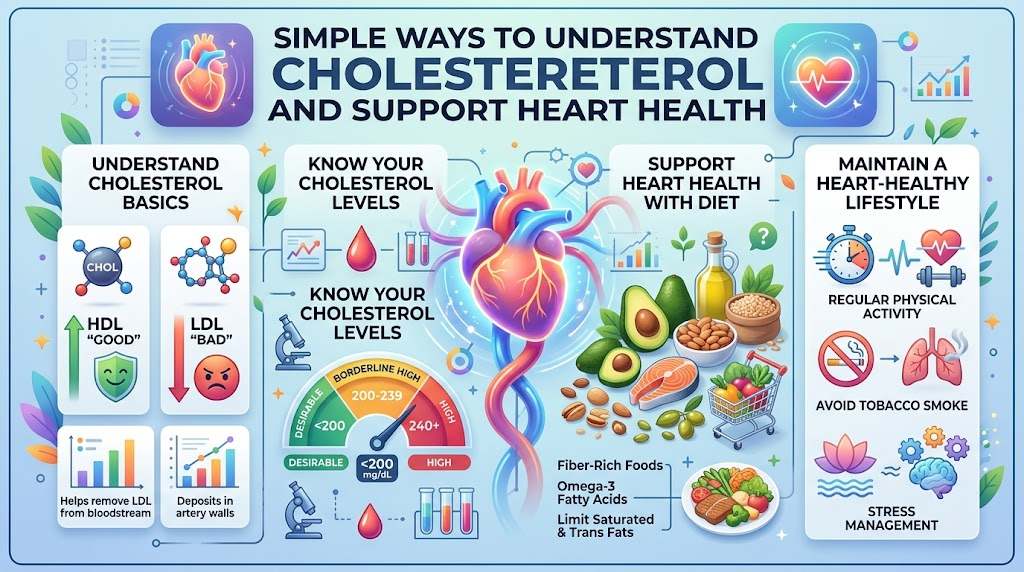
Cholesterol is a waxy substance in your blood. Your body needs some cholesterol to work well. It helps build cells and make some hormones.But too much of certain cholesterol can raise health risks. High cholesterol often causes no clear symptoms. So, many people do not know they have it.Learning how to recognize high cholesterol starts with regular health checks. A blood test can show your cholesterol levels. Healthy food, regular movement, and medical care can also support cholesterol health.MyDoctorsNow offers health information and helps people find doctors and healthcare support.
What Is Cholesterol?
Cholesterol is a type of fat-like substance. Your liver makes most of the cholesterol your body needs. Some also comes from foods that contain animal fats.Cholesterol moves through your blood. Special proteins carry it around your body. Different types of cholesterol have different roles.Your body needs cholesterol for many basic tasks. However, too much cholesterol can build up inside blood vessels. This buildup may affect blood flow.That is why balance matters. Doctors look at several blood fats during cholesterol screening. They also consider your full health picture.
What Are LDL and HDL Cholesterol?
LDL stands for low-density lipoprotein. People often call LDL the “bad” cholesterol.High LDL cholesterol can contribute to plaque buildup. Plaque can collect inside blood vessels over time. This can affect cardiovascular health.HDL stands for high-density lipoprotein. People often call HDL the “good” cholesterol.HDL helps carry some cholesterol away from blood vessels. Doctors may look at LDL and HDL together. They may also check other health factors.One cholesterol number does not show the whole picture. Your doctor may review your health history and other risk factors too.
What Are Triglycerides?
Triglycerides are another type of fat. Your body stores extra energy as triglycerides.Doctors often check triglycerides during a lipid profile. A lipid profile is a blood test. It checks several blood fats at once.High triglycerides may occur with other health concerns. These can include diabetes or other heart risk factors.A blood test can help doctors understand your cholesterol health. However, only a healthcare professional should explain personal results.
Can High Cholesterol Cause Symptoms?
High cholesterol often has no clear symptoms. A person may feel healthy while levels are high.This makes high cholesterol easy to miss. You cannot always tell from how you feel.Signs of high cholesterol are not always easy to spot. Some symptoms may happen only after another health problem develops.Routine cholesterol screening can help find concerns earlier. Your doctor can tell you when testing may fit your health needs.
How Is High Cholesterol Recognized?
Doctors use several types of information. They may ask about your medical history and family history.They may also check blood pressure and other health factors. A cholesterol test can provide useful blood information.A lipid profile may measure LDL, HDL, total cholesterol, and triglycerides. These results help doctors review cholesterol health.Doctors do not look at one result alone. They may consider age, health conditions, medicines, and family history.This approach helps create a clearer picture. It also helps guide safe cholesterol management.
Who May Have a Higher Risk?
Some people have more risk factors for high cholesterol. Family history can play an important role.Eating patterns can also affect cholesterol health. Too much saturated fat may raise LDL levels.Physical inactivity can also affect heart health. Smoking can increase cardiovascular risk as well.Diabetes and high blood pressure may add to heart disease risk. Extra body weight can also affect overall health.Age can change cholesterol risk over time. Some medicines and health conditions may also affect cholesterol.Having a risk factor does not mean you will develop heart disease. It simply gives doctors useful health information.
How Food Can Affect Cholesterol
Food choices can affect cholesterol health. A balanced diet can support healthy cholesterol levels.Fruits and vegetables provide useful nutrients and fiber. Whole grains can also add fiber to meals.Beans, lentils, nuts, and seeds can support a healthy diet. Some healthy fats can also fit into balanced eating.Saturated fat can raise LDL cholesterol in many people. Trans fat can also harm heart health.Highly processed foods may contain large amounts of unhealthy fats. So, choosing less processed foods can help support better eating habits.There is no single perfect diet for everyone. Your food needs may depend on your health and lifestyle.
The Role of Fiber
Fiber is found in many plant foods. It can support heart health as part of a balanced diet.Good sources include fruits and vegetables. Beans and lentils also contain useful fiber.Oats and whole grains are other common sources. Adding different plant foods can make meals more varied.Simple food changes may support cholesterol health. However, these tips do not replace personal nutrition advice.A dietitian or nutritionist can help with personal food needs. This can be useful when other health conditions are present.
Physical Activity and Cholesterol Health
Regular physical activity supports overall heart health. It can also support healthy cholesterol levels.Walking is one simple way to stay active. Active daily routines can also reduce long periods of sitting.Other forms of exercise may also help. Your activity should match your health and physical ability.People with health concerns may need professional advice first. A healthcare professional can help explain safe activity choices.The goal is not to follow one plan. The goal is to build healthy habits that fit your needs.
Weight, Smoking, and Other Risk Factors
Overall health habits can affect cardiovascular health. Maintaining a healthy weight may support heart health.Smoking can harm blood vessels and increase heart disease risk. Avoiding tobacco can support better heart health.Blood pressure and blood sugar also matter. Diabetes can increase the risk of heart and blood vessel problems.Sleep and stress can affect overall health too. Good daily habits can support better health in many ways.Avoid weight-shaming language and extreme weight plans. Healthy changes should focus on long-term wellbeing.
Can High Cholesterol Run in Families?
High cholesterol can sometimes run in families. Some people inherit genes that affect cholesterol levels.These genetic cholesterol problems can cause very high cholesterol. They may appear in several family members.Family history can give doctors useful information. Tell your doctor if close family members have cholesterol problems.A strong family history does not confirm a diagnosis. A healthcare professional may need blood tests and other information.
Medicines for High Cholesterol
Some people may need cholesterol medicine. Doctors may use medicines such as statins or other cholesterol-lowering drugs.Treatment depends on the person’s overall health and risk. Medical history and test results also matter.Lifestyle changes may still matter when medicine is used. Medicine does not replace healthy daily habits.Never start or stop cholesterol medicine without medical advice. Do not change a medicine schedule on your own.If you have concerns about side effects, talk with your doctor. Your doctor can explain safe options for your situation.
Lifestyle Changes and Medical Care Work Together
Lifestyle changes can support cholesterol management. Medical care may also be needed for some people.Some people have higher risks because of several health factors. These may include diabetes, high blood pressure, or family history.Doctors may consider the full cardiovascular risk picture. They may also review past cholesterol results.This helps guide medical decisions. It also helps avoid relying on one cholesterol number.Your care needs may change over time. Regular checkups can help your doctor review those changes.
How Often Should Cholesterol Be Checked?
There is no single testing schedule for everyone. Cholesterol screening needs can vary between people.Doctors may consider your age and family history. They may also consider existing health conditions.Previous cholesterol results can also matter. Your overall cardiovascular risk may affect testing needs.Some people may need more regular checks. Others may need testing at different times.Ask your doctor when a cholesterol test may be right for you. Your doctor can consider your personal health history.
When Should You Talk to a Doctor?
Talk with a doctor if you receive high cholesterol results. A doctor can explain what your results mean.Professional advice can also help if heart risks run in your family. This includes a strong family history of cholesterol problems.People with diabetes or high blood pressure may need medical guidance. Smoking can also increase the need for heart health support.Ask for help if you do not understand your cholesterol report. Also ask about concerns linked to cholesterol medicine.Do not change prescribed treatment on your own. A qualified healthcare professional can guide safe next steps.
Understanding Common Cholesterol Factors
| Cholesterol Factor | Simple Meaning |
|---|---|
| LDL | A type of cholesterol linked with plaque buildup |
| HDL | A type of cholesterol that helps carry cholesterol away |
| Triglycerides | A type of fat measured in the blood |
| Total cholesterol | A combined cholesterol measure |
| Lipid profile | A blood test that checks several blood fats |
These terms often appear on a blood cholesterol test. Understanding them can make health discussions easier.Still, a personal report needs professional review. Your doctor can explain what your results mean in context.
Common Mistakes When Managing Cholesterol
One common mistake is expecting clear symptoms. High cholesterol often causes no warning signs.Another mistake is skipping regular health checks. Blood testing can help identify cholesterol concerns.Some people focus only on one number. Doctors usually consider several results and health factors.Eating too many foods high in saturated fat can also be a concern. Smoking and inactivity may add to heart health risks.Do not stop prescribed medicine without medical advice. Also avoid unproven cures and supplements.Natural does not always mean safe. Ask a healthcare professional before using supplements for cholesterol.
Myths About High Cholesterol
Myth: I feel healthy, so my cholesterol must be normal.
High cholesterol often has no clear symptoms. Only proper testing can show cholesterol levels.
Myth: Only older people have high cholesterol.
People of different ages can have cholesterol concerns. Family history and health habits can affect risk.
Myth: All cholesterol is bad.
Your body needs some cholesterol. LDL and HDL have different roles.
Myth: Medicine means lifestyle changes no longer matter.
Healthy habits can still support overall heart health. Your doctor can explain how they fit with care.
Myth: Natural products always lower cholesterol safely.
Natural products can still cause problems. Talk with a healthcare professional before using them.
Myth: One cholesterol number tells the whole story.
Doctors often review several blood fats. They also consider health history and other risk factors.
How MyDoctorsNow Can Help
MyDoctorsNow.com can help people find healthcare information and professional care. The platform supports doctor discovery and online consultation.People can explore doctors and medical specialties based on their needs. Available services can vary by location.The platform lists areas such as cardiology, endocrinology, nutrition, and general medicine. These specialties may support people with different health concerns.MyDoctorsNow.com does not diagnose or treat high cholesterol by itself. Professional healthcare decisions should come from qualified medical professionals.
Practical Example
This is a general example, not a real patient story.A person receives a routine blood test. The results show higher cholesterol than expected.Instead of trying to read the report alone, the person talks with a qualified doctor. The doctor reviews the health history and explains possible next steps.The person also reviews daily food and activity habits. This example shows why professional guidance can matter.
Frequently Asked Questions
1. What is high cholesterol?
High cholesterol means cholesterol levels are higher than healthy levels for that person. A blood test can help identify cholesterol concerns.
2. Does high cholesterol cause symptoms?
High cholesterol often causes no clear symptoms. Many people learn about it through routine blood testing.
3. How is high cholesterol checked?
Doctors commonly use a blood cholesterol test. A lipid profile can measure LDL, HDL, total cholesterol, and triglycerides.
4. What is the difference between LDL and HDL cholesterol?
LDL can contribute to plaque buildup in blood vessels. HDL helps carry some cholesterol away from blood vessels.
5. Can food choices affect cholesterol?
Yes, food choices can affect cholesterol health. A balanced diet with plant foods can support healthy habits.
6. Can exercise help support healthy cholesterol levels?
Regular physical activity can support heart health. Walking and active daily routines can help reduce long periods of sitting.
7. Can high cholesterol run in families?
Yes, family history can affect cholesterol risk. Some people inherit genetic cholesterol problems.
8. Do people with high cholesterol always need medicine?
Not everyone needs the same care. Doctors consider overall health, risk factors, and test results before making treatment decisions.
9. When should I talk to a doctor about high cholesterol?
Talk with a doctor after high cholesterol results. Medical advice can also help with family history or other heart risks.
10. How can MyDoctorsNow.com help with cholesterol-related care?
MyDoctorsNow.com can help people find doctors and healthcare information. It also supports online consultation and doctor discovery.
Final Thoughts
High cholesterol may not cause clear symptoms. That makes cholesterol screening an important part of preventive healthcare.Blood testing can help identify cholesterol concerns. Professional review can help explain results and health risks.Healthy food choices and regular movement can support heart health. Smoking less or avoiding tobacco can also support cardiovascular health.Cholesterol management depends on each person’s health needs. A doctor can help explain safe and suitable care options.MyDoctorsNow.com can help people find healthcare information and professional support. Use trusted medical guidance when making decisions about cholesterol health.
Leave a Reply