Introduction
Navigating cardiovascular care can feel overwhelming for patients and their families. When facing conditions like coronary artery disease or heart failure, finding the right medical facility is a critical first step. The choices you make regarding your medical provider can profoundly influence your treatment journey and long-term wellness. Today, looking for the best cardiac hospitals involves analyzing global healthcare standards, clinical outcomes, surgical expertise, and structural facilities. This educational guide simplifies the process of evaluating the best heart hospitals in the world, comparing advanced treatment protocols, and reviewing financial factors. By equipping yourself with objective information, you can confidently choose the ideal environment for your cardiovascular recovery.
Why Choosing the Right Cardiac Hospital Matters
Selecting an institution for cardiovascular treatment requires deep consideration because heart care is highly specialized. The best cardiology hospitals do not merely feature modern infrastructure; they bring together multi-disciplinary teams of cardiologists, cardiac surgeons, imaging specialists, and intensive care nurses.
A high-performing facility ensures seamless coordination from diagnostic cardiology—such as echocardiograms and ECGs—to complex interventions and post-operative recovery. Furthermore, advanced facilities maintain lower complication rates and superior long-term survival statistics. Choosing an accredited hospital protects patient safety by ensuring adherence to stringent international clinical protocols, sterile environment standards, and robust emergency cardiac care workflows.
Key Factors to Compare Cardiac Hospitals
When comparing institutions globally or looking specifically for the best cardiac hospitals in India, several critical benchmarks should guide your decision-making process:
- Clinical Accreditations: Look for international gold standards like the Joint Commission International (JCI) or reputable national bodies such as the NABH in India.
- Volumetric Outcomes: Research the number of specific procedures the hospital performs annually. Higher volumes generally correlate with better success rates.
- ICU and Emergency Infrastructure: Ensure the facility houses a dedicated cardiothoracic intensive care unit (ICU) staffed 24/7 by specialized intensivists.
- Technology Integration: Top institutions utilize cutting-edge medical technology, including hybrid operating suites and robotic-assisted surgical systems.
Types of Cardiac Treatments and Procedures
Cardiovascular medicine features diverse interventions tailored to the patient’s specific diagnosis. It is important to know if a hospital excels in interventional cardiology, traditional open surgery, or structural heart therapies.
Bypass Surgery vs. Angioplasty
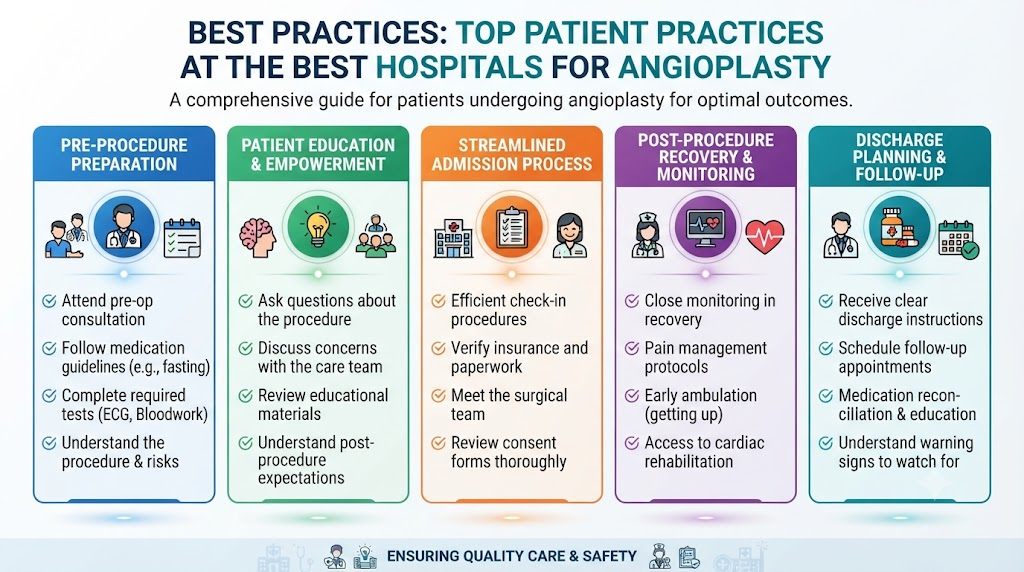
Coronary Artery Bypass Grafting (CABG) and angioplasty are primary interventions used to restore blood flow to the heart. While angioplasty is minimally invasive, bypass surgery remains the gold standard for multi-vessel blockages. The best hospitals for bypass surgery and the best hospitals for angioplasty provide advanced catheterization labs alongside full surgical back-ups to manage every patient scenario safely.
Minimally Invasive vs. Open Heart Surgery
Traditional open-heart surgery requires opening the chest via the sternum, providing direct access to the heart. Conversely, minimally invasive heart surgery utilizes smaller incisions between the ribs. This modern approach reduces patient trauma, shortens hospital stays, and accelerates recovery, though it requires specialized surgical expertise.
Comparison Table 1: Structural Procedure Comparison
| Features | Bypass Surgery (CABG) | Angioplasty (PCI) | Minimally Invasive Surgery |
| Advantages | Long-term durability for complex multi-vessel disease. | Minimally invasive; fast recovery; local anesthesia. | Smaller scars; reduced infection risk; faster healing. |
| Limitations | Major surgery; longer recovery; higher initial trauma. | Risk of restenosis; not ideal for complex blockages. | Not suitable for all anatomical conditions. |
| Suitable Patients | Severe, diffuse coronary artery disease. | Single or double vessel disease with discrete blockages. | Valve repairs; select isolated bypass grafts. |
| Cost Considerations | Higher cost due to longer operating times and ICU stay. | Lower relative cost; fewer days spent in hospital. | Mid-to-high cost; requires highly specialized tools. |
Treatment Cost Considerations Globally
The financial aspect of cardiovascular care is a major factor for families. Heart care costs fluctuate significantly based on geographic location, facility type, clinical technologies used, and the length of the required inpatient stay.
Understanding the Cost Dynamics
Western countries often present steep out-of-pocket costs for uninsured or underinsured patients. Consequently, evaluating alternative high-quality destinations has become common practice. The heart surgery cost in India, for example, is highly competitive, often running at a fraction of the cost found in the US or UK, without compromising on clinical success rates or safety standards.
Comparison Table 2: Government vs. Private Cardiac Hospitals
| Features | Government Cardiac Hospitals | Private Cardiac Hospitals |
| Advantages | Highly subsidized, affordable rates for all citizens. | Rapid scheduling; personalized care; advanced amenities. |
| Limitations | Long waiting lists; crowded facilities; basic amenities. | Substantially higher out-of-pocket expenses. |
| Suitable Patients | Budget-conscious local patients with stable conditions. | International patients; those requiring immediate care. |
| Cost Considerations | Minimal expenses; heavily subsidized by the state. | Premium pricing structure with flexible package choices. |
Medical Tourism for Heart Surgery in India
India has emerged as an international hub for cardiovascular excellence. Millions of global citizens travel overseas annually to seek out the best cardiac surgeons in India due to their immense experience and high success rates.
Why International Patients Choose India
The alignment of affordable care with exceptional clinical expertise drives the growth of medical tourism for heart surgery in India. Top Indian hospitals feature dedicated international patient service departments. These teams manage everything from visa documentation and airport transfers to language interpretation and customized dietary needs, ensuring a smooth treatment journey for overseas families.
Comparison Table 3: Healthcare Travel vs. Local Treatment
| Features | Medical Tourism (e.g., India) | Local Treatment (Western Countries) |
| Advantages | High cost savings; access to world-renowned experts quickly. | Familiar environment; proximity to local support networks. |
| Limitations | Travel logistics; requires flying post-surgery. | High financial burden; long wait times for non-emergencies. |
| Suitable Patients | Uninsured, underinsured, or patients facing long wait times. | Patients with comprehensive local insurance coverage. |
| Cost Considerations | Economical packages including travel and accommodation. | High out-of-pocket costs for elective or specialized procedures. |
Expert Tips for Selecting a Heart Specialist
- Verify Credentials: Always check the surgeon’s board certifications, fellowships, and specific training in sub-specialties like valve replacement or pediatric cardiology.
- Analyze Performance Records: Inquire about the specialist’s personal clinical success rates and long-term patient outcomes for your specific procedure.
- Seek a Second Medical Opinion: A reputable heart specialist welcomes a second opinion. Use this step to confirm your diagnosis and explore alternative therapies.
- Assess Communication: Choose a professional who explains diagnostic findings, risks, and recovery pathways in clear, empathetic, and easily understandable terms.
Best Practices for Planning Your Treatment
When preparing for major cardiac interventions, systematic planning minimizes risk and relieves emotional stress. Begin by gathering all diagnostic cardiology records, including recent echocardiograms, angiograms, and blood work.
Create a comprehensive list of all daily medications to share with your anesthesia and surgical teams. If traveling abroad, secure fit-to-fly certificates and coordinate your post-operative recovery accommodation well in advance. Lastly, establish a dedicated support system of caregivers to manage household responsibilities and assist with your physical rehabilitation during the crucial weeks following discharge.
Common Mistakes to Avoid
- Focusing Solely on Cost: Choosing a facility based only on the lowest price can lead to hidden fees or compromised safety standards.
- Overlooking Hospital Accreditations: Ignoring global or national accreditations might land you in a facility lacking standardized infection control protocols.
- Ignoring Post-Operative Care Needs: Success depends heavily on structured recovery; never overlook the quality of a hospital’s rehabilitation services.
- Rushing Decisions Without Research: Except in absolute emergencies, always take the time to evaluate multiple hospitals, surgical records, and patient testimonials.
Frequently Asked Questions
1. What defines the best cardiac hospitals globally?
The top institutions are defined by prestigious international accreditations, exceptional patient survival rates, cutting-edge diagnostic technology, and integrated multi-disciplinary care teams capable of managing complex cardiovascular emergencies around the clock.
2. How do I verify the success rate of a cardiac surgeon?
You can request verified clinical outcome data directly from the hospital’s international patient office, check national medical registries, or review peer-reviewed publications and professional clinical registry contributions by the surgeon.
3. Why is heart surgery cost in India lower than in Western countries?
Lower operational overheads, favorable currency exchange rates, state-regulated medical pricing, and a high volume of daily procedures allow Indian hospitals to offer world-class treatments at cost-effective rates.
4. What is the difference between an ECG and an echocardiogram?
An ECG records the heart’s electrical activity to detect arrhythmias or ischemia, while an echocardiogram uses ultrasound waves to create real-time structural images of the heart chambers, walls, and valves.
5. Is minimally invasive heart surgery safer than open-heart surgery?
Minimally invasive approaches generally offer lower infection rates, minimal bleeding, and faster recovery times, but their safety depends on patient anatomy and the specialized expertise of the operating cardiac surgeon.
6. What services do international patient departments provide?
These specialized departments manage medical visa assistance, airport transfers, local accommodation bookings, language interpretation, currency exchange, customized dietary planning, and seamless post-discharge teleconsultations for patients traveling from abroad.
7. How long is the recovery period after bypass surgery?
Hospital stays typically last 5 to 7 days, followed by a home recovery period of 6 to 8 weeks. Complete physical recovery and return to normal activities usually take up to 3 months.
8. Can I travel by air immediately after heart surgery?
No, patients generally need to wait between 2 to 4 weeks post-surgery before flying. You must obtain a formal “fit-to-fly” certificate from your treating cardiologist before booking return travel.
9. What accreditations should I look for in Indian cardiac hospitals?
Look for Joint Commission International (JCI) accreditation for global quality compliance, alongside National Accreditation Board for Hospitals & Healthcare Providers (NABH) certification, which guarantees top-tier national safety standards.
10. How do I obtain a reliable second medical opinion?
You can upload your diagnostic reports, angiogram CDs, and medical history summaries to secure digital healthcare platforms to receive an independent evaluation from a certified, leading heart specialist.
11. What is the role of an interventional cardiologist?
An interventional cardiologist specializes in minimally invasive, catheter-based procedures—such as angioplasty, stenting, and catheter valve repairs—rather than performing traditional, open-heart surgical operations.
12. What common mistakes should international medical tourists avoid?
Avoid traveling without comprehensive medical travel insurance, ignoring post-operative rehabilitation planning, failing to verify surgeon credentials independently, and rushing back into active physical work too quickly after treatment.
13. How does coronary artery disease impact treatment choices?
Mild coronary artery disease may be managed effectively with lifestyle changes and medication. Moderate blockages often require angioplasty, while severe, multi-vessel blockages usually necessitate coronary artery bypass surgery.
14. What amenities are provided in a dedicated cardiovascular ICU?
A dedicated cardiovascular ICU features advanced continuous hemodynamic monitoring systems, mechanical ventilators, temporary pacemakers, intra-aortic balloon pumps, and specialized, high-ratio nurse-to-patient care.
15. Why should I use an information platform to compare hospitals?
Dedicated information platforms aggregate verified data on hospital accreditations, specialized treatment costs, surgeon profiles, and international patient services, allowing you to make objective, balanced, and well-informed medical choices.
Conclusion
Making informed decisions regarding cardiovascular health requires analyzing clinical data, hospital capabilities, and specialist credentials. Whether you are identifying the best cardiac hospitals in the world for an advanced procedure or exploring affordable care options like medical tourism for heart surgery in India, objective research is invaluable. Prioritizing accredited medical institutions, checking surgeon track records, and understanding treatment steps ensures patient safety and peace of mind. Investing time in evaluating options helps families secure the highest standard of care for long-term health.
Leave a Reply