Introduction
The human heart is an extraordinary, tireless engine. Beating approximately 100,000 times a day, it pumps life-giving blood, oxygen, and nutrients to every single cell in the body. Because our entire physical existence relies on this continuous vascular cycle, keeping the heart in optimal condition is paramount. Yet, cardiovascular disease remains one of the leading health challenges worldwide, affecting millions of individuals across all walks of life.In this educational guide, we will walk you through the various forms of heart disease, identify both common and easily overlooked symptoms, outline major risk factors, and discuss the pathways to professional diagnosis and treatment. To support your proactive journey toward better health, MYDOCTORSNOW provides an accessible, family-friendly digital health platform designed to connect you with trusted medical resources, preventive care insights, and expert virtual consultations.
What Is Heart Disease?
Heart disease is not a single medical condition. Rather, it is a broad umbrella term encompassing several distinct structural and functional disorders that affect the heart muscle, its electrical system, its valves, or the extensive network of blood vessels supplying it.
                           [ Cardiovascular Disease ]
                                       │
      ┌──────────────────┬─────────────┴─────────────┬──────────────────┐
      ▼                  ▼                           ▼                  ▼
[ Coronary Artery ]  [ Heart Failure ]        [ Arrhythmias ]    [ Heart Valve Disease ]
  Plaque buildup       Weakened muscle          Electrical issues  Malfunctioning valves
  blocks blood flow.   cannot pump blood.       cause irregular    impede normal flow.
                       effectively.             heartbeats.
Coronary Artery Disease (CAD)
This is the most common form of heart disease. It occurs when cholesterol-rich deposits (plaque) slowly build up inside the coronary arteries—the blood vessels that supply oxygen-rich blood directly to the heart muscle. This process, known as atherosclerosis, restricts blood flow. Over time, CAD can lead to chest pain (angina) or result in a complete blockage, triggering a heart attack.
Heart Failure
Despite its alarming name, heart failure does not mean the heart has completely stopped working. Instead, it means the heart muscle has become too weak, stiff, or damaged to pump blood as efficiently as it should. This reduced pumping capability causes fluid to back up into the lungs or tissues, leading to chronic fatigue, shortness of breath, and physical limitations.
Arrhythmias
An arrhythmia is a disorder of the heart’s electrical system, which coordinates the rhythm of your heartbeat. This can cause the heart to beat too quickly (tachycardia), too slowly (bradycardia), or with an irregular pattern (such as atrial fibrillation). When the heart does not beat in a coordinated rhythm, its ability to pump blood effectively is compromised.
Heart Valve Disease
The heart features four delicate valves that open and close precisely with each beat, keeping blood flowing in a single, correct direction. If a valve becomes narrowed (stenosis), restricting blood flow, or fails to close tightly (regurgitation), letting blood leak backward, the heart has to work much harder to maintain circulation.
Congenital Heart Disease
This category refers to structural heart defects that are present at birth. These malformations can involve the heart’s walls, valves, or primary blood vessels. They can range from simple, asymptomatic conditions to highly complex, life-threatening anomalies that require early surgical repair.
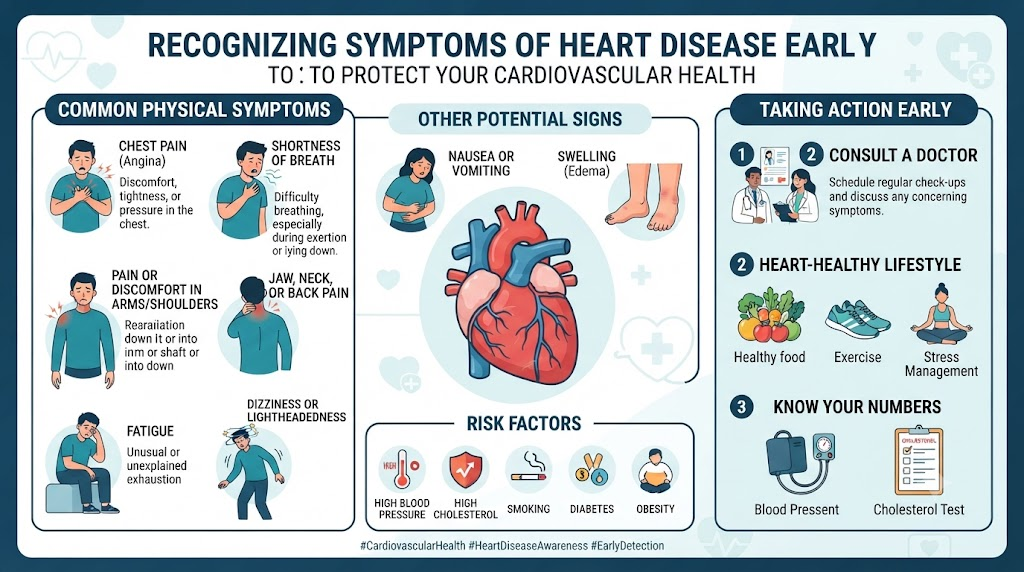
Common Symptoms of Heart Disease
Understanding how to recognize symptoms of heart disease involves looking beyond the dramatic “Hollywood” heart attack. While sudden, crushing chest pain is a clear warning sign, many cardiovascular issues manifest as subtle, everyday discomforts that are easily shrugged off.
Chest Pain, Pressure, or Discomfort
This is the classic hallmark of cardiac issues, often referred to medically as angina. It does not always feel like sharp pain; many describe it as a heavy pressure, squeezing, fullness, or a tight band wrapped around the chest. It can occur during physical exertion or stress and typically improves with rest.
Shortness of Breath (Dyspnea)
If you find yourself winded after climbing a flight of stairs that you once mastered easily, or if you struggle to catch your breath while resting or lying flat in bed, it could indicate that your heart is struggling to pump blood efficiently through your lungs.
Chronic, Unexplained Fatigue
Feeling profoundly exhausted after performing basic daily activities can be an early indicator of reduced heart function. When the heart cannot pump enough blood to meet the body’s metabolic demands, it prioritizes vital organs, leaving your muscles feeling weak and drained.
Irregular Heartbeat (Palpitations)
This is the sensation of your heart racing, fluttering, thumping, or skipping a beat. While palpitations can be triggered by caffeine, stress, or dehydration, frequent or prolonged episodes can indicate an underlying arrhythmia.
Dizziness, Lightheadedness, or Fainting (Syncope)
Feeling dizzy or suddenly losing consciousness occurs when blood flow to the brain is compromised. This can be caused by a sudden drop in blood pressure, a malfunctioning heart valve, or an irregular heartbeat that prevents steady circulation.
Swelling of the Legs, Ankles, or Feet (Edema)
When the heart’s pumping action weakens, blood returning to the heart through the veins can back up. This fluid congestion causes fluid to pool in the lower extremities, resulting in noticeable swelling that may make your shoes feel tight.
Pain Radiating to the Neck, Jaw, Throat, Shoulder, Arm, or Back
Cardiac discomfort often travels along shared nerve pathways. Pain, numbness, or a dull ache that originates in the chest and spreads to your left arm, shoulder, upper back, neck, or jaw is a highly classic symptom of heart distress.
Cold Sweats (Diaphoresis)
Breaking out in a cold, clammy sweat for no apparent physical or environmental reason—especially when accompanied by chest discomfort or shortness of breath—is a common systemic response to acute heart strain.
Nausea, Indigestion, or Abdominal Discomfort
Some individuals, particularly women and older adults, do not experience classic chest pain. Instead, cardiac distress may present as unexplained nausea, a burning feeling resembling heartburn, vomiting, or a heavy sensation in the upper stomach.
Reduced Exercise Tolerance
A gradual, noticeable decline in your physical stamina can be a telling sign of early cardiovascular disease. If workouts or simple walks that used to feel easy now leave you feeling exhausted or short of breath, your heart may be signaling for help.
A Crucial Point of Care: Every individual’s experience with heart disease is unique. Symptoms can vary significantly depending on the specific condition, age, and overall health. Some cardiovascular issues remain entirely “silent” until a serious cardiac event occurs, making routine medical checkups essential.
Heart Disease Symptoms Comparison Table
This table summarizes common symptoms of heart disease, what they may indicate, and the general level of urgency they represent:
| Symptom | Possible Underlying Sign | General Action/Urgency |
| Chest pain, squeezing, or pressure | Coronary artery disease or acute heart attack | Immediate emergency evaluation if severe or sudden. |
| Shortness of breath (especially when flat) | Heart failure or coronary artery disease | Prompt clinical evaluation by a physician. |
| Palpitations or skipping beats | Arrhythmias or heart rhythm disorders | Schedule an outpatient diagnostic evaluation. |
| Swollen legs, ankles, or feet | Heart failure or circulation issues | Schedule an evaluation to assess fluid retention. |
| Dizziness, lightheadedness, or fainting | Arrhythmias or reduced blood flow | Prompt medical checkup; immediate care if fainting occurs. |
| Persistent, unexplained fatigue | Reduced heart function or valve disease | Schedule a medical history and physical checkup. |
Risk Factors That Increase Heart Disease Risk
Recognizing heart disease also means understanding the personal risk factors that make cardiovascular issues more likely to develop. While some factors are beyond our control, many can be successfully managed.
- High Blood Pressure (Hypertension): Often called the “silent killer,” high blood pressure forces the heart to work harder to circulate blood, damaging the artery walls over time.
- High Cholesterol Levels: Excess Low-Density Lipoprotein (LDL) cholesterol in the blood can build up inside the arteries, forming plaques that restrict blood flow.
- Diabetes and Insulin Resistance: High blood glucose levels can damage blood vessels and the nerves that control the heart over time, significantly increasing the risk of cardiovascular disease.
- Tobacco Use and Smoking: Smoking damages the lining of the arteries, reduces oxygen levels in the blood, and increases the likelihood of dangerous blood clots.
- Obesity and Excess Body Weight: Carrying excess weight puts extra strain on the heart, increases the heart’s workload, and is linked to high blood pressure and diabetes.
- Physical Inactivity: A sedentary lifestyle contributes to high cholesterol, high blood pressure, and weight gain, weakening the heart muscle over time.
- Family History of Heart Disease: Having a close relative (parent or sibling) who developed heart disease early in life can increase your genetic predisposition to cardiovascular issues.
- Chronic Stress and Anxiety: Long-term stress raises blood pressure, increases heart rate, and can lead to unhealthy coping habits like overeating or smoking.
- Unhealthy Dietary Habits: A diet high in saturated fats, trans fats, processed sodium, and refined sugars contributes directly to arterial plaque buildup and weight gain.
- Increasing Age: As we get older, the heart muscle can naturally stiffen, and the arteries can lose their elasticity, making regular heart screenings increasingly important.
Symptoms That Require Emergency Medical Attention
Some heart symptoms represent an acute crisis, such as a heart attack, and require immediate action. If you or someone near you experiences any of the following symptoms, call emergency services immediately:
- Severe Chest Pain or Pressure: A sudden, intense pressure, squeezing, or fullness in the center of the chest that lasts for more than a few minutes or goes away and returns.
- Pain Spreading to Other Areas: Discomfort or pain that radiates down one or both arms (especially the left), up into the neck, jaw, throat, or across the back and shoulders.
- Sudden, Severe Shortness of Breath: Feeling as though you cannot catch your breath, even while resting or sitting quietly.
- Fainting or Loss of Consciousness: Sudden fainting, especially if preceded by palpitations, chest pain, or dizziness.
- Unexplained Cold Sweats: Suddenly breaking out in a cold, clammy sweat while experiencing chest pressure or shortness of breath.
- Sudden, Profound Weakness: Feeling an abrupt, overwhelming loss of physical energy, lightheadedness, or instability.
- New or Rapidly Worsening Confusion: Sudden mental changes, slurred speech, or difficulty understanding others, which can indicate compromised blood flow.
Never Delay Care: When dealing with potential cardiac emergencies, every minute counts. Rapid, professional medical treatment can prevent permanent damage to the heart muscle and significantly improve recovery outcomes. Never attempt to drive yourself to the hospital if you suspect you are having a heart attack; call emergency services so medical care can begin immediately.
How Doctors Diagnose Heart Disease
If you present with potential symptoms of heart disease, your healthcare provider will utilize a variety of advanced, non-invasive, and sometimes invasive tests to evaluate your cardiovascular health:
                      [ Diagnostic Evaluation Pathway ]
                                     │
         ┌───────────────────────────┼───────────────────────────┐
         ▼                           ▼                           ▼
  [ Clinical Basics ]         [ Functional Tests ]        [ High-Tech Imaging ]
  - Medical History           - Electrocardiogram (ECG)   - Echocardiogram (Echo)
  - Blood Panels (Lipids)     - Stress Testing            - Cardiac CT / Angiography
Comprehensive Medical History and Physical Exam
Your physician will discuss your personal and family health history, review your symptoms, and perform a physical exam. They will listen to your heart and lungs, check your blood pressure, and look for signs of fluid retention in your legs.
Specialized Blood Tests
Blood tests can check for key markers of heart health, such as cholesterol levels (lipid panel), blood sugar (HbA1c), kidney function, and inflammatory markers like C-Reactive Protein (CRP). If a heart attack is suspected, tests will check for cardiac enzymes (like troponin) in the blood.
Electrocardiogram (ECG or EKG)
This simple, painless test records the electrical activity of your heart through small patches attached to your chest, arms, and legs. An ECG can reveal irregular heart rhythms, signs of an active or past heart attack, or structural strain on the heart muscle.
Echocardiogram (Heart Ultrasound)
Using sound waves, an echocardiogram creates live, moving images of your heart’s chambers and valves. This non-invasive test allows doctors to assess how well your heart muscle is pumping and check if your heart valves are opening and closing properly.
Cardiac Stress Testing
A stress test measures how your heart performs under physical exertion. You will walk on a treadmill or pedal a stationary bicycle while connected to an ECG monitor. If you are unable to exercise, a medication is used to gently simulate the effects of exercise on the heart.
Cardiac CT and Calcium Scoring
A cardiac CT scan provides high-resolution, 3D images of your heart and blood vessels. A coronary calcium scan can detect and measure calcium deposits within your coronary arteries, helping to identify plaque buildup before symptoms occur.
Coronary Angiography
If a blockage is suspected, a coronary angiogram may be performed. A thin catheter is guided through a blood vessel to your heart, and a safe dye is injected. Special X-ray imaging then tracks the dye to pinpoint the exact location and severity of any arterial blockages.
Treatment Options
Modern medicine offers a wide array of highly effective treatments designed to manage symptoms, slow the progression of heart disease, and protect your long-term health.
Lifestyle Transformations
The foundation of any cardiovascular care plan starts with lifestyle changes. Adopting a heart-healthy diet, staying physically active, managing stress, and getting quality sleep can significantly improve heart function and reduce risk factors.
Targeted Medications
Physicians utilize a variety of medications to manage heart conditions safely:
- Beta-blockers to slow the heart rate and lower blood pressure.
- ACE inhibitors to relax blood vessels and reduce stress on the heart.
- Statins to lower LDL cholesterol and stabilize arterial plaques.
- Diuretics (water pills) to help the body eliminate excess fluid and reduce swelling.
- Blood thinners to prevent dangerous blood clots.
Structured Cardiac Rehabilitation
Cardiac rehab is a supervised program that includes personalized exercise training, nutritional counseling, stress management education, and emotional support. It is highly beneficial for individuals recovering from a heart attack, heart surgery, or managing chronic heart failure.
Minimally Invasive Procedures
If an artery is severely narrowed, specialists may perform a coronary angioplasty. A tiny balloon is inflated inside the blocked artery to open it, and a small mesh tube (stent) is placed to keep the artery open and restore normal blood flow.
Cardiothoracic Surgery
For advanced or complex cases, surgical procedures may be recommended. This can include Coronary Artery Bypass Grafting (CABG) to create a new path for blood flow around a blocked artery, or heart valve repair or replacement to restore normal valve function.
Long-Term Follow-Up Care
Managing heart disease is an ongoing partnership. Regular checkups with your cardiologist and primary physician ensure your medications are working effectively, your symptoms are well managed, and any changes in your heart function are addressed early.
Lifestyle Habits That Support Heart Health
Adopting daily habits that support your cardiovascular system is one of the most effective ways to lower your risk of developing heart disease and improve your overall quality of life.
- Adopt a Nutrient-Rich, Heart-Healthy Diet: Focus on a diet rich in colorful vegetables, fruits, whole grains, lean proteins, and healthy fats (like those found in olive oil, avocados, and nuts). Limit your intake of processed foods, high-sodium snacks, and refined sugars.
- Engage in Regular, Moderate Exercise: Aim for at least 150 minutes of moderate-intensity aerobic exercise—such as brisk walking, swimming, or cycling—each week, as approved by your doctor.
- Maintain a Healthy, Balanced Weight: Achieving and maintaining a healthy weight reduces the workload on your heart, helps manage blood pressure, and improves insulin sensitivity.
- Monitor and Control Your Blood Pressure: Keep your blood pressure within a healthy range through a balanced lifestyle and, if prescribed, consistent use of your blood pressure medications.
- Manage Blood Sugar and Diabetes: If you have diabetes, monitor your blood glucose levels closely and work with your healthcare team to keep your HbA1c in a healthy range.
- Commit to Smoking Cessation: Quitting smoking is one of the single most beneficial steps you can take for your heart. Over time, your cardiovascular risk drops significantly after quitting.
- Prioritize Quality, Restful Sleep: Aim for 7 to 9 hours of quality sleep each night. Poor sleep is linked to high blood pressure, increased stress, and a higher risk of heart disease.
- Practice Effective Stress Management: Incorporate stress-reducing practices into your daily routine, such as deep breathing, meditation, yoga, spending time in nature, or enjoying hobbies.
Heart Health Tips Table
This table summarizes key daily habits and how they directly support your cardiovascular health:
| Healthy Habit | Cardiovascular Benefit |
| Regular Exercise | Strengthens the heart muscle, lowers blood pressure, and improves overall circulation. |
| Balanced Diet | Helps manage cholesterol levels, reduces arterial inflammation, and supports a healthy weight. |
| No Smoking | Prevents damage to the blood vessel linings and lowers the risk of dangerous arterial blood clots. |
| Healthy Weight | Reduces the physical workload on your heart and lowers your risk of developing type 2 diabetes. |
| Routine Health Checkups | Allows your doctor to detect and manage cardiovascular risk factors early, before symptoms develop. |
| Stress Management | Keeps stress hormone levels (like cortisol and adrenaline) balanced, protecting blood vessel health. |
How MYDOCTORSNOW Supports Heart Health
Navigating heart health and preventive care can feel overwhelming, but you don’t have to do it alone. MYDOCTORSNOW is dedicated to supporting your wellness journey through reliable, accessible health resources:
- Online Healthcare Guidance: Access clear, easy-to-understand educational guides covering a wide range of heart health and preventive care topics.
- Preventive Healthcare Resources: Learn about key cardiovascular risk factors, healthy lifestyle changes, and the importance of routine health screenings.
- Convenient Virtual Consultations: Connect with qualified healthcare providers online to discuss your risk factors, review minor symptoms, and receive personalized wellness advice from the comfort of home.
- Empowering Confident Choices: By providing high-quality, independent educational resources, MYDOCTORSNOW helps you make informed, proactive decisions for your cardiovascular health.
Common Mistakes People Make
Understanding these common pitfalls can help you protect your heart health and ensure you receive timely, effective care:
- Ignoring Mild or Intermittent Chest Discomfort: Shrugging off minor, occasional chest pressure as “just a muscle pull” or “getting older” can delay the diagnosis of early heart disease.
- Assuming Symptoms Are Only Due to Indigestion: Mistaking cardiac pain, nausea, or fullness for simple heartburn or indigestion is a common mistake that can delay necessary care.
- Delaying a Professional Medical Evaluation: Waiting to see if your symptoms (like unusual fatigue or shortness of breath) improve on their own can allow heart issues to progress.
- Stopping Heart Medications Without Consulting Your Doctor: Discontinuing prescribed blood pressure, cholesterol, or heart medications because you “feel fine” can lead to dangerous, sudden spikes in cardiovascular risk.
- Skipping Regular Preventive Screenings: Avoiding annual physicals because you feel healthy can prevent you from identifying and managing silent risk factors like high blood pressure or cholesterol.
Common Myths vs. Facts
Let’s clear up some common misconceptions about heart disease symptoms with accurate clinical facts:
| Myth | Fact |
| Heart disease only affects older adults. | Cardiovascular conditions can affect adults of all ages, depending on genetics, lifestyle habits, and underlying risk factors. |
| Chest pain is always severe during a heart attack. | Heart attack symptoms can range from severe, crushing pain to mild, vague discomfort, pressure, or simply shortness of breath. |
| Feeling healthy means your heart is perfectly fine. | Many heart conditions—such as high blood pressure and early coronary artery disease—develop silently with no noticeable symptoms. |
| Heart disease is primarily a health issue for men. | Heart disease is a leading cause of health issues for women, who may experience different, more subtle symptoms like nausea or fatigue. |
Real-Life Educational Scenarios
Scenario 1: Early Action for Intermittent Chest Pressure
A 52-year-old high school teacher noticed a mild, heavy squeezing sensation in his chest whenever he walked up a steep hill near his home. The feeling always resolved after a few minutes of rest, so he initially assumed it was just indigestion. Recognizing that this could be a warning sign of heart disease, his wife encouraged him to seek a medical evaluation. A cardiac stress test revealed a significant blockage in one of his coronary arteries. Thanks to early detection, he received a stent and began lifestyle changes, successfully preventing a heart attack.
Scenario 2: Identifying Shortness of Breath and Fatigue
A 64-year-old grandmother found herself feeling unusually exhausted and out of breath after performing basic household tasks that used to be easy. She also noticed that her ankles were starting to swell by the end of the day. Suspecting these might be symptoms of heart strain, she scheduled a checkup with her doctor. An echocardiogram revealed early-stage heart failure. With a customized medication plan, dietary sodium reductions, and gentle daily walks, her symptoms improved significantly, allowing her to comfortably play with her grandchildren again.
Scenario 3: Proactive Prevention Through Routine Screenings
A 45-year-old office manager felt completely healthy and active, but his father had experienced a heart attack in his late 40s. Understanding his family history, the manager scheduled a routine preventive health screening. The test revealed surprisingly high LDL cholesterol and elevated blood pressure, despite his active lifestyle. Working with his physician, he made targeted dietary changes and started a low-dose cholesterol medication. His proactive approach helped lower his risk factors, protecting his long-term heart health before any symptoms could develop.
Frequently Asked Questions (FAQs)
1. What are the earliest symptoms of heart disease?
Early symptoms can be very subtle and may include unusual fatigue, mild shortness of breath during light exercise, intermittent chest pressure that improves with rest, or mild dizziness.
2. Can heart disease develop without any symptoms?
Yes. Many cardiovascular conditions—such as high blood pressure, high cholesterol, and early coronary artery disease—can develop silently over many years without causing any noticeable warning signs.
3. What does heart-related chest pain feel like?
Heart-related chest discomfort (angina) is often described as a heavy pressure, squeezing, tightness, fullness, or an aching sensation in the center of the chest. It can sometimes feel like a heavy weight resting on your chest.
4. When should I seek emergency medical care for heart symptoms?
Seek emergency medical care immediately if you experience sudden, severe chest pain, chest pressure radiating to your arm, neck, or jaw, sudden difficulty breathing, cold sweats, or fainting.
5. Do women experience different heart symptoms than men?
Yes. While women can experience classic chest pain, they are more likely than men to experience less obvious symptoms, such as unusual fatigue, shortness of breath, nausea, back or jaw pain, and lightheadedness.
6. What are the primary causes of heart disease?
Heart disease is typically caused by a combination of genetics, age, and lifestyle factors—such as an unhealthy diet, lack of exercise, smoking, high blood pressure, diabetes, and high cholesterol.
7. How is heart disease diagnosed?
Doctors use several diagnostic tools, including a physical exam, blood tests, an electrocardiogram (ECG), an echocardiogram (ultrasound), stress testing, and sometimes cardiac CT scans or angiography.
8. Can lifestyle changes actually reduce my risk of heart disease?
Absolutely. Adopting a heart-healthy diet, exercising regularly, maintaining a healthy weight, managing stress, getting quality sleep, and avoiding tobacco can significantly reduce your cardiovascular risk.
9. Which diagnostic tests are best for evaluating heart health?
The best tests depend on your specific symptoms and history, but doctors commonly start with non-invasive tests like blood panels, an ECG, and an echocardiogram to get a clear picture of your heart’s health.
10. What are the classic warning signs of a heart attack?
Classic warning signs include severe chest pressure, squeezing, or pain; discomfort spreading to the left arm, neck, jaw, or back; shortness of breath; cold sweats; and unexplained dizziness or lightheadedness.
11. How does high blood pressure affect the heart over time?
High blood pressure forces your heart to work harder to pump blood through your body. Over time, this extra workload can cause the heart muscle to thicken, stiffen, or weaken, and can damage your arterial walls.
12. What role does cholesterol play in heart disease?
Excess LDL (“bad”) cholesterol can slowly build up inside the walls of your coronary arteries, forming hard plaques that narrow the arteries, restrict blood flow, and increase the risk of a heart attack.
13. How often should I have my heart health checked?
If you are healthy and have no risk factors, an annual physical checkup is typically sufficient. If you have risk factors like diabetes, high blood pressure, or a family history, your doctor may recommend more frequent screenings.
14. What are “silent” heart problems?
Silent heart problems are cardiovascular issues—such as silent ischemia or high blood pressure—that damage the heart muscle or blood vessels without causing any noticeable symptoms until a major event occurs.
15. How does MYDOCTORSNOW support heart health education?
MYDOCTORSNOW provides accessible, high-quality educational resources, preventive care guides, and convenient online consultations to help you understand your risk factors and make informed, healthy decisions.
Final Thoughts
Your cardiovascular health is the foundation of your overall vitality and well-being. Understanding how to recognize symptoms of heart disease—and appreciating that they can present as subtle, everyday changes—is one of the most proactive steps you can take to protect your future.Remember, early detection is key. Listening to your body, recognizing warning signs early, and partnering with your healthcare provider for regular preventive screenings can make a profound difference in your health journey.
Leave a Reply