Introduction
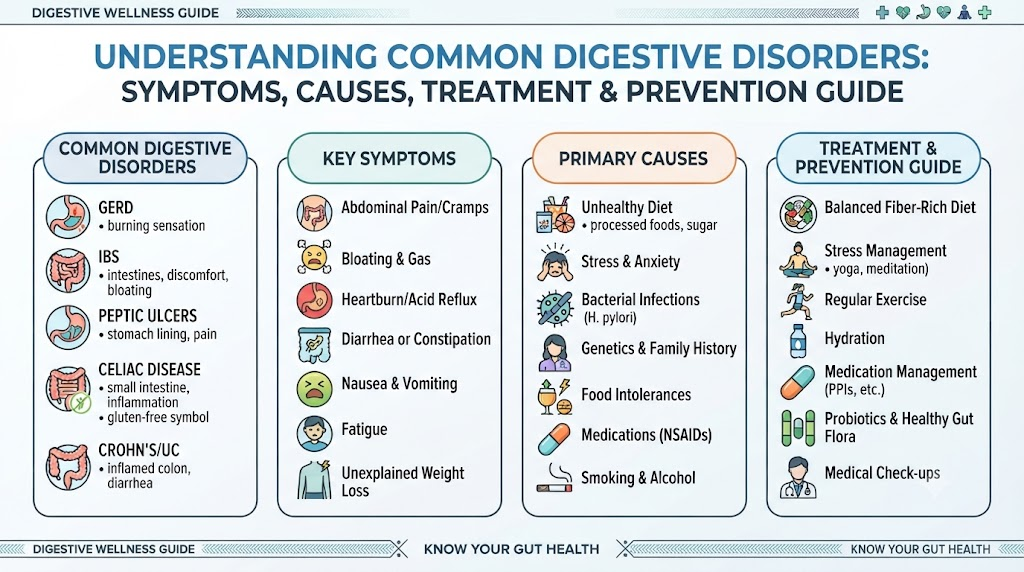
Our digestive system is fundamental to our overall well-being. Far from being a simple processing tube, the gastrointestinal (GI) tract interacts continuously with our immune, nervous, and endocrine systems. When our digestion functions smoothly, our bodies efficiently absorb vital nutrients, maintain consistent energy levels, and defend against environmental pathogens. However, when disruptions occur within this complex pathway, they can significantly impact our daily comfort, mental clarity, and overall quality of life.As you navigate this journey, online educational platforms like MYDOCTORSNOW serve as a valuable resource, connecting you with reliable medical information, preventive wellness guides, and qualified healthcare professionals to support your digestive health.
What Are Digestive Disorders?
Digestive disorders encompass any health condition that interferes with the normal functioning of the gastrointestinal tract. This complex system is responsible for breaking down food, absorbing essential water and nutrients, and eliminating solid waste.
The Organs of the Digestive System
The digestive tract is a continuous, hollow muscular pathway extending from the mouth to the anus, working alongside accessory organs that produce essential digestive fluids:
[ Mouth ] ──► [ Esophagus ] ──► [ Stomach ] ──► [ Small Intestine ] ──► [ Large Intestine ] ──► [ Elimination ]
                                   ▲                    ▲
                                   │                    │
                        (Accessory Secretions) ─────────┘
                         [ Liver, Pancreas, Gallbladder ]
- The Upper GI Tract: Includes the mouth, esophagus (which carries food down to the stomach), and the stomach (where acid and muscular churning begin digestion).
- The Lower GI Tract: Comprises the small intestine (where the vast majority of nutrient absorption occurs) and the large intestine or colon (which absorbs water and forms solid stool).
- Accessory Organs: The liver (produces bile to digest fats), gallbladder (stores and concentrates bile), and pancreas (secretes vital digestive enzymes and hormones like insulin).
Why Do Digestive Problems Develop?
Gastrointestinal issues occur when one or more parts of this pathway fail to work harmoniously. This can happen due to structural alterations (such as physical blockages or inflammation) or functional disruptions (where the organs look normal under a microscope but do not coordinate or move food through the system correctly). These imbalances can lead to issues with motility, nutrient absorption, and the protective mucosal lining of the gut.
Common Digestive Disorders
To gain a clear perspective on gastrointestinal health, it is helpful to look closely at the specific disorders that commonly affect patients.
Gastroesophageal Reflux Disease (GERD)
GERD is a chronic condition that occurs when stomach acid or bile repeatedly flows back up into the tube connecting your mouth and stomach (esophagus). This backflow occurs when the circular band of muscle at the bottom of the esophagus—the lower esophageal sphincter (LES)—fails to close tightly. This acid exposure can irritate and inflame the sensitive esophageal lining.
Irritable Bowel Syndrome (IBS)
IBS is a common functional gastrointestinal disorder that affects the large intestine. It is characterized by recurrent abdominal cramping, bloating, gas, and changes in bowel habits. IBS is generally classified into three types based on the primary symptom: IBS-C (predominantly constipation), IBS-D (predominantly diarrhea), or IBS-M (mixed bowel habits). While IBS can cause significant discomfort, it does not cause physical damage or inflammation to the digestive tissues.
Gastritis
Gastritis refers to inflammation of the protective mucosal lining of the stomach. This irritation can be acute (occurring suddenly) or chronic (developing slowly over time). If left unmanaged, chronic gastritis can lead to mucosal thinning and increase the risk of ulcer development.
Peptic Ulcers
Peptic ulcers are open sores that develop on the inner lining of your stomach (gastric ulcers) or the upper section of your small intestine (duodenal ulcers). They occur when the protective mucous layer of the stomach is worn away by digestive acids, most commonly due to an H. pylori bacterial infection or the frequent use of nonsteroidal anti-inflammatory drugs (NSAIDs) like ibuprofen.
Constipation
Constipation is defined as having infrequent bowel movements (typically fewer than three per week), passing hard or lumpy stools, or experiencing significant straining. It occurs when waste moves too slowly through the large intestine, allowing the colon to absorb too much water and making the stool dry and difficult to pass.
Diarrhea
Diarrhea is characterized by frequent, loose, or watery bowel movements. It can be acute, often caused by temporary bacterial or viral infections, or chronic, which may point to an underlying condition such as a food malabsorption issue or an inflammatory disease.
       [ Intestinal Influx of Water/Solutes ]
                         │
         ┌───────────────┴───────────────┐
         ▼                               ▼
 [ Acute Diarrhea ]              [ Chronic Diarrhea ]
 ├── Viral Gastroenteritis       ├── Food Malabsorption (e.g., Lactose)
 └── Bacterial Food Poisoning    └── Inflammatory Pathologies (e.g., IBD)
Gallstones
Gallstones are hardened deposits of digestive fluid that form in your gallbladder. These stones can range in size from tiny grains of sand to large golf balls. Many people have gallstones without ever knowing it, but if a stone blocks one of the bile ducts, it can trigger sudden, severe pain in the upper right side of the abdomen.
Inflammatory Bowel Disease (IBD)
Unlike IBS, Inflammatory Bowel Disease (IBD) involves chronic, visible inflammation and structural damage to the digestive tract. IBD primarily includes two conditions:
- Crohn’s Disease: Can cause deep, patchy inflammation anywhere along the digestive tract from the mouth to the anus.
- Ulcerative Colitis: Causes continuous, superficial inflammation and sores exclusively in the lining of the large intestine and rectum.
Hemorrhoids
Hemorrhoids are swollen, inflamed veins located around the anus or in the lower rectum. They can develop internally or externally, often caused by increased pressure from straining during bowel movements, chronic constipation, or pregnancy.
Lactose Intolerance
Lactose intolerance is a digestive issue caused by the body’s inability to produce sufficient amounts of lactase, the enzyme needed to break down lactose (the sugar found in dairy products). When undigested lactose reaches the large intestine, it is fermented by gut bacteria, leading to gas, bloating, and diarrhea.
Celiac Disease
Celiac disease is a serious autoimmune reaction that occurs when genetically predisposed individuals consume gluten—a protein found in wheat, barley, and rye. In people with celiac disease, eating gluten triggers an immune response that attacks and damages the tiny, finger-like projections (villi) in the small intestine, impairing the body’s ability to absorb nutrients.
Digestive Disorders Comparison Table
| Digestive Disorder | Common Symptoms | Possible Treatment | Primary Impact Area |
| GERD | Heartburn, acid reflux, chest discomfort, chronic dry cough. | Lifestyle adjustments, acid-reducing medications (antacids, H2 blockers, PPIs). | Esophagus and lower esophageal sphincter (LES). |
| IBS | Abdominal pain, bloating, gas, alternating diarrhea or constipation. | Dietary changes (e.g., Low-FODMAP diet), stress management, targeted medications. | Large intestine (functional coordination). |
| Gastritis | Burning stomach pain, nausea, vomiting, feeling full quickly after eating. | Treating underlying infections (H. pylori), avoiding NSAIDs, acid reducers. | Stomach lining (mucosa). |
| Constipation | Infrequent bowel movements, hard or lumpy stools, straining. | Increasing dietary fiber, drinking plenty of water, regular physical activity, laxatives. | Colon (waste transit). |
| Gallstones | Sudden, severe pain in the upper right abdomen, back pain, nausea. | Active observation, dietary adjustments, surgery to remove the gallbladder (cholecystectomy). | Gallbladder and bile ducts. |
| Celiac Disease | Chronic diarrhea, abdominal bloating, fatigue, weight loss, nutrient deficiencies. | Strict, lifelong adherence to a gluten-free diet. | Small intestine (villi damage). |
Common Symptoms of Digestive Disorders
Recognizing the signs of digestive discomfort is the first step toward finding relief. While many gastrointestinal conditions share similar symptoms, paying attention to how and when they occur can help your doctor pinpoint the cause.
- Heartburn: A burning sensation in your chest, often rising toward your throat, which typically feels worse after eating or when lying down.
- Acid Reflux: The backup of sour or bitter-tasting stomach acid into your mouth or throat.
- Abdominal Pain: Pain that can range from dull, persistent aches to sharp, sudden cramps, occurring anywhere from the lower chest to the pelvis.
- Bloating: A feeling of fullness, tightness, or visible swelling in your abdomen, usually caused by trapped gas.
- Excessive Gas (Flatulence/Belching): The release of excess air swallowed during meals or produced by the fermentation of undigested food in the colon.
- Nausea and Vomiting: A feeling of stomach distress that may or may not lead to vomiting, often associated with gastritis, ulcers, or slow stomach emptying.
- Irregular Stools: Chronic changes in your bowel habits, such as persistent diarrhea, ongoing constipation, or alternating between the two.
- Difficulty Swallowing (Dysphagia): A sensation of food getting stuck in your chest or throat, which always warrants a medical evaluation.
- Unexplained Weight Loss: Dropping weight without changing your diet or exercise habits, which can point to nutrient malabsorption or inflammation.
Common Causes and Risk Factors
A variety of lifestyle factors, genetic traits, and medical conditions can influence your risk of developing digestive issues:
                  [ Factors Influencing Digestive Function ]
                                      │
         ┌────────────────────────────┼────────────────────────────┐
         ▼                            ▼                            ▼
[ Dietary Patterns ]         [ Physical & Mental ]        [ Biological Factors ]
├── Highly processed foods   ├── Unmanaged stress levels  ├── Genetic predisposition
├── Insufficient hydration   ├── Inactive lifestyle       └── Chronic gut infections
└── Minimal dietary fiber    └── Smoking and alcohol      └── Regular NSAID use
- Dietary Choices: Diets that are low in fiber and high in highly processed, fatty, or sugary foods can slow down your digestion and alter your gut microbiome.
- Unmanaged Stress: The brain and gut are closely connected through the gut-brain axis. High stress levels can disrupt gut motility, increase sensitivity to pain, and alter the balance of beneficial bacteria.
- Food Intolerances and Allergies: Sensitivities to substances like lactose, fructose, or gluten can irritate the digestive tract and trigger chronic symptoms.
- Infections: Bacterial infections (such as H. pylori or C. difficile), viral gastroenteritis, or parasitic infections can damage the delicate mucosal lining of the gut.
- Smoking and Alcohol Consumption: Smoking relaxes the lower esophageal sphincter, increasing acid reflux, while excessive alcohol can directly irritate and inflame the lining of your stomach.
- Obesity: Carrying extra weight around your abdomen can put physical pressure on your stomach, contributing to acid reflux and increasing the risk of gallbladder issues.
- Genetics: A family history of autoimmune or chronic conditions, such as celiac disease, Crohn’s disease, or ulcerative colitis, can increase your likelihood of developing similar issues.
- Medications: Frequent or long-term use of certain drugs, especially nonsteroidal anti-inflammatory drugs (NSAIDs) or frequent antibiotics, can disrupt your gut flora and irritate your stomach lining.
How Doctors Diagnose Digestive Disorders
To identify the root cause of your digestive symptoms, healthcare professionals use a combination of detailed discussions, physical evaluations, and specialized diagnostic tests.
[ Patient Consultation ] ──► [ Diagnostic Testing ] ──► [ Tailored Care Plan ]
                                   │
         ┌─────────────────────────┴─────────────────────────┐
         ▼                                                   ▼
[ Non-Invasive Diagnostics ]                       [ Endoscopic Procedures ]
├── Blood & Stool Assays                           ├── Upper Endoscopy (EGD)
├── Hydrogen Breath Tests                          └── Direct Colonoscopy
└── Abdominal Imaging (US/CT)
Medical History and Physical Examination
Your doctor will begin by asking detailed questions about your symptoms, including when they started, their severity, what makes them better or worse, and your family history of digestive issues. They will also perform a gentle abdominal exam to check for tenderness, swelling, or unusual masses.
Laboratory Tests
- Blood Tests: Used to check for signs of inflammation, anemia (which can point to internal bleeding), specific celiac disease antibodies, or nutrient deficiencies.
- Stool Tests: Analyze stool samples for hidden blood, signs of bacterial or parasitic infections, or markers of active intestinal inflammation (such as calprotectin).
Endoscopic Procedures
- Upper Endoscopy (EGD): A procedure where a doctor passes a thin, flexible tube equipped with a camera (endoscope) through your mouth to examine the lining of your esophagus, stomach, and duodenum. It allows them to detect inflammation, ulcers, or take tiny tissue samples (biopsies).
- Colonoscopy: A similar procedure where an endoscope is inserted through the rectum to inspect the entire lining of your colon and rectum, helping to identify polyps, inflammation, or early signs of disease.
Imaging Studies
- Abdominal Ultrasound: Uses sound waves to create real-time images of your organs, making it an excellent tool for identifying gallstones or liver issues.
- Abdominal CT Scan: Provides detailed, cross-sectional views of your abdominal organs to help identify structural changes, blockages, or deep tissue inflammation.
Hydrogen Breath Tests
A simple, non-invasive test where you breathe into a device after drinking a specific sugary solution, helping to diagnose lactose intolerance or Small Intestinal Bacterial Overgrowth (SIBO).
Treatment Options
Because digestive issues vary widely, treatments are highly individualized and focused on relieving symptoms, promoting healing, and restoring comfortable gut function.
Lifestyle and Dietary Changes
For many common issues like mild GERD, IBS, or temporary constipation, simple adjustments are often the first and most effective step. This may include adopting a low-FODMAP diet for IBS, identifying and avoiding your personal trigger foods, drinking more water, and eating smaller, more frequent meals.
Targeted Medications
Your doctor may recommend or prescribe medications depending on your specific diagnosis:
- Acid Reducers: Antacids, H2 blockers, or proton pump inhibitors (PPIs) to help reduce stomach acid and allow irritated tissues to heal.
- Antispasmodics: To help relax the muscles of the intestine and reduce painful cramping in patients with IBS.
- Fiber Supplements and Laxatives: To help soften stools and support regular bowel movements.
- Antibiotics: To clear bacterial infections, such as H. pylori in peptic ulcer disease.
Probiotics
Daily probiotics can help support digestive wellness by introducing beneficial bacteria to your gut, helping to restore balance to your microbiome after antibiotic use or during chronic digestive issues.
Endoscopic and Surgical Interventions
When conservative options are not enough, procedures may be necessary. These can include minimally invasive surgeries to remove a gallbladder containing painful stones, repair a hiatal hernia causing severe GERD, or remove intestinal blockages.
Healthy Habits for Better Digestive Health
Cultivating a few simple daily habits can go a long way in supporting smooth, comfortable digestion and keeping your gut microbiome balanced.
- Eat a Balanced, Nutrient-Dense Diet: Focus on whole, unprocessed foods, including lean proteins, healthy fats, and a colorful variety of fruits, vegetables, and whole grains.
- Stay Well-Hydrated: Drink plenty of water throughout the day. Hydration is essential for keeping stool soft and helping food move smoothly through your digestive tract.
- Gradually Increase Your Fiber Intake: Fiber adds bulk to your stool and supports regular bowel movements. Be sure to increase your fiber intake gradually and drink plenty of water to prevent temporary gas or bloating.
- Incorporate Regular Physical Activity: Exercise helps stimulate the natural contractions of your intestinal muscles, promoting regular bowel movements and reducing stress.
- Practice Stress Management: Since your brain and gut are closely connected, managing stress through deep breathing, meditation, yoga, or hobbies can help keep your digestive system calm.
- Prioritize Restful Sleep: Aim for 7 to 9 hours of quality sleep each night. Sleep is when your body repairs tissues, supports immune function, and balances metabolic hormones.
- Avoid Smoking and Limit Alcohol: Quitting smoking helps prevent acid reflux, while limiting your alcohol intake protects your stomach lining and gut microbiome from irritation.
Foods That Support Digestive Health
| Food | Essential Digestive Benefit | Practical Ways to Enjoy |
| Yogurt (with active cultures) | Provides beneficial live bacteria (probiotics) to support a balanced gut microbiome. | Enjoy as a morning snack, or use as a base for nutrient-dense smoothies. |
| Oats & Oatmeal | Rich in beta-glucan, a soluble fiber that supports healthy digestion and regular bowel movements. | Start your day with warm oatmeal topped with fresh berries and chia seeds. |
| Chia & Flax Seeds | High in soluble fiber, which forms a gel-like consistency to support comfortable bowel regularity. | Stir into yogurt, mix into oatmeal, or add to your favorite smoothies. |
| Papaya & Pineapple | Contain natural enzymes (papain and bromelain) that help your body break down dietary proteins. | Enjoy fresh as a refreshing dessert or a mid-afternoon snack. |
| Ginger | A natural anti-inflammatory that helps speed up stomach emptying and soothe occasional nausea. | Steep fresh ginger root in hot water for a calming, caffeine-free tea. |
| Water | Keeps the digestive tract hydrated, helps dissolve water-soluble nutrients, and prevents constipation. | Keep a reusable water bottle with you and sip consistently throughout the day. |
Warning Signs That Need Medical Attention
While occasional gas, mild bloating, or brief changes in bowel habits are common and often resolve on their own, certain “red flag” symptoms require prompt medical evaluation to rule out more serious conditions.
- Severe or Sudden Abdominal Pain: Pain that is intense, worsening, or wakes you up at night.
- Persistent or Uncontrolled Vomiting: Inability to keep liquids down for more than 24 hours, or vomiting blood.
- Blood in Your Stool: Stool that contains visible red blood or looks dark, sticky, and tarry, which can point to internal bleeding.
- Difficulty or Pain When Swallowing: Feeling like food is getting stuck in your esophagus, or experiencing pain when swallowing.
- Sudden, Unexplained Weight Loss: Dropping weight significantly without trying to, which can be a sign of poor nutrient absorption or chronic inflammation.
- Persistent Diarrhea: Diarrhea that lasts for several weeks or is accompanied by signs of dehydration, such as dry mouth or dark urine.
- Unexplained High Fever: Experiencing a fever alongside persistent abdominal pain, nausea, or changes in your bowel habits.
How MYDOCTORSNOW Supports Digestive Health Awareness
Navigating persistent digestive issues or trying to find the cause of your symptoms can feel overwhelming. The online educational platform at MYDOCTORSNOW is designed to simplify this process, providing easy access to reliable resources and connecting you with professional care.
- Easy-to-Understand Medical Guides: Access a wealth of clear, patient-friendly articles on common gastrointestinal conditions, dietary options, and preventive gut health.
- Convenient Online Consultations: Connect virtually with qualified primary care doctors or specialists to discuss your symptoms, review your history, and plan your next steps without leaving home.
- Clear Specialist Guidance: Learn when it is time to see a gastroenterologist and get help finding accredited clinics and specialists in your area.
- A Focus on Preventive Education: Access practical tips on healthy eating, stress management, and daily habits to help you protect and support your digestive wellness.
- Empowering Your Healthcare Decisions: By providing transparent, reliable information, the platform helps you collaborate effectively with your healthcare team to make confident, well-informed choices.
Common Mistakes People Make
Being aware of these common missteps can help you manage your digestive health more safely and effectively.
- Ignoring Persistent Symptoms: Dismissing chronic heartburn, ongoing bloating, or irregular bowel habits as “just stress” or “normal” instead of having them evaluated by a doctor.
- Overusing Over-the-Counter Medications: Relying on antacids, laxatives, or PPIs for weeks or months at a time without professional guidance, which can mask underlying issues or cause unwanted side effects.
- Making Drastic Dietary Changes Overnight: Suddenly cutting out entire food groups or rapidly increasing your fiber intake without drinking enough water, which can trigger severe bloating, gas, or constipation.
- Neglecting Hydration When Adding Fiber: Eating high-fiber foods or taking fiber supplements without increasing your daily water intake, which can cause fiber to harden in your intestines and slow down your digestion.
- Delaying Medical Evaluations: Putting off recommended diagnostic tests, such as an endoscopy or colonoscopy, out of fear or anxiety, which can delay finding a clear, manageable diagnosis.
Practical Solutions
To keep your digestive health on track, consider keeping a daily food and symptom journal. Write down what you eat, your daily stress levels, and any symptoms you experience. This can be incredibly helpful for identifying your personal trigger foods and sharing detailed information with your doctor during your next visit.
Common Myths vs Facts
| Myth | Fact |
| Occasional heartburn is completely harmless and never requires care. | While occasional heartburn is common, persistent reflux can damage the lining of your esophagus over time and should be evaluated by a medical professional. |
| All abdominal pain is caused by stomach ulcers or acid. | Abdominal pain has many potential causes, ranging from simple gas and muscle strain to functional issues like IBS, gallstones, or chronic inflammation. |
| Constipation is a normal part of aging and only affects older adults. | Constipation can affect people of all ages, from infants to seniors. It is often related to daily fiber intake, hydration, activity levels, and overall lifestyle habits. |
| Managing a digestive disorder always requires complex surgery. | No. The vast majority of common digestive disorders can be successfully managed and controlled through dietary changes, stress reduction, and medications. |
Real-Life Educational Scenarios
Scenario 1: Managing GERD Through Thoughtful Lifestyle Adjustments
A graphic designer began experiencing a persistent, burning sensation in his chest and a sour taste in his mouth, especially after eating late-night meals at his desk. Rather than relying solely on over-the-counter antacids, he consulted his doctor. His physician recommended a structured plan: eating smaller meals, avoiding eating within three hours of bedtime, and raising the head of his bed by six inches. By making these simple lifestyle changes and identifying his personal trigger foods, he was able to manage his symptoms comfortably and protect his esophageal health.
Scenario 2: Finding Comfort After an IBS Diagnosis
An active college student struggled for months with unpredictable stomach cramping, bloating, and fluctuating bowel habits that began to interfere with her classes and social life. After a thorough medical evaluation ruled out celiac disease and active inflammation, she was diagnosed with Irritable Bowel Syndrome (IBS). Working closely with her healthcare team, she learned about the gut-brain connection, began practicing daily stress-relief techniques, and adjusted her diet. These steps allowed her to regain control over her digestive habits and return to her daily activities with confidence.
Scenario 3: Resolving Chronic Constipation with Hydration and Fiber
An office worker who spent long hours at his desk noticed he was having infrequent, painful bowel movements. After speaking with a healthcare professional, he realized his daily diet was low in fiber and he rarely drank water during the workday. He began adding fiber-rich foods like oats, chia seeds, and fresh vegetables to his meals gradually, while keeping a reusable water bottle on his desk to stay hydrated. Within a few weeks, his digestion became regular and comfortable, showing the power of simple, consistent daily habits.
 [ Low-Fiber Desk Diet & Dehydration ] ──► [ Painful, Infrequent Bowel Habits ]
                                                   │
                                                   ▼
 [ Gradual Lifestyle Adjustments ] ──► [ Restored Regularity & Daily Comfort ]
  ├── Step-by-step introduction of dietary fiber
  ├── Keeping a water bottle on the desk for hydration
  └── Taking brief walking breaks during the workday
Scenario 4: Taking Timely Action for Warning Signs
A retired schoolteacher noticed a sudden, unexplained drop in her weight and saw dark, tarry stools for several consecutive days. Recognizing these as red-flag symptoms, she contacted her doctor immediately. Her physician scheduled an upper endoscopy, which revealed a bleeding peptic ulcer caused by her daily use of NSAIDs for joint pain. By stopping the NSAIDs, treating the ulcer with acid-reducing medication, and switching to a safer pain management alternative under her doctor’s supervision, she healed completely and safely.
FAQs
What are the most common digestive disorders?
The most common conditions include Gastroesophageal Reflux Disease (GERD), Irritable Bowel Syndrome (IBS), gastritis, peptic ulcers, chronic constipation, diarrhea, gallstones, celiac disease, and inflammatory bowel disease (IBD).
What are the main causes of digestive problems?
Digestive issues can develop due to a combination of lifestyle factors (such as a low-fiber diet, poor hydration, and high stress), food intolerances, bacterial or viral infections, genetics, and the long-term use of certain medications like NSAIDs.
What are the typical symptoms of GERD?
Common signs include persistent heartburn (a burning chest pain after eating), acid reflux (sour fluid backing up into the throat), difficulty swallowing, a chronic dry cough, or feeling like there is a lump in your throat.
What is Irritable Bowel Syndrome (IBS)?
IBS is a common functional disorder of the large intestine characterized by cramping, abdominal pain, bloating, gas, and changes in bowel habits (such as diarrhea, constipation, or both) without causing physical damage to the gut tissues.
When should I see a doctor for my digestive symptoms?
You should consult a healthcare professional if you experience persistent symptoms that last for more than a few weeks, or if you notice any warning signs such as blood in your stool, severe pain, unexplained weight loss, or difficulty swallowing.
Can stress actually affect my digestion?
Yes, absolutely. The brain and the digestive system are closely connected through the gut-brain axis. High stress can alter gut motility, increase your sensitivity to pain, and disrupt the balance of your gut microbiome.
Which foods are most beneficial for digestive health?
Foods rich in soluble and insoluble fiber (like oats, whole grains, fruits, and vegetables), probiotic-rich foods (such as yogurt with active cultures), ginger, and plenty of water are highly supportive of smooth digestion.
What causes chronic constipation?
Chronic constipation is often caused by a diet low in fiber, insufficient water intake, a lack of regular physical activity, ignoring the urge to have a bowel movement, or the side effects of certain medications.
How do doctors typically diagnose digestive disorders?
Doctors use a combination of your medical history, a physical exam, blood and stool tests, imaging studies (like ultrasounds or CT scans), and endoscopic procedures (such as an upper endoscopy or colonoscopy) to make an accurate diagnosis.
What is the difference between IBS and IBD?
IBS (Irritable Bowel Syndrome) is a functional disorder that causes symptoms like pain and bloating without causing physical damage or inflammation to the gut tissue. IBD (Inflammatory Bowel Disease) is a chronic inflammatory disease (such as Crohn’s or ulcerative colitis) that causes visible inflammation, ulcers, and structural damage to the digestive tract.
Can digestive disorders be prevented?
While genetics play a role in some conditions, many common digestive issues can be prevented or significantly improved by eating a high-fiber diet, staying hydrated, exercising regularly, managing stress, and avoiding smoking and excessive alcohol.
Are daily probiotic supplements beneficial?
Yes, probiotics can be highly beneficial for restoring and maintaining a healthy balance of bacteria in your gut, especially after taking antibiotics, or to help manage symptoms of functional disorders like IBS.
What warning signs require immediate medical attention?
Seek immediate care if you experience severe or sudden abdominal pain, persistent vomiting, black or bloody stools, difficulty swallowing, a high fever alongside stomach distress, or rapid, unexplained weight loss.
How can I improve my gut health naturally at home?
You can support your gut by drinking plenty of water, eating a variety of fiber-rich whole foods, getting regular exercise, prioritizing sleep, and practicing daily stress-management techniques.
How does MYDOCTORSNOW help patients manage their digestive health?
The platform offers clear, educational resources, online consultations with qualified primary care doctors, and guidance on preventive wellness, helping you make informed decisions and connect with professional care easily.
Final Thoughts
Our digestive system plays a central role in our health, comfort, and daily well-being. Understanding common digestive disorders, recognizing early symptoms, and learning how diet, stress, and habits affect your gut are vital steps in maintaining long-term wellness. While occasional digestive discomfort is common, persistent issues should never be ignored or accepted as a normal part of life.By adopting simple, healthy habits—such as eating a balanced diet rich in fiber, staying well-hydrated, exercising regularly, and managing stress—you can support your gut microbiome and promote comfortable, regular digestion. If you do experience persistent symptoms or warning signs, seeking a timely and proper evaluation from a qualified healthcare professional ensures you receive an individualized treatment plan tailored to your needs.
Leave a Reply