Introduction
Mental health is an integral part of our overall existence. Just as we prioritize our physical fitness—through nutrition and exercise—nurturing our emotional and psychological state is essential for a balanced life. In today’s fast-paced world, the need for awareness regarding our internal landscape has never been greater.At MYDOCTORSNOW, we are dedicated to providing accessible, evidence-based information to support your wellness journey. In this guide, we will explore practical strategies for maintaining mental clarity, the importance of early awareness, and when it is time to connect with a professional.
Understanding Mental Health
Mental health encompasses our emotional, psychological, and social wellbeing. It affects how we think, feel, and act. It also helps determine how we handle stress, relate to others, and make choices in our daily lives.
Good mental health is not just the absence of mental illness; it is a state of thriving. It involves having the capacity to manage emotions, adapt to change, and build meaningful relationships. When we prioritize our mental health, we are better equipped to contribute to our communities and achieve our personal goals.
Why Mental Health Awareness Matters
Awareness is the first step toward effective self-care. When we become more attuned to our thoughts and feelings, we gain several benefits:
- Early Recognition: Identifying changes in mood or energy levels early often makes them easier to manage.
- Reduced Stigma: Openly discussing emotional health helps create a supportive environment for everyone.
- Quality of Life: Proactive care leads to improved relationships and higher productivity.
- Resilience: Understanding your triggers helps you build the necessary skills to bounce back from difficult situations.
Common Signs of Mental Health Challenges
Emotional distress can manifest in various ways, often subtly at first. It is important to pay attention to persistent changes in your baseline behavior:
- Persistent Sadness: Feeling low or hopeless for an extended period.
- Anxiety: Excessive worry that feels difficult to control.
- Sleep Disturbances: Struggling to fall asleep, staying asleep, or sleeping too much.
- Loss of Motivation: Finding little pleasure in activities you once enjoyed.
- Social Withdrawal: A desire to isolate yourself from friends and family.
- Concentration Issues: Difficulty focusing on work, school, or daily tasks.
Common Symptoms Comparison
| Symptom | Possible Effect | Why Early Support Matters |
| Persistent sadness | Low mood, lethargy | Early intervention can improve wellbeing |
| Anxiety | Difficulty managing daily life | Coping strategies can reduce overwhelm |
| Sleep problems | Fatigue, irritability | Quality sleep is crucial for emotional stability |
| Social withdrawal | Feeling isolated | Support fosters healthy connections |
Common Causes and Risk Factors
Mental health is influenced by a complex interplay of factors. While no single cause is responsible for emotional distress, common contributors include:
- Chronic Stress: Long-term pressure at work or school.
- Life Transitions: Significant changes like job loss, moving, or family changes.
- Social Factors: Feelings of loneliness or lack of a supportive network.
- Physical Health: Chronic illness can put a strain on emotional reserves.
- Trauma: Past experiences that continue to impact current thoughts and behaviors.
Healthy Ways to Care for Mental Health
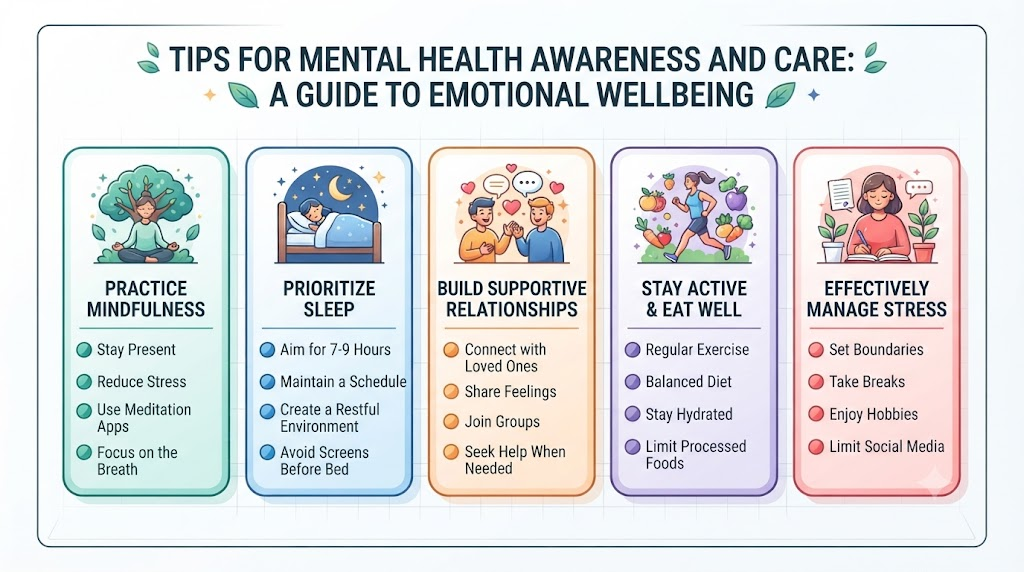
Self-care isn’t a luxury; it’s a vital practice. Integrating small, healthy habits can significantly impact your emotional outlook.
- Movement: Physical activity releases endorphins, which are natural mood lifters.
- Balanced Nutrition: Nourishing your body supports your brain’s ability to function and regulate mood.
- Rest: Prioritize consistent sleep habits to help your mind recharge.
- Mindfulness: Practices like meditation or deep breathing keep you grounded in the present moment.
- Boundaries: It is healthy to set limits on your time and energy to avoid burnout.
Lifestyle Habits That Support Emotional Wellbeing
- Create a Routine: Structure provides a sense of security and purpose.
- Nurture Relationships: Reach out to friends and loved ones regularly.
- Manage Time: Break large tasks into smaller, manageable steps.
- Limit Digital Consumption: Take breaks from social media to reduce comparison and stress.
When Professional Help May Be Needed
While self-care is powerful, there are times when it is not enough. You should consider speaking with a healthcare professional if you experience:
- Symptoms that persist for more than a few weeks.
- An inability to complete your daily responsibilities.
- Severe symptoms such as panic attacks or intrusive thoughts.
- A feeling that you are “stuck” or unable to cope.
- Any thoughts of self-harm or hopelessness.
Mental Health Self-Care Checklist
- Exercise: Aim for moderate movement most days of the week.
- Sleep: Create a wind-down routine to ensure quality rest.
- Diet: Focus on whole foods and adequate hydration.
- Connection: Make time for at least one meaningful social interaction weekly.
- Mindfulness: Dedicate a few minutes daily to quiet reflection or breathing.
- Professional Support: Reach out to a provider if you feel overwhelmed.
Common Myths vs Facts
| Myth | Fact |
| Mental health issues are a sign of weakness. | They are real, valid medical concerns that deserve care. |
| Only adults have mental health issues. | People of all ages can experience emotional challenges. |
| Talking about it makes it worse. | Open conversations are essential for healing and support. |
| Stress and anxiety are the same. | They are different experiences that often require different coping tools. |
Common Mistakes People Make
- Ignoring Symptoms: Brushing off feelings of burnout often makes the situation worse over time.
- Self-Isolation: Withdrawing from others denies you the support you need when you are struggling.
- Expecting Immediate Fixes: Emotional health is a journey; changes take time and consistency.
- Relying on Unverified Information: Always consult reliable medical sources rather than speculating.
Solution: Approach your mental health with the same patience and consistency you would apply to your physical fitness.
Real-Life Educational Scenarios
- Workplace Stress: A professional feeling overwhelmed by deadlines learns to implement “time-blocking” and deep-breathing exercises, resulting in better focus and reduced stress.
- Seeking Support: A person experiencing persistent anxiety realizes it is interfering with their life and reaches out to a healthcare provider to explore evidence-based strategies, leading to improved daily functioning.
- Building Resilience: After a difficult life event, an individual focuses on small, positive routines—such as a daily walk and maintaining a gratitude journal—to slowly rebuild their emotional strength.
FAQs
- What is mental health?
It is our emotional, psychological, and social wellbeing. - Why is awareness important?
It helps us recognize problems early and reduces the stigma of seeking help. - What are warning signs?
Persistent sadness, anxiety, sleep issues, and withdrawal. - How can I improve wellbeing?
Through consistent sleep, nutrition, exercise, and social connection. - When to seek help?
When symptoms are persistent or interfere with daily life. - Can stress affect physical health?
Yes, chronic stress can weaken your immune system and lead to physical issues. - How does sleep help?
Good sleep is essential for brain health and emotional regulation. - Does exercise work?
Yes, it boosts mood and lowers stress levels. - What are coping strategies?
Deep breathing, meditation, and healthy communication. - How can families support?
By listening without judgment and encouraging professional care. - Is anxiety treatable?
Yes, many strategies exist to manage and reduce anxiety. - How are evaluations done?
Doctors listen to your concerns and assess your symptoms. - Can kids have concerns?
Yes, mental health matters at every age. - How to support daily?
Small acts of self-care and staying connected to others. - Where to find info?
Trusted medical websites like MYDOCTORSNOW.
Final Thoughts
Prioritizing your mental health is one of the most important investments you can make. By staying aware of your emotional needs, cultivating healthy habits, and knowing when to ask for professional guidance, you are actively choosing a path of resilience and wellbeing.Explore MYDOCTORSNOW for additional health information, wellness resources, and guidance on navigating your healthcare journey. Remember, you do not have to navigate your emotional health alone—reach out to qualified professionals whenever you need support.
Leave a Reply