Introduction
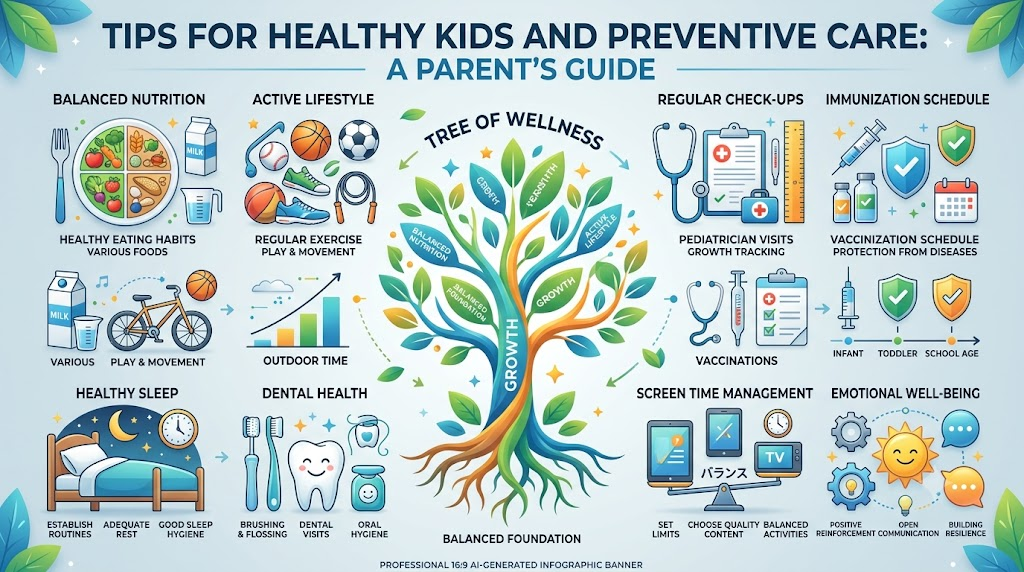
Every parent wants their child to grow up happy, active, and healthy. Small daily habits can make a real difference. Healthy food, good sleep, active play, and regular checkups all support a child’s growth and well-being.
Preventive care means taking steps to support health before problems become serious. It includes routine checkups, recommended vaccines, dental care, healthy habits, and safety measures. Children need this care even when they seem well.
Regular visits help healthcare professionals track growth, check development, and spot concerns early. This guide Mydoctorsnow shares simple tips for healthy kids and preventive care that families can use at home. Remember, no habit can prevent every illness, but steady care can help children build a strong foundation for life.
Schedule Regular Well-Child Checkups
A well-child checkup is a routine visit with a healthcare professional when a child is not necessarily sick. These visits help track growth, development, and general health.
Babies often need more frequent visits than older children. The right schedule depends on age, medical history, and local guidance. Keep appointments even when your child seems healthy.
During a checkup, the healthcare professional may:
- Measure height and weight.
- Check growth patterns and development.
- Discuss feeding, sleep, and behavior.
- Review vaccines and health records.
- Check vision, hearing, or dental concerns when appropriate.
- Answer questions about learning, mood, and daily habits.
Parents know their children well. If you notice a change in speech, movement, sleep, appetite, or behavior, share it during the visit. Write down questions before the appointment so you do not forget them.
Keep Vaccinations Up to Date
Vaccines help the body learn to fight certain infections. They protect children from many serious diseases and help reduce the spread of some infections in the community.
Follow the vaccine schedule recommended in your area. Keep your child’s vaccination record in a safe place. If a dose was missed or delayed, ask a healthcare professional how to catch up.
Some children may need a different plan because of medical conditions or other health needs. Ask about expected side effects and what signs need medical attention.
Vaccines do not prevent every illness, so children still need good hygiene, healthy habits, and medical care when they become unwell. Do not skip or delay recommended vaccines without discussing your concerns with a qualified professional.
Build Healthy Eating Habits Early
Healthy eating gives children the energy and nutrients they need to grow, learn, and play. A varied diet is usually more helpful than focusing on one so-called perfect food.
Try these simple habits:
- Offer fruits and vegetables in different forms.
- Include protein foods such as beans, eggs, fish, or other suitable choices.
- Serve whole grains when practical.
- Offer water often throughout the day.
- Limit sugary drinks and frequent high-sugar snacks.
- Share family meals when possible.
- Let children respond to hunger and fullness cues.
Avoid forcing children to finish every item on their plates. A calm meal setting can help them explore new foods over time. Food needs vary with age, allergies, culture, and health.
Babies need age-appropriate feeding support. Breast milk or infant formula provides the main nutrition in early infancy. Solid foods are usually introduced at around six months, when the baby is ready. Ask a healthcare professional about safe textures, suitable foods, and feeding concerns.
Do not give children restrictive diets or supplements without suitable professional advice.
Make Physical Activity Part of Daily Life
Active play helps children build strength, balance, coordination, and healthy bones. It can also support mood, sleep, and social skills.
Choose activities that suit your child’s age and abilities. Babies can enjoy supervised floor play and reaching for toys. Toddlers may like walking, dancing, and simple games. Older children may enjoy cycling, swimming with supervision, outdoor play, or sports.
You can make movement part of family life by taking walks, playing in a park, or dancing together at home. Short movement breaks can also help when children spend long periods sitting.
The goal is to make activity safe and enjoyable, not to make every child a competitive athlete. Children with disabilities or medical limits may need adapted activities. Ask a healthcare professional for advice if you are unsure what is suitable.
Protect Children’s Sleep Routine
Sleep supports growth, memory, learning, mood, and general health. Children who get enough sleep may find it easier to focus and manage their feelings.
A regular bedtime can help children settle at night. Keep the room calm, reduce exciting activities before bed, and limit screens near bedtime. Older children and teenagers should avoid caffeine late in the day.
General sleep needs are shown below.
| Age group | Usual sleep needed in 24 hours |
|---|---|
| Babies aged 4–12 months | 12–16 hours, including naps |
| Children aged 1–2 years | 11–14 hours, including naps |
| Children aged 3–5 years | 10–13 hours, including naps |
| Children aged 6–12 years | 9–12 hours |
| Teenagers aged 13–18 years | 8–10 hours |
These ranges are general guides. Individual needs may vary.
Safe sleep is especially important for babies. Place babies on their backs on a firm, flat sleep surface. Keep pillows, loose blankets, and soft toys out of the sleep space.
Speak with a healthcare professional if your child snores often, has pauses in breathing during sleep, wakes repeatedly, or remains very tired during the day.
Support Dental and Oral Health
Healthy teeth help children eat, speak, and smile with comfort. Oral care should begin in infancy, before the first tooth appears.
Clean a baby’s gums gently. When the first tooth appears, begin brushing with a soft, age-appropriate toothbrush and the recommended amount of fluoride toothpaste.
Help young children brush until they can do it well on their own. Aim for brushing twice a day. Clean between teeth when appropriate, and follow your dentist’s advice about fluoride and dental visits.
Frequent sugary snacks and drinks can increase the risk of tooth decay. Offer water regularly and try to keep sweet foods to mealtimes rather than constant snacking.
Do not ignore tooth pain, swollen gums, bleeding, or visible tooth damage. A dentist can assess the problem and recommend suitable care. Home brushing is important, but it cannot replace treatment when a dental problem develops.
Teach Good Hygiene Habits
Good hygiene helps lower the spread of many infections. Children learn these habits best when adults show them what to do.
Teach your child to wash their hands with soap and water before eating, after using the toilet, and after playing outside. Help younger children wash well, including between their fingers.
Other useful habits include:
- Covering coughs and sneezes with a tissue or elbow.
- Avoiding the sharing of personal items when this could spread infection.
- Keeping food clean and storing it safely.
- Cleaning frequently touched surfaces when needed.
- Washing hands after touching animals.
- Keeping cuts clean and covered when appropriate.
Make hygiene a normal part of the day, not a reason to shame a child. Explain why each habit matters and praise children when they remember to practise it.
Good hygiene cannot stop every infection. If your child becomes unwell, watch their symptoms and seek medical advice when needed.
Protect Children at Home, School, and Outdoors
Safety habits can help reduce preventable injuries. Review your child’s surroundings as they grow, because new skills bring new risks.
Use the correct car seat, booster seat, or seat belt for your child’s age, size, and local rules. Children should wear a properly fitted helmet when cycling or doing activities that call for one.
Water safety needs close attention. Stay within reach of young children around water, and supervise children during swimming. Swimming skills do not remove the need for adult supervision.
At home, store medicines, cleaning products, and harmful substances out of children’s reach and sight. Use smoke alarms and teach simple fire safety rules. Keep babies’ sleep spaces free from pillows and loose bedding.
Outside, use shade, suitable clothing, and sunscreen when appropriate. Teach children road safety and safe behavior around pets, playgrounds, and sports. Choose safety equipment that fits correctly, and provide supervision suited to the child’s age and abilities.
Care for Children’s Emotional and Mental Well-Being
Emotional health is an important part of a child’s overall health. Children need to feel safe, heard, and supported as they learn to manage new feelings and challenges.
Make time to talk and play together. Listen without judging, help children name their feelings, and keep daily routines steady when possible. Encourage friendships and let children know they can talk to you about problems at school or online.
Watch for changes in mood, sleep, appetite, learning, or social activity that last or affect daily life. Sadness, frustration, and worry can happen during childhood, but ongoing changes deserve attention.
Speak with a qualified professional if emotional or behavioral concerns persist. If a child talks about suicide or self-harm, take it seriously. Stay with the child and seek urgent professional support. If there is immediate danger, contact local emergency services.
Build Healthy Screen-Time Habits
Screens can support learning and connection, but children also need sleep, movement, play, and time with other people. A balanced routine can help families make space for all these needs.
Set screen rules that suit your child’s age and daily life. Keep meals and bedtime routines free from unnecessary screen use. Encourage reading, hobbies, outdoor play, and face-to-face time.
Choose age-appropriate content and use privacy settings or parental controls when helpful. Talk about cyberbullying, online privacy, and what to do if a child sees upsetting or unsafe content.
Parents can also set a good example by putting phones away during family time. The goal is not to treat all screen use as harmful. Focus on how screens affect your child’s sleep, activity, learning, and relationships.
Understand Age-Based Preventive Care Needs
Children’s health needs change as they grow. Preventive care should match their age, development, medical history, and family needs.
- Babies: Focus on feeding, growth, recommended vaccines, safe sleep, and developmental checks.
- Toddlers and preschoolers: Support healthy eating, speech, social skills, dental care, active play, and injury prevention.
- School-age children: Pay attention to learning, vision and hearing concerns, friendships, physical activity, and dental health.
- Teenagers: Discuss sleep, nutrition, emotional health, vaccines, healthy relationships, online safety, and personal health concerns.
These are general priorities, not a fixed schedule for every child. Ask your child’s healthcare professional which checkups, screenings, and vaccines are due. Share concerns about growth, learning, behavior, or development, even if they seem small.
Recognize When Your Child Needs Medical Care
Preventive care does not replace medical attention when a child becomes ill. Contact a healthcare professional about persistent symptoms, worsening illness, ongoing pain, unexplained weight changes, or concerns about growth and development.
Some warning signs need urgent assessment. Seek emergency care if your child has:
- Severe difficulty breathing.
- Blue or grey lips or skin.
- A seizure, collapse, or difficulty waking.
- Signs of severe dehydration or an inability to keep fluids down.
- A serious injury or suspected poisoning.
- Any symptom that makes your child appear seriously unwell.
A fever in a baby younger than three months needs prompt medical assessment. Do not wait for a routine appointment if a very young infant has a fever.
Follow local emergency guidance when serious symptoms occur. Do not rely on an online article to diagnose your child or delay urgent care while searching for answers.
How to Prepare for a Preventive Care Visit
A little preparation can help parents make the most of a checkup. It also helps the healthcare professional understand what has changed since the last visit.
Before the appointment:
- Bring vaccination records and relevant medical documents.
- Write down symptoms and questions you want to discuss.
- Note changes in eating, sleep, mood, school, or activity.
- Prepare a list of medicines and supplements your child takes.
- Ask which vaccines or screenings may be due.
- Mention relevant family health history.
- Find out when the next checkup should take place.
- Ask how to contact the healthcare team if questions arise later.
Let older children and teenagers take part in conversations about their health. Give them chances to ask questions and discuss private concerns with a healthcare professional when appropriate.
Healthy Habits for Children at Home
Small, steady habits can make healthy choices easier for the whole family. Start with routines that fit your family’s schedule and build from there.
| Healthy habit | Practical action for parents | Why it matters |
|---|---|---|
| Balanced nutrition | Offer varied foods and water | Supports growth and development |
| Physical activity | Encourage safe, enjoyable movement | Supports fitness and well-being |
| Sleep | Keep a regular bedtime routine | Supports learning, mood, and growth |
| Dental care | Help children brush with fluoride toothpaste as advised | Helps prevent tooth decay |
| Hygiene | Teach regular handwashing | Reduces the spread of many infections |
| Emotional support | Listen, talk, and spend time together | Builds trust and supports emotional health |
| Safety | Use suitable safety equipment and supervision | Helps reduce preventable injuries |
You do not need to change every habit at once. Choose one or two realistic steps, practise them regularly, and adjust as your child grows.
Frequently Asked Questions About Healthy Kids and Preventive Care
1. How often should children have well-child checkups?
The schedule depends on your child’s age, health, and local medical guidance. Babies usually need more frequent visits than older children. Regular checkups help track growth, development, vaccines, and general health. Ask your healthcare professional when your child should return, even if they seem healthy.
2. Why are routine checkups important if my child seems healthy?
Children may have health or developmental concerns that are not easy to notice at home. Checkups give healthcare professionals a chance to review growth, development, vaccines, sleep, and nutrition. They also give parents time to ask questions and discuss changes they have noticed.
3. How can I help my child build healthy eating habits?
Offer a variety of suitable foods, including fruits, vegetables, protein sources, and whole grains. Make water readily available and limit sugary drinks. Keep mealtimes relaxed, and let children respond to hunger and fullness. Ask a healthcare professional about food allergies, feeding problems, or special dietary needs.
4. How much sleep do children need at different ages?
General guidance suggests 12–16 hours for babies aged 4–12 months, including naps; 11–14 hours for ages 1–2; 10–13 hours for ages 3–5; 9–12 hours for ages 6–12; and 8–10 hours for teenagers. Individual needs vary, so discuss ongoing sleep concerns with a healthcare professional.
5. How can parents encourage children to be more physically active?
Make movement fun with walks, dancing, playground visits, active games, or suitable sports. Join in when possible and choose activities that match your child’s age and abilities. Avoid making exercise feel like a punishment. Ask a healthcare professional about safe options if your child has a medical condition or activity limits.
6. Why is it important to keep childhood vaccinations up to date?
Vaccines help protect children against certain serious infections. Keeping vaccinations up to date supports individual protection and helps reduce the spread of some diseases. Follow your local recommended schedule and keep records. If a dose is missed, ask a healthcare professional how to catch up safely.
7. When should a child start visiting a dentist?
Dental care should begin in infancy. Arrange the first dental visit when the first tooth appears or by the first birthday, following local professional guidance. Brush with fluoride toothpaste as recommended, and help young children clean their teeth. Seek dental care for pain, swelling, or visible damage.
8. How can parents support a child’s emotional well-being?
Listen without judging, make time to talk, and keep routines predictable where possible. Encourage friendships and help children describe their feelings. Watch for lasting changes in mood, sleep, behavior, or school performance. If concerns persist or affect daily life, speak with a qualified healthcare or mental health professional.
9. How can families build healthier screen-time habits?
Set screen routines that suit your child’s age and needs. Protect time for sleep, meals, exercise, reading, and social activities. Choose suitable content and discuss online safety. Adults can also model balanced habits by putting devices away during family time. Review screen use if it affects sleep or daily life.
10. What warning signs mean a child needs urgent medical care?
Seek emergency care for severe breathing difficulty, blue or grey lips, collapse, seizures, difficulty waking, serious injury, or suspected poisoning. A fever in a baby younger than three months needs prompt medical assessment. If your child appears seriously unwell, follow local emergency guidance rather than waiting for a routine appointment.
Conclusion
Helping children stay healthy starts with small, steady steps. Regular checkups, recommended vaccines, balanced meals, good sleep, active play, dental care, emotional support, and everyday safety all matter.
You do not need to change every habit at once. Choose practical steps that work for your family and build on them over time. If you have concerns about your child’s health or development, speak with a qualified healthcare professional.
Leave a Reply