Introduction
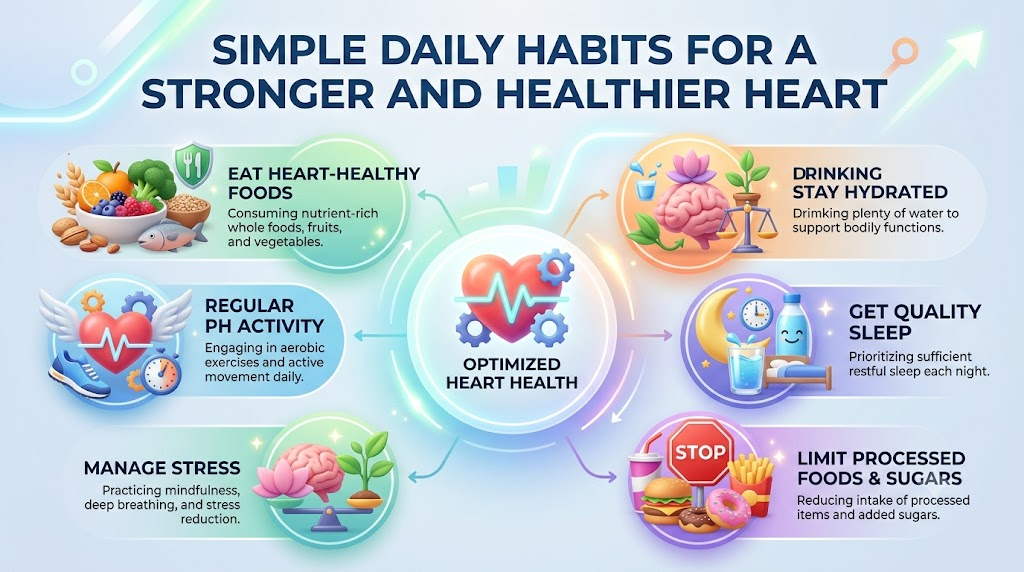
Heart health starts with the choices we make each day. Food, movement, sleep, stress, and tobacco use can all affect heart health. Regular health checks also help people learn about important risk factors.A healthy heart lifestyle does not mean making huge changes at once. Small steps can be easier to follow and keep over time. Healthy eating, regular movement, good sleep, and stress care can all support overall health. People with health concerns may also need advice from a doctor. MyDoctorsNow can help readers learn about preventive care, doctor consultations, and ways to discuss personal heart health concerns.
What Does a Healthy Heart Lifestyle Mean?
A healthy heart lifestyle means building habits that support cardiovascular health. It is not based on one food, one workout, or one health check.Healthy eating can support the body with useful nutrients. Regular movement can support heart fitness and overall strength. Good sleep can help the body and mind recover.Avoiding tobacco is also important. Managing blood pressure, cholesterol, blood sugar, and body weight can also help lower some heart disease risks.Some risk factors cannot be changed. Family history and age are examples. But many daily habits can be improved with time and support.
Eat More Heart-Friendly Foods
Food choices play an important role in a healthy lifestyle for heart health. A balanced diet can include many types of foods that provide fiber, vitamins, minerals, and healthy fats.Try to include more fruits and vegetables in regular meals. Whole grains, beans, lentils, nuts, and seeds can also be useful choices. Fish can be part of a balanced eating pattern when it suits a person’s needs.Healthy sources of protein can help support a balanced diet. Unsaturated fats, found in foods such as nuts, seeds, and some plant oils, can also fit into a heart-friendly eating pattern.Fiber is useful for overall health. Foods such as vegetables, fruits, beans, and whole grains can provide fiber.No single food needs to be treated as completely good or bad. Overall food quality and regular eating habits matter more.
Watch Salt, Sugar, and Unhealthy Fats
Too much salt can be a concern for some people, especially those managing blood pressure. Many packaged and highly processed foods can contain large amounts of salt.Added sugar can also add extra calories without providing much useful nutrition. Sweet drinks, desserts, and some packaged foods may contain added sugar.Saturated fat is another part of the diet to watch. It can be found in foods such as fatty meats, butter, and some full-fat dairy foods.The goal is not to create extreme food rules. Instead, choose balanced meals more often. Reading food labels can also help people understand what they are eating.
Stay Physically Active
Regular physical activity is one of the important heart healthy habits. Movement helps support heart fitness, muscle strength, mood, and overall health.Walking is a simple option for many people. Cycling, swimming, dancing, and household activities can also add movement to the day.Small periods of activity can be easier to fit into a busy routine. Taking movement breaks instead of sitting for long periods can also be useful.People with heart disease or other health conditions should follow professional guidance about safe activity. A doctor or other qualified professional can help decide what type of movement is suitable.
Maintain a Healthy Weight
Body weight can be linked with several health risks. Excess body weight may increase the risk of problems such as high blood pressure, diabetes, and other conditions that can affect heart health.Healthy weight goals are different for each person. Age, health conditions, body type, and other factors can all matter.Crash diets are not a good answer to long-term health. Very strict eating plans can also be hard to maintain.A better approach may involve steady habits. Balanced meals, regular movement, good sleep, and professional guidance can support healthy weight management.People should not feel ashamed about their weight. The focus should remain on better health and sustainable habits.
Do Not Smoke or Use Tobacco
Tobacco can harm cardiovascular health. Cigarettes and other tobacco products can affect the heart and blood vessels.Secondhand smoke can also expose other people to harmful substances. Avoiding tobacco is therefore an important part of heart disease prevention.People who smoke should not feel ashamed when seeking help. Quitting can be difficult, and many people need support during the process.Healthcare professionals can offer guidance for quitting tobacco. They can also help people understand suitable support options.
Get Enough Quality Sleep
Sleep is another important part of a heart healthy lifestyle. Good sleep supports the body, brain, mood, and daily energy.A regular sleep schedule can help create a healthy routine. A quiet and comfortable bedroom may also support better sleep.Try to keep bedtime habits calm and simple. Reducing habits that disturb sleep may also help.Ongoing sleep problems should not be ignored. People who often struggle with sleep can discuss the problem with a qualified healthcare professional.Good sleep does not replace healthy food or exercise. It works with other healthy habits to support overall well-being.
Manage Daily Stress
Stress is a normal part of life. However, ongoing stress can make healthy routines harder to follow.Simple activities may help people manage daily stress. Walking, hobbies, quiet time, mindfulness, and spending time with supportive people can all be useful.Talking with trusted family members or friends can also help. Some people may benefit from professional support when stress becomes difficult to manage.Stress is not the only cause of heart disease. Heart health depends on many factors, including health conditions, habits, family history, and age.The goal is to build healthy ways to handle stress while also caring for other parts of heart health.
Know Your Blood Pressure, Cholesterol, and Blood Sugar
Blood pressure, cholesterol, and blood sugar are important parts of preventive heart care. Changes in these areas may increase cardiovascular risk.High blood pressure can place extra strain on the heart and blood vessels. High cholesterol can also be linked with heart disease risk.High blood sugar can be linked with diabetes and other health concerns. Diabetes can increase the risk of cardiovascular problems.Health checks can help identify these risks. People should not try to interpret their results without proper medical guidance.A doctor can explain what the results mean for a person’s overall health and what steps may be suitable.
Keep Regular Health Checkups
Preventive care can help people understand their health before problems become more serious. Regular medical visits can provide an opportunity to review heart disease risk.A healthcare professional may check blood pressure and discuss cholesterol or blood sugar testing when appropriate. Family history can also be part of a health risk discussion.The right checks differ between people. Age, health history, family history, and existing conditions can all affect screening needs.Regular checkups are not only for people who feel sick. Preventive health care can help people make informed choices about their health.
Understand Your Heart Disease Risk Factors
Heart disease risk can come from many sources. Some factors can be changed, while others cannot.
Common risk factors include:
- High blood pressure
- High cholesterol
- Diabetes
- Smoking
- Physical inactivity
- Excess body weight
- Unhealthy eating patterns
- Family history
- Age
- Some other health conditions
People cannot change their age or family history. But some other risks can be managed with healthy habits and professional support.Understanding personal risk can help people make better health choices. A doctor can also help explain which factors deserve attention.
Limit Unhealthy Habits
Some daily habits can make healthy living harder. Tobacco use, poor sleep, long periods of inactivity, and highly processed eating patterns can all affect overall health.Excess alcohol use can also create health concerns. People should discuss alcohol use with a healthcare professional if they have questions about their health risks.Ongoing stress can also affect sleep, food choices, and activity. Finding healthier ways to manage stress may make other healthy habits easier.The goal is progress, not perfection. Small changes can become stronger habits when people follow them regularly.
Heart Health for Busy People
Busy schedules can make healthy habits seem difficult. But heart health does not require every day to be perfect.A short walk can add useful movement. Adding vegetables to a meal can improve food quality. Drinking water regularly can support healthy daily routines.People can also take short movement breaks during long periods of sitting. Simple meals may be easier to maintain than complicated food plans.Scheduling health checks can prevent preventive care from being forgotten. Small changes can be easier to maintain than sudden lifestyle changes.
Heart Health for Older Adults
Heart healthy habits remain important as people get older. Regular medical care can help older adults manage health conditions and understand changing health needs.Balanced food, safe movement, good sleep, and social connection can support overall well-being. Taking medicines as prescribed is also important for people who use regular medicines.Older adults with health conditions should discuss activity and diet changes with their healthcare team. Professional advice can help make lifestyle changes safer and more suitable.Staying socially connected can also support emotional well-being. Family, friends, community activities, and hobbies can all play a role.
Heart Health With Existing Conditions
People with diabetes, high blood pressure, high cholesterol, obesity, or known heart disease may need more personalized guidance.General heart health tips can provide useful information, but they do not replace medical care. Existing conditions may change what food, activity, or other lifestyle choices are suitable.People should not change or stop prescribed medicines on their own. A qualified healthcare professional should guide treatment decisions.Regular follow-up can help people manage known health risks. Good communication with the care team can also make lifestyle changes easier to understand.
When Heart Symptoms Need Urgent Care
Some heart symptoms may have serious causes and need urgent professional assessment.Warning signs can include severe or persistent chest pressure, sudden shortness of breath, fainting, or sudden collapse. Cold sweating with chest discomfort can also be concerning.New severe weakness, chest symptoms with nausea, or chest symptoms with dizziness also need prompt attention.Do not wait to see if serious or sudden symptoms disappear. Seek urgent medical care when concerning heart symptoms appear.
Common Mistakes People Make
People sometimes try to change everything at once. Extreme diets and sudden heavy exercise can be difficult to maintain and may not suit everyone.Another mistake is ignoring regular health checks. People may also ignore high blood pressure, cholesterol concerns, poor sleep, or other known risks.Using online information as a personal diagnosis can also be unsafe. Online health information can educate, but it cannot replace a proper medical assessment.People should also avoid stopping prescribed medicines without professional advice. One lifestyle change cannot solve every health problem.
How MyDoctorsNow.com Can Help
MyDoctorsNow.com can help people learn more about preventive health and professional medical care. Readers can explore information about doctors, cardiology care, health concerns, and online doctor consultation options.The platform can also help people prepare questions before speaking with a healthcare professional. This can make a doctor consultation more focused and useful.Professional guidance can be especially helpful when a person has health risks or existing medical conditions. Online consultation may support general medical discussions, but it does not replace emergency care.MyDoctorsNow.com is designed to help people take informed steps toward better healthcare decisions.
Fictional Example
Fictional Example
Imagine a person who wants to improve heart health. Instead of making many changes at once, the person starts with simple daily habits.They add more vegetables and whole grains to meals. They also choose regular walking and work on keeping a steady sleep routine.The person also reduces tobacco exposure and schedules a routine health check. During the visit, they discuss blood pressure, cholesterol, family history, and other heart disease risks with a healthcare professional.This example is fictional. It does not describe a real patient or promise any health result.
Frequently Asked Questions
What is a healthy heart lifestyle?
A healthy heart lifestyle includes balanced food, regular movement, good sleep, stress care, and avoiding tobacco. Regular health checks also matter.
What foods are good for heart health?
Fruits, vegetables, whole grains, beans, lentils, nuts, seeds, and healthy protein sources can fit into a heart-friendly eating pattern.
How does exercise support heart health?
Regular movement can support heart fitness, muscle strength, mood, and overall health. People with health conditions should follow professional activity guidance.
Why is sleep important for the heart?
Healthy sleep supports the body and overall well-being. Poor sleep can also make healthy daily routines harder to maintain.
Can stress affect heart health?
Ongoing stress can affect sleep, food choices, activity, and overall well-being. Healthy stress management can support a balanced lifestyle.
Why should I check my blood pressure and cholesterol?
These measures can provide information about heart disease risk. Regular checks can help identify concerns that may need professional attention.
Does quitting tobacco help heart health?
Avoiding tobacco is an important part of cardiovascular health. Healthcare professionals can provide support for people who want to quit.
How can I reduce my risk of heart disease?
Healthy food, regular movement, good sleep, tobacco avoidance, and regular health checks can support heart health. Managing known health conditions also matters.
When should I talk to a doctor about heart health?
Talk with a doctor when you have concerns about heart disease risk, health conditions, family history, or ongoing symptoms.
When should I seek emergency care for heart symptoms?
Severe chest pressure, sudden breathing trouble, fainting, collapse, or other serious heart symptoms need urgent professional assessment.
Final Thoughts
Heart health depends on many daily habits. Healthy food choices, regular movement, good sleep, and stress management can all support a healthy heart lifestyle.Avoiding tobacco is also important. Regular health checks can help identify risk factors such as blood pressure, cholesterol, and blood sugar concerns.Small changes can be easier to maintain than extreme lifestyle plans. People with health conditions may need more personal guidance from their healthcare team.MyDoctorsNow.com can help readers learn about healthcare options and prepare for professional medical discussions. Healthy lifestyle choices can support heart health, but they do not replace professional medical care.
Leave a Reply