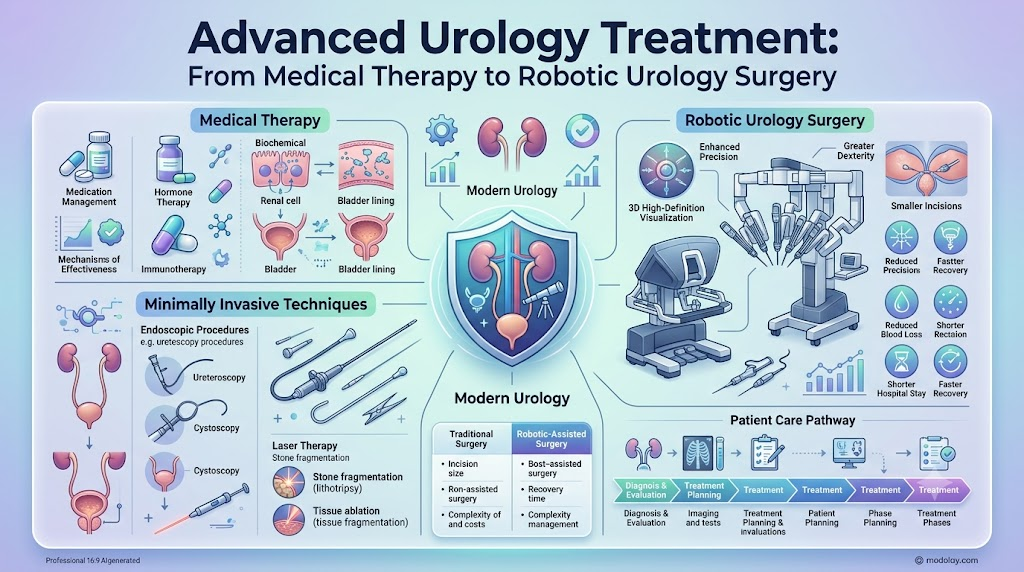
Introduction
Passing a kidney stone is often described as one of the most intense forms of physical pain a person can experience. Whether you are currently dealing with sharp flank discomfort, managing recurrent episodes, or simply researching symptoms after a sudden visit to urgent care, understanding your path forward is essential. Finding effective Kidney Stone Treatment begins with knowing what causes these mineral deposits, how physicians diagnose their exact size and position, and what medical interventions are available today.Kidney stones are incredibly common, yet no two cases are completely identical. A small stone may pass on its own with basic hydration, whereas a larger or oddly shaped stone can block urine flow and require immediate specialist intervention. Navigating these options can feel overwhelming, especially when you are in discomfort. UrologyHospitals.com provides clear, evidence-based educational insights to help you understand your symptoms, evaluate treatment pathways, and connect with experienced care providers.
Understanding Kidney Stones and How They Form
Kidney stones (nephrolithiasis) are hard deposits made of minerals and salts that form inside your kidneys. They develop when urine becomes concentrated, allowing minerals to crystallize and stick together over time.
The urinary system consists of the kidneys, ureters, bladder, and urethra. Kidneys filter waste from the blood to produce urine. Normally, urine contains substances that prevent crystals from clumping together. However, if fluid intake is low or mineral levels are excessively high, these natural inhibitors may be overwhelmed.
Kidney stones affect people of all ages and backgrounds. While small stones may move through the urinary tract without causing noticeable symptoms, larger stones can lodge within the kidney or travel down the narrow ureter. This blockage can impair urine flow, cause severe pain, and potentially trigger secondary complications like urinary tract infections.
Common Symptoms and Warning Signs
A kidney stone often remains asymptomatic until it begins to move within the kidney or passes into the ureter. Recognizing early indicators helps patients seek timely evaluation before severe complications arise.
- Sharp Pain in the Back and Side: Severe, sudden pain below the ribs (the flank region) that often radiates to the lower abdomen and groin.
- Fluctuating Pain Intensity: Discomfort that comes in waves, shifting in severity as the stone moves or as the body attempts to push it forward.
- Painful or Burning Urination: Discomfort during urination, which occurs when a stone approaches the bladder junction.
- Changes in Urine Appearance: Blood in the urine (hematuria), which may look pink, red, or brownish. Urine may also appear cloudy or carry a foul odor.
- Urinary Frequency and Urgency: Feeling a persistent need to urinate more often than usual or passing only small amounts of fluid at a time.
- Nausea and Vomiting: Gastrointestinal distress caused by shared nerve networks between the kidneys and the digestive tract.
- Fever and Chills: Systemic symptoms that indicate a potential urinary infection, requiring urgent medical care.
Symptoms can mimic other health conditions, such as appendicitis, gallbladder issues, or muscle strain. A professional medical assessment is necessary to confirm a diagnosis.
Causes and Risk Factors
Understanding why kidney stones form is key to effective management and prevention. Several lifestyle, anatomical, and genetic factors contribute to crystal accumulation:
- Dehydration: Consuming inadequate amounts of water daily leads to concentrated urine, increasing the risk of mineral crystallization.
- Dietary Patterns: High intake of sodium, animal protein, and oxalates (found in foods like spinach, nuts, and chocolate) can elevate stone-forming substances in the urine.
- Family or Personal History: A personal or family history of nephrolithiasis significantly raises your risk of developing future stones.
- Metabolic and Health Conditions: Conditions such as hyperparathyroidism, gout, recurrent urinary tract infections, and chronic kidney disease alter mineral balance.
- Digestive Diseases and Surgery: Inflammatory bowel disease, gastric bypass surgery, or chronic diarrhea can affect calcium and water absorption.
- Obesity and High BMI: Elevated body mass index is associated with changes in urine acidity and mineral excretion.
- Certain Medications: Prolonged use of specific diuretics, antacids, or supplements can contribute to stone formation.
Having one or more risk factors does not guarantee you will develop a stone, but it highlights the importance of proactive hydration and dietary awareness.
Diagnosis and Medical Tests
When you consult a physician for suspected kidney stones, they will perform a series of clinical evaluations to confirm the presence, size, location, and composition of the stone.
- Medical History and Physical Exam: The doctor reviews your symptoms, diet, medical history, and performs a physical assessment of the flank area.
- Urine Analysis: Tests check for red blood cells, white blood cells, crystals, and signs of infection. A 24-hour urine collection may also be recommended to measure daily mineral output.
- Blood Tests: Blood panels measure calcium, phosphorus, uric acid, and kidney function markers (such as creatinine and blood urea nitrogen).
- Non-Contrast CT Scan: High-resolution computed tomography is the diagnostic gold standard for identifying even minute stones and pin-pointing urinary tract obstructions.
- Renal Ultrasound: A non-invasive imaging method that uses sound waves to detect stones or kidney swelling (hydronephrosis), frequently used for pregnant patients.
- Abdominal X-ray (KUB): Plain X-rays of the kidneys, ureters, and bladder can track the position of certain radiopaque stones over time.
Diagnostic approaches vary depending on symptom severity, pregnancy status, and individual health history.
Kidney Stone Treatment Options
Treatment pathways depend on stone size, location, composition, symptom severity, and whether an infection or blockage is present. Specialists tailor care to balance effectiveness with patient comfort.
Conservative Management and Observation Small stones (typically under 5 millimeters) often pass spontaneously without invasive intervention.
- Hydration: Drinking ample water (2.5 to 3 liters daily) helps flush the urinary system.
- Pain Management: Over-the-counter or prescription pain relievers help manage discomfort while the stone travels.
- Medical Expulsive Therapy: Alpha-blockers may be prescribed to relax the muscles in the lower ureter, making it easier for the stone to pass more quickly.
Shock Wave Lithotripsy (SWL) A non-invasive procedure that uses focused acoustic sound waves directed from outside the body to shatter medium-sized stones into tiny fragments, which can then be passed naturally through urine.
Ureteroscopy (URS) A minimally invasive procedure where a thin, flexible scope is passed through the urethra and bladder into the ureter or kidney. The surgeon uses laser energy to break the stone into smaller pieces or removes it using a specialized retrieval basket.
Percutaneous Nephrolithotomy (PCNL) A surgical approach reserved for very large or complex stones (such as staghorn calculi). The surgeon makes a small incision in the patient’s back to access the kidney directly and break up the stone using ultrasonic or pneumatic tools.
Preventive and Follow-Up Care After a stone is treated or passed, analyzing its chemical structure helps specialists tailor long-term prevention plans, which may include dietary adjustments or specific medications.
Broader Urology Care: Related Conditions and Treatments
Kidney stone care often intersects with broader urological management. When evaluating symptoms, specialists consider a range of related conditions:
- Urinary Tract Infection Treatment: UTIs can occur alongside kidney stones when stagnant urine behind a blockage becomes infected. Prompt antibiotic therapy is critical.
- Enlarged Prostate Treatment: Benign prostatic hyperplasia (BPH) can impair bladder emptying, contributing to urinary stagnation and stone formation in older men.
- Prostate Cancer Treatment & Bladder Cancer Treatment: Haematuria (blood in urine) is a key symptom of kidney stones, but it can also signal underlying conditions involving the prostate or bladder that require thorough evaluation.
- Robotic Urology Surgery: For complex anatomical abnormalities that contribute to recurrent stone formation or kidney blockages, advanced robotic-assisted procedures offer high precision and reduced recovery times.
Evaluating Urology Hospitals and Urology Specialists
Selecting the right facility and specialist ensures you receive comprehensive, safe, and effective care. Consider these key factors when choosing a healthcare provider:
- Clinical Expertise: Look for board-certified Urology Specialists with extensive experience in stone management and endourology.
- Advanced Facilities: Confirm that the hospital offers a full suite of diagnostic tools (such as high-resolution CT and ultrasound) and modern surgical technologies (including laser lithotripsy and robotic systems).
- Emergency Support: Because stone pain can escalate quickly, access to round-the-clock emergency care and on-call urology support is essential.
- Multidisciplinary Care: Top-tier Urology Hospitals coordinate care between urologists, nephrologists, dietitians, and pain specialists to manage both acute stones and metabolic prevention.
- Transparent Communication: Choose providers who take the time to explain your options, risks, and recovery timelines clearly.
Navigating “Urologist Near Me” Searches
When searching locally for specialized care, use structured criteria rather than relying solely on high-ranking search engine results:
- Verify that the physician holds privileges at accredited regional hospitals.
- Check whether the clinic offers urgent appointments for acute stone episodes.
- Review the provider’s experience with specific procedures like SWL, URS, or PCNL.
- Ensure the facility accepts your health insurance or provides clear, upfront cost estimates.
- Look for clinics that offer comprehensive follow-up care, including metabolic stone evaluations.
Comparison of Common Kidney Stone Treatments
| Treatment Option | Common Use | Potential Advantages | Important Considerations |
| Conservative Management | Small stones (< 5mm) without obstruction | Non-invasive, low cost, manageable at home | Requires time, ongoing pain management, and monitoring |
| Shock Wave Lithotripsy (SWL) | Uncomplicated kidney stones (5–10mm) | Outpatient, non-invasive, minimal downtime | May require multiple sessions; fragment passage can cause temporary pain |
| Ureteroscopy (URS) | Ureteral stones & small/medium kidney stones | High success rate, direct visualization, minimal tissue disruption | Typically requires anesthesia; temporary ureteral stent may be placed |
| Percutaneous Nephrolithotomy (PCNL) | Large (> 20mm) or complex/staghorn stones | Highly effective for massive stones in a single setting | Involves surgical incision, hospital stay, and longer recovery period |
Practical Patient Examples
Example 1: Acute Pain and Conservative CareScenario: A 34-year-old office worker experiences sudden, severe pain in their right flank. An emergency room CT scan reveals a 3mm stone in the upper ureter without kidney swelling or infection.Approach: Under medical supervision, the patient is prescribed pain management and an alpha-blocker to help relax the ureter. They are advised to drink plenty of fluids and strain their urine to catch the stone. The stone passes naturally five days later, avoiding the need for surgery.
Example 2: Minimally Invasive InterventionScenario: A 52-year-old individual reports persistent side pain for three weeks. Diagnostics identify an 8mm stone lodged in the lower ureter that has failed to move on its own.Approach: The patient consults a urologist and chooses laser ureteroscopy. The specialist introduces a tiny scope, fragmentizes the stone with a laser, and retrieves the pieces. The outpatient procedure provides immediate relief from the obstruction.
Decision-Making Framework for Patients
Step 1: Recognize symptoms & seek professional diagnostic evaluation.
  │
Step 2: Confirm stone size, location, & check for infection or blockage.
  │
Step 3: Discuss conservative vs. procedural options with your doctor.
  │
Step 4: Evaluate potential benefits, risks, & recovery times for each option.
  │
Step 5: Select an experienced Urology Specialist & accredited facility.
  │
Step 6: Follow the agreed treatment plan & complete all follow-up steps.
  │
Step 7: Conduct metabolic testing & adopt preventative dietary habits.
Common Mistakes to Avoid
- Ignoring Persistent Symptoms: Delaying medical care when experiencing flank pain can lead to severe kidney swelling or silent kidney damage.
- Assuming All Pain Requires Surgery: Many small stones pass naturally with proper fluid intake and medication under medical supervision.
- Self-Diagnosing Online: Kidney stone symptoms overlap with other serious conditions like appendicitis, diverticulitis, or spinal issues that require professional diagnosis.
- Stopping Medication Early: Discontinuing prescribed antibiotics or stone-passage medications before your doctor advises can lead to incomplete treatment or infection.
- Neglecting Preventive Follow-Up: Failing to analyze stone composition or undergo metabolic blood and urine testing leaves you vulnerable to recurrent stones.
- Relying Solely on Unverified Reviews: Selecting a hospital or surgeon based only on marketing claims rather than medical credentials and facility capabilities.
Key Takeaways
- Early medical evaluation prevents stone complications, including kidney damage and severe infections.
- Diagnostic imaging like non-contrast CT scans accurately determines stone size and location to guide care decisions.
- Treatment spans from simple hydration and observation to modern lithotripsy and laser procedures.
- Choosing an accredited facility with experienced specialists ensures access to advanced, safe options.
- Comprehensive care extends beyond stone removal to include metabolic testing and long-term prevention.
Frequently Asked Questions (FAQs)
What does a urologist treat? A urologist is a medical specialist who diagnoses and treats disorders of the male and female urinary tract (kidneys, ureters, bladder, and urethra) as well as the male reproductive system. They manage conditions ranging from kidney stones and urinary tract infections to prostate issues and cancers.
When should someone see a urologist? You should see a urologist if you experience persistent flank pain, severe urinary pain, blood in your urine, recurrent urinary infections, difficulty urinating, or if diagnostic imaging reveals kidney stones or organ structural issues.
How are kidney stones diagnosed? Doctors diagnose kidney stones using physical examinations, urine analysis, blood tests, and imaging studies. A non-contrast CT scan is the most definitive tool, while renal ultrasound and abdominal X-rays are also frequently utilized based on patient needs.
What treatments are available for kidney stones? Options include conservative observation with pain relief and hydration, shock wave lithotripsy (SWL), laser ureteroscopy (URS), and percutaneous nephrolithotomy (PCNL) for large or complex stones. Treatment depends on stone size, position, and symptoms.
What are common treatments for an enlarged prostate? Benign prostatic hyperplasia (BPH) is managed through lifestyle changes, oral medications, minimally invasive therapies (such as water vapor therapy or prostatic urethral lift), and surgical procedures like TURP or laser ablation to restore normal urine flow.
How is prostate cancer treated? Management depends on cancer stage, aggressiveness, and patient health. Approaches range from active surveillance to surgery (prostatectomy), radiation therapy, hormone treatment, and advanced systemic therapies designed by a multidisciplinary oncology team.
When should urinary symptoms be evaluated? Urinary symptoms like pain, inability to urinate, sudden frequency, or blood in the urine should be evaluated promptly by a medical professional. Early assessment helps rule out severe blockages, infections, or underlying malignancies.
What is robotic urology surgery? Robotic urology surgery is a minimally invasive technique where a surgeon controls robotic arms to perform precise operations through tiny incisions. It is often used for complex prostate, kidney, and bladder procedures, offering improved precision and faster recovery.
How can patients find a suitable Urology Hospital? Look for accredited healthcare facilities equipped with comprehensive diagnostic technology, modern surgical suites, 24/7 emergency services, and board-certified specialists experienced in treating your specific condition.
How can someone find a Urologist Near Me? Search reputable medical directories, consult your primary care physician for trusted referrals, verify specialist credentials and hospital affiliations, and ensure the clinic offers timely appointments and appropriate diagnostic capabilities.
Conclusion
Dealing with a kidney stone can be challenging, but understanding your diagnostic and treatment choices gives you the confidence to make informed decisions. From conservative monitoring and medication to advanced minimally invasive interventions like laser lithotripsy, modern urological care offers safe and effective paths to relief. Partnering with a skilled specialist and choosing an equipped care facility ensures your treatment is tailored to your specific health needs.
Leave a Reply