Introduction
Pregnancy is a remarkable journey marked by profound physical, emotional, and lifestyle changes. From the moment you discover you are expecting, your body begins an incredible process of nurturing and developing new life. During this special time, prioritizing your health and wellbeing is one of the most meaningful steps you can take for both yourself and your developing baby. While every pregnancy is unique and unfolds at its own pace, implementing consistent healthy habits can greatly support your wellbeing throughout the trimesters. However, self-care routines are most effective when paired with expert guidance. Following practical Mydoctorsnow helps expecting mothers understand how daily choices work hand-in-hand with professional medical oversight to monitor health, answer questions, and ensure a supported journey.Prenatal care is designed to guide you through every stage of pregnancy, providing reassurance, early detection of potential concerns, and personalized medical advice. This comprehensive guide explores the importance of early prenatal visits, balanced nutrition, safe physical activity, emotional health, routine screenings, and essential safety measures, empowering you with the knowledge needed to navigate your pregnancy with confidence and peace of mind.
What Is Prenatal Care?
Prenatal care refers to the specialized healthcare you receive throughout your pregnancy from qualified professionals such as obstetrician-gynecologists, family medicine physicians with maternity training, or licensed midwives. It encompasses a series of scheduled medical checkups, diagnostic screenings, educational discussions, and health assessments tailored to monitor both maternal health and fetal development.
Prenatal care typically begins as early in pregnancy as possible and continues regularly until delivery. Routine visits allow healthcare providers to track changes in your blood pressure, monitor your weight, assess fetal growth and heartbeat, and screen for gestational conditions. Beyond physical checkups, prenatal care serves as a dedicated space to discuss lifestyle habits, address emotional changes, review nutritional needs, and prepare for childbirth. Every prenatal care plan is individualized based on your personal health history, medical background, and specific pregnancy needs.
Why Early and Regular Prenatal Care Matters
Beginning prenatal care early in pregnancy and maintaining a consistent schedule of visits is vital for a healthy journey. Regular monitoring provides numerous clinical and educational advantages:
- Monitoring Maternal Health: Routine checkups help healthcare providers detect and manage conditions such as gestational diabetes, high blood pressure, or anemia before they become more serious.
- Tracking Fetal Growth: Regular appointments allow providers to evaluate fetal development, listen to the heartbeat, and assess amniotic fluid levels.
- Reviewing Medical History: A comprehensive look at your health history ensures that any pre-existing conditions are managed safely throughout pregnancy.
- Guidance on Nutrition and Lifestyle: Providers offer tailored advice regarding safe eating habits, appropriate physical activity, and vitamin supplementation.
- Screening and Preventive Care: Routine blood tests, ultrasounds, and screenings help identify genetic conditions or anatomical developments early.
- Answering Questions: Regular visits provide a trusted environment to voice concerns, discuss physical symptoms, and prepare for labor and delivery.
For individuals with pre-existing health conditions or higher-risk pregnancies, early and frequent prenatal monitoring is especially important to ensure specialized, coordinated care.
Preparing for the First Prenatal Visit
Your first prenatal appointment is typically one of the most thorough visits, often occurring around the 8th week of pregnancy or soon after a missed period is confirmed. Preparing ahead can help you make the most of your time with your healthcare provider. Consider gathering the following information:
- The first day of your last menstrual period (LMP), if known.
- Details of any previous pregnancies, deliveries, or miscarriages.
- A complete list of your current prescription medications, over-the-counter drugs, vitamins, and herbal supplements.
- Information regarding your personal medical history, past surgeries, and chronic conditions.
- Your vaccination history and known allergies.
- Relevant family medical history, including genetic conditions or high blood pressure.
- A written list of any questions, symptoms, or concerns you want to discuss.
Approaching your appointment with open, honest communication allows your healthcare team to build a comprehensive, personalized care plan from day one.
Table 1 – Prenatal Care Essentials
| Prenatal Care Area | What It May Include | Why It Matters |
| Regular Checkups | Blood pressure monitoring, weight tracking, physical exams, and clinical discussions. | Tracks maternal wellbeing and allows early detection of changing health conditions. |
| Fetal Assessment | Listening to the fetal heartbeat, measuring fundal height, and reviewing ultrasounds. | Monitors proper fetal growth, development, and overall intrauterine health. |
| Routine Screening Tests | Blood panels, urine analysis, and specialized prenatal screening scans. | Identifies potential genetic markers, gestational diabetes, anemia, or infections. |
| Nutrition & Supplement Review | Guidance on balanced eating, hydration, and appropriate prenatal vitamins. | Ensures your body receives adequate building blocks for tissue growth and energy. |
| Vaccination Discussions | Reviewing immunity status and recommending safe vaccines like Tdap or flu shots. | Protects both mother and baby from preventable infectious diseases. |
| Birth & Postpartum Prep | Discussing labor signs, delivery options, newborn care, and emotional wellbeing. | Prepares parents practically and emotionally for childbirth and early parenthood. |
Healthy Eating During Pregnancy
Good nutrition during pregnancy supports your body’s increasing demands, helps sustain your energy, and provides essential building blocks for your baby’s development. While exact nutritional requirements vary by individual, several general principles guide healthy pregnancy eating:
- Nutrient-Rich Variety: Aim for a colorful, balanced diet incorporating a wide assortment of whole foods to ensure a diverse intake of vitamins and minerals.
- Fruits and Vegetables: Fresh, frozen, or cooked produce provides vital dietary fiber, antioxidants, and micronutrients.
- Whole Grains: Foods like oats, brown rice, whole-wheat bread, and quinoa supply sustained energy and fiber.
- Protein-Rich Foods: Incorporate lean meats, poultry, fish, eggs, beans, lentils, nuts, and seeds to support tissue growth.
- Healthy Fats: Include sources of unsaturated fats, such as olive oil, avocados, nuts, and seeds, which are important for cellular development.
- Adequate Hydration: Drinking plenty of water throughout the day helps maintain amniotic fluid levels and supports increased blood volume.
- Dairy or Fortified Alternatives: Milk, yogurt, cheese, or fortified plant-based alternatives provide calcium and other key nutrients.
Always discuss any major dietary changes or specific nutritional questions with your prenatal healthcare professional.
Important Nutrients During Pregnancy
Certain vitamins and minerals play an especially prominent role during pregnancy due to their impact on fetal development and maternal health. While a balanced diet is foundational, healthcare providers frequently recommend specific supplements:
- Folic Acid (Folate): Crucial during early pregnancy to help prevent neural tube defects affecting the brain and spinal cord. Healthcare providers often recommend starting folic acid supplementation even before conception.
- Iron: Supports the significant increase in maternal blood volume and helps prevent iron-deficiency anemia, ensuring adequate oxygen delivery to the baby.
- Calcium and Vitamin D: Work together to support the development of the baby’s bones and teeth while protecting maternal bone density.
- Iodine: Essential for healthy thyroid function and normal neurocognitive development in the fetus.
- Choline: Supports healthy brain and spinal cord development.
- Protein: Acts as an essential building block for fetal tissue, placenta growth, and expanding blood vessels.
Prenatal vitamins are formulated to bridge nutritional gaps, but they should be selected and taken based on professional guidance tailored to your specific blood test results and dietary needs.
Foods and Drinks to Approach With Caution
Certain foods and beverages carry a higher risk of foodborne illness or other complications during pregnancy. Exercising caution with your dietary choices helps protect both you and your baby:
- Raw or Undercooked Meats and Seafood: Undercooked poultry, meat, or raw fish (such as sushi or sashimi) carry risks of bacterial or parasitic infections like listeria and toxoplasmosis.
- Unpasteurized Dairy and Juices: Soft cheeses made from unpasteurized milk, unpasteurized milk, and fresh juices can harbor harmful bacteria.
- High-Mercury Fish: Fish such as shark, swordfish, king mackerel, and tilefish contain elevated mercury levels that can affect the developing nervous system.
- Poorly Washed Produce: Unwashed fruits and vegetables may carry toxoplasma parasites from soil; thorough washing is essential.
- Alcohol: There is no known safe amount of alcohol consumption during pregnancy; avoiding alcohol entirely is recommended.
- Excessive Caffeine: Moderating caffeine intake from coffee, tea, and soda is commonly advised by healthcare professionals.
Consult your doctor if you have specific questions about food safety or accidental exposure to restricted items.
Physical Activity During Pregnancy
Staying active during an uncomplicated pregnancy offers numerous benefits, including improved energy, better mood, enhanced sleep, and preparation for the physical demands of labor. When medically approved by your healthcare provider, gentle to moderate exercise routines can be maintained or adopted:
- Walking: A low-impact, accessible aerobic activity that keeps joints mobile and heart health supported.
- Swimming: Water supports body weight, reducing stress on joints while providing excellent cardiovascular conditioning.
- Prenatal Yoga: Focuses on flexibility, gentle stretching, breathing control, and posture.
- Stationary Cycling: Offers cardiovascular benefits with minimal risk of loss of balance.
- Gentle Strength Training: Light resistance exercises help maintain muscle tone and support posture.
- Pelvic-Floor Exercises (Kegels): Strengthen pelvic muscles, supporting bladder control and postpartum recovery.
Always listen to your body, avoid overheating, stay hydrated, and stop exercising immediately if you experience dizziness, shortness of breath, chest pain, or vaginal spotting.
Rest, Sleep, and Daily Routine
Fatigue is one of the most common early symptoms of pregnancy, reflecting the immense metabolic and hormonal changes occurring within your body. Prioritizing rest and establishing healthy sleep routines is essential:
- Listen to Your Body: Allow yourself to rest when fatigue strikes rather than pushing through exhaustion.
- Consistent Sleep Schedule: Try to go to bed and wake up around the same time each day to support natural circadian rhythms.
- Comfortable Sleep Positioning: As pregnancy progresses, sleeping on your side—particularly the left side—is frequently recommended to optimize blood flow to the uterus and kidneys. Using supportive pillows between your knees and under your abdomen can enhance comfort.
- Managing Sleep Disruptions: Frequent nighttime waking and vivid dreams are common. Taking short daytime naps when possible can help compensate for broken night rest.
Discuss persistent insomnia or severe sleep disturbances with your prenatal care provider for safe management strategies.
Managing Stress and Emotional Wellbeing
Pregnancy brings a wide spectrum of emotions, ranging from excitement and joy to anxiety, mood swings, and uncertainty. Emotional wellbeing is just as important as physical health:
- Stress Management: Incorporate simple relaxation techniques into your day, such as deep breathing exercises, mindfulness, or quiet reading.
- Open Communication: Share your feelings and worries openly with your partner, trusted family members, or close friends.
- Support Networks: Connecting with other expecting parents through prenatal classes or community groups can provide shared encouragement.
- Professional Counseling: If feelings of anxiety, persistent sadness, overwhelming distress, or depression interfere with your daily life, reach out to your healthcare provider. Mental health support during and after pregnancy is a vital part of comprehensive care.
Prenatal Screening and Routine Tests
Throughout your pregnancy, your healthcare provider will recommend various screenings and diagnostic tests to monitor your health and fetal development. Not every person requires every test, and schedules vary based on individual risk factors and preferences:
- Blood Pressure and Weight Checks: Performed at every prenatal visit to monitor for gestational hypertension and track healthy maternal weight changes.
- Urine Testing: Checked routinely for protein, sugar, or signs of urinary tract infections.
- First-Trimester Blood Tests and Ultrasound: Screen for genetic conditions and establish early dating.
- Anatomy Ultrasound: Typically performed around the 18th to 22nd week of pregnancy to examine fetal structural development, placenta placement, and amniotic fluid volume.
- Gestational Diabetes Screening: Usually conducted between 24 and 28 weeks of pregnancy to check how your body processes sugar.
- Anemia and Infection Screening: Blood panels check hemoglobin levels and screen for infections that could impact pregnancy.
Discuss the purpose, benefits, and optional nature of specific screening tests with your doctor so you can make informed decisions.
Understanding the Three Trimesters
Pregnancy is conventionally divided into three distinct trimesters, each characterized by unique developmental milestones and physical experiences:
First Trimester (Weeks 1 to 12)
- Early Confirmation: Involves confirming the pregnancy and establishing your initial prenatal care schedule.
- Rapid Development: The baby’s major organs, nervous system, and heartbeat begin forming during these weeks.
- Common Symptoms: Nausea, fatigue, breast tenderness, and frequent urination are frequent due to rapid hormonal shifts.
Second Trimester (Weeks 13 to 26)
- Growing Comfort: Many expecting mothers experience an increase in energy and a reduction in early nausea during this window.
- Fetal Movements: You will likely begin feeling the baby move (quickening) around weeks 18 to 22.
- Anatomy Scan: Detailed imaging evaluates fetal growth and structural development.
Third Trimester (Weeks 27 to Birth)
- Rapid Weight Gain and Growth: The baby gains weight quickly and finishes maturing organ systems.
- Physical Changes: Increased pressure on internal organs, backaches, and Braxton Hicks contractions may occur.
- Birth Preparation: Finalizing your birth plan, monitoring fetal positioning, and discussing signs of active labor with your provider.
Medicines, Vitamins, and Supplements During Pregnancy
Managing health conditions or treating everyday ailments during pregnancy requires caution. Many substances cross the placenta and can affect fetal development:
- Consult Before Taking Anything: Always consult your obstetrician, midwife, or primary care doctor before taking any prescription medication, over-the-counter drug, herbal product, or dietary supplement.
- Reviewing Existing Prescriptions: If you take regular medication for a chronic condition (such as asthma, thyroid disorders, or hypertension), do not stop taking it independently; instead, review it promptly with your doctor to ensure it is safe for pregnancy.
- Avoiding Independent Changes: Never start, stop, or alter medication dosages on your own based on online advice or anecdotes.
Vaccinations and Infection Prevention
Protecting yourself from infectious illnesses is an important aspect of prenatal health. Certain infections can pose risks to pregnancy outcomes:
- Recommended Vaccines: Vaccines such as the annual flu shot and the Tdap vaccine (protecting against pertussis, or whooping cough) are routinely recommended during specific windows of pregnancy to confer passive immunity to the newborn.
- Hand Hygiene: Frequent, thorough handwashing with soap and water remains one of the most effective ways to prevent common viruses.
- Food Safety: Adhering to safe food handling guidelines prevents foodborne illnesses like listeriosis.
- Avoiding Known Exposures: Limit close contact with individuals known to have contagious infections, and discuss travel safety with your doctor if visiting regions with active disease outbreaks.
Maintaining Healthy Oral Health During Pregnancy
Hormonal changes during pregnancy can increase your susceptibility to gum inflammation (pregnancy gingivitis) and tooth decay. Maintaining good oral hygiene is closely tied to overall maternal health:
- Daily Brushing and Flossing: Brush twice a day with fluoride toothpaste and clean between your teeth daily with dental floss.
- Inform Your Dentist: Always let your dental provider know that you are pregnant so they can tailor treatments and avoid unnecessary imaging.
- Routine Dental Care: Preventive cleanings and necessary dental treatments are generally safe and recommended during pregnancy, particularly during the second trimester.
- Addressing Symptoms: Report bleeding gums, persistent toothaches, or swelling to your dentist promptly.
Avoiding Tobacco, Alcohol, and Recreational Drugs
Substance use during pregnancy presents serious risks to fetal development and long-term child health:
- Tobacco and Nicotine: Smoking cigarettes, vaping, or exposure to secondhand smoke reduces oxygen and nutrient delivery to the placenta, increasing risks of low birth weight and respiratory issues.
- Alcohol: Alcohol consumption can lead to fetal alcohol spectrum disorders, causing lifelong physical and cognitive challenges.
- Recreational Drugs: Illicit substances and misuse of prescription medications pose severe dangers to pregnancy stability and fetal growth.
- Seeking Confidential Support: If you or someone you know struggles with substance use, speak confidentially with a healthcare professional. Support and non-judgmental resources are available to help you quit safely.
Everyday Pregnancy Safety
Integrating practical safety habits into your daily routine helps minimize everyday risks:
- Safe Lifting: Bend at your knees rather than your waist when lifting objects, and avoid heavy lifting as your center of gravity shifts.
- Seatbelt Use: Always wear your vehicle lap belt snugly across your hips below your belly, with the shoulder strap positioned comfortably between your breasts and off to the side of your bump.
- Chemical Exposure: Minimize handling of harsh household cleaning chemicals, insecticides, or paint fumes by ensuring adequate ventilation or delegating those tasks.
- Workplace Considerations: Discuss your job duties with your employer and doctor if your work involves physical strain, prolonged standing, or exposure to hazardous materials.
- Hydration and Overheating: Avoid hot tubs, saunas, and overheating, especially during the first trimester, and keep hydrated in warm weather.
Warning Signs During Pregnancy
While most pregnancies proceed smoothly, knowing when to seek prompt medical attention is crucial. Contact your healthcare provider or seek urgent medical evaluation immediately if you experience any of the following warning signs:
- Vaginal bleeding or spotting.
- Severe or persistent abdominal pain or cramping.
- Severe, relentless headache that does not respond to rest or approved remedies.
- Sudden or severe changes in vision (such as blurriness, flashing lights, or dark spots).
- Sudden, significant swelling of your face, hands, or fingers.
- Fluid leakage from the vagina before your due date.
- Regular, painful contractions coming closer together before 37 weeks.
- Fever accompanied by chills or concerning systemic symptoms.
- Difficulty breathing or chest pain.
- Fainting, dizziness, or severe lightheadedness.
- Markedly decreased or absent fetal movement in the third trimester.
Note: If you experience urgent, severe symptoms, do not wait for a routine appointment or rely on online advice; seek immediate medical care.
Choosing the Right Prenatal Care Provider
Selecting a healthcare provider who aligns with your values, medical needs, and birth preferences is an important decision. Prenatal care can be provided by:
- Obstetrician-Gynecologists (OB-GYNs): Physicians specializing in women’s reproductive health, pregnancy, and childbirth, well-equipped to handle both routine and high-risk pregnancies.
- Family Medicine Doctors: Physicians trained in comprehensive family care who also provide maternity and prenatal services.
- Licensed Midwives (CNMs/CMs): Healthcare professionals specializing in low-risk pregnancy, natural childbirth, and postpartum support, often working within hospital or birth-center settings.
- Maternal-Fetal Medicine Specialists (Perinatologists): Subspecialty doctors who consult on or manage high-risk, complex pregnancies requiring advanced monitoring.
Choose a provider with whom you feel comfortable communicating openly and who listens to your questions with empathy and respect.
How Family and Partners Can Support a Healthy Pregnancy
Pregnancy is a shared experience, and supportive involvement from partners, family members, or friends can make a tremendous positive impact:
- Attending Appointments: Joining prenatal visits when possible helps partners feel connected and informed about fetal development.
- Encouraging Healthy Habits: Preparing nutritious meals together and supporting rest routines reinforces healthy lifestyle choices.
- Sharing Responsibilities: Taking on additional household chores helps alleviate physical fatigue for the expecting mother.
- Creating a Calm Environment: Offering emotional reassurance, active listening, and patience helps reduce stress.
- Learning Warning Signs: Familiarizing yourself with pregnancy red flags ensures that someone else is aware if urgent medical attention is needed.
Common Pregnancy Care Mistakes to Avoid
Navigating pregnancy advice can sometimes be confusing. Avoiding common missteps helps ensure a smoother journey:
- Skipping Prenatal Appointments: Missing scheduled checkups prevents timely monitoring of maternal and fetal health.
- Self-Medicating: Taking over-the-counter drugs or herbal remedies without professional approval.
- Ignoring Warning Signs: Brushing off severe symptoms like unusual swelling, bleeding, or pain instead of calling your doctor.
- Following Extreme Diets: Engaging in restrictive dieting or attempting weight loss during pregnancy.
- Sedentary Isolation: Avoiding all physical activity without specific medical restriction, which can reduce stamina.
- Relying Solely on Social Media: Taking medical advice from unverified online forums rather than your healthcare team.
- Failing to Disclose Supplements: Not telling your doctor about every vitamin, herb, or medication you consume.
Table 2 – Healthy Pregnancy Planning Checklist
| Pregnancy Care Area | Practical Healthy Habit | Important Consideration |
| Prenatal Appointments | Schedule and attend all routine visits early and consistently. | Forms the clinical foundation for monitoring you and your baby safely. |
| Balanced Nutrition | Focus on whole foods, fresh produce, lean proteins, and adequate hydration. | Provides essential micronutrients required for healthy cellular growth. |
| Physical Activity | Engage in approved low-impact exercises like walking or swimming. | Supports circulation, mood, and physical stamina when medically suitable. |
| Rest & Sleep | Prioritize adequate sleep and adopt side-sleeping positions as recommended. | Combats fatigue and supports optimal blood flow to the placenta. |
| Emotional Support | Communicate feelings openly and seek counseling if anxiety feels overwhelming. | Protects mental health, which is deeply interconnected with physical wellbeing. |
| Medication Safety | Review all drugs, vitamins, and supplements with your doctor before taking them. | Prevents accidental exposure to substances that could impact fetal development. |
| Food Safety | Avoid unpasteurized items, raw seafood, and unwashed produce. | Reduces the risk of serious foodborne infections during pregnancy. |
| Infection Prevention | Practice frequent hand hygiene and stay up to date on recommended vaccines. | Shields you and your developing baby from preventable viral and bacterial illnesses. |
| Oral Health | Brush, floss, and inform your dentist about your pregnancy. | Prevents gum inflammation and maintains overall systemic health. |
| Family Support | Involve partners and loved ones in appointments and daily routines. | Fosters a supportive, low-stress environment throughout the trimesters. |
How to Build Healthy Pregnancy Habits Step by Step
- Step 1: Confirm your pregnancy and schedule your first prenatal care appointment early in the first trimester.
- Step 2: Compile your complete medical history, medication list, and questions for your doctor.
- Step 3: Attend all scheduled routine checkups and recommended screenings consistently.
- Step 4: Establish a balanced eating routine rich in whole foods, lean proteins, and hydration.
- Step 5: Incorporate safe, approved physical activities into your weekly routine.
- Step 6: Prioritize rest, consistent sleep habits, and emotional wellbeing.
- Step 7: Review all medications, supplements, and vaccination needs with your healthcare provider.
- Step 8: Familiarize yourself with pregnancy warning signs that require urgent medical attention.
- Step 9: Involve your partner or support network in your care journey.
- Step 10: Continue following individualized professional guidance through every stage of your pregnancy.
Frequently Asked Questions
What are the most important tips for a healthy pregnancy?
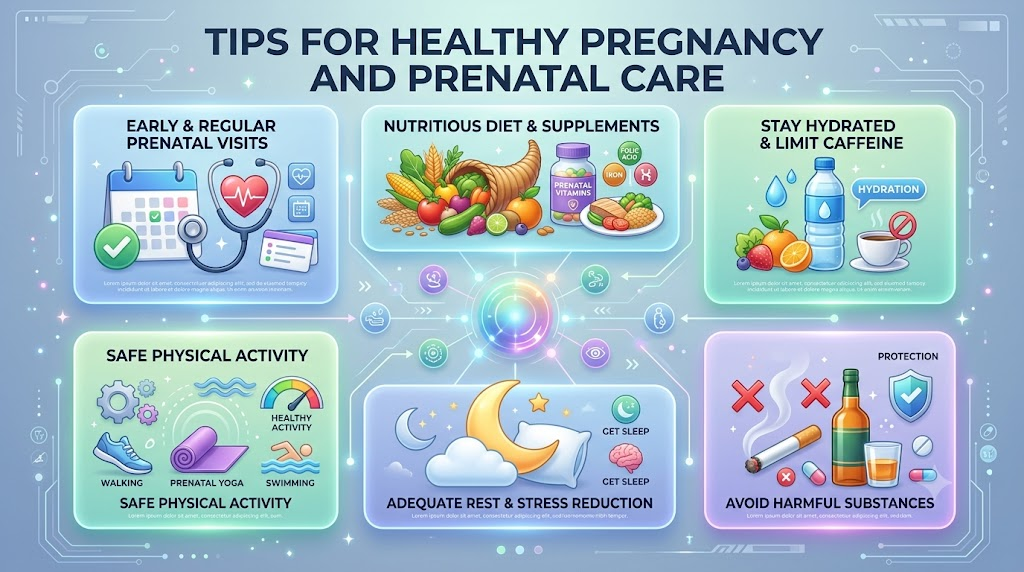
Key tips include starting early prenatal care, eating a balanced diet, staying appropriately active, resting, avoiding harmful substances, and attending all medical checkups.
When should I start prenatal care?
You should schedule your first prenatal appointment as soon as you confirm your pregnancy, ideally around the 8th week or earlier if you have existing health conditions.
Why are regular prenatal checkups important?
Regular checkups allow healthcare providers to monitor maternal health, track fetal growth, screen for potential complications, and provide timely guidance.
What should I eat during pregnancy?
Focus on a balanced variety of whole grains, fresh fruits and vegetables, lean proteins, healthy fats, and adequate water intake.
Which nutrients are important during pregnancy?
Folic acid, iron, calcium, vitamin D, iodine, choline, and protein are vital for supporting maternal health and fetal development.
Can I exercise during pregnancy?
Yes, in most uncomplicated pregnancies, gentle to moderate exercise like walking, swimming, and prenatal yoga is safe and beneficial when approved by your doctor.
What foods and drinks should I avoid during pregnancy?
Avoid unpasteurized dairy, raw or undercooked meats/seafood, high-mercury fish, alcohol, and excessive caffeine.
Should I take prenatal vitamins?
Most healthcare providers recommend prenatal vitamins to ensure adequate intake of key nutrients like folic acid and iron, tailored to your individual needs.
Are all medicines safe during pregnancy?
No, many prescription, over-the-counter, and herbal products are not safe during pregnancy; always consult your doctor before taking anything.
What tests are commonly performed during prenatal care?
Common tests include blood pressure checks, urine analysis, blood panels, gestational diabetes screenings, and structural ultrasound scans.
How can I manage stress during pregnancy?
Practice deep breathing, maintain open communication with loved ones, get adequate rest, and seek professional counseling if anxiety becomes overwhelming.
What warning signs should I watch for during pregnancy?
Watch for vaginal bleeding, severe abdominal pain, persistent headaches, vision changes, sudden swelling, fever, and decreased fetal movement.
How can my partner or family support a healthy pregnancy?
Partners can attend appointments, help with nutritious meals, share household tasks, offer emotional encouragement, and learn pregnancy warning signs.
How do I choose the right prenatal care provider?
Look for board-certified OB-GYNs, family doctors, or midwives whose communication style, hospital affiliations, and philosophy match your preferences.
What are the most important habits for healthy pregnancy and prenatal care?
Early and consistent prenatal checkups combined with balanced nutrition, adequate rest, medication safety, and attentive symptom monitoring are paramount.
Conclusion
Embracing a healthy pregnancy is a rewarding process that combines mindful daily self-care with expert medical partnership. By prioritizing early and regular prenatal care, maintaining balanced nutrition, engaging in safe physical activity, protecting your emotional wellbeing, and staying attentive to your body’s signals, you lay a strong foundation for your baby’s future. Remember that every pregnancy is entirely unique, and partnering closely with qualified healthcare professionals ensures you receive the individualized support you deserve. Let professional guidance be your anchor as you navigate this extraordinary chapter with confidence, health, and joy.
Leave a Reply