Introduction
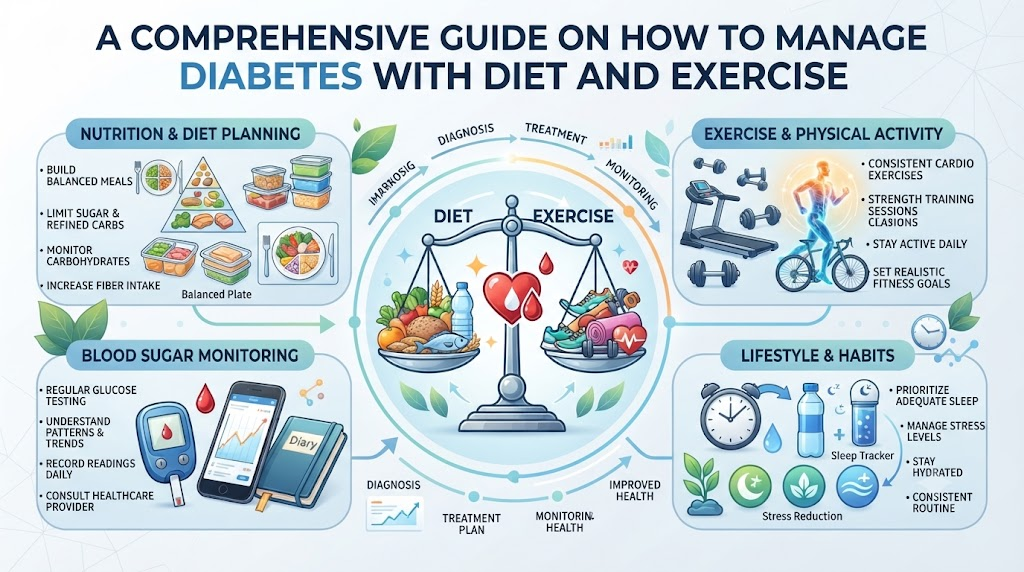
Living with diabetes requires ongoing attention, thoughtful daily choices, and a comprehensive approach to health. While blood glucose monitoring and prescribed medications often form foundational pillars of treatment, lifestyle factors play an equally significant role in overall well-being. Adopting sustainable eating habits, incorporating regular physical activity, managing stress, prioritizing sleep, and maintaining regular medical appointments are all essential components of comprehensive health maintenance.For individuals seeking practical guidance, understanding Mydoctorsnow provides a structured starting point for supporting blood sugar stability and daily energy. Although dietary choices and physical activity can powerfully influence glucose levels, individual needs vary significantly.
Understanding Diabetes and Blood Sugar Management
Diabetes is a chronic metabolic condition characterized by elevated levels of glucose in the blood. Normally, the body breaks down carbohydrates from food into glucose, which enters the bloodstream. In response, the pancreas releases insulin—a hormone that helps glucose move from the bloodstream into cells to be used for energy.
In people with diabetes, this process does not function as intended:
- Type 1 Diabetes: An autoimmune condition where the body produces little or no insulin, requiring daily insulin therapy.
- Type 2 Diabetes: A condition where the body either resists the effects of insulin or does not produce enough insulin to maintain normal glucose levels.
When blood glucose remains consistently elevated, it can affect various organs over time. Effective management aims to keep blood sugar levels within a target range determined by a doctor. Because individual health profiles, activity levels, and medical histories differ, treatment plans must always be customized.
How Diet Can Affect Diabetes Management
The food choices people make every day have a direct and immediate impact on blood glucose levels. Different nutrients affect the body in unique ways, making meal composition and portion awareness central to diabetes care.
Key nutritional factors include:
- Carbohydrates: These break down into glucose most rapidly and exert the greatest influence on blood sugar levels.
- Fiber: A type of carbohydrate that the body cannot digest; it slows digestion and helps prevent rapid blood sugar spikes.
- Protein: Supports tissue repair and provides steady energy without causing sharp blood glucose increases.
- Healthy Fats: Essential for cellular function and satiety, helping slow the absorption of meals.
- Portion Sizes: Eating large quantities of food at one time can elevate blood glucose significantly, even if the foods are nutritious.
- Added Sugars and Processed Foods: Foods stripped of natural fiber and packed with added sugars can cause rapid blood sugar fluctuations.
Understanding how different foods interact with the body empowers individuals to build balanced meals that support steady energy and stable glucose levels.
Building a Balanced Diabetes-Friendly Eating Pattern
Creating a sustainable eating pattern does not require restrictive dieting or eliminating favorite foods entirely. Instead, it focuses on balance, variety, and nutrient density.
Practical strategies for building balanced meals include:
- Emphasizing Non-Starchy Vegetables: Filling half the plate with colorful vegetables provides vitamins, minerals, and fiber with minimal impact on blood sugar.
- Choosing High-Fiber Foods: Incorporating whole grains, legumes, and vegetables helps maintain stable digestion and steady energy.
- Selecting Lean Proteins: Including poultry, fish, beans, tofu, or lean cuts of meat supports satiety and muscle health.
- Incorporating Healthy Fats: Using moderate amounts of olive oil, avocado, nuts, and seeds adds flavor and nutritional value.
- Mindful Portions: Paying attention to serving sizes prevents overeating and helps regulate carbohydrate intake.
- Limiting Sugary Beverages: Opting for water, unsweetened tea, or black coffee instead of sugar-sweetened sodas and juices.
TABLE 1 – Food Choices for Diabetes Management
| Food Category | Examples of Healthier Choices | General Consideration for Diabetes |
| Non-starchy vegetables | Spinach, broccoli, bell peppers, zucchini, carrots | High in fiber and nutrients; minimal impact on blood glucose |
| Whole grains | Quinoa, brown rice, oats, barley, whole-wheat bread | Provide sustained energy and dietary fiber compared to refined grains |
| Lean proteins | Chicken breast, fish, lentils, beans, eggs, tofu | Support muscle maintenance and help stabilize meal digestion |
| Fresh fruits | Berries, apples, citrus fruits, pears | Offer natural vitamins and fiber; portion awareness is helpful |
| Healthy fats | Olive oil, avocados, almonds, chia seeds, walnuts | Support heart health and slow carbohydrate absorption |
| Beverages | Water, sparkling water, unsweetened green tea | Prevent dehydration without adding hidden sugars or calories |
Understanding Carbohydrates and Diabetes
Carbohydrates are a major source of energy, but they require careful attention when managing diabetes because they raise blood glucose more than proteins or fats. However, carbohydrates should not be feared or eliminated entirely; rather, the focus should be on quality and quantity.
- Refined vs. Less-Processed Carbohydrates: Refined grains (like white bread and pastries) digest quickly, leading to rapid blood sugar spikes. Less-processed carbohydrate sources (like steel-cut oats, quinoa, and whole vegetables) digest slowly, providing sustained energy.
- The Role of Fiber: High-fiber foods slow down sugar absorption in the bloodstream.
- Individual Variability: Carbohydrate tolerance varies from person to person based on activity levels, medication, and metabolic health.
Working with a registered dietitian can help individuals determine an appropriate carbohydrate intake that aligns with their personal health goals.
The Role of Fiber in a Diabetes-Friendly Diet
Fiber is an invaluable component of a healthy diet, particularly for individuals managing blood sugar. It offers numerous physiological benefits:
- Slower Digestion: Soluble fiber dissolves in water to form a gel-like substance that slows stomach emptying and glucose absorption.
- Improved Satiety: High-fiber foods take longer to chew and digest, helping individuals feel full longer after meals.
- Digestive Health: Insoluble fiber adds bulk to stool and promotes regular bowel movements.
- Cardiovascular Support: Certain fibers help maintain healthy cholesterol levels already within the normal range.
Rich sources of fiber include vegetables, fresh fruits with edible skins, beans, lentils, whole grains, nuts, and seeds. Increasing fiber intake should be done gradually alongside adequate fluid consumption to prevent digestive discomfort.
Foods and Eating Habits to Limit
Rather than adopting rigid restrictions, individuals managing diabetes benefit from moderating specific items that can disrupt blood sugar control and overall health:
- Sugar-Sweetened Beverages: Sodas, sweet teas, and energy drinks deliver a concentrated dose of sugar into the bloodstream almost instantly.
- Added Sugars: Sweets, baked goods, and candies provide empty calories with little nutritional benefit.
- Highly Refined Grains: White flour products lack the fiber needed to slow glucose absorption.
- Ultra-Processed Snacks: Packaged snack foods often contain hidden sugars, excessive sodium, and unhealthy fats.
- Oversized Portions: Even nutritious foods can elevate blood sugar if consumed in excessive quantities at one sitting.
Adopting a balanced approach allows for occasional enjoyment of favorite foods while keeping overall health and stability as the primary focus.
How Exercise Helps with Diabetes Management
Physical activity is a powerful tool in diabetes care. When a person exercises, muscles use glucose for energy, which helps clear glucose from the bloodstream independently of insulin.
Key benefits of regular physical activity include:
- Enhanced Insulin Sensitivity: Regular movement helps the body’s cells use available insulin more efficiently.
- Blood Sugar Support: Physical activity assists in lowering blood glucose levels during and after exertion.
- Cardiovascular Health: Aerobic exercise strengthens the heart and improves circulation.
- Weight Management: Combining exercise with a balanced diet supports healthy body composition.
- Mood Enhancement: Physical activity releases endorphins, reduces stress, and supports mental well-being.
While exercise offers profound benefits, individuals should approach physical activity safely and progressively.
Types of Physical Activity That May Support Diabetes Management
A well-rounded physical activity routine typically incorporates several forms of movement, depending on personal fitness levels and medical recommendations:
- Aerobic Exercise (Cardio): Activities like brisk walking, cycling, swimming, and dancing elevate the heart rate and improve endurance.
- Walking: Accessible and effective, brisk walking is one of the easiest ways to incorporate daily movement.
- Strength Training: Using resistance bands, hand weights, or body-weight exercises (like squats and push-ups) builds muscle mass, which helps improve glucose storage.
- Flexibility and Balance: Stretching, yoga, and tai chi enhance mobility, reduce stiffness, and support stability.
- Everyday Movement: Increasing non-exercise activity thermogenesis—such as taking the stairs, gardening, or housework—contributes significantly to daily energy expenditure.
How to Start Exercising Safely
Beginning a new exercise routine requires caution and common sense, especially for individuals managing a chronic health condition.
Important safety principles include:
- Start Gradually: Begin with short, manageable sessions (such as a 10-minute walk) and slowly increase duration and intensity over weeks.
- Listen to the Body: Stop exercising immediately if you experience dizziness, chest pain, shortness of breath, or unusual fatigue.
- Stay Hydrated: Drink plenty of water before, during, and after physical activity.
- Consider Medical Guidance: Always consult a healthcare professional before starting a new exercise regimen, particularly for individuals who are new to physical activity or have existing complications.
- Understand Medication Interactions: Certain glucose-lowering medications can increase the risk of low blood sugar during or after exercise. Professional guidance helps patients navigate these considerations safely.
Blood Glucose Monitoring and Physical Activity
Monitoring blood glucose levels around physical activity provides valuable insight into how the body responds to movement. According to individual healthcare recommendations, checking blood sugar before and after exercise helps:
- Identify personal patterns and trends related to specific activities.
- Recognize when blood glucose is outside the desired range.
- Take appropriate precautions, such as having a fast-acting carbohydrate source nearby if advised by a doctor.
Patients should follow individualized medical instructions regarding when and how frequently to monitor their blood glucose.
Combining Diet and Exercise for Better Diabetes Management
Relying on diet alone or exercise alone is rarely as effective as combining both approaches into a cohesive lifestyle routine. Healthy eating provides the foundational fuel and metabolic balance, while physical activity enhances the body’s ability to utilize that fuel efficiently.
Creating a sustainable lifestyle involves:
- Consistency: Maintaining steady daily routines rather than engaging in extreme or sporadic changes.
- Gradual Progress: Building healthy habits one step at a time to ensure long-term adherence.
- Regular Medical Follow-Up: Partnering with healthcare providers to review progress, adjust treatment plans, and ensure safety.
Diabetes care is multifaceted; lifestyle modifications complement, but do not replace, prescribed medical treatments.
Weight Management and Diabetes
For many individuals with type 2 diabetes, achieving and maintaining a healthy body weight can positively influence insulin sensitivity and metabolic health. However, weight management must be approached responsibly and realistically.
Key considerations include:
- Sustainable Lifestyle Changes: Focusing on nutritious eating and regular movement rather than restrictive crash diets.
- Individual Differences: Weight loss is not appropriate or necessary for every person with diabetes. Body composition and overall health matter more than scale numbers alone.
- Professional Guidance: Working with a doctor or dietitian ensures that weight management strategies are safe, adequate in nutrition, and tailored to personal health needs.
Sleep, Stress, Hydration, and Daily Habits
Comprehensive diabetes care extends far beyond food and workouts. Everyday lifestyle factors exert a powerful influence on blood sugar regulation:
- Sleep Quality: Chronic sleep deprivation can impair insulin sensitivity and increase stress hormones like cortisol, making blood sugar management more difficult. Aiming for consistent, restorative sleep is vital.
- Stress Management: Emotional stress triggers hormone releases that elevate blood glucose. Practices such as deep breathing, meditation, hobbies, and relaxation help mitigate stress.
- Hydration: Drinking adequate water supports kidney function and helps the body flush out excess glucose through urine when levels are elevated.
- Tobacco and Alcohol: Avoiding tobacco use protects vascular health, while limiting alcohol prevents unpredictable blood sugar fluctuations.
Common Diabetes Diet and Exercise Mistakes
Navigating diabetes management can involve a learning curve. Avoiding common pitfalls helps make the journey smoother and more effective:
- Skipping Meals: Going long periods without eating can lead to erratic blood sugar swings and overeating later.
- Following Extreme Fad Diets: Restrictive diets are difficult to maintain and often lack essential nutrients.
- Sudden High-Intensity Exercise: Jumping into strenuous workouts without conditioning increases the risk of injury or unexpected blood sugar drops.
- Ignoring Symptoms: Pushing through dizziness, shaking, or extreme fatigue during physical activity.
- Assuming Healthy Foods Have No Limits: Overconsuming nutrient-dense foods (like nuts or avocados) without portion awareness.
- Stopping Medication Independently: Altering prescribed drug regimens without professional oversight.
TABLE 2 – Building a Sustainable Diabetes Management Routine
| Lifestyle Area | Practical Approach | Important Consideration |
| Eating habits | Focus on balanced plates with vegetables, lean proteins, and fiber | Avoid restrictive fad diets in favor of long-term consistency |
| Physical activity | Incorporate regular walking and enjoyable movement daily | Start slowly and adjust intensity based on personal health status |
| Glucose monitoring | Check blood sugar as recommended by your healthcare team | Use data to understand patterns rather than inducing anxiety |
| Sleep hygiene | Maintain consistent bedtimes and aim for restorative rest | Sleep deprivation can negatively impact insulin sensitivity |
| Stress management | Practice deep breathing, mindfulness, or relaxing hobbies | Chronic stress elevates hormones that increase blood glucose |
| Hydration | Prioritize water throughout the day while limiting sugary drinks | Proper hydration supports overall metabolic function |
| Medical follow-up | Attend regular check-ups with your doctor and care team | Essential for reviewing lab work and adjusting overall care plans |
How to Create Sustainable Healthy Habits
Lasting change is built on small, manageable actions rather than overnight transformations. Readers can make lifestyle modifications stick by following practical steps:
- Start Small: Choose one achievable change, such as adding a 10-minute walk after dinner or drinking an extra glass of water daily.
- Set Realistic Goals: Focus on process goals (e.g., “I will exercise three times this week”) rather than outcome goals alone.
- Establish Routines: Anchor new habits to existing daily triggers, like taking a walk right after morning coffee.
- Track Progress: Use a journal or app to monitor habits, celebrating small victories along the way.
- Seek Professional Guidance: Consult doctors, dietheticians, or diabetes educators for personalized support.
Diabetes Management for Different Lifestyles
Adapting diabetes care to fit diverse daily routines is crucial for long-term success:
- Busy Professionals: Plan meals ahead, pack healthy snacks, and schedule short walking breaks during the workday.
- Students: Keep portable, stable snacks on hand and utilize campus recreational facilities for physical activity.
- Older Adults: Focus on gentle, joint-friendly movements like balance exercises, chair yoga, and walking.
- Frequent Travelers: Research healthy dining options ahead of time and maintain medication schedules across time zones.
Eating Out While Managing Diabetes
Social dining and restaurant meals can easily fit into a diabetes management plan with a few mindful strategies:
- Review menu options online before arriving at the restaurant.
- Request dressings, sauces, and gravies on the side to control portions.
- Choose grilled, baked, or steamed dishes instead of fried preparations.
- Fill up on water or unsweetened iced tea instead of sugary sodas.
- Practice portion control by boxing up half the meal before starting to eat.
When Professional Diabetes Support Is Important
While managing daily routines at home is vital, professional medical guidance remains indispensable. Individuals should consult a qualified healthcare provider promptly if:
- Blood glucose patterns become unpredictable or consistently out of target range.
- New, unusual, or worsening physical symptoms develop.
- Medication side effects are suspected.
- Exercise consistently causes dizziness, chest discomfort, or severe fatigue.
- Frequent episodes of unusually high or low blood sugar occur.
- Major lifestyle changes or pregnancy are being planned.
Professional support ensures that treatment remains safe, effective, and tailored to changing health needs.
Building a Long-Term Diabetes Management Plan
Successful long-term diabetes care integrates multiple elements into a cohesive, sustainable daily routine:
- Balanced nutrition focused on fiber, vegetables, and lean proteins.
- Regular physical activity tailored to individual fitness and health status.
- Appropriate blood glucose monitoring aligned with medical recommendations.
- Consistent adherence to prescribed medications and medical therapies.
- Regular check-ups and laboratory testing with healthcare providers.
- Healthy sleep, stress management, and hydration.
- Ongoing education and patient empowerment.
With the right tools, professional partnership, and consistent daily habits, individuals can navigate diabetes successfully and maintain a high quality of life.
Frequently Asked Questions
1.How can diet help manage diabetes?
Diet helps manage diabetes by directly influencing blood glucose levels. Consuming balanced meals rich in fiber, lean protein, and healthy fats while moderating refined carbohydrates and added sugars helps prevent rapid blood sugar spikes and supports steady energy throughout the day.
2.What foods are generally good choices for people with diabetes?
Good choices include non-starchy vegetables (like spinach, broccoli, and peppers), whole grains (like quinoa and oats), lean proteins (like chicken, fish, and beans), healthy fats (like olive oil and avocados), and fresh fruits consumed in moderate portions.
3.What foods should people with diabetes limit?
Individuals should limit sugar-sweetened beverages, sweets, highly refined white flour products, ultra-processed snack foods, and excessive portions of carbohydrate-heavy foods, as these can cause significant blood sugar fluctuations.
4.Can exercise help manage blood sugar?
Yes, regular physical activity helps manage blood sugar by increasing insulin sensitivity and allowing muscle cells to take up glucose for energy independently of insulin.
5.What types of exercise are suitable for diabetes management?
Suitable activities include aerobic exercises (like brisk walking, swimming, and cycling), strength training (using weights or resistance bands), flexibility exercises, and everyday physical movements.
6.How often should someone with diabetes exercise?
Frequency depends on individual health status and doctor recommendations. Many health guidelines suggest aiming for regular physical activity most days of the week, starting slowly and building consistency over time.
7.Can walking help with diabetes management?
Yes, brisk walking is an accessible, low-impact aerobic exercise that effectively supports cardiovascular health, calorie burning, and blood glucose management.
8.How do carbohydrates affect blood sugar?
Carbohydrates break down into glucose during digestion and enter the bloodstream, making them the primary nutrient responsible for raising blood sugar levels after a meal.
9.Is fruit safe to eat when managing diabetes?
Fresh fruit is safe and nutritious when eaten in appropriate portions, as it provides essential vitamins, minerals, and dietary fiber along with natural sugars.
Conclusion
Managing diabetes is a lifelong journey built upon consistent, sustainable daily habits rather than quick fixes. By combining balanced nutrition, regular physical activity, proper sleep, stress management, and appropriate medical oversight, individuals can take an active role in supporting their long-term health. Because every person’s body responds differently, treatment and lifestyle plans must always be individualized in partnership with qualified healthcare professionals. With patience, education, and steady support, sustainable progress is entirely achievable.
Leave a Reply