Introduction
The human body relies on numerous intricate systems to maintain balance and vitality, and few organs work as continuously or quietly as the kidneys. These remarkable bean-shaped organs perform daily filtration tasks that keep our blood clean and our internal chemistry stable. To explore reliable patient-education resources, medical guidance, and healthcare articles, platforms like MyDoctorsNow offer valuable support for readers seeking to learn more about kidney health. Consider a hypothetical reader, David, who experienced mild fatigue and occasional lower back discomfort. By reading educational healthcare guides and consulting his physician for routine blood and urine testing, David learned how to monitor his kidney function proactively, transforming uncertainty into peace of mind.
What Are the Kidneys?
The kidneys are a pair of vital organs located against the back muscles in the upper abdominal area, just below the rib cage—one on each side of the spine. Each kidney is roughly the size of a fist and shaped like a bean.
Inside each kidney are millions of tiny filtering units called nephrons. Most people are born with two functioning kidneys, though the human body can adapt and function with just one healthy kidney if necessary. The primary job of these filtering units is to process blood, remove waste products and excess fluid, and produce urine. Urine then travels down narrow tubes called ureters into the bladder, where it is stored until eliminated from the body.
What Do the Kidneys Do?
The kidneys are often described as the body’s sophisticated filtration and chemical balancing plant. Their multifaceted responsibilities go far beyond simply producing urine.
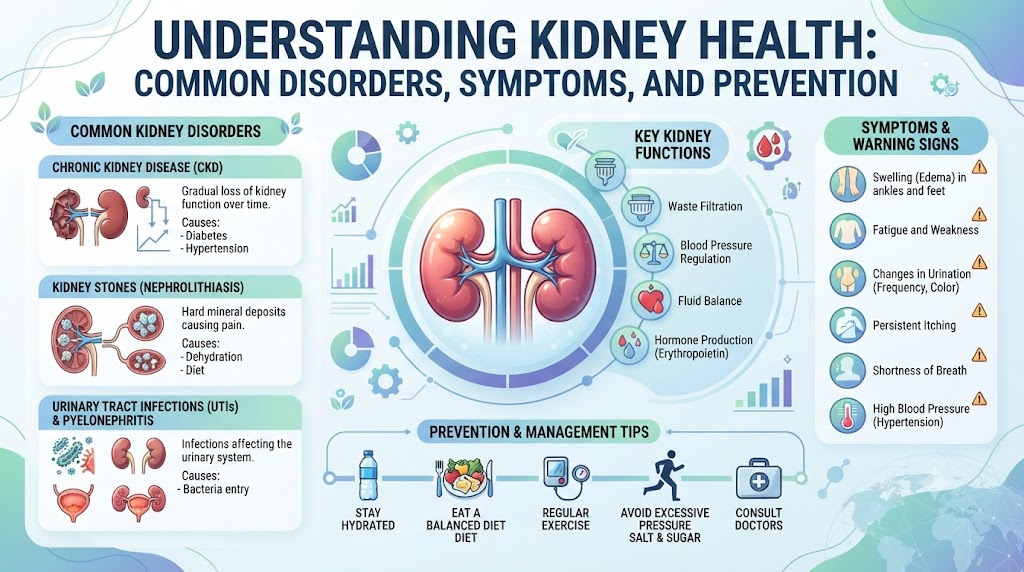
Key kidney functions include:
- Removing Waste Products: Filtering urea, creatinine, and other metabolic waste products out of the bloodstream so they can leave the body.
- Managing Fluid Balance: Adjusting the volume of water retained or excreted depending on hydration levels.
- Regulating Electrolytes: Maintaining precise levels of essential minerals like sodium, potassium, calcium, and phosphorus.
- Supporting Blood Pressure Control: Producing hormones and regulating fluid volume to help keep blood pressure within a healthy range.
- Stimulating Red Blood Cell Production: Releasing a hormone called erythropoietin that signals the bone marrow to manufacture red blood cells.
- Supporting Bone Health: Activating vitamin D into its usable form, which helps the body absorb calcium for strong bones.
Section 3: Why Kidney Health Matters
Because the kidneys touch nearly every major physiological system, their health is deeply connected to overall well-being. When kidney function is compromised, the effects can ripple across cardiovascular health, metabolic stability, and energy levels.
For instance, healthy kidneys work hand-in-hand with the heart and blood vessels to regulate blood pressure. They also help keep blood sugar and electrolyte levels stable. Maintaining healthy kidneys supports long-term physical stamina, metabolic balance, and overall longevity.
Common Kidney Disorders
Several distinct conditions can affect the structure or function of the kidneys. Understanding these major disorders helps clarify why medical evaluations focus on specific symptoms and tests.
Chronic Kidney Disease
Chronic kidney disease involves a gradual, long-term loss of kidney function over months or years. Because the kidneys have a remarkable capacity to adapt, early stages may cause no noticeable symptoms. Over time, reduced filtering capacity can require careful medical management.
Kidney Stones
Kidney stones are hard deposits made of minerals and salts that form inside the kidneys. When these stones move through the urinary tract, they can cause sharp, intense pain, changes in urination, or blood in the urine.
Kidney Infection
A kidney infection, or pyelonephritis, is a type of urinary tract infection that travels upward into one or both kidneys. It often causes fever, chills, back pain, and urinary discomfort, requiring timely medical attention.
Acute Kidney Injury
Acute kidney injury is a sudden, rapid decline in kidney function that can occur over hours or days. It is often triggered by severe dehydration, certain medications, serious infections, or reduced blood flow, and requires urgent medical assessment.
Polycystic Kidney Disease
Polycystic kidney disease is an inherited genetic disorder characterized by the growth of numerous fluid-filled sacs, or cysts, within the kidneys, which can enlarge the organs and gradually reduce function over time.
Glomerulonephritis
Glomerulonephritis involves inflammation of the tiny filtering clusters—glomeruli—inside the kidneys. This inflammation can impair the kidney’s ability to filter waste properly and may be associated with immune system responses or infections.
Table 1: Common Kidney Disorders
| Kidney Disorder | General Description | Possible Signs or Concerns |
| Chronic Kidney Disease | Gradual, long-term decline in kidney filtration function | Fatigue, fluid retention, high blood pressure, or no early signs |
| Kidney Stones | Hard mineral and salt deposits forming inside the kidneys | Severe flank pain, blood in urine, painful urination |
| Kidney Infection | Bacterial infection traveling from the urinary tract to the kidneys | Fever, chills, back pain, urgent or painful urination |
| Acute Kidney Injury | Sudden and rapid drop in kidney function over a short period | Sudden swelling, decreased urine output, fatigue, confusion |
| Polycystic Kidney Disease | Inherited condition causing fluid-filled cysts to grow in kidneys | High blood pressure, back or side pain, family history |
| Glomerulonephritis | Inflammation affecting the delicate filtering units of the kidneys | Blood or protein in urine, swelling in face or ankles |
Common Symptoms of Kidney Problems
Kidney issues can manifest through various physical signs, though symptoms often depend heavily on the specific condition and its stage.
Common signs that may warrant a medical evaluation include:
- Changes in urination frequency, urgency, or nighttime waking
- Visible blood in the urine or dark, foamy urine
- Swelling (edema) in the feet, ankles, legs, hands, or face
- Persistent fatigue or lack of energy
- Nausea, vomiting, or a generalized loss of appetite
- Aching or discomfort in the back or side (flank area)
- High blood pressure that is difficult to control
- Itchy or dry skin resulting from mineral imbalances
- Difficulty sleeping or trouble concentrating in advanced stages
Many kidney conditions, particularly in their early phases, cause few or no obvious symptoms. This underscores why routine wellness checks and blood or urine screenings are valuable.
What Causes Kidney Problems?
Kidney problems can stem from a wide variety of causes, ranging from systemic health conditions to lifestyle and genetic factors.
Common contributing causes include:
- Diabetes: Chronically elevated blood sugar can damage the delicate blood vessels inside the kidneys.
- High Blood Pressure: Uncontrolled blood pressure places excessive strain on the filtering vessels.
- Kidney Stones: Blockages caused by mineral deposits that obstruct urine flow.
- Infections: Bacteria spreading from the lower urinary tract upward into the kidneys.
- Genetic Factors: Inherited conditions like polycystic kidney disease.
- Autoimmune Disorders: Conditions where the immune system mistakenly attacks healthy kidney tissue.
- Certain Medications or Toxins: Long-term or inappropriate use of certain drugs or substances that stress renal tissue.
- Obstructions: Blockages in the urinary tract caused by enlarged prostates, tumors, or strictures.
Risk Factors for Kidney Disease
Certain characteristics and health histories can increase a person’s likelihood of developing kidney problems.
Major risk factors include:
- Having diabetes or high blood pressure
- Living with cardiovascular disease
- Having a family history of kidney disease or kidney failure
- Advancing age, as kidney function naturally evolves over time
- Previous episodes of acute kidney injury
- Smoking or tobacco use
- Obesity or carrying excess body weight
- History of recurrent kidney stones or frequent urinary tract infections
The presence of a risk factor does not mean someone will definitely develop kidney disease; rather, it highlights the importance of proactive health monitoring.
How Kidney Problems Are Diagnosed
When a healthcare professional suspects a kidney issue, they use a structured diagnostic approach to evaluate organ health.
The evaluation typically includes:
- Medical History Review: Discussing symptoms, family history, diet, and medication use.
- Physical Examination: Checking blood pressure, listening to heart and lung sounds, and checking for fluid retention or swelling.
- Blood Tests: Measuring waste products and filtration markers.
- Urine Tests: Checking for protein, blood, infection markers, or abnormal cellular elements.
- Imaging Studies: Utilizing ultrasounds, CT scans, or MRIs to visualize kidney size, shape, and structure.
- Specialized Testing: Referral for further specialized evaluation or biopsy when clinically indicated.
Understanding Kidney Function Tests
Laboratory testing provides objective data about how efficiently the kidneys are filtering the blood.
Common tests include:
- Serum Creatinine: A waste product generated by normal muscle breakdown. Elevated creatinine levels in the blood can indicate that the kidneys are not filtering efficiently.
- Estimated Glomerular Filtration Rate (eGFR): A calculated estimate of how much blood the kidneys filter per minute, derived from blood creatinine levels, age, and sex.
- Urinalysis: A routine test checking urine for protein, blood, sugar, and signs of infection.
- Urine Albumin-to-Creatinine Ratio (uACR): A specialized urine test that measures tiny amounts of albumin (protein) leaking into the urine, serving as an early indicator of kidney stress.
Laboratory results must always be interpreted in proper clinical context by a qualified healthcare professional.
Kidney Stones and Kidney Infections
Kidney Stones
Kidney stones develop when minerals and acid salts in urine crystallize into solid masses. They can range from the size of a grain of sand to a golf ball. Small stones may pass naturally with adequate hydration and pain management, while larger stones may require medical intervention or procedural removal. Symptoms often include severe, sharp pain in the back or side, nausea, and blood in the urine.
Kidney Infections
Kidney infections typically begin as lower urinary tract infections that travel upward. Symptoms often include high fever, chills, flank pain, nausea, and frequent urination. Prompt medical evaluation and professional treatment are essential to resolve infections and prevent potential complications.
Chronic Kidney Disease and Long-Term Kidney Health
Chronic kidney disease is characterized by long-term structural or functional changes in the kidneys lasting for three months or more. Because kidney tissue has limited ability to regenerate once heavily damaged, the primary clinical goal is slowing disease progression and protecting remaining function.
Early detection through routine screening allows healthcare teams to implement management plans that control blood pressure, manage blood sugar, adjust medications, and protect cardiovascular health. Adhering closely to professional medical guidance is vital for long-term well-being.
Everyday Habits That Support Kidney Health
While lifestyle habits cannot cure established kidney disease, adopting healthy routines supports overall renal function and general vitality.
Beneficial everyday habits include:
- Staying Adequately Hydrated: Drinking enough water to support normal urine flow and daily hydration needs without overdoing it.
- Eating a Balanced Diet: Emphasizing whole foods, fresh fruits, vegetables, and lean proteins while moderating sodium and processed foods.
- Staying Physically Active: Engaging in regular, moderate exercise to support metabolic health and weight management.
- Managing Blood Pressure and Sugar: Keeping key physiological metrics within healthy ranges set by your physician.
- Avoiding Tobacco: Refraining from smoking, which harms blood vessels throughout the body, including those feeding the kidneys.
- Using Medications Wisely: Consulting a doctor or pharmacist before taking regular over-the-counter pain relievers or herbal supplements that can strain the kidneys.
How Diabetes and Blood Pressure Affect the Kidneys
Diabetes and high blood pressure are the two leading causes of chronic kidney disease. Chronically elevated blood sugar forces the kidneys to filter excess glucose, placing immense mechanical stress on their tiny blood vessels over time.
Similarly, high blood pressure damages and narrows the blood vessels supplying the kidneys, reducing their ability to filter waste effectively. Controlling blood sugar and blood pressure through consistent medical supervision and lifestyle habits is one of the most effective ways to protect long-term kidney health.
When Should You See a Doctor About Kidney Health?
Prompt professional medical evaluation is important if you experience symptoms that could suggest a kidney concern.
You should consult a healthcare professional if you notice:
- Visible blood in your urine or persistent dark, discolored urine
- Ongoing changes in how often you urinate or difficulty urinating
- Unexplained swelling in your legs, ankles, hands, or face
- Persistent pain in your back or side (flank) not related to muscular injury
- Frequent urinary tract infections or burning sensations during urination
- Ongoing fatigue combined with other unusual physical changes
- High blood pressure that is difficult to manage despite treatment
For sudden, severe illness, high fevers with shaking chills, or severe acute pain, seek immediate emergency medical attention.
Who May Need Regular Kidney Health Monitoring?
Certain individuals benefit greatly from routine, scheduled kidney health screenings, even in the absence of symptoms.
Regular monitoring is commonly recommended for people with:
- Diagnosed diabetes (type 1 or type 2)
- High blood pressure (hypertension)
- Established cardiovascular disease
- A family history of chronic kidney disease or kidney failure
- A history of recurrent kidney stones
- Certain autoimmune or inherited conditions
Healthcare providers personalize screening schedules based on each patient’s individual risk profile.
How to Protect Kidney Health as You Age
As people age, natural physiological changes occur throughout the body, including gradual shifts in baseline kidney filtration rates. However, significant kidney disease is not an inevitable part of aging.
Older adults can protect their renal health by maintaining routine health checkups, keeping blood pressure and blood sugar tightly managed, staying physically active, eating a balanced diet, and reviewing all medications regularly with their doctor or pharmacist to ensure kidney safety.
Common Myths About Kidney Health
- Myth: Kidney disease always causes obvious symptoms early on.
- Fact: Chronic kidney disease can progress silently for years without producing noticeable warning signs.
- Myth: Back pain always means there is a kidney problem.
- Fact: Most back pain stems from musculoskeletal issues rather than kidney disorders.
- Myth: Drinking excessive amounts of water guarantees better kidney health.
- Fact: While hydration is important, excessive water intake does not improve kidney function beyond normal hydration needs.
- Myth: Only older adults develop kidney disease.
- Fact: Kidney disorders can affect individuals of all ages, including children and young adults.
- Myth: Kidney problems are always irreversible.
- Fact: Some acute conditions can be fully resolved with prompt medical care, and early chronic disease management can slow progression significantly.
- Myth: A healthy lifestyle completely eliminates the risk of kidney disease.
- Fact: While healthy habits lower risk, genetic factors, autoimmune conditions, and chronic illnesses can still influence kidney health.
Preventive Kidney Care Checklist
- Monitor your blood pressure regularly as advised by your physician.
- Manage blood sugar levels carefully if you have diabetes.
- Maintain a balanced, wholesome diet with moderate sodium intake.
- Stay appropriately hydrated based on your daily activity and health needs.
- Avoid smoking and tobacco use entirely.
- Take prescription and over-the-counter medications strictly as directed.
- Discuss all herbal supplements and vitamins with your doctor before use.
- Attend scheduled annual wellness examinations and routine screenings.
- Pay attention to persistent changes in your urination patterns or urine appearance.
- Seek prompt medical advice when unusual symptoms arise.
Table 2: Kidney Health and Prevention Checklist
| Kidney Health Area | Healthy Practice | When to Discuss With a Healthcare Professional |
| Blood Pressure | Check regularly and keep within target range | If readings consistently exceed recommended personal targets |
| Blood Sugar | Monitor and manage according to medical guidance | If fasting or daily glucose readings show unexpected spikes |
| Hydration | Drink fluids sensibly throughout the day | If experiencing unusual thirst, swelling, or urination changes |
| Nutrition | Eat a balanced diet low in excess sodium and processed foods | When seeking personalized dietary guidance for health conditions |
| Physical Activity | Maintain regular, moderate exercise routines | Before starting a new strenuous exercise program if sedentary |
| Medication Use | Take drugs strictly as prescribed; avoid unverified OTC overuse | Before starting new supplements or regular pain relievers |
| Tobacco Use | Avoid smoking and seek cessation support if needed | When looking for effective resources to quit smoking |
| Routine Testing | Complete recommended annual blood and urine screenings | During routine wellness exams or when risk factors are present |
| Urinary Changes | Observe and note unusual patterns or discomfort | If noticing blood, pain, or persistent frequency changes |
| Family History | Know your family medical background | When discussing inherited health risks with your physician |
Frequently Asked Questions
1.What are the main functions of the kidneys?
The main functions of the kidneys include filtering waste products from the blood, regulating fluid balance, balancing essential electrolytes, helping control blood pressure, stimulating red blood cell production, and supporting healthy bone metabolism.
2.What are the most common kidney disorders?
The most common kidney disorders include chronic kidney disease, kidney stones, kidney infections, acute kidney injury, glomerulonephritis, and inherited conditions like polycystic kidney disease.
3.What are the early signs of kidney problems?
Early signs can be subtle or absent entirely. When symptoms do appear, they may include changes in urination frequency, foamy urine, mild swelling in the ankles, fatigue, or high blood pressure.
4.Can kidney disease occur without symptoms?
Yes, chronic kidney disease often develops very gradually over many years without causing noticeable symptoms in its early stages, which is why routine blood and urine testing is so important for high-risk individuals.
5.What causes kidney disease?
Kidney disease is most commonly caused by long-standing diabetes and high blood pressure. Other causes include genetic disorders, recurrent kidney stones, severe infections, autoimmune diseases, and certain medications.
6.What is chronic kidney disease?
Chronic kidney disease refers to long-term, ongoing damage to the kidneys that results in a gradual decline in their ability to filter blood over a period of three months or more.
7.What are kidney stones?
Kidney stones are hard deposits formed from minerals and salts in the urine. They can cause intense pain when passing through the urinary tract, along with blood in the urine and discomfort.
8.What are the symptoms of a kidney infection?
Symptoms of a kidney infection typically include fever, chills, severe pain in the back or side, nausea, vomiting, and frequent or painful urination.
9.How are kidney problems diagnosed?
Doctors diagnose kidney problems by evaluating medical history, performing physical exams, ordering blood tests to check waste filtration, analyzing urine samples, and sometimes performing imaging scans.
10.What tests are used to check kidney function?
Common tests include serum creatinine blood tests, estimated glomerular filtration rate (eGFR) calculations, routine urinalysis, and specialized urine protein or albumin tests.
Final Thoughts
Kidney health is a foundational pillar of overall physical vitality and wellness. Because the kidneys perform essential filtration, fluid regulation, and metabolic tasks every minute of the day, understanding kidney health and common disorders empowers individuals to take charge of their long-term health.While kidney conditions range from simple, passing issues to chronic diseases, early awareness and proactive communication with healthcare providers make a meaningful difference. Partnering with a physician for routine monitoring, adopting wholesome everyday habits, and paying attention to persistent body signals ensures the best possible care.
Leave a Reply