Introduction
Modern healthcare is facing a significant shift as long-term health concerns become increasingly prevalent across all demographics. While acute medical conditions involve short-term treatments, non-communicable health issues now represent the majority of longitudinal medical needs globally. To explore structured physician directories, access verified wellness materials, and connect with reliable health networks, visit MYDOCTORSNOW to support your ongoing journey toward stable, proactive health.
Understanding Chronic Conditions
A chronic condition is broadly defined as a health issue that lasts for one year or longer, requires ongoing medical attention, limits activities of daily living, or combines both factors. Unlike acute illnesses, which develop suddenly and resolve fully once the underlying cause is treated (such as a seasonal respiratory infection or a minor bone fracture), chronic diseases progress gradually and persist over time.
Because these conditions develop slowly, identifying them early through regular screening is incredibly important. Many long-term conditions alter metabolic or cardiovascular functions silently for years before causing noticeable physical symptoms. Left unmanaged, these subtle imbalances can cause ongoing strain to internal organs, gradually reducing energy levels and placing limitations on daily life.
Implementing a structured approach to care changes the path of the condition. While these health concerns may not have an absolute cure, proactive management can effectively stabilize cellular functions, lower the risk of future complications, and help individuals maintain their independence and quality of life.
Common Chronic Conditions People Live With
Millions of people successfully navigate daily routines while managing various long-term conditions. Understanding how these common disorders interact with the body is the first step toward effective self-care.
Diabetes
Diabetes is a metabolic disorder that affects how the body converts food into energy. In Type 1 diabetes, the pancreas produces little to no insulin, while in Type 2 diabetes, the body’s cells become resistant to insulin’s effects, causing glucose to accumulate in the bloodstream. Long-term management focuses on keeping blood sugar levels within a target range through careful nutritional choices, regular physical movement, and insulin or oral medications to protect small blood vessels and nerve pathways.
Hypertension
Commonly known as high blood pressure, hypertension occurs when the force of blood pushing against the artery walls remains consistently too high. This extra pressure forces the heart muscle to work harder and can cause microscopic damage to blood vessels over time. Because it rarely causes obvious daily symptoms, it is often called a silent condition, making regular blood pressure checks and healthy lifestyle habits essential for protecting cardiovascular health.
Heart Disease
Heart disease encompasses several cardiovascular concerns, most notably coronary artery disease, where fatty plaque deposits narrow the blood vessels supplying the heart muscle. This restriction can cause chest discomfort or fatigue during physical exertion. Managing heart health involves a combination of lipid-lowering medications, heart-healthy nutrition, and tailored physical activity to maintain strong circulation and support overall physical vitality.
Arthritis
Arthritis refers to ongoing inflammation and structural wear within the joints, with osteoarthritis and rheumatoid arthritis being the most common forms. It causes joint pain, swelling, stiffness, and reduced mobility, which can make simple daily movements uncomfortable. Effective care combines low-impact exercise to strengthen surrounding muscles, gentle joint protection techniques, and targeted anti-inflammatory strategies to maintain physical independence.
Asthma
Asthma is a long-term respiratory condition characterized by chronic inflammation and hyper-reactivity of the airways. When exposed to specific triggers like dust, cold air, or physical exertion, the muscles surrounding the airways tighten, and excess mucus is produced, leading to wheezing and shortness of breath. Management relies on identifying and avoiding personal triggers, along with using long-term controller inhalers to reduce airway sensitivity.
Chronic Kidney Disease (CKD)
CKD involves a gradual loss of kidney function over months or years, often developing as a complication of long-standing diabetes or hypertension. When the kidneys can no longer filter waste products and excess fluids from the blood effectively, fluid retention and fatigue can occur. Care plans focus on managing underlying blood sugar and pressure levels, balancing protein and sodium intake, and regular laboratory monitoring to preserve remaining kidney function.
Chronic Conditions Comparison Table
| Condition | Common Symptoms | Long-Term Management Focus |
| Diabetes | Increased thirst, frequent urination, fatigue, blurred vision | Regular blood sugar monitoring, balanced diet, active routine |
| Hypertension | Often symptomless, occasional headaches or dizziness | Consistent blood pressure tracking, low-sodium nutrition, medication |
| Heart Disease | Chest discomfort, shortness of breath, physical exhaustion | Cardiovascular monitoring, regular exercise, lipid management |
| Arthritis | Ongoing joint pain, localized swelling, morning stiffness | Low-impact movement, weight management, joint protection |
| Asthma | Wheezing, coughing, chest tightness, shortness of breath | Avoiding environmental triggers, proper inhaler use, action plans |
| Kidney Disease | Mild swelling in ankles, fatigue, changes in urination habits | Balanced protein and fluid intake, regular lab tracking, blood pressure care |
Why Effective Disease Management Matters
Taking an active, organized approach to managing a long-term condition brings wide-ranging benefits that improve all areas of daily life.
- Better Quality of Life: Keeping symptoms well-managed reduces daily discomfort, helps maintain your energy levels, and allows you to participate fully in work, hobbies, and family activities.
- Reduced Complications: Continuous care prevents minor biochemical changes from developing into severe issues, such as nerve damage, joint wear, or cardiovascular strain.
- Improved Physical Health: Supporting your body’s internal systems through consistent care helps keep your heart, lungs, and metabolic pathways working efficiently.
- Emotional Well-Being: Having a clear, structured management plan provides a sense of control, which helps lower the stress and uncertainty that often accompany long-term health concerns.
- Lower Healthcare Burden: Proactive self-care and routine monitoring significantly reduce the need for sudden emergency clinic visits or intensive medical interventions.
Lifestyle Changes That Support Long-Term Health
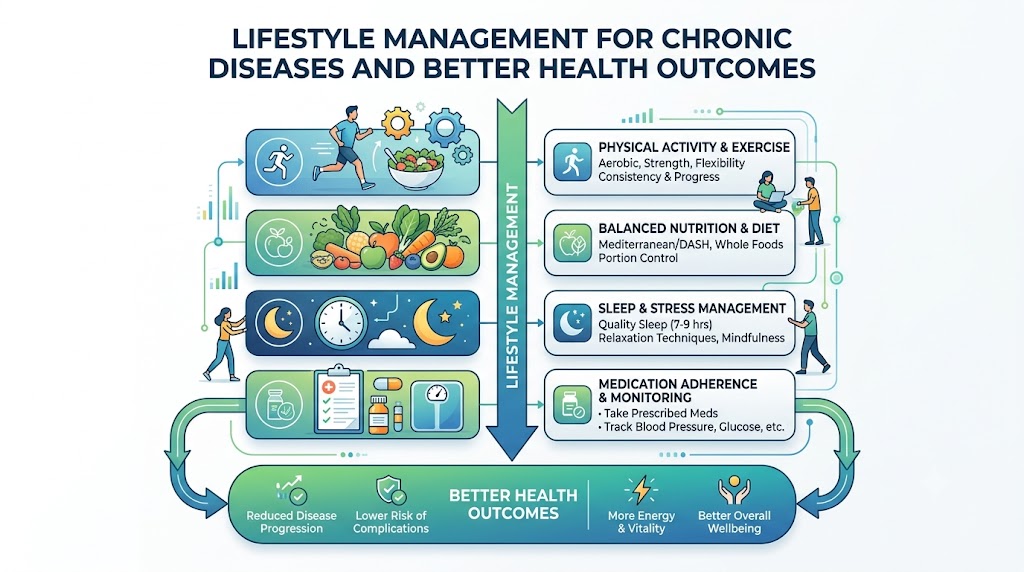
Lifestyle medicine forms the baseline of any effective long-term care plan, providing the daily support your body needs to maintain balance alongside prescribed medical treatments.
Healthy Diet
What you eat provides the building blocks for cellular energy and structural health. Shifting your nutrition toward a balanced diet rich in fiber, whole grains, lean proteins, vegetables, and healthy fats supports steady blood sugar levels and healthy circulation. Minimizing processed foods, refined sugars, and excessive sodium helps reduce fluid retention and keeps metabolic functions running smoothly.
Regular Exercise
Engaging in consistent physical movement strengthens the cardiovascular system, improves joint flexibility, and enhances the body’s sensitivity to insulin. Aim for moderate, low-impact activities like brisk walking, swimming, or cycling, which support physical health without putting undue strain on your joints. Always discuss new exercise routines with your provider to ensure they align safely with your physical capacity.
Quality Sleep
Deep, restorative sleep is essential for hormone regulation, tissue repair, and immune health. Maintaining a consistent sleep schedule and keeping your evening environment quiet, dark, and free of electronics helps ensure your body gets the deep rest it needs to recover and maintain energy levels.
Stress Management
Chronic stress triggers the continuous release of hormones like cortisol and adrenaline, which can raise blood pressure, increase blood sugar levels, and trigger systemic inflammation. Using simple relaxation techniques, such as deep diaphragmatic breathing, mindfulness, or spending time in nature, helps calm the nervous system and supports emotional resilience.
Avoiding Tobacco and Excessive Alcohol
Tobacco use damages blood vessel linings and reduces oxygen levels in the blood, which can accelerate cardiovascular issues and irritate airway tissues. Limiting alcohol consumption also protects liver and kidney function, keeps blood pressure stable, and prevents potential interactions with your daily medications.
Healthy Habits Table
| Healthy Habit | Purpose | Primary Benefit to the Body |
| Balanced Diet | Supplies essential micronutrients and steady energy | Supports cardiovascular health and stabilizes blood sugar |
| Regular Exercise | Enhenses muscular strength and circulation | Improves mobility, joint flexibility, and overall stamina |
| Adequate Sleep | Facilitates cellular repair and metabolic recovery | Balances hormone levels and reduces daily fatigue |
| Stress Management | Lowers the production of inflammatory stress hormones | Keeps blood pressure stable and supports emotional clarity |
| Regular Medical Visits | Monitors internal tracking metrics over time | Detects physiological shifts early to allow for timely updates |
Importance of Medication Adherence
Following your prescribed medication schedule exactly as directed by your physician is a cornerstone of effective long-term care. Medications for chronic conditions are often designed to maintain steady, balanced levels of a drug in your system over time to manage symptoms and protect your organs.
+-----------------------------------------------------------------+
|                  MEDICATION ADHERENCE EFFECT                    |
+-----------------------------------------------------------------+
| [Consistent Dosing] --> Stable Medication Levels -> Protection   |
| [Skipped Doses]     --> Fluctuating Levels       -> Tissue Strain|
+-----------------------------------------------------------------+
Skipping doses or stopping a medication without consulting your doctor can disrupt this balance, causing symptoms to reappear or increasing the risk of invisible strain on your blood vessels and organs. If you experience unexpected side effects or have questions about your treatment plan, the safest approach is to discuss them openly with your healthcare provider. They can safely adjust your doses, explore alternative options, or address your concerns without compromising your health.
Using simple tools like daily pill organizers, phone reminders, or logging your doses in a wellness application can help make managing your medication simple and reliable, ensuring it fits smoothly into your daily routine.
Monitoring and Follow-Up Care
Consistent, ongoing monitoring is essential for tracking how a long-term condition responds to your care plan over time.
The Value of Routine Checkups
Scheduled visits with your healthcare provider give you a dedicated time to review your overall progress, share any subtle changes in how you feel, and make collaborative updates to your care routine. These appointments help ensure your management strategy stays perfectly matched to your body’s changing needs.
Tracking Symptoms at Home
Keeping a simple log of key measurements—such as blood pressure readings, blood sugar levels, or daily joint comfort—provides valuable real-world information. Sharing these notes with your doctor during visits gives them a clear picture of your health between appointments, helping guide your care accurately.
Laboratory Tests and Screenings
Routine blood tests, kidney function assessments, and metabolic screenings provide objective insights into your internal health. These regular checks allow medical teams to monitor organ function and verify that your therapies are working safely and effectively.
Maintaining Clear Communication
Building an open, trusting relationship with your healthcare team is incredibly valuable. Writing down your questions before appointments and sharing your observations openly ensures you receive the clear guidance and support needed to manage your health with confidence.
Common Mistakes Patients Make
- Ignoring Subtle Changes: Dismissing signs like gradual fatigue or mild fluid retention as simple stress rather than discussing them with a healthcare provider.
- Missing Scheduled Checkups: Skipping routine follow-up visits when you feel healthy, which misses important opportunities to monitor your long-term internal stability.
- Adjusting Medication Without Advice: Changing your medication doses or stopping a prescription early without consulting your doctor first.
- Relying Only on Quick Fixes: Focusing entirely on temporary treatments while neglecting the daily nutrition and movement habits that support long-term wellness.
- Attempting to Self-Medicate: Adding unverified supplements or over-the-counter products to your routine without checking for potential interactions with your daily medications.
Real-Life Patient Scenarios
Scenario 1: Balancing Daily Habits to Manage Elevated Blood Pressure
A busy professional discovered during a routine checkup that their blood pressure was consistently elevated. Initially, they found the idea of long-term tracking overwhelming and struggled to stick to their lifestyle adjustments.
Working together with their care team, they decided to start with small, manageable changes. They used a simple phone app to track their daily low-sodium meals and committed to a twenty-minute walk during their lunch break. Within a few months, these steady daily habits, combined with their prescribed treatment plan, successfully stabilized their blood pressure, helping them regain their daily energy and focus.
Scenario 2: Coordinating Care to Restore Joint Comfort and Mobility
An individual living with chronic joint stiffness found themselves avoiding their favorite weekend activities because moving around had become too uncomfortable. They assumed that reducing their physical movement was the only way to protect their joints from further discomfort.
After speaking with an experienced physical therapist and their primary doctor, they learned that tailored, low-impact exercise could actually help support their recovery. They began a gentle swimming routine twice a week to strengthen the muscles surrounding their joints, while carefully tracking their comfort levels. This proactive approach significantly reduced their morning stiffness, allowing them to enjoy weekend outings with family comfortably and confidently.
Mental and Emotional Health in Chronic Disease
Managing a long-term physical health condition requires ongoing mental and emotional resilience. It is completely natural to experience periods of frustration, worry, or fatigue when adapting to new daily health routines and tracking symptoms consistently.
“Taking care of your emotional well-being is an essential part of managing long-term health, as a calm mind directly supports your body’s natural resilience and physical vitality.”
Chronic physical strain can heighten stress levels, which in turn can influence blood pressure and metabolic functions. Building a stable daily routine that includes time for relaxation, creative hobbies, and adequate rest is a practical way to support your peace of mind.
+-----------------------------------------------------------------+
|                    EMOTIONAL SUPPORT NETWORKS                   |
+-----------------------------------------------------------------+
| [Family & Friends] --> [Peer Groups] --> [Clinical Counselors]  |
|   Daily Practicality     Shared Insight     Targeted Coping     |
+-----------------------------------------------------------------+
Connecting with supportive family members, friends, or peer support groups offers a welcoming space to share your experiences and reduce feelings of isolation. If you find yourself feeling continuously overwhelmed or notice that worry is affecting your sleep, reaching out to a professional counselor can provide helpful coping strategies, keeping your mental and physical health aligned.
Future of Chronic Disease Management
The field of long-term care is advancing quickly, combining advanced digital systems with medical research to make health monitoring more precise, convenient, and highly personalized.
+-----------------------------------------------------------------+
|                     FUTURE OF CHRONIC CARE                      |
+-----------------------------------------------------------------+
| [Telemedicine] ------> Virtual checkups from the comfort of home|
| [Wearable Sensors] ---> Real-time tracking of vitals & metrics  |
| [AI Insights] --------> Spotting subtle patterns in health logs |
| [Tailored Therapy] ---> Care plans built around your unique body|
+-----------------------------------------------------------------+
Telemedicine has greatly improved access to care, allowing individuals to consult with their physicians, review laboratory results, and adjust care plans via secure video appointments from home. This convenience minimizes the need for frequent travel, making consistent follow-up care simple and accessible.
At the same time, portable health monitors and wearable sensors are transforming how vital metrics are tracked. Today’s smart devices can monitor heart rate trends, blood oxygen levels, and continuous glucose paths throughout the day, sending this real-time information directly to a secure health profile. These insights help patients make informed daily choices and allow healthcare teams to spot patterns early, supporting a proactive and comfortable approach to long-term wellness.
FAQs (Frequently Asked Questions)
1.What is considered a chronic condition?
A chronic condition is an ongoing health concern that persists for one year or longer, requires continuous medical attention, influences activities of daily living, or combines these factors.
2.Can chronic illnesses be completely cured?
While most chronic conditions may not have an absolute cure, they can be highly managed and stabilized through a combination of tailored medical therapies and healthy lifestyle choices.
3.Why are routine follow-up visits important if I feel completely healthy?
Regular checkups allow your healthcare provider to check your internal stability, monitor organ function through lab work, and update your care plan before minor issues cause physical symptoms.
4.How can shifting my lifestyle choices help manage a long-term condition?
Healthy daily choices—such as balanced nutrition, regular exercise, and proper rest—help support your body’s metabolic functions, reduce inflammation, and enhance the benefits of your medical treatments.
5.What should I do if I accidentally skip a dose of my medication?
You should refer to the specific instructions provided by your pharmacist or doctor. Generally, it is best to take the missed dose as soon as you remember, unless it is close to your next scheduled time, and avoid taking a double dose.
6.Which chronic conditions are most commonly managed globally?
Some of the most common long-term health concerns include hypertension, type 2 diabetes, coronary artery disease, osteoarthritis, asthma, and chronic kidney disease.
7.In what ways can ongoing stress influence a physical health condition?
Chronic stress causes the body to release hormones that can raise blood pressure, elevate blood sugar levels, and trigger systemic inflammation, which can worsen physical symptoms.
8.How can I make tracking my daily health metrics simple?
Using clear tools like daily pill organizers, wall charts, or simple mobile wellness applications can help you log your readings and manage your routine reliably.
9.Is it safe to start a new exercise routine when living with a heart condition?
Yes, physical movement is highly beneficial, but it must be tailored safely to your capacity. Always discuss new exercise plans with your cardiologist to find the right activities for you.
10.What is the connection between nutrition and long-term joint health?
Eating a balanced diet rich in omega-3 fatty acids, antioxidants, and anti-inflammatory whole foods helps support joint tissue health and reduces daily stiffness.
11.How do changes in kidney function influence blood pressure?
The kidneys help regulate fluid balance and blood pressure within the body. When kidney function shifts, fluid retention can occur, which can cause blood pressure levels to rise.
12.Can an action plan help manage a respiratory condition like asthma?
Yes, a structured asthma action plan provides clear guidelines on using your inhalers, identifying personal triggers, and recognizing when to seek extra medical support.
13.Why is keeping consistent sleep habits important for metabolic health?
Deep, restorative sleep helps balance the hormones that control appetite and glucose processing, supporting steady blood sugar management throughout the day.
14.How can I discuss unexpected side effects safely with my doctor?
Write down when the side effects occur and how they feel, then share these notes with your doctor during a visit so they can adjust your plan safely and comfortably.
15.Where can I find verified online health tools to manage my care routine?
You can look through reputable medical directories, consult your primary care provider for resources, or browse verified patient-education materials on trusted digital health platforms.
Final Thoughts
Prioritizing consistent, daily care is one of the most effective ways to manage a long-term health condition and protect your ongoing vitality. By choosing proactive habits—such as balanced nutrition, regular movement, and proper rest—you build a strong foundation for your health alongside your medical treatments. Recognizing early changes in how you feel and keeping up with routine monitoring allows you to address potential concerns comfortably before they affect your daily activities.
With the guidance of an experienced healthcare team and access to modern digital health tools, keeping your life balanced and stable is a clear, step-by-step process. Taking small, thoughtful steps to care for your health today ensures you can continue to enjoy an active, fulfilling life for years to come. To explore detailed provider listings, access helpful educational materials, and connect with trusted wellness experts, utilize the clinical tools available at MYDOCTORSNOW.
Leave a Reply