Introduction
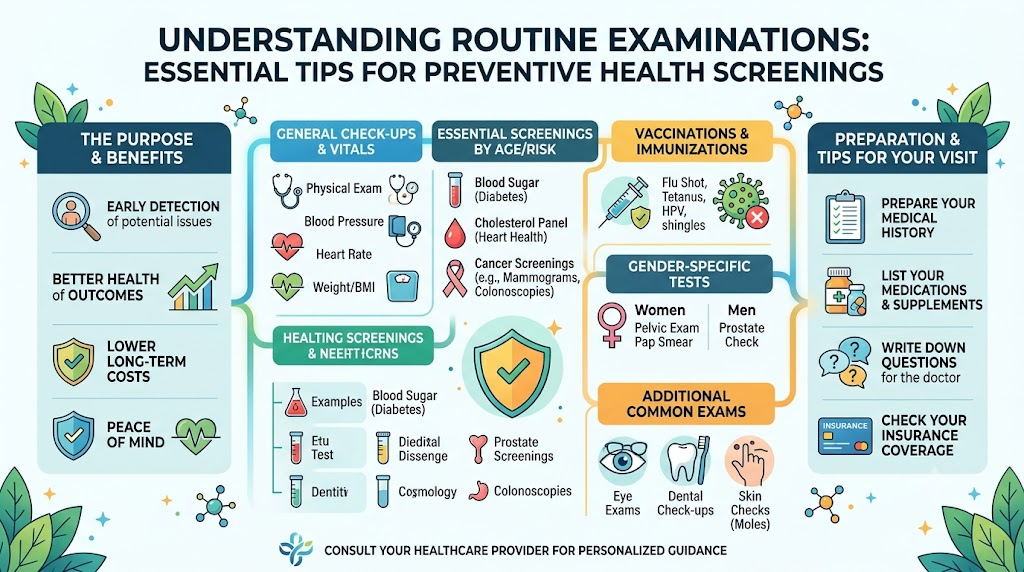
In modern healthcare, staying healthy involves more than just reacting to illness when symptoms arise. True health management centers on proactive prevention—taking deliberate steps to protect your body, assess risk factors, and identify potential medical concerns long before they cause noticeable physical discomfort.Navigating recommended tests and establishing a personalized checkup schedule can feel overwhelming. Platforms like MYDOCTORSNOW support patients and families by providing clear, accessible educational resources that demystify routine care, explain complex medical guidelines, and empower individuals to approach wellness visits with confidence.
What Are Preventive Health Screenings?
Understanding the fundamental purpose of preventive screening helps clarify why these visits are essential, even when you feel completely healthy.
+-----------------------------------------------------------------------+
|                 SCREENING VS. DIAGNOSTIC TESTING                      |
+-----------------------------------------------------------------------+
|  PREVENTIVE SCREENING                                                 |
|  • Performed on asymptomatic individuals with no active symptoms     |
|  • Primary Goal: Identify early risk factors or hidden disease        |
|  • Example: Routine blood pressure check during an annual visit       |
+-----------------------------------------------------------------------+
|  DIAGNOSTIC TESTING                                                   |
|  • Performed when a patient experiences specific symptoms or pain     |
|  • Primary Goal: Pinpoint the exact cause of an existing problem      |
|  • Example: Ordering an ECG for someone experiencing active chest pain |
+-----------------------------------------------------------------------+
Definition and Objectives
A preventive health screening is a medical evaluation, laboratory test, physical assessment, or imaging procedure conducted on an individual who shows no outward signs or symptoms of illness. The core objective is to detect physiological imbalances, structural changes, or genetic predispositions early, when lifestyle adjustments or medical therapies are most effective.
Unlike acute medical visits—which address active concerns such as a fever, cough, or physical injury—preventive screenings evaluate baseline health markers. These tests establish personal reference standards that clinicians use to monitor subtle biological changes over time.
Individualized Screening Needs
Preventive healthcare is not a one-size-fits-all model. Screening recommendations vary based on a combination of personal and biological factors:
- Chronological Age: Risk profiles shift naturally across different decades of life.
- Biological Sex: Specific physiological screenings target sex-specific organs and hormonal profiles.
- Family Medical History: Genetic predispositions can lower the recommended starting age for certain evaluations.
- Lifestyle Factors: Nutrition, physical activity levels, occupational exposures, and tobacco or alcohol use shape individual health risks.
- Existing Medical Conditions: Pre-existing health parameters necessitate more frequent baseline monitoring.
Why Preventive Screenings Matter
Investing time in routine health assessments yields significant physical, emotional, and practical benefits throughout life.
                  +-----------------------------------+
                  |  BENEFITS OF PREVENTIVE CARE      |
                  +-----------------+-----------------+
                                    |
        +---------------------------+---------------------------+
        |                                                       |
+-------v-------+                                       +-------v-------+
| CLINICAL ADVANTAGES                       | PERSONAL & LIFESTYLE ADVANTAGES|
+-------+-------+                                       +-------+-------+
| • Early Disease Identification                        | • Greater Health Literacy
| • Reduced Risk of Complications                       | • Personalized Wellness Goals
| • Timely, Less Invasive Interventions                 | • Supported Healthy Aging     |
+---------------+                                       +---------------+
Early Disease Detection & Better Outcomes
The primary advantage of routine screening is identifying physiological shifts before noticeable damage occurs. For example, catching elevated blood glucose levels during the prediabetes phase allows for targeted dietary changes that can prevent or delay full-type 2 diabetes progression.
Reduced Risk of Long-Term Complications
Uncontrolled high blood pressure silently damages blood vessels throughout the body, placing strain on the heart, kidneys, and brain. By detecting and managing hypertension early through simple screenings, patients significantly lower their long-term risk of cardiovascular events, stroke, and renal failure.
Support for Healthy Aging & Vitality
Preventive healthcare evolves alongside your body. As men and women age, routine bone density assessments, sensory evaluations, and cardiovascular monitoring help preserve physical mobility, cognitive clarity, and daily independence.
Common Preventive Health Screenings
Primary care providers utilize a core group of routine screening tests to assess bodily systems and maintain wellness.
+------------------------------------------------------------------------+
|                     CORE PREVENTIVE EVALUATIONS                        |
+------------------------------------------------------------------------+
|  CARDIOVASCULAR : Blood Pressure, Fasting Lipid Profile (Cholesterol)  |
|  METABOLIC     : Fasting Blood Glucose, HbA1c, Body Mass Index (BMI)  |
|  SENSORY & SKIN: Vision Screening, Hearing Assessment, Skin Checks     |
|  STRUCTURAL    : Bone Mineral Density (DEXA), Joint Mobility Checks    |
|  WELLNESS      : Mental Health Questionnaires, Immunization Review     |
+------------------------------------------------------------------------+
Cardiovascular & Metabolic Assessments
- Blood Pressure Screening: A non-invasive cuff test measuring systolic and diastolic arterial pressure. It is one of the simplest yet most vital checks for cardiovascular health.
- Lipid Panel (Cholesterol Testing): A routine blood test measuring total cholesterol, High-Density Lipoprotein (HDL), Low-Density Lipoprotein (LDL), and triglycerides to evaluate arterial health.
- Blood Sugar Screening: Fasting plasma glucose or HbA1c blood tests that measure average blood sugar levels over time to screen for prediabetes and type 2 diabetes.
- Body Mass Index (BMI) & Waist Circumference: Simple anthropometric measurements that help evaluate body composition and screen for weight-related metabolic risks.
Sensory, Surface, and Structural Evaluations
- Vision & Hearing Screenings: Assessments checking visual acuity, intraocular pressure, and auditory thresholds to preserve sensory health and safety.
- Full-Body Skin Examinations: Visual inspections of the skin to evaluate moles, freckles, and pigment changes for early signs of skin lesions.
- Bone Density Assessments (DEXA Scans): Specialized low-dose X-ray imaging used to evaluate bone mineral density and screen for osteopenia or osteoporosis.
Mental Health & General Wellness Reviews
Preventive care encompasses mental emotional well-being alongside physical health. Routine visits often incorporate standardized questionnaires (such as the PHQ-9) to screen for mood changes, anxiety, or elevated stress levels. Clinicians also review vaccination records to ensure protection against preventable infectious illnesses remains up to date.
Preventive Screening Comparison Table
| Screening Test | Primary Purpose | Primary Target Population | Typical Testing Approach |
| Blood Pressure Check | Detects arterial hypertension | All adults and adolescents | Non-invasive arm cuff measurement |
| Lipid Profile | Evaluates cardiovascular risk factors | Adults based on age and health history | Fasting or non-fasting blood draw |
| Fasting Blood Glucose / HbA1c | Screens for prediabetes and diabetes | Adults, especially those with metabolic risk factors | Routine venous blood sample |
| Body Mass Index (BMI) | Assesses weight-to-height proportions | Individuals of all ages | Physical height and weight calculation |
| Vision & Eye Health Exam | Evaluates acuity and eye pressure | Children, adults, and older individuals | Visual chart reading and optical check |
| Skin Examination | Identifies suspicious moles or lesions | Individuals with high sun exposure or risk factors | Visual full-body dermatological inspection |
| Bone Density (DEXA) | Measures bone mineral strength | Postmenopausal women and older adults | Specialized low-radiation X-ray scan |
Services Offered During Preventive Health Visits
A thorough preventive checkup provides more than just a quick physical; it offers a comprehensive, multi-step health evaluation.
                   +--------------------------------+
                   |  COMPREHENSIVE WELLNESS VISIT  |
                   +---------------+----------------+
                                   |
        +--------------------------+--------------------------+
        |                                                     |
+-------v-------+                                     +-------v-------+
| CLINICAL ASSESSMENT                                 | COUNSELING &  |
| & DIAGNOSTICS                                       | PLANNING      |
+-------+-------+                                     +-------+-------+
| • Medical History Review                            | • Nutrition & Exercise|
| • Vital Signs & Physical Exam                       | • Vaccination Updates |
| • Targeted Blood Panels                             | • Follow-Up Roadmap   |
+---------------+                                     +---------------+
Clinical History & Vital Sign Assessments
Your visit begins with a detailed review of your personal health history, daily routines, and any updates to your family’s medical background. Nurses and clinical staff record baseline vital signs, including body temperature, heart rate, respiratory rate, blood pressure, and weight.
Physical Examination & Laboratory Work
The primary care clinician performs a systematic physical examination, assessing the heart, lungs, abdomen, reflexes, thyroid gland, and lymph nodes. Depending on your age and health profile, routine screening blood panels and urine tests are ordered to evaluate organ function.
Lifestyle Counseling & Action Planning
Preventive visits conclude with collaborative health counseling. Your clinician reviews daily habits—including physical activity, nutrition, sleep quality, stress management, and tobacco or alcohol intake—and works with you to establish realistic, actionable wellness goals.
Preparing for Preventive Health Screenings
Proper preparation ensures that your screening results are accurate and your appointment time is used effectively.
  [1-2 Weeks Before] ──► Gather medical records & update family health history
             │
             ▼
  [24-48 Hours Before] ─► Confirm fasting requirements & list current medications
             │
             ▼
  [Day of Appointment] ─► Wear comfortable clothing & bring written questions
Gathering Records and Confirming Fasting Instructions
- Request Prior Records: If visiting a new provider or facility, arrange for prior medical records, lab results, and vaccination histories to be transferred ahead of time.
- Verify Fasting Protocols: Certain blood tests—such as fasting lipid panels or fasting glucose checks—require refraining from food and beverages (except plain water) for 8 to 12 hours prior to blood collection. Confirm instructions with your provider’s office.
Organizing Your Information
- Compile a Complete Medication List: Write down all prescription drugs, over-the-counter pain relievers, vitamins, and herbal supplements you take regularly, including exact dosages.
- Note Changes in Family Medical History: Record any recent major health diagnoses among first-degree relatives (parents, siblings, children), as this can influence your personal risk profile.
- Prepare Written Questions: Jot down any non-urgent health questions or topics you wish to discuss so you don’t forget them during your consultation.
Lifestyle Habits That Support Preventive Health
Screenings work best when combined with daily habits that foster long-term physical resilience.
+--------------------------------------------------------------------+
|                  DAILY WELLNESS FOUNDATIONS                        |
+--------------------------------------------------------------------+
|  [Nutritional Balance] --> Focus on whole foods, fiber, & hydration|
|  [Physical Activity]   --> Aim for regular movement every week      |
|  [Restorative Sleep]   --> Prioritize 7-9 hours of nightly rest      |
|  [Stress Management]   --> Practice mindfulness & active recovery  |
|  [Substance Safety]    --> Avoid tobacco & moderate alcohol intake |
+--------------------------------------------------------------------+
- Nutritious, Balanced Diet: Emphasize whole, nutrient-dense foods—including fresh vegetables, legumes, lean proteins, whole grains, and healthy fats—while limiting processed foods, excessive sodium, and added sugars.
- Consistent Physical Activity: Engage in regular physical activity that incorporates cardiovascular exercise, strength building, and flexibility training, adapted to your current fitness level.
- Restorative Sleep & Stress Reduction: Aim for 7 to 9 hours of quality sleep each night. Incorporate stress management practices like deep breathing exercises, mindfulness, or outdoor recreation into your routine.
- Avoiding Tobacco & Limiting Alcohol: Eliminating tobacco exposure and moderating alcohol consumption drastically lowers systemic inflammation and long-term disease risks.
Understanding Screening Results
Receiving and interpreting your screening results is an interactive process with your primary care team.
  [Screening Performed]
            │
            ▼
  [Lab Analysis Completed]
            │
            ▼
  ┌─────────┴─────────┐
  ▼                   ▼
[NORMAL RESULT]     [ABNORMAL RESULT]
  │                   │
  ▼                   ▼
Maintain baseline   Further evaluation or
screening schedule  confirmatory testing
Normal vs. Out-of-Range Values
- Normal Results: Values that fall within standard reference ranges indicate that screened systems are currently functioning as expected. Continue with routine maintenance checkups as recommended.
- Out-of-Range or Abnormal Results: An abnormal finding does not automatically indicate a serious medical diagnosis. Laboratory reference ranges are statistical averages; isolated values can fluctuate due to hydration, acute stress, recent exercise, or minor dietary changes.
The Next Steps After an Out-of-Range Result
If a screening result falls outside expected parameters, your clinician may recommend:
- Repeat Testing: Re-running the test after a brief interval to rule out temporary fluctuations or laboratory variance.
- Confirmatory Diagnostic Tests: Ordering more specific diagnostic imaging or specialized blood work.
- Targeted Lifestyle Modifications: Implementing dietary shifts, exercise adjustments, or stress management strategies before re-checking values.
- Therapeutic Interventions: Initiating prescription therapy when clinically appropriate to restore balance.
Who May Need More Frequent Screenings?
While general wellness guidelines suit many individuals, certain health characteristics require more frequent, specialized evaluations.
+------------------------------------------------------------------------+
|                     HIGHER-FREQUENCY INDICATORS                        |
+------------------------------------------------------------------------+
|  • Pre-Existing Conditions  : Diabetes, hypertension, elevated lipids  |
|  • Strong Family History   : Early heart disease, chronic illnesses     |
|  • Elevated Weight Trends  : Metabolic changes requiring close tracking|
|  • Occupational Risks      : Exposure to noise, chemicals, or strain   |
|  • Personal Tobacco Use    : Requires tailored lung & cardiac checks   |
+------------------------------------------------------------------------+
- Individuals with Pre-Existing Conditions: Conditions like type 2 diabetes, high blood pressure, or kidney health concerns require frequent monitoring (e.g., quarterly or semi-annual lab work) to verify treatment efficacy.
- Strong Genetic Predispositions: A family history of early-onset cardiovascular disease or metabolic conditions often prompts clinicians to begin screenings at younger ages and repeat them more frequently.
- Lifestyle and Environmental Exposures: Tobacco users, individuals with significant occupational hazard exposures, or those experiencing chronic high stress benefit from tailored, closely monitored screening plans.
Common Mistakes People Make
Avoiding common oversights helps ensure your preventive care strategy remains effective and beneficial over time.
1. Delaying Care Until Pain or Symptoms Appear
- The Mistake: Postponing medical checkups because you feel healthy, under the assumption that serious conditions always cause symptoms.
- The Solution: Schedule routine preventive checkups as recommended for your age and health profile. Early biological shifts are often silent.
2. Assuming One Normal Result Offers Permanent Protection
- The Mistake: Believing that an optimal lab result or normal blood pressure reading at age 30 means you never need that test rechecked.
- The Solution: Recognize that health parameters evolve over time. Maintain regular screening schedules to catch changes early as you age.
3. Panicking Over an Isolated Abnormal Result
- The Mistake: Assuming an abnormal finding on a routine blood panel indicates a severe, permanent illness.
- The Solution: Discuss out-of-range values calmly with your doctor. Isolated fluctuations are common, and follow-up testing provides clarity.
4. Hiding Lifestyle Habits or Skipping Family History Updates
- The Mistake: Minimizing tobacco use, alcohol intake, poor diet, or recent family medical diagnoses during checkups.
- The Solution: Communicate openly and honestly with your healthcare team. Transparent information enables providers to recommend the most accurate, helpful screenings for your situation.
Common Myths vs. Facts
| Myth | Fact |
| “If I feel completely healthy, I don’t need health screenings.” | Many conditions—such as early hypertension, elevated cholesterol, and prediabetes—cause no noticeable early symptoms. |
| “Preventive screenings are only important for older adults.” | Establishing baseline health metrics in young adulthood helps track changes and detect early risk factors before complications develop. |
| “All preventive screenings should be performed every single year.” | Screening schedules vary based on the specific test, your age, biological sex, personal health profile, and family history. |
| “Screening recommendations are identical for every person.” | Personalized healthcare tailors testing protocols to an individual’s unique genetics, lifestyle, and clinical history. |
Benefits of Regular Preventive Care
Establishing a consistent relationship with a primary care provider offers meaningful advantages for lifelong health.
+------------------------------------------------------------------------+
|                    LONG-TERM PREVENTIVE ADVANTAGES                     |
+------------------------------------------------------------------------+
|  • Stronger Provider Relationship: Fosters trust and clear communication|
|  • Longitudinal Health Tracking  : Identifies subtle biological trends |
|  • Proactive Disease Prevention  : Addresses small shifts early         |
|  • Greater Personal Confidence   : Empowers informed health decisions   |
+------------------------------------------------------------------------+
- Longitudinal Health Tracking: Maintaining a continuous medical record allows your care team to spot subtle upward or downward biological trends over years, rather than judging your health on isolated snapshots.
- Stronger Patient-Provider Trust: Building an ongoing relationship with your primary care provider creates an open environment for discussing sensitive physical, emotional, or lifestyle questions.
- Informed Health Empowerment: Understanding your biological baseline equips you to make proactive, daily choices that support long-term wellness and vitality.
How MYDOCTORSNOW Helps Patients
Navigating health guidelines and managing wellness schedules requires reliable, clear information. MYDOCTORSNOW serves as a trusted educational platform designed to support individuals and families on their health journeys.
+------------------------------------------------------------------------+
|                       MYDOCTORSNOW RESOURCES                           |
+------------------------------------------------------------------------+
|  [Educational Guides]  --> Simple breakdowns of routine screening tests|
|  [Wellness Tracking]   --> Tips for preparing for primary care visits  |
|  [Health Insights]     --> Clear guidance on lifestyle & disease prevention|
|  [Patient Empowerment] --> Help preparing meaningful doctor visits     |
+------------------------------------------------------------------------+
Through MYDOCTORSNOW, readers can access clear educational articles, research routine checkup guidelines, learn about early disease prevention, and find practical advice for managing daily wellness. By providing easy-to-understand health information, the platform helps readers approach medical visits with clarity and confidence.
Real-Life Educational Scenarios
Scenario A: Identifying Elevated Blood Pressure Early
A 38-year-old individual attended a routine workplace wellness checkup, feeling energetic and asymptomatic. During the visit, their blood pressure measured 138/88 mmHg. Discussing the result with their primary care provider led to simple, proactive changes: reducing dietary sodium, increasing weekly walking routines, and monitoring home readings. Within six months, their readings returned to optimal ranges without requiring prescription medication.
Scenario B: Catching Elevated Blood Sugar in the Prediabetes Stage
An individual who had skipped routine checkups for several years scheduled a preventive visit at age 45. Fasting lab work revealed a blood glucose reading of 112 mg/dL and an HbA1c of 5.9%, indicating prediabetes. Working alongside a registered dietitian and their doctor, the patient adjusted their daily nutrition and activity habits. Subsequent lab work showed blood sugar levels stabilizing back within normal ranges.
Scenario C: Protecting Sight Through Early Eye Screenings
A 52-year-old with a family history of glaucoma scheduled a routine comprehensive eye exam despite having clear 20/20 reading vision. Intraocular pressure testing and specialized imaging revealed subtle early optic nerve pressure changes. Initiating prescription eye drops early protected their visual field and prevented unnoticed vision loss.
Scenario D: Building Long-Term Baseline Health Records
A 25-year-old established care with a primary care provider for an initial adult wellness visit. Recording baseline blood pressure, cholesterol panels, and body composition provided a clear reference point. Over the next decade, annual checkups allowed their doctor to spot minor upward cholesterol trends early and address them through diet before medical issues developed.
Frequently Asked Questions (FAQs)
1.What are preventive health screenings?
Preventive health screenings are medical evaluations, physical checks, or laboratory tests performed on individuals without active symptoms to identify early risk factors or hidden health conditions.
2.Why are routine health screenings important?
Screenings help identify physiological changes early—when conditions are easiest to manage or reverse—lowering the risk of long-term health complications.
3.How often should adults schedule wellness checkups?
Most healthy adults benefit from an annual wellness checkup with a primary care provider, though specific test intervals vary based on age, sex, and health history.
4.Which basic screenings are commonly recommended for adults?
Common assessments include blood pressure checks, lipid (cholesterol) panels, blood glucose evaluations, BMI calculations, vision and hearing assessments, and skin checks.
5.Do preventive blood screenings require fasting beforehand?
Some blood tests—such as fasting lipid panels and fasting glucose checks—require abstaining from food and drink (except water) for 8 to 12 hours. Always follow your provider’s specific instructions.
6.What should I do if a screening result comes back out of range?
An out-of-range result is not an automatic diagnosis. Speak with your doctor to determine if follow-up testing, lifestyle adjustments, or further diagnostic evaluations are appropriate.
7.Can health screenings detect diseases before symptoms appear?
Yes. Many conditions—such as hypertension, elevated cholesterol, prediabetes, and early osteopenia—develop quietly without early physical symptoms.
8.Who requires more frequent preventive health screenings?
Individuals with chronic medical conditions, strong family histories of illness, elevated weight parameters, personal tobacco exposure, or specific occupational risks may need more frequent evaluations.
9.How should I prepare for my preventive health appointment?
Gather prior medical records, prepare an accurate list of current medications and supplements, note any updates to your family medical history, and write down questions you want to ask.
10.Why is family medical history so important during checkups?
Genetic factors influence your risk profile for various health conditions. Sharing your family history helps your doctor determine the right age to start specific screenings.
11.Are preventive health screenings painful?
Most routine screenings—such as blood pressure checks, physical exams, visual acuity tests, and routine blood draws—are non-invasive or involve only minor, temporary discomfort.
12.Can lifestyle changes improve out-of-range screening results?
Yes. Adopting a nutritious diet, increasing regular physical activity, prioritizing sleep, managing stress, and eliminating tobacco use can significantly improve health markers.
13.How can I keep track of my personal screening schedule?
Maintain a physical or digital health journal, use patient portal apps provided by your healthcare network, and coordinate with your primary care team during annual visits.
14.What is the difference between screening and diagnostic testing?
Screening evaluates healthy, asymptomatic individuals to catch hidden risks early. Diagnostic testing investigates existing symptoms, pain, or abnormal screening results to pinpoint a specific diagnosis.
15.How does MYDOCTORSNOW support patients in managing preventive health?
MYDOCTORSNOW offers educational articles, wellness guides, and practical resources that help individuals understand health guidelines, prepare for checkups, and make informed choices.
Final Thoughts
Taking a proactive approach to your health through regular preventive screenings is one of the most effective investments you can make in your future well-being. By detecting subtle biological shifts early, you give yourself and your healthcare team the best opportunity to manage risk factors, implement lifestyle adjustments, and protect your vital health.Remember that preventive care is a personalized, lifelong journey. Your health needs evolve naturally as you age, making a strong, communicative partnership with a trusted primary care provider essential for navigating recommended tests and interpreting results accurately.
Leave a Reply