Blog

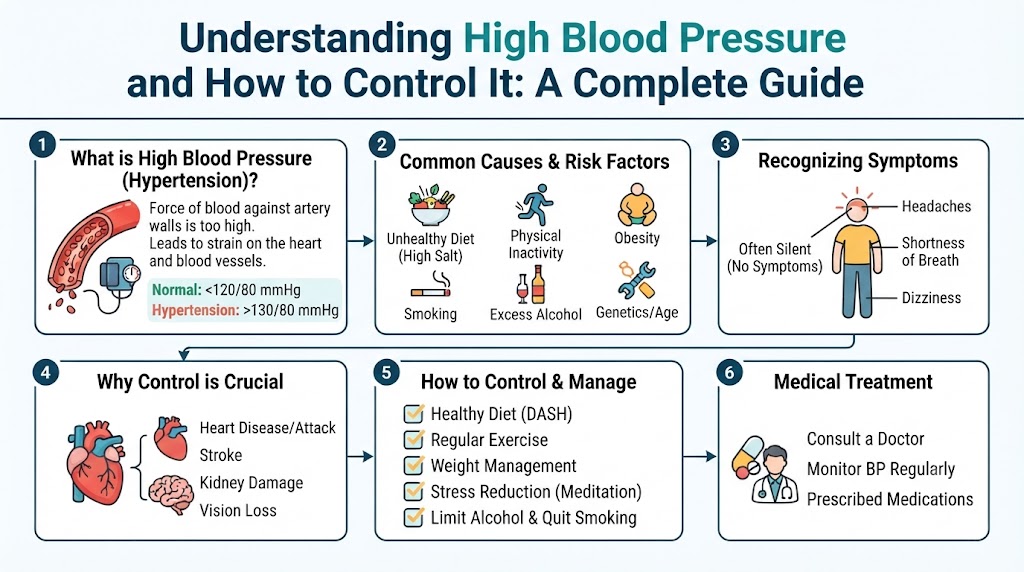
  • Understanding High Blood Pressure and How to Control It: A Complete Guide

    Introduction

    High blood pressure, or hypertension, is a common condition where the long-term force of the blood against your artery walls is high enough that it may eventually cause health problems, such as heart disease. Often called a “silent” condition because it frequently presents without noticeable symptoms, hypertension can quietly damage your body for years before it is discovered.At MyDoctorsNow, we believe that patient education is the first step toward better health. This guide will provide you with a clear understanding of what blood pressure is, how to monitor it, and the steps you can take toward effective control.

    Understanding High Blood Pressure

    Blood pressure is the measure of the force of your blood pushing against the sides of your arteries as your heart pumps it through your body. It is recorded using two numbers:

    • Systolic Pressure (Top Number): Measures the pressure in your arteries when your heart beats.
    • Diastolic Pressure (Bottom Number): Measures the pressure in your arteries when your heart rests between beats.

    Hypertension occurs when this force is consistently too high. Over time, the extra strain can damage the delicate lining of your arteries, making them less elastic and increasing the risk of cardiovascular events.

    BLOOD PRESSURE OVERVIEW TABLE

    AspectDescription
    Medical ConditionHypertension
    Organs AffectedHeart, Blood vessels, Kidneys, Brain, Eyes
    Main CausesGenetic factors, Diet, Lifestyle, Age, Underlying health conditions
    Common Risk FactorsObesity, Smoking, Stress, Lack of exercise
    Treatment GoalLowering pressure to healthy, safe levels

    Blood Pressure Categories

    Understanding your blood pressure readings is essential for knowing where you stand.

    BLOOD PRESSURE CATEGORIES TABLE

    CategorySystolic (mmHg)Diastolic (mmHg)General Meaning
    NormalLess than 120and less than 80Healthy range
    Elevated120–129and less than 80Needs monitoring
    Stage 1130–139or 80–89Requires lifestyle changes/management
    Stage 2140 or higheror 90 or higherRequires medical attention
    Hypertensive EmergencyHigher than 180and/or higher than 120Seek emergency care immediately

    Common Causes of High Blood Pressure

    While many factors contribute to hypertension, some are within our control, while others (like age or family history) are not.

    CAUSES & RISK FACTORS TABLE

    Risk FactorHow It Increases Blood PressureCan It Be Managed?
    Family HistoryGenetic predisposition to hypertensionNo (but monitored)
    ObesityIncreased workload on the heartYes
    High Sodium IntakeCauses fluid retention, raising pressureYes
    SmokingDamages artery walls instantlyYes
    DiabetesLeads to vessel damageYes
    Kidney DiseaseImpairs body’s fluid regulationYes (medically)

    Symptoms of High Blood Pressure

    Most people with high blood pressure have no signs or symptoms, even if their blood pressure readings reach dangerously high levels. This is why regular screenings are vital.

    SYMPTOMS TABLE

    SymptomMay Occur InMedical Evaluation Needed
    HeadacheSevere HypertensionYes
    DizzinessSevere HypertensionYes
    Blurred VisionSevere HypertensionYes
    Chest PainSevere/Emergency casesYes (Emergency)
    Shortness of BreathSevere HypertensionYes
    NosebleedsSevere HypertensionYes

    Possible Complications

    Uncontrolled hypertension functions like a slow-moving storm that can impact several vital organs.

    COMPLICATIONS TABLE

    ComplicationWhy It HappensPrevention Strategy
    Heart DiseaseArteries become blocked or narrowedManage BP, diet, exercise
    StrokeDamaged or blocked vessels in the brainConsistent BP control
    Kidney DamageVessels in the kidneys weakenMonitor kidney function
    Vision LossDamage to eye blood vesselsRegular eye exams
    Heart FailureHeart works too hard to pumpLifestyle + Medication

    How High Blood Pressure Is Diagnosed

    Diagnosis requires more than just one high reading, as blood pressure fluctuates based on activity, stress, and time of day.

    DIAGNOSTIC TESTS TABLE

    TestPurposeWhat It Evaluates
    Blood Pressure CheckRoutine screeningYour baseline pressure
    Home MonitoringTrends over timeConsistency in readings
    Ambulatory Monitoring24-hour readingPressure during daily life
    Blood TestsAssessing healthCholesterol, glucose, kidney health
    ECGHeart assessmentElectrical activity of the heart

    Lifestyle Changes That Help Control High Blood Pressure

    Small changes often yield significant results in long-term blood pressure control.

    LIFESTYLE CHANGES TABLE

    Lifestyle HabitBenefit
    Healthy Diet (DASH)Provides potassium/magnesium for vessel health
    Reduced SodiumDecreases fluid retention
    ExerciseStrengthens the heart
    Healthy WeightRelieves the heart’s workload
    Better SleepAllows the heart and vessels to rest
    Stress ReductionPrevents temporary pressure spikes
    Smoking CessationImproves artery flexibility

    Medications for High Blood Pressure

    Sometimes, lifestyle changes are not enough to reach target levels. Healthcare providers may prescribe medications to work alongside lifestyle habits. Always take these as prescribed, and never stop them without consulting your provider.

    MEDICATION MANAGEMENT TABLE

    Medication GoalImportance
    Lower Blood PressureReduces physical strain on arteries
    Protect OrgansPrevents damage to kidneys and heart
    Reduce Cardiovascular RiskPrevents stroke and heart attack

    Tips for Monitoring Blood Pressure at Home

    HOME MONITORING CHECKLIST TABLE

    StepWhy It Matters
    Proper PositionEnsures accurate measurement
    Correct Cuff SizeAvoids incorrect readings
    Consistent TimingCaptures reliable, comparable data
    Record ReadingsProvides the doctor with a clear picture
    Regular Follow-UpAllows for timely plan adjustments

    Future of Hypertension Care

    InnovationPotential Benefit
    AI MonitoringAnalyzing trends for predictive alerts
    Wearable DevicesContinuous, real-time blood pressure tracking
    Remote MonitoringInstant communication with your doctor
    Personalized CareTreatment tailored to your genetics
    Digital Health AppsGamifying and encouraging healthy habits

    FAQs

    1. What is high blood pressure?
      Force of blood against artery walls is too high.
    2. What causes it?
      Lifestyle, genetics, and underlying health issues.
    3. Can it have no symptoms?
      Yes, it is often a silent condition.
    4. What is normal?
      Below 120/80 mmHg.
    5. Can lifestyle changes help?
      Yes, diet and exercise are key.
    6. How much salt?
      Generally less than 2,300mg per day.
    7. Is medication forever?
      Depends on whether lifestyle changes work.
    8. How often to check?
      As advised by your doctor.
    9. Does stress increase it?
      Yes, it can cause temporary spikes.
    10. When is it an emergency?
      Over 180/120 mmHg.
    11. Can it go away?
      It can be managed, but rarely “cured.”
    12. Does age matter?
      Yes, arteries naturally stiffen with age.
    13. Is home monitoring accurate?
      Yes, if using a validated device.
    14. What is the DASH diet?
      Diet focused on fruits, veggies, and low sodium.
    15. Can I exercise?
      Yes, doctors encourage moderate activity.

    Final Thoughts

    Managing blood pressure is a journey, not a sprint. By focusing on consistent monitoring, healthy eating, and a commitment to movement, you can take control of your heart health. Regular visits to your healthcare provider are essential to ensure your management plan is effective.We encourage you to visit MyDoctorsNow to explore our preventive care resources and wellness guidance. Taking action today is the best investment you can make for your long-term health.
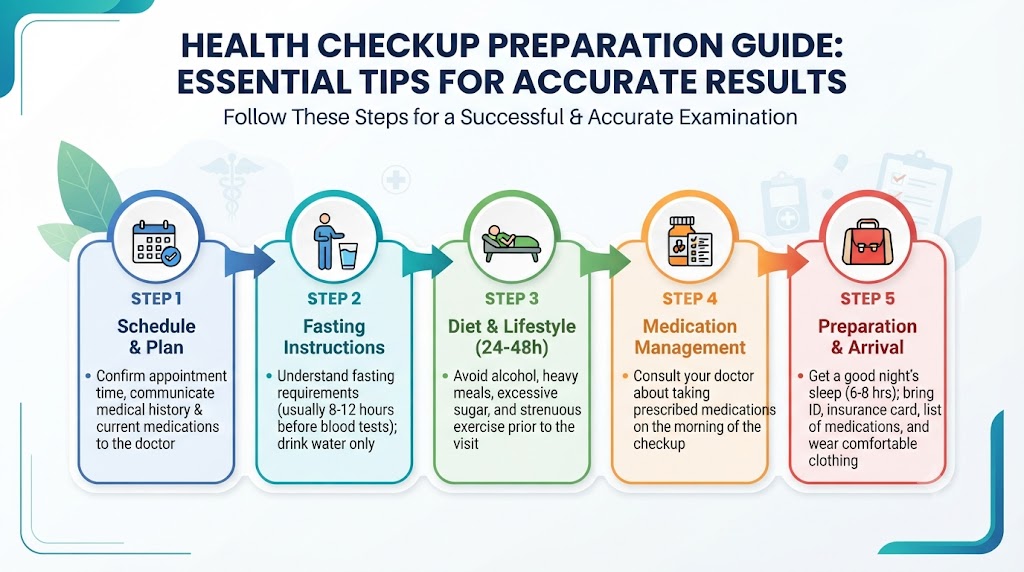
  • Health Checkup Preparation Guide: Essential Tips for Accurate Results

    Introduction

    A health checkup is a proactive step toward maintaining long-term wellness. It serves as a diagnostic window into your current health, helping you identify potential issues before they become significant concerns. However, the quality of these diagnostic results is heavily dependent on how well you prepare.At MyDoctorsNow, we believe that knowledge is the foundation of good health. In this guide, we will explore why preparation is critical, provide a step-by-step approach to readying yourself for your appointment, and help you navigate the process with confidence.

    Understanding Health Checkups

    A health checkup, often referred to as a full-body checkup or preventive health screening, is a series of tests and physical examinations conducted to evaluate your general state of health. These checkups are not just for the ill; they are essential for healthy individuals to monitor baseline wellness and detect silent conditions such as high blood pressure, elevated cholesterol, or early-stage blood sugar abnormalities.

    Regular screenings allow for the early detection of diseases, which often leads to better management, less invasive treatments, and improved long-term health outcomes.

    HEALTH CHECKUP OVERVIEW TABLE

    AspectDescription
    PurposeEarly disease detection and wellness monitoring
    Common TestsBlood panels, ECG, imaging, physical examination
    FrequencyTypically annual, or as advised by your physician
    Preparation NeededVaries by test (fasting, hydration, medication management)
    Outcome GoalBaseline data for informed health management

    Why Proper Preparation Is Important

    Preparation is the bridge between a test and an accurate diagnosis. Without adequate prep, your physiological state—affected by your recent diet, sleep, or activity—can interfere with the test’s ability to measure your true baseline health.

    Improves Accuracy of Test Results

    Clear physiological markers depend on standard conditions, such as an empty stomach for glucose tests.

    Reduces Need for Repeat Tests

    Following instructions the first time avoids the cost and inconvenience of returning for additional blood draws.

    Helps Early Disease Detection

    Stable, baseline results ensure that even minor shifts in health data are noticed by your doctor.

    Ensures Safe Blood Collection

    Proper hydration and rest make the process of drawing blood easier and more comfortable.

    Reduces Patient Anxiety

    Knowing what to expect and being prepared makes the entire experience much smoother and less stressful.

    FACTORS AFFECTING TEST RESULTS TABLE

    FactorHow It Affects ResultsHow to Control It
    DietInfluences blood sugar/lipidsFast as instructed
    SleepAffects blood pressure/hormonesGet 7–8 hours of rest
    ExerciseCan alter muscle enzymesAvoid heavy workouts for 24h
    MedicationsInterfere with test chemicalsConsult your doctor first
    AlcoholImpacts liver/sugar testsAbstain for at least 48h

    General Preparation Before a Health Checkup

    Preparation is rarely a one-size-fits-all process. Depending on the tests scheduled, you may be required to follow specific guidelines.

    Fasting Requirements

    Most blood tests for sugar and lipids require 8–12 hours of fasting. Drink only plain water, as coffee, tea, or juice can alter test outcomes.

    Hydration Guidelines

    Staying hydrated makes blood collection easier. Unless instructed otherwise, continue drinking plain water.

    Medication Instructions

    Do not stop prescribed medications without consulting your doctor. Some medications must be taken as scheduled, while others should be paused.

    Alcohol and Smoking Restrictions

    Avoid alcohol for at least 48 hours prior to your checkup. Avoid smoking on the morning of the test, as it can spike blood pressure and heart rate.

    Sleep and Rest Importance

    A tired body exhibits stress markers. Prioritize a full night’s sleep to ensure your heart rate and blood pressure readings are at their normal baseline.

    PRE-CHECKUP PREPARATION TABLE

    StepPurposeImportance
    FastingStabilize sugar/lipid levelsEssential for accurate results
    HydrationFacilitate easy blood drawHigh
    Medication ReviewPrevent test interferenceCritical
    RestBaseline vitals stabilizationHigh
    Avoid AlcoholPrevent metabolic skewingCritical

    What to Do the Day Before Checkup

    • Eat a Light Dinner: Avoid heavy, oily, or high-sugar meals.
    • Avoid Heavy Exercise: Give your muscles time to recover so enzymes don’t show up in your blood work.
    • Stay Hydrated: Drink plenty of water throughout the day.
    • Sleep Well: Aim for 7–8 hours of quality rest.
    • Prepare Documents: Gather your paperwork in advance to save time.

    DOCUMENTS CHECKLIST TABLE

    DocumentWhy Needed
    ID ProofRequired for registration
    Medical HistoryProvides context for doctors
    Medication ListPrevents errors during evaluation
    Previous ReportsAllows for longitudinal health tracking
    Insurance DetailsFacilitates billing and processing

    What Happens During a Health Checkup

    A standard checkup usually follows a structured flow to ensure efficiency and comfort.

    CHECKUP PROCESS TABLE

    StepDescriptionPurpose
    RegistrationVerifying ID and insuranceConfirming patient identity
    History ReviewDiscussing symptoms/concernsTailoring the exam to you
    Physical ExamVitals, vision, heart/lung soundsBaseline physical assessment
    Lab TestsBlood, urine, or stool samplesMolecular/chemical analysis
    ReportsCompilation of dataProviding a snapshot of health

    Common Tests in Health Checkups

    • Blood Sugar: Monitors glucose metabolism.
    • Lipid Profile: Measures cholesterol (LDL, HDL, Triglycerides).
    • ECG: Records electrical activity of the heart.
    • Liver/Kidney Tests: Evaluate organ function.
    • Thyroid Test: Checks hormone production levels.

    COMMON TESTS TABLE

    TestPurposeWhat It Detects
    Blood SugarGlucose regulationDiabetes/Pre-diabetes
    Lipid ProfileFat metabolismHeart disease risk
    ECGHeart rhythmArrhythmias/Past damage
    Liver TestOrgan metabolic healthLiver stress or infection
    Thyroid TestHormone levelsMetabolic rate issues

    Tips for a Smooth Health Checkup Experience

    • Arrive on Time: Avoid rushing, which can elevate your heart rate and blood pressure.
    • Wear Comfortable Clothes: Wear sleeves that can be easily rolled up for blood collection.
    • Stay Calm: If you fear needles, let the technician know so they can help you feel more comfortable.
    • Follow Instructions Carefully: Don’t hesitate to ask the staff if you are unsure about a specific instruction.

    Common Mistakes People Make

    • Not Fasting Properly: Eating a snack late at night can render a glucose test inaccurate.
    • Incorrect Medication Usage: Taking a blood pressure medication that shouldn’t be taken on the morning of the test.
    • Over-Exercising: Doing a heavy workout the night before, which can lead to muscle enzyme elevation in blood work.
    • Not Sharing History: Withholding family history or current symptoms.

    Real-Life Scenarios

    • Scenario 1: A patient fasted for 12 hours but drank black coffee, leading to an artificially high blood pressure reading.
    • Scenario 2: By arriving early and staying calm, a patient successfully provided blood samples without the usual anxiety-induced spikes in their vitals.

    Benefits of Regular Health Checkups

    • Early Detection: Catching conditions early often leads to simpler treatment plans.
    • Preventive Care: Aligning your lifestyle with your health data.
    • Peace of Mind: Understanding your baseline helps remove unnecessary worry.

    BENEFITS TABLE

    BenefitWhy It Matters
    Early DetectionOften the difference between simple and complex treatment
    PreventionEmpowers you to make healthy lifestyle changes
    MonitoringDetects subtle changes over time
    Lifestyle AwarenessBridges the gap between habits and health
    Reduced RiskMinimizes long-term health complications

    Future of Health Checkups

    The future of preventive care is personalized and digital.

    FUTURE HEALTHCARE TABLE

    InnovationBenefit
    AI ScreeningRapid pattern recognition in results
    WearablesContinuous data instead of static snapshots
    Home TestingImproved convenience for patient monitoring
    Digital ReportsEasier access to your longitudinal data
    Predictive ToolsForecasting health risks based on trends

    FAQs

    1. What is a health checkup? A routine assessment of your current health.
    2. How should I prepare for blood tests? Follow the fasting instructions precisely.
    3. Is fasting always required? Only for specific tests like blood sugar.
    4. Can I take medicine? Only if approved by your doctor beforehand.
    5. What should I wear? Loose, comfortable clothing.
    6. How long does it take? Usually 1–3 hours depending on the tests.
    7. What tests are included? Depends on the chosen package.
    8. Can exercise affect results? Yes, it can alter certain blood markers.
    9. Why do results change? Lifestyle, diet, and stress affect health markers.
    10. How often should I do checkups? Once a year is standard for most adults.
    11. Do I need an appointment? Yes, booking ahead ensures efficiency.
    12. Should I bring my records? Yes, this helps the doctor track your history.
    13. Is it painful? Blood tests are quick and involve only a minor prick.
    14. What if I’m nervous? Inform the technician; they are trained to help.
    15. Can I drink water? Yes, plain water is almost always allowed.

    Final Thoughts

    Preparing for your health checkup is the first step toward taking ownership of your health. By prioritizing preparation and following medical guidance, you ensure that the insights you receive are accurate and actionable. Regular checkups provide the peace of mind that comes from knowing you are doing everything possible to maintain your well-being.For trusted health education and preventive care resources, explore MyDoctorsNow. Your health is your most valuable asset, and a proactive approach is the best way to protect it.

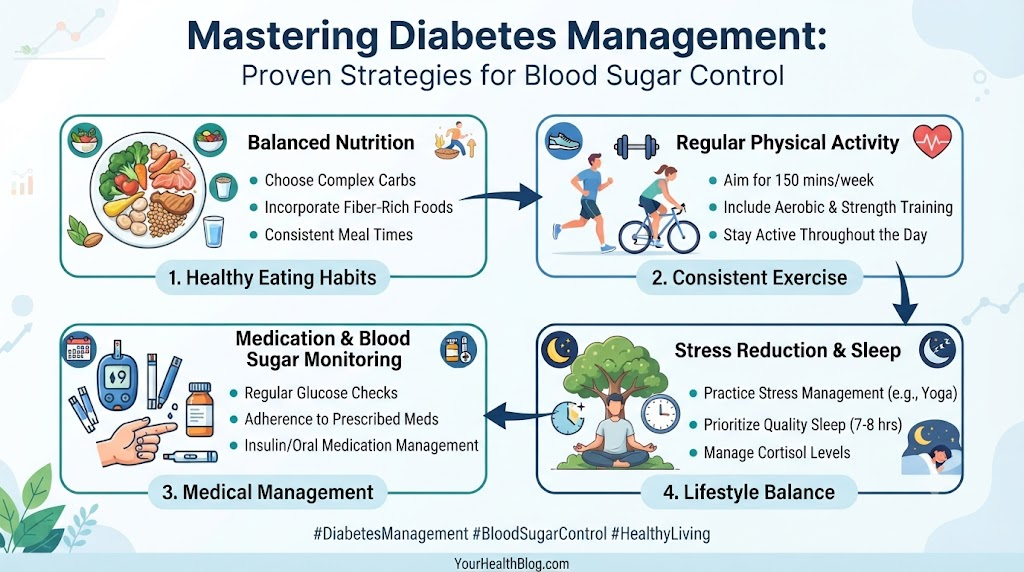
  • Mastering Diabetes Management: Proven Strategies for Blood Sugar Control

    Introduction

    Managing diabetes is a lifelong commitment to your health. Whether you have recently been diagnosed or have been managing the condition for years, understanding how to balance blood sugar, nutrition, and daily activity is the cornerstone of a vibrant life. Diabetes management is not about restriction; it is about empowerment and making informed choices that protect your long-term well-being.

    Early diagnosis and consistent monitoring are the most effective tools for preventing complications and ensuring your body receives the care it needs. By integrating healthy lifestyle habits and working closely with your healthcare team, you can take control of your health journey. For those seeking trusted resources and expert-led guidance, MyDoctorsNow provides the educational support and clinical insights needed to navigate diabetes care effectively.

    Understanding Diabetes

    Diabetes mellitus is a metabolic condition where your body struggles to regulate blood glucose (sugar) levels. Glucose, derived from the food you eat, is the body’s primary energy source. Insulin, a hormone produced by the pancreas, acts like a key, allowing glucose to enter your cells. In diabetes, this process is impaired.

    DIABETES OVERVIEW TABLE

    AspectDescription
    Medical ConditionMetabolic disorder (High blood glucose)
    Main CauseLack of insulin or insulin resistance
    Common TypesType 1, Type 2, Gestational, Prediabetes
    Common SymptomsExcessive thirst, fatigue, frequent urination
    Long-Term GoalStable blood sugar and complication prevention

    Types of Diabetes

    TYPES OF DIABETES TABLE

    TypeMain CauseCommon Management
    Type 1Autoimmune destruction of insulin cellsInsulin therapy
    Type 2Insulin resistance and relative deficiencyLifestyle, oral meds, insulin
    GestationalPregnancy-related hormonal changesDiet, monitoring, insulin if needed
    PrediabetesBlood sugar higher than normalLifestyle modifications

    Common Symptoms

    SYMPTOMS TABLE

    SymptomPossible ReasonSee a Doctor?
    Increased ThirstHigh sugar drawing water from tissuesYES
    Frequent UrinationKidneys working to remove excess sugarYES
    FatigueCells not getting enough energyYES
    Blurred VisionFluid shifts in the eye lensesYES
    Slow HealingImpaired circulation and immune responseYES
    Weight LossBody burning fat instead of glucoseYES

    Daily Diabetes Management

    Effective management is built on small, consistent daily actions.

    DAILY MANAGEMENT TABLE

    Daily HabitPurposeBenefit
    MonitoringTrack glucose trendsAllows for timely adjustments
    Healthy DietControl sugar influxPrevents glycemic spikes
    ExerciseEnhances insulin sensitivityLowers blood sugar naturally
    MedicationReplenish or stimulate insulinStabilizes metabolic function
    SleepRegulates stress hormonesImproves overall glucose control
    HydrationHelps kidneys flush sugarPrevents dehydration

    Healthy Eating for Diabetes

    Focus on nutrient-dense foods that have a low impact on blood glucose.

    DIABETES NUTRITION TABLE

    Food GroupRecommended ChoicesBenefit
    Whole GrainsOats, quinoa, brown riceProvides steady energy
    VegetablesBroccoli, leafy greens, peppersHigh fiber, low calorie
    FruitsBerries, apples, citrusContains antioxidants
    Lean ProteinChicken, fish, tofu, beansKeeps you full
    Healthy FatsAvocado, nuts, olive oilHeart-healthy energy
    DairyGreek yogurt, low-fat milkCalcium and protein

    Exercise and Physical Activity

    Activity helps your muscles use glucose for energy, lowering your blood sugar levels.

    EXERCISE TABLE

    ExerciseFrequencyBenefit
    WalkingDaily (30 mins)Accessible, improves heart health
    Cycling3–4 times per weekExcellent cardiovascular training
    Swimming2–3 times per weekLow impact, full-body workout
    Strength2 times per weekBuilds muscle for glucose uptake
    StretchingDailyIncreases flexibility/reduces stress

    Monitoring Blood Sugar

    BLOOD SUGAR MONITORING TABLE

    TestPurposeFrequency
    GlucometerReal-time glucose readingBased on provider advice
    CGMContinuous tracking/trendsConstant
    HbA1c3-month average glucoseEvery 3–6 months
    Blood PressureCardiovascular risk trackingRegularly

    How to Prevent Complications

    PREVENTION TABLE

    Prevention StrategyBenefit
    Healthy EatingSustains long-term metabolic health
    Physical ActivityReduces inflammation and insulin resistance
    Blood Sugar MonitoringPrevents dangerous highs and lows
    Regular Check-upsEarly detection of potential issues
    Foot CarePrevents serious diabetic ulcers
    Eye CareProtects vision from diabetic retinopathy

    Future of Diabetes Care

    FUTURE OF DIABETES CARE TABLE

    InnovationPotential Benefit
    AI MonitoringPredictive analysis of glucose trends
    CGM AdvancesLess invasive, more accurate sensors
    Smart InsulinAutomated delivery based on needs
    TelemedicineEasier access to your care team
    Personalized CareTreatment plans based on individual data

    Frequently Asked Questions (FAQs)

    1. What is diabetes? A chronic condition affecting how your body turns food into energy.
    2. Difference between Type 1 and 2? Type 1 is autoimmune; Type 2 is resistance-based.
    3. Can it be managed successfully? Yes, millions live full, active lives with proper management.
    4. What foods help control it? High-fiber, whole foods are best.
    5. How often to check blood sugar? As often as your specific care plan requires.
    6. Is exercise important? It is essential for insulin sensitivity.
    7. What is HbA1c? A measure of your average blood sugar over 3 months.
    8. Can stress affect blood sugar? Yes, stress hormones can cause spikes.
    9. How do I reduce complications? Tight blood sugar control and routine screening.
    10. When to consult a doctor? If you have unexplained symptoms or readings.
    11. Do I have to stop eating sugar? Moderation is key; focus on natural sugars.
    12. Is medication permanent? Sometimes, though lifestyle changes can decrease needs.
    13. What is hypoglycemia? Critically low blood sugar.
    14. How to care for feet? Inspect daily for cuts or sores.
    15. Are there support groups? Yes, peer support is very helpful.

    Final Thoughts

    Diabetes management is a proactive partnership between you and your healthcare providers. By embracing consistent monitoring, balanced nutrition, and regular activity, you are actively investing in your future health. Remember that progress, not perfection, is the goal.

    For ongoing education, preventive health screenings, and professional guidance tailored to your needs, visit MyDoctorsNow to find the resources you need to thrive.

  • Essential Criteria for Evaluating Surgical Hospitals and Patient Safety

    Introduction

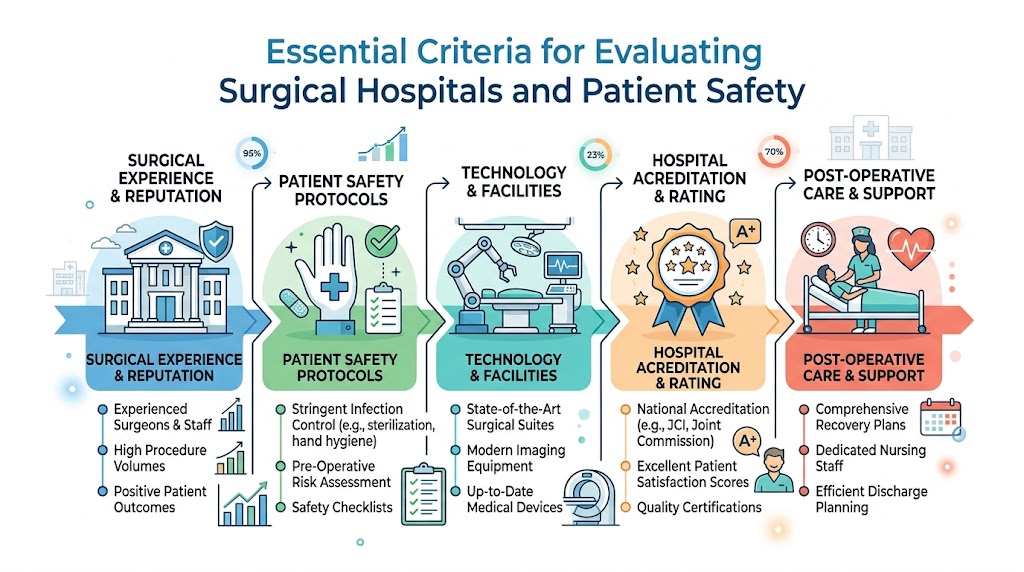
    Undergoing surgery is a significant life event that requires trust, preparation, and careful consideration. While the skill of your surgeon is paramount, the hospital environment—including its technology, nursing support, and safety protocols—plays an equally vital role in your overall experience and recovery. Choosing the right hospital is not merely about convenience or cost; it is about ensuring that you are in a facility equipped to handle your specific needs, especially if complications arise.For ongoing support and educational insights on navigating your healthcare options, you can explore the resources at MyDoctorsNow. Throughout this guide, we will examine the key factors that distinguish top-tier hospitals from the rest and help you create a strategy for choosing the best setting for your surgery.

    Understanding Why Hospital Choice Matters for Surgery

    The hospital is the ecosystem where your surgery and initial recovery occur. A high-quality facility provides a seamless chain of safety—from the sterility of the operation theatre to the vigilance of the post-operative nursing staff.

    The difference between a hospital that merely performs surgeries and one that excels in surgical care often lies in its systemic commitment to patient safety. Factors such as the availability of emergency support, the presence of board-certified intensivists, and rigorous infection control protocols are the invisible pillars that support a successful outcome. When you choose a hospital that prioritizes these aspects, you are investing in a layer of security that directly correlates with reduced risk and improved healing.

    HOSPITAL SAFETY OVERVIEW TABLE

    FactorWhy It Matters
    Surgeon ExpertiseEnsures surgical precision and ability to handle complications
    ICU FacilitiesCritical for stabilization if the surgery becomes complex
    Infection ControlEssential for preventing post-operative surgical site infections
    Emergency SupportProvides immediate backup for unexpected anesthesia or cardiac events
    Nursing CareImpacts recovery speed and early detection of complications

    Key Factors to Consider When Choosing a Hospital

    Surgeon Experience and Specialization

    The hospital’s reputation is often built on the collective expertise of its surgical staff. Look for surgeons who specialize in your specific procedure and perform it frequently. High surgical volume is often a proxy for better technical outcomes.

    Hospital Accreditation (NABH/JCI etc.)

    Accreditations signify that the hospital meets rigorous, nationally or internationally recognized standards for quality and safety. Always look for facilities that hold these certifications as a baseline for quality assurance.

    Success Rates and Surgical Volume

    While no hospital can guarantee a “perfect” outcome, those that are transparent about their complication rates and overall surgical volume often reflect a higher level of institutional maturity and safety focus.

    ICU and Critical Care Availability

    For major surgeries, the presence of a well-staffed ICU is non-negotiable. Even if your procedure is planned, the ability to transition to critical care if needed is a vital safety net.

    Technology and Surgical Equipment

    Modern, well-maintained equipment—such as advanced imaging, robotic surgery systems, and precise monitoring tools—can enhance surgical accuracy and shorten recovery times.

    Patient Reviews and Reputation

    While subjective, patient experiences can offer insights into the hospital’s culture, the empathy of the nursing staff, and the efficiency of the administrative processes.

    Insurance and Cost Transparency

    A good hospital should provide clear billing and be transparent about what is covered. Hidden costs can add significant stress during your recovery period.

    HOSPITAL COMPARISON CHECKLIST TABLE

    FactorHospital AHospital BHospital CNotes
    Surgeon ExperienceCheck credentials/volume
    ICU QualityLevel of care/staffing
    Infection ControlAsk about their protocols
    TechnologyModern OT/Diagnostics
    Cost TransparencyRequest a written estimate

    Types of Hospitals You May Encounter

    • Government Hospitals: Often serve as the bedrock of public health. While they may have high volumes of clinical cases, they can be overcrowded, which might affect the level of personalized attention or elective surgical wait times.
    • Private Multi-Specialty Hospitals: Generally offer a higher level of personalized care, comfort, and modern infrastructure. These facilities often prioritize patient experience but can be more costly.
    • Super-Specialty Hospitals: Dedicated to specific areas (e.g., cardiac or orthopedic centers). These are often the best choice for highly complex or rare surgical procedures.
    • Teaching/Medical College Hospitals: These institutions often have access to the latest research and leading specialists, though your surgery might involve residents or fellows under supervision.
    • Specialty Surgical Centers: These are stand-alone facilities for “day surgery.” They are excellent for minor procedures but lack the critical care backup required for major, high-risk surgeries.

    How to Evaluate Surgical Expertise

    Before confirming your choice, you have the right to evaluate the surgeon who will lead the procedure. Focus on:

    • Qualifications: Board certification in their specific surgical discipline.
    • Experience: Not just years in practice, but the number of times they have performed your specific procedure.
    • Complication Handling: Ask how they manage unexpected situations during surgery—it is a hallmark of an expert to be prepared for the unknown.
    • Peer Respect: Recommendations from other doctors or medical professionals are often the most accurate indicator of a surgeon’s reputation.

    Important Hospital Infrastructure to Check

    • Operation Theatres (OT): A modern OT setup must include laminar airflow, advanced monitoring, and high-standard sterilization processes.
    • Blood Bank Availability: For surgeries involving blood loss, an on-site, fully stocked blood bank is a critical safety requirement.
    • Infection Control Systems: Look for evidence of strict hygiene protocols, including gowning procedures and visitor management.
    • Rehabilitation Units: If your surgery involves movement (like joint replacement), confirm the hospital has an integrated physical therapy team.

    Pre-Surgery Consultation Checklist

    Before your surgery, use this guide to get clear answers.

    PRE-SURGERY CHECKLIST TABLE

    Question AreaWhat to AskWhy It Matters
    Surgeon Experience“How many times have you done this?”Establishes confidence and skill level
    Risks“What are the common risks here?”Helps you prepare mentally and physically
    Recovery Time“What is the typical healing timeline?”Essential for planning your life
    Cost“Is this estimate all-inclusive?”Avoids last-minute financial stress
    Hospital Stay“How long will I be admitted?”Helps in planning family/care support

    Common Mistakes Patients Make

    • Cost-Only Focus: Choosing the cheapest option can sometimes lead to lower safety standards or hidden expenses.
    • Ignoring Experience: Assuming all surgeons at a good hospital are equally experienced in a specific procedure.
    • Not Checking ICU: Neglecting to confirm the hospital’s capability to handle acute post-surgical complications.
    • Skipping Second Opinions: For complex surgeries, failing to seek a second opinion is a common error that could prevent a misdiagnosis or unnecessary procedure.
    • Unclear Communication: Not reading the consent form or failing to ask questions during the pre-surgery visit.

    Real-Life Patient Scenarios

    • Emergency Surgery: A patient needing appendectomy prioritizes distance and emergency capacity. The priority is immediate access to an OT rather than elective hospital amenities.
    • Planned Surgery: A patient requiring hip replacement spends months researching hospitals with high-volume orthopedic centers, focusing on long-term post-operative rehabilitation success.
    • Cost vs. Quality: A patient chooses a mid-range private facility that offers transparent pricing and a dedicated nursing ward, balancing quality with manageable financial planning.

    How to Compare Two or More Hospitals

    1. Define your priorities: Is proximity more important than advanced technology?
    2. Create a spreadsheet: Use the checklist provided earlier to rank hospitals on a scale of 1–5.
    3. Visit in person: Take a tour of the ward and the reception area to get a “feel” for the hospital’s culture.
    4. Balance the factors: A great hospital in a bad location might be less ideal than a good hospital near home, depending on your support network.

    HOSPITAL DECISION FACTORS TABLE

    Decision FactorWeight (Importance)Notes
    Safety/AccreditationHighThe foundation of care
    Surgeon SkillHighThe key to surgical success
    CostModerateNeeds to be transparent
    ICU SupportHighEssential for high-risk surgery
    TechnologyModerateEnhances precision

    Future of Hospital Quality Evaluation

    Healthcare is becoming more transparent. In the future, expect:

    • AI-Based Rating Systems: Real-time analysis of hospital outcomes.
    • Digital Patient Outcome Tracking: Transparent dashboards showing how patients fared post-surgery.
    • Smart Hospital Analytics: Data-driven insights on infection rates and readmission numbers.

    Benefits of Choosing the Right Hospital

    • Faster Recovery: Efficient care and high nursing standards get you home sooner.
    • Lower Complication Risk: Rigorous safety standards mean fewer infections and technical issues.
    • Reduced Anxiety: A professional, well-run hospital environment significantly lowers patient and family stress.
    • Long-Term Value: Proper initial care prevents the need for revision surgeries.

    FAQs

    1. How do I choose the best hospital for surgery?
      Evaluate based on accreditation, surgeon expertise, and safety infrastructure.
    2. What is more important: hospital or surgeon?
      Both are critical; a skilled surgeon in a poorly equipped hospital is limited, just as an excellent hospital cannot compensate for an inexperienced surgeon.
    3. Are expensive hospitals always better?
      No, look for quality and accreditation rather than just the price tag.
    4. How do I check hospital quality?
      Look for NABH, JCI, or other national/international certifications.
    5. What is NABH/JCI accreditation?
      These are third-party audits confirming a hospital meets specific patient safety and quality standards.
    6. Should I take a second opinion?
      Yes, especially for complex surgeries.
    7. How important is ICU?
      Essential for patient stabilization during and after major surgery.
    8. Can small hospitals be safe?
      Yes, if they are specialized and appropriately accredited for the specific surgery you need.
    9. What questions should I ask?
      Ask about complication rates, surgeon experience, and total estimated costs.
    10. How do I compare?
      Use a structured checklist to compare factors like ICU care and infection protocols.
    11. Should I trust online reviews?
      Use them as a starting point, but verify with professional accreditation data.
    12. What if an emergency happens?
      Ensure the hospital has 24/7 cardiac and trauma backup.
    13. Is distance important?
      It’s secondary to safety, but having family support nearby is beneficial.
    14. How do I verify a surgeon’s history?
      Check their hospital profile and board certification status.
    15. What is a surgery volume?
      It refers to how often a hospital or surgeon performs a specific procedure—higher volume often suggests higher proficiency.

    Final Thoughts

    The decision-making process for surgery is one of the most important healthcare journeys you will undertake. By prioritizing hospital accreditation, evaluating surgical expertise, and ensuring infrastructure safety, you are taking proactive control of your health. Remember that you have the right to ask questions, seek second opinions, and demand transparency. Your peace of mind and your physical recovery are well worth the time spent on thorough research. For continued guidance on your medical journey, hospital comparisons, and evidence-based patient resources, feel free to explore MyDoctorsNow.

  • DevOps Consulting Company Insights for Cloud-Native Teams

    Introduction

    Modern businesses need faster software delivery, secure systems, cloud-ready infrastructure, and reliable digital platforms. But many organizations still struggle with manual deployments, slow release cycles, unclear ownership, poor monitoring, and limited DevOps skills. This is where a trusted DevOps Consulting Company becomes valuable. Cotocus supports enterprises with consulting, implementation, cloud migration, automation, platform engineering, and corporate training services that help teams modernize software delivery. For CTOs, CIOs, engineering managers, DevOps teams, and L&D leaders, the goal is not only to adopt tools but to build a practical, scalable, and business-aligned DevOps operating model.

    What Does a DevOps Consulting Company Do?

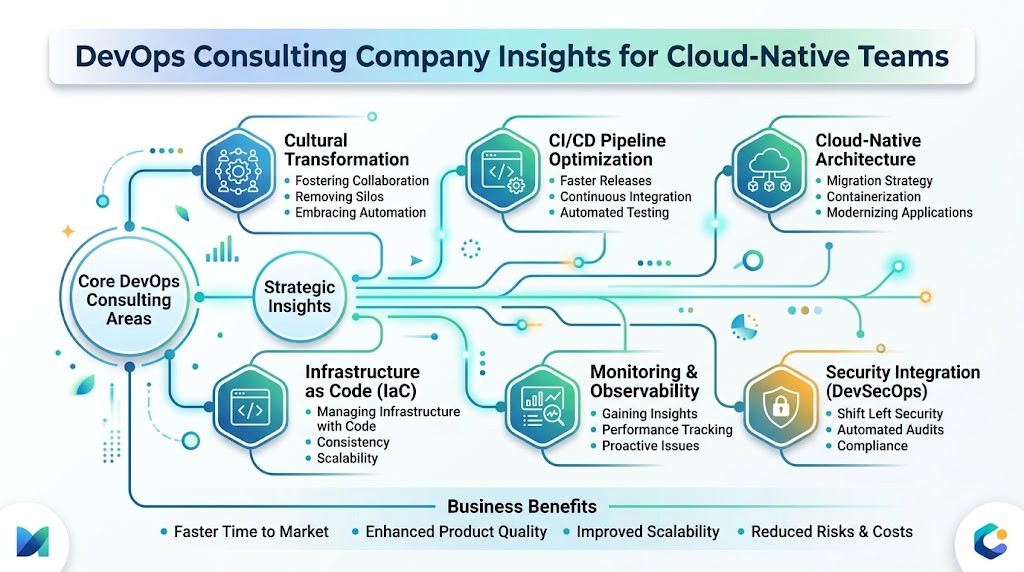
    A DevOps Consulting Company helps organizations improve how software is planned, built, tested, released, secured, monitored, and operated. Instead of focusing only on tools, consulting looks at people, process, platforms, automation, governance, and business outcomes.

    Cotocus aligns its DevOps Consulting Services with enterprise needs such as CI/CD Pipeline Consulting, Infrastructure Automation Consulting, Cloud Consulting Services, Kubernetes Consulting Services, SRE Consulting Services, DevSecOps Consulting Services, GitOps Consulting Services, Platform Engineering Consulting, AIOps Consulting Services, MLOps Consulting Services, and DataOps Consulting Services.

    Practical scenario

    A company may have Jenkins pipelines, cloud accounts, Kubernetes clusters, and monitoring tools, but still face release delays. A consulting partner can assess the current state, find bottlenecks, design a roadmap, automate delivery, train teams, and create measurable improvement.

    Why Businesses Need DevOps Consulting Services

    Enterprises need DevOps Consulting Services because technology teams are under pressure to release faster without increasing outages, cost, or security risk. Internal teams may understand their applications well, but they often lack experience in enterprise-scale automation, multi-cloud architecture, Kubernetes governance, platform engineering, DevSecOps, and SRE practices.

    A consulting partner helps businesses:

    • Reduce manual deployment work
    • Improve release consistency
    • Build secure CI/CD pipelines
    • Standardize cloud and Kubernetes practices
    • Improve incident response and reliability
    • Train teams through DevOps Corporate Training
    • Create reusable platforms for developers

    For business leaders, DevOps is not only a technical initiative. It supports faster innovation, better customer experience, improved reliability, and more predictable technology operations.

    Comparison Table 1: Traditional IT vs Modern DevOps

    FeatureBenefitsLimitationsUse CasesBest Choice
    Traditional ITStable control and defined approvalsSlow releases and siloed teamsLegacy systemsRegulated maintenance
    Modern DevOpsFaster delivery and automationNeeds cultural changeCloud-native appsGrowing digital teams
    Manual DeploymentSimple for small systemsHigh error riskSmall internal toolsTemporary use only
    CI/CD AutomationRepeatable and faster releasesNeeds setup maturityProduct teamsEnterprise delivery
    SRE ModelReliability-focused operationsNeeds metrics disciplineCritical platformsHigh-availability systems

    Key Consulting and Training Areas

    Cotocus can support enterprises through both implementation and enablement. Consulting helps design and execute technical transformation, while corporate training helps teams sustain the improvement internally.

    Important service areas include:

    • Cloud Migration Services: Moving applications and workloads to cloud environments with planning, automation, and governance.
    • Kubernetes Corporate Training: Helping teams understand containers, deployments, networking, storage, scaling, and production operations.
    • DevSecOps Corporate Training: Teaching teams how to integrate security into pipelines, code review, testing, compliance, and release workflows.
    • Site Reliability Engineering Consulting: Improving availability, incident response, observability, SLOs, and operational discipline.
    • Platform Engineering Consulting: Building internal developer platforms that reduce friction and improve developer productivity.

    Comparison Table 2: Consulting vs In-House Team

    FeatureBenefitsLimitationsUse CasesBest Choice
    In-House TeamDeep business knowledgeMay lack transformation experienceDaily operationsLong-term ownership
    Consulting PartnerSpecialized expertiseRequires collaborationRoadmap and implementationFaster transformation
    Corporate TrainingBuilds internal capabilityNeeds learner commitmentL&D and upskillingSkill sustainability
    Staff AugmentationAdds temporary capacityMay not fix process gapsShort-term deliveryUrgent project needs
    Hybrid ModelCombines expertise and ownershipNeeds clear governanceEnterprise programsBest overall approach

    Common DevOps Implementation Mistakes

    Many DevOps programs fail because companies start with tools before defining goals. Buying CI/CD, cloud, Kubernetes, or monitoring tools does not automatically create DevOps maturity.

    Common mistakes include:

    1. Automating broken processes without improving workflow.
    2. Treating DevOps as only an operations responsibility.
    3. Ignoring security until the final release stage.
    4. Moving to cloud without cost, governance, and architecture planning.
    5. Creating Kubernetes clusters without production readiness.
    6. Measuring activity instead of outcomes.
    7. Skipping DevOps Training for Companies and expecting instant adoption.

    The solution is to start with assessment, define business outcomes, build a roadmap, automate gradually, train teams, and measure progress.

    Comparison Table 3: DevOps, DevSecOps, SRE, and Platform Engineering

    FeatureBenefitsLimitationsUse CasesBest Choice
    DevOpsFaster collaboration and deliveryNeeds process maturityCI/CD and automationDelivery improvement
    DevSecOpsSecurity built into deliveryNeeds security skillsCompliance and risk controlSecure releases
    SREReliability and incident disciplineNeeds clear metricsProduction systemsHigh uptime needs
    Platform EngineeringBetter developer experienceNeeds platform investmentInternal tools and portalsLarge engineering teams
    AIOpsSmarter operations insightsNeeds quality dataAlerting and monitoringComplex IT environments

    Best Practices for Enterprise DevOps Success

    Start with a DevOps maturity assessment before selecting tools. Define release goals, ownership, compliance needs, security checkpoints, and reliability targets. Build reusable CI/CD templates instead of one-off pipelines. Use Infrastructure as Code for repeatable environments. Add security scanning early in development. Standardize Kubernetes governance, observability, and incident response. Invest in DevOps Corporate Training so teams understand the “why” behind automation. Finally, measure progress through deployment frequency, lead time, change failure rate, recovery time, reliability, cost control, and team productivity.

    Expert Tips for Technology Leaders

    Do not treat DevOps as a one-time project. Build it as an operating model. Start with one high-value application, improve its pipeline, automate infrastructure, add observability, and document lessons before scaling. Choose tools based on team maturity, not market popularity. Combine Cloud Migration Services with DevSecOps Consulting Services to avoid insecure cloud adoption. Use Kubernetes Consulting Services only after container strategy is clear. Most importantly, connect DevOps goals with business outcomes such as faster launches, better uptime, lower release risk, and improved customer experience.

    Why Choose Cotocus

    Cotocus is suitable for organizations looking for a Digital Transformation Consulting Company with practical experience across DevOps, cloud, automation, security, reliability, AI-driven operations, data engineering practices, and corporate training. Its value comes from combining consulting and learning enablement.

    Businesses can approach Cotocus for DevOps Consulting Services, DevOps Corporate Training, Cloud Consulting Services, Kubernetes Corporate Training, Site Reliability Engineering Consulting, DevSecOps Corporate Training, Infrastructure Automation Consulting, AIOps Consulting Services, MLOps Consulting Services, DataOps Consulting Services, and Platform Engineering Consulting.

    This combination helps organizations not only implement modern technology practices but also build internal capability for long-term success.

    Frequently Asked Questions

    1. What is a DevOps Consulting Company?

    A DevOps Consulting Company helps organizations improve software delivery, automation, collaboration, cloud operations, security, and reliability. It assesses current challenges, designs a roadmap, implements tools and processes, and trains teams. The goal is to help businesses release software faster, reduce errors, improve visibility, and build a stronger engineering culture.

    2. Why do enterprises need DevOps Consulting Services?

    Enterprises need DevOps Consulting Services when software delivery becomes slow, risky, manual, or difficult to scale. Consultants bring proven frameworks, implementation experience, and technical depth. They help teams modernize CI/CD pipelines, cloud infrastructure, Kubernetes platforms, security practices, monitoring, and incident response while aligning technology improvements with business goals.

    3. How does DevOps Corporate Training help teams?

    DevOps Corporate Training helps teams understand modern software delivery practices through structured learning and practical exercises. It improves knowledge of CI/CD, automation, containers, cloud, Kubernetes, monitoring, security, and collaboration. Training is useful for developers, operations teams, QA engineers, cloud engineers, and managers who need common understanding.

    4. What is the difference between DevOps and DevSecOps?

    DevOps focuses on faster collaboration between development and operations, while DevSecOps adds security throughout the software lifecycle. DevSecOps includes secure coding, vulnerability scanning, secrets management, compliance checks, and security automation inside CI/CD pipelines. Both are important because modern enterprises need speed and security together, not separately.

    5. When should a company use Cloud Migration Services?

    A company should use Cloud Migration Services when it wants to move applications, databases, infrastructure, or workloads from traditional environments to cloud platforms. Consulting helps with assessment, migration planning, architecture, automation, security, cost control, and operational readiness. This reduces risk and improves cloud adoption outcomes.

    6. Why is Kubernetes Consulting Services important?

    Kubernetes Consulting Services help teams design, deploy, secure, scale, and operate containerized applications properly. Kubernetes is powerful but complex. Without good architecture, governance, observability, and security, teams may face outages, cost issues, and operational confusion. Consulting helps create production-ready Kubernetes environments.

    7. What does Site Reliability Engineering Consulting include?

    Site Reliability Engineering Consulting focuses on improving service reliability, availability, incident response, monitoring, automation, and operational discipline. It may include SLO design, alert tuning, runbook automation, post-incident reviews, and reliability dashboards. SRE helps businesses balance fast delivery with stable production performance.

    8. How does Platform Engineering Consulting support developers?

    Platform Engineering Consulting helps organizations build internal developer platforms that simplify software delivery. These platforms may include self-service environments, reusable CI/CD templates, infrastructure automation, observability, security controls, and deployment workflows. The goal is to reduce developer friction and improve productivity without sacrificing governance.

    9. What are AIOps Consulting Services?

    AIOps Consulting Services use artificial intelligence and machine learning concepts to improve IT operations. They can help with alert correlation, anomaly detection, incident prediction, root cause analysis, and automated response. AIOps is especially useful for large environments where manual monitoring cannot handle operational complexity.

    10. What are MLOps Consulting Services?

    MLOps Consulting Services help organizations manage machine learning models from development to production. This includes model versioning, pipeline automation, deployment, monitoring, governance, and retraining workflows. MLOps is important for businesses using AI and machine learning in real products, analytics, or automation systems.

    11. What are DataOps Consulting Services?

    DataOps Consulting Services improve how data pipelines are built, tested, deployed, monitored, and governed. They help data teams increase reliability, reduce manual effort, and improve collaboration between data engineers, analysts, scientists, and business users. DataOps is useful for analytics, reporting, AI, and enterprise data platforms.

    12. How can DevOps Training for Companies improve adoption?

    DevOps Training for Companies improves adoption by giving teams shared knowledge, language, and practical skills. Employees understand automation, cloud, CI/CD, monitoring, security, and collaboration better. Training also reduces dependency on a few experts and helps organizations sustain DevOps practices after consulting projects are completed.

    13. What is GitOps Consulting Services?

    GitOps Consulting Services help teams manage infrastructure and application deployment through Git-based workflows. Changes are reviewed, versioned, automated, and applied consistently. GitOps improves traceability, rollback, collaboration, and governance, especially for Kubernetes and cloud-native environments where frequent changes must be controlled safely.

    14. What is CI/CD Pipeline Consulting?

    CI/CD Pipeline Consulting helps businesses design and improve automated software delivery pipelines. It includes source control strategy, build automation, testing, security scanning, artifact management, deployment workflows, approval gates, and monitoring. A good pipeline reduces manual work, improves release speed, and lowers deployment risk.

    15. How should businesses choose a DevOps consulting partner?

    Businesses should choose a DevOps consulting partner based on experience, service coverage, training capability, practical implementation knowledge, and understanding of enterprise challenges. The right partner should support assessment, roadmap design, automation, cloud, security, reliability, Kubernetes, platform engineering, and team enablement instead of offering only tool setup.

    Conclusion

    A modern enterprise needs more than software tools to succeed. It needs a strong delivery culture, reliable platforms, secure pipelines, cloud-ready infrastructure, skilled teams, and measurable improvement. A trusted DevOps Consulting Company helps businesses move from slow and manual delivery to automated, secure, scalable, and reliable software operations. Cotocus supports this journey through consulting, implementation, cloud modernization, DevOps Corporate Training, Kubernetes Corporate Training, DevSecOps enablement, SRE practices, and platform engineering. For technology leaders, the right decision is to build DevOps as a long-term business capability.

  • DevOps Trainer Roadmap for Enterprise DevOps Maturity

    Introduction

    DevOps has moved far beyond basic automation. Today, it is a complete engineering approach that helps organizations deliver software faster, safer, and with better reliability. Businesses need teams that understand cloud platforms, CI/CD pipelines, Kubernetes, Docker, Terraform, Jenkins, DevSecOps, SRE, GitOps, and platform engineering. This is where an experienced DevOps Trainer and DevOps Consultant becomes valuable. Rajesh Kumar’s expertise helps learners and organizations move from tool-based learning to practical implementation, where DevOps becomes part of daily engineering work, not just a classroom topic.

    What Makes DevOps Important for Modern Teams

    Modern software delivery requires speed, stability, security, and automation. Traditional IT methods often depend on manual approvals, separate teams, delayed testing, and slow production releases. DevOps solves this by creating collaboration between development, operations, security, cloud, and business teams.

    A DevOps Trainer helps professionals understand the full delivery journey, from code commit to production monitoring. A DevOps Consultant helps companies redesign their workflows, improve automation, and remove delivery bottlenecks.

    For organizations, DevOps Corporate Training builds common understanding across teams. It helps developers, system administrators, cloud engineers, QA teams, managers, and leadership speak the same technical language.

    DevOps vs Traditional IT

    FeatureTraditional ITDevOps ApproachBest Choice
    Delivery SpeedSlow and manualFaster and automatedDevOps
    Team ModelSeparate teamsShared ownershipDevOps
    TestingLate-stage testingContinuous testingDevOps
    DeploymentRisky releasesRepeatable releasesDevOps
    Best Use CaseLegacy operationsCloud and agile teamsDevOps

    Role of a DevOps Trainer and DevOps Consultant

    A DevOps Trainer focuses on building skills. A DevOps Consultant focuses on solving business and technical challenges. Both roles are important, but their purpose is different.

    A trainer teaches tools such as Jenkins, Docker, Kubernetes, Terraform, GitHub Actions, Ansible, AWS, Azure, Google Cloud, ArgoCD, FluxCD, Prometheus, and Grafana. A consultant helps organizations decide which tools to use, how to connect them, and how to improve delivery outcomes.

    A strong DevOps Trainer in India should combine both teaching and real-world implementation experience.

    DevOps Trainer vs DevOps Consultant

    AreaDevOps TrainerDevOps ConsultantBest Choice
    Main FocusSkill developmentBusiness improvementBoth
    AudienceLearners and teamsOrganizationsDepends on goal
    OutputKnowledge and practiceStrategy and executionCombined approach
    LimitationNeeds workplace practiceNeeds team supportBalanced model
    Best Use CaseTraining programsTransformation projectsEnterprise adoption

    Key Skills Covered in DevOps Training

    A complete DevOps learning path must begin with fundamentals. Learners should understand Linux, networking, Git, scripting, cloud basics, and software development workflows before moving into advanced tools.

    Important training areas include:

    • Jenkins Training
    • Terraform Training
    • Docker Kubernetes Training
    • CI/CD Pipeline Training
    • GitOps Training
    • Kubernetes Corporate Training
    • DevSecOps Corporate Training
    • Site Reliability Engineering Training
    • Platform Engineering Training
    • AWS DevOps Consultant skills
    • Cloud DevOps Consultant practices

    A good training program should include labs, projects, troubleshooting examples, and real-world deployment scenarios.

    Kubernetes, SRE, DevSecOps, and Platform Engineering

    Kubernetes has become a major skill for DevOps and cloud teams. A Kubernetes Trainer helps learners understand container orchestration, deployment strategies, services, ingress, scaling, storage, security, and troubleshooting.

    SRE focuses on reliability. An SRE Trainer teaches SLIs, SLOs, error budgets, observability, incident management, and production readiness. A DevSecOps Trainer teaches secure pipelines, vulnerability scanning, container security, secrets management, and compliance automation.

    A Platform Engineering Consultant helps organizations build internal developer platforms that make software delivery easier, faster, and more standardized.

    DevOps vs DevSecOps vs SRE vs Platform Engineering

    PracticeFocusBenefitLimitationBest Use Case
    DevOpsDelivery automationFaster releasesMay miss securityCI/CD adoption
    DevSecOpsSecurity automationSafer releasesNeeds culture changeRegulated teams
    SREReliabilityBetter uptimeNeeds metrics maturityProduction systems
    Platform EngineeringDeveloper productivityStandard workflowsNeeds platform visionLarge teams

    DevOps Roadmap for Professionals

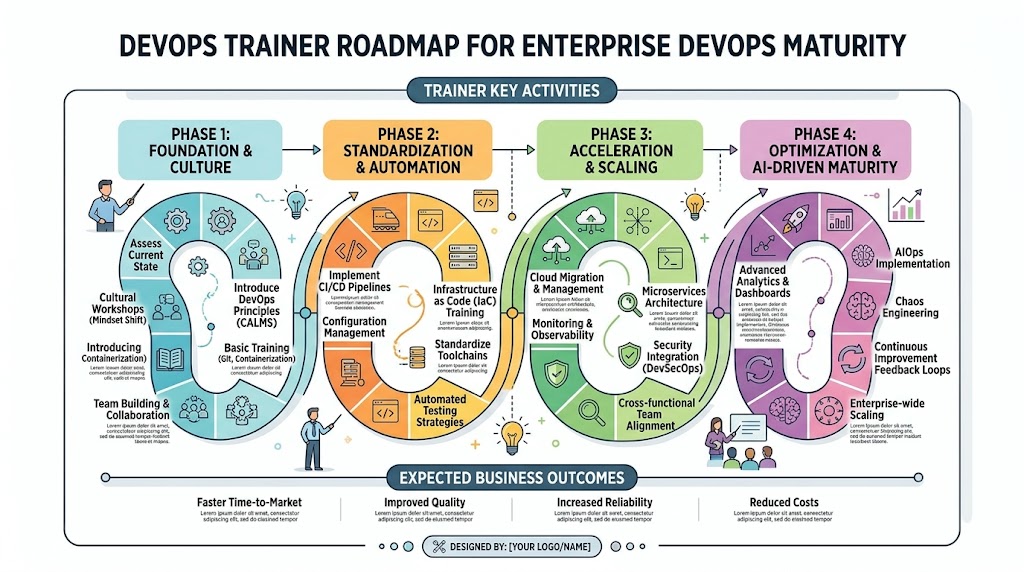
    Professionals should follow a step-by-step roadmap instead of learning random tools. Start with Linux, Git, networking, and basic scripting. Then learn CI/CD concepts, Jenkins, Docker, Kubernetes, Terraform, and cloud platforms.

    After that, move into monitoring, logging, security automation, GitOps, SRE, and platform engineering. The goal is not only to know commands but to understand how systems are built, deployed, monitored, and improved.

    A practical learner should build sample pipelines, deploy containers, provision cloud infrastructure, configure alerts, and troubleshoot failed deployments.

    DevOps Corporate Training for Organizations

    DevOps Corporate Training should be customized for the company’s team structure and maturity level. Developers may need CI/CD and container training. Operations teams may need Kubernetes, Terraform, monitoring, and incident response. Security teams may need DevSecOps Corporate Training. Managers may need DevOps governance, KPIs, and adoption planning.

    The best training programs include practical labs, role-based modules, real project examples, and post-training guidance. This helps teams apply learning directly to workplace challenges.

    Common Mistakes in DevOps Adoption

    Many companies start DevOps by installing tools without changing workflows. This creates confusion because tools alone cannot improve delivery. Another common mistake is adopting Kubernetes without proper knowledge of operations, networking, security, and monitoring.

    Some teams build CI/CD pipelines without testing quality, rollback planning, or approval controls. Others ignore DevSecOps until the end of the release cycle. These mistakes can be avoided through structured training, consulting, and clear implementation planning.

    Best Practices

    Begin with fundamentals and then move toward automation. Use Git for code, infrastructure, and deployment configuration. Build pipelines that include testing, scanning, approval, deployment, and rollback stages. Use Terraform for repeatable infrastructure. Add monitoring and alerting early. Train teams by role, not with one generic syllabus. Organizations should combine DevOps Consulting with DevOps Corporate Training to build both strategy and execution capability.

    Expert Tips

    Do not treat DevOps as a tool collection. Treat it as an engineering system. Every tool should support a clear goal such as faster delivery, better reliability, stronger security, lower manual work, or improved visibility. Practice real failures like broken builds, failed Kubernetes deployments, Terraform drift, security scan errors, and noisy alerts. These exercises build the confidence needed for production work.

    Why Choose Rajesh Kumar

    Rajesh Kumar brings practical experience across DevOps Training, DevOps Consulting, Kubernetes Training, SRE Training, DevSecOps Training, Platform Engineering Consulting, Cloud DevOps Consulting, AWS DevOps Consulting, Terraform Training, Jenkins Training, Docker & Kubernetes Training, CI/CD Pipeline Training, and GitOps Training.

    His approach is suitable for professionals who want career growth and organizations that want stronger engineering capability. The focus is not only on learning tools but also on applying them correctly in real environments.

    Frequently Asked Questions

    1. What is the role of a DevOps Trainer?

    A DevOps Trainer helps learners understand DevOps concepts, tools, workflows, and real implementation practices. The trainer teaches CI/CD, Docker, Kubernetes, Jenkins, Terraform, cloud platforms, monitoring, automation, and collaboration. A good trainer focuses on practical labs and project-based learning instead of only theoretical explanations.

    2. How is a DevOps Consultant different from a trainer?

    A DevOps Consultant helps organizations solve delivery, automation, cloud, and reliability problems. A trainer mainly builds skills through structured learning. A consultant studies existing workflows, finds gaps, recommends improvements, and supports implementation. Many organizations need both training and consulting for successful DevOps adoption.

    3. Why is DevOps Corporate Training useful?

    DevOps Corporate Training helps teams build shared knowledge and practical skills. It improves collaboration between developers, operations, QA, security, cloud teams, and managers. A customized program can help organizations improve CI/CD, cloud automation, Kubernetes adoption, DevSecOps, monitoring, and release management.

    4. Who should attend DevOps Training?

    DevOps Training is useful for developers, cloud engineers, system administrators, QA engineers, IT managers, engineering managers, students, and working professionals. It is also useful for organizations that want to improve software delivery, automation, reliability, cloud adoption, and team productivity.

    5. Why is Kubernetes Training important?

    Kubernetes Training is important because many modern applications run on containers and cloud native platforms. It teaches deployment, scaling, networking, storage, security, monitoring, and troubleshooting. Without proper Kubernetes knowledge, teams may face production issues, unstable deployments, and operational complexity.

    6. What is Docker Kubernetes Training?

    Docker Kubernetes Training teaches how to package applications using Docker and manage them at scale using Kubernetes. Docker helps create containers, while Kubernetes manages deployment, scaling, service discovery, and recovery. Together, they are important skills for cloud native application delivery.

    7. What is Site Reliability Engineering Training?

    Site Reliability Engineering Training teaches reliability-focused engineering practices. It covers SLIs, SLOs, error budgets, incident response, monitoring, observability, automation, and production readiness. It is useful for DevOps engineers, SREs, cloud teams, platform teams, and operations professionals.

    8. What does an SRE Consultant do?

    An SRE Consultant helps organizations improve system reliability, reduce downtime, define service level objectives, improve monitoring, and design incident response processes. The consultant helps teams move from reactive operations to measurable reliability engineering practices.

    9. Why is DevSecOps Training needed?

    DevSecOps Training helps teams add security into the software delivery lifecycle. It covers secure coding, scanning, container security, secrets management, compliance checks, and security gates in CI/CD pipelines. This helps organizations reduce risk while maintaining delivery speed.

    10. What is Platform Engineering Training?

    Platform Engineering Training teaches how to build internal developer platforms, reusable automation, self-service workflows, deployment templates, and standardized infrastructure services. It helps organizations reduce developer friction and improve software delivery consistency across teams.

    11. Is Terraform Training useful for cloud teams?

    Yes, Terraform Training is very useful for cloud teams because it teaches Infrastructure as Code. Teams can create and manage cloud infrastructure using version-controlled configuration files. This improves consistency, automation, repeatability, and control across AWS, Azure, Google Cloud, and multi-cloud environments.

    12. Why should I learn Jenkins Training?

    Jenkins Training is useful because Jenkins is still widely used for CI/CD automation. It helps learners understand pipelines, build jobs, plugins, credentials, integrations, testing, deployment, and release workflows. It is especially useful in companies that already use Jenkins for software delivery.

    13. What is CI/CD Pipeline Training?

    CI/CD Pipeline Training teaches how to automate build, test, scan, package, deploy, and release processes. It helps teams reduce manual work, improve deployment consistency, detect errors early, and deliver software faster with better confidence.

    14. What is GitOps Training?

    GitOps Training teaches how to use Git as the source of truth for deployment and infrastructure changes. It often includes tools like ArgoCD and FluxCD. GitOps improves visibility, auditability, rollback control, and consistency in Kubernetes-based delivery workflows.

    15. How can DevOps skills support career growth?

    DevOps skills can open opportunities in roles such as DevOps Engineer, Cloud Engineer, SRE, Platform Engineer, DevSecOps Engineer, Build Engineer, Release Engineer, and Automation Engineer. Professionals with hands-on knowledge of cloud, CI/CD, Kubernetes, Terraform, and monitoring are highly valuable in modern IT teams.

    Conclusion

    DevOps maturity is built through practical skills, strong processes, automation, reliability, security, and continuous improvement. Professionals need structured learning to understand how tools work together in real environments. Organizations need training and consulting to improve delivery systems, cloud operations, and team collaboration. With guidance from an experienced expert like Rajesh Kumar, teams can build real DevOps capability and move confidently toward modern engineering excellence.

  • Essential Guide to Common Heart Conditions and Treatment Options

    Introduction

    The heart is the engine of the human body, responsible for sustaining every other system through the continuous circulation of life-giving blood. Given its critical role, cardiovascular health is a cornerstone of overall wellness. However, heart-related issues are increasingly prevalent, affecting millions of people across the globe. Understanding these conditions is the first step toward living a longer, healthier life.For those looking for reliable medical information and professional guidance, MyDoctorsNow stands as a trusted resource for navigating complex heart health topics and wellness management. This guide explores the spectrum of heart conditions, the importance of diagnostic testing, and the modern approaches to treatment and prevention.

    Understanding Heart Disease

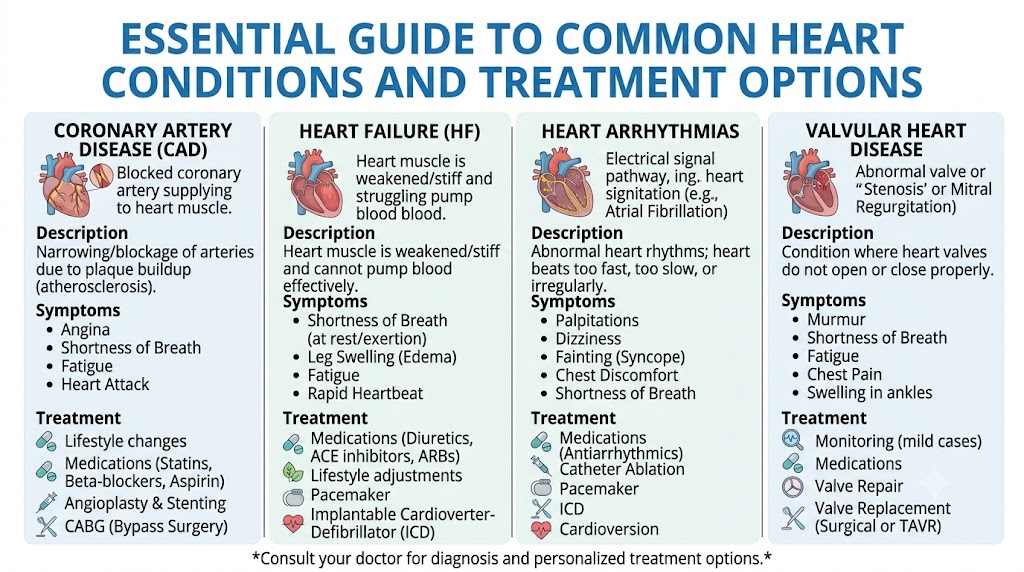
    Heart disease, often used as an umbrella term, refers to a range of conditions that affect the structure or function of the heart. The cardiovascular system consists of the heart, blood vessels, and the blood itself, working in a perfectly synchronized rhythm.

    When any part of this system is compromised—whether due to blocked arteries, weakened muscles, or abnormal electrical signals—it impacts the body’s ability to circulate oxygen. Heart conditions can be acute, occurring suddenly, or chronic, developing slowly over many years. Early diagnosis is essential because many cardiovascular issues can be effectively managed—or even prevented—when identified during their nascent stages.

    Why Heart Health Awareness Is Important

    Awareness is the most powerful tool in preventive cardiology. By understanding your body’s signals, you can secure several key benefits:

    • Early Intervention: Detecting issues before they become life-threatening.
    • Better Outcomes: Treatments are generally more effective when started promptly.
    • Reduced Complications: Managing risks prevents secondary damage to the body.
    • Improved Quality of Life: A healthy heart translates to more energy, better sleep, and greater physical freedom.

    HEART CONDITIONS OVERVIEW TABLE

    ConditionDescriptionCommon SymptomsTypical Treatment
    Coronary Artery DiseasePlaque buildup in arteriesChest pain, breathlessnessMedication, lifestyle changes, surgery
    Heart FailureHeart cannot pump effectivelyFluid retention, exhaustionMedication, lifestyle management, devices
    ArrhythmiaIrregular heartbeat rhythmPalpitations, dizzinessMedication, ablation, pacemaker
    Heart Valve DiseaseValve malfunctionHeart murmur, fatigueMedication, valve repair/replacement
    Congenital Heart DiseaseStructural issues present at birthCyanosis, fatigueMonitoring, surgery

    Common Heart Conditions Explained

    Coronary Artery Disease

    This is the most common form of heart disease. It occurs when the arteries that supply blood to the heart become narrowed due to the buildup of cholesterol-containing deposits, known as plaque. Over time, this restricts blood flow and can lead to chest pain (angina) or a heart attack. Treatment often involves blood-thinning medications, lifestyle adjustments, or procedures to open the arteries.

    Heart Failure

    Heart failure does not mean the heart has stopped working; rather, it means the heart is not pumping blood as efficiently as it should. This can be caused by long-term high blood pressure, diabetes, or previous heart attacks. Management strategies focus on reducing the heart’s workload through diet, fluid restriction, and targeted medication to improve cardiac function.

    Arrhythmias

    Arrhythmias occur when the electrical signals that coordinate heartbeats are faulty. This can cause the heart to beat too fast, too slow, or irregularly. While some arrhythmias are harmless, others can be dangerous. Approaches range from lifestyle modification and medication to more advanced procedures like electrical cardioversion or implantable devices.

    Heart Valve Disease

    The heart has four valves that act as gates, ensuring blood flows in the correct direction. When these valves become too narrow (stenosis) or fail to close properly (regurgitation), the heart must work harder. Treatments involve regular monitoring, medications to support heart rhythm, or surgical repair/replacement of the valve.

    Congenital Heart Disease

    These are structural abnormalities of the heart present at birth. While some defects are minor and need only monitoring, others are more complex and require surgical intervention during infancy or childhood. Modern diagnostics now allow for early detection, ensuring that these conditions can be managed effectively as the child grows.

    Common Symptoms of Heart Conditions

    Symptoms can vary significantly from person to person. While some may experience intense pain, others may only feel mild fatigue or lightheadedness.

    HEART SYMPTOMS TABLE

    SymptomPossible Significance
    Chest PainPotential sign of blocked arteries or ischemia
    Shortness of BreathOften linked to heart failure or valve issues
    FatigueMay indicate the heart is struggling to pump
    PalpitationsSuggests an underlying arrhythmia
    DizzinessCan result from poor blood flow to the brain
    Leg SwellingOften a symptom of fluid buildup in heart failure

    Major Risk Factors for Heart Disease

    HEART RISK FACTORS TABLE

    Risk FactorImpact on Heart HealthPrevention Strategy
    High Blood PressureDamages artery wallsLow-sodium diet, regular exercise, medication
    High CholesterolCauses plaque buildupHealthy fats, fiber intake, medical monitoring
    SmokingStiffens arteriesQuitting smoking, behavioral support
    ObesityIncreases heart workloadPortion control, regular activity
    DiabetesDamages blood vesselsBlood sugar monitoring, insulin control
    Physical InactivityWeakens heart muscleConsistent aerobic exercise routine

    Diagnostic Tests Used for Heart Conditions

    DIAGNOSTIC TESTS TABLE

    TestPurposeBenefit
    ECGMonitors electrical activityDetects rhythm irregularities
    EchocardiogramUltrasound imaging of the heartVisualizes structure and valve movement
    Stress TestMonitors heart during physical activityUncovers issues that only appear under load
    Blood TestsAnalyzes biomarkers (like troponin)Identifies cell damage or cholesterol levels
    CT ScanProvides detailed 3D imageryChecks for calcium deposits in arteries
    Cardiac CatheterizationDirect access to the heartBoth diagnostic and therapeutic capability

    Treatment Options for Common Heart Conditions

    TREATMENT OPTIONS TABLE

    Treatment TypePurposeCommon Use
    Lifestyle ChangesEliminating risk factorsFirst-line defense for almost all conditions
    MedicationsManaging symptoms/risksControlling BP, cholesterol, and rhythm
    AngioplastyOpening blocked arteriesRestoring blood flow in coronary disease
    PacemakerRegulating electrical rhythmCorrecting slow or irregular heartbeats
    Valve SurgeryRepairing/replacing valvesTreating severe valve disease
    Bypass SurgeryCreating new paths for blood flowTreating severe blockages

    How to Maintain Good Heart Health

    Maintaining heart health is a lifelong commitment. A heart-healthy diet rich in vegetables, fruits, and lean proteins is foundational. Consistent exercise, even if it’s just a brisk 30-minute walk daily, strengthens the heart muscle. Stress reduction via meditation or hobbies prevents chronic physiological strain, and quality sleep allows the cardiovascular system to recover. Finally, regular checkups are essential for catching silent issues like hypertension before they result in long-term damage.

    Benefits of Early Detection and Treatment

    Early detection leads to higher survival rates and lower long-term costs. When caught early, heart disease can often be managed through diet and minor medication, avoiding invasive procedures entirely. Improved quality of life is the greatest benefit, allowing individuals to remain active and healthy for years longer.

    Real-Life Patient Scenarios

    • Early Diagnosis: A 50-year-old patient felt mild fatigue. A routine ECG detected an arrhythmia, which was successfully managed with medication before any complications arose.
    • Successful Management: A patient with high cholesterol adopted a plant-based diet and consistent walking regimen, successfully lowering their numbers and reducing their dependence on cholesterol medication.

    Common Mistakes People Make

    • Ignoring symptoms: Thinking chest pain is just heartburn or stress.
    • Skipping medications: Not realizing that heart medication needs to be taken consistently to work.
    • Fearing the doctor: Delaying appointments until an emergency occurs.
    • Unhealthy Habits: Assuming a “cheat day” can be a “cheat life” regarding diet and smoking.

    Future of Heart Care

    FUTURE OF CARDIOLOGY TABLE

    InnovationPotential Benefit
    AI DiagnosticsRapid, accurate analysis of medical data
    WearablesReal-time monitoring of heart rhythm and BP
    Remote MonitoringLower hospital readmission rates
    Personalized MedicineTailored drugs based on genetic profiles
    Minimally Invasive ProceduresFaster recovery and reduced scarring

    FAQs

    1. What is the most common heart disease?
      Coronary artery disease.
    2. Are heart symptoms the same for everyone?
      No, symptoms vary significantly, especially between men and women.
    3. Can I prevent heart disease?
      Many forms are preventable through healthy lifestyle habits.
    4. When should I see a doctor?
      If you have unexplained chest pain, fatigue, or breathlessness.
    5. How does stress affect the heart?
      Chronic stress raises blood pressure and inflammation levels.
    6. Are heart conditions hereditary?
      Yes, family history is a significant risk factor.
    7. Is coffee bad for the heart?
      In moderation, coffee is generally considered safe.
    8. What is an ECG?
      An EKG/ECG records the electrical activity of the heart.
    9. How do I know if I have high blood pressure?
      It is often silent; it must be measured by a professional.
    10. Can I exercise with heart disease?
      Generally, yes, but only under the guidance of a physician.
    11. Are heart surgeries painful?
      Modern medicine ensures comprehensive pain management.
    12. What does a cardiologist do?
      They specialize in diagnosing and treating heart conditions.
    13. How often should I get my heart checked?
      At least annually after the age of 40.
    14. What is an angioplasty?
      A procedure to widen a narrowed or blocked artery.
    15. Is recovery after heart surgery long?
      It varies, but modern rehab programs focus on getting patients back to normal life efficiently.

    Final Thoughts

    Heart disease awareness is not just about avoiding illness; it is about embracing a lifestyle that supports your longevity and vitality. By identifying risks, listening to your body, and partnering with medical professionals, you can significantly reduce your chances of developing severe cardiac conditions. Prioritize your heart health today, because it is the foundation for every tomorrow.For further information on heart health, symptoms, and preventive measures, we invite you to explore the vast healthcare resources available at MyDoctorsNow.

  • Lifestyle Management for Chronic Diseases and Better Health Outcomes

    Introduction

    Modern healthcare is facing a significant shift as long-term health concerns become increasingly prevalent across all demographics. While acute medical conditions involve short-term treatments, non-communicable health issues now represent the majority of longitudinal medical needs globally. To explore structured physician directories, access verified wellness materials, and connect with reliable health networks, visit MYDOCTORSNOW to support your ongoing journey toward stable, proactive health.

    Understanding Chronic Conditions

    A chronic condition is broadly defined as a health issue that lasts for one year or longer, requires ongoing medical attention, limits activities of daily living, or combines both factors. Unlike acute illnesses, which develop suddenly and resolve fully once the underlying cause is treated (such as a seasonal respiratory infection or a minor bone fracture), chronic diseases progress gradually and persist over time.

    Because these conditions develop slowly, identifying them early through regular screening is incredibly important. Many long-term conditions alter metabolic or cardiovascular functions silently for years before causing noticeable physical symptoms. Left unmanaged, these subtle imbalances can cause ongoing strain to internal organs, gradually reducing energy levels and placing limitations on daily life.

    Implementing a structured approach to care changes the path of the condition. While these health concerns may not have an absolute cure, proactive management can effectively stabilize cellular functions, lower the risk of future complications, and help individuals maintain their independence and quality of life.

    Common Chronic Conditions People Live With

    Millions of people successfully navigate daily routines while managing various long-term conditions. Understanding how these common disorders interact with the body is the first step toward effective self-care.

    Diabetes

    Diabetes is a metabolic disorder that affects how the body converts food into energy. In Type 1 diabetes, the pancreas produces little to no insulin, while in Type 2 diabetes, the body’s cells become resistant to insulin’s effects, causing glucose to accumulate in the bloodstream. Long-term management focuses on keeping blood sugar levels within a target range through careful nutritional choices, regular physical movement, and insulin or oral medications to protect small blood vessels and nerve pathways.

    Hypertension

    Commonly known as high blood pressure, hypertension occurs when the force of blood pushing against the artery walls remains consistently too high. This extra pressure forces the heart muscle to work harder and can cause microscopic damage to blood vessels over time. Because it rarely causes obvious daily symptoms, it is often called a silent condition, making regular blood pressure checks and healthy lifestyle habits essential for protecting cardiovascular health.

    Heart Disease

    Heart disease encompasses several cardiovascular concerns, most notably coronary artery disease, where fatty plaque deposits narrow the blood vessels supplying the heart muscle. This restriction can cause chest discomfort or fatigue during physical exertion. Managing heart health involves a combination of lipid-lowering medications, heart-healthy nutrition, and tailored physical activity to maintain strong circulation and support overall physical vitality.

    Arthritis

    Arthritis refers to ongoing inflammation and structural wear within the joints, with osteoarthritis and rheumatoid arthritis being the most common forms. It causes joint pain, swelling, stiffness, and reduced mobility, which can make simple daily movements uncomfortable. Effective care combines low-impact exercise to strengthen surrounding muscles, gentle joint protection techniques, and targeted anti-inflammatory strategies to maintain physical independence.

    Asthma

    Asthma is a long-term respiratory condition characterized by chronic inflammation and hyper-reactivity of the airways. When exposed to specific triggers like dust, cold air, or physical exertion, the muscles surrounding the airways tighten, and excess mucus is produced, leading to wheezing and shortness of breath. Management relies on identifying and avoiding personal triggers, along with using long-term controller inhalers to reduce airway sensitivity.

    Chronic Kidney Disease (CKD)

    CKD involves a gradual loss of kidney function over months or years, often developing as a complication of long-standing diabetes or hypertension. When the kidneys can no longer filter waste products and excess fluids from the blood effectively, fluid retention and fatigue can occur. Care plans focus on managing underlying blood sugar and pressure levels, balancing protein and sodium intake, and regular laboratory monitoring to preserve remaining kidney function.

    Chronic Conditions Comparison Table

    ConditionCommon SymptomsLong-Term Management Focus
    DiabetesIncreased thirst, frequent urination, fatigue, blurred visionRegular blood sugar monitoring, balanced diet, active routine
    HypertensionOften symptomless, occasional headaches or dizzinessConsistent blood pressure tracking, low-sodium nutrition, medication
    Heart DiseaseChest discomfort, shortness of breath, physical exhaustionCardiovascular monitoring, regular exercise, lipid management
    ArthritisOngoing joint pain, localized swelling, morning stiffnessLow-impact movement, weight management, joint protection
    AsthmaWheezing, coughing, chest tightness, shortness of breathAvoiding environmental triggers, proper inhaler use, action plans
    Kidney DiseaseMild swelling in ankles, fatigue, changes in urination habitsBalanced protein and fluid intake, regular lab tracking, blood pressure care

    Why Effective Disease Management Matters

    Taking an active, organized approach to managing a long-term condition brings wide-ranging benefits that improve all areas of daily life.

    • Better Quality of Life: Keeping symptoms well-managed reduces daily discomfort, helps maintain your energy levels, and allows you to participate fully in work, hobbies, and family activities.
    • Reduced Complications: Continuous care prevents minor biochemical changes from developing into severe issues, such as nerve damage, joint wear, or cardiovascular strain.
    • Improved Physical Health: Supporting your body’s internal systems through consistent care helps keep your heart, lungs, and metabolic pathways working efficiently.
    • Emotional Well-Being: Having a clear, structured management plan provides a sense of control, which helps lower the stress and uncertainty that often accompany long-term health concerns.
    • Lower Healthcare Burden: Proactive self-care and routine monitoring significantly reduce the need for sudden emergency clinic visits or intensive medical interventions.

    Lifestyle Changes That Support Long-Term Health

    Lifestyle medicine forms the baseline of any effective long-term care plan, providing the daily support your body needs to maintain balance alongside prescribed medical treatments.

    Healthy Diet

    What you eat provides the building blocks for cellular energy and structural health. Shifting your nutrition toward a balanced diet rich in fiber, whole grains, lean proteins, vegetables, and healthy fats supports steady blood sugar levels and healthy circulation. Minimizing processed foods, refined sugars, and excessive sodium helps reduce fluid retention and keeps metabolic functions running smoothly.

    Regular Exercise

    Engaging in consistent physical movement strengthens the cardiovascular system, improves joint flexibility, and enhances the body’s sensitivity to insulin. Aim for moderate, low-impact activities like brisk walking, swimming, or cycling, which support physical health without putting undue strain on your joints. Always discuss new exercise routines with your provider to ensure they align safely with your physical capacity.

    Quality Sleep

    Deep, restorative sleep is essential for hormone regulation, tissue repair, and immune health. Maintaining a consistent sleep schedule and keeping your evening environment quiet, dark, and free of electronics helps ensure your body gets the deep rest it needs to recover and maintain energy levels.

    Stress Management

    Chronic stress triggers the continuous release of hormones like cortisol and adrenaline, which can raise blood pressure, increase blood sugar levels, and trigger systemic inflammation. Using simple relaxation techniques, such as deep diaphragmatic breathing, mindfulness, or spending time in nature, helps calm the nervous system and supports emotional resilience.

    Avoiding Tobacco and Excessive Alcohol

    Tobacco use damages blood vessel linings and reduces oxygen levels in the blood, which can accelerate cardiovascular issues and irritate airway tissues. Limiting alcohol consumption also protects liver and kidney function, keeps blood pressure stable, and prevents potential interactions with your daily medications.

    Healthy Habits Table

    Healthy HabitPurposePrimary Benefit to the Body
    Balanced DietSupplies essential micronutrients and steady energySupports cardiovascular health and stabilizes blood sugar
    Regular ExerciseEnhenses muscular strength and circulationImproves mobility, joint flexibility, and overall stamina
    Adequate SleepFacilitates cellular repair and metabolic recoveryBalances hormone levels and reduces daily fatigue
    Stress ManagementLowers the production of inflammatory stress hormonesKeeps blood pressure stable and supports emotional clarity
    Regular Medical VisitsMonitors internal tracking metrics over timeDetects physiological shifts early to allow for timely updates

    Importance of Medication Adherence

    Following your prescribed medication schedule exactly as directed by your physician is a cornerstone of effective long-term care. Medications for chronic conditions are often designed to maintain steady, balanced levels of a drug in your system over time to manage symptoms and protect your organs.

    +-----------------------------------------------------------------+
    |                  MEDICATION ADHERENCE EFFECT                    |
    +-----------------------------------------------------------------+
    | [Consistent Dosing] --> Stable Medication Levels -> Protection   |
    | [Skipped Doses]     --> Fluctuating Levels       -> Tissue Strain|
    +-----------------------------------------------------------------+
    

    Skipping doses or stopping a medication without consulting your doctor can disrupt this balance, causing symptoms to reappear or increasing the risk of invisible strain on your blood vessels and organs. If you experience unexpected side effects or have questions about your treatment plan, the safest approach is to discuss them openly with your healthcare provider. They can safely adjust your doses, explore alternative options, or address your concerns without compromising your health.

    Using simple tools like daily pill organizers, phone reminders, or logging your doses in a wellness application can help make managing your medication simple and reliable, ensuring it fits smoothly into your daily routine.

    Monitoring and Follow-Up Care

    Consistent, ongoing monitoring is essential for tracking how a long-term condition responds to your care plan over time.

    The Value of Routine Checkups

    Scheduled visits with your healthcare provider give you a dedicated time to review your overall progress, share any subtle changes in how you feel, and make collaborative updates to your care routine. These appointments help ensure your management strategy stays perfectly matched to your body’s changing needs.

    Tracking Symptoms at Home

    Keeping a simple log of key measurements—such as blood pressure readings, blood sugar levels, or daily joint comfort—provides valuable real-world information. Sharing these notes with your doctor during visits gives them a clear picture of your health between appointments, helping guide your care accurately.

    Laboratory Tests and Screenings

    Routine blood tests, kidney function assessments, and metabolic screenings provide objective insights into your internal health. These regular checks allow medical teams to monitor organ function and verify that your therapies are working safely and effectively.

    Maintaining Clear Communication

    Building an open, trusting relationship with your healthcare team is incredibly valuable. Writing down your questions before appointments and sharing your observations openly ensures you receive the clear guidance and support needed to manage your health with confidence.

    Common Mistakes Patients Make

    • Ignoring Subtle Changes: Dismissing signs like gradual fatigue or mild fluid retention as simple stress rather than discussing them with a healthcare provider.
    • Missing Scheduled Checkups: Skipping routine follow-up visits when you feel healthy, which misses important opportunities to monitor your long-term internal stability.
    • Adjusting Medication Without Advice: Changing your medication doses or stopping a prescription early without consulting your doctor first.
    • Relying Only on Quick Fixes: Focusing entirely on temporary treatments while neglecting the daily nutrition and movement habits that support long-term wellness.
    • Attempting to Self-Medicate: Adding unverified supplements or over-the-counter products to your routine without checking for potential interactions with your daily medications.

    Real-Life Patient Scenarios

    Scenario 1: Balancing Daily Habits to Manage Elevated Blood Pressure

    A busy professional discovered during a routine checkup that their blood pressure was consistently elevated. Initially, they found the idea of long-term tracking overwhelming and struggled to stick to their lifestyle adjustments.

    Working together with their care team, they decided to start with small, manageable changes. They used a simple phone app to track their daily low-sodium meals and committed to a twenty-minute walk during their lunch break. Within a few months, these steady daily habits, combined with their prescribed treatment plan, successfully stabilized their blood pressure, helping them regain their daily energy and focus.

    Scenario 2: Coordinating Care to Restore Joint Comfort and Mobility

    An individual living with chronic joint stiffness found themselves avoiding their favorite weekend activities because moving around had become too uncomfortable. They assumed that reducing their physical movement was the only way to protect their joints from further discomfort.

    After speaking with an experienced physical therapist and their primary doctor, they learned that tailored, low-impact exercise could actually help support their recovery. They began a gentle swimming routine twice a week to strengthen the muscles surrounding their joints, while carefully tracking their comfort levels. This proactive approach significantly reduced their morning stiffness, allowing them to enjoy weekend outings with family comfortably and confidently.

    Mental and Emotional Health in Chronic Disease

    Managing a long-term physical health condition requires ongoing mental and emotional resilience. It is completely natural to experience periods of frustration, worry, or fatigue when adapting to new daily health routines and tracking symptoms consistently.

    “Taking care of your emotional well-being is an essential part of managing long-term health, as a calm mind directly supports your body’s natural resilience and physical vitality.”

    Chronic physical strain can heighten stress levels, which in turn can influence blood pressure and metabolic functions. Building a stable daily routine that includes time for relaxation, creative hobbies, and adequate rest is a practical way to support your peace of mind.

    +-----------------------------------------------------------------+
    |                    EMOTIONAL SUPPORT NETWORKS                   |
    +-----------------------------------------------------------------+
    | [Family & Friends] --> [Peer Groups] --> [Clinical Counselors]  |
    |   Daily Practicality     Shared Insight     Targeted Coping     |
    +-----------------------------------------------------------------+
    

    Connecting with supportive family members, friends, or peer support groups offers a welcoming space to share your experiences and reduce feelings of isolation. If you find yourself feeling continuously overwhelmed or notice that worry is affecting your sleep, reaching out to a professional counselor can provide helpful coping strategies, keeping your mental and physical health aligned.

    Future of Chronic Disease Management

    The field of long-term care is advancing quickly, combining advanced digital systems with medical research to make health monitoring more precise, convenient, and highly personalized.

    +-----------------------------------------------------------------+
    |                     FUTURE OF CHRONIC CARE                      |
    +-----------------------------------------------------------------+
    | [Telemedicine] ------> Virtual checkups from the comfort of home|
    | [Wearable Sensors] ---> Real-time tracking of vitals & metrics  |
    | [AI Insights] --------> Spotting subtle patterns in health logs |
    | [Tailored Therapy] ---> Care plans built around your unique body|
    +-----------------------------------------------------------------+
    

    Telemedicine has greatly improved access to care, allowing individuals to consult with their physicians, review laboratory results, and adjust care plans via secure video appointments from home. This convenience minimizes the need for frequent travel, making consistent follow-up care simple and accessible.

    At the same time, portable health monitors and wearable sensors are transforming how vital metrics are tracked. Today’s smart devices can monitor heart rate trends, blood oxygen levels, and continuous glucose paths throughout the day, sending this real-time information directly to a secure health profile. These insights help patients make informed daily choices and allow healthcare teams to spot patterns early, supporting a proactive and comfortable approach to long-term wellness.

    FAQs (Frequently Asked Questions)

    1.What is considered a chronic condition?

    A chronic condition is an ongoing health concern that persists for one year or longer, requires continuous medical attention, influences activities of daily living, or combines these factors.

    2.Can chronic illnesses be completely cured?

    While most chronic conditions may not have an absolute cure, they can be highly managed and stabilized through a combination of tailored medical therapies and healthy lifestyle choices.

    3.Why are routine follow-up visits important if I feel completely healthy?

    Regular checkups allow your healthcare provider to check your internal stability, monitor organ function through lab work, and update your care plan before minor issues cause physical symptoms.

    4.How can shifting my lifestyle choices help manage a long-term condition?

    Healthy daily choices—such as balanced nutrition, regular exercise, and proper rest—help support your body’s metabolic functions, reduce inflammation, and enhance the benefits of your medical treatments.

    5.What should I do if I accidentally skip a dose of my medication?

    You should refer to the specific instructions provided by your pharmacist or doctor. Generally, it is best to take the missed dose as soon as you remember, unless it is close to your next scheduled time, and avoid taking a double dose.

    6.Which chronic conditions are most commonly managed globally?

    Some of the most common long-term health concerns include hypertension, type 2 diabetes, coronary artery disease, osteoarthritis, asthma, and chronic kidney disease.

    7.In what ways can ongoing stress influence a physical health condition?

    Chronic stress causes the body to release hormones that can raise blood pressure, elevate blood sugar levels, and trigger systemic inflammation, which can worsen physical symptoms.

    8.How can I make tracking my daily health metrics simple?

    Using clear tools like daily pill organizers, wall charts, or simple mobile wellness applications can help you log your readings and manage your routine reliably.

    9.Is it safe to start a new exercise routine when living with a heart condition?

    Yes, physical movement is highly beneficial, but it must be tailored safely to your capacity. Always discuss new exercise plans with your cardiologist to find the right activities for you.

    10.What is the connection between nutrition and long-term joint health?

    Eating a balanced diet rich in omega-3 fatty acids, antioxidants, and anti-inflammatory whole foods helps support joint tissue health and reduces daily stiffness.

    11.How do changes in kidney function influence blood pressure?

    The kidneys help regulate fluid balance and blood pressure within the body. When kidney function shifts, fluid retention can occur, which can cause blood pressure levels to rise.

    12.Can an action plan help manage a respiratory condition like asthma?

    Yes, a structured asthma action plan provides clear guidelines on using your inhalers, identifying personal triggers, and recognizing when to seek extra medical support.

    13.Why is keeping consistent sleep habits important for metabolic health?

    Deep, restorative sleep helps balance the hormones that control appetite and glucose processing, supporting steady blood sugar management throughout the day.

    14.How can I discuss unexpected side effects safely with my doctor?

    Write down when the side effects occur and how they feel, then share these notes with your doctor during a visit so they can adjust your plan safely and comfortably.

    15.Where can I find verified online health tools to manage my care routine?

    You can look through reputable medical directories, consult your primary care provider for resources, or browse verified patient-education materials on trusted digital health platforms.

    Final Thoughts

    Prioritizing consistent, daily care is one of the most effective ways to manage a long-term health condition and protect your ongoing vitality. By choosing proactive habits—such as balanced nutrition, regular movement, and proper rest—you build a strong foundation for your health alongside your medical treatments. Recognizing early changes in how you feel and keeping up with routine monitoring allows you to address potential concerns comfortably before they affect your daily activities.

    With the guidance of an experienced healthcare team and access to modern digital health tools, keeping your life balanced and stable is a clear, step-by-step process. Taking small, thoughtful steps to care for your health today ensures you can continue to enjoy an active, fulfilling life for years to come. To explore detailed provider listings, access helpful educational materials, and connect with trusted wellness experts, utilize the clinical tools available at MYDOCTORSNOW.

  • Essential Steps in Selecting a Trusted Pediatrician for Your Little One

    Introduction

    Choosing a pediatrician is one of the most significant decisions you will make as a new parent. This is the professional who will be by your child’s side from their very first breath through their transition into young adulthood. This doctor will be your partner in navigating milestones, managing illnesses, and ensuring your child develops into a healthy, thriving individual.

    Finding a pediatrician is more than just looking for a name on a list; it is about building a long-term relationship based on trust, communication, and shared values regarding your child’s wellness. By taking the time to research and select the right fit, you are investing in your child’s future safety and health. For those beginning their search for a reliable healthcare partner, MYDOCTORSNOW offers resources designed to help you navigate your journey toward quality pediatric care.

    What Is a Pediatrician?

    A pediatrician is a medical doctor who manages the physical, behavioral, and mental health of children from birth until age 18 (and sometimes beyond). They are uniquely trained to understand the specific needs of growing bodies and developing minds.

    Beyond treating acute illnesses, a pediatrician plays a vital role in preventive care. They track growth, administer vaccinations, provide guidance on nutrition, and monitor developmental milestones to ensure your child is meeting age-appropriate expectations. They are the frontline experts in your child’s healthcare journey.

    Why Choosing the Right Pediatrician Matters

    The quality of the healthcare provider you select directly influences your child’s health outcomes and your own peace of mind. A good pediatrician provides more than just medical prescriptions; they offer a sense of security.

    • Child Safety: A proactive doctor identifies health issues early, preventing minor concerns from becoming serious problems.
    • Emergency Handling: Knowing you have a doctor who is accessible and responsive during a medical crisis is invaluable for any parent.
    • Trust and Communication: Parenting comes with many questions. A doctor who listens, validates your concerns, and explains things clearly builds a foundation of confidence.
    • Long-term Monitoring: Consistency in care allows your doctor to recognize subtle changes in your child’s health over the years.

    QUICK COMPARISON TABLE

    FactorWhy It MattersIdeal Choice
    LocationEmergency accessibilityNear home or daycare
    ExperienceBetter diagnosisBoard-certified pediatrician
    AvailabilityEmergency care24/7 or flexible hours
    CommunicationParent comfortClear and friendly doctor
    Hospital AccessEmergency supportConnected to reputed hospital
    Insurance SupportCost managementIn-network provider

    Key Factors to Consider When Choosing a Pediatrician

    When narrowing down your list, consider these foundational elements:

    • Location: Convenience is key, especially during those early years when frequent check-ups and unexpected visits occur.
    • Qualifications: Look for board-certified professionals who have completed rigorous training.
    • Hospital Association: Ensure the doctor is affiliated with a reputable hospital that can handle complex emergency needs.
    • Office Environment: Is the waiting area clean? Is the staff welcoming to children?
    • Insurance Coverage: Confirm they are in-network to ensure smooth billing and coverage for visits.

    Questions to Ask Before Choosing a Pediatrician

    Before finalizing your choice, schedule a “meet-and-greet” or use an initial consultation to ask:

    1. What is your experience with [specific health concerns]?
    2. What is your philosophy on vaccination?
    3. How are urgent or after-hours issues handled?
    4. How do you prefer to handle communication (phone, portal, or email)?
    5. What is the typical wait time for a routine appointment?
    6. How does your office support breastfeeding or nutritional advice?

    PEDIATRICIAN EVALUATION TABLE

    Evaluation AreaWhat to CheckRed Flags
    Office SetupClean & child-friendlyPoor hygiene
    Staff BehaviorSupportive & politeRude behavior
    Waiting TimeReasonableExcessive delay
    CommunicationClear explanationsRushed consultations
    Emergency HandlingQuick responseNo support system

    How to Shortlist the Best Pediatrician

    Follow this step-by-step approach to make your selection:

    1. Ask for Recommendations: Speak to friends, neighbors, or your obstetrician for trusted referrals.
    2. Check Online Reviews: Look for patterns in feedback regarding wait times and communication style.
    3. Visit the Clinic: Take a tour. Does the staff seem organized? Is the space comfortable for kids?
    4. Observe Interactions: Pay attention to how the doctor speaks to you and, if present, your child.
    5. Evaluate Communication: A good pediatrician explains complex medical terms in simple language you can understand.

    Role of Pediatrician in Child Development

    A pediatrician is an essential partner in monitoring development:

    • Growth Tracking: They ensure your child’s height and weight are progressing appropriately.
    • Vaccination Schedule: They provide a structured timeline to protect your child from preventable diseases.
    • Nutrition: They offer guidance on introducing solid foods and managing picky eating habits.
    • Mental/Behavioral Health: They offer advice on developmental stages, including sleep patterns and social behavior.

    Common Mistakes Parents Make

    • Choosing Solely on Location: Being close is good, but don’t sacrifice quality for proximity.
    • Ignoring Experience: Don’t be afraid to ask about their years of practice or specific sub-specialties.
    • Not Checking Emergency Support: The time to find out about after-hours availability is before your child has a fever at midnight.
    • Delaying Selection: Try to choose a pediatrician in the third trimester of pregnancy to ensure you have care ready the moment your baby arrives.

    Real-Life Scenarios

    A good pediatrician shines during the everyday challenges. If your child develops a sudden, high fever on a weekend, a supportive doctor will have a clear system in place—whether that’s an on-call nurse line or a specific protocol for weekend urgent care. In scenarios involving developmental milestones or behavioral concerns, a trusted doctor acts as a guide, providing clear evidence-based advice rather than simply dismissing a parent’s worry.

    Future of Pediatric Care

    The landscape of pediatric healthcare is evolving. More clinics are adopting telemedicine, allowing parents to consult a doctor for minor concerns from home. Digital vaccination records are making it easier for parents to keep track of health documents, and remote monitoring tools are beginning to offer real-time insights into a child’s health metrics, making the doctor-parent partnership more efficient than ever.

    FAQs

    1. What is a pediatrician?
      A doctor specialized in the health of infants, children, and teens.
    2. When should I choose one?
      Preferably before birth or before moving to a new area.
    3. How often are visits?
      Frequent in the first year, then annually for check-ups.
    4. Are board certifications required?
      They signify a higher standard of training.
    5. Can family doctors do this?
      While some do, pediatricians have specialized training specifically for kids.
    6. Are reviews reliable?
      Yes, as a gauge for bedside manner and office efficiency.
    7. What if I dislike my choice later?
      It is okay to switch; the child’s comfort is the priority.
    8. Should I trust my gut?
      Always. Your comfort as a parent is vital.
    9. Do they treat behavioral issues?
      Yes, pediatricians are often the first stop for development concerns.
    10. How do I handle insurance?
      Contact your provider to get a list of in-network doctors.
    11. Do they handle emergencies?
      They handle urgent office visits; ERs handle acute life-threatening trauma.
    12. Is staff personality important?
      Yes, you will interact with them as much as the doctor.
    13. Are there different philosophies?
      Yes, discuss your preferences openly.
    14. What if the doctor is not available?
      Ask about their partner doctors who cover their rounds.
    15. Is it expensive?
      Costs vary based on insurance; focus on the value of quality care.

    Final Thoughts

    The right pediatrician will be your greatest ally in your child’s development, offering a blend of expert medical advice and emotional support for you as a parent. Take the time to evaluate their communication, their office efficiency, and their commitment to long-term health. When you feel heard, respected, and supported, you know you have found the right match.For resources and tips on ensuring your child gets the best start in life, explore the expert guidance available at MYDOCTORSNOW.

  • Transform Your Incident Management Skills with AIOpsSchool’s Expert Curriculum

    In today’s hyper-connected digital landscape, IT environments have evolved into incredibly complex, distributed systems. As businesses scale their cloud-native infrastructure and embrace microservices, the sheer volume of data generated by monitoring tools has surpassed the human capacity to manage it. Traditional monitoring approaches, which rely on static thresholds and manual intervention, are increasingly insufficient, leading to “alert fatigue,” delayed incident resolution, and operational bottlenecks.

    The emergence of AI-driven IT Operations—commonly referred to as AIOps—represents a paradigm shift. By leveraging machine learning, big data, and automation, organizations can move from reactive firefighting to predictive maintenance and intelligent automation. For technology professionals, mastering these skills is no longer just an advantage; it is a necessity for staying relevant in a data-driven world. This is where AIOpsSchool empowers professionals, providing the structured learning path, hands-on experience, and industry-recognized certification needed to master the future of IT operations.

    What Is AIOps?

    AIOps, or Artificial Intelligence for IT Operations, is the practice of utilizing big data, machine learning (ML), and analytics to automate and improve IT operational processes. It acts as the intelligent layer that sits above your existing monitoring, observability, and service management stacks.

    Rather than just displaying data, AIOps platforms ingest massive datasets from logs, metrics, and traces to identify patterns. Core principles include:

    • Intelligent Noise Reduction: Automatically filtering out irrelevant alerts to highlight what truly matters.
    • Predictive Operations: Identifying potential system failures before they impact users.
    • Automated Remediation: Executing scripts or workflows to resolve known issues without manual intervention.
    • Continuous Learning: Improving the accuracy of operations over time as the AI models ingest more historical performance data.

    What Is AIOpsSchool?

    AIOpsSchool is the world’s premier learning platform dedicated specifically to AIOps, MLOps, and intelligent IT infrastructure. Designed by industry experts for IT professionals, the platform bridges the gap between theoretical knowledge and real-world enterprise implementation.

    Whether you are a system administrator looking to transition into AI-driven roles or an architect designing scalable observability platforms, AIOpsSchool offers:

    • Structured Training Programs: Carefully curated courses spanning from foundational AIOps concepts to advanced architecture design.
    • Industry-Recognized Certifications: Validated credentials that demonstrate your expertise to employers globally.
    • Practical Lab Environments: A “learn-by-doing” approach where students build anomaly detection models and configure production monitoring stacks in sandboxed, real-world scenarios.
    • Career Acceleration: Beyond education, the platform acts as a career catalyst, providing the tools and knowledge that lead to significant salary increases and professional advancement.

    Why AIOps Is Important in Modern IT Operations

    As businesses migrate to hybrid and multi-cloud architectures, complexity is the new normal. Traditional monitoring can no longer keep up with the dynamic nature of microservices and ephemeral containers.

    AIOps provides the critical capabilities needed to survive this complexity:

    1. Incident Management Efficiency: Drastically reducing the Mean Time to Resolution (MTTR) by pinpointing the root cause instantly.
    2. Operational Agility: Automating repetitive manual tasks, freeing up engineering talent for higher-value work.
    3. Observability at Scale: Correlating telemetry data across disparate siloes to provide a unified view of system health.

    Who Should Learn AIOps?

    AIOps is a cross-functional discipline. Its benefits extend across the entire technical stack:

    RoleBenefit of AIOps
    DevOps EngineersSeamless integration of monitoring into the CI/CD pipeline and automated deployment health checks.
    SRE EngineersImproved Service Level Objective (SLO) management through predictive alerting and automated remediation.
    Cloud EngineersEnhanced visibility into elastic cloud infrastructure performance and cost optimization.
    IT Operations TeamsReduced manual alert management and increased stability in production environments.
    Monitoring SpecialistsTransitioning from managing static thresholds to building intelligent, adaptive monitoring systems.
    Technology LeadersDriving digital transformation and improving bottom-line efficiency through AI-driven insights.

    Key Features of AIOps Training Programs

    AIOpsSchool training is built on a foundation of practical skill acquisition. Key components include:

    • Project-Based Learning: Every module is tied to real-world scenarios, such as detecting a memory leak in a microservice or predicting a database failure.
    • Tool-Agnostic Concepts: While you will learn to use specific tools, the focus remains on the “why” and “how”—principles that apply regardless of the specific vendor you use in your workplace.
    • End-to-End Automation: Moving from manual diagnosis to building automated workflows that resolve incidents in production.

    AIOps Tools and Technologies

    Modern AIOps platforms leverage various categories of technology to deliver value.

    Tool CategoryPurposeBenefitsTypical Use Cases
    Observability PlatformsData CollectionUnified metrics, logs, and tracesReal-time performance monitoring
    Log AnalyticsPattern RecognitionIdentifying anomalies in unstructured dataSecurity audits, error trend analysis
    Event ManagementCorrelationReducing alert noiseIncident grouping, root cause discovery
    Automation ToolsRemediationExecute code to fix issuesSelf-healing, automated scaling

    AIOps vs DevOps vs MLOps

    While these disciplines often overlap, they serve distinct purposes in the enterprise.

    AreaDevOpsAIOpsMLOps
    FocusSoftware delivery lifecycleOperational stability & efficiencyML model lifecycle management
    Core GoalSpeed and collaborationIntelligent automation & reliabilityModel deployment at scale
    Primary UserDevelopers & OpsIT Ops & SREsData Scientists & ML Engineers

    How Anomaly Detection Works in AIOps

    Anomaly detection is the heartbeat of AIOps. Unlike traditional threshold-based alerts (e.g., “Alert if CPU > 90%”), AIOps uses machine learning to establish a “behavioral baseline.”

    The model learns what “normal” looks like for your specific application—factoring in time of day, day of the week, and deployment cycles. When a deviation occurs that deviates from this pattern, the system triggers an alert. This minimizes false positives and ensures that operators are only notified when a genuine issue threatens system health.

    Root Cause Analysis in AIOps

    In a distributed system, a single user-facing error could be caused by anything from a network latency spike to a failing database query or a recent deployment configuration change.

    AIOps automates Root Cause Analysis (RCA) by:

    1. Topology Mapping: Understanding the relationships between your services.
    2. Event Correlation: Linking alerts across the stack to identify the “trigger” event.
    3. Dynamic Context: Presenting the operator with the relevant logs and metrics immediately, removing the need for manual cross-referencing.

    Frequently Asked Questions (FAQs)

    1. What is AIOps?

    AIOps uses AI and machine learning to automate and improve IT operations.

    2. Why should I get an AIOps Certification?

    It validates your skills, significantly increases your professional value, and opens doors to specialized roles in top tech companies.

    3. Is AIOps for beginners?

    Yes, AIOpsSchool offers foundational courses that guide you from the basics to advanced implementation.

    4. How does AIOps differ from traditional monitoring?

    Traditional monitoring relies on manual, static rules; AIOps uses ML to learn patterns and adapt dynamically to your environment.

    5. What tools are used in AIOps?

    AIOps utilizes observability platforms, log analytics, event management, and automation frameworks.

    Featured Snippet Opportunities

    • What is AIOps? AIOps (Artificial Intelligence for IT Operations) is a discipline that combines big data and machine learning to automate IT operations, improve incident resolution, and predict system failures.
    • Why is AIOps important? It enables organizations to manage the complexity of modern cloud-native environments, reduce alert fatigue, and ensure high system reliability through automation.

    Final Recommendation

    The transition to AI-driven IT operations is not a question of “if,” but “when.” As systems grow more complex, those who master the tools and strategies of AIOps will become the most sought-after professionals in the industry.

    Don’t let your skills become obsolete. Start your journey with AIOpsSchool today. Whether you are aiming to earn your Foundation Certification or want to master complex architect-level implementations, our structured, project-based learning will empower you to transform your organization’s IT operations.